Top 20 Natural Monuments around Hage
Natural monuments around Hage are defined by their coastal environment and unique ecosystems. The region is part of the Wadden Sea, a UNESCO World Heritage Site recognized for its intertidal mudflats, sandbanks, and salt marshes. This dynamic landscape supports diverse plant and animal species, including a significant number of migratory birds. Inland, the area also features moor landscapes and green spaces.
Best natural monuments around Hage
- The most popular natural monuments is Salt Marshes of the Wadden Sea, a…
Last updated: August 4, 2026
Salt Marshes of the Wadden Sea
Highlight • Natural
Finally at the Wadden Sea – the dike is climbed with anticipation. The first glimpse of the North Sea is an …
Translated by Google •
Tip by

Ewiges Meer
Highlight • Lake
Tip by

Sign up now to discover places like this
Get recommendations on the best single tracks, peaks, & plenty of other exciting outdoor places.
Sign up for free
Ostheller
Highlight • Natural Monument
Translated by Google •
Tip by

Lütetsburg Castle Park
Highlight • Castle
Created in the early romantic style, Schlosspark Lütetsburg is one of the few remaining facilities …
Translated by Google •
Tip by

View of the Wadden Sea
Highlight • Viewpoint
Translated by Google •
Tip by

Sign up for free to discover even more natural monuments around Hage.
Sign up for free
Already have an account?
Start today with a free account
Your next adventure awaits.
Login or Signup
Tips from the Community

Schlosspark Lütetsburg with its 30ha in the style of an English landscape garden is a gem of European landscape garden art. The park impresses with the variety of exotic and native tree and shrub species. It takes some effort to discover all the many winding paths with pavilions, benches, and monuments.
3
0

With a surface area of 89.2 hectares, the Eternal Sea is Germany's largest raised bog lake. The boardwalk around the nature reserve is currently closed. Only the path to the sea is open and can be reached from the parking lot in just a few minutes. There is a small platform and a bench.
1
0


The last piece of the inhabited world. From here, only footpaths lead to the end of the island.
2
0

The salt marshes on the promenade add further value to the area, especially since on 24 June 2010 the then Lower Saxony Minister of Economic Affairs Jörg Bode awarded the district the title of North Sea health resort, the highest level of tourist recognition, and it is important to give priority to nature here too.
8
0
Habitat between mudflats and dikes Salt marshes, like the mudflats that dry out at low tide, are part of the Wadden Sea ecosystem. They form the transition between sea and land and place very special demands on the plants and animals that live there, as they are only slightly above mean high tide and are still flooded by salt water. Despite the extreme living conditions, the salt marshes off the coastal dikes and on the southern sides of the islands have become a habitat for highly specialized communities. Around 50 bird species, for which the salt marshes serve as resting, feeding, and breeding grounds, and almost 2,000 insect species live here. They have adapted to the salt marsh plants and the regular flooding of this habitat, and some are found only here. The salt marshes are essential for bird migration across the East Atlantic. Millions of geese, ducks, and waders rest or overwinter here. They must gain weight quickly in the Wadden Sea to survive the long distances that lie ahead. Here you'll find a richly laid table. (Source: https://seehundstation-norddeich.de/website/waloseum/vogelwelt-der-kueste/salzwiesen/)
8
0
Before we turn off, information board 7 reminds us of the need to protect the Wadden Sea as an ecologically valuable habitat for animals, nature and people. In order to preserve the dynamic natural processes of the Wadden Sea, three different protection and quiet zones have been created: specially protected areas that are not allowed to be entered (e.g. salt marshes, dunes), so-called buffer areas where considerate entry is permitted and finally the bathing beaches, which can be entered without restrictions. (Source: https://www.norddeich.de/poi/salzwiesen-und-watt)
6
0

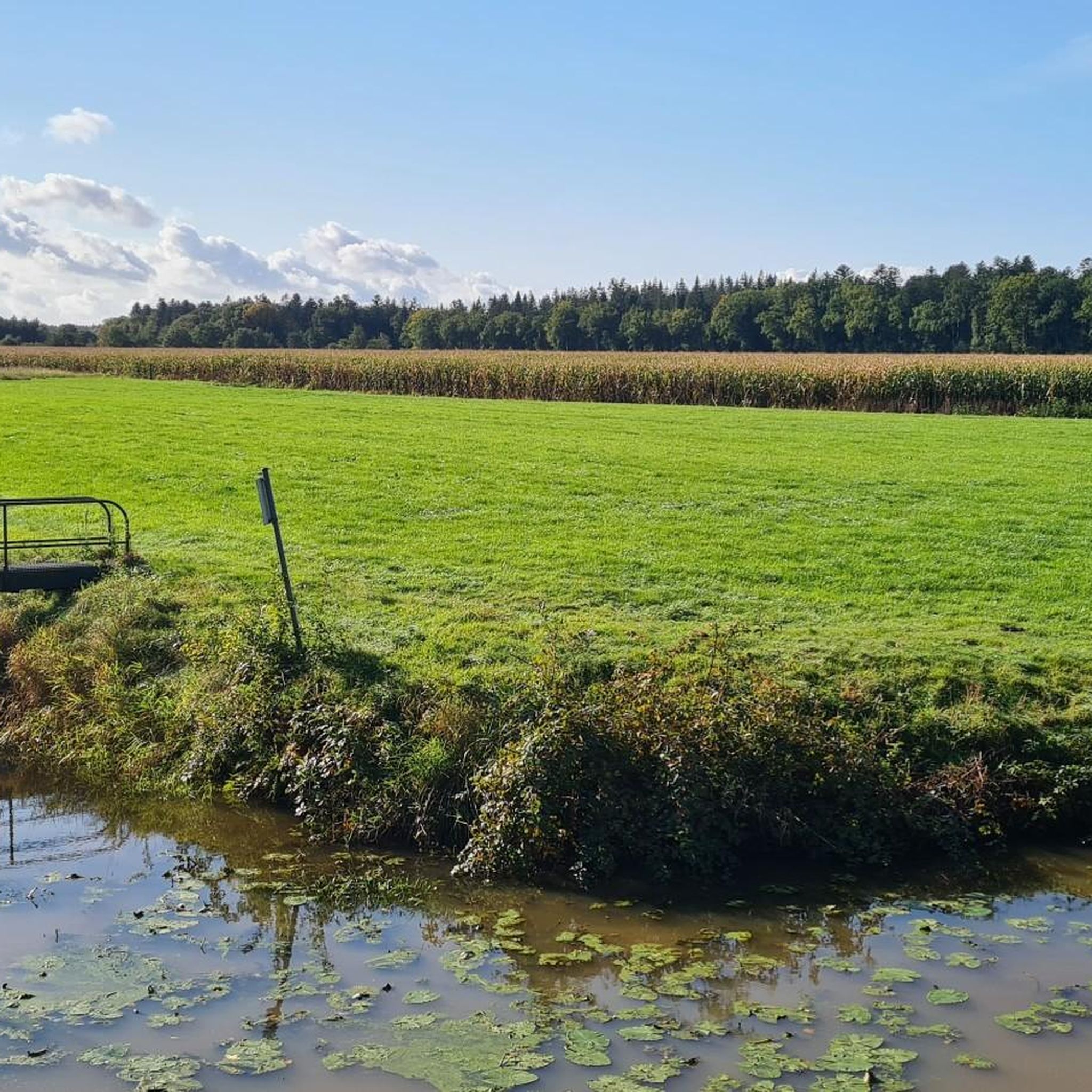
Salt Marshes - Silting Zone of the North Sea Finally at the Wadden Sea – the dike is climbed with anticipation. The first glimpse of the North Sea is an unforgettable experience on any vacation. But a real surprise awaits many visitors who enjoy this view for the first time: expansive, colorful meadows lie between the dike and the mudflats. And these meadows are something very special. Their name: salt marshes. Their special feature: Depending on their altitude, they are flooded more or less regularly by the North Sea's seawater. Salt marshes form the so-called silting zone of the North Sea. This is where the water meets the land. The regular flooding and the high salinity of the seawater require true plant specialists. They have adapted to the conditions in the salt marshes and, together with around 400 animal species, form a unique habitat.
9
0
Frequently Asked Questions
What are the most popular natural monuments around Hage?
The most popular natural monuments around Hage include the Salt Marshes of the Wadden Sea, which are part of the unique coastal ecosystem, and the Ewiges Meer Boardwalk and Moor Lake, offering a circular route through moor heaths. Visitors also appreciate Ostheller, the eastern part of an island accessible for walks through dune valleys or along the north beach.
What unique natural features can I expect to see near Hage?
Near Hage, you can experience the dynamic coastal environment of the Wadden Sea, a UNESCO World Heritage Site. This includes extensive tidal mudflats, sandbanks, and salt marshes. Inland, the region features unique moor landscapes, such as those found around the Ewiges Meer Boardwalk and Moor Lake, and various green spaces.
Are there family-friendly natural monuments around Hage?
Yes, many natural areas around Hage are suitable for families. The Wadden Sea offers opportunities for guided mudflat walks, which can be an educational and engaging experience for children. The View of the Wadden Sea is also listed as family-friendly, providing easy access to coastal views. Additionally, local parks like Parkanlage Hage and Naturfreunde Park offer serene green spaces for relaxation and play.
What kind of wildlife can be observed in the natural monuments near Hage?
The Wadden Sea, a critical ecosystem near Hage, is home to over 10,000 animal and plant species. It's a vital stopover and breeding ground for up to 12 million migratory birds annually, making it excellent for birdwatching. Unique marine life, often referred to as the 'small five' (lugworm, cockle, shore crab, brown shrimp, and mud snail), thrive in the mudflats. The salt marshes, like the Salt Marshes of the Wadden Sea, also support around 50 bird species and nearly 2,000 insect species.
What outdoor activities can I do near these natural monuments?
The region around Hage offers various outdoor activities. You can explore numerous cycling routes, such as those found in the Cycling around Hage guide, including routes like the 'Nörder Tief Riverside Path – Lütetsburg Castle loop'. For those who enjoy running, there are trails like the 'Beach at Kiessee Berum – Kurpark Lake loop' detailed in the Running Trails around Hage guide. Gravel biking is also popular, with routes like the 'Berum Castle – Norddeich Harbour loop' available in the Gravel biking around Hage guide.
Are there hiking trails near the natural monuments in Hage?
Yes, there are opportunities for hiking, especially around the coastal areas and moor landscapes. You can walk through the dune valleys or along the north beach from Ostheller. The Ewiges Meer Boardwalk and Moor Lake features a wooden circular route perfect for exploring the moor. For more structured routes, you can find various running and cycling trails that also accommodate walking in the Running Trails around Hage guide.
What is the best time to visit the natural monuments around Hage?
The best time to visit depends on your interests. Spring and autumn are ideal for birdwatching in the Wadden Sea due to migratory bird activity. Summer offers warmer weather for coastal walks and exploring the beaches. The unique ecosystem of the Wadden Sea, with its constant change between high and low tides, provides a captivating experience year-round.
Are there any historical or cultural sites near the natural monuments?
While the focus is on natural monuments, the region does offer some historical context. For example, Lütetsburg Castle Park, though primarily a natural space with stately old trees, is associated with a historical castle and offers a blend of nature and cultural heritage. Local parks like Naturfreunde Park also blend natural surroundings with opportunities for community engagement and local events.
What do visitors enjoy most about the natural monuments around Hage?
Visitors particularly enjoy the unique coastal ecosystem of the Wadden Sea, with its expansive salt marshes and the opportunity to witness the constant interplay of tides. The tranquility and natural beauty of places like the Ewiges Meer Boardwalk and Moor Lake, with its interesting moor environment, are also highly appreciated. The chance to observe diverse bird species and experience a deep connection with nature is a recurring highlight.
Are the natural monuments around Hage accessible for beginners or those seeking easy walks?
Yes, many areas are suitable for beginners and offer easy access. The Ewiges Meer Boardwalk and Moor Lake features a wooden circular route that is generally easy to navigate. Coastal walks, such as those from Ostheller along the north beach, can be adjusted to your desired distance. The flat terrain of the Wadden Sea region also makes it generally accessible for leisurely exploration.
Can I bring my dog to the natural monuments in Hage?
While specific regulations can vary, many natural areas in Germany, especially coastal and park areas, are dog-friendly, often requiring dogs to be on a leash. For the Wadden Sea, it's important to be mindful of sensitive ecosystems and wildlife, particularly during bird breeding seasons. Always check local signage or official park websites for specific rules regarding pets in protected areas like the Salt Marshes of the Wadden Sea or the moor landscapes.
Most popular attractions around Hage

Get inspired with the komoot mobile app


Explore more
Extend your search for the best caves by checking out these guides of the top ones around Hage:
