Top 20 Natural Monuments around Norden
Best natural monuments around Norden are situated on Germany's North Sea coast, a region characterized by its unique natural features. The area is an integral part of the Wadden Sea, a UNESCO World Heritage Site, which profoundly shapes the local landscape. This dynamic environment includes expansive mudflats, sandbanks, and salt marshes, supporting diverse ecosystems. Norden offers access to significant natural attractions showcasing the ecological value of the East Frisian coast.
Best natural monuments around Norden
- The most popular natural monument…
Last updated: August 4, 2026
Walter-Großmann-Dune Observation Platform
Highlight • Viewpoint
Translated by Google •
Tip by

Salt Marshes of the Wadden Sea
Highlight • Natural
Finally at the Wadden Sea – the dike is climbed with anticipation. The first glimpse of the North Sea is an …
Translated by Google •
Tip by

Sign up now to discover places like this
Get recommendations on the best single tracks, peaks, & plenty of other exciting outdoor places.
Sign up for free
Navigation beacon on Möwendüne
Highlight • Monument
Translated by Google •
Tip by

Observation Hut at Kalfamer
Highlight • Viewpoint
Translated by Google •
Tip by

Ostheller
Highlight • Natural Monument
Translated by Google •
Tip by

Sign up for free to discover even more natural monuments around Norden.
Sign up for free
Already have an account?
Start today with a free account
Your next adventure awaits.
Login or Signup
Popular around Norden
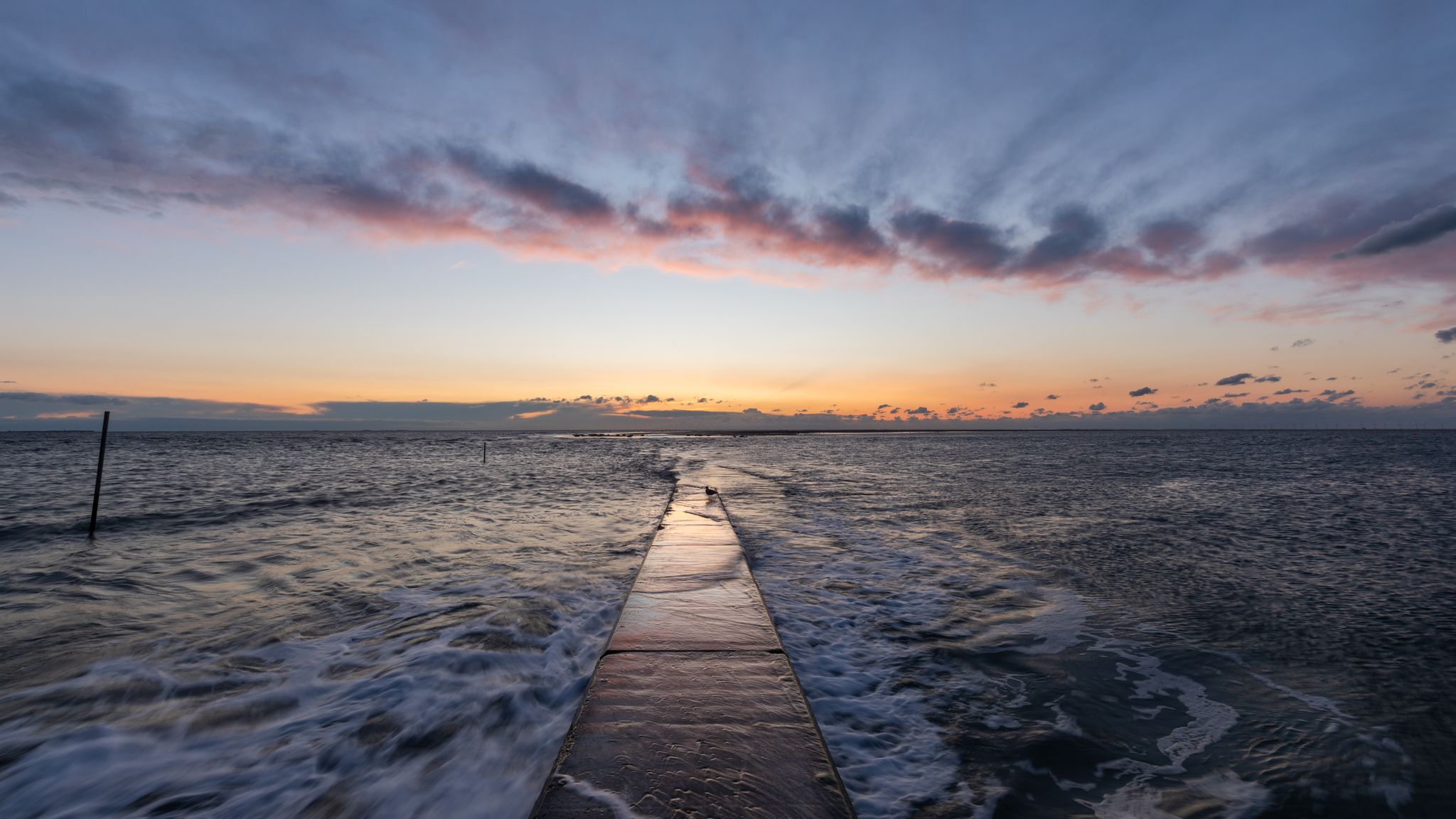
The National Natural Landscapes in Niedersachsen
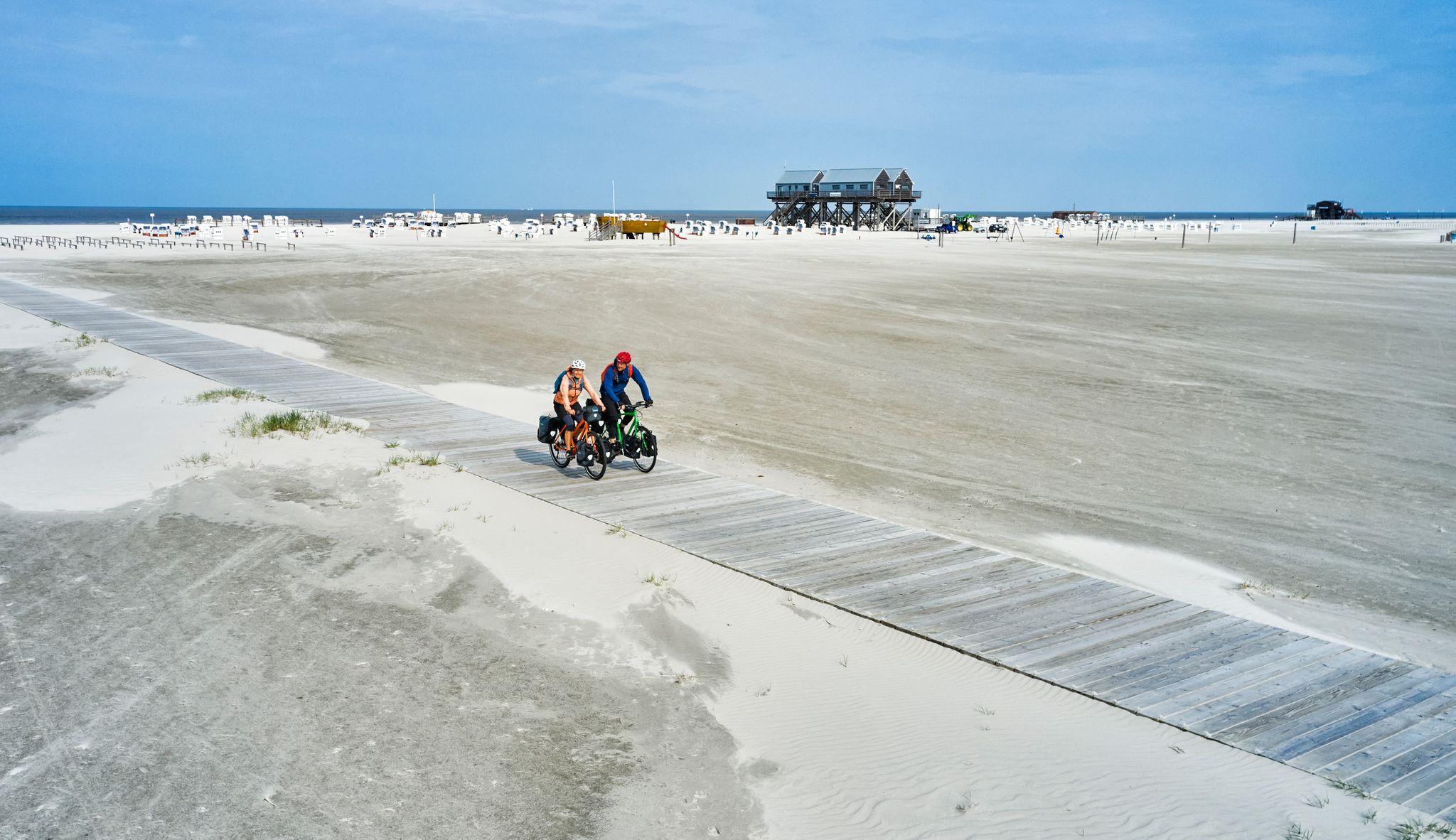
Nine hundred kilometres of pure freedom – North Sea Cycle Route
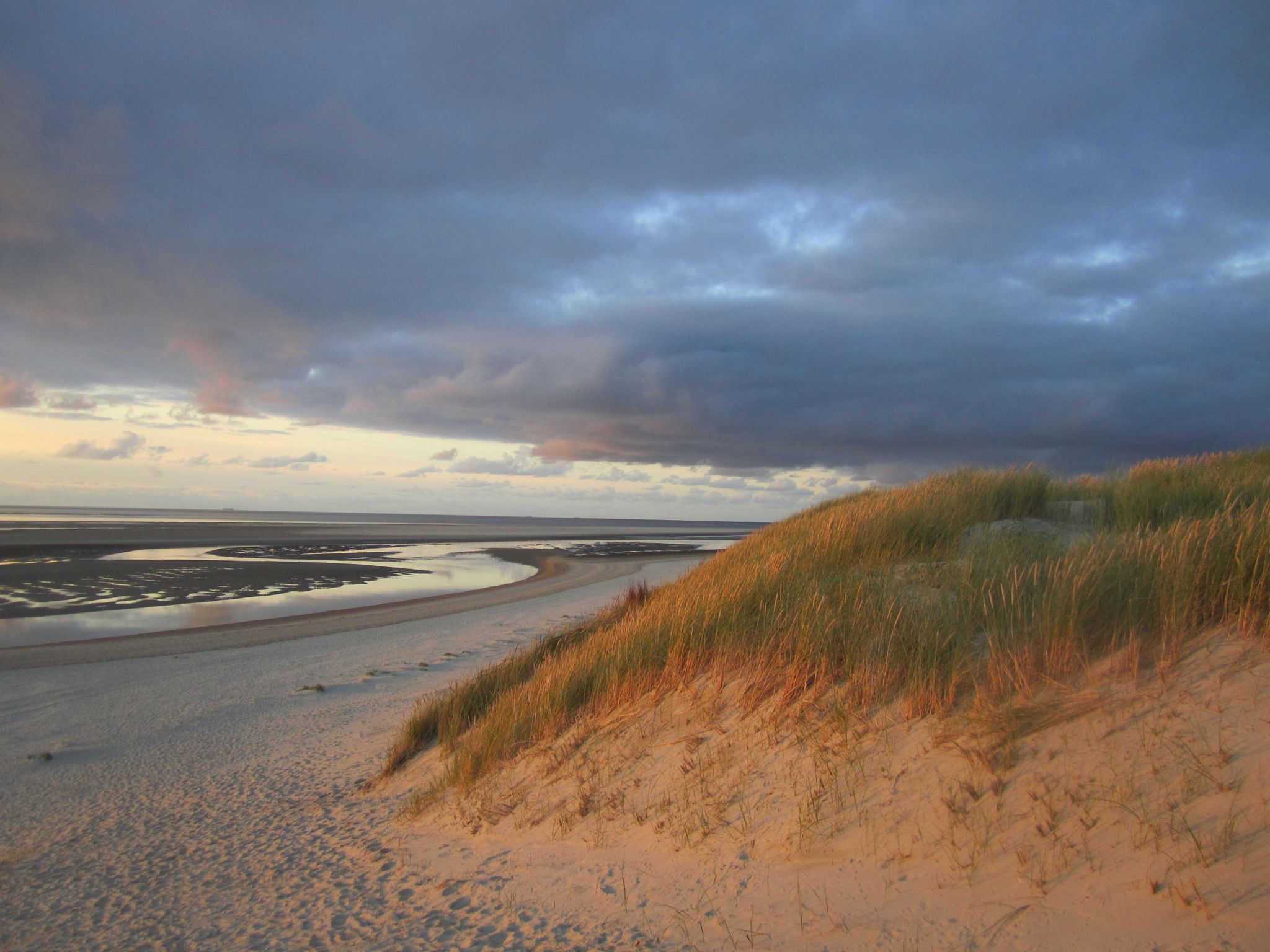
For real coastal lovers — long-distance hiking on Germany’s Störtebeker Trail
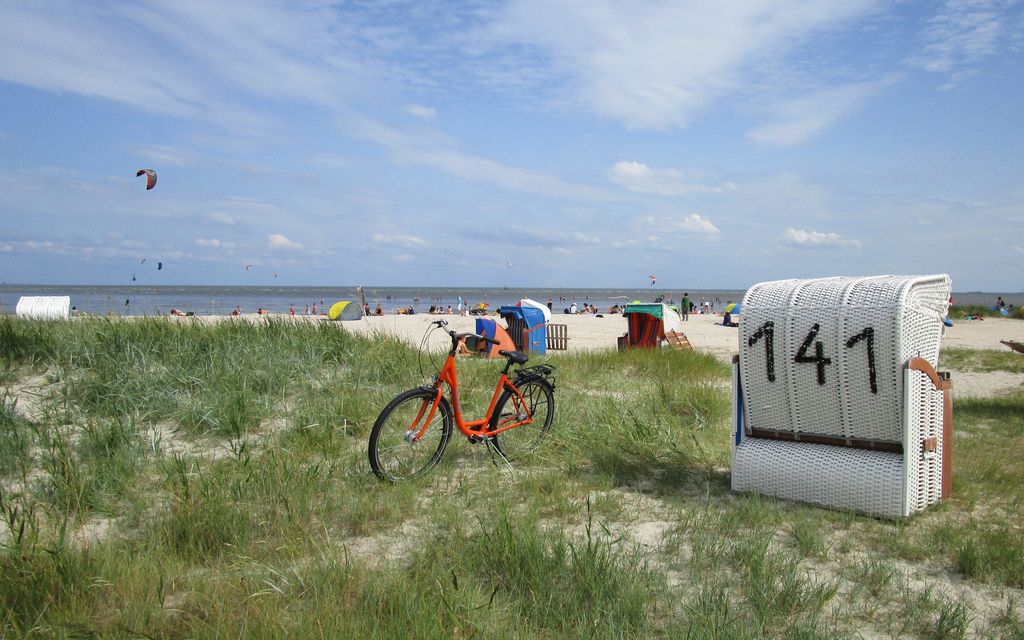
Through the land of wide horizons — Cycling holidays in East Frisia
D-Route 1: North Sea Coast Route
Cycling around Norden
Hiking around Norden
Running Trails around Norden
Road Cycling Routes around Norden
MTB Trails around Norden
Other adventures around Norden


Tips from the Community

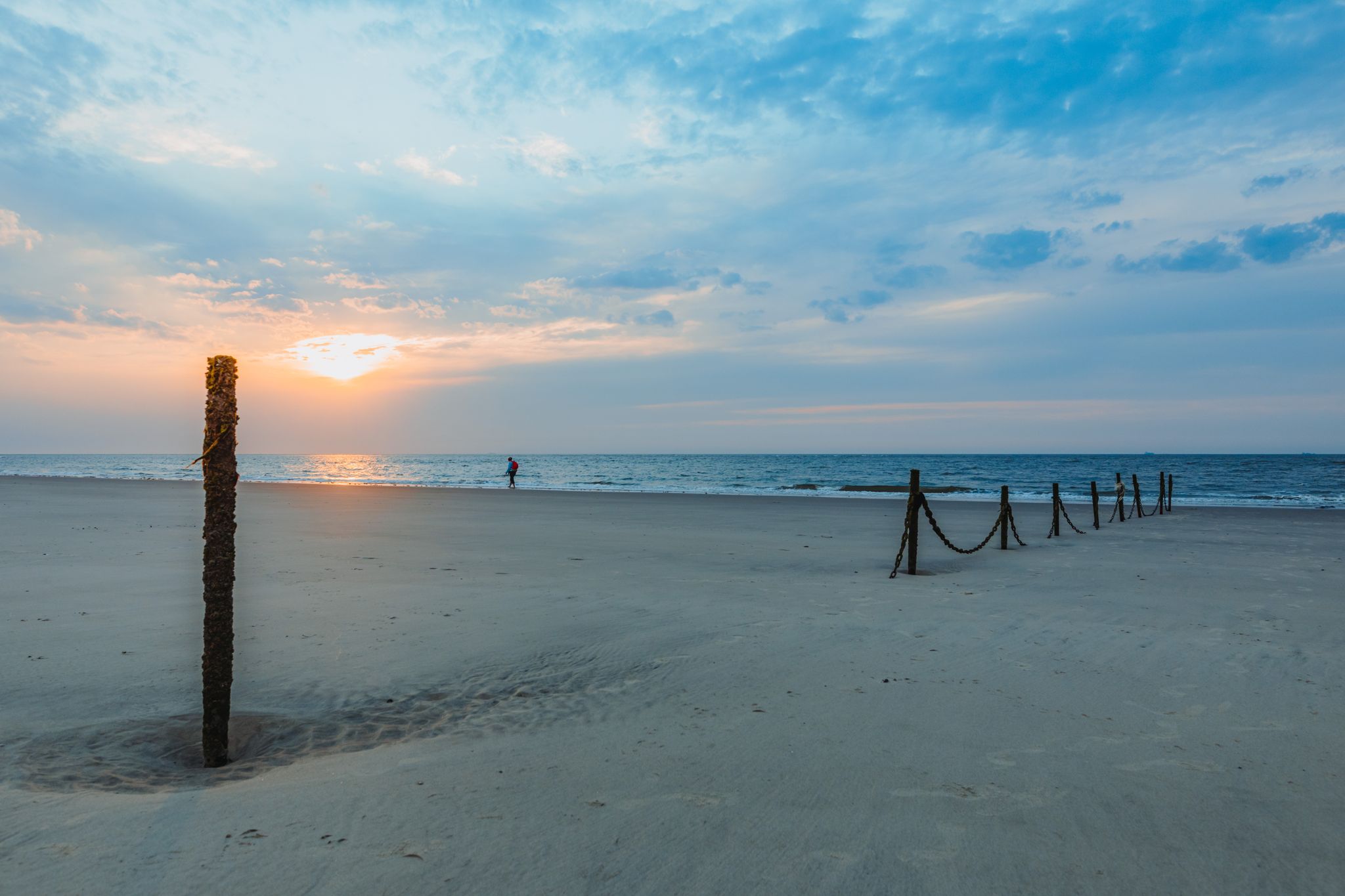
It's a beautiful part of the island - especially early in the morning, before all the other people arrive.
0
0


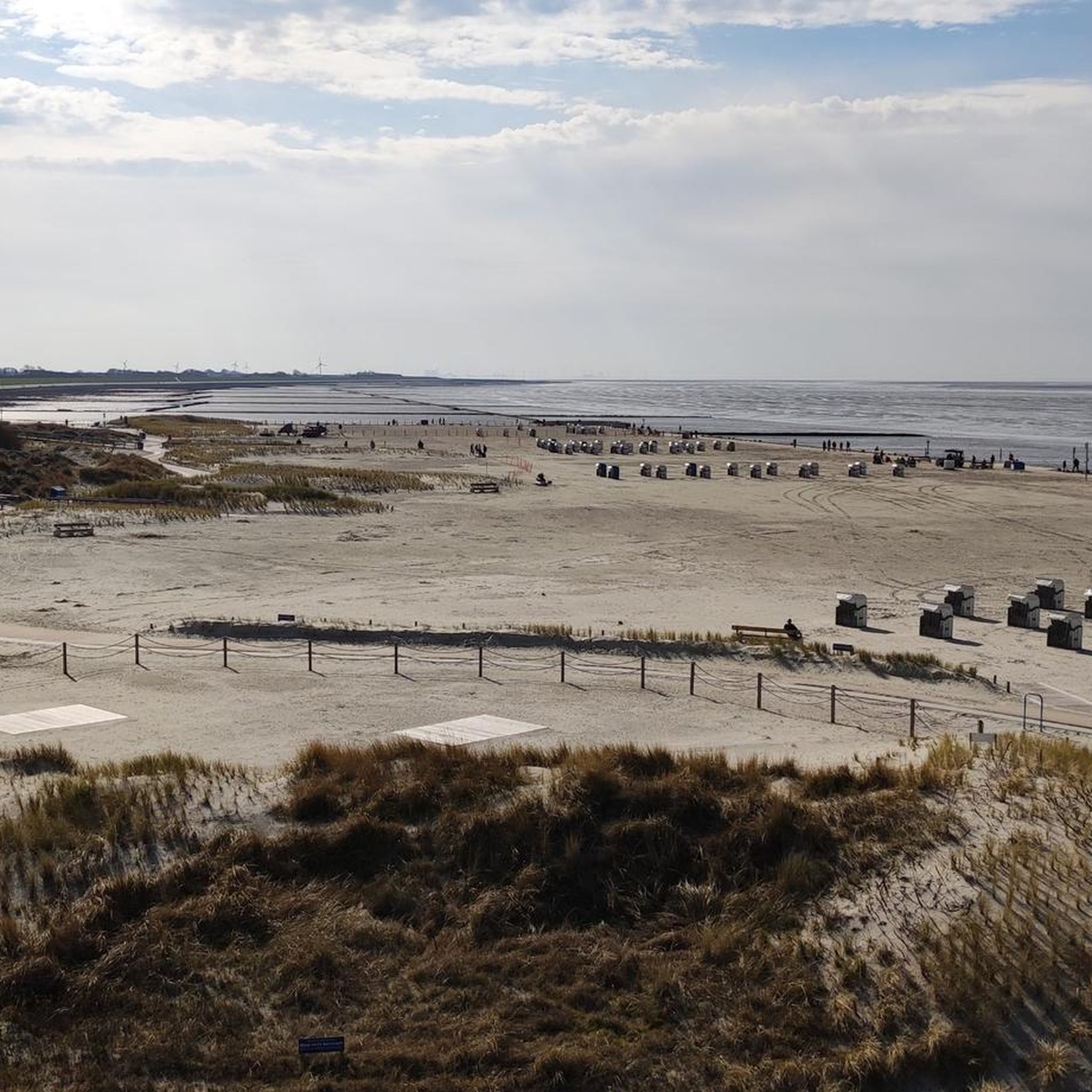
The last piece of the inhabited world. From here, only footpaths lead to the end of the island.
2
0

The path leads in an east-facing arc around the widely visible eastern beacon to the information hut, which is now deserted due to the increasingly inhospitable weather.
0
0

The salt marshes on the promenade add further value to the area, especially since on 24 June 2010 the then Lower Saxony Minister of Economic Affairs Jörg Bode awarded the district the title of North Sea health resort, the highest level of tourist recognition, and it is important to give priority to nature here too.
8
0
Habitat between mudflats and dikes Salt marshes, like the mudflats that dry out at low tide, are part of the Wadden Sea ecosystem. They form the transition between sea and land and place very special demands on the plants and animals that live there, as they are only slightly above mean high tide and are still flooded by salt water. Despite the extreme living conditions, the salt marshes off the coastal dikes and on the southern sides of the islands have become a habitat for highly specialized communities. Around 50 bird species, for which the salt marshes serve as resting, feeding, and breeding grounds, and almost 2,000 insect species live here. They have adapted to the salt marsh plants and the regular flooding of this habitat, and some are found only here. The salt marshes are essential for bird migration across the East Atlantic. Millions of geese, ducks, and waders rest or overwinter here. They must gain weight quickly in the Wadden Sea to survive the long distances that lie ahead. Here you'll find a richly laid table. (Source: https://seehundstation-norddeich.de/website/waloseum/vogelwelt-der-kueste/salzwiesen/)
8
0
Before we turn off, information board 7 reminds us of the need to protect the Wadden Sea as an ecologically valuable habitat for animals, nature and people. In order to preserve the dynamic natural processes of the Wadden Sea, three different protection and quiet zones have been created: specially protected areas that are not allowed to be entered (e.g. salt marshes, dunes), so-called buffer areas where considerate entry is permitted and finally the bathing beaches, which can be entered without restrictions. (Source: https://www.norddeich.de/poi/salzwiesen-und-watt)
6
0

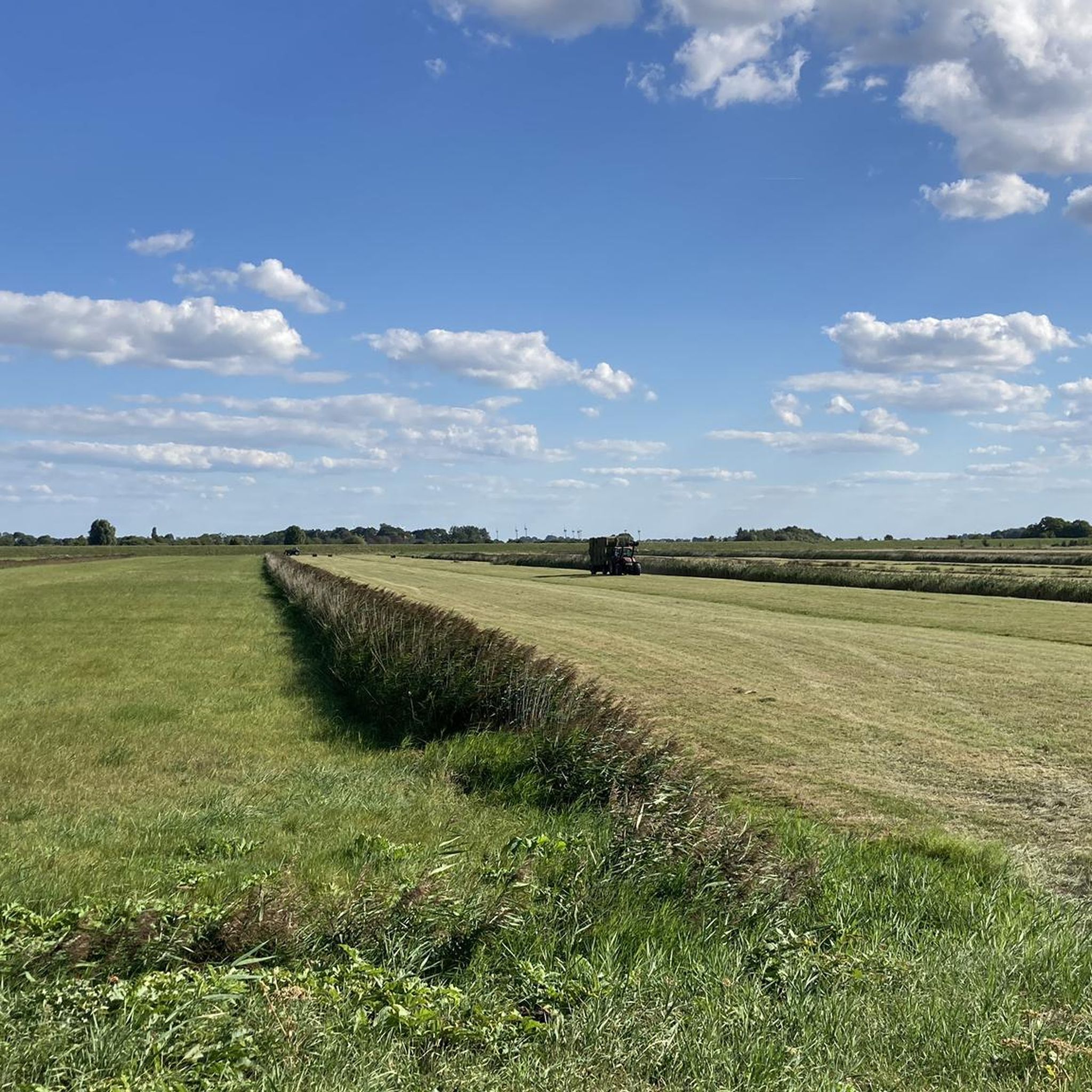
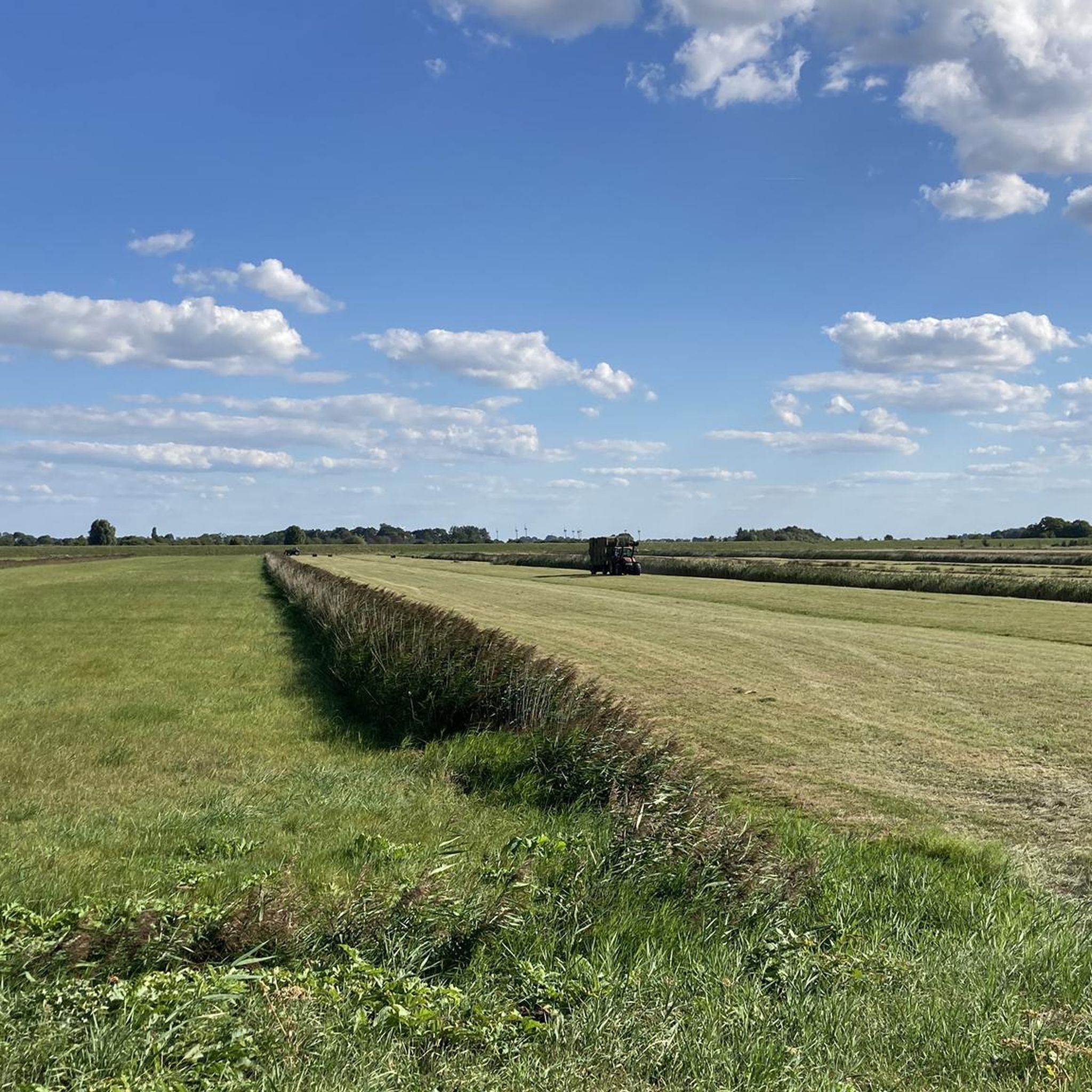
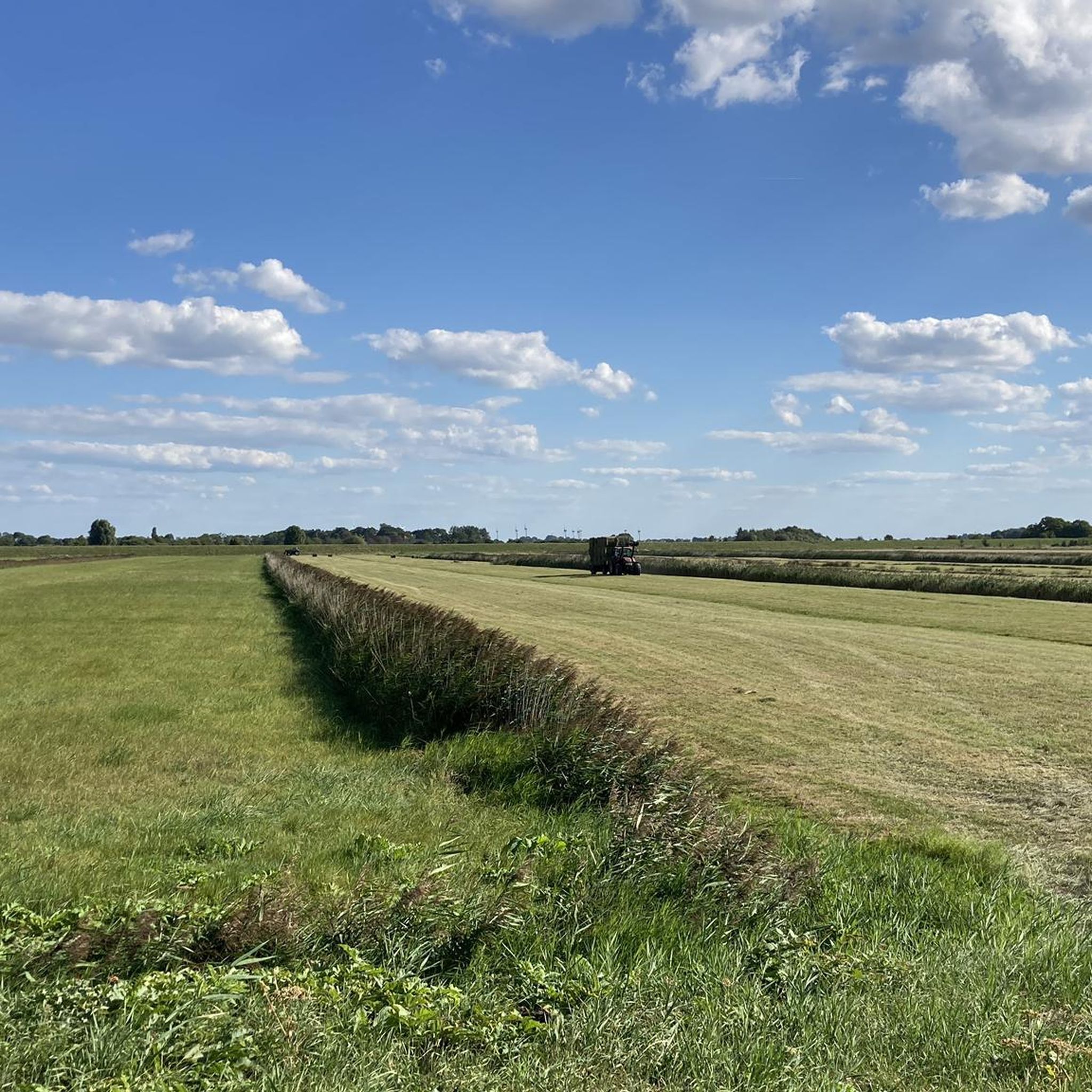
Salt Marshes - Silting Zone of the North Sea Finally at the Wadden Sea – the dike is climbed with anticipation. The first glimpse of the North Sea is an unforgettable experience on any vacation. But a real surprise awaits many visitors who enjoy this view for the first time: expansive, colorful meadows lie between the dike and the mudflats. And these meadows are something very special. Their name: salt marshes. Their special feature: Depending on their altitude, they are flooded more or less regularly by the North Sea's seawater. Salt marshes form the so-called silting zone of the North Sea. This is where the water meets the land. The regular flooding and the high salinity of the seawater require true plant specialists. They have adapted to the conditions in the salt marshes and, together with around 400 animal species, form a unique habitat.
9
0
Frequently Asked Questions
What are the most significant natural monuments to explore around Norden?
The Norden area is deeply shaped by the Wadden Sea, a UNESCO World Heritage Site. Key natural monuments include the expansive Lower Saxony Wadden Sea National Park (Norderney Dunes), known for its dune landscapes and paved paths, and the impressive White Dune Norderney, a kilometers-long sand wall showcasing the dynamic North Sea coast. The Salt Marshes of the Wadden Sea also offer a unique habitat between land and sea.
Are there family-friendly natural monuments in the Norden area?
Yes, several natural monuments around Norden are suitable for families. The Lower Saxony Wadden Sea National Park (Norderney Dunes) features paved paths, making it easy to explore with children. White Dune Norderney is also family-friendly, offering wide-open spaces for exploration. Norddeich Beach, while not a specific highlight in the guide, is a popular coastal area with fine sand and opportunities for beachcombing, ideal for families.
What kind of unique geological features can I observe near Norden?
The most prominent geological feature is the Wadden Sea itself, the largest unbroken system of intertidal sand and mudflats globally. This dynamic landscape is constantly shaped by tides, revealing vast mudflats and sandbanks. You can also observe the effects of erosion along the coast, particularly at the White Dune Norderney, where the sea's power is evident in the shifting sands.
What outdoor activities can I do near these natural monuments?
The region offers diverse outdoor activities. You can explore the natural monuments through easy hikes, such as those around the Salt Marshes of the Wadden Sea. For cycling, there are numerous routes, including those that take you past the Norderney Dunes. You can find detailed routes for cycling and easy hikes in the Cycling around Norden and Easy hikes around Norden guides.
Are there any viewpoints offering panoramic views of the natural landscape?
Yes, the Walter-Großmann-Dune Observation Platform on Norderney offers a fantastic panoramic view of the surrounding dune landscape and the Wadden Sea, being the highest point on the island. The Navigation beacon on Möwendüne also provides wide views over the dune landscape, salt marshes, and the Wadden Sea.
What is the best time to visit the natural monuments around Norden?
The natural monuments around Norden, particularly the Wadden Sea, are beautiful year-round. Spring and autumn are ideal for birdwatching, as millions of migratory birds use the Wadden Sea as a resting and feeding ground. Summer offers pleasant weather for exploring Norddeich Beach and the dune landscapes. Guided mudflat hikes are typically offered during warmer months and at low tide.
What kind of wildlife can I expect to see in the Wadden Sea area?
The Wadden Sea is incredibly rich in biodiversity. It's a crucial habitat for 10 to 12 million migratory birds annually. You can also spot harbor and grey seals, and occasionally porpoises. During mudflat hikes, you might encounter the 'Small Five' of the mudflats: brown shrimp, lugworm, cockle, shore crab, and mud snail. The salt marshes are home to around 50 bird species and nearly 2,000 insect species.
Are there any historical or cultural sites with natural elements near Norden?
While primarily a historical landscape garden, Lütetsburg Castle Park is considered one of the largest and most beautiful English landscape gardens in Northern Germany and features notable natural elements. It boasts over 150 varieties of trees and shrubbery, including a rare, over 400-year-old sequoia tree, blending cultivated nature with historical architecture.
Can I find accessible natural monuments or trails for wheelchairs around Norden?
The Lower Saxony Wadden Sea National Park (Norderney Dunes) offers paved paths, which can be suitable for wheelchair users. Additionally, the Norddeich National Park Promenade aims to provide barrier-free access to make the Wadden Sea World Heritage more tangible for visitors, offering accessible trails along the coast.
What do visitors enjoy most about the natural monuments around Norden?
Visitors frequently appreciate the expansive views, especially from spots like the Walter-Großmann-Dune Observation Platform. The unique experience of exploring the dynamic dune landscapes and the vastness of the North Sea coast, as seen at the White Dune Norderney, is also highly valued. The tranquility and unique ecosystems of the Salt Marshes of the Wadden Sea are also a significant draw.
Are there opportunities for birdwatching near Norden's natural monuments?
Absolutely. The Wadden Sea is a globally important site for bird migration, with millions of birds passing through annually. The Salt Marshes of the Wadden Sea, in particular, serve as vital resting, feeding, and breeding grounds for around 50 bird species, including geese, ducks, and waders. It's an excellent location for birdwatching.
Where can I learn more about the Wadden Sea and its conservation efforts?
The Wadden Sea is a UNESCO World Heritage Site, and its conservation is a major focus. The National Park House seal sanctuary in Norden-Norddeich provides insights into the rescue and care of seals, highlighting marine mammal protection. You can also find more information on the official Wadden Sea World Heritage website.
Most popular routes around Norden
Most popular attractions around Norden

Get inspired with the komoot mobile app


Explore more
Extend your search for the best caves by checking out these guides of the top ones around Norden:
