Top 20 Natural Monuments around Gokels
Best natural monuments around Gokels offer diverse natural features within the Schleswig-Holstein region. The area is characterized by its rural landscape, including waterways and forests, providing opportunities for outdoor exploration. While Gokels itself may not host officially designated natural monuments, the wider vicinity features significant natural points of interest. These include ancient trees, polders, and nature reserves that contribute to the region's natural appeal.
Best natural monuments around Gokels
- The most popular natural monuments is Exposed roots of the ancient…
Last updated: October 11, 2026
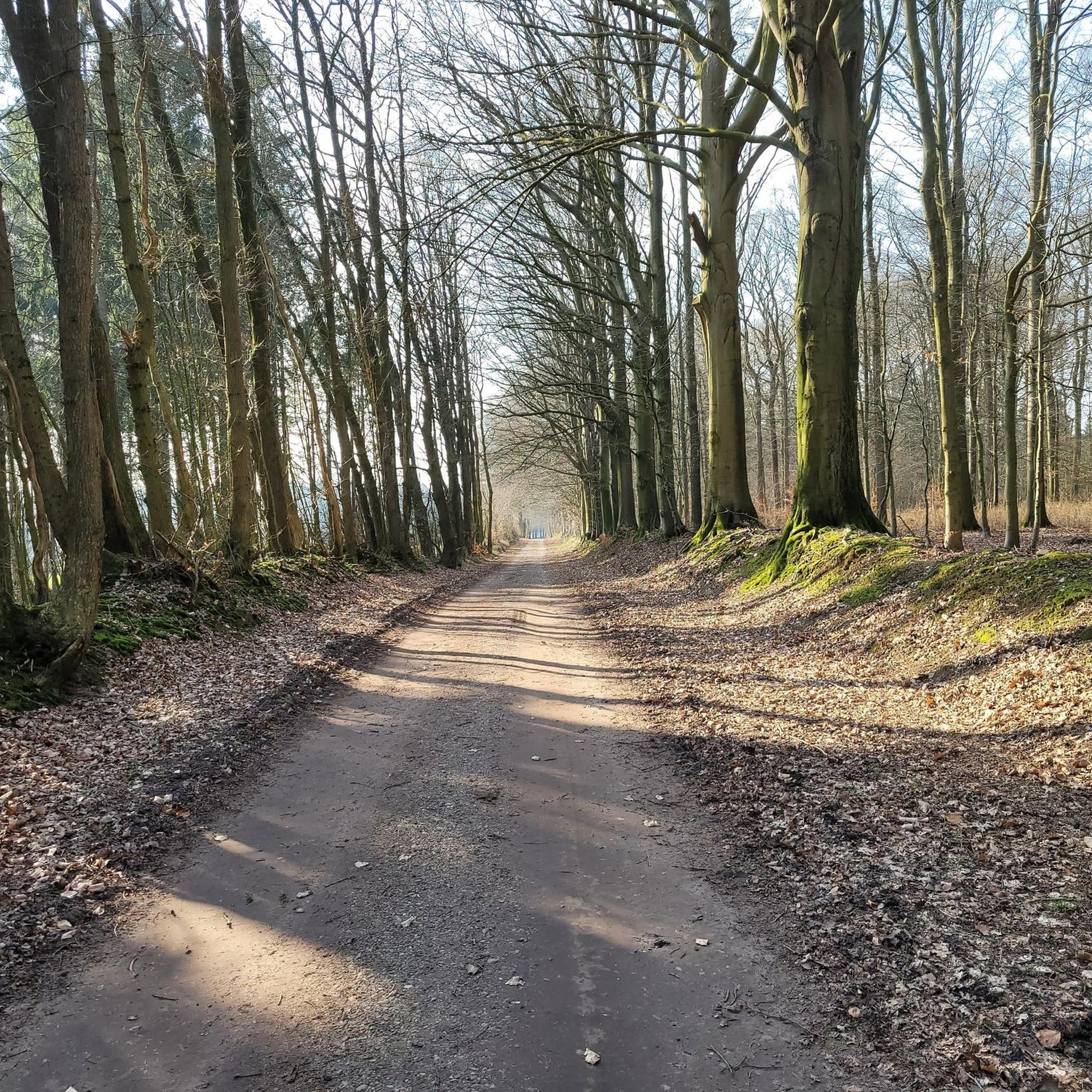
Exposed roots of the ancient beech in the Gieselau Valley
Highlight • Natural Monument
Translated by Google •
Tip by

Polders of the Haaler Au
Highlight (Segment) • Lake
Translated by Google •
Tip by

Sign up now to discover places like this
Get recommendations on the best single tracks, peaks, & plenty of other exciting outdoor places.
Long Barrow (Langbett) in Albersdorf
Highlight • Historical Site
Translated by Google •
Tip by

Giant Sequoia in Naturpark Aukrug
Highlight • Natural Monument
Translated by Google •
Tip by

Haaler Au Memorial and Nature Reserve
Highlight • Natural Monument
Expansion of Haaler Au 1932 - 1986 in honor of Dipl. Ing. Hinerk Bayer, ORR Andreas Paulsen, ORR Jens Muthorst.
Translated by Google •
Tip by

Sign up for free to discover even more natural monuments around Gokels.
Already have an account?
Start today with a free account
Your next adventure awaits.
Tips from the Community

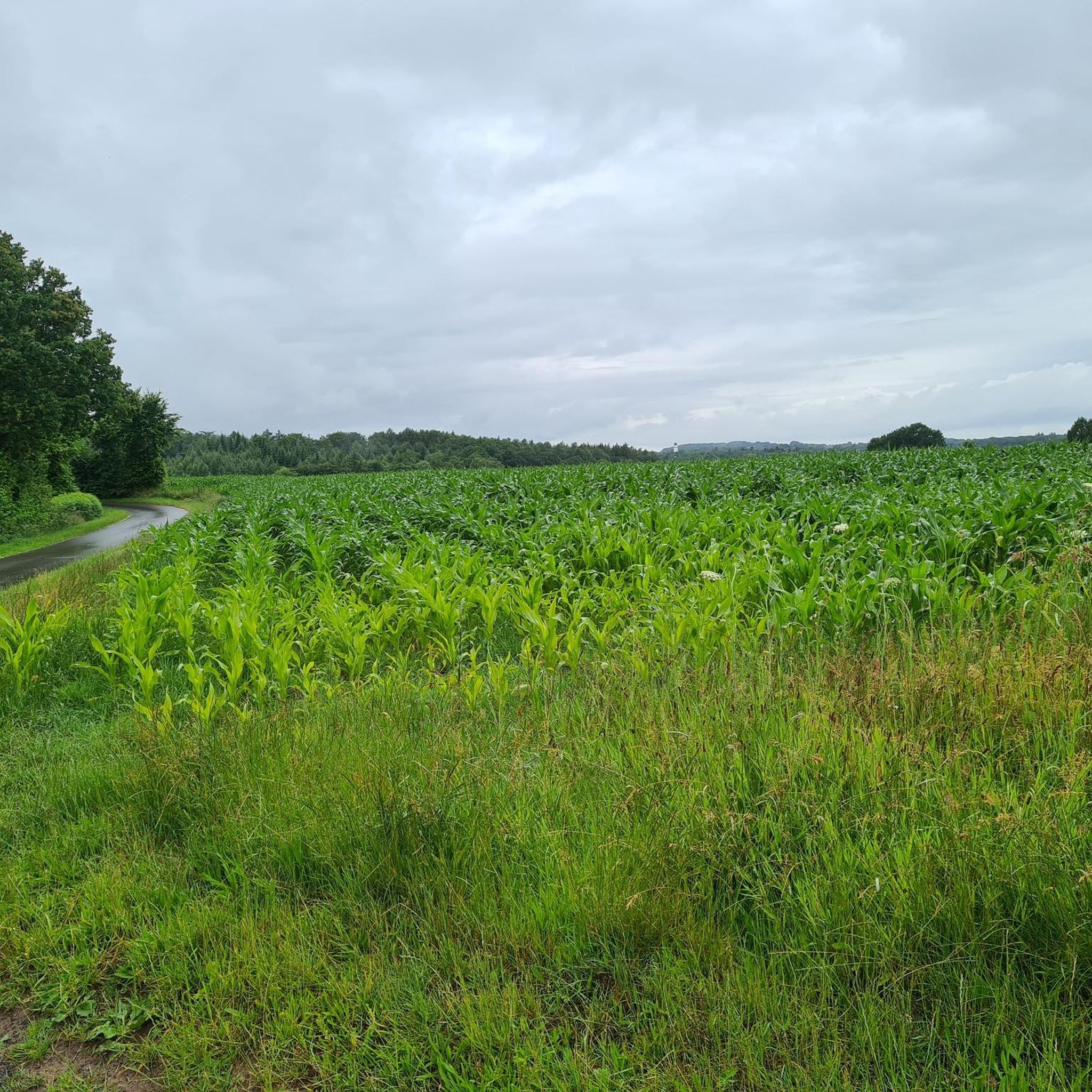
Here, you have to bypass a pasture. The grass is extremely high, and the path itself is barely visible. This requires a good feel for the road, leg strength, and a good dose of intuition.
0
0

Giant sequoia is the name given to the sequoia trees native to the west coast of North America. This tree is already of an impressive size and has the cone-shaped trunk typical of cypresses.
5
0
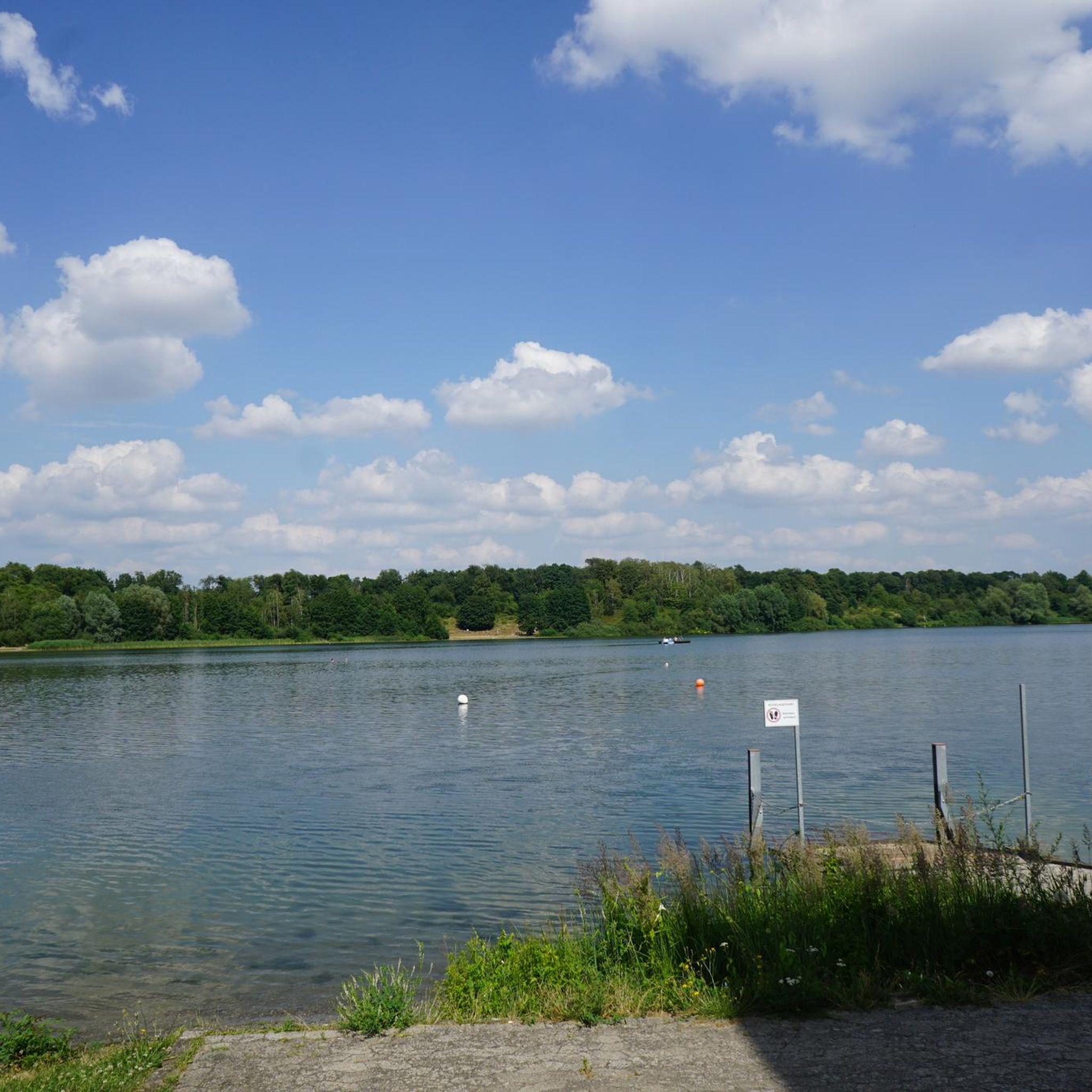
The Haaler Au drains part of the Aukrug Nature Park. It was originally a left tributary of the Eider. With the construction of the Kiel Canal, it was separated there and has flowed into the canal ever since. Shortly before it flows into the canal, it forms a small lake. This can be seen here.
4
0
The inscription on the memorial stone reads: Expansion of Haaler Au 1932 - 1986 in honor of Dipl. Ing. Hinerk Bayer, ORR Andreas Paulsen, ORR Jens Muthorst.
5
0

Really a very interesting root system
1
0

It's always impressive how the trees with such fascinating root systems can hold their own above ground in wind and weather 🌳...
1
0

200 year old beech
2
0

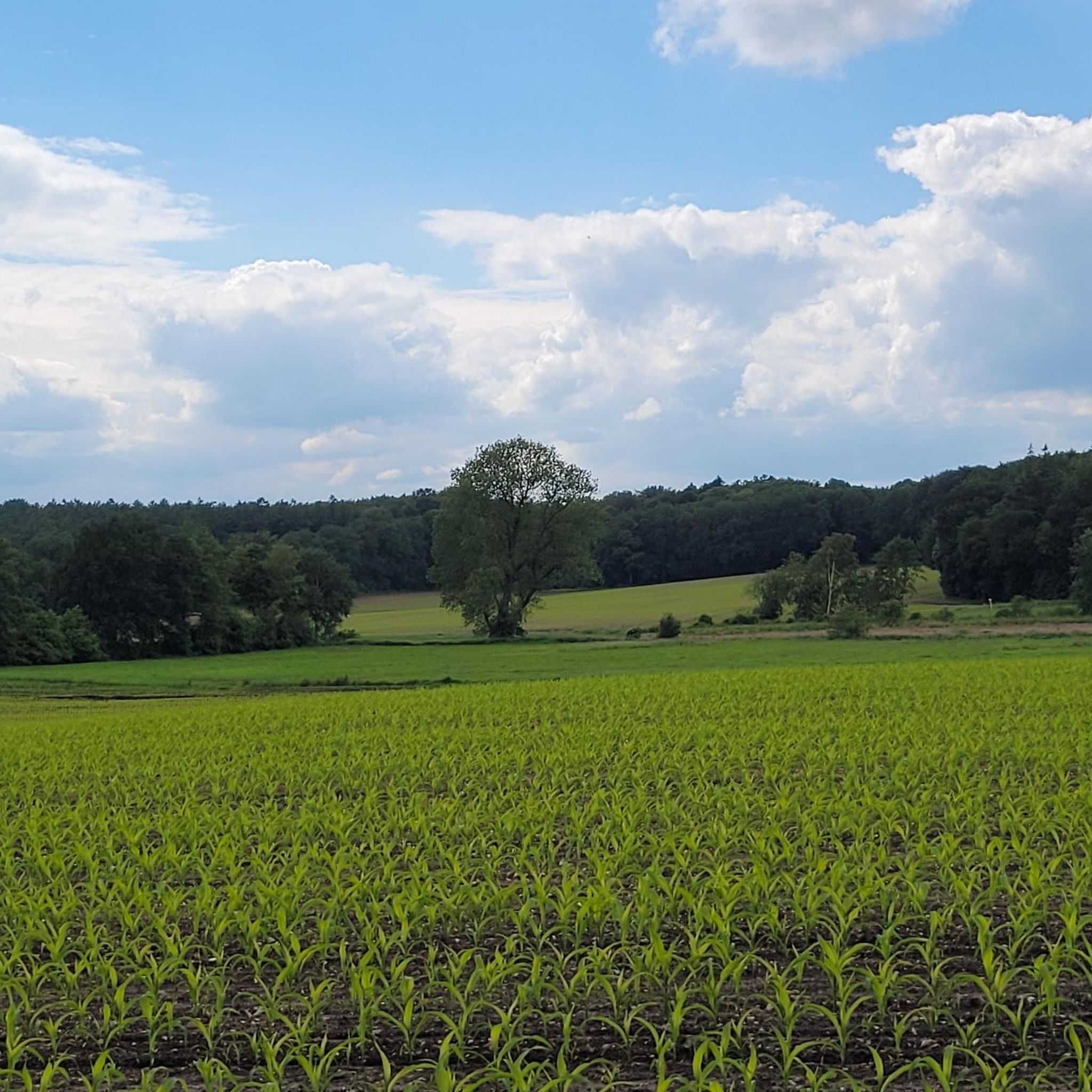
The lake-like polder areas on the lower reaches of the Haaler Au provide a habitat for many animals. The pygmy swans in particular use these areas as a resting place in February / March and strengthen themselves here for their onward flight. So use the winter time for a trip here. During the growing season, everything should be very overgrown and therefore less of the beautiful nature visible.
2
0
Frequently Asked Questions
What unique natural monuments can I discover near Gokels?
Near Gokels, you can explore diverse natural monuments. One notable site is the Exposed roots of the ancient beech in the Gieselau Valley, featuring the impressive root system of a more than 200-year-old beech. Another interesting spot is the Polders of the Haaler Au, which are lake-like areas providing a vital habitat for various animals, especially pygmy swans in winter.
Are there any historical natural monuments around Gokels?
Yes, the region around Gokels features natural monuments with historical significance. You can visit the Krinkberg Bronze Age Burial Mounds, an archaeological monument consisting of two burial mounds from the Bronze Age. Another historical site is the Long Barrow (Langbett) in Albersdorf, an excellent example of a large stone grave from the Neolithic Age, nestled within a forest.
What kind of natural features are prominent in the area around Gokels?
The area around Gokels is characterized by its rural landscape, including waterways, forests, and polder areas. You'll find ancient trees, such as the 200-year-old beech in the Gieselau Valley, and significant water features like the Polders of the Haaler Au and the Haaler Au Memorial and Nature Reserve, which forms a small lake before flowing into the Kiel Canal.
Are there family-friendly natural monuments to visit near Gokels?
Absolutely. Several natural monuments near Gokels are suitable for families. The Exposed roots of the ancient beech in the Gieselau Valley is a popular discovery spot for children. The Krinkberg Bronze Age Burial Mounds also offer an interesting historical outing for families. Additionally, the Haaler Au Memorial and Nature Reserve provides a pleasant natural setting for all ages.
What is the best time of year to visit the natural monuments around Gokels?
For observing wildlife, particularly pygmy swans at the Polders of the Haaler Au, winter (February/March) is recommended. Generally, spring and autumn offer pleasant temperatures for exploring the natural landscapes and forests. During the growing season, some areas might be overgrown, making paths less visible.
What outdoor activities can I do near these natural monuments?
The region around Gokels offers various outdoor activities. You can find numerous hiking and cycling routes. For hiking, consider options like the "Hiking loop from Gokels" or the "Stick Shelter in the Forest loop from Warringholz." If you prefer cycling, there are gravel biking routes such as the "Picnic Area with Archway – Historic Drage Manor loop from Pöschendorf" or road cycling routes like the "Lowest Point in Germany – Grünental High Bridge loop from Gokels." You can find more details on these activities in the hiking guide, gravel biking guide, and road cycling guide for Gokels.
Can I bring my dog to the natural monuments or trails around Gokels?
Many natural areas and trails around Gokels are dog-friendly, but it's always advisable to keep dogs on a leash, especially in nature reserves or near wildlife habitats. Specific rules may apply to individual sites, so look for local signage. For general hiking routes, dogs are usually welcome.
Where can I find parking for natural monuments near Gokels?
Parking availability varies by specific location. For popular natural monuments or trailheads, there are often designated parking areas. It's recommended to check the specific highlight or route details on Komoot for information on nearby parking facilities before your visit.
What kind of wildlife can be observed around the natural monuments near Gokels?
The natural monuments and surrounding areas near Gokels are home to various wildlife. The Polders of the Haaler Au are particularly known for attracting water birds, including pygmy swans, especially during their resting period in winter. Forest areas, like those surrounding the ancient beech, provide shelter for many animals and forest dwellers.
How can I reach the natural monuments around Gokels by public transport?
While Gokels is a rural municipality, public transport options may be limited for direct access to all natural monuments. Regional bus services might connect Gokels to nearby towns, from which you might need to walk or cycle to reach specific sites. For detailed public transport information, it's best to consult local transport schedules or plan your route using a public transport app.
What do visitors enjoy most about the natural monuments around Gokels?
Visitors particularly appreciate the unique natural features and the tranquility of the area. The Exposed roots of the ancient beech are often highlighted as a fascinating discovery spot. The Polders of the Haaler Au are valued for their role as a habitat for diverse animals, offering great opportunities for nature observation, especially in winter.
Most popular attractions around Gokels

Get inspired with the komoot mobile app


Explore more
Extend your search for the best caves by checking out these guides of the top ones around Gokels:
