Top 20 Natural Monuments around Neu Duvenstedt
Best natural monuments around Neu Duvenstedt are primarily located within the Naturpark Hüttener Berge, a significant natural area shaped by the last ice age. This region features a diverse landscape of hilly terrain, numerous lakes, forests, and moors. Distinctive "Knicks" (planted hedgerows) and "Reddern" (double hedgerows) are vital habitats for many species. The area offers a well-preserved natural environment for outdoor activities.
Best natural monuments around Neu Duvenstedt
- The most popular natural monuments is Heidberg Summit and Trails, a…
Last updated: May 28, 2026
Rümland Pond
Highlight • Lake
Translated by Google •
Tip by

Sorgwohld Inland Dunes
Highlight • Natural Monument
Translated by Google •
Tip by

Sign up now to discover places like this
Get recommendations on the best single tracks, peaks, & plenty of other exciting outdoor places.
Sign up for free
Rammsee shelter
Highlight • Mountain Hut
Translated by Google •
Tip by

Methorst Pond
Highlight • Lake
Translated by Google •
Tip by
Heidberg Summit and Trails
Highlight • Summit
Translated by Google •
Tip by

Sign up for free to discover even more natural monuments around Neu Duvenstedt.
Sign up for free
Already have an account?
Start today with a free account
Your next adventure awaits.
Login or Signup
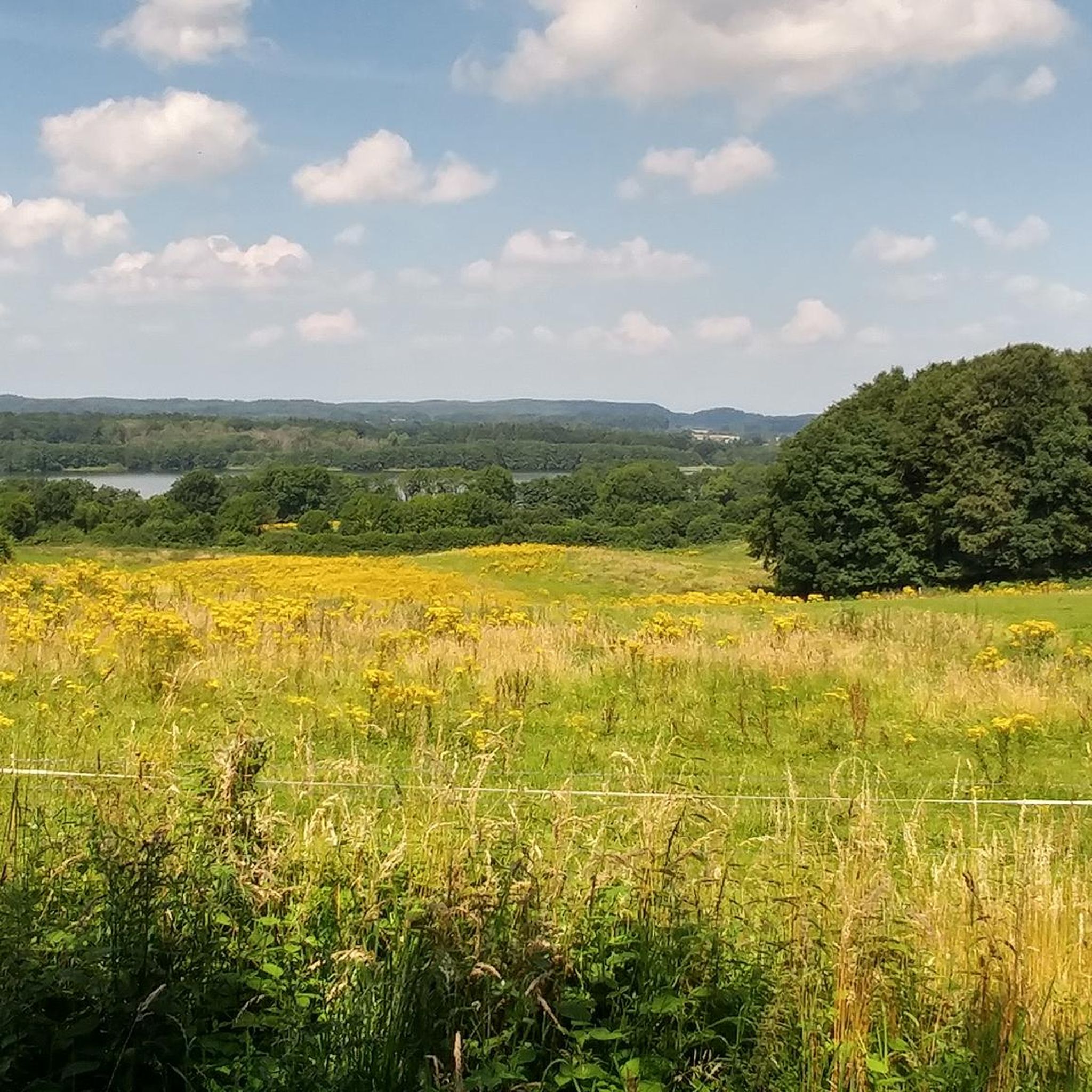
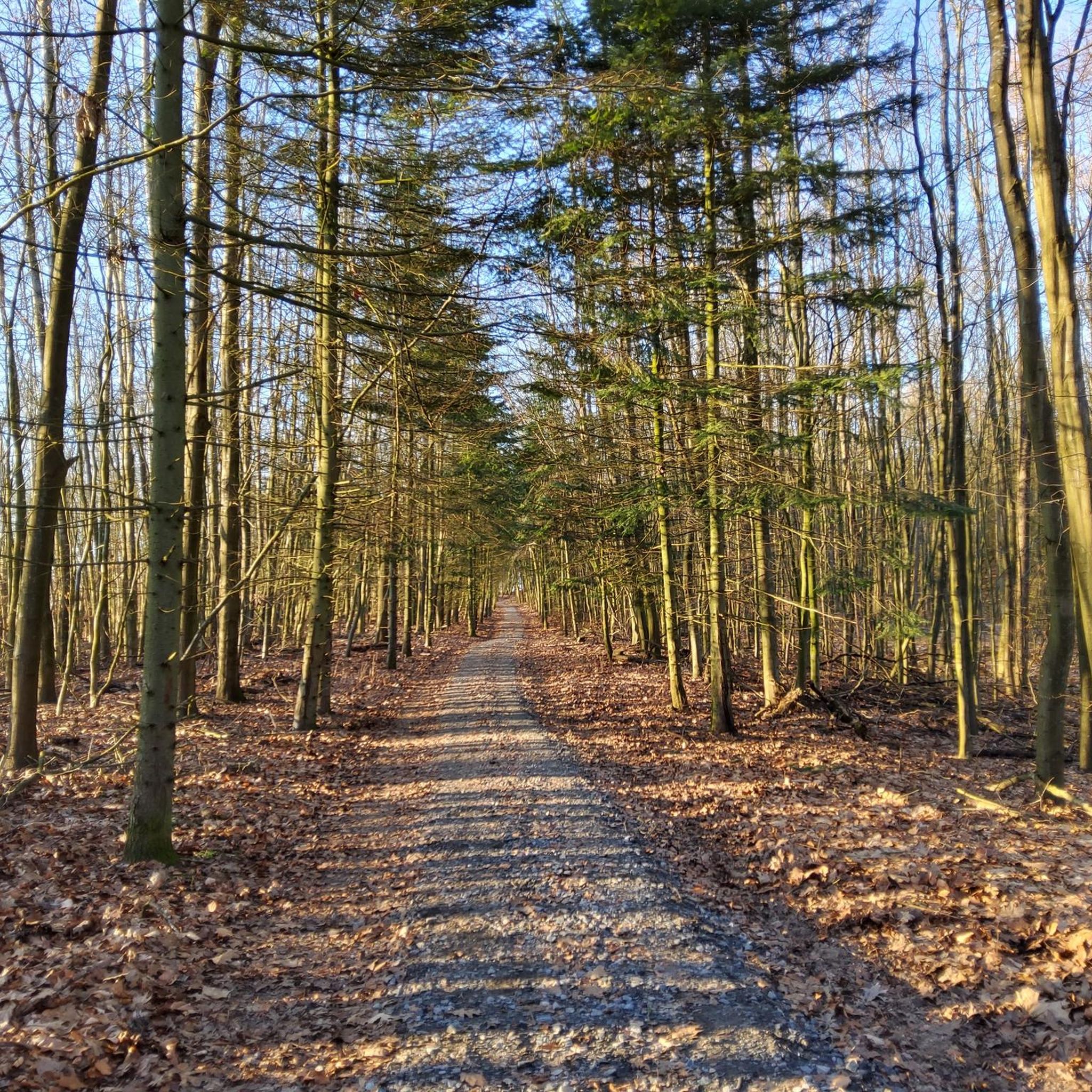
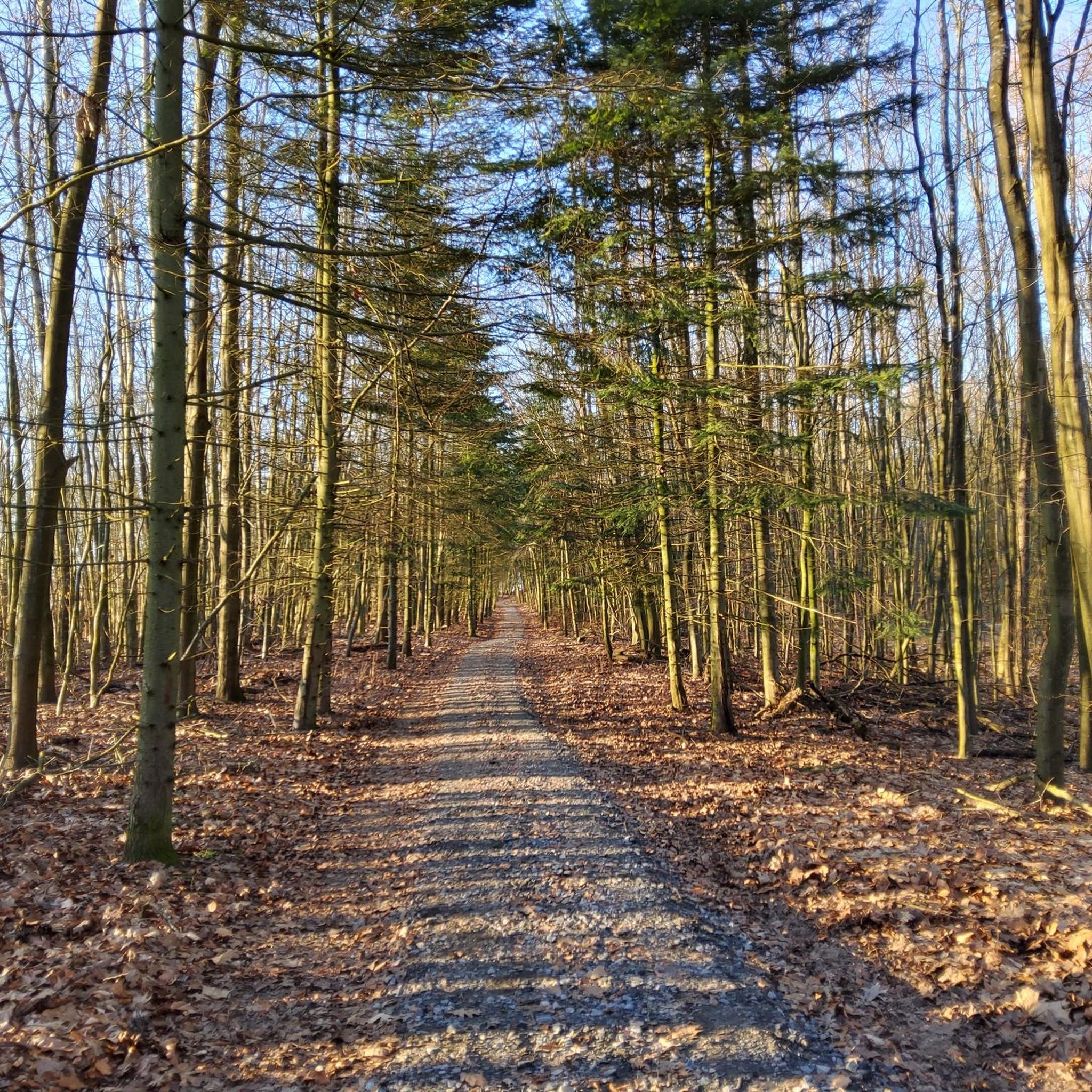
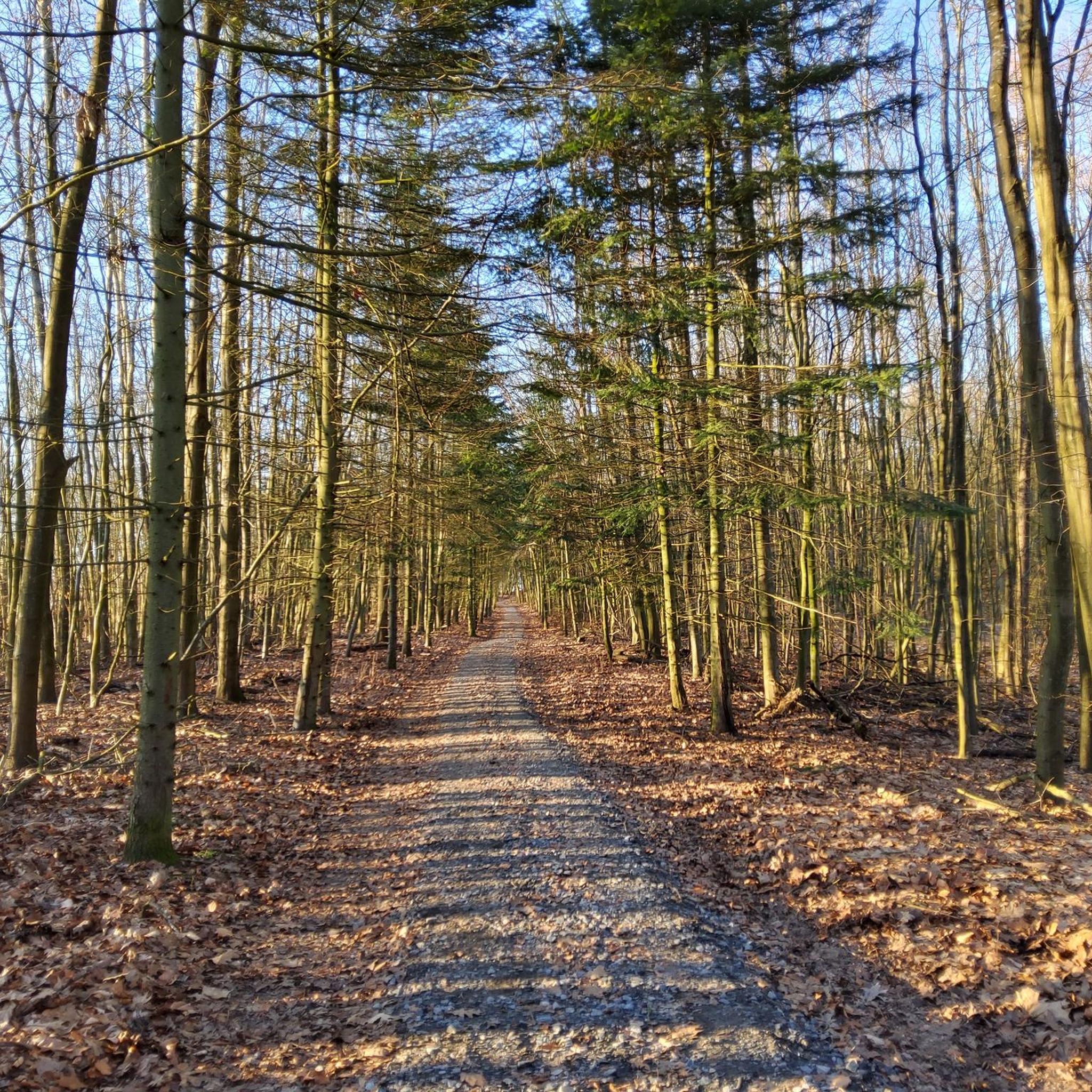
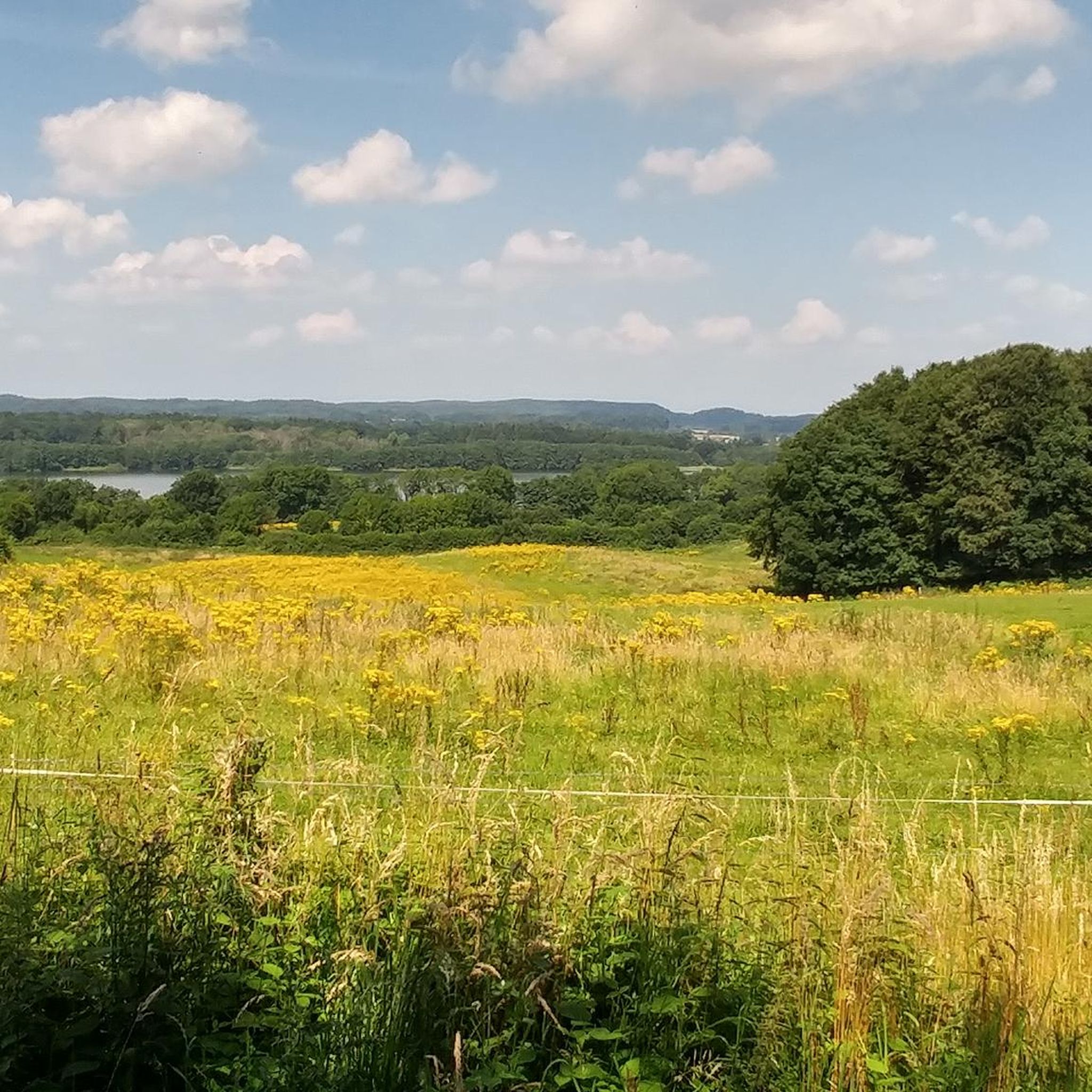
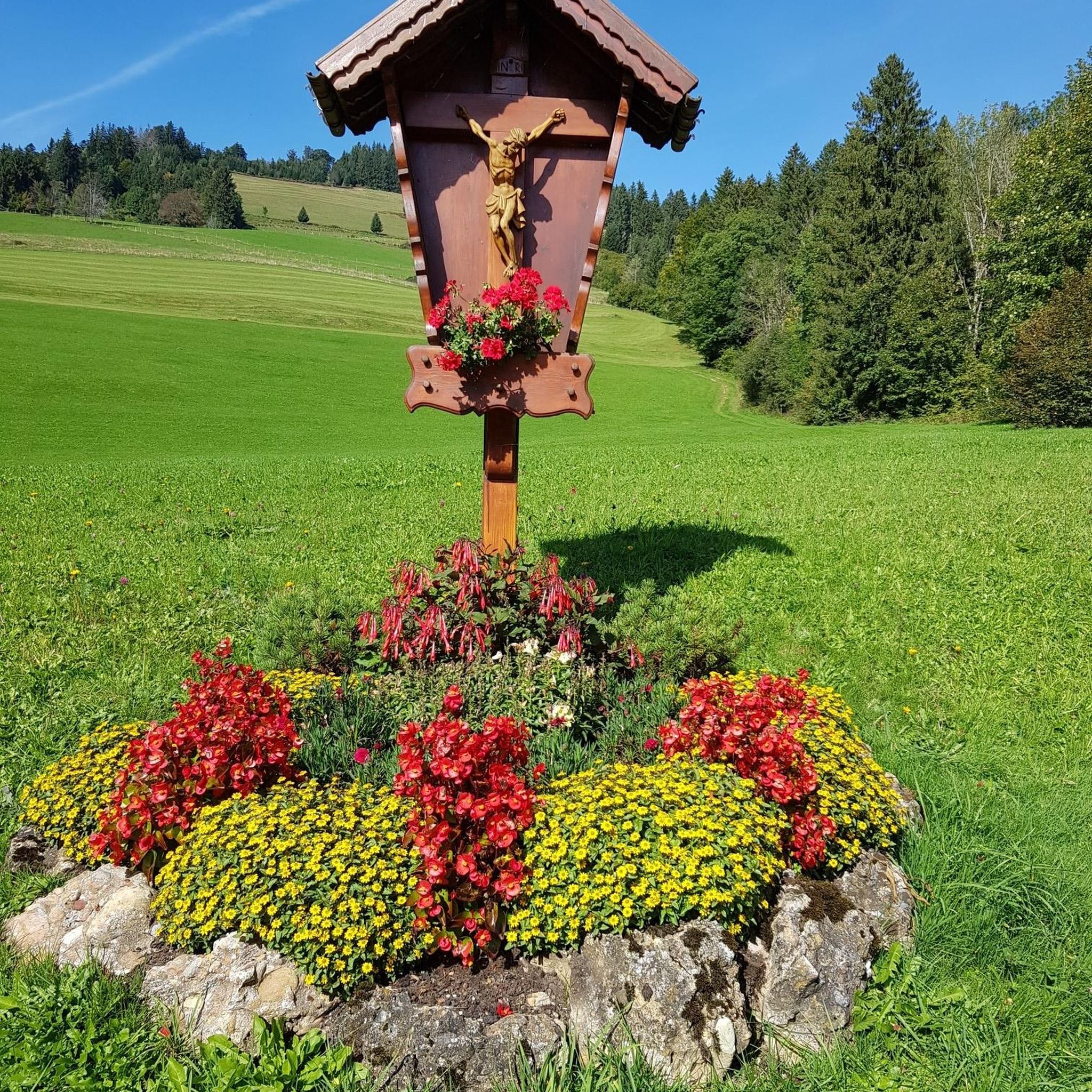
Tips from the Community

Beautifully situated on the Rammsee lake... if necessary, you can certainly find a place to rest for the night here.
2
0

Beautiful hike in August when the heather is in bloom.
0
0

Beautiful in August!
0
0

Beautiful sheltered rest hut directly at the Rammsee.
1
0

Very nice new shelter at the Ramsee. The benches are so wide that you can comfortably take a nap ;-)
2
0

What is striking is the massive occurrence of reeds in the wide bank zone.
5
1

The Sorgwohlder inland dunes near Owschlag have been a nature reserve along the Sorge lowlands since 1936. It extends from Sorgwohld in a northeasterly direction. The dunes were formed in the late and post-glacial periods around 12,000 years ago. A constant ice wind blew the sand from the erosion edges, created by meltwater that had severely eroded the Owschlager Sander in Sorgetal, into mighty dunes. Today it can be assumed that parts of the Sorgwohlde inland dunes have been almost devoid of vegetation since the Ice Age. Humans have cultivated this landscape through grazing and farming since around 1000 AD. fundamentally shaped. The farmers in the sandy areas used the soil removed by pests to litter the stables and then fertilize their one-sidedly cultivated fields. Plowing and removing heather and other ground litter removed nutrients from the soil. This meant that the heather was always able to sprout new crops and germinate its sun-loving seeds better. The Ochsenweg also had an influence on the area. At Sorgwohld he crossed the worry. Large storage areas had to be available at such water points. The cattle kept churning up the ground. The Sorgwohlder inland dunes with their heaths and silver grass and lichen meadows, which are unique to Schleswig-Holstein and are home to a number of insects and spider species that are threatened with extinction. You can find further detailed information about the Sorgwohlder inland dunes here: http://www.owschlag.info/BUND/binnenduenen.htm
3
0
The inland dunes of Sorgwohld were formed at the end of the Late Ice Age around 12k years ago when sand from the Owschlager Sanders was blown together to form mighty dunes by strong ice winds. So today we can enjoy the common heather here in the middle of the sand dunes. Tip: plan your visit to the heather blossom from 08.08.-09.09.
5
0
Frequently Asked Questions
What natural features define the landscape around Neu Duvenstedt?
The landscape around Neu Duvenstedt is primarily shaped by the last ice age, forming the Naturpark Hüttener Berge. You'll find a unique end moraine landscape with rolling hills, numerous picturesque lakes like Bistensee and Wittensee, extensive forests, and moors. A distinctive feature is the presence of "Knicks" (planted hedgerows) and "Reddern" (double hedgerows), which are vital habitats for diverse flora and fauna.
Are there specific viewpoints to enjoy the scenery?
Yes, several natural monuments offer excellent views. The Heidberg Summit and Trails provide sensational outlooks after a climb through the forest. The Rammsee shelter also offers a nice viewpoint by the lake. Additionally, elevated points like the Aschberg (outside the immediate highlights but within the Hüttener Berge) offer expansive views of the characteristic 'Knicklandschaft' reaching towards the Baltic Sea.
When is the best time to visit the natural monuments around Neu Duvenstedt?
The natural monuments can be enjoyed year-round, but specific times offer unique experiences. Late summer, particularly from August to September, is ideal for visiting the Sorgwohld Inland Dunes to witness the beautiful heather bloom. Spring and autumn are excellent for hiking and cycling due to pleasant temperatures and vibrant foliage. Winter offers a serene, quiet landscape, especially for those who enjoy peaceful walks.
What kind of wildlife can I expect to see?
The diverse habitats in the Naturpark Hüttener Berge support a rich variety of wildlife. The "Knicks" and "Reddern" are home to up to 9,000 animal and plant species, including rare birds like the Red-backed Shrike, Yellowhammer, and Lesser Whitethroat. At lakes like Methorst Pond, you can observe many waterfowl. The forests and moors also provide habitats for various mammals and insects.
What outdoor activities are popular near Neu Duvenstedt's natural monuments?
The region offers a wide range of outdoor activities. You can enjoy hiking on trails like the Kolonistenhof Sculpture Trail, or explore the area by bike on routes such as the Sehestedt Canal Ferry loop. Running is also popular, with options like the Bistensee loop. For more details on routes, check out the Hiking around Neu Duvenstedt, Running Trails around Neu Duvenstedt, and Road Cycling Routes around Neu Duvenstedt guides.
Are there hiking trails suitable for different skill levels?
Yes, the area provides trails for various abilities. For easy walks, consider routes like the Kolonistenhof Sculpture Trail. Moderate options include the Forest Meadow loop from Neu Duvenstedt. For those seeking more challenging terrain, the Heidberg Summit and Trails offer demanding technical sections. You can find more hiking options in the Hiking around Neu Duvenstedt guide.
Are the natural monuments around Neu Duvenstedt suitable for families?
Absolutely! Many natural monuments are family-friendly. The Rümland Pond and Methorst Pond offer beautiful, varied hiking trails suitable for families. The Sorgwohld Inland Dunes provide a unique natural experience that children often enjoy. The Rammsee shelter is also a great spot for families to rest and enjoy the lake views.
Where can I learn more about the region's natural history?
The Kolonistenhof in Neu Duvenstedt is an excellent starting point. This nature experience center features interactive stations and an exhibition detailing the ice-age geology and the diverse flora and fauna of the Naturpark Hüttener Berge, making it an educational visit for all ages.
What makes the Sorgwohld Inland Dunes special?
The Sorgwohld Inland Dunes are a unique natural monument formed by ice-age winds approximately 12,000 years ago. They are known for their rich flora, including extensive common heather and juniper, offering a distinct natural experience reminiscent of a smaller Lüneburg Heath. Visiting during the heather bloom in late summer is particularly recommended.
What can I expect when visiting Rümland Pond?
When visiting Rümland Pond, you can expect beautiful, varied hiking trails through deciduous forest. The pond is notable for a massive occurrence of reeds in its wide bank zone. While there are only a couple of spots for expansive views of the lake, the trails themselves offer a peaceful and scenic experience, even after rain.
Are there any challenging natural monuments for experienced hikers?
For experienced hikers seeking a challenge, the Heidberg Summit and Trails are highly recommended. This summit offers demanding technical sections that, while not long, are intricately designed. The effort of climbing through the forest is rewarded with sensational views from the top, making it a must-do for those looking for a more strenuous experience.
Where can I find a peaceful spot by a lake?
Several natural monuments offer tranquil lakeside settings. The Rammsee shelter provides a nice refuge directly by the Rammsee, a dead ice lake formed during the last ice age, with benches and loungers. Methorst Pond is also a true oasis for observing waterfowl in a quiet natural reserve.
Most popular routes around Neu Duvenstedt
Most popular attractions around Neu Duvenstedt

Get inspired with the komoot mobile app


Explore more
Extend your search for the best caves by checking out these guides of the top ones around Neu Duvenstedt:
