Top 20 Natural Monuments around Zwönitz
Best natural monuments around Zwönitz are found within the picturesque Ore Mountains, offering insights into the region's ecology and geological history. This area features a variety of natural monuments and protected areas, ranging from geological formations to vital habitats for endangered species. These sites contribute to the region's biodiversity and provide opportunities for nature observation.
Best natural monuments around Zwönitz
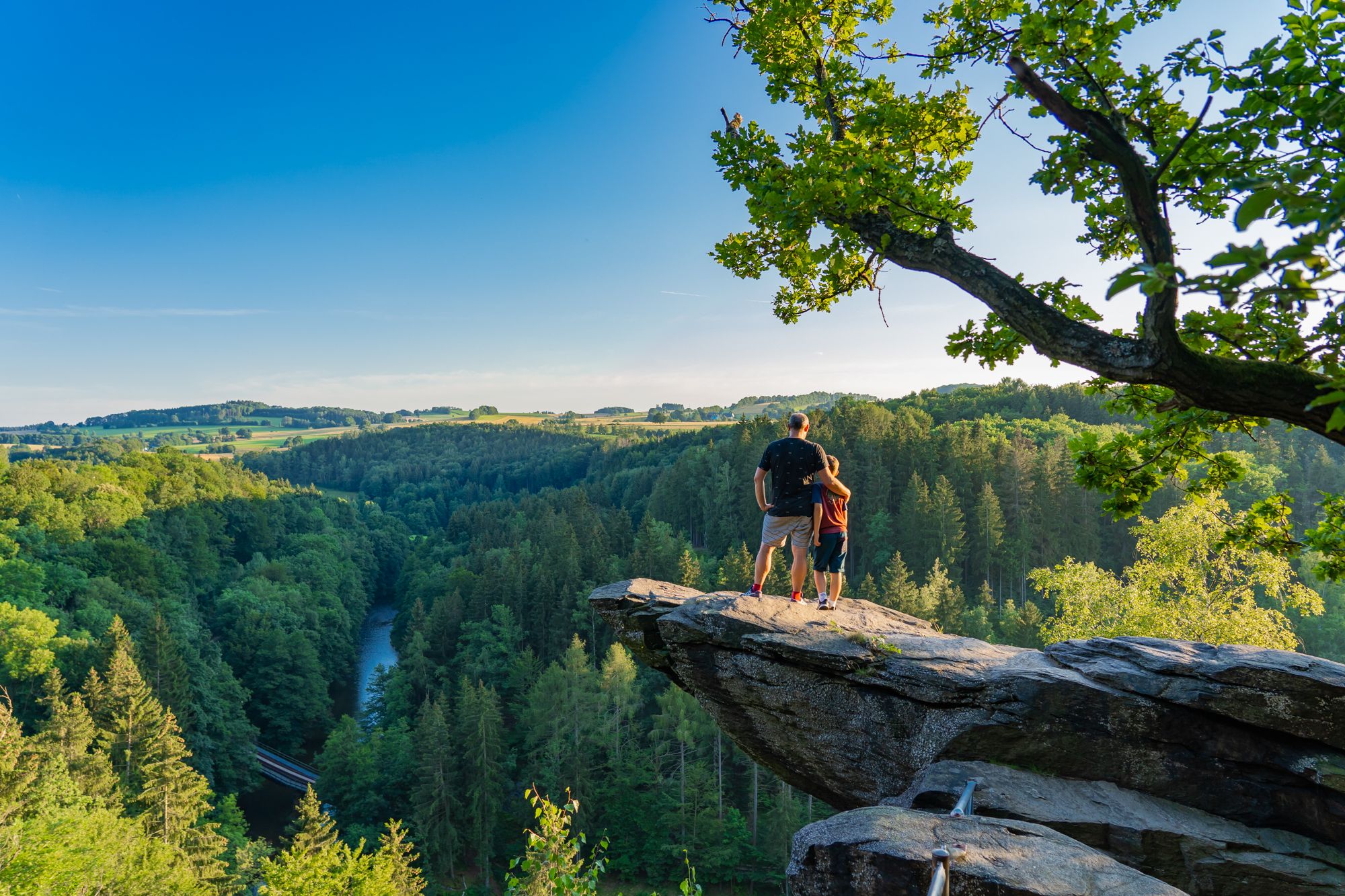
- The most popular natural monuments is Greifensteine Observation Rock, a natural monument that offers panoramic views of the Ore…
Last updated: September 27, 2026
Greifensteine Observation Rock
Highlight • Natural Monument
Translated by Google •
Tip by

Stollberg Reservoir (Querenbach Reservoir)
Highlight • Lake
Translated by Google •
Tip by

Sign up now to discover places like this
Get recommendations on the best single tracks, peaks, & plenty of other exciting outdoor places.
Stülpner Cave
Highlight • Cave
Translated by Google •
Tip by
Princes' Cave
Highlight • Cave
Translated by Google •
Tip by

Greifenbachstauweiher
Highlight • Lake
It served as a reservoir for the Röhrgraben and the stamp mills located there.
Translated by Google •
Tip by

Sign up for free to discover even more natural monuments around Zwönitz.
Already have an account?
Start today with a free account
Your next adventure awaits.


Tips from the Community

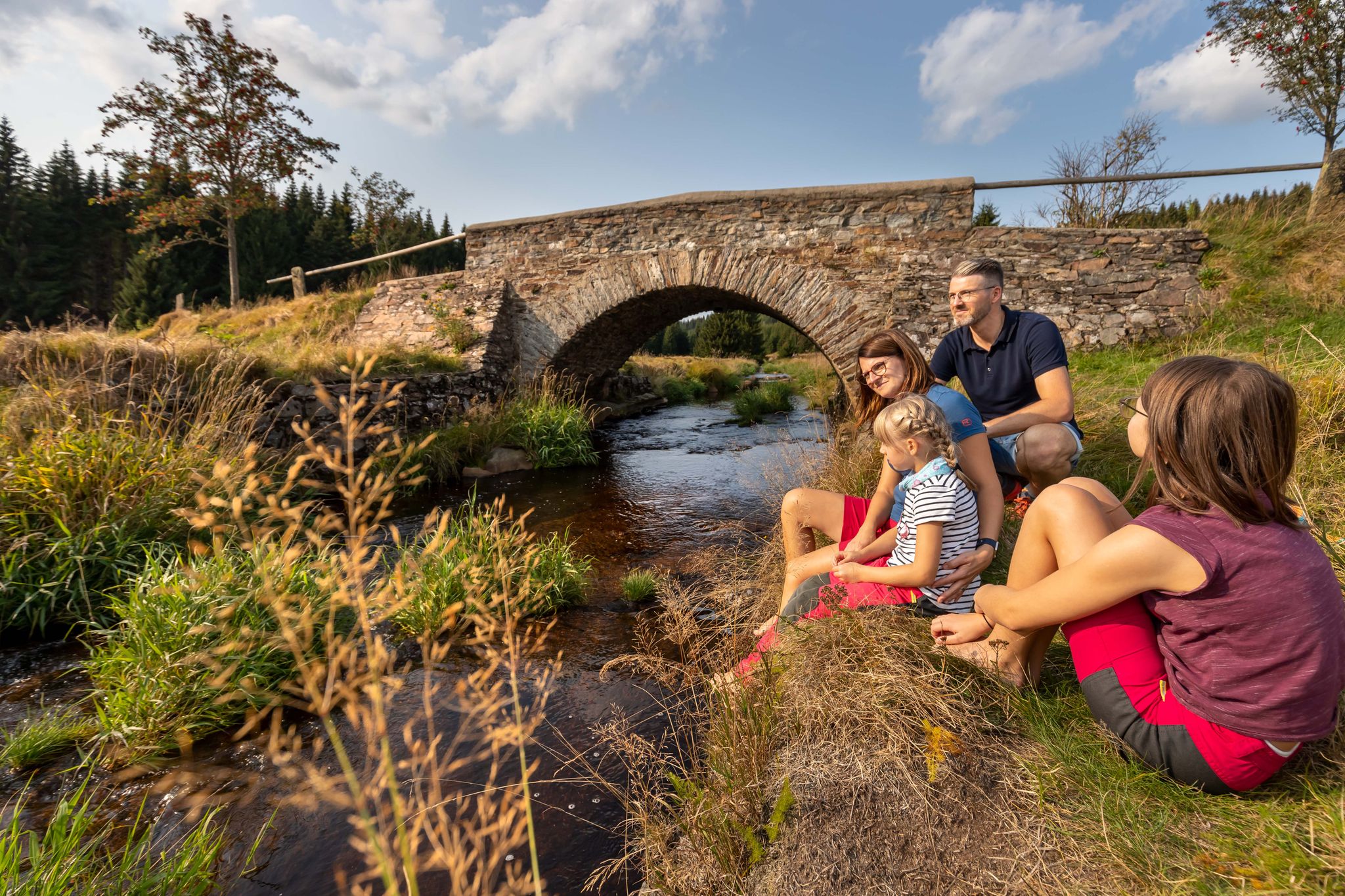
The Greifenbach reservoir is one of the oldest dams in Germany. It dams the Rote Wasser stream. Today it is a local recreation area.
2
0

A beautiful sandy beach, pleasantly clean air, excellent water quality, and two spacious lawns make the hearts of all sun worshippers and water lovers beat faster. The Greifenbachstauweiher pond is a popular holiday and recreation center and excursion destination at the foot of the Greifensteine.
2
0

The Greifensteine are a rock formation in Saxony, known for climbing and mountaineering, among other things. Their highest point reaches an elevation of approximately 731 meters above sea level. The area around the Greifensteine is a nature reserve.
16
1
The Stollberg Dam (also called the Querenbach Dam or Querenbach Dam) was built between 1949 and 1954 in the Ore Mountains near Stollberg. The Querenbach Dam supplies Stollberg in Saxony and its surroundings with drinking water and provides flood protection. The water is extracted via a so-called extraction tower in the reservoir.
2
1

a great corner, always worth a trip
1
0

The dam of the reservoir was built in connection with the construction of the Röhrgraben (Röhr ditch) from 1396 to 1404. It served as a reservoir for the Röhrgraben and the stamp mills located there. This is where Station 16 of the mining trail is located.
3
0

The Stülpnerhöhle is located only about 300 m from the Greifensteine viewing rock, directly on the Waldgeisterweg. Named after Karl Stülpner (1762-1841), around whom there are numerous stories. During his forays in pursuit of game, the cave, which was probably uncovered during tin mining, served as a hiding place from the authorities.
6
0
Frequently Asked Questions
What unique natural features can I explore around Zwönitz?
The Zwönitz area, nestled in the Ore Mountains, offers a diverse range of natural features. You can explore significant geological formations like the Greifensteine Observation Rock, which provides panoramic views. The region also features important water bodies such as the Stollberg Reservoir (Querenbach Reservoir), known for its clear water and scenic routes. Additionally, there are unique ecological sites like the Zwönitzer Moosheide Nature Reserve, preserving transition bogs and montane spruce forests, and the Niederer Halsbach Renaturation Area, a vital resting spot for migratory birds.
Which natural monuments are most popular with visitors?
Among the natural monuments around Zwönitz, the Greifensteine Observation Rock is highly popular, offering extensive vistas of the surrounding landscape. The Stollberg Reservoir (Querenbach Reservoir) is also a favorite for its clear water and circumnavigation routes. Another frequently visited site is Stülpner Cave, which combines natural beauty with local folklore.
What do visitors particularly enjoy about the natural monuments in Zwönitz?
Visitors frequently praise the excellent panoramic views from spots like the Greifensteine Observation Rock, noting the stunning vistas of the Ore Mountains. The Stollberg Reservoir is appreciated for its beautiful colors and the feeling of being in a tranquil, almost Caribbean-like setting. The historical connection of sites like Stülpner Cave to local legends also adds to the appeal.
What outdoor activities can I do near the natural monuments?
The area around Zwönitz offers a variety of outdoor activities. You can enjoy extensive hiking on trails like the 'Zwönitzblick Lookout Tower – Fuchsbrunn Bridge loop' or the 'Röhrgrabenweg – Röhrgraben Divider loop'. There are also numerous cycling routes, such as the 'Dor Troll Wooden Sculpture – Sender Geyer loop', and mountain biking trails, including the 'Forzbachl spring – Waldwasser Fountain Kamerun loop'. For more details on routes, you can explore the hiking guide, cycling guide, and MTB guide for Zwönitz.
Are there family-friendly natural monuments or activities suitable for children?
Yes, several natural monuments and activities are suitable for families. The Stollberg Reservoir (Querenbach Reservoir) offers scenic circumnavigation routes that are enjoyable for all ages. Exploring the Stülpner Cave can also be an exciting adventure for children, with its connection to local folk hero Karl Stülpner. Many of the easier hiking trails near these sites are also suitable for families.
Can I bring my dog to the natural monuments around Zwönitz?
While many natural areas in Saxony are generally dog-friendly, it's important to keep dogs on a leash, especially in nature reserves and near wildlife. Specific rules may apply to certain protected areas like the Zwönitzer Moosheide Nature Reserve. Always check local signage for any restrictions or specific leash laws at individual natural monuments to ensure a pleasant visit for everyone.
Are there easy or beginner-friendly trails among the natural monuments?
Yes, there are options for easy and beginner-friendly exploration. The circumnavigation routes around the Stollberg Reservoir (Querenbach Reservoir) are generally considered accessible. Many of the smaller area natural monuments, such as the Christelgrund Meadows or the Buchbergwiese, offer gentle paths suitable for leisurely walks. For specific easy hiking routes, consult the hiking guide for Zwönitz.
When is the best time of year to visit the natural monuments in Zwönitz?
The natural monuments around Zwönitz can be enjoyed throughout the year, each season offering a different charm. Spring brings blooming flora, while summer is ideal for longer hikes and enjoying the reservoirs. Autumn showcases vibrant fall foliage, especially in the forested areas. Even winter can be beautiful, with snow-covered landscapes, though some paths might be more challenging. For hiking, late spring to early autumn generally offers the most comfortable weather conditions.
Do any natural monuments in Zwönitz have historical significance?
Yes, several natural monuments in the region are intertwined with history. The Stülpner Cave is a former tin mining location and is famously associated with the local folk hero Karl Stülpner, who reportedly used it as a hiding place. Similarly, the Princes' Cave, though not of natural origin, is a medieval mine tunnel with a fascinating history related to the Saxon Prince Abduction of 1455.
How can I reach the natural monuments around Zwönitz by public transport?
Public transport options are available to reach some natural monuments. For instance, the Greifensteine area, which includes the Greifensteine Observation Rock, is generally accessible by local bus services from Zwönitz or nearby towns. However, for smaller or more remote natural monuments like the Zwönitzer Moosheide or Niederer Halsbach, public transport might be limited, and a combination of bus and walking or private vehicle may be necessary. It's advisable to check local bus schedules for specific routes.
Is parking available at the natural monuments?
Parking is generally available at the more prominent natural monuments and trailheads. For example, there are designated parking areas near the Greifensteine Observation Rock and the Stollberg Reservoir. For smaller, less frequented area natural monuments, parking might be less formal, often along roadsides or in nearby villages. Always look for official parking signs and respect local regulations.
Are there places to eat or stay near the natural monuments?
Yes, you can find various options for dining and accommodation. The town of Zwönitz itself offers cafes, pubs, restaurants, and hotels. Near the Greifensteine, there are guesthouses and restaurants. For other natural monuments, you might find smaller cafes or guesthouses in the surrounding villages like Hormersdorf or Dorfchemnitz. It's recommended to check in advance, especially for smaller establishments.
Most popular routes around Zwönitz
Most popular attractions around Zwönitz

Get inspired with the komoot mobile app


Explore more
Extend your search for the best caves by checking out these guides of the top ones around Zwönitz:
