Top 20 Natural Monuments around Schuttertal
Natural monuments around Schuttertal showcase the diverse natural and geological features of the Black Forest. The region is characterized by its unique geological formations, including the blue Geisberg-Achat, which originated from ancient volcanic activity. Visitors can explore themed trails that highlight the area's natural heritage and provide scenic views. This landscape offers opportunities to discover various natural sites and historical points of interest.
Best natural monuments around Schuttertal
- The most popular natural monuments is Holy Well and Rudolfus Chapel,…
Last updated: September 27, 2026
Holy Well and Rudolfus Chapel
Highlight • Religious Site
Translated by Google •
Tip by

Pioneer Stone Memorial
Highlight • Monument
Translated by Google •
Tip by

Sign up now to discover places like this
Get recommendations on the best single tracks, peaks, & plenty of other exciting outdoor places.
Schutter Spring
Highlight • Natural
Translated by Google •
Tip by

Keppenbach Castle Ruins
Highlight • Castle
Translated by Google •
Tip by

Rock Path in the Southern Black Forest Nature Park
Highlight (Segment) • Trail
In the steady up and down it goes to impressive rock formations over roots and …
Translated by Google •
Tip by

Sign up for free to discover even more natural monuments around Schuttertal.
Already have an account?
Start today with a free account
Your next adventure awaits.

Tips from the Community

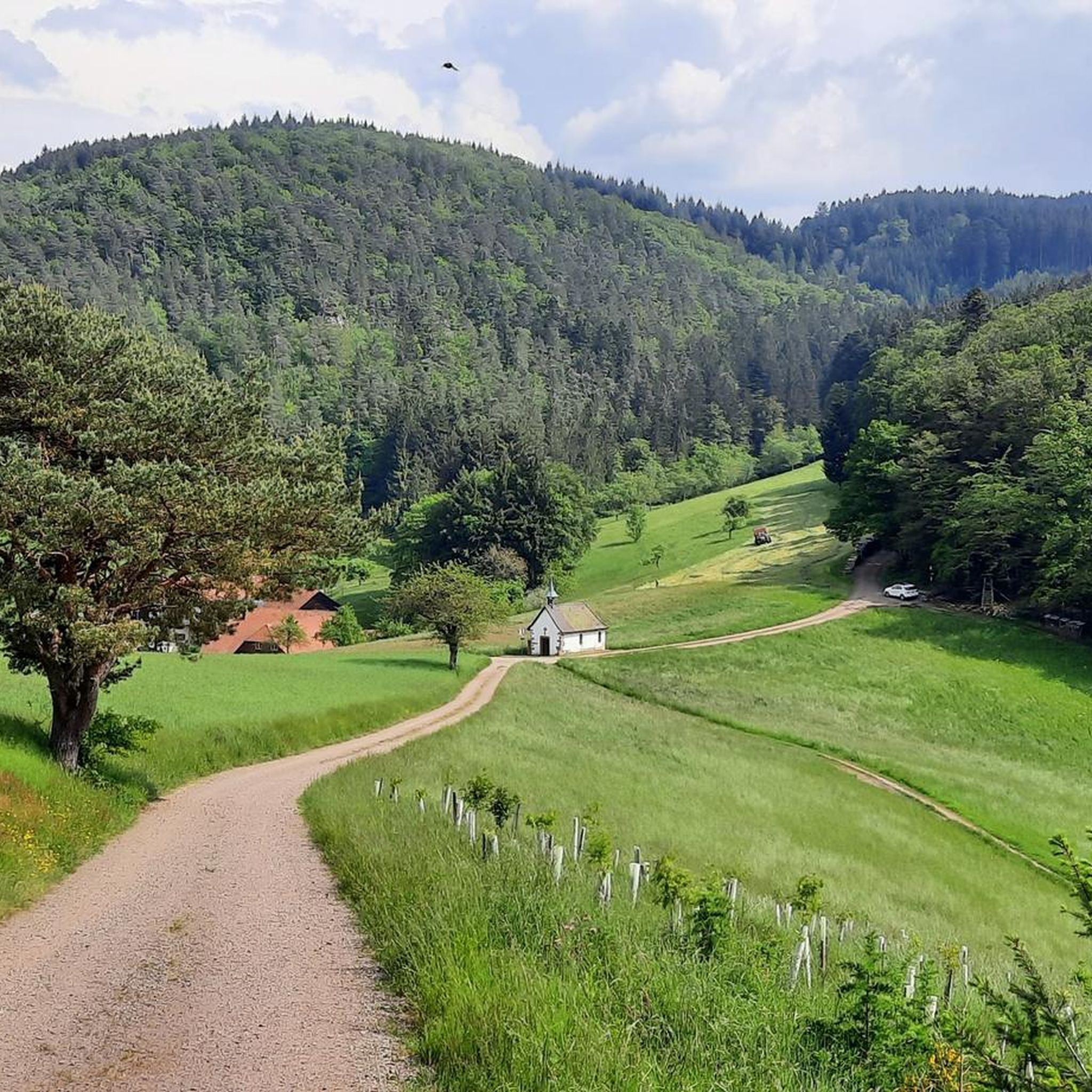
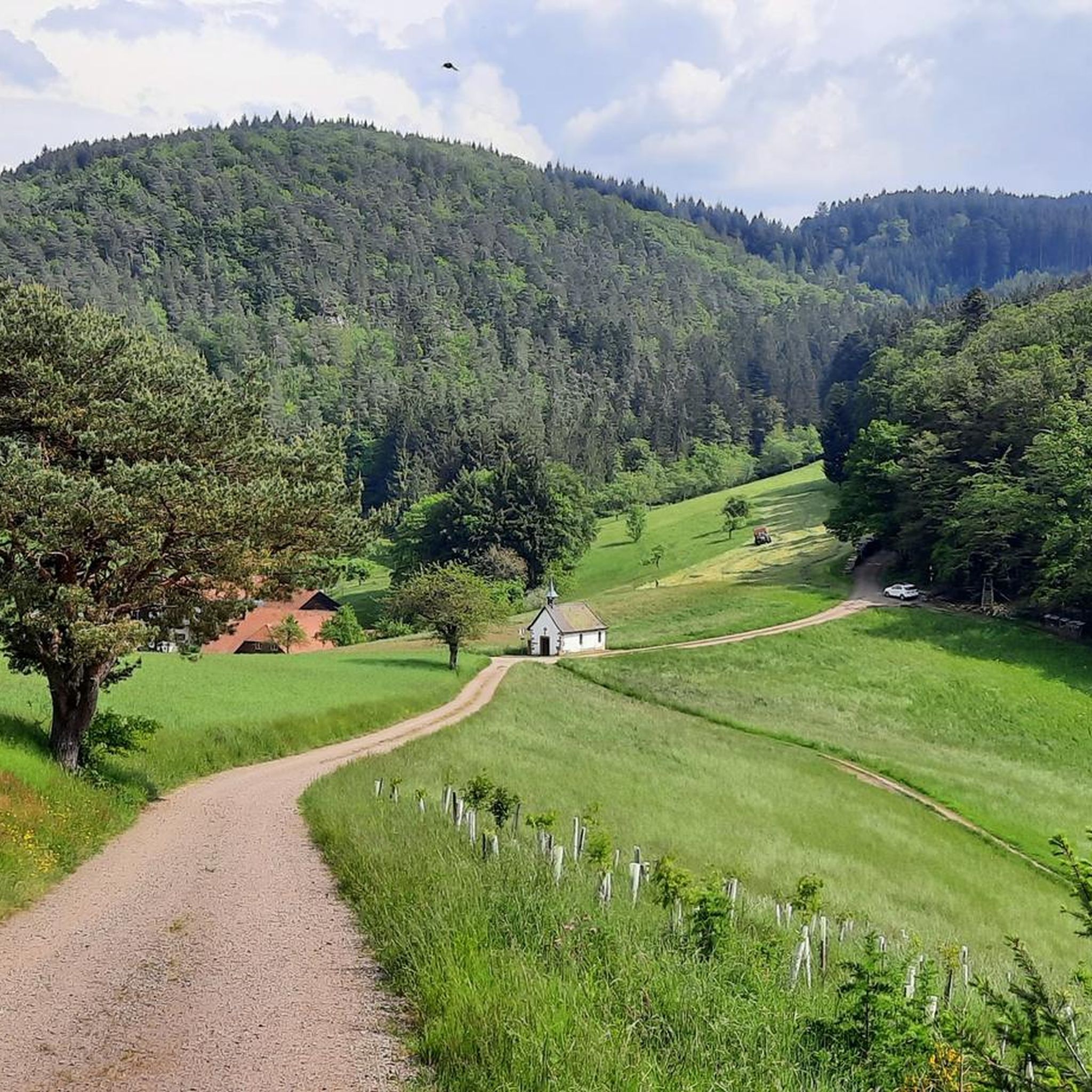
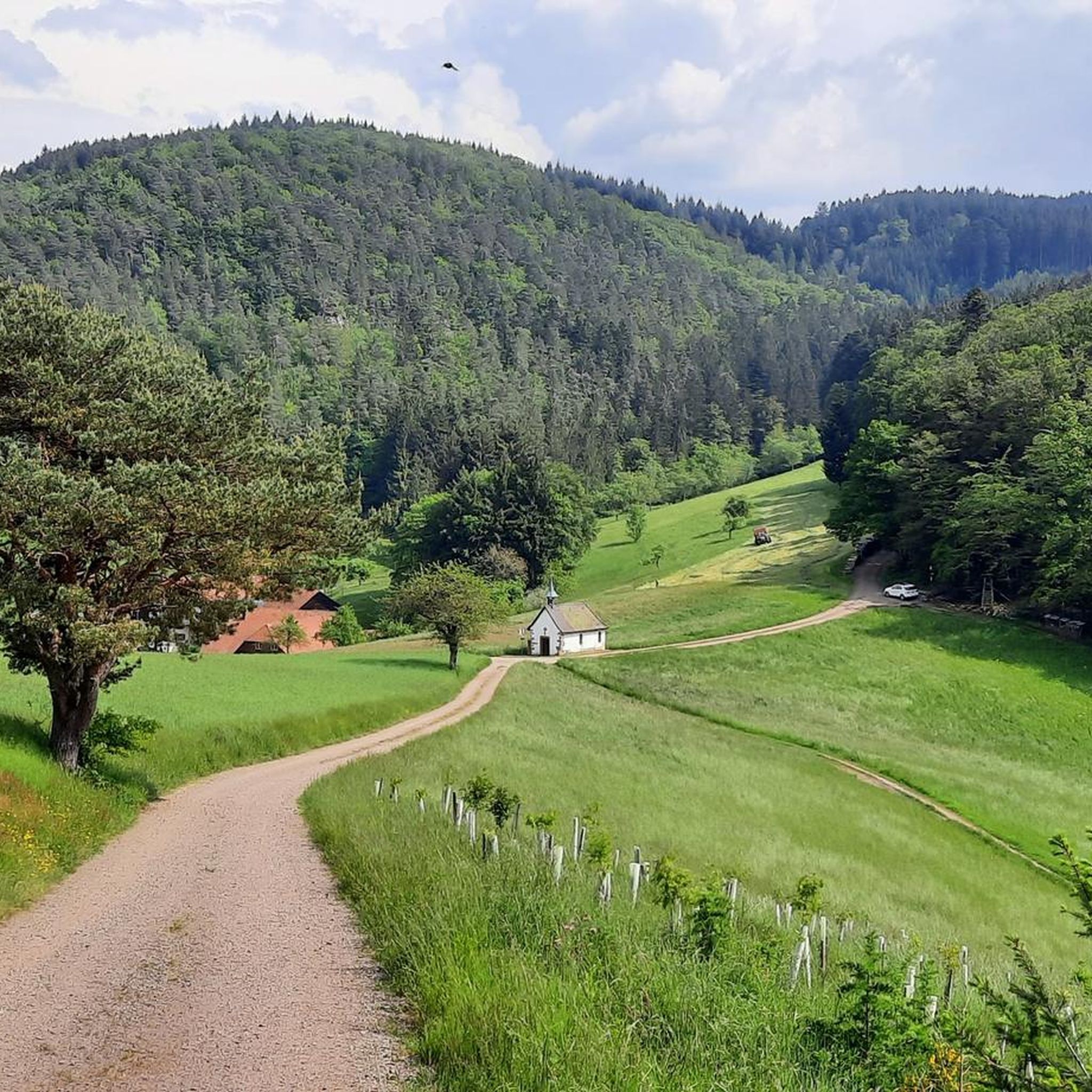
Immediately after descending from the Urenkopf, you pass the "Three Holy Fountains." First, however, you see the Rudolfus Chapel. Right next to it, water flows through the fountains. Steps lead through the sloping terrain.
10
0

The settlement of the landscape in Freiamt has probably in the 11./12. Century during the great clearing epoch of the Black Forest. Even then, people knew that there could be silver ore veins between the rocks in the federal sandstone in the Brettenbach valley. So the Zähringer dukes took favorable land and pushed out the smaller nobility who were busy with the clearing. The Zähringers appointed a able subject a knight of Keppenbach and ordered him to build a castle to protect the silver ore mines. This finally reaches a length of 200 meters and a width of 35 meters. However, the yield of silver was lower than hoped. Mining was abandoned around 1800 at the latest. The first written mention of the Knights of Keppenbach was in 1161. Hartmut von Keppenbach is listed as a witness in a purchase deed from Tennebach. Since the age of the castle is not known, it can be concluded that Keppenbach Castle already existed at this time. You can find more information about Bur Keppenbach on my homepage: https://www.breisgau-burgen.de/de/index.php/breisgau-burgen/burgen-a-h/burgen-f/freiamt-burg-keppenbach
0
0

The Stations of the Cross conclude, beginning at the Red Cross. An old hermitage, now a chapel, is located at an ancient spring believed to have healing powers. A beautiful section of the trail leading up to the Urenkopf.
6
0

Very nice that such places are preserved!
13
0

A very beautiful hiking area!
3
0

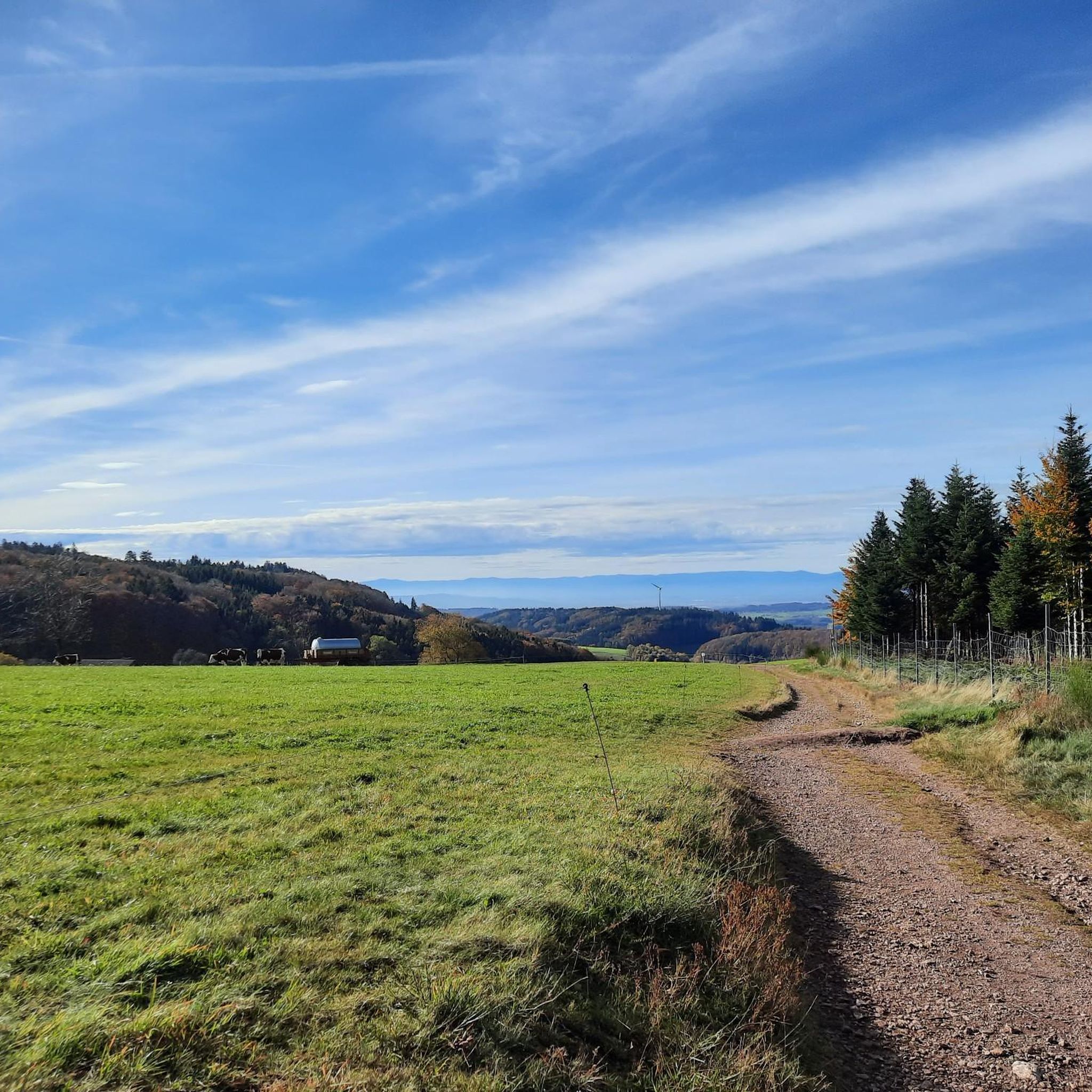
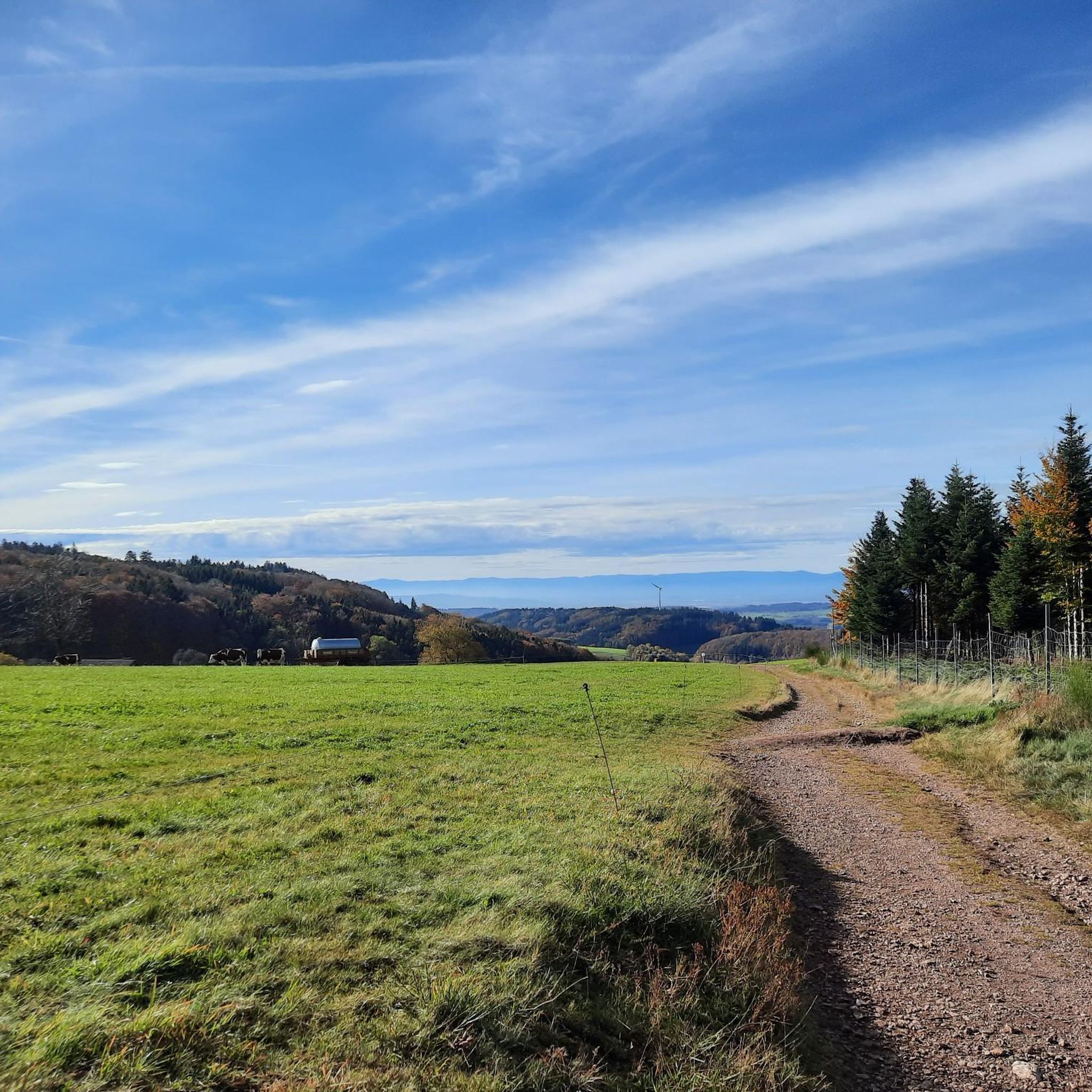
Many paths lead up here and down again 😀 good resting place to stay and to choose the further route / descent
3
0

The last time I went through that was 32 years ago on my mountain bike. Now I know again why it is called a pioneer stone. Unfortunately too sunny today to take a break.
5
1
The chapel has been renovated and is open for quiet moments. Outside there are also benches and a table and three small water mills in playground format for children.
5
0
Frequently Asked Questions
What unique geological features can I explore around Schuttertal?
Schuttertal is renowned for the blue Geisberg-Achat, a globally unique agate found on the Geisberg mountain. This geological treasure formed approximately 250 million years ago from volcanic activity. You can explore its history and even search for agates yourself along the Achatweg (Agate Trail), a themed circular hiking trail.
Are there family-friendly natural monuments in the Schuttertal region?
Yes, several natural monuments are suitable for families. The Holy Well and Rudolfus Chapel is a peaceful spot with local folklore that children might enjoy, especially the tradition of placing wooden crosses for wishes. The Achatweg (Agate Trail) is also family-friendly, offering an interactive experience where visitors can search for agates. The Schutter Spring provides a nice resting place with facilities.
What historical sites are considered natural monuments in Schuttertal?
The Keppenbach Castle Ruins is a notable historical landmark that also functions as a natural monument, offering a blend of history and nature. Another site is the Pioneer Stone Memorial, a man-made monument set within a natural forest environment, commemorating a historical bridge construction.
What kind of outdoor activities can I do near the natural monuments?
The region around Schuttertal offers diverse outdoor activities. You can find numerous routes for mountain biking, such as the 'Ettenheim Hut – Hasenweg Trail to Hasenberg loop from Schuttertal' or 'Kniestein Chapel – Source of the Schutter loop from Schweighausen'. For cycling, explore routes like 'Glatz Mill – Glatze-Mühle on the Entenwägli loop from Schuttertal'. Gravel biking is also popular, with routes like 'View of Hohengeroldseck Castle – Kirnhalde Climb loop from Dörlinbach'. You can find more details on these activities in the MTB Trails around Schuttertal, Cycling around Schuttertal, and Gravel biking around Schuttertal guides.
Where can I find the source of the Schutter river?
You can visit the Schutter Spring, which is the official source of the Schutter river. This natural monument is a tranquil spot, ideal for a break, and provides insight into the origin of the local waterway. It features a table and bench, and even drinking water.
What is the Achatweg (Agate Trail) and what does it offer?
The Achatweg is a themed circular hiking trail, approximately 2.9 km long, that guides visitors through the geological history of the Geisberg mountain. Along the path, information boards explain the formation of the unique blue agates and the area's volcanic origins. A highlight is the designated 'Klopfplätze' or 'knocking sites' where you can actively search for agates. The trail also offers magnificent views of the Northern Black Forest and beyond.
Are there any natural monuments with good viewpoints in the area?
Yes, the Achatweg (Agate Trail) itself offers magnificent views of the Northern Black Forest, the Kaiserstuhl region, and on clear days, even extends to the Vosges mountains. The Keppenbach Castle Ruins also provides a scenic viewpoint within its natural setting.
What do visitors enjoy most about the natural monuments around Schuttertal?
Visitors frequently appreciate the unique geological significance of the blue Geisberg-Achat and the interactive experience of searching for agates on the Achatweg. The combination of natural beauty, historical sites like the Keppenbach Castle Ruins, and peaceful spots such as the Holy Well and Schutter Spring are also highly valued. The komoot community has collectively upvoted these sites over 450 times and shared more than 325 photos, highlighting their appeal.
Is there a natural monument that combines religious significance with nature?
The Holy Well and Rudolfus Chapel is a perfect example. This site features a spring that, according to local folklore, appeared where a hermit's blood touched the ground during the Thirty Years' War. It's a peaceful location that blends natural elements with local religious history and traditions.
Can I find any gardens or parks that are also considered natural monuments?
Yes, the Prince's Garden in Ettenheim is a notable natural monument that functions as a garden and man-made park. It has historical significance related to Prince Louis-Antoine-Henri de Bourbon-Condé and offers a quiet place for relaxation, with public restrooms available.
What is the best time to visit the natural monuments in Schuttertal?
While specific seasonal considerations are not detailed for all monuments, the Achatweg (Agate Trail) and other hiking-focused natural sites are generally best enjoyed during spring, summer, and autumn when the weather is mild and the views are clear. The interactive agate searching experience is also more pleasant in good weather. Winter offers a different, often quieter, experience, but some trails might be less accessible.
Most popular routes around Schuttertal
Most popular attractions around Schuttertal

Get inspired with the komoot mobile app


Explore more
Extend your search for the best caves by checking out these guides of the top ones around Schuttertal:
