Top 20 Natural Monuments around Puls
Natural monuments around Puls, located in Schleswig-Holstein, offer a landscape characterized by diverse natural and historical features. The area includes significant geological formations, ancient historical sites, and expansive forested areas. These natural monuments provide insight into the region's ecological and cultural heritage, making them points of interest for visitors. The terrain around Puls features a mix of natural and man-made historical landmarks.
Best natural monuments around Puls
- The most popular natural monument is Muldsberg Clay Pit Lake, a lake…
Last updated: October 11, 2026
Muldsberg Clay Pit Lake
Highlight • Lake
The mining in the …
Translated by Google •
Tip by

Kaaksburg Ringfort
Highlight • Historical Site
Translated by Google •
Tip by

Sign up now to discover places like this
Get recommendations on the best single tracks, peaks, & plenty of other exciting outdoor places.
Schierenwald Forest
Highlight (Segment) • Forest
Translated by Google •
Tip by

Shell House and Shell Stone
Highlight • Monument
In front of the building there is a cup stone from the younger or older Bronze Age.
Translated by Google •
Tip by

Polders of the Haaler Au
Highlight (Segment) • Lake
Translated by Google •
Tip by

Sign up for free to discover even more natural monuments around Puls.
Already have an account?
Start today with a free account
Your next adventure awaits.
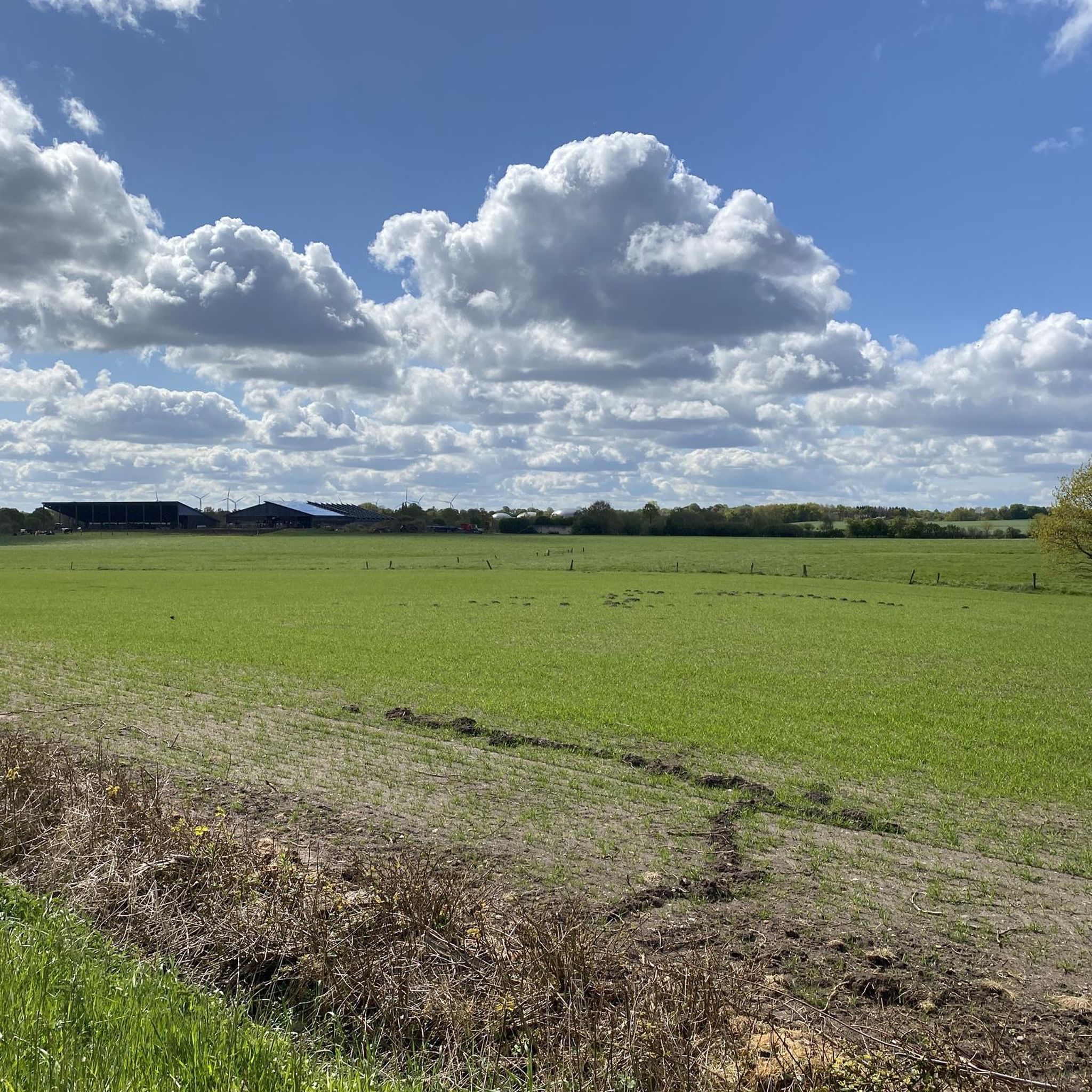
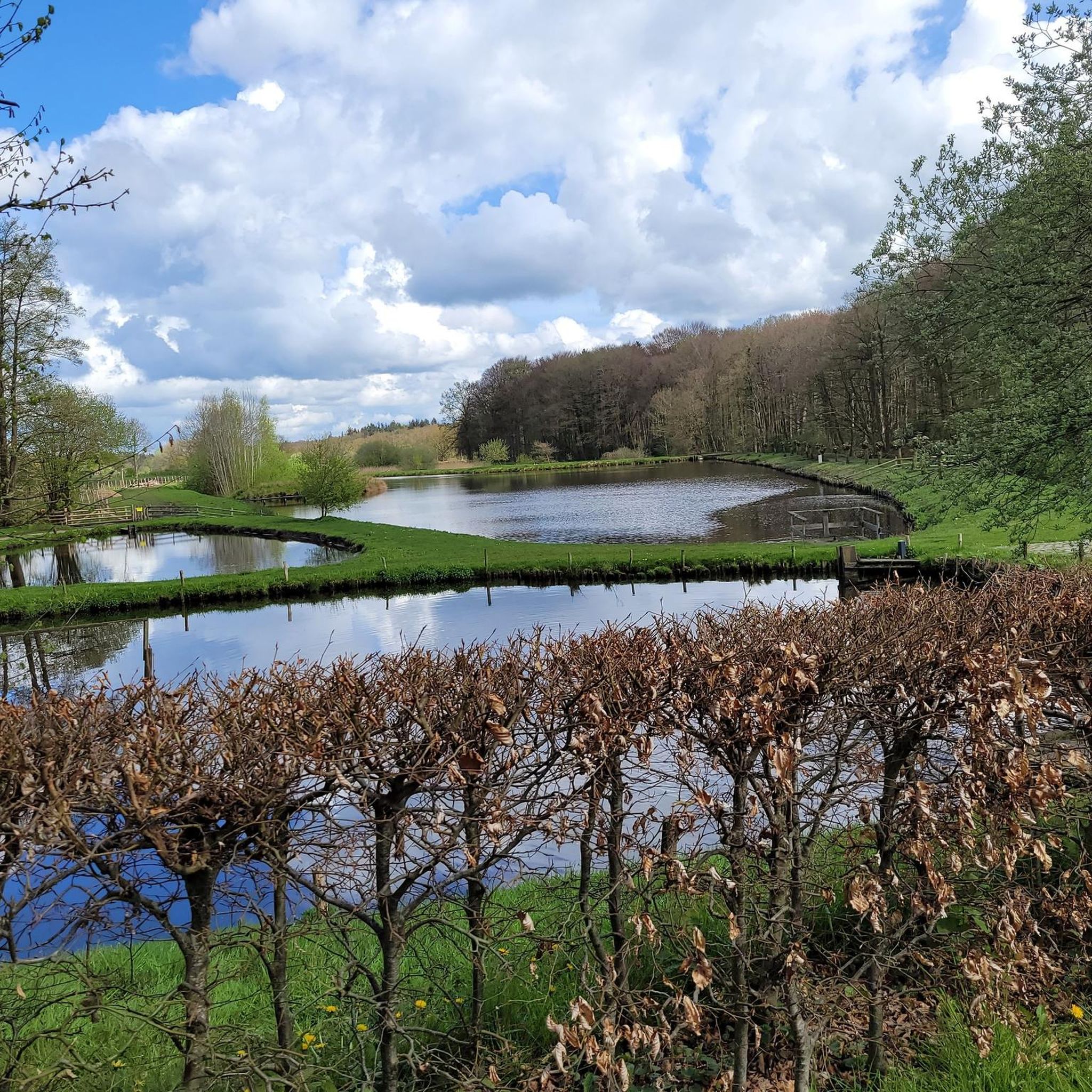
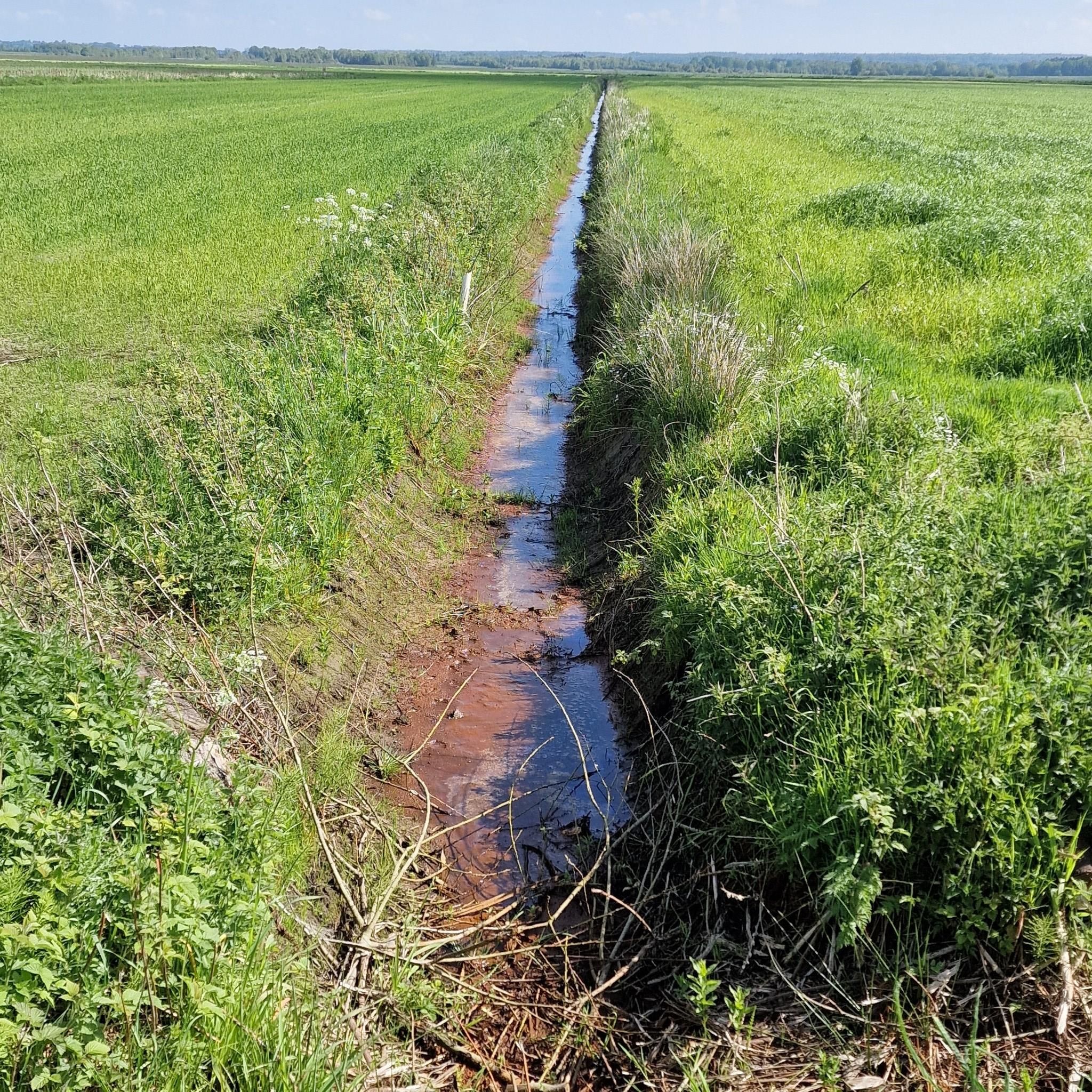
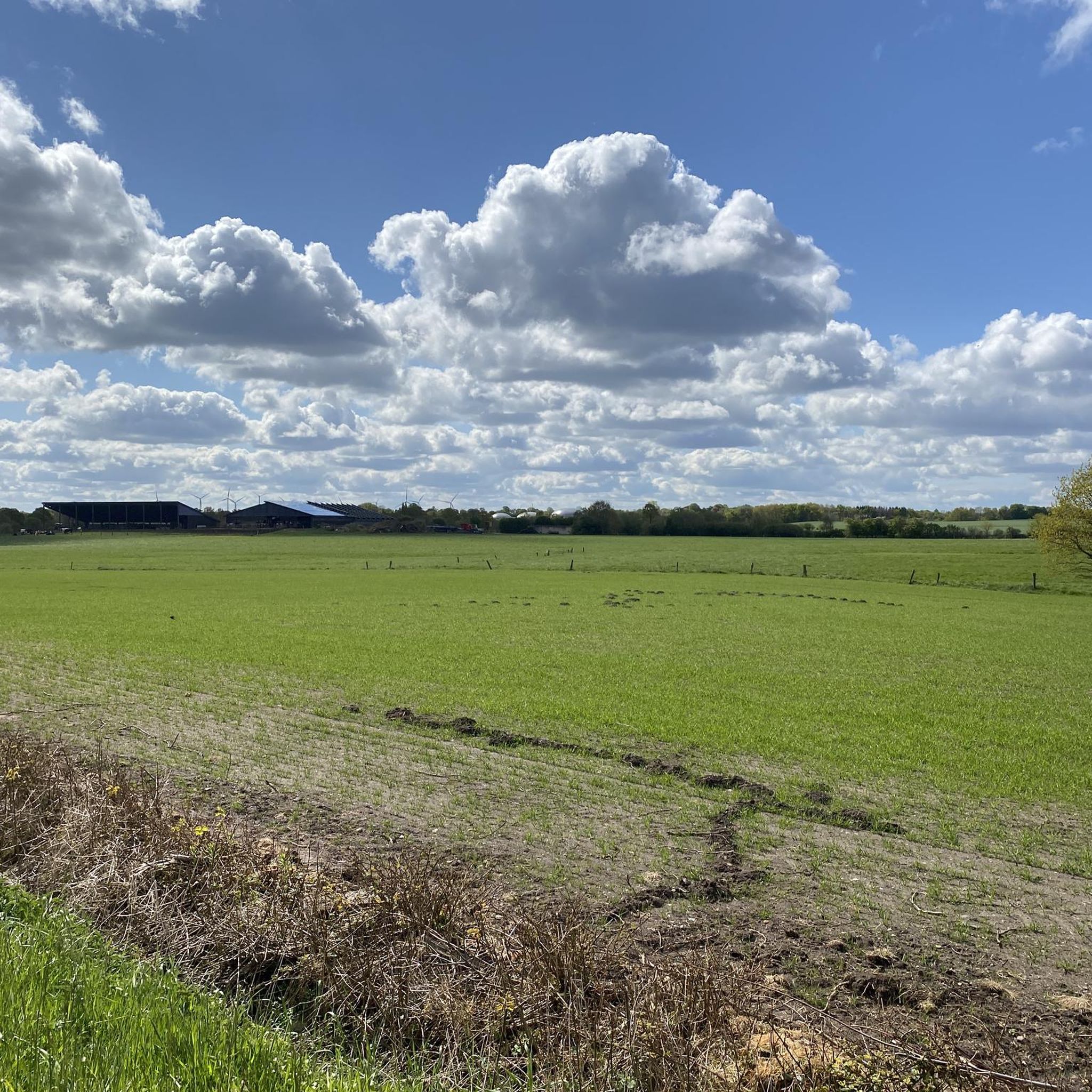
Tips from the Community


Here, you have to bypass a pasture. The grass is extremely high, and the path itself is barely visible. This requires a good feel for the road, leg strength, and a good dose of intuition.
0
0

This is the former home of the shell souvenir manufacturer D. Hauschild. In 1901, he had his house modernized and in the process decorated the windows, doors and corners of the house with shells that he bought in the Hamburg harbor and made into souvenirs. In front of his house there is a shell stone that he bought. He had it transported to his house from a bent wall near the Vaasbüttel brickworks. https://www.hohenwestedt.de/die-gemeinde/sehenswertes
1
0

The ring wall castle 'Kaaksburg' dates back to the 8th or 9th century. Its oldest known documentary mention dates from 1560-1576. The oval ring wall with a diameter of 80 or 100 m and a height of around 5 m was raised from dark earth, while the ground in the surrounding area is sandy, which is why it was assumed that the material came from the Bekau, which flows past in the southeast. At that time, the Bekau was navigable at least as far as the castle and was influenced by the tides until it was embanked; the area around the castle was still swampy and marshy at that time and was occasionally flooded. It was therefore assumed that the castle was built in this strategically favorable position to control the waterway. According to a folk legend, it once served as a base for pirates - sometimes Klaus Störtebeker is mentioned. While the country road between Itzehoe and Schenefeld used to bypass the ring wall to the east, today's L 127 runs right through the ring. https://de.wikipedia.org/wiki/Kaaksburg
1
0

In 1901, the shell souvenir maker Detlev Hauschildt had the house modernized in the style of the time and the windows, doors and corners decorated with shells that he bought in the port of Hamburg and processed into souvenirs. This is why the house is popularly known as the "shell house". Hans-Günter Kiene later moved in here with his tax office. As early as January 1892, Detlev Hauschildt had the so-called shell stone, which originally stood on a small elevation in a bent wall near the Vaasbüttel brickworks, set up in front of his "shell house". He bought it for six marks and had it brought to its current location on a sleigh pulled by eight horses; the transport was much more expensive than the purchase, namely 330.00 marks. The shell stone is a granite block that is two meters high and has a circumference of 5.20m. It tapers towards the top and has many small, bowl-shaped depressions on its surface. It is also a prehistoric sacrificial stone with man-made depressions to collect the blood of the sacrificial animals. https://www.hohenwestedt.de/die-gemeinde/sehenswertes
3
0

The Shell House is a building that has been decorated with countless shells. In front of the building there is a cup stone from the younger or older Bronze Age.
3
0

The Kaaksburg was a Saxon ring wall that was built around the year 800. It had a diameter of 80 m and 4 m high earth walls. The castle complex was intended to secure a trade route across the Bekau. Today, a wide street runs through the middle of the castle complex and cuts the ring wall in two. Right next to the castle is a rest area with a snack bar.
0
0

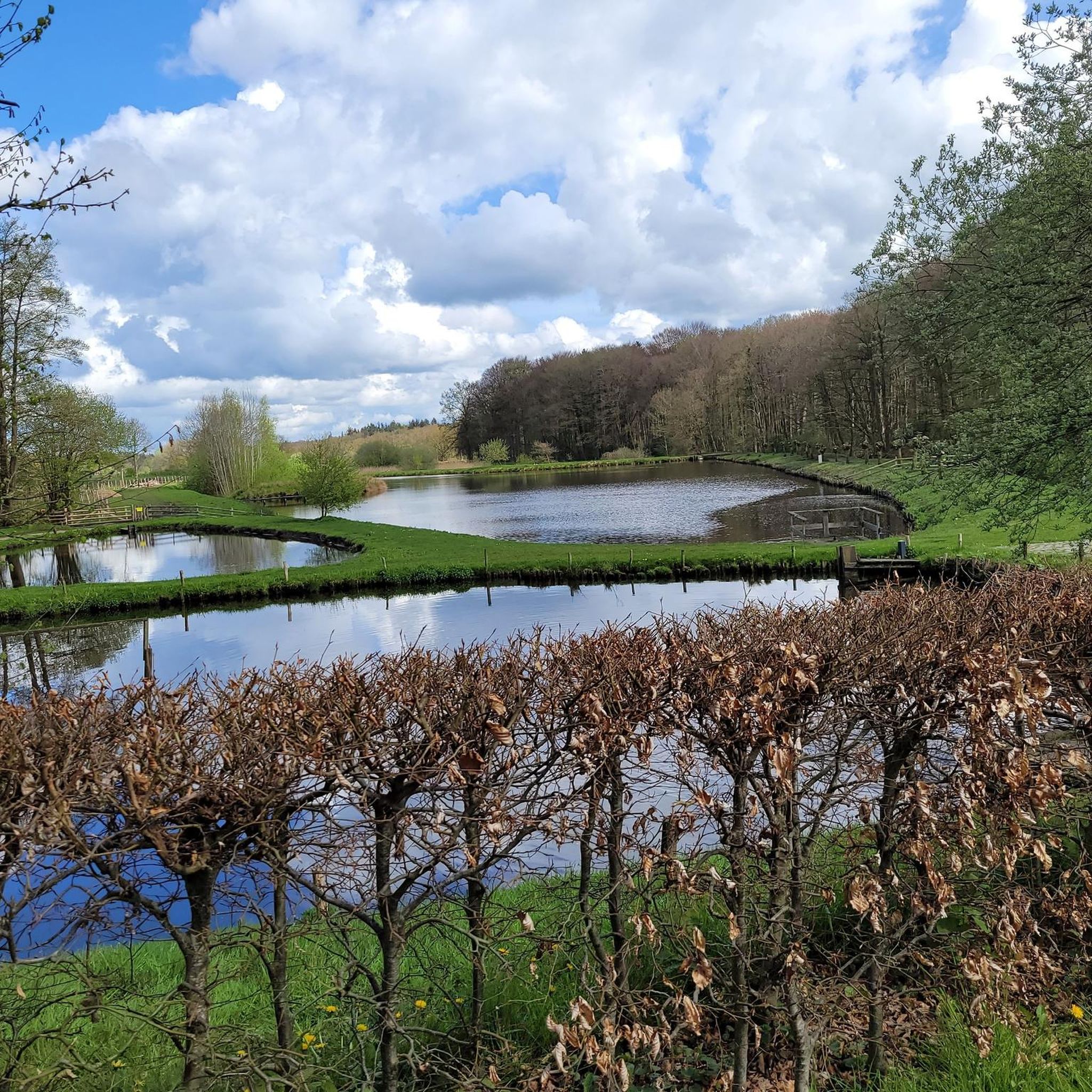
The lake-like polder areas on the lower reaches of the Haaler Au provide a habitat for many animals. The pygmy swans in particular use these areas as a resting place in February / March and strengthen themselves here for their onward flight. So use the winter time for a trip here. During the growing season, everything should be very overgrown and therefore less of the beautiful nature visible.
2
0
Frequently Asked Questions
What are the most popular natural monuments around Puls?
The area around Puls offers a variety of natural and historical sites. Highly regarded by visitors are the Muldsberg Clay Pit Lake, a unique biotope with a 5-kilometer circular route, and the Krinkberg Bronze Age Burial Mounds, an archaeological monument. Another favorite is the expansive Schierenwald Forest, known for its diverse tree stands and amphibian populations.
Are there family-friendly natural monuments to visit near Puls?
Yes, several natural monuments around Puls are suitable for families. The Muldsberg Clay Pit Lake offers an easy circular route perfect for a family stroll. The Krinkberg Bronze Age Burial Mounds provide an interesting historical outing, and the Schierenwald Forest is great for exploring nature. Even the Kaaksburg Ringfort and the Shell House and Shell Stone are considered family-friendly, offering a mix of history and unique sights.
What kind of historical natural monuments can I find in the Puls area?
The region around Puls is rich in historical natural monuments. You can explore the Krinkberg Bronze Age Burial Mounds, which are significant archaeological sites. The Kaaksburg Ringfort, an 8th or 9th-century Saxon ring wall, offers insights into ancient fortifications. Additionally, the Shell House and Shell Stone features a prehistoric sacrificial stone with ancient depressions.
What outdoor activities can I do near the natural monuments around Puls?
Beyond visiting the natural monuments themselves, the area around Puls is excellent for various outdoor activities. You can find numerous routes for MTB trails, gravel biking, and road cycling. For instance, the Muldsberg Clay Pit Lake has a 5-kilometer circular route perfect for hiking or walking.
Are there hiking trails near the natural monuments around Puls?
Yes, hiking is a popular activity near the natural monuments. The Muldsberg Clay Pit Lake features a well-maintained five-kilometer circular route. The Schierenwald Forest also offers beautiful sections for walking and exploring nature. For more extensive options, you can explore various MTB trails and gravel biking routes in the wider Puls region, many of which are suitable for hiking.
What natural features can I expect to see around Puls?
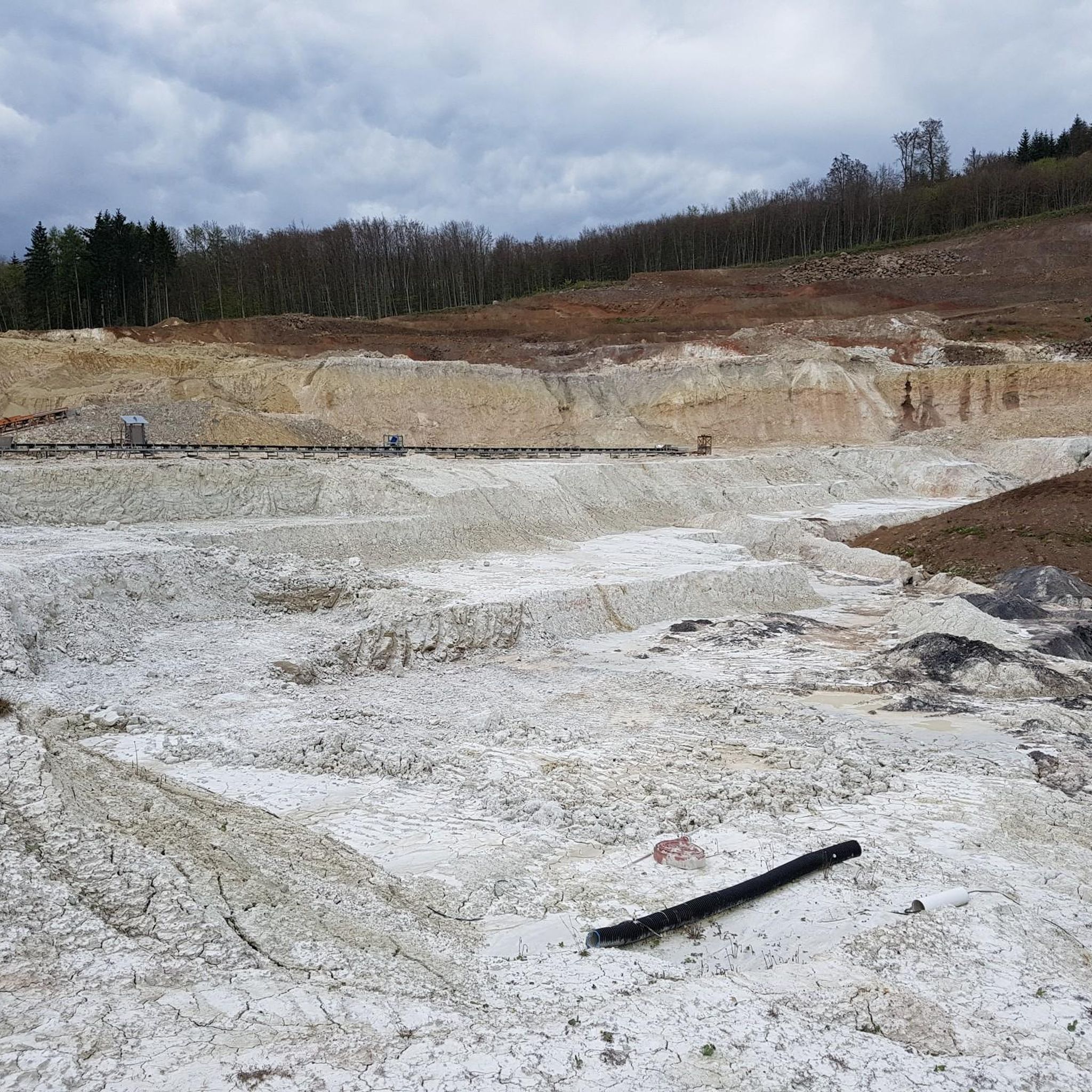
The natural monuments around Puls showcase diverse natural features. You can observe the unique biotope of the Muldsberg Clay Pit Lake, which formed in a former mining pit and now supports a cormorant population. The Schierenwald Forest is an extensive woodland with older oak and red beech stands, as well as mixed coniferous forest, home to various amphibian species.
What do visitors enjoy most about the natural monuments near Puls?
Visitors particularly appreciate the tranquility and natural beauty of the area. The Muldsberg Clay Pit Lake is loved for its scenic circular route and the opportunity to observe wildlife like cormorants. The Schierenwald Forest is praised for its beautiful sections with firs and moss, offering a peaceful forest experience. The historical sites like the Krinkberg Bronze Age Burial Mounds also provide an interesting glimpse into the region's past.
Is the Kaaksburg Ringfort accessible, and what can I see there?
The Kaaksburg Ringfort is an ancient Saxon ring wall dating back to the 8th or 9th century. While a modern road now runs through the middle, you can still see the impressive earth walls, which were once up to 5 meters high. There's also a rest area with a snack bar nearby, making it a convenient stop. It's considered family-friendly and offers an intermediate difficulty level for exploration.
What is the Shell House and Shell Stone near Puls?
The Shell House and Shell Stone is a unique historical site. The Shell House itself is a building decorated with countless shells by a souvenir maker in 1901. In front of it stands the Shell Stone, a large granite block with bowl-shaped depressions, believed to be a prehistoric sacrificial stone from the Bronze Age. It's a fascinating blend of local history and natural geology.
When is the best time to visit the natural monuments around Puls?
The natural monuments around Puls can be enjoyed throughout the year. For instance, the Muldsberg Clay Pit Lake is described as wonderful for hiking in every season, offering foresight, animals, and an exciting forest experience. Spring and autumn often provide pleasant temperatures for exploring the forests and historical sites, while summer is ideal for longer outdoor activities.
Are there any unique natural features or wildlife to look out for?
Yes, the region offers unique natural aspects. At the Muldsberg Clay Pit Lake, you might spot a small cormorant population, as the area has developed into a significant biotope. The Schierenwald Forest is known for its diverse amphibian species, including common toads, common frogs, pond newts, and crested newts, found in its various bodies of water.
What is the significance of the Schierenwald Forest?
The Schierenwald Forest is an 821-hectare forest in the Steinburg district, notable for being particularly large and compact for Schleswig-Holstein. It features older oak and red beech stands, along with mixed coniferous forest, with some trees over 100 years old. A small part of the forest has been designated as a natural forest cell since 2008 and has been unmanaged since 1979, contributing to its ecological value and making it a habitat for various amphibian species.
Most popular attractions around Puls

Get inspired with the komoot mobile app


Explore more
Extend your search for the best caves by checking out these guides of the top ones around Puls:
