Top 20 Natural Monuments around Aasbüttel
Best natural monuments around Aasbüttel are found within a landscape characterized by rural settings and significant natural areas. The region, particularly within Schleswig-Holstein, features diverse environments such as moorlands, lakes, and historical natural sites. These areas offer opportunities for exploring unique ecosystems and geological formations. The natural monuments provide insight into both the ecological importance and historical context of the local environment.
Best natural monuments around Aasbüttel
- The most popular natural monuments is Muldsberg Clay Pit Lake, a lake…
Last updated: November 7, 2026
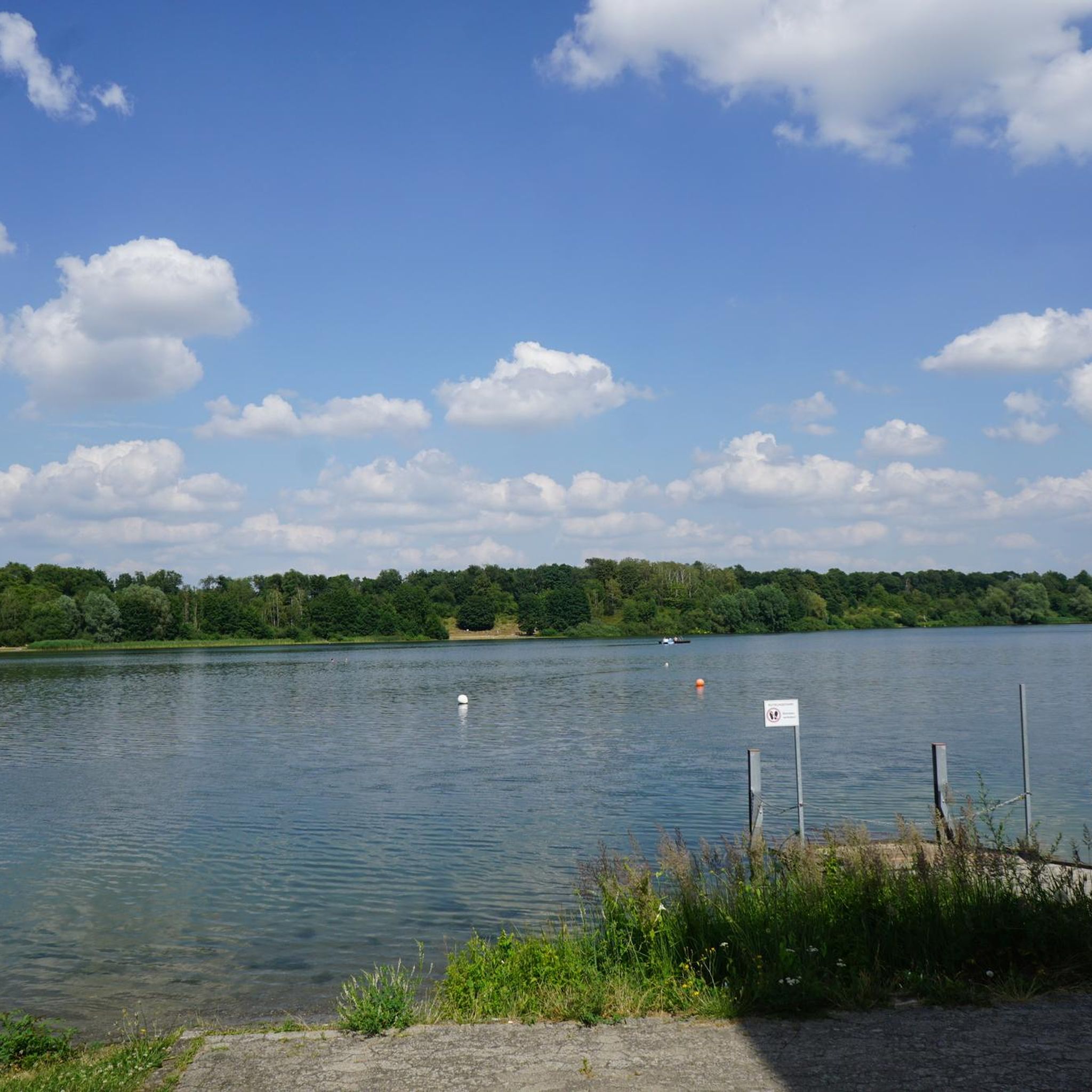
Muldsberg Clay Pit Lake
Highlight • Lake
The mining in the …
Translated by Google •
Tip by

Old Oak of Schafstedt
Highlight • Natural Monument
Translated by Google •
Tip by

Sign up now to discover places like this
Get recommendations on the best single tracks, peaks, & plenty of other exciting outdoor places.
Kaaksburg Ringfort
Highlight • Historical Site
Translated by Google •
Tip by

Eggstedter Moor
Highlight • Natural
The Eggstedter Moor is a 260-hectare lowland area of the Holstenau that is rapidly being drained. In the past, peat was also …
Translated by Google •
Tip by

Beech Tree in the Pine Forest
Highlight • Natural Monument
A little tree knowledge whether this proverb is correct can be found here: wohllebens-waldakademie.de/buchen-sollst-du-suchen-s27254
Translated by Google •
Tip by

Sign up for free to discover even more natural monuments around Aasbüttel.
Already have an account?
Start today with a free account
Your next adventure awaits.

Tips from the Community


The ring wall castle 'Kaaksburg' dates back to the 8th or 9th century. Its oldest known documentary mention dates from 1560-1576. The oval ring wall with a diameter of 80 or 100 m and a height of around 5 m was raised from dark earth, while the ground in the surrounding area is sandy, which is why it was assumed that the material came from the Bekau, which flows past in the southeast. At that time, the Bekau was navigable at least as far as the castle and was influenced by the tides until it was embanked; the area around the castle was still swampy and marshy at that time and was occasionally flooded. It was therefore assumed that the castle was built in this strategically favorable position to control the waterway. According to a folk legend, it once served as a base for pirates - sometimes Klaus Störtebeker is mentioned. While the country road between Itzehoe and Schenefeld used to bypass the ring wall to the east, today's L 127 runs right through the ring. https://de.wikipedia.org/wiki/Kaaksburg
1
0

HISTOUR point BG31 | Former peat quarrying area The Eggstedter Moor is a 260-hectare lowland area of the Holstenau that is rapidly being drained. In the past, peat was also extracted here for heating and soil improvement. The local peat baking association commemorates this tradition with annual demonstrations. The still preserved peat cuttings and the drainage ditches running through the agriculturally used grassland offer numerous plants and animals that are almost extinct today a last habitat. Eleven species of freshwater snails, five species of freshwater mussels and 14 different species of dragonflies live in the Eggstedter Moor, including the rare green damselfish. Breeding bird species that have become rare today include lapwing and skylark. Raised bogs in western Schleswig-Holstein were mostly formed from low bogs, which in turn had formed in damp depressions. The peat mosses that form the peat only need air, sun, lots of rainwater and dust that has been blown in to grow. Raised bogs are therefore not dependent on nutrient-rich water from the subsoil for their growth, the plant and animal world is poor in species, but specialized in this habitat.
0
0

The Kaaksburg was a Saxon ring wall that was built around the year 800. It had a diameter of 80 m and 4 m high earth walls. The castle complex was intended to secure a trade route across the Bekau. Today, a wide street runs through the middle of the castle complex and cuts the ring wall in two. Right next to the castle is a rest area with a snack bar.
0
0

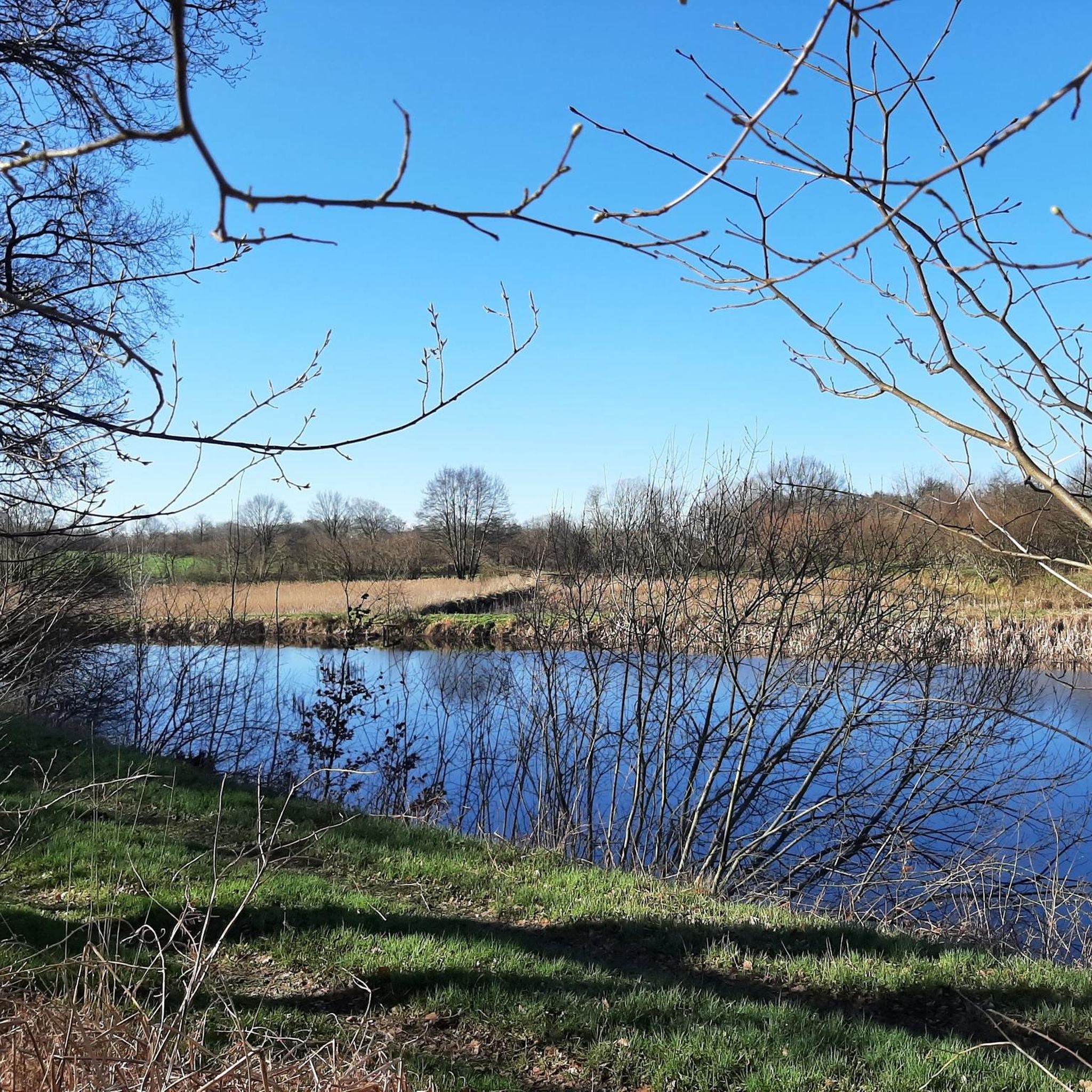
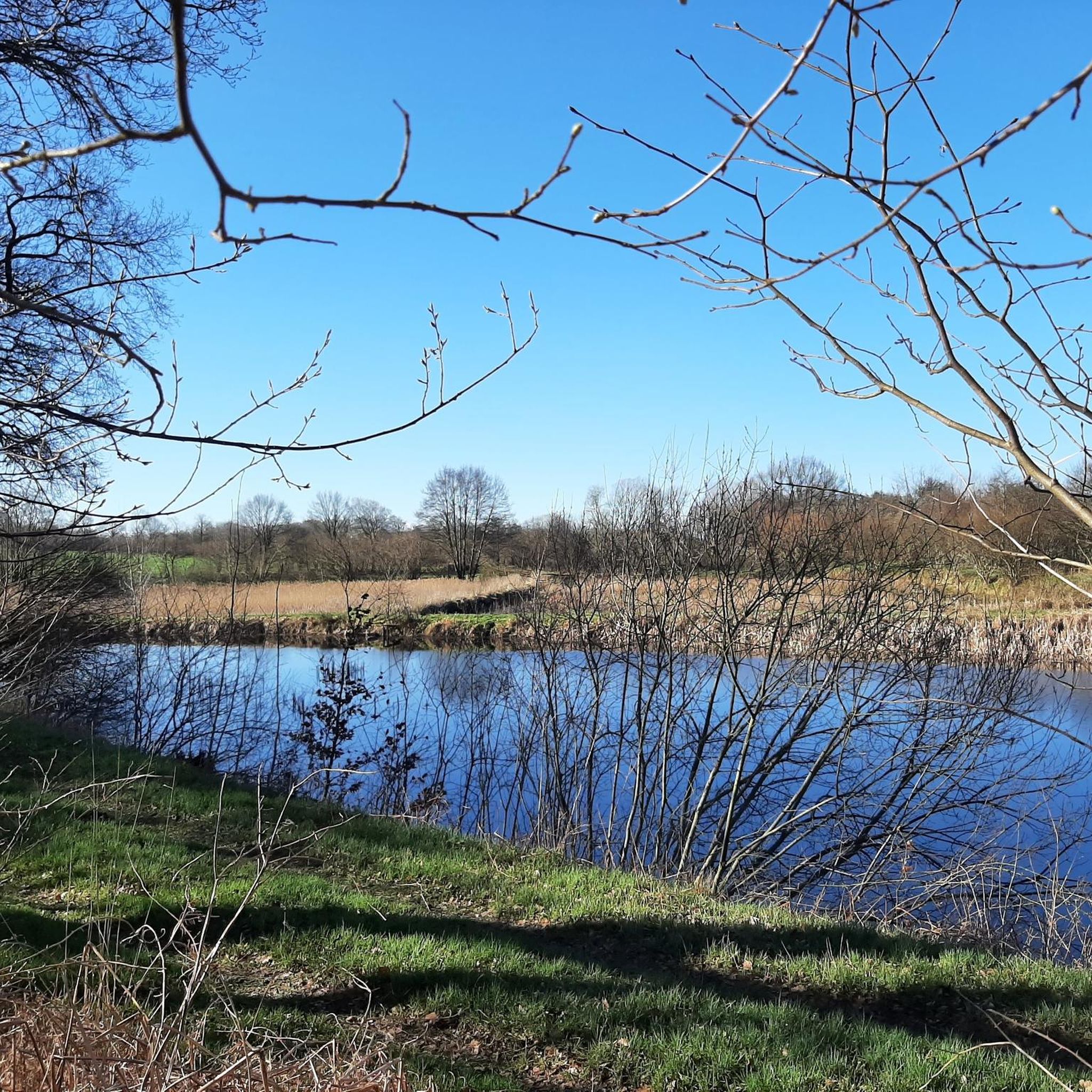
The approximately 77 hectare area was bought in 2005 with the financial participation of the municipality of Mehlbek, the Nature Conservation Foundation and the nature conservation authority of the Steinburg district for the benefit of nature conservation. Since then the water level has risen continuously and has now reached its final height. The natural oasis became a large lake and is constantly changing. There is always something new to discover for nature lovers: especially beautiful, the small cormorant population. Source: https://www.bund-steinburg.de/radtour-2016.html
2
1
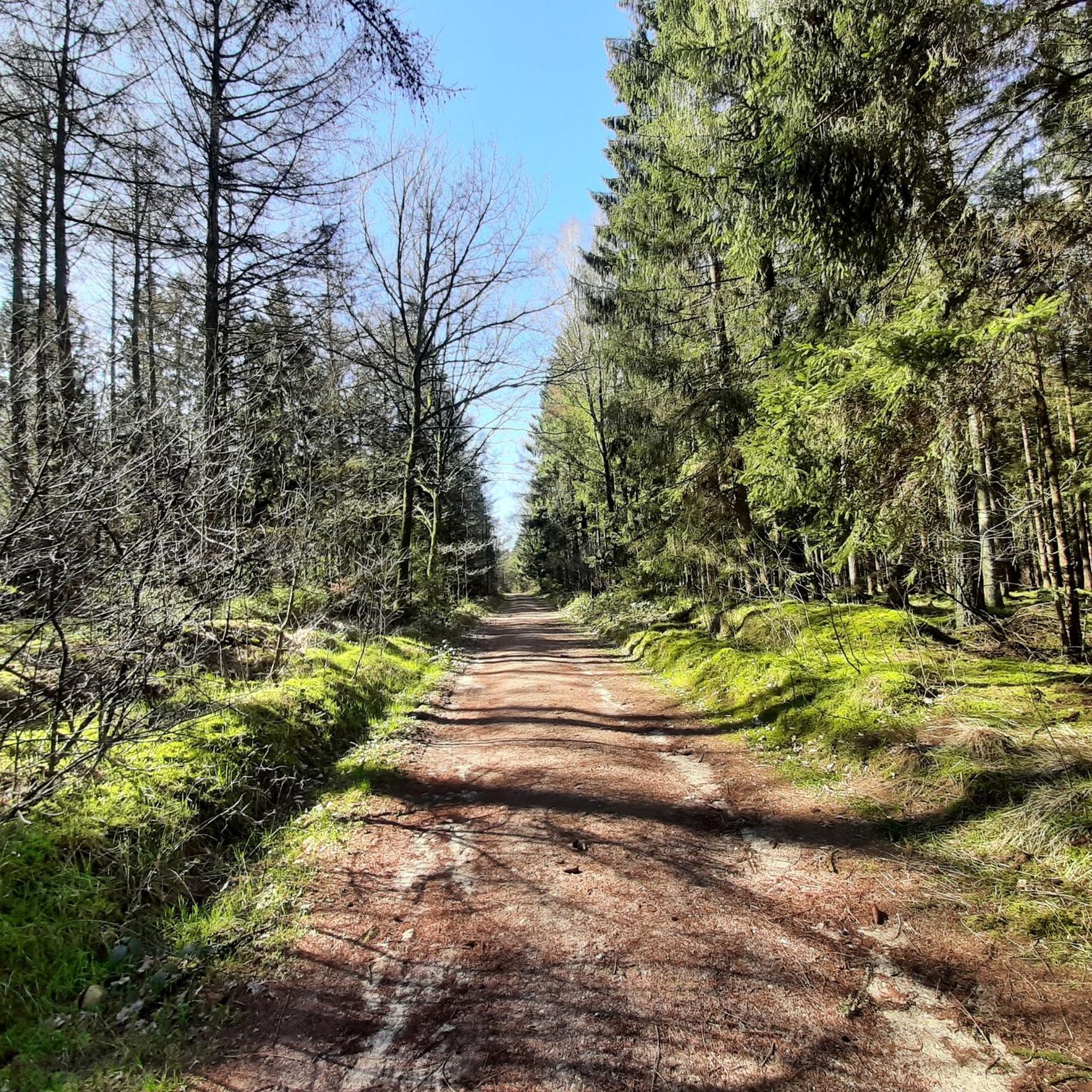
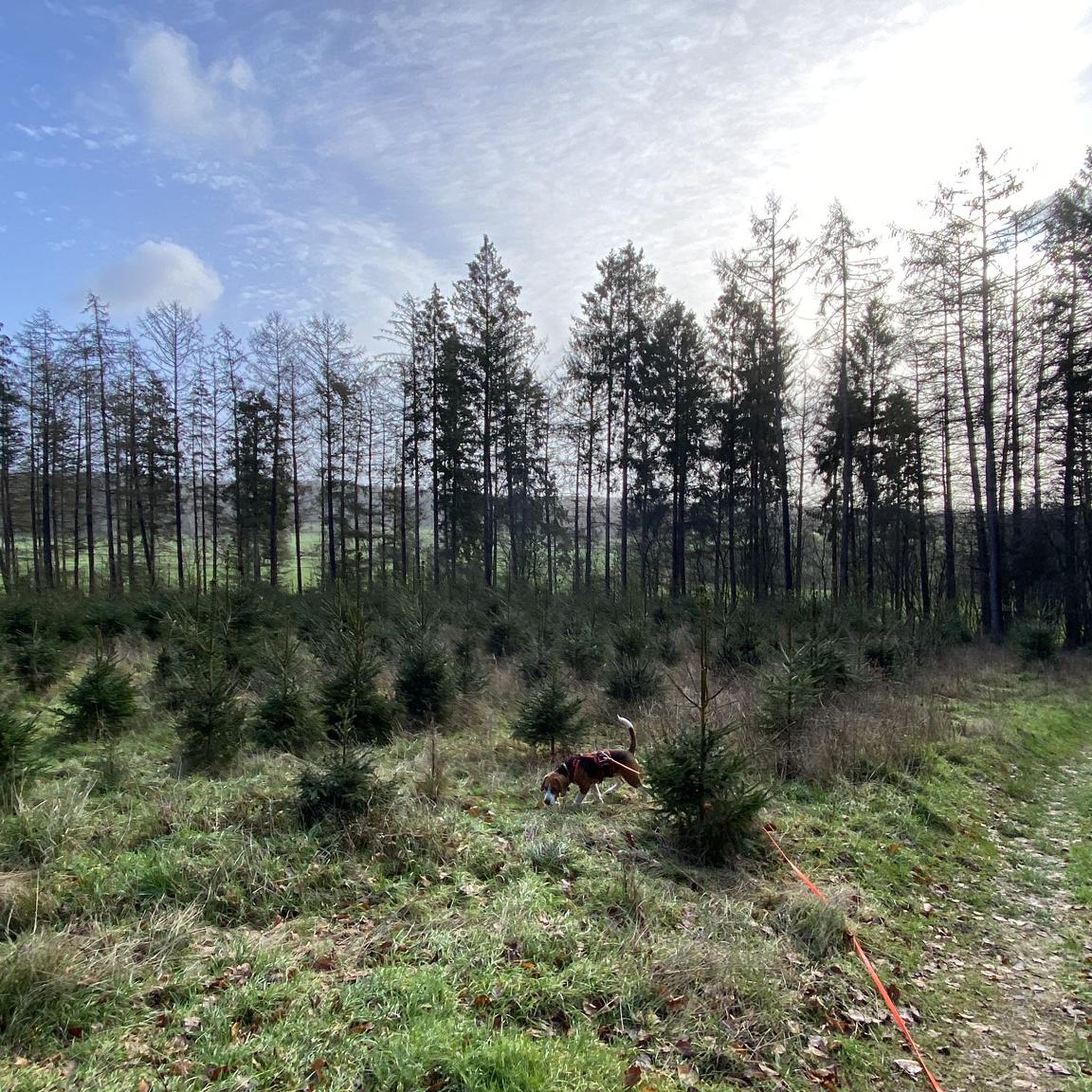
"You should look for a book, you should give way to oaks." This beech certainly thought too ... A little tree knowledge whether this proverb is correct can be found here: https://www.wohllebens-waldakademie.de/buchen-sollst-du-suchen-s27254
2
0

Yes, funny in the middle of it the beech. Now in the spring without the leaves
1
1

HISTOUR-Punkt A25 | Ältester Baum des Kreises Dithmarschen Das Alter der als Naturdenkmal seit 1938 geschützten mächtigen Stieleiche wird nach Überlieferung auf die Zeit nach dem Ende des 30-Jährigen Krieges datiert. Sie ist mit einem Stammumfang von 5,90 Meter und einer Höhe von mehr als 20 Meter der älteste Baum des Kreises Dithmarschen. Seit ihrer Unterschutzstellung musste die Schafstedter Dorfeiche einige mehr oder weniger fachmännisch ausgeführte Pflegemaßnahmen über sich ergehen lassen. Schließlich konnte ein kleines Grundstück um den Baum herum erworben und der engere Bereich um Stamm und Wurzelwerk freigehalten werden. Ein 1986 erstelltes Gutachten ergab zu dieser Zeit einen Stammdurchmesser von 1,98 Meter, eine Höhe von 21 Meter und einen Kronendurchmesser von 24 Meter. Eine noch weiter zurückliegende Ausmessung hatte im Jahr 1906 einen Stammumfang von 4,20 Meter ergeben. Die Eiche hatte also in etwa 100 Jahren ihren Umfang um 1,70 Meter erweitert. Die weitausladende, siebenstämmige Krone hat heute immer noch einen stattlichen Umfang. Ihr natürliches Alter ist jedoch bei Weitem nicht erreicht und die Schafstedter werden alles unternehmen, um diesen Veteranen unter den Bäumen Dithmarschens noch lange für die Nachwelt zu erhalten. Dort, wo der mächtige Baum heute das Ortsbild prägt, verbindet ein schmaler Weg zwei Dorfstraßen, der von den Dorfbewohnern „Gang" genannt wurde. Aus dem Jahre 1786 gibt es einen Beschwerdebrief des Hofbesitzers Tiessen an den Landvoigt Boie, der sich darüber ärgerte, dass Dorfbewohner unter der Eiche hindurch über sein Grundstück gingen, um den Weg zwischen den Dorfstraßen abzukürzen. Die Beschwerde wurde abgewiesen: Das Gewohnheitsrecht der Dorfbewohner hatte gesiegt. Gemeindewappen: Der Eichenbaum im Schafstedter Wappen ist von dieser ortsbildprägenden alten Eiche in der Dorfmitte abgeleitet. Damit wird auch die Bedeutung der Eichengehölze hingewiesen, die das landschaftliche Bild dieser Region maßgeblich bestimmen. https://www.echt-dithmarschen.de/typisch-dithmarschen/sehenswuerdigkeiten/details/alte-eiche-in-schafstedt/
1
2
Frequently Asked Questions
What types of natural monuments can I explore around Aasbüttel?
The region around Aasbüttel offers a diverse range of natural monuments. You can discover unique landscapes such as the renaturalized high moor at Eggstedter Moor, the fascinating inland dunes of the Nordoe Nature Reserve, and the tranquil waters of Muldsberg Clay Pit Lake. There are also ancient trees like the Old Oak of Schafstedt and historical sites like the Krinkberg Bronze Age Burial Mounds.
Are there any natural monuments suitable for families with children?
Yes, several natural monuments around Aasbüttel are family-friendly. Muldsberg Clay Pit Lake features a 5-kilometer circular route perfect for a leisurely walk. The Krinkberg Bronze Age Burial Mounds and the Old Oak of Schafstedt offer interesting historical insights for all ages. Additionally, Lohmühlenteich, near Itzehoe, is a popular swimming pond with a large lawn and a playground, ideal for a family outing.
Where can I find unique geological features or landscapes?
For unique geological features, visit the Nordoe Inland Dunes Nature Reserve. This area, south of Itzehoe, preserves an old inland dune landscape with diverse habitats including open sand vegetation, pine-covered dunes, and heath-covered areas. It's a rare opportunity to explore ancient dunes away from the coast. The Eggstedter Moor also showcases a unique lowland ecosystem with preserved peat cuttings.
What historical natural monuments are there to visit?
The region boasts several historical natural monuments. The Krinkberg Bronze Age Burial Mounds are an archaeological monument offering a glimpse into Bronze Age history. The Old Oak of Schafstedt is an impressive, nearly 400-year-old tree, recognized as the oldest in the Dithmarschen district. You can also explore the site of the Kaaksburg Ringfort, a Saxon ring wall dating back to the 8th or 9th century.
Are there opportunities for hiking or walking near these natural monuments?
Absolutely. The Breitenburger Moor features a circular hiking trail, allowing visitors to immerse themselves in the wetland environment. The Nordoe Inland Dunes Nature Reserve offers over 25 kilometers of hiking trails. For a pleasant walk around a lake, the Muldsberg Clay Pit Lake has a 5-kilometer circular route. You can find more hiking options in the region by exploring the Natural Monuments around Aasbüttel guide.
What kind of wildlife can I expect to see?
The natural monuments around Aasbüttel are rich in wildlife. At Muldsberg Clay Pit Lake, you can observe a cormorant population. The Eggstedter Moor is home to rare freshwater snails, mussels, dragonflies (including the green damselfish), and breeding birds like lapwings and skylarks. The Herrenmoor bei Kleve Nature Reserve provides a habitat for various birds, reptiles, amphibians (like the moor frog), and invertebrates, including vipers.
Are there any specific nature reserves worth visiting for conservation efforts?
Yes, the Herrenmoor bei Kleve Nature Reserve is a significant remnant of a high moor where re-wetting measures are actively regenerating the ecosystem, leading to the return of peat mosses and typical moor plants. The Nordoe Inland Dunes Nature Reserve is also vital, serving as a refuge for rare and endangered plant and animal species in Schleswig-Holstein, with ongoing efforts including the reintroduction of the Golden Fritillary butterfly.
What are some popular cycling routes near the natural monuments?
There are several cycling routes that allow you to explore the natural beauty around Aasbüttel. For easy gravel biking, consider routes like the 'Picnic Area with Archway – Historic Drage Manor loop from Pöschendorf' or the 'Lohmühlenteich – Old Railway Line Itzehoe–Wrist loop from Hohenaspe'. You can find more options in the Gravel biking around Aasbüttel guide or the Cycling around Aasbüttel guide.
What do visitors enjoy most about the natural monuments in this area?
Visitors particularly appreciate the tranquility and natural beauty of the region. The opportunity to witness successful moor regeneration at places like Herrenmoor bei Kleve and Eggstedter Moor is highly valued. The unique ecological importance and historical context of sites like the Nordoe Inland Dunes and the Kaaksburg Ringfort also make for fascinating exploration. Many enjoy the serene walks and birdwatching opportunities at spots like Stormsteich Pond and Muldsberg Clay Pit Lake.
Are there any specific spots for birdwatching?
Yes, birdwatching enthusiasts will enjoy several locations. Muldsberg Clay Pit Lake is known for its cormorant population. Stormsteich Pond, near Itzehoe, has been converted into a biotope and attracts various water birds, offering a peaceful spot for observation. The Eggstedter Moor and Herrenmoor bei Kleve Nature Reserve also provide habitats for diverse bird species, including rare breeding birds.
Can I find any mountain biking trails near the natural monuments?
While some natural monuments are best explored on foot, the broader region around Aasbüttel offers mountain biking opportunities. You can find various routes, from easy to difficult, such as the 'Fisher's Hut Ferry – Hohenhörn High Bridge loop from Hademarschen' or the 'Mühlenteich Neumühlen – Heiligenstedten Bascule Bridge loop from Pöschendorf'. For detailed trails, consult the MTB Trails around Aasbüttel guide.
What is the best time of year to visit the natural monuments around Aasbüttel?
The natural monuments around Aasbüttel can be enjoyed throughout the year, each season offering a different experience. Spring brings blooming flora and active wildlife, especially in the moorlands. Summer is ideal for longer walks and family activities at places like Lohmühlenteich. Autumn showcases beautiful foliage, particularly around the Old Oak of Schafstedt and the Nordoe Inland Dunes. Even winter offers serene, crisp walks through the landscapes, though some trails might be muddy.
Most popular routes around Aasbüttel
Most popular attractions around Aasbüttel

Get inspired with the komoot mobile app


Explore more
Extend your search for the best caves by checking out these guides of the top ones around Aasbüttel:
