Top 19 Natural Monuments around Schülp
Best natural monuments around Schülp include diverse landscapes in Schleswig-Holstein, Germany. The region features distinctive geological formations and rich biodiversity, making it an appealing destination for nature enthusiasts. Visitors can explore unique natural features such as inland dunes, expansive moorlands, and heath areas. These natural monuments offer insights into the area's ecology and provide opportunities for outdoor exploration.
Best natural monuments around Schülp
- The most popular natural monuments is Kiek-Ut view in the Katinger Watt, a viewpoint that offers…
Last updated: October 25, 2026
Katinger Watt Nature Reserve
Highlight • Natural Monument
Translated by Google •
Tip by

Büsum – Wadden Sea National Park
Highlight • Natural Monument
Translated by Google •
Tip by

Sign up now to discover places like this
Get recommendations on the best single tracks, peaks, & plenty of other exciting outdoor places.
Wadden Sea National Park - Hedwigenkoog Height
Highlight • Natural
Showing Translation
Tip by

Kiek-Ut view in the Katinger Watt
Highlight • Viewpoint
Translated by Google •
Tip by

Old Harbor Schülperneuensiel
Highlight • Historical Site
Translated by Google •
Tip by

Sign up for free to discover even more natural monuments around Schülp.
Already have an account?
Start today with a free account
Your next adventure awaits.
Tips from the Community

The port of Schülpersiel (often also called port Schülperneuensiel) is a small, idyllic sports boat harbor on the southern bank of the Eider in the Dithmarschen district, Schleswig-Holstein. It is located near Karolinenkoog and is mainly used by the sailing club Eiderdamm e.V. (SVED).
3
0

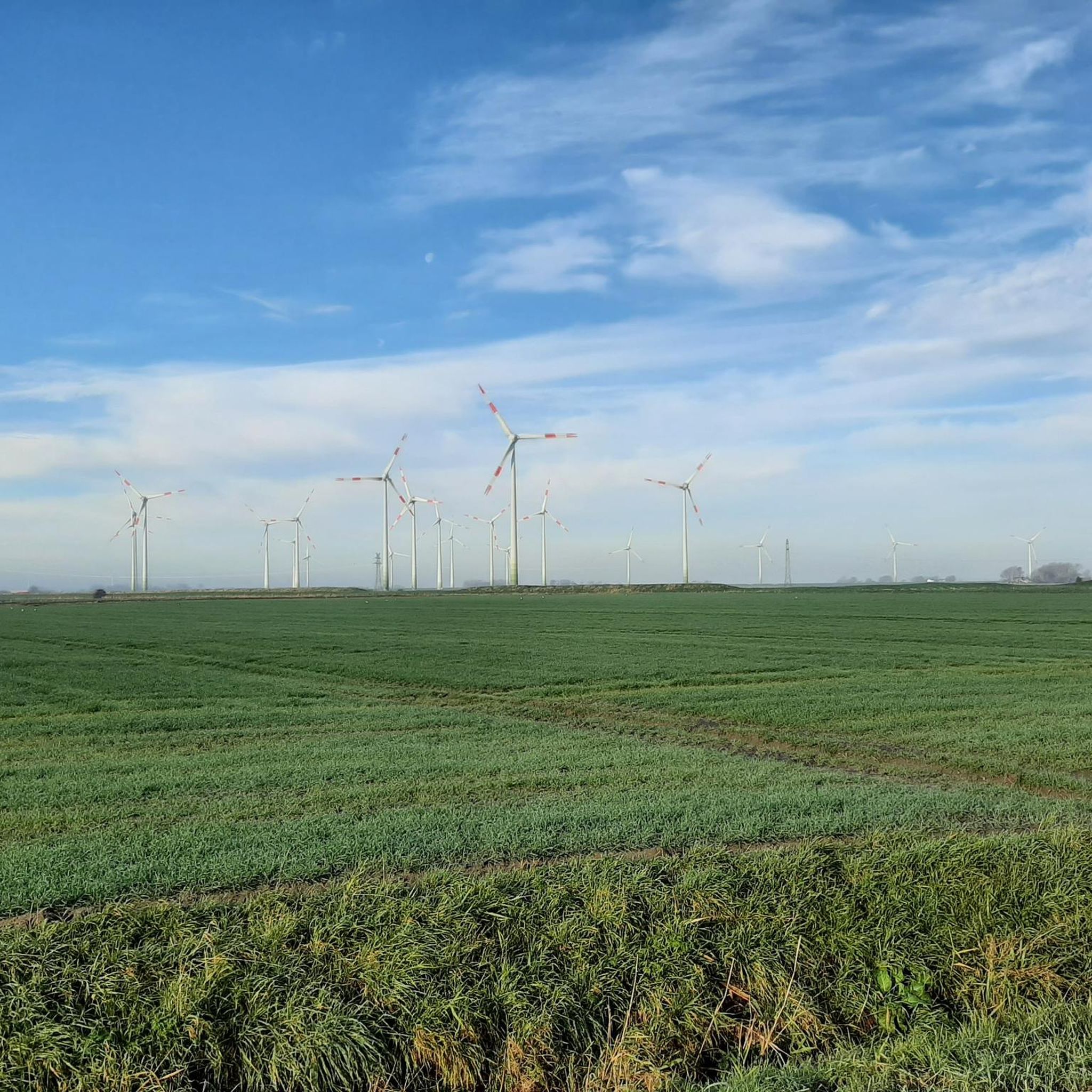
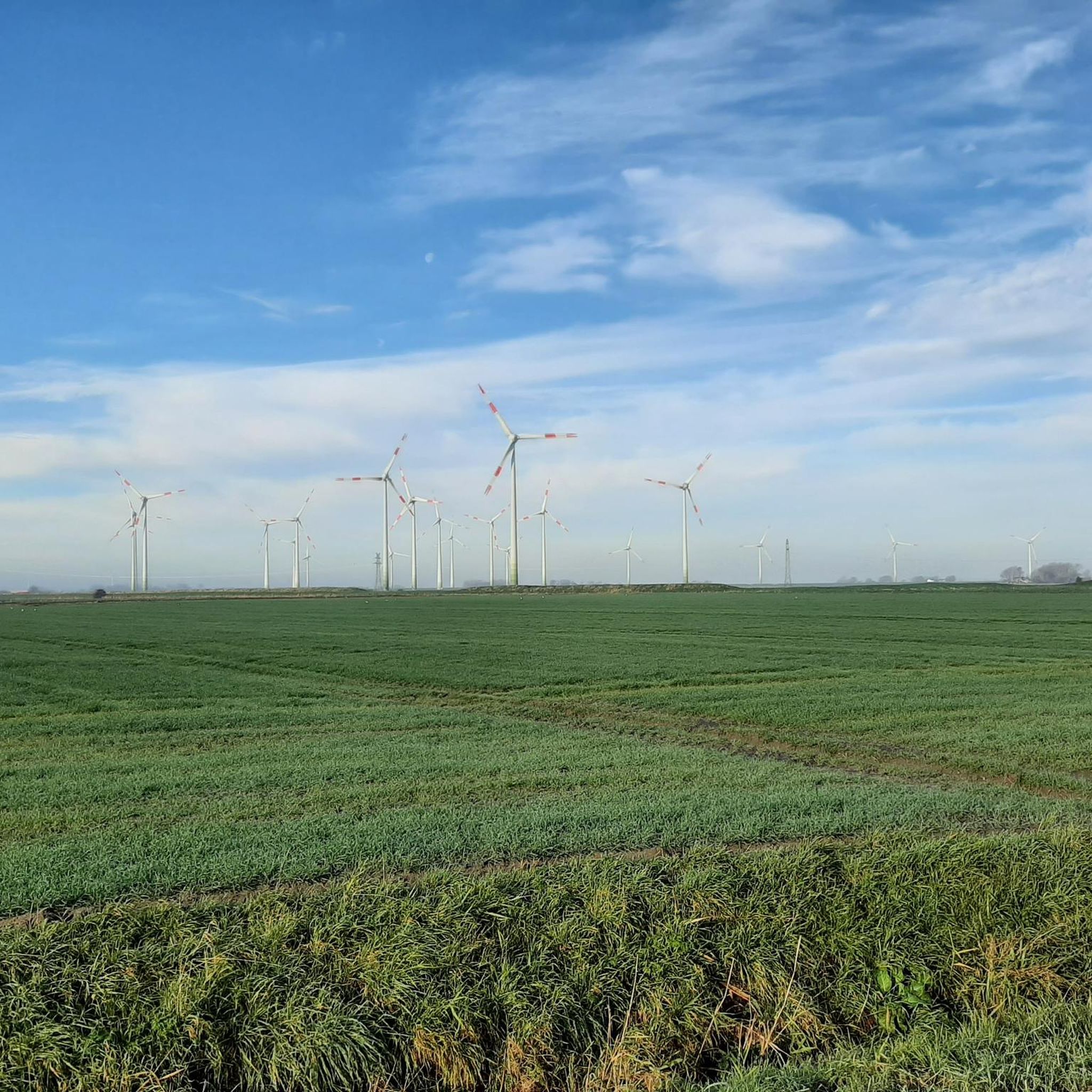
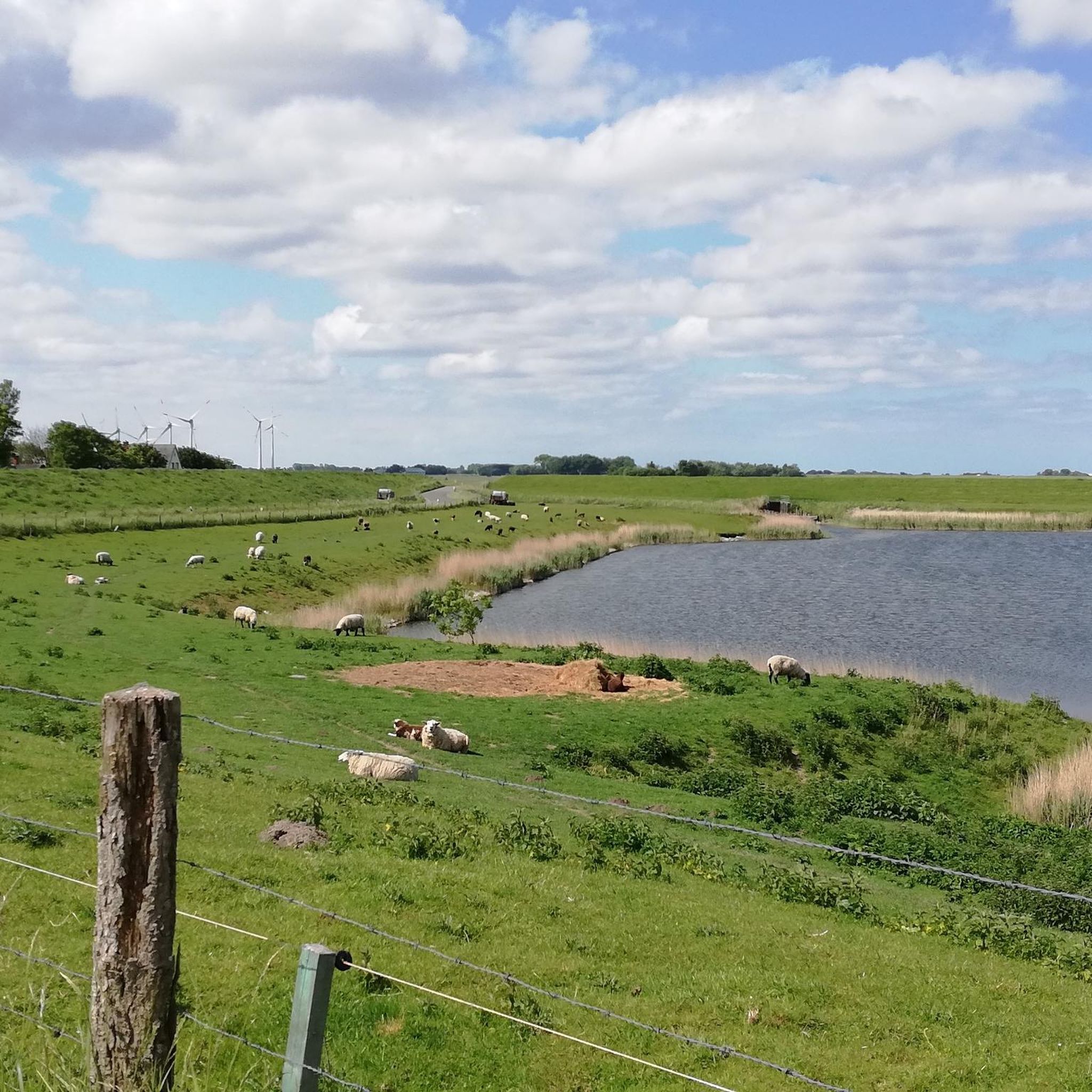
Katinger Watt The Katinger Watt is a bird sanctuary covered with meadows and forests at the mouth of the Eider river. In the early 1970s, the area was dammed and thus protected from storm surges. The Katinger Watt now offers a unique habitat for plants and animals. Walking paths invite you to hike and experience nature.
3
0


The Wadden Sea off the German North Sea coast is protected by three national parks
2
0
The Wadden Sea off the German North Sea coast is protected by three national parks
2
0

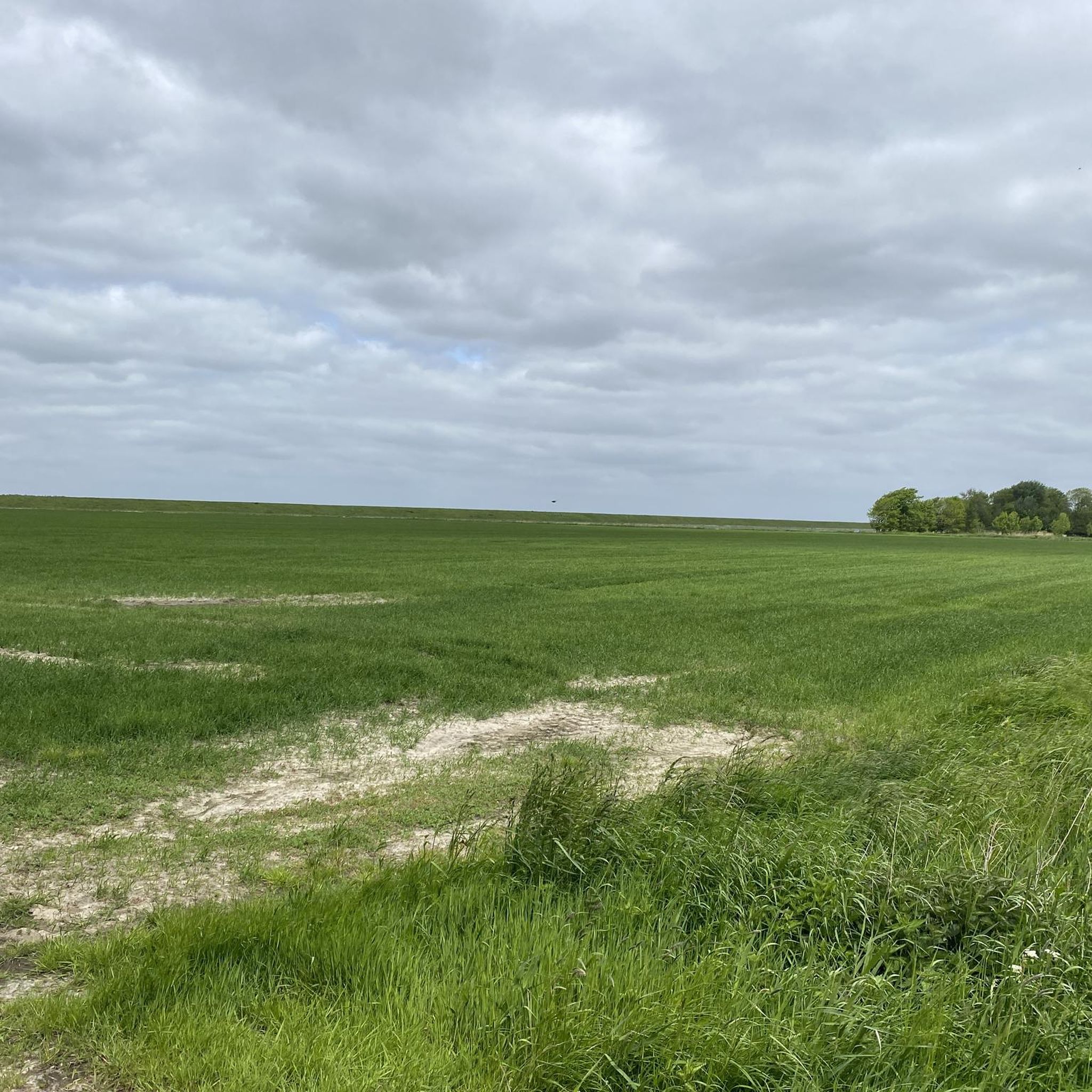
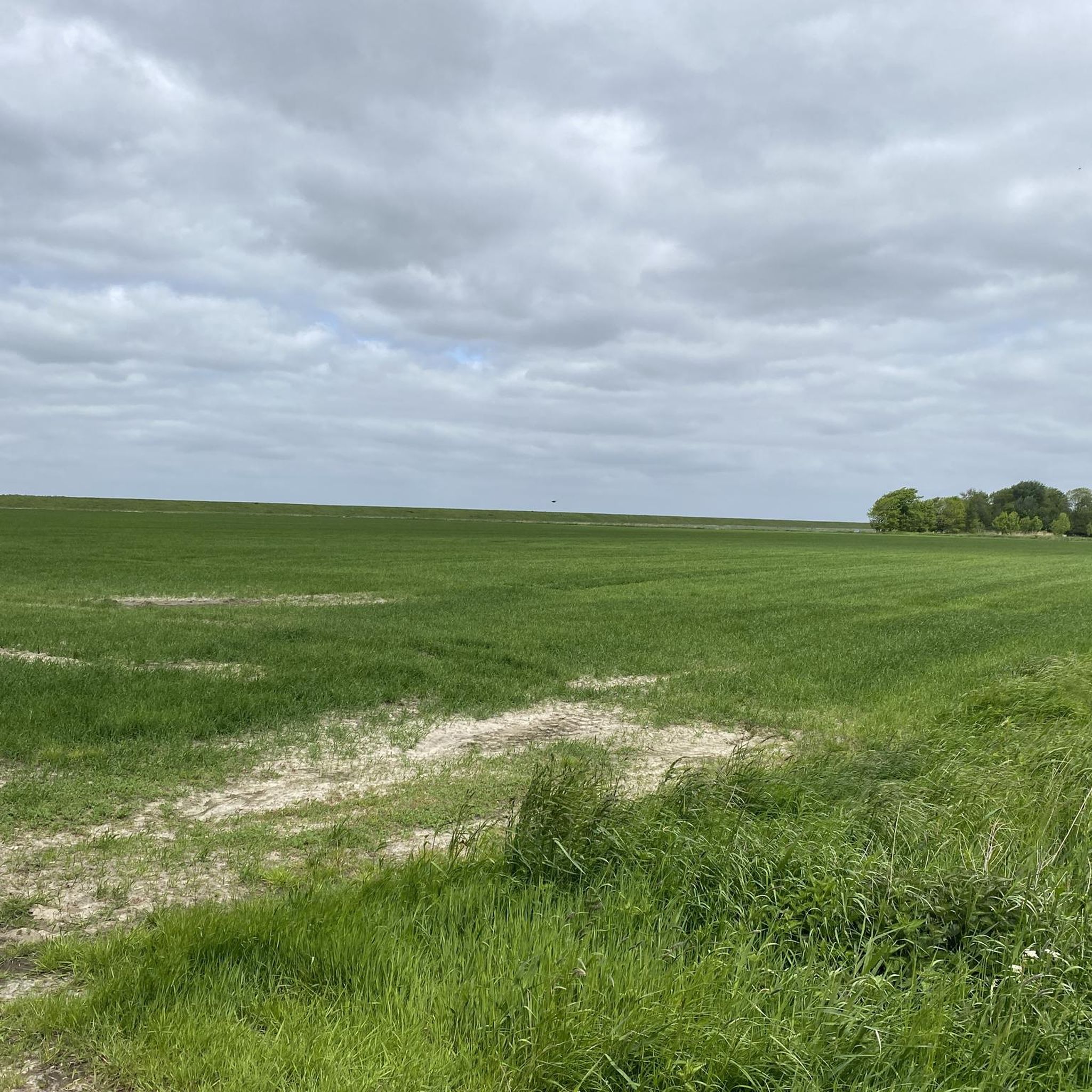
A beautiful spot, pure nature
3
0

The port of Schülperneuensiel is located in the dike foreland on the south bank of the Eider. Around 1600, Neuensiel was relocated to the new sea dike. When the Karolinen- and Wesselburenerkooges were re-covered, Neuensiel remained. Today's drainage sluice was built in 1964/65. This is a peak pumping station with a dyke. Normally, the dyke is used for drainage, but the pumping station is switched on when the Eider reaches peak water levels. Three pumps can pump a total of 11,400 liters per second into the Eider. The sluice associations Wesselburenerkoog, Karolinenkoog, Schülperweide, Hillgroven, Schülp, Strübbel and Neuenkirchen drain an area of 6,321 hectares here. Inside the pumping station is a five to six hectare reservoir. 75,000 cubic meters of water can be absorbed here. There used to be a lot of shipping traffic in the port. The main commodity was grain. Today the port area is leased to sailors. The Eider foreland and the tidal flats are part of a salt and brackish water area of the Eider estuary that was designated as a nature reserve in 1989 and is influenced by the tides. The characteristic plant and animal species that occur are protected on around 620 hectares. Despite the change in the tidal rhythm, the associated changes in salinity and the bank vegetation due to the construction of the Eider barrage in 1973, numerous red-listed species have found a refuge here; the Eider estuary is still considered a wetland of international importance.
3
0

The North Sea Cycle Route runs along here and the route is very scenic. Also very nice for ornithologists for bird watching.
5
0
Frequently Asked Questions
What unique natural features can I explore around Schülp?
Schülp is known for its diverse natural features, including impressive inland dunes like Rüsterbergen, expansive moor areas such as Lohmoor, and distinct heathlands. These areas offer unique insights into the region's landscape and ecology, providing habitats for diverse flora and fauna.
Are there good opportunities for wildlife observation near Schülp's natural monuments?
Yes, the natural monuments around Schülp offer excellent opportunities for wildlife observation. At the Katinger Watt Nature Reserve, you can observe many species of birds, including lapwings, sea eagles, and kingfishers. The rewetting efforts in the moorlands have also seen the return of cranes, and the Lohmoor provides a habitat for various birds and smooth snakes. The Observation Tower Lundener Niederung is another prime spot to potentially see sea eagles and deer.
What are the best viewpoints to experience the natural beauty of the Schülp area?
For panoramic views, visit the Kiek-Ut view in the Katinger Watt, an observation tower on an artificially created hill offering wide perspectives of the nature adventure trail and the Eiderwiesen. From Rüsterbergen's inland dunes, you can also enjoy expansive views of the Kiel Canal and the Eider lowlands. Additionally, the Observation Tower Lundener Niederung provides a great view over its nature reserve.
Are there family-friendly natural monuments or trails suitable for children around Schülp?
Many natural monuments around Schülp are family-friendly. The Katinger Watt Nature Reserve and the Kiek-Ut view in the Katinger Watt are both categorized as family-friendly. The moor areas, with their well-maintained hiking trails and opportunities to observe diverse plant and animal life, also make for engaging family outings.
What outdoor activities can I do near the natural monuments around Schülp?
You can enjoy various outdoor activities. For hiking, explore trails around the natural monuments, including those in the moorlands. You can find more hiking routes in the Hiking around Schülp guide. Cycling is also popular, with routes like the 'Eider Flood Barrier – Eider Barrage (Eider-Sperrwerk) loop from Schülp'. Discover more cycling options in the Cycling around Schülp guide and Road Cycling Routes around Schülp guide.
What is the best time of year to visit the natural monuments in Schülp?
The natural monuments around Schülp are appealing throughout the year, but spring and autumn are particularly good for birdwatching in areas like the Katinger Watt and the moorlands. Summer offers pleasant weather for hiking and cycling, while the unique landscapes, such as the heath area, can be beautiful in late summer when the heather blooms.
Are there any historical sites or man-made monuments integrated with the natural monuments?
While the focus is on natural features, some sites have historical significance. The Old Harbor Schülperneuensiel, though primarily a historical site, is located in the dike foreland on the south bank of the Eider, an area that is part of a nature reserve influenced by tides. This highlights the interplay between human activity and the natural environment in the region.
What are the terrain and difficulty levels of trails around Schülp's natural monuments?
The terrain around Schülp's natural monuments varies. Inland dunes like Rüsterbergen may involve some elevation, while moorlands and heath areas typically feature relatively flat, well-maintained paths. Many trails, especially in areas like the Katinger Watt, are considered relatively easy to walk, making them accessible for a wide range of visitors.
Where can I find parking when visiting the natural monuments?
Specific parking information for each natural monument may vary. For popular spots like the Katinger Watt, there are often designated parking areas near observation towers or nature reserve entrances. It is advisable to check local signage upon arrival or consult detailed maps for specific parking locations.
Are there any hidden natural gems or unique sights to discover near Schülp?
Beyond the well-known sites, the ongoing rewetting efforts in the moor areas, such as Lohmoor, are creating unique ecological recovery zones. These areas are transforming into shallow water lakes and returning to their natural structure, offering a chance to witness a dynamic and evolving natural landscape. The heath area on the edge of a sandhill also provides a valuable biotope and immersive natural experience.
How can I reach the natural monuments around Schülp using public transport?
While direct public transport access to every remote natural monument might be limited, major towns near Schülp, such as Nortorf, are typically served by regional buses or trains. From these points, you might need to consider local bus services, cycling, or a short drive to reach specific natural monuments like the moor areas or heathlands. Planning your route in advance is recommended.
Most popular attractions around Schülp

Get inspired with the komoot mobile app


Explore more
Extend your search for the best caves by checking out these guides of the top ones around Schülp:
