Top 20 Natural Monuments around Herzhorn
Best natural monuments around Herzhorn are characterized by the Elbe River and its extensive floodplains, which form a rich and dynamic ecosystem. This region, part of the UNESCO Elbe River Landscape Biosphere Reserve, provides habitats for diverse wildlife, including various bird species and beavers. Visitors can explore extensive hiking and cycling trails, experiencing the tranquil and scenic environment shaped by the Elbe. The area's ecological significance and opportunities for active recreation make it a notable natural destination.
Best natural monuments…
Last updated: November 7, 2026
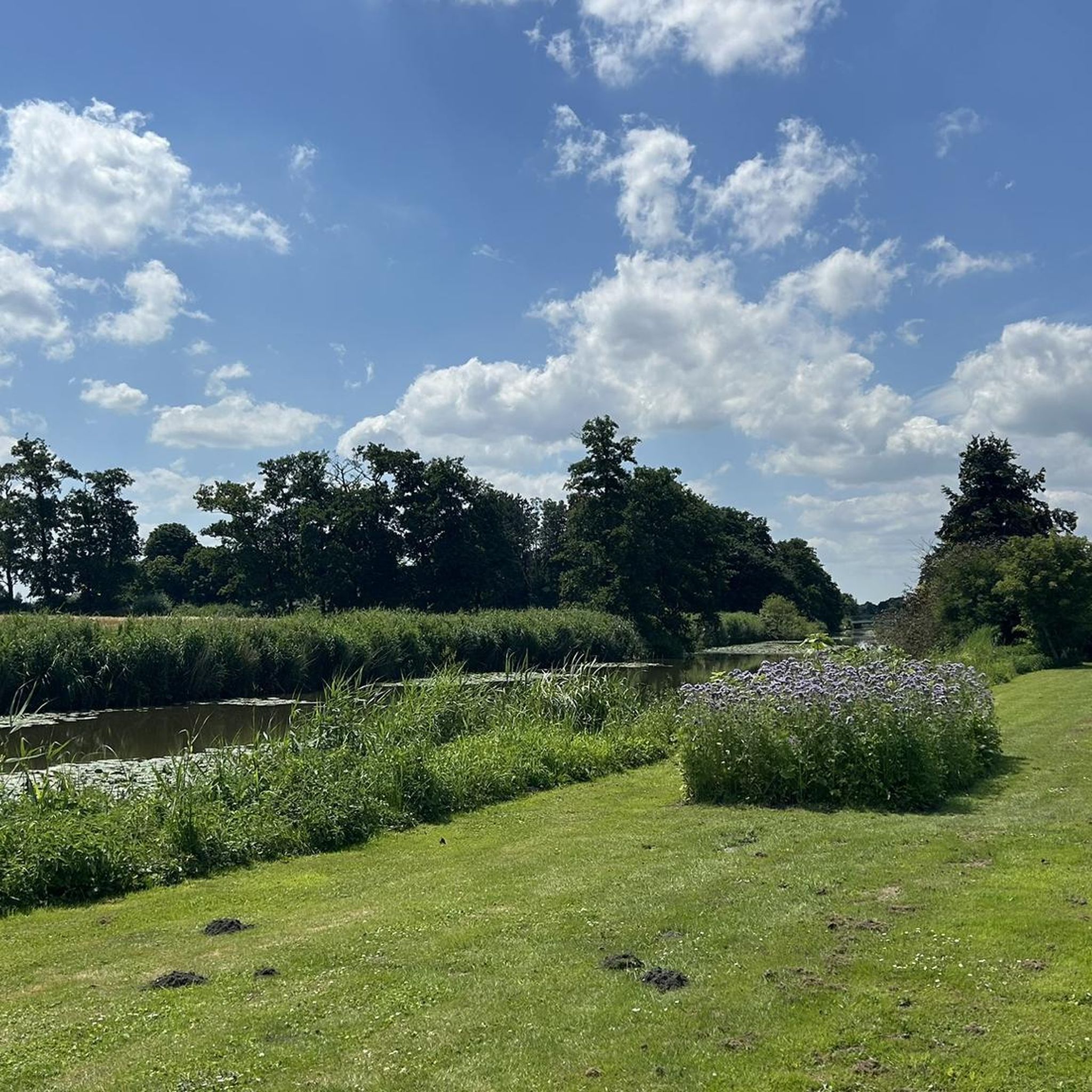
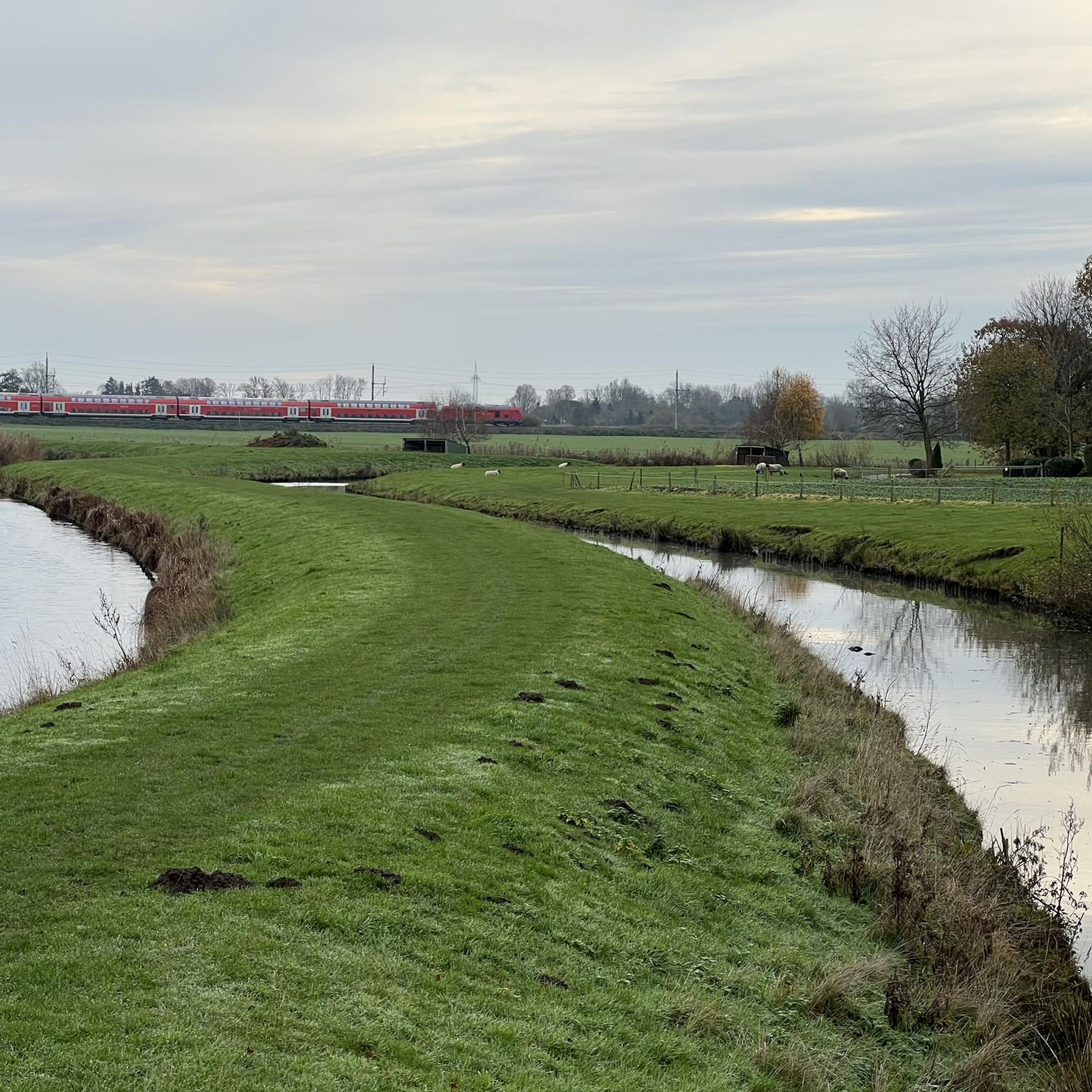
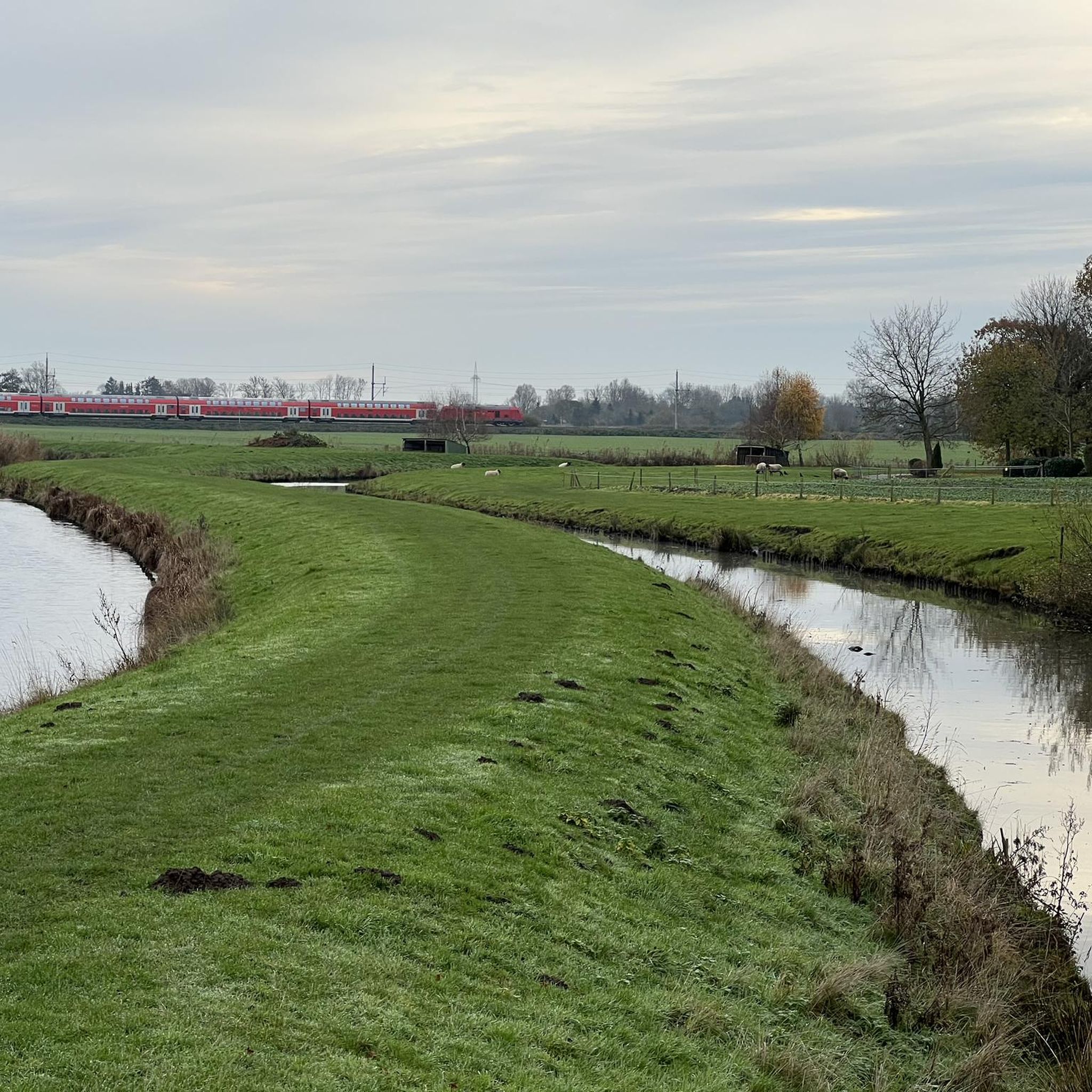
Elbdeich Nature Reserve and Riverside Path
Highlight (Segment) • Trail
Translated by Google •
Tip by

Liether Chalk Pit Nature Reserve
Highlight • Natural Monument
Translated by Google •
Tip by

Sign up now to discover places like this
Get recommendations on the best single tracks, peaks, & plenty of other exciting outdoor places.
Liether Limestone Quarry
Highlight • Natural Monument
Translated by Google •
Tip by
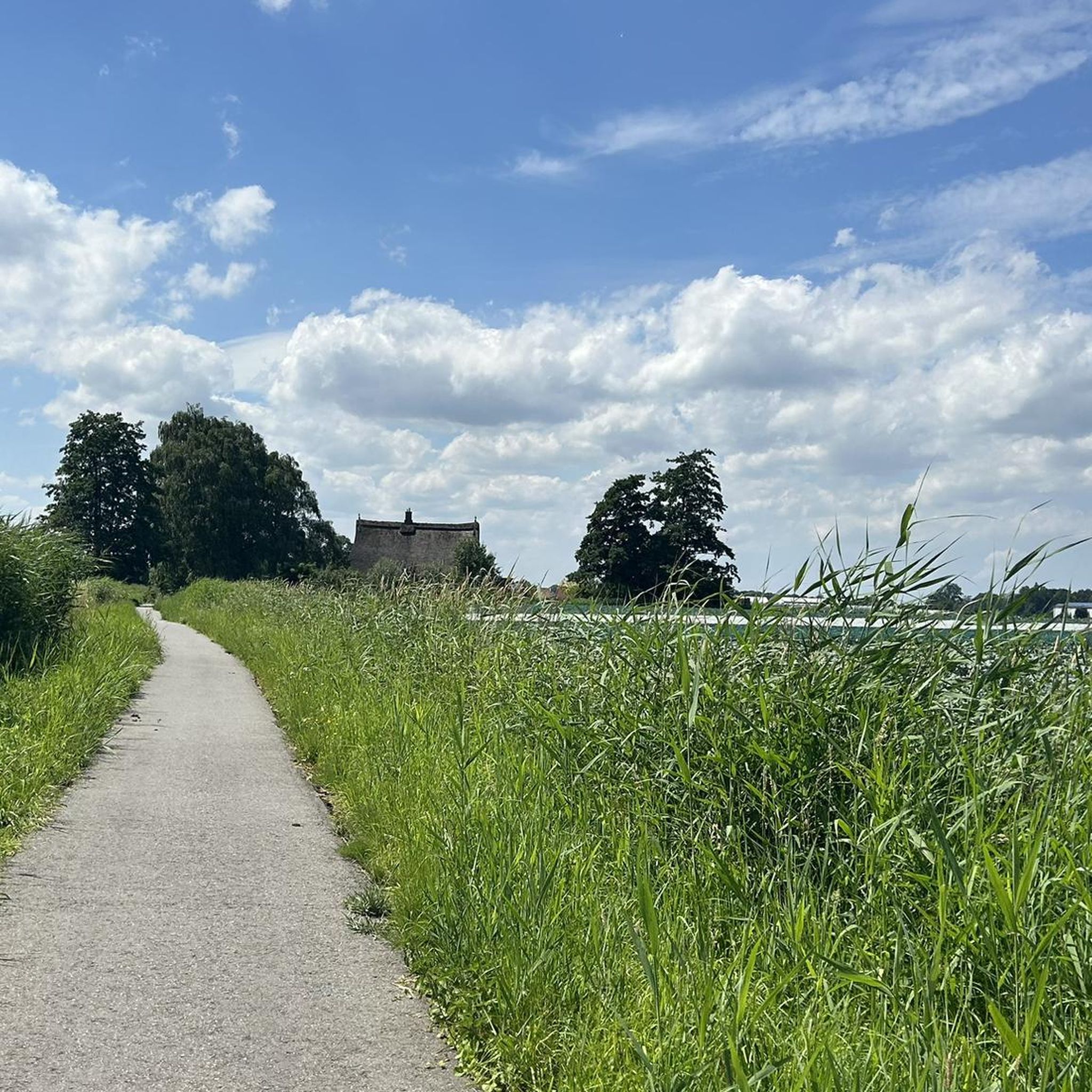
Stör Estuary
Highlight • River
Translated by Google •
Tip by

Historic Deep Drilling World Record Monument (1872–1878)
Highlight • Monument
Translated by Google •
Tip by
Sign up for free to discover even more natural monuments around Herzhorn.
Already have an account?
Start today with a free account
Your next adventure awaits.
Tips from the Community

The Liether Kalkgrube is a former open-cast mine where limestone was mined. The Kalkgrube is geologically very interesting because the oldest rock layers in northern Germany come to the surface here. These layers were formed around 250 million years ago, in the Permian period. They consist mainly of limestone, claystone and sandstone.
1
1
The Liether Kalkgrube is a former open-cast mine where limestone was mined. The Kalkgrube is geologically very interesting because the oldest rock layers in northern Germany come to the surface here. These layers were formed around 250 million years ago, in the Permian period. They consist mainly of limestone, claystone and sandstone.
2
1

The Liether Kalkgrube is located in the district of Pinneberg, east of the town of Klein Nordende. It is a former open-cast mine that was closed in 1986. The area was designated a nature reserve in 1991 and was awarded a "National Geotop" in 2006. (Source: Wikipedia)
1
0

The Stör estuary in Schleswig-Holstein is a scenic area where the Stör flows into the Elbe. The Stör is a major tributary of the Elbe and stretches approximately 85 kilometers from its source near Neumünster to its mouth near Wewelsfleth. The region around the Stör estuary offers numerous recreational opportunities and nature experiences. One of the main attractions is the Stör Barrage, which serves to protect the inland areas from flooding and storm surges. The barrage, built in the 1970s, regulates the water level of the Stör and protects the adjacent marshlands. For nature lovers and outdoor enthusiasts, there are numerous cycling and hiking trails along the Stör and its estuary. The Elbe Cycle Path and the Monks' Path lead directly through this region and offer magnificent views of the river landscape and passing ships on the Elbe.
1
0

Impressive nature reserve which is definitely worth a visit.
2
0

The Liether Kalkgrube is a wonderful biotope!
3
0
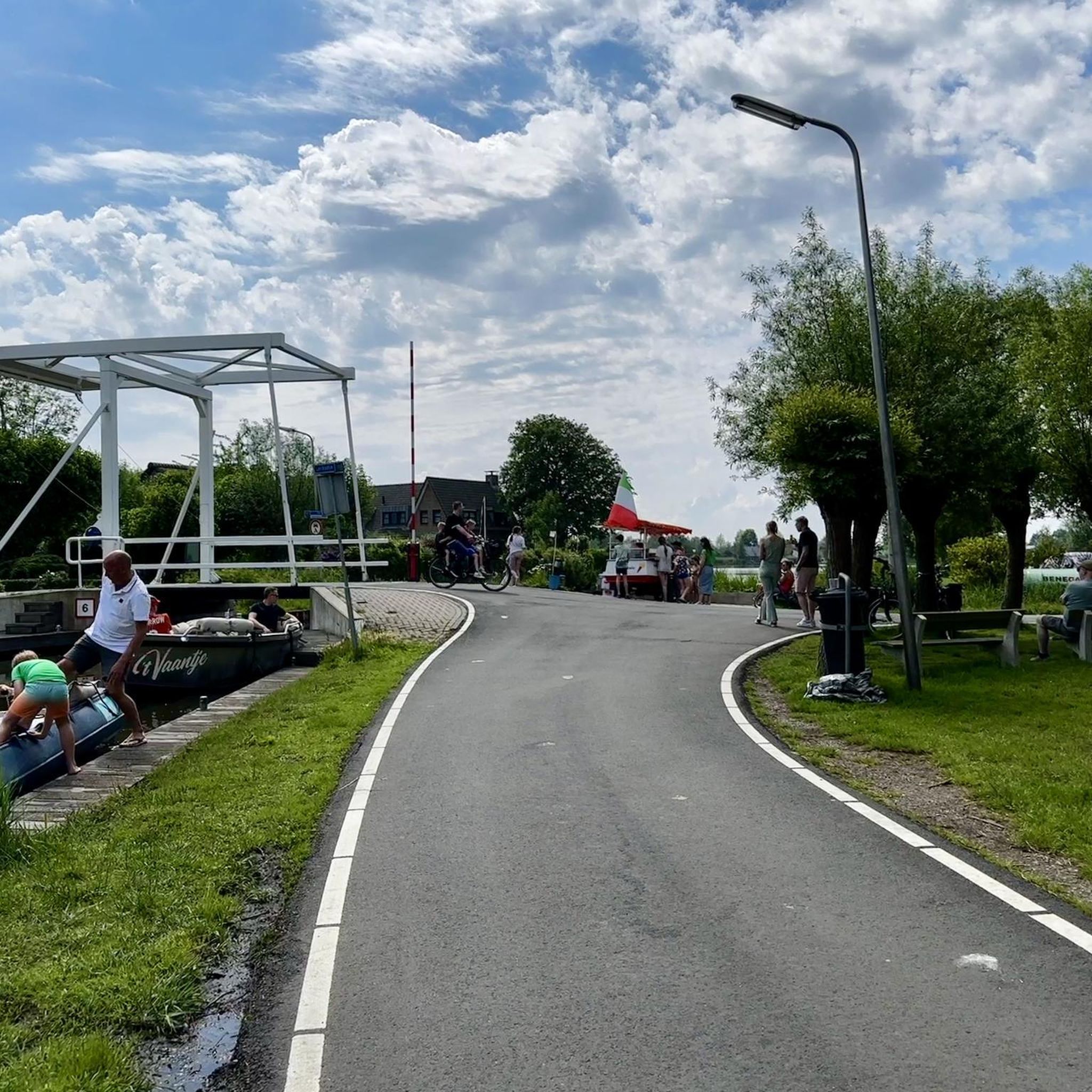
There is a very nice atmosphere here.
2
0
You can cycle for kilometers here.
2
0
Frequently Asked Questions
What are the most popular natural monuments to visit around Herzhorn?
The region around Herzhorn is known for its diverse natural beauty, particularly along the Elbe River. Highly appreciated natural monuments include the Liether Chalk Pit Nature Reserve, a former mining pit now protected for its unique geoscientific treasures and rare species. Another popular spot is the Liether Limestone Quarry, offering a circular route with panoramic views and a habitat for diverse flora and fauna. Visitors also enjoy the Elbdeich Nature Reserve and Riverside Path, which provides excellent impressions of the river landscape and opportunities to observe local wildlife.
Are there family-friendly natural monuments or trails in the Herzhorn area?
Yes, several natural monuments and areas around Herzhorn are suitable for families. The Liether Chalk Pit Nature Reserve and the Liether Limestone Quarry both offer accessible paths and interesting geological features that can engage children. Additionally, the Elbdeich Nature Reserve and Riverside Path is a gentle trail along the Elbe where families can enjoy observing sheep and the river scenery. The Stör Estuary also provides a pleasant setting for a family outing with views of the Elbe and Stör rivers.
What kind of wildlife can I expect to see in the natural areas around Herzhorn?
The natural areas around Herzhorn, especially along the Elbe River and its floodplains, are rich in wildlife. As part of the UNESCO Elbe River Landscape Biosphere Reserve, the region provides ideal conditions for various bird species, including white-tailed eagles, red kites, storks, and grey geese. You might also spot frogs, salamanders, bats, and even beavers, which have successfully been reintroduced to the area. The dynamic environment of the floodplains supports a diverse array of plant and animal life, making it a haven for nature enthusiasts and birdwatchers.
What outdoor activities can I do near the natural monuments around Herzhorn?
The natural monuments around Herzhorn are excellent starting points for various outdoor activities. You can explore extensive hiking and cycling trails that weave through the surrounding areas, offering breathtaking views of the Elbe River and its landscapes. For specific routes, consider the hiking trails around Herzhorn, which include easy to moderate options like the 'Glückstadt Salt Warehouse – At the Harbor' loop. Cyclists can find numerous routes, including those along the Elbe, with options for MTB trails and road cycling routes.
Are there any geological natural monuments in the Herzhorn region?
Yes, the Herzhorn region is home to significant geological natural monuments. The Liether Chalk Pit Nature Reserve and the Liether Limestone Quarry are prime examples. These sites expose the oldest geological rock layers of the North German lowlands, which have risen to the surface as part of a salt dome. They offer unique geoscientific insights and are protected as national geotopes, showcasing events from 1.9 billion years of geological history.
What is the best time of year to visit the natural monuments around Herzhorn?
The natural monuments around Herzhorn can be enjoyed year-round, as sites like the Liether Kalkgrube are publicly accessible throughout the year. However, spring and summer are particularly appealing for wildlife observation and outdoor activities like hiking and cycling, when the floodplains are lush and birdlife is abundant. Autumn offers beautiful colors along the Elbe, while winter can provide a tranquil, serene experience, especially for those interested in winter hiking.
Can I bring my dog to the natural monuments and trails near Herzhorn?
Many natural areas and trails around Herzhorn are dog-friendly, but it's always important to observe local regulations, especially within nature reserves. The Elbdeich Nature Reserve and Riverside Path is generally suitable for walks with dogs, offering open spaces along the river. When visiting areas with grazing animals like sheep, or sensitive wildlife habitats, ensure your dog is kept on a leash to protect both the animals and the natural environment.
Are there any historical or cultural sites related to the natural landscape near Herzhorn?
While the focus is on natural monuments, the region does feature points of historical interest intertwined with its geology. The Historic Deep Drilling World Record Monument (1872–1878) is a memorial stone located near the Liether Kalkgrube, commemorating a significant geological achievement of its time. This site highlights the historical human interaction with the unique geological formations of the area.
What makes the Elbe River landscape around Herzhorn so special?
The Elbe River landscape around Herzhorn is particularly special because it is considered one of the last relatively near-natural riverine landscapes in Central Europe. It's part of the UNESCO Elbe River Landscape Biosphere Reserve, characterized by dynamic floodplains, diverse riparian zones, and a rich ecosystem. This environment supports a wide array of plant and animal life, including rare bird species and beavers, offering visitors a unique opportunity to experience a powerful and ever-changing natural environment.
Where can I find easy walking trails around the natural monuments in Herzhorn?
For easy walking trails, the Elbdeich Nature Reserve and Riverside Path offers a straightforward route along the Elbe, perfect for a relaxed stroll. The Liether Limestone Quarry also features a 2.7 km circular route that is generally easy to navigate while providing scenic views. You can find more easy options among the hiking routes around Herzhorn, such as the 'Glückstadt Salt Warehouse – At the Harbor' loop.
Is there parking available near the natural monuments?
Yes, for popular natural monuments like the Liether Chalk Pit Nature Reserve and the Liether Limestone Quarry, there is typically designated parking. The starting point for activities at the Liether Kalkgrube, for instance, is the parking lot in the pit entrance area. For other natural areas and trails, parking might be available at trailheads or nearby villages. It is advisable to check specific locations for parking information before your visit.
What do visitors enjoy most about the natural monuments around Herzhorn?
Visitors frequently highlight the tranquility and scenic beauty of the natural monuments around Herzhorn. Many appreciate the opportunity to observe wildlife, such as sheep along the Elbdeich or various bird species in the floodplains. The unique geological formations of the Liether Chalk Pit and Limestone Quarry are also a major draw, offering interesting insights into the region's natural history. The extensive network of hiking and cycling trails provides a great way to immerse oneself in the peaceful, natural environment.
Most popular routes around Herzhorn
Most popular attractions around Herzhorn

Get inspired with the komoot mobile app


Explore more
Extend your search for the best caves by checking out these guides of the top ones around Herzhorn:
