Top 19 Natural Monuments around Hedwigenkoog
Best natural monuments around Hedwigenkoog are found in its coastal landscape, characterized by its proximity to significant natural areas. This region in northern Germany offers a blend of protected nature reserves and impressive coastal engineering. Visitors can explore diverse habitats crucial for birdlife and structures vital for coastal protection. The area provides opportunities to observe unique ecosystems and the interplay between human infrastructure and nature.
Best natural monuments around Hedwigenkoog
- The most popular natural monuments is Wöhrdener Loch Nature Reserve…
Last updated: May 11, 2026
Wöhrdener Loch Nature Reserve
Highlight • Natural
Translated by Google •
Tip by

Katinger Watt Nature Reserve
Highlight • Natural Monument
Translated by Google •
Tip by

Sign up now to discover places like this
Get recommendations on the best single tracks, peaks, & plenty of other exciting outdoor places.
Sign up for free
Büsum Mudflats (Wadden Sea)
Highlight • Natural
Translated by Google •
Tip by

Wadden Sea National Park Near Büsum
Highlight • Natural
Translated by Google •
Tip by

Kattinger Watt Observation Tower
Highlight • Viewpoint
Regrettable...
Translated by Google •
Tip by

Sign up for free to discover even more natural monuments around Hedwigenkoog.
Sign up for free
Already have an account?
Start today with a free account
Your next adventure awaits.
Login or Signup
Tips from the Community

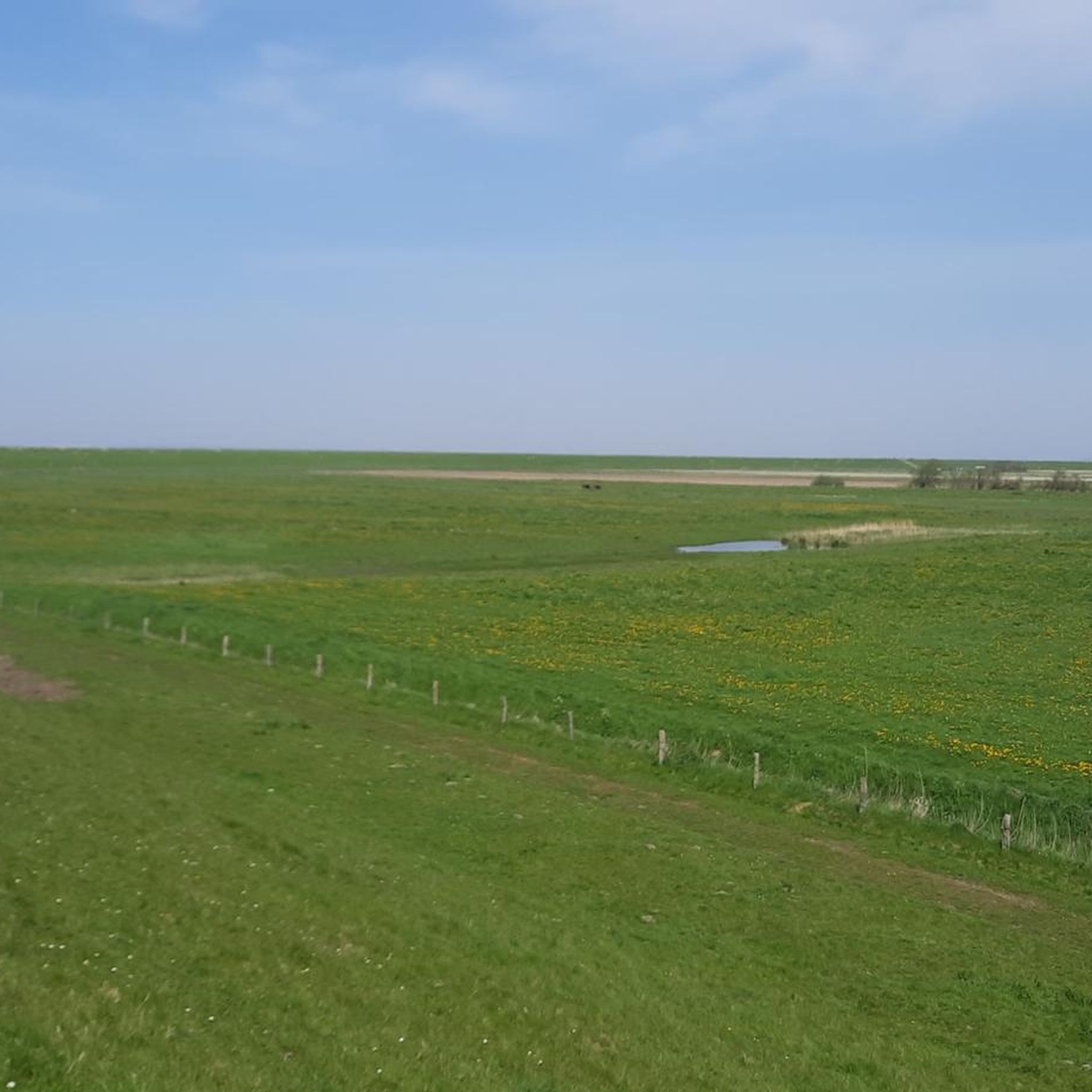
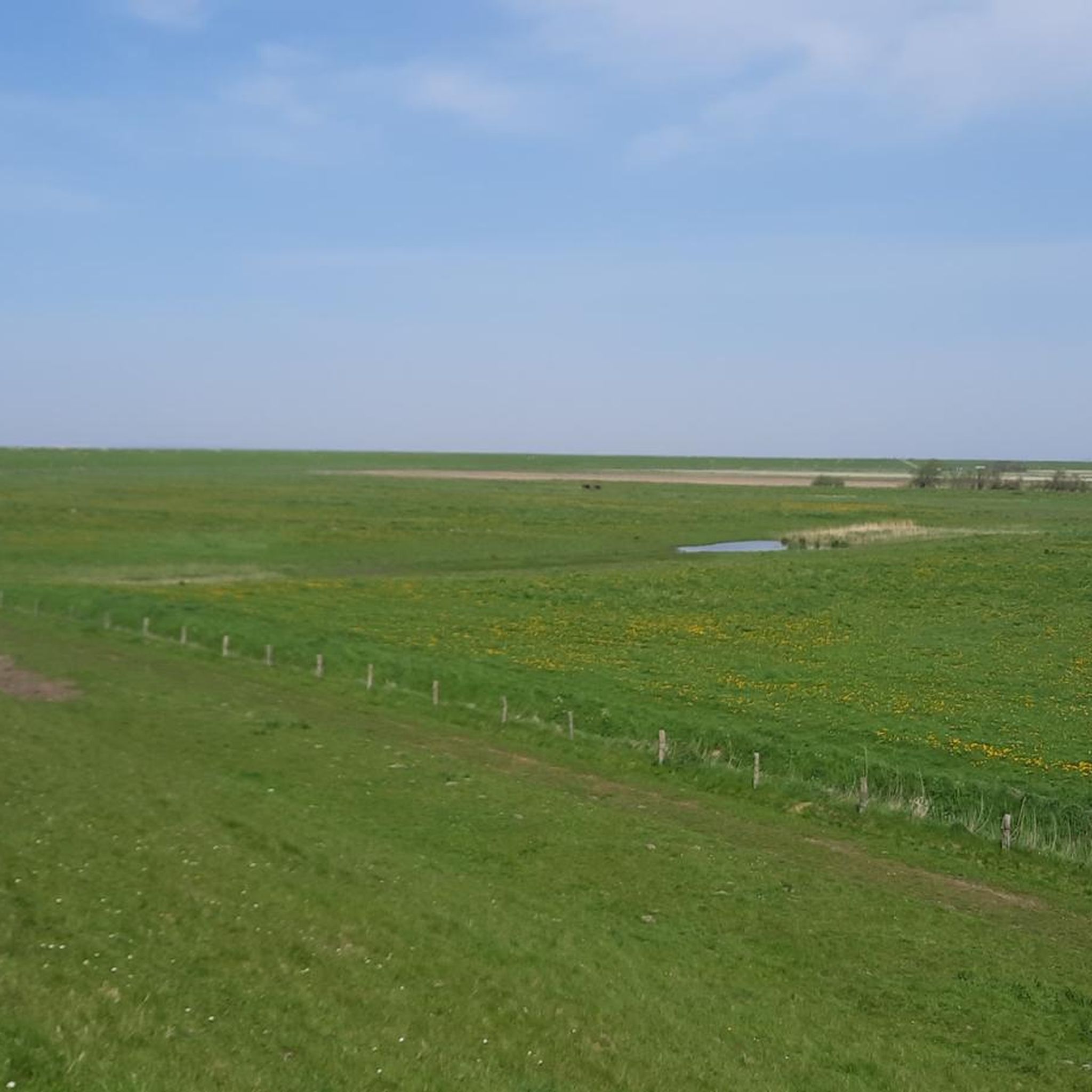
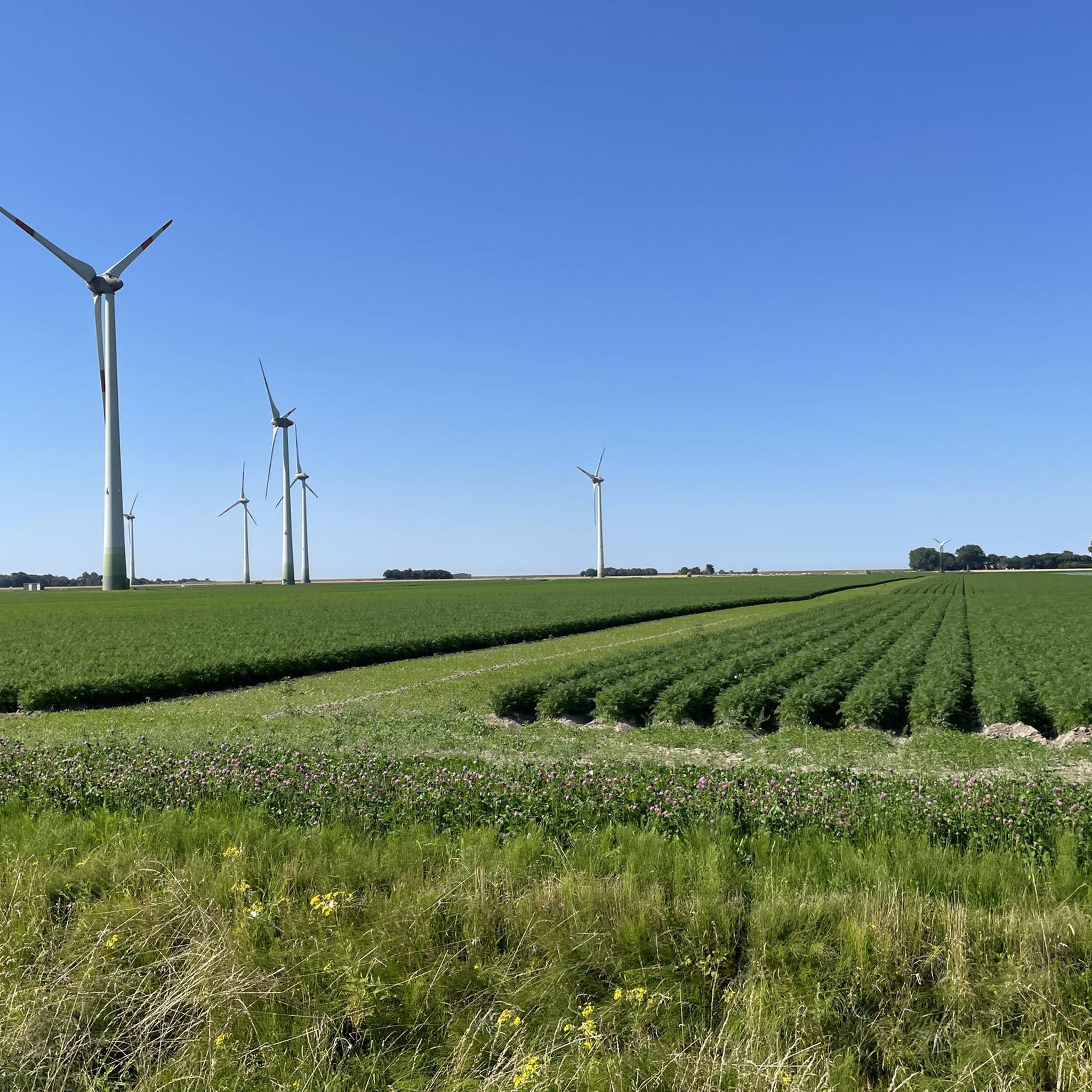
From the observation tower in Katinger Watt you have a wonderful view of nature and can observe swallows, seabirds and the migration of cattle.
0
0

The Wadden Sea off the German North Sea coast is protected by three national parks
1
0

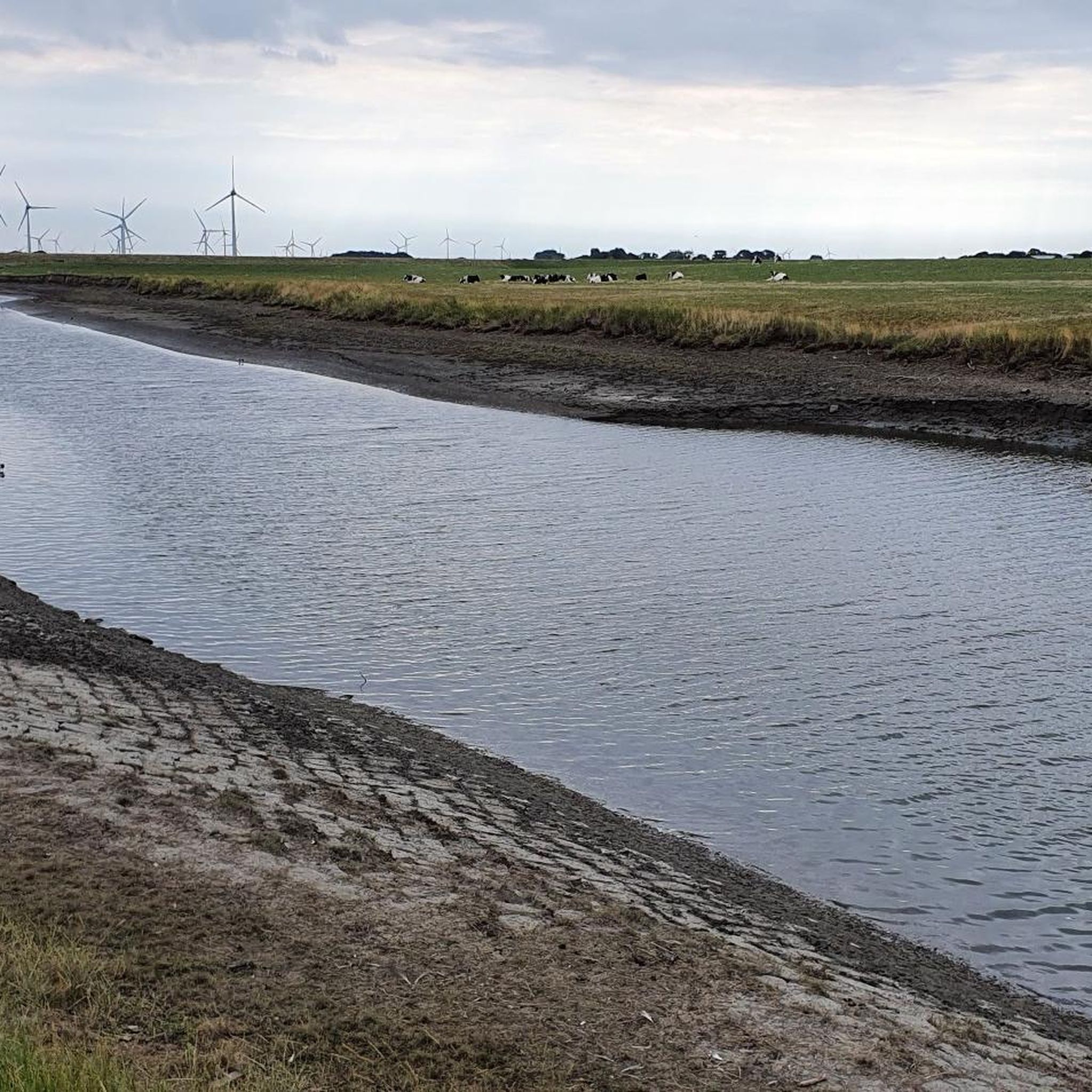
The North Sea is probably a spectacular spectacle everywhere. However, Büsum offers many highlights. Be it the endless hiking trail right on the water, the pretty harbor with a lighthouse or the nice shopping street with numerous shops, restaurants and cafés
6
0

Ebb and flow, always powerful
6
0

The North Sea is a marginal sea of the Atlantic Ocean. It is a shelf sea located in northwestern Europe. Except for the straits of the English Channel and the Skagerrak, it is bordered by land on three sides and opens in a funnel shape to the northeastern Atlantic. (Source: Wikipedia)
7
0

The lake in Büsum
6
0

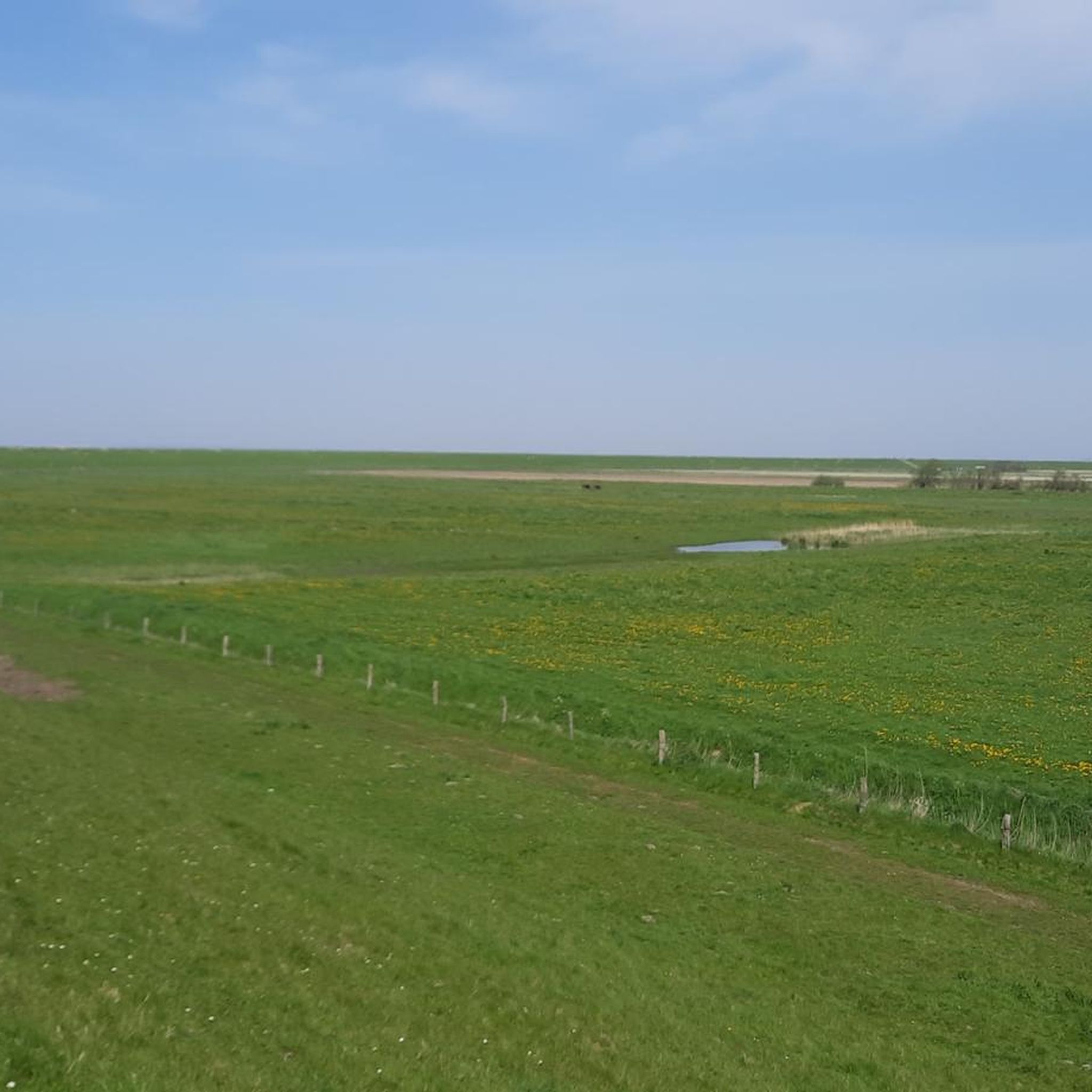
Good thing, good view, well done. Before everything is cordoned off, it would be better to use an observation tower to guide interested visitors through the area. So everyone benefits. Nature, man and animals.
3
0
Frequently Asked Questions
What are the primary natural attractions near Hedwigenkoog?
The region around Hedwigenkoog is known for its coastal landscape and significant natural areas. Key attractions include the Wöhrdener Loch Nature Reserve, a vital freshwater biotope for endangered bird species, and the Katinger Watt Nature Reserve, offering extensive paths for birdwatching. You can also visit the impressive Eider Barrage, Germany's largest coastal protection structure, which also hosts bird breeding colonies.
Are there good opportunities for birdwatching in the natural monuments around Hedwigenkoog?
Yes, the area is a paradise for birdwatchers. The Wöhrdener Loch Nature Reserve is a crucial breeding, feeding, and resting ground for numerous endangered bird species, including meadow breeders and thousands of migratory birds. The Katinger Watt Nature Reserve also offers an information hut where you can borrow binoculars for birdwatching, with opportunities to spot lapwings, sea eagles, and kingfishers. The Eider Barrage is home to large breeding colonies of Arctic Terns and Black-headed Gulls.
What kind of hiking trails can I find near these natural monuments?
You'll find a variety of hiking trails suitable for different skill levels. For example, the Katinger Watt Nature Reserve features a relatively easy 13-kilometer path through meadows and forests. The Wöhrdener Loch Nature Reserve also invites beautiful hikes. For more options, you can explore various routes in the area, such as the 'View of the North Sea Mudflats – Mudflats With Birds loop' which is an easy 7.8 km hike. You can find more detailed hiking routes on the Hiking around Hedwigenkoog guide page.
Are there any family-friendly natural monuments to visit?
Absolutely! Many natural monuments in the area are suitable for families. The Wöhrdener Loch Nature Reserve is great for picnics and easy walks. The Katinger Watt Nature Reserve has accessible paths for families to enjoy birdwatching. The Büsum Mudflats (Wadden Sea) offer a unique experience for children to discover small animals. Additionally, the National Park Station Wattwurm provides interactive exhibits about the Wadden Sea, making it an educational and engaging stop for all ages.
Can I cycle near these natural monuments?
Yes, cycling is a popular way to explore the natural monuments. The Wöhrdener Loch Nature Reserve is ideal for bike tours. The Eider Barrage itself features a cycle path directly on top, offering scenic views of the west coast and the Eider River. You can find various road cycling routes, including longer tours like the 'Historic Harbour Crane, Büsum – Eider Barrage loop' (62.8 km), on the Road Cycling Routes around Hedwigenkoog guide page.
What is the Eider Barrage, and why is it significant?
The Eider Barrage is Germany's largest coastal protection structure, located at the mouth of the Eider River. Inaugurated in 1973, its primary function is to protect the hinterland from North Sea storm surges. It's an impressive feat of engineering, 4.9 kilometers long, featuring two rows of gates and a lock for shipping. Beyond its protective role, it offers a cycle path and footpath with excellent views, and is a notable spot for birdwatching. You can learn more about its history and function on Wikipedia.
When is the best time to visit the natural monuments for wildlife observation?
The best time for wildlife observation, especially birdwatching, is generally during spring and autumn. These seasons see thousands of migratory birds stopping in areas like the Wöhrdener Loch Nature Reserve. Spring and summer are also excellent for observing breeding colonies of birds, such as Arctic Terns and Black-headed Gulls at the Eider Barrage. Meadow breeders are most active during spring and early summer.
Are there any viewpoints to get a good overview of the natural landscape?
Yes, the Kattinger Watt Observation Tower offers panoramic views of the Katinger Watt and its rich birdlife. From this elevated perspective, you can observe the surrounding natural landscape. While the lower platform is a closed observation room, the upper open platform provides an excellent vantage point. Additionally, the cycle and footpaths on the Eider Barrage offer expansive views of the coast and river.
What unique natural features can I expect to see?
You can expect to see diverse natural features, including freshwater biotopes at Wöhrdener Loch Nature Reserve, extensive marshlands and forests in the Katinger Watt Nature Reserve, and the unique tidal landscape of the Büsum Mudflats (Wadden Sea), a UNESCO World Heritage site. The region is characterized by its coastal environment, where the interplay of land and sea creates rich habitats for numerous plant and animal species.
What do visitors particularly enjoy about the natural monuments in this region?
Visitors frequently highlight the beautiful views and the tranquility of nature. Many appreciate the opportunities for hiking, biking, and picnicking, especially at places like the Wöhrdener Loch Nature Reserve. The rich birdlife is a major draw for birdwatchers, and the unique experience of walking in the mudflats and discovering small marine animals is also very popular. The impressive engineering of the Eider Barrage is also a point of interest.
Are there any permits required to visit the natural areas around Hedwigenkoog?
Generally, no specific permits are required for visitors to access the public areas of the natural monuments and nature reserves around Hedwigenkoog. However, it's always advisable to respect local regulations, stay on marked paths, and avoid disturbing wildlife, especially in protected areas like the Wöhrdener Loch and Katinger Watt Nature Reserves. Some specific activities might require permission, but general visitation for hiking and observation does not.
Can I bring my dog to the natural monuments?
While many outdoor areas in Germany are dog-friendly, specific rules apply in nature reserves to protect wildlife. It's common for dogs to be allowed on leashes on designated paths. For instance, the Katinger Watt Nature Reserve has paths where dogs are generally permitted on a leash. Always look for local signage at the entrance to nature reserves or specific natural monuments for precise regulations regarding dogs.
Where can I learn more about the Wadden Sea and its ecosystem?
To delve deeper into the Wadden Sea and its unique ecosystem, you can visit the National Park Station Wattwurm. This station offers interactive information on topics such as the Wadden Sea National Park, its birds, animals, and plants, and the history of the Meldorfer Speicherkoog. It's an excellent resource for curious visitors wanting to understand this UNESCO World Heritage site better.
Most popular attractions around Hedwigenkoog

Get inspired with the komoot mobile app


Explore more
Extend your search for the best caves by checking out these guides of the top ones around Hedwigenkoog:
