Top 20 Natural Monuments around Elsterberg
Best natural monuments around Elsterberg are found within the picturesque Vogtland region of Saxony, Germany. The area features dramatic river valleys, resilient rock formations, and serene natural settings. These locations offer opportunities for recreation, nature observation, and appreciation of the region's distinctive landscape. Elsterberg is committed to preserving its natural heritage, providing diverse natural attractions.
Best natural monuments around Elsterberg
- The most popular natural monuments is Triebtal Valley, a gorge that features a three-kilometer path along babbling shoots, past…
Last updated: May 28, 2026
Triebtal Valley
Highlight • Gorge
Translated by Google •
Tip by

Devil's Pulpit
Highlight • Natural Monument
Translated by Google •
Tip by

Sign up now to discover places like this
Get recommendations on the best single tracks, peaks, & plenty of other exciting outdoor places.
Sign up for free
Princely Greiz Park
Highlight • Natural Monument
Translated by Google •
Tip by

Sophienkreuz (White Cross) on Hirschstein
Highlight • Monument
Translated by Google •
Tip by

Horse Pond
Highlight • River
Translated by Google •
Tip by

Sign up for free to discover even more natural monuments around Elsterberg.
Sign up for free
Already have an account?
Start today with a free account
Your next adventure awaits.
Login or Signup
Tips from the Community

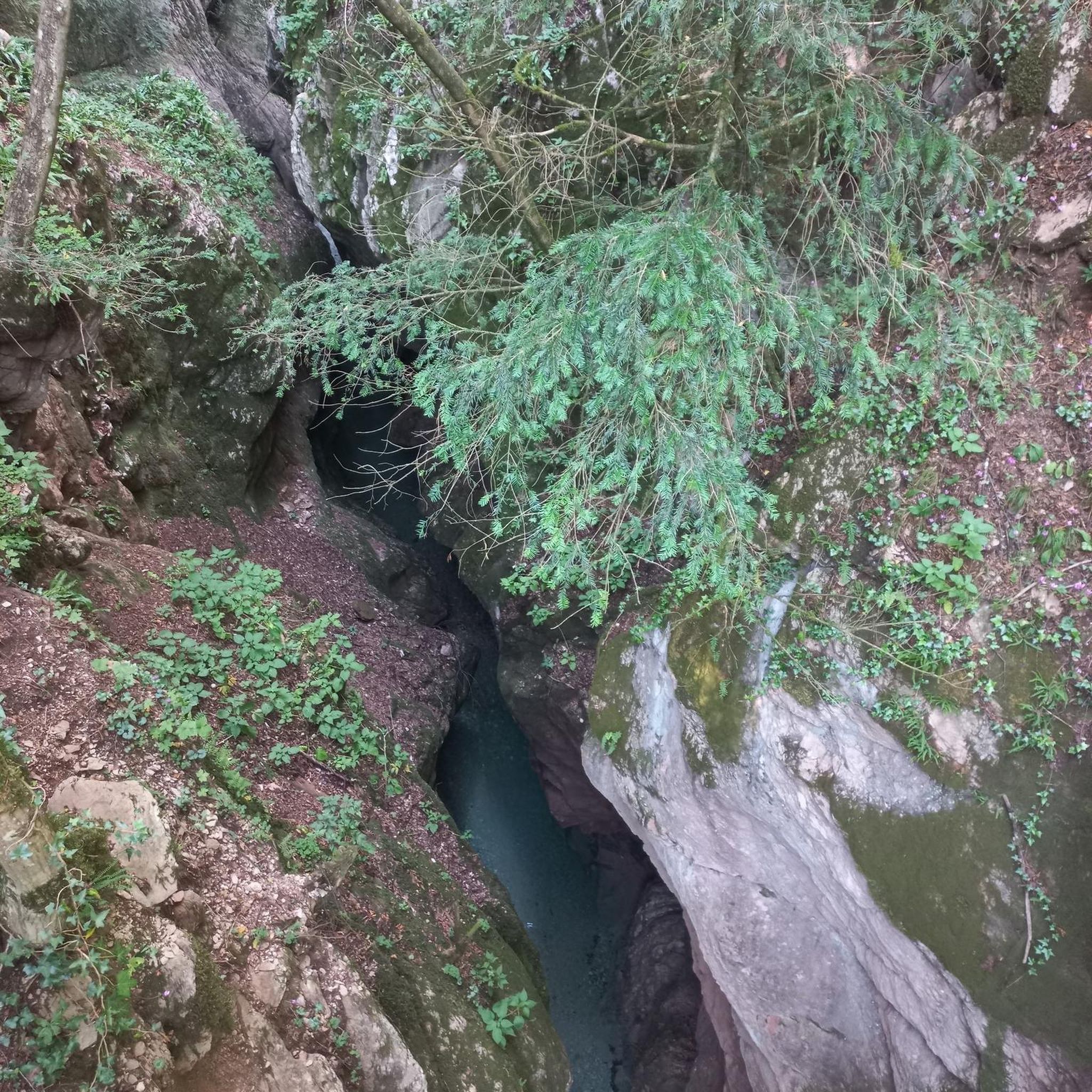
Surrounded by dense greenery and rugged rock formations, an almost mystical atmosphere arises here 🌳✨. The name perfectly matches the wild romantic character of this place and leaves room for imagination and stories.
4
0

Here lies the so-called "horse pond." Legend has it that a horse once drowned at this spot in the Trieb stream. A wild, black stallion broke free from a nearby pasture and galloped over the rocks. In doing so, it broke its front legs, slipped into the Trieb, and drowned miserably.
0
0

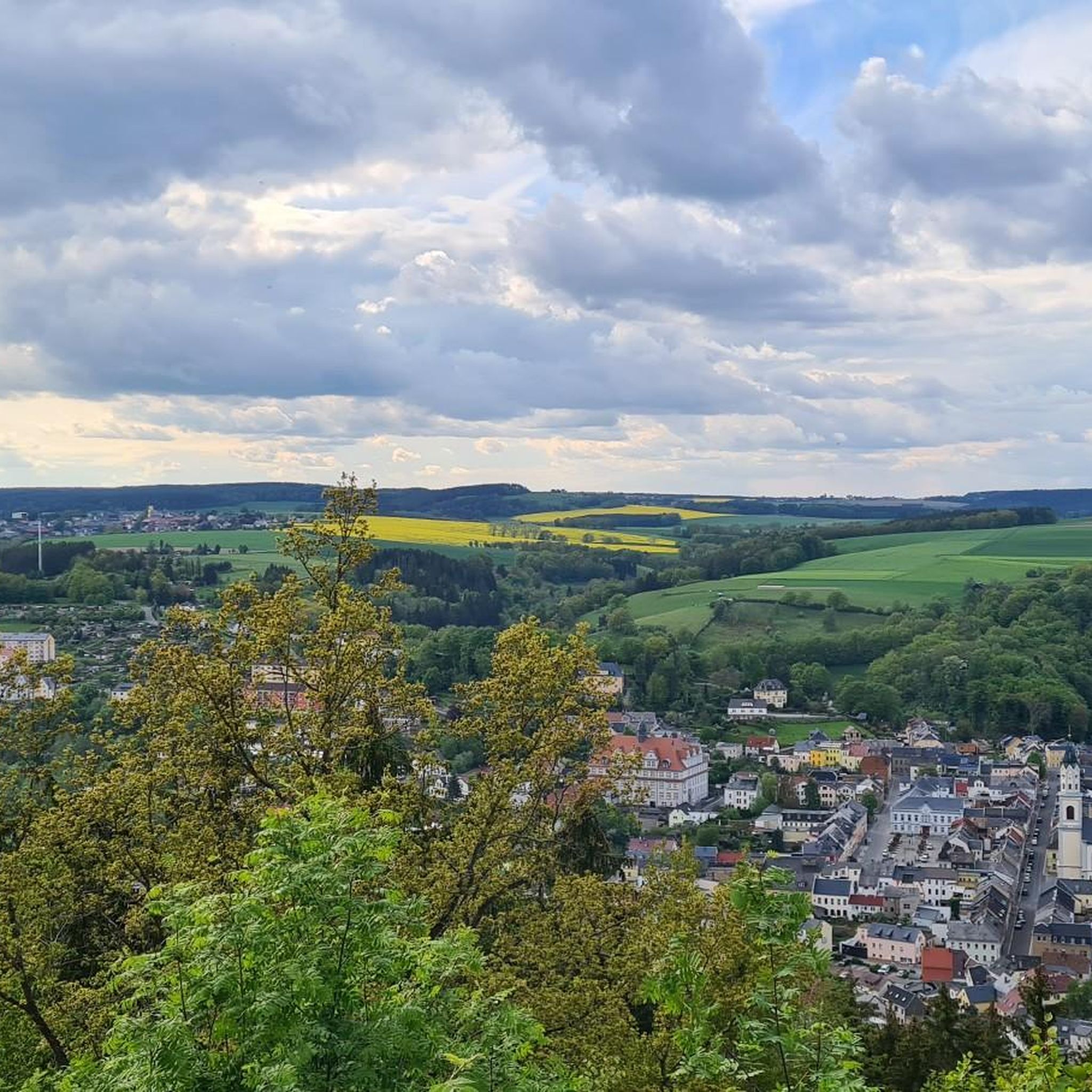
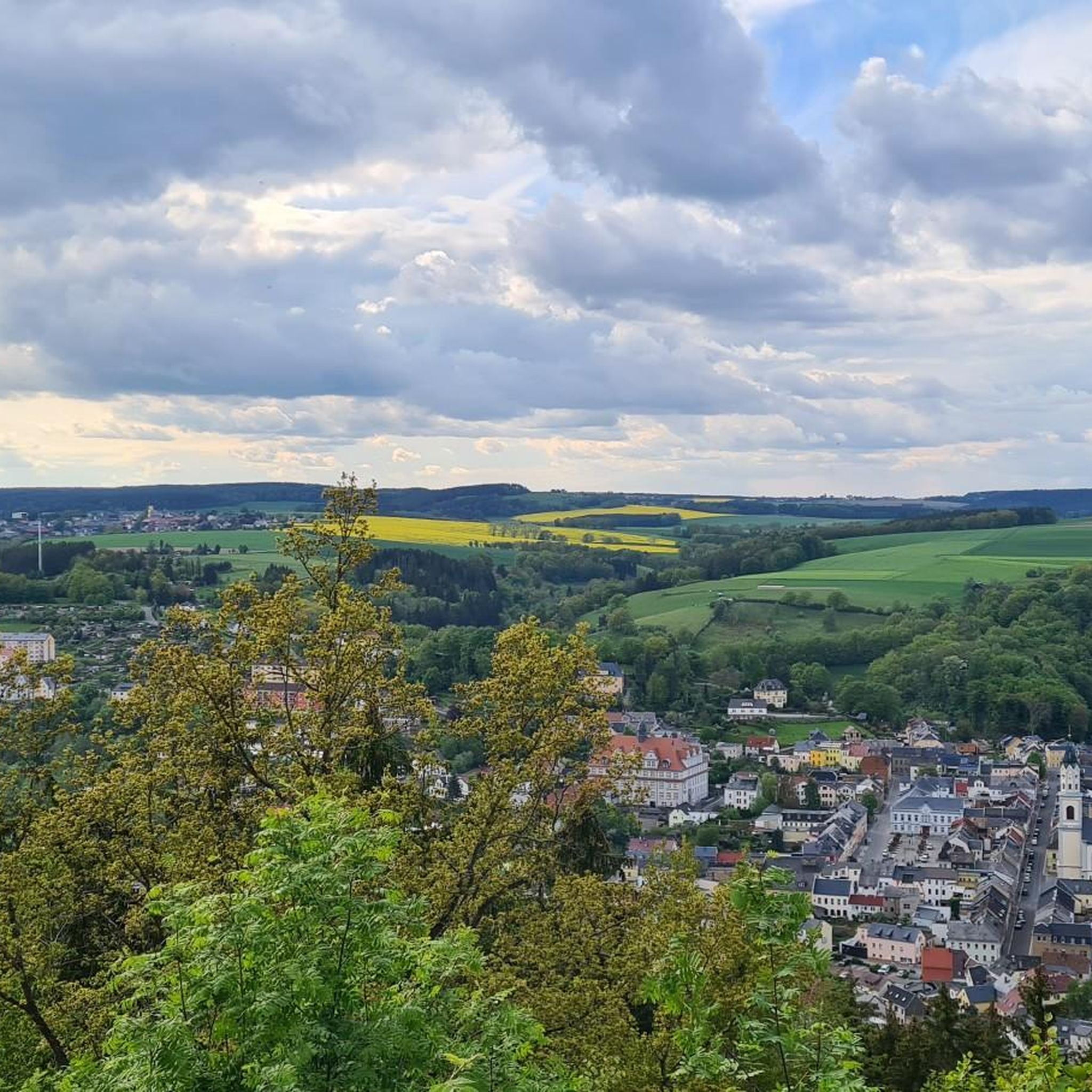
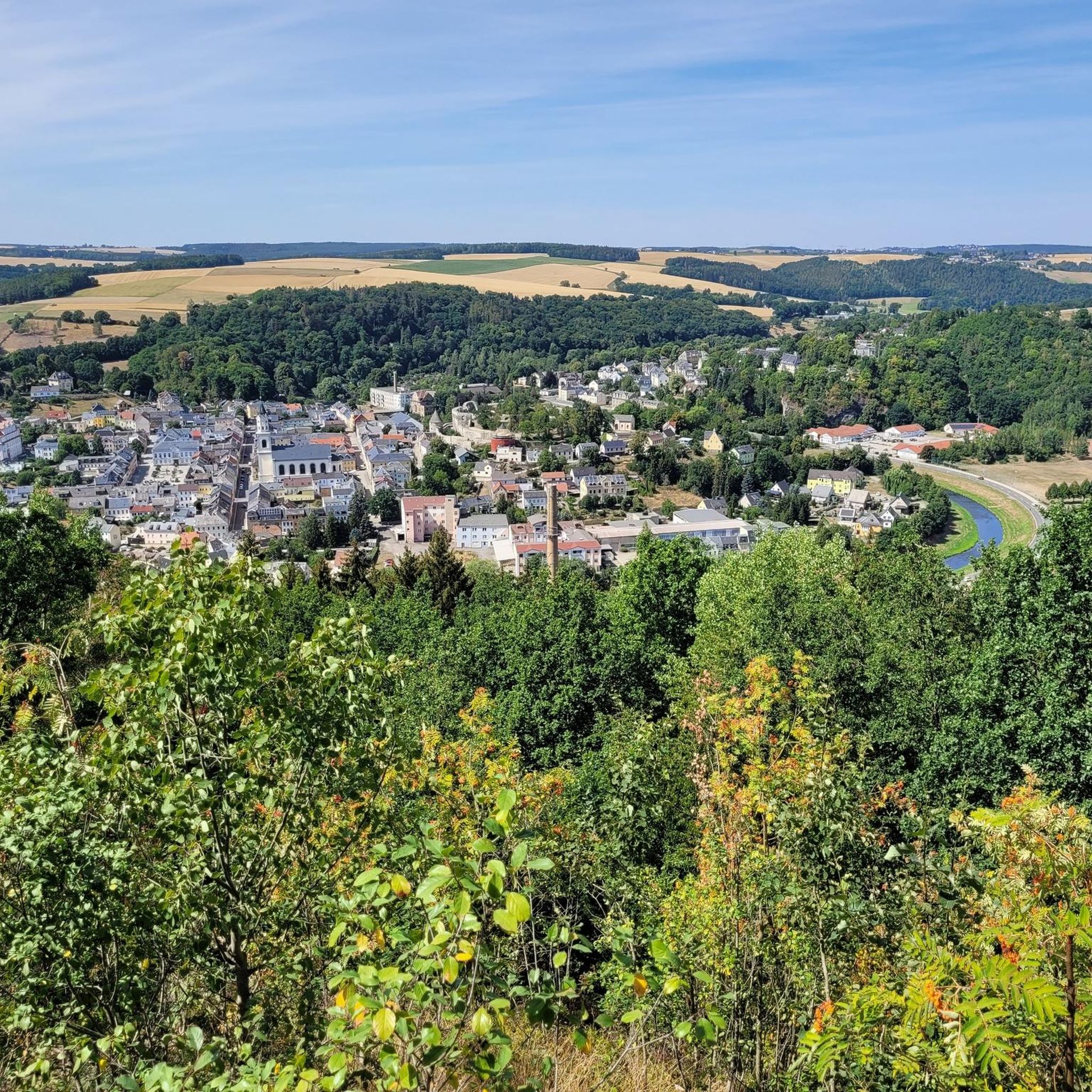
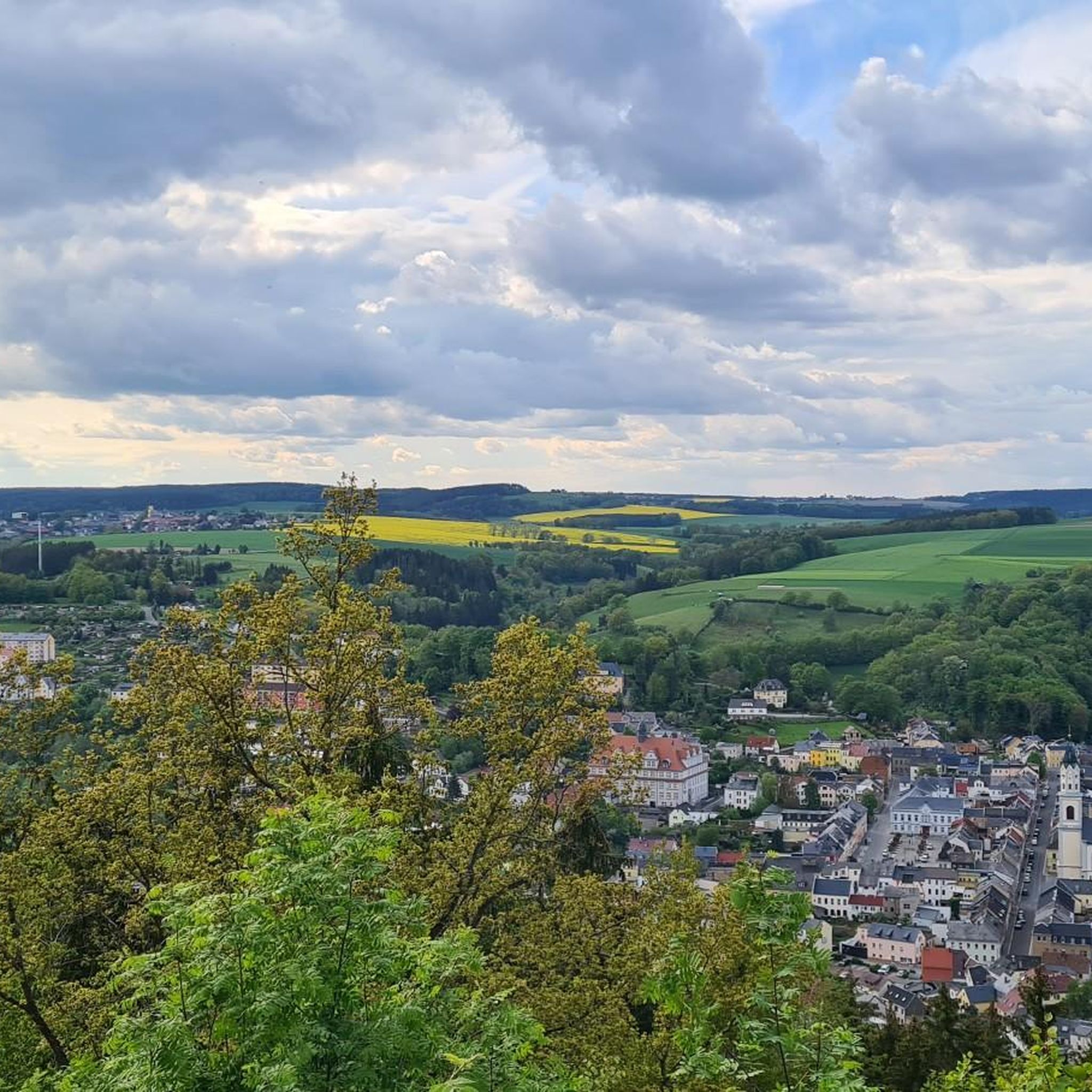
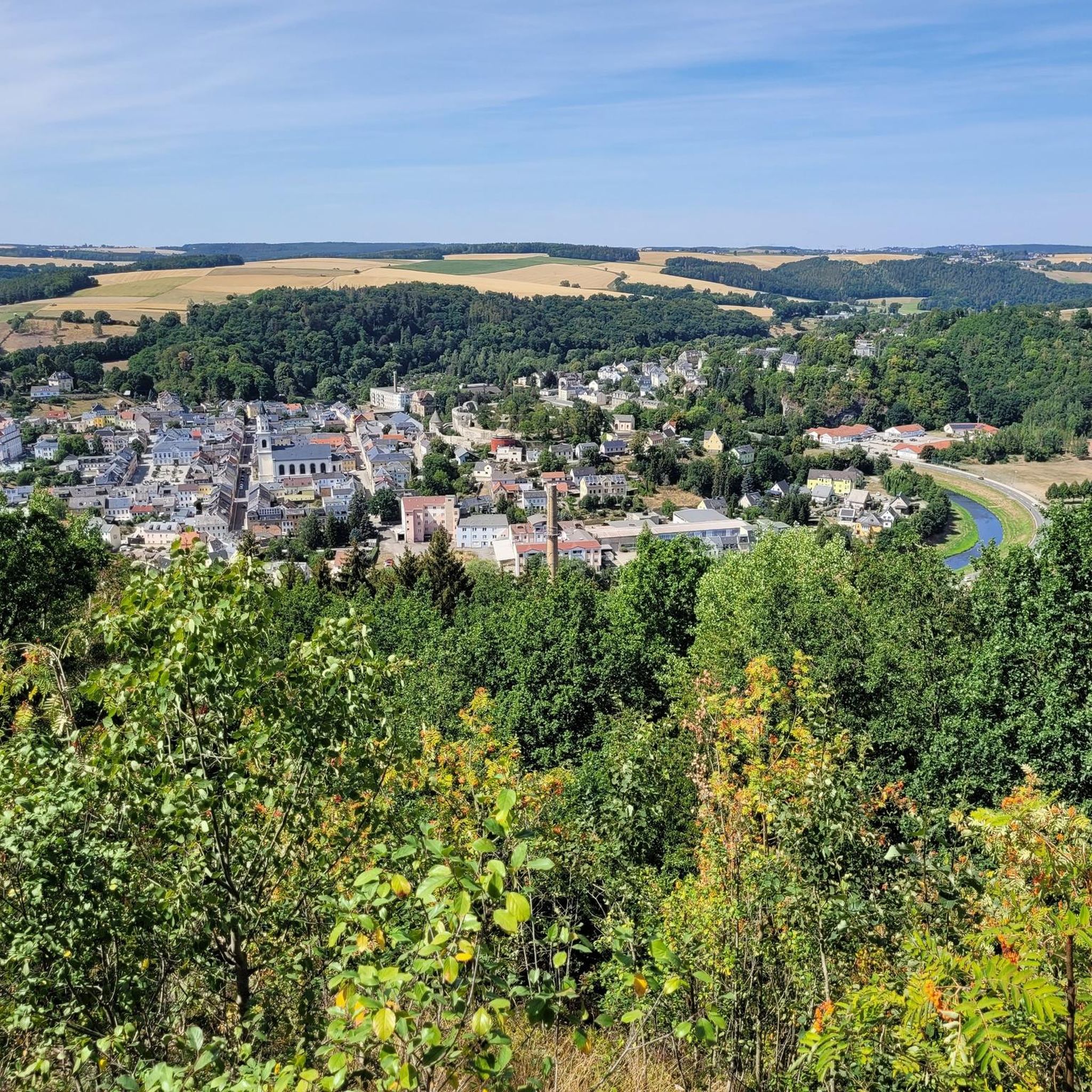
Great viewpoint overlooking the castle, directly on the Elsterperlenweg trail.
3
1


Magnificent view. A place to linger.
2
0


Great viewing point 😎
17
0

Here is a perfect photo point 👌🏻. The climb is really worth it 🥰.
15
0
Frequently Asked Questions
What unique natural features can I explore around Elsterberg?
The Elsterberg area is rich in diverse natural features. You can explore dramatic river valleys like the Triebtal Valley, known for its babbling shoots and mossy rocks. The Steinicht Nature Reserve, a wild river valley carved by the White Elster, features impressive rock formations and a rushing river. Another notable spot is the Devil's Pulpit, a unique greenstone rock formation.
Are there any historical natural monuments in the Elsterberg area?
Yes, the region combines natural beauty with historical significance. The Princely Greiz Park is a natural monument designed in the style of English landscape parks, embedded in the floodplain of the White Elster, offering both natural and historical appeal. Additionally, the Sophienkreuz (White Cross) on Hirschstein, while a man-made monument, is situated at 375 meters height and offers historical context with great views.
What do visitors enjoy most about the natural monuments near Elsterberg?
Visitors frequently praise the wild romantic scenery and tranquil atmosphere. Many enjoy the well-maintained hiking trails, the opportunity to observe climbers at spots like Steinicht, and the peaceful sounds of flowing rivers. The area is appreciated for its diverse flora and fauna, and the chance to experience nature up close, as seen in the over 900 upvotes and 800 photos shared by the komoot community.
Are there family-friendly natural monuments around Elsterberg?
Yes, several natural spots are suitable for families. The Princely Greiz Park is explicitly categorized as family-friendly, offering open spaces and a lake. The Eichenallee mit Gänsteich Coschütz, with its avenue of oak trees and a goose pond, provides a tranquil setting for leisurely walks and nature observation. The Gemeindeteich Reuth also offers an accessible natural space for local recreation and observing wildlife.
What kind of terrain can I expect on trails near Elsterberg's natural monuments?
The terrain around Elsterberg's natural monuments is varied. In areas like the Steinicht Nature Reserve and Triebtal Valley, you can expect paths along river valleys, often with steep, sometimes near-vertical walls composed of resilient rock. Trails can range from easy riverside walks to more challenging routes involving climbs, especially near rock formations like the Devil's Pulpit. Many trails pass through dense forests.
When is the best time to visit the natural monuments around Elsterberg?
The natural monuments around Elsterberg can be enjoyed throughout the year, each season offering a different charm. Spring brings lush greenery and blooming flora, while summer is ideal for hiking and enjoying the cool river valleys. Autumn showcases vibrant fall foliage, and even winter offers a serene, often mystical landscape, especially in areas like the Triebtal Valley when fog dissipates.
What outdoor activities can I do near these natural monuments?
The area around Elsterberg offers a variety of outdoor activities. You can enjoy hiking along the White Elster river, with routes like the 'White Elster in Steinicht' or 'Bastei Rocks – Greiz-Dölau Reservoir loop'. Cycling is also popular, with options such as the 'Elster Cycle Path' or routes around the Pöhl Dam. For mountain biking enthusiasts, there are trails like the 'White Elster Bridge and Ford – Rooty Forest Trail in Vogtland loop'. You can find more details on these activities in the hiking, cycling, and MTB guides for Elsterberg.
Are there specific climbing areas within the natural monuments?
Yes, the Steinicht Nature Reserve is recognized as the largest climbing area in the Vogtland. It features specific climbing rocks such as Nelkenstein, Uhustein, and various formations in the Orbisgraben, including Dornbusch, Turm, Teufelskanzel, Hundstein, Peterstein, Fuchsstein, and Otterstein. Visitors can often observe climbers in action while enjoying the wild scenery.
Where can I find tranquil spots for nature observation?
For tranquil nature observation, consider visiting the Eichenallee mit Gänsteich Coschütz, an area natural monument featuring an avenue of oak trees and a goose pond, perfect for spotting waterfowl. The Gemeindeteich Reuth, another municipal pond, also offers a peaceful environment to observe local wildlife. Even the Horse Pond, with its dense trees and cool water, provides a serene setting.
Are there any natural monuments that are particularly good for photography?
Many natural monuments in the area offer excellent photographic opportunities. The dramatic river valleys of Steinicht and Triebtal Valley, especially in the morning mist, create mystical scenes. The Sophienkreuz (White Cross) on Hirschstein provides a viewing platform with great panoramic views towards Greiz, ideal for landscape shots. The wild romantic rock formations of the Devil's Pulpit are also a popular subject.
What is the significance of the Steinicht Nature Reserve?
The Steinicht Nature Reserve is a significant natural monument in the Vogtland region, considered part of the 'Vogtländische Schweiz' (Vogtland Switzerland). It's renowned as the most impressive stretch of the White Elster river's course, with its three-kilometer-long, up to 70-meter-deep valley. Its steep diabase rock walls, rushing river, and diverse ecosystem make it important for both its geological features and its rich flora and fauna. It's also a popular spot for hiking and climbing.
Can I find amenities like cafes or accommodation near the natural monuments?
While some natural monuments like Princely Greiz Park may have facilities, most natural monuments are in more secluded areas. For cafes, pubs, restaurants, and accommodation, it's best to look in the nearby towns, particularly Elsterberg itself or the larger town of Greiz. These towns offer a range of options to suit different needs after a day of exploring.
Most popular routes around Elsterberg
Most popular attractions around Elsterberg

Get inspired with the komoot mobile app


Explore more
Extend your search for the best caves by checking out these guides of the top ones around Elsterberg:
