Top 20 Natural Monuments around Münzenberg
Best natural monuments around Münzenberg, located in Hesse, Germany, offer diverse natural attractions and designated natural monuments. The region showcases unique geological formations, significant ecological areas, and opportunities for outdoor recreation. Visitors can explore former mining landscapes transformed into lakes, unique salt marsh habitats, and protected hills with rich biodiversity. These sites provide insights into the area's geological history and support rare plant and animal species.
Best natural monuments around Münzenberg
- The most popular natural monuments is Grube Fernie Lake…
Last updated: September 27, 2026
Wölfersheimer See
Highlight • Lake
It lies at the center of the two cycling routes (north and south) of the Wetterau Lake District. Further information:
wetterauer-seenplatte.de/pages/radfahren.php
Translated by Google •
Tip by

Bad Nauheim Spa Park
Highlight • Natural
Translated by Google •
Tip by

Sign up now to discover places like this
Get recommendations on the best single tracks, peaks, & plenty of other exciting outdoor places.
Three Ponds
Highlight • Lake
There are some nice places with benches and tables for resting and picnicking
Translated by Google •
Tip by

Grube Fernie Lake
Highlight • Lake
Translated by Google •
Tip by

Rosenpark Dräger
Highlight • Natural
Translated by Google •
Tip by

Sign up for free to discover even more natural monuments around Münzenberg.
Already have an account?
Start today with a free account
Your next adventure awaits.
Tips from the Community

The historic spa park is designed in the English landscape style, with beautiful paths, ponds, and lots of greenery.
4
0

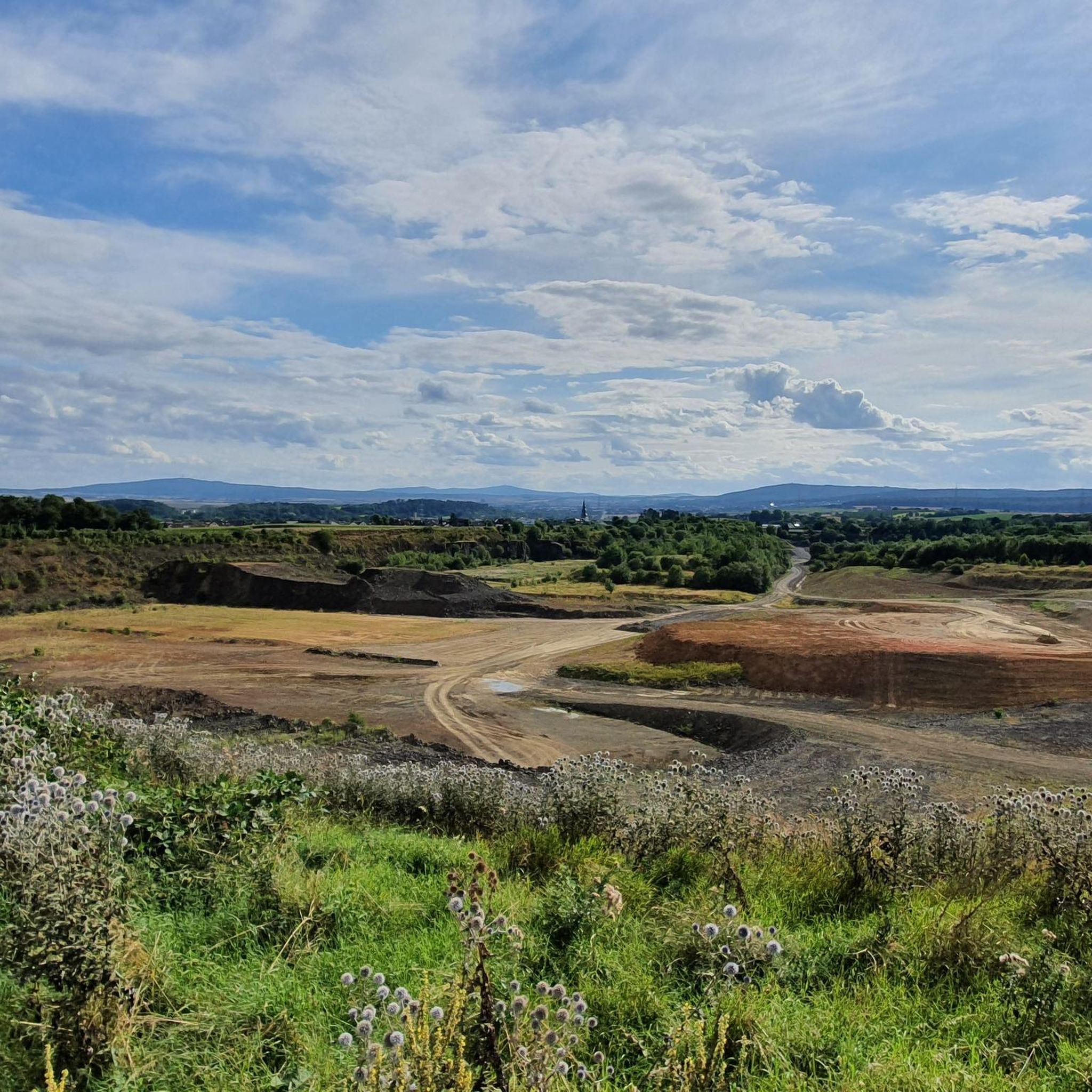
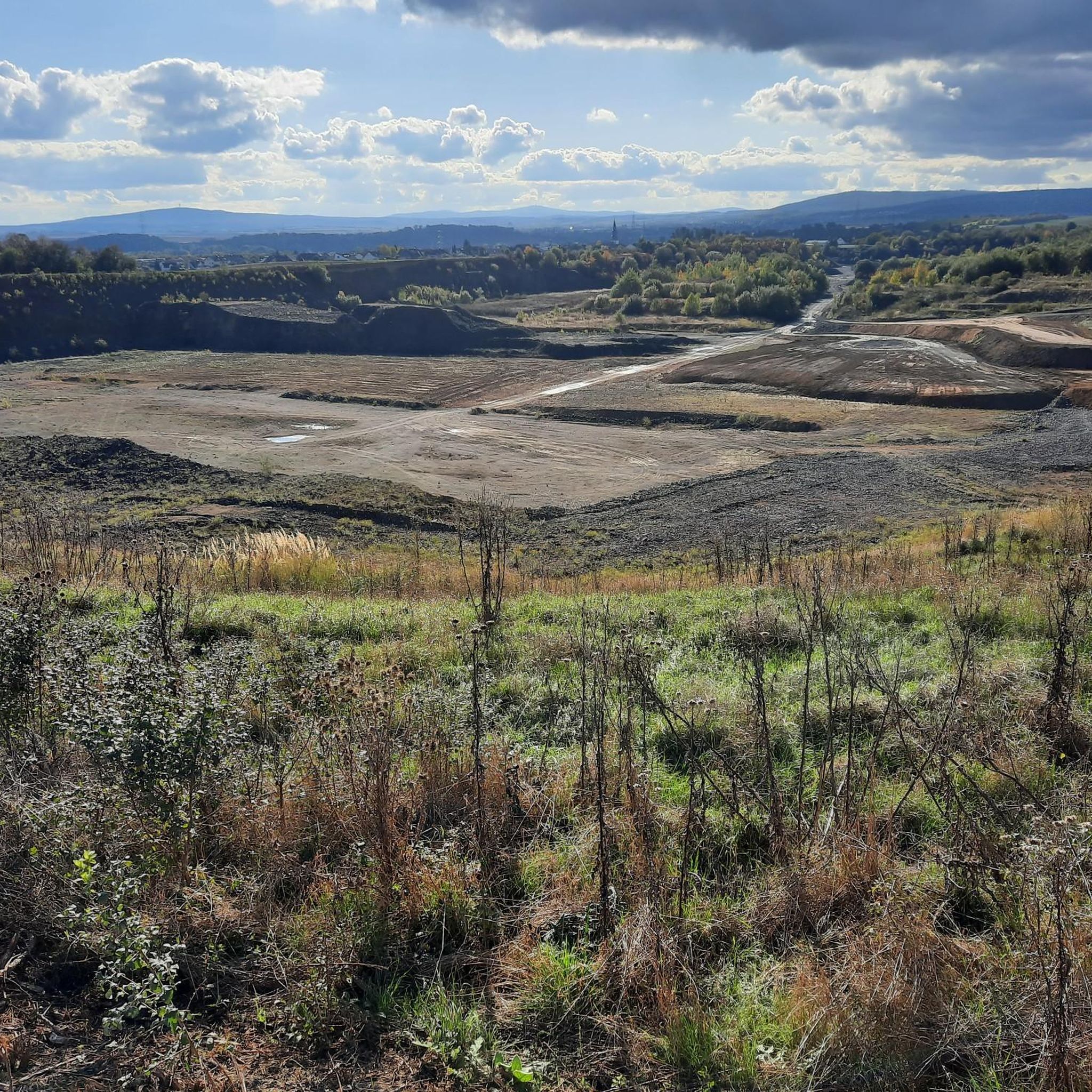
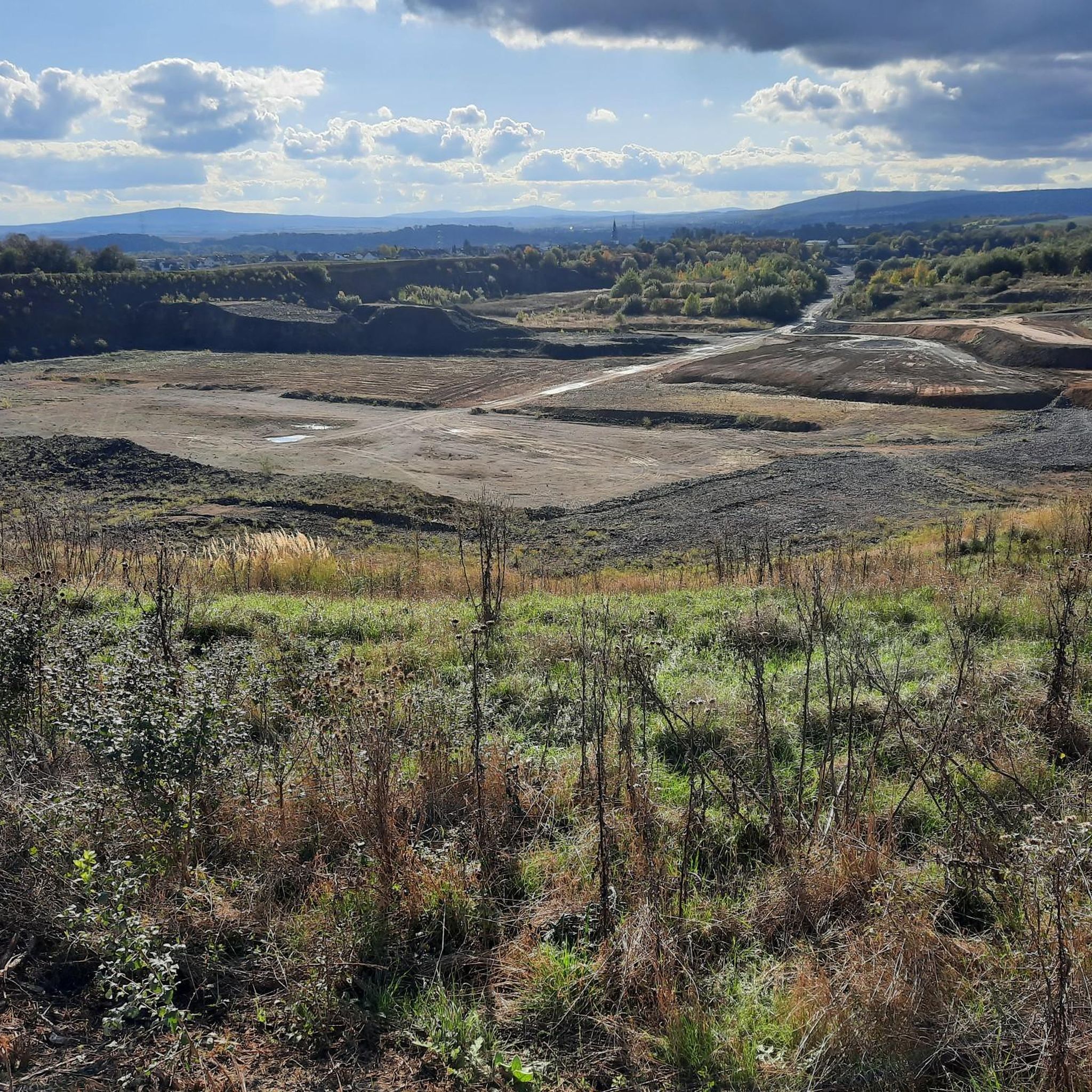
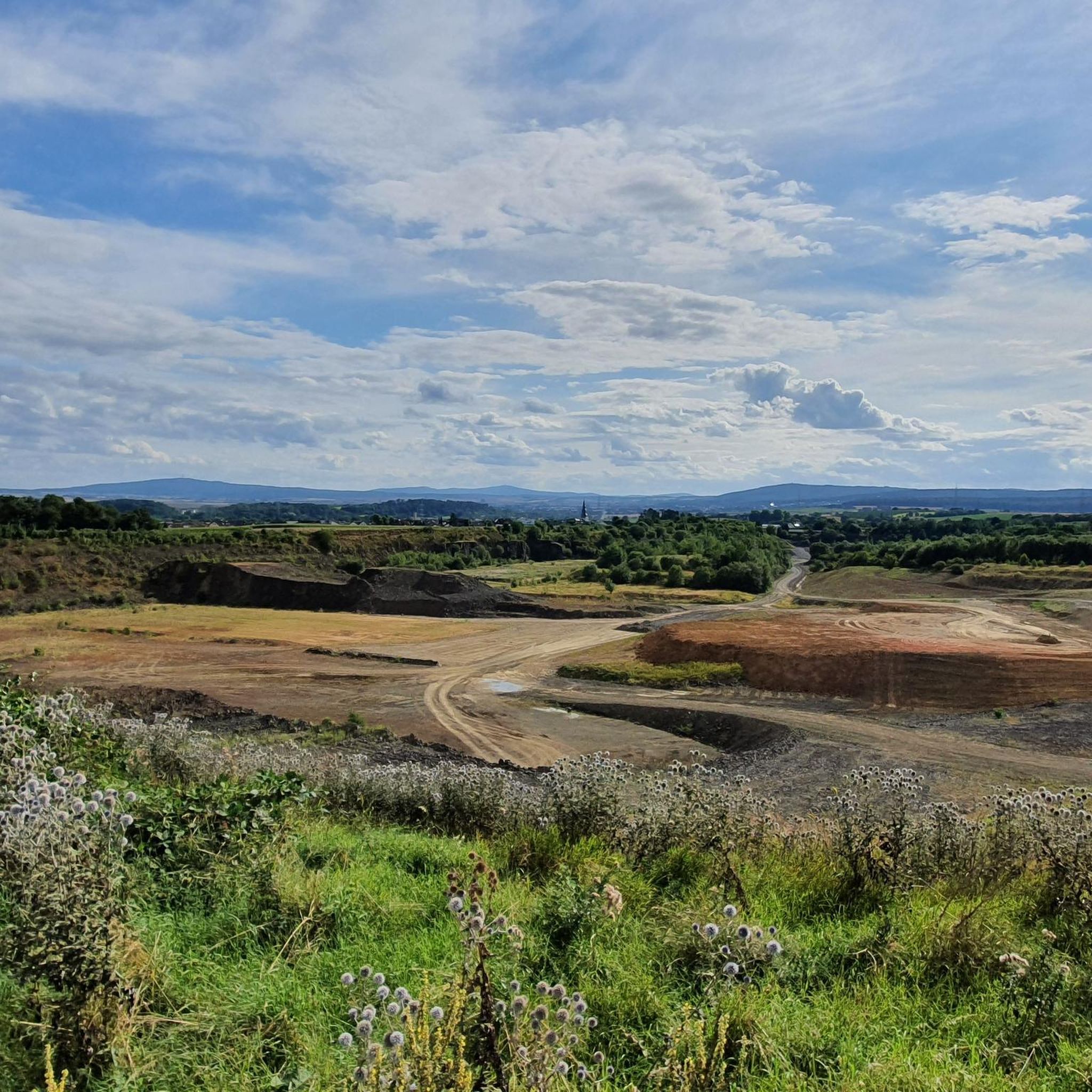
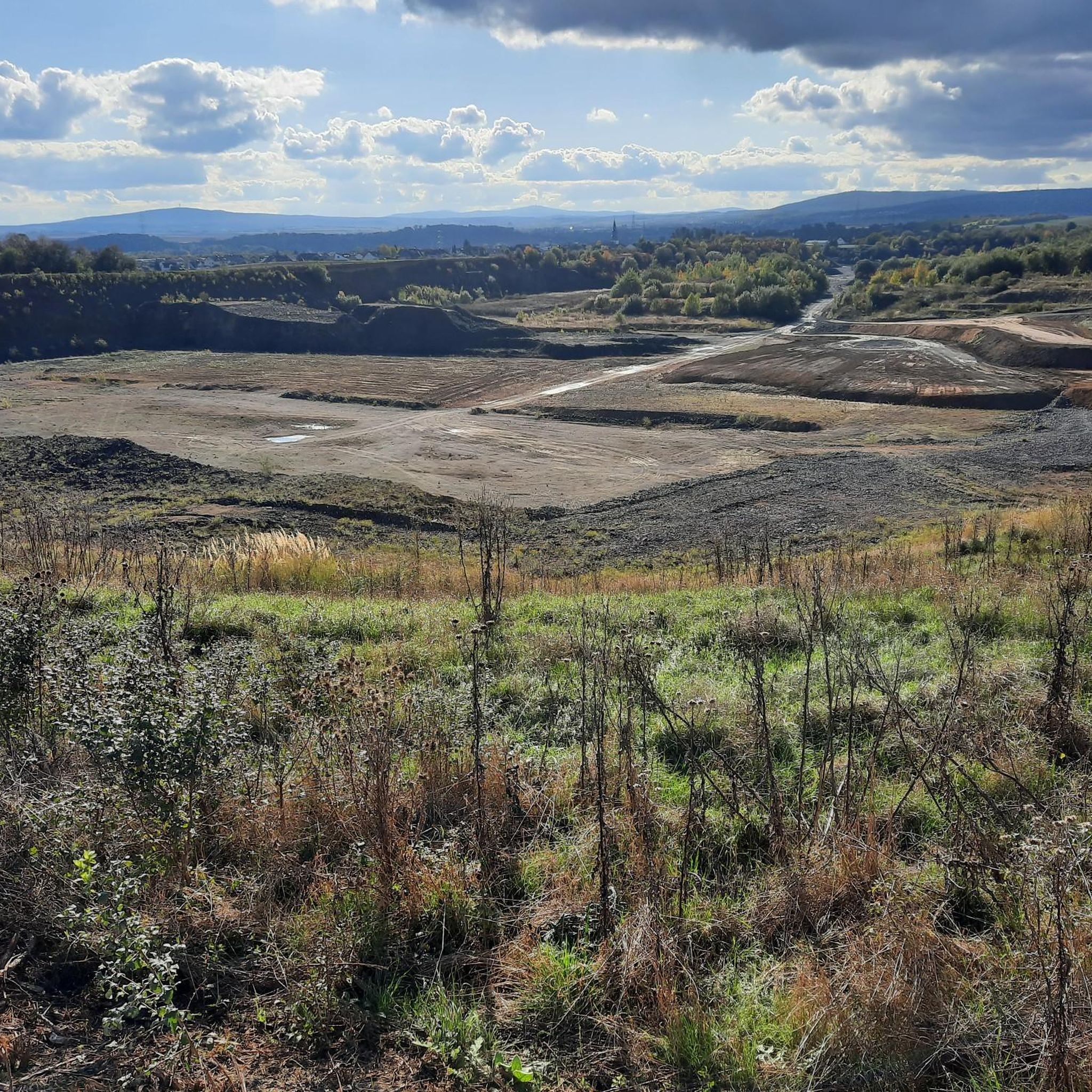
Former open-cast ore mine from 1843 to 1952, now a local recreation area
4
1

The Bad Nauheim spa park is worth exploring at any time of year... If you walk around carefully you will discover new and beautiful things everywhere... 🚲Greetings from the Wetterau... Simone & Michael🙋🏻🙋♂️
4
0
Located in the middle of the forest on the cycling and hiking trails, accessible from a large hiking car park, are the (three) forest ponds... Numerous shelters and benches invite you to rest and have a picnic
9
0

Origin from the Wölfersheim opencast mine From 1937, the Braunkohlen-Schwel-Kraftwerk Hessen-Frankfurt AG (HEFRAG), a subsidiary of the Preußische Elektrizitäts AG (PREAG), operated several brown coal opencast mines in the Wetterau lignite mining area to supply the Wölfersheim opencast power plant. One of the first of these was the Wölfersheim opencast mine, right next to the power plant. After the fields there had been mined out in 1943, they were partially filled with waste and the area was recultivated. This left several remaining holes, which filled with groundwater over time. In addition to the largest, the Wölfersheimer See with 37 hectares, there are two smaller lakes a few hundred meters further east (Schwelteich in the Schwelteich nature reserve of Echzell) and to the north (Heldteich). Overall, the water areas take up less than half of the former open-cast mine.
7
0
The Wölfersheimer See is a lake east of the Hesse town of Wölfersheim. At almost 40 hectares, the lake is the largest in the Wetterau. It was created as an opencast mine residue lake after the closure of the Wölfersheim lignite opencast mine. It was later used as a cooling pond for the Wölfersheim power plant. Today it serves as a natural area, as a sailing area, as a fishing area and for local recreation. Swimming is prohibited. The lake (2023) no longer contains oxygen from a depth of two and a half meters; According to the State Office for Nature Conservation, Environment and Geology, the phosphate content is 15 to 20 times higher than is acceptable for inland water.
7
0

Frequently Asked Questions
What unique natural features can I explore around Münzenberg?
Münzenberg offers a diverse range of natural features. You can explore the unique inland salt marsh habitat at the Salzwiesen von Münzenberg Nature Reserve, delve into geological history at the Geological Garden Münzenberg, or discover the rich biodiversity of the Steinberg Nature Reserve with its calcareous grasslands.
Are there family-friendly natural monuments suitable for children?
Yes, several natural monuments around Münzenberg are great for families. The Wölfersheimer See and Grube Fernie Lake offer relaxing environments, while the Three Ponds provide idyllic spots with benches and tables for picnics in the forest. The Rosenpark Dräger is also a beautiful garden suitable for all ages.
What kind of wildlife can be observed in Münzenberg's natural monuments?
The Salzwiesen von Münzenberg Nature Reserve is a crucial habitat for rare plant and animal species, especially migratory birds, including storks, buzzards, and orioles. The Steinberg Nature Reserve is home to reptiles like sand lizards and smooth snakes, and unique plant species such as orchids and gentians. The 'Die Hölle' area is known as a marsh turtle habitat.
What can I expect to see at the Geological Garden Münzenberg?
The Geological Garden Münzenberg is an open-air museum showcasing approximately 150 types of rocks, primarily from Hesse. You can observe various sedimentary, vein, and volcanic rocks, some weighing up to 15 tons, illustrating the Earth's geological history. Guided tours are available, sometimes leading to sites for chalcedony geodes and semi-opals.
What makes the Münzenberg Salt Meadows Nature Reserve special?
The Salzwiesen von Münzenberg Nature Reserve is the largest inland salt marsh area in Hesse, covering about 64 hectares. Its unique ecosystem, fed by saltwater springs, supports numerous rare plant and animal species, some typically found in coastal regions. It's particularly significant as a resting and feeding ground for migratory birds.
Are there good hiking opportunities around Münzenberg's natural monuments?
Yes, there are many hiking opportunities. For example, you can find moderate MTB trails like the 'Middle Pond near Lich – The Drei Teiche Ponds loop from Münzenberg' which passes by the Three Ponds. You can explore more options on the MTB Trails around Münzenberg guide.
Can I go cycling near the natural monuments in Münzenberg?
Absolutely. The region offers various cycling routes. The Wölfersheimer See is a central point for cycling routes in the Wetterau Lake District. You can find detailed routes in the Road Cycling Routes around Münzenberg guide and the Gravel biking around Münzenberg guide.
What is the best time of year to visit the natural monuments in Münzenberg?
Spring is an excellent time to visit, especially for the Salzwiesen von Münzenberg Nature Reserve, due to its unique biodiversity and the presence of migratory birds. The Rosenpark Dräger is best enjoyed when roses are in bloom, typically from late spring through summer.
Are there any natural monuments that offer opportunities for swimming or water activities?
While the Wölfersheimer See and Grube Fernie Lake are beautiful natural monuments, swimming is generally forbidden in these former mining lakes to protect their ecosystems. However, Inheiden Lake (Trais-Horloffer Lake), though not strictly a natural monument, is a popular bathing lake and recreation area nearby.
Are there natural monuments suitable for dog owners?
Many natural areas around Münzenberg are suitable for walks with dogs, provided they are kept on a leash, especially in nature reserves to protect wildlife. The forest paths around the Three Ponds and the trails around the lakes like Grube Fernie Lake offer pleasant routes for dog owners.
Are there any viewpoints among the natural monuments?
Yes, several natural monuments offer scenic viewpoints. The Wölfersheimer See and Three Ponds are noted for their picturesque settings. The Rosenpark Dräger also provides beautiful views of its rose displays.
What is the Steinberg Nature Reserve known for?
The Steinberg Nature Reserve is recognized as a European nature reserve (FFH-Gebiet) due to its special habitat. It features nutrient-poor, dry-warm soils and calcareous grasslands around picturesque rocks, supporting a rich variety of biotopes and diverse flora, including orchids and pasqueflowers, and fauna like sand lizards. It's actively managed through sheep grazing to preserve its unique biodiversity.
Most popular routes around Münzenberg
Most popular attractions around Münzenberg

Get inspired with the komoot mobile app


Explore more
Extend your search for the best caves by checking out these guides of the top ones around Münzenberg:
