Top 20 Natural Monuments around Zschepplin
Natural monuments around Zschepplin offer insights into the region's natural history and provide diverse landscapes. The municipality, located in the Nordsachsen district of Saxony, Germany, features protected areas ranging from geological formations to ancient trees and cultivated parklands. These sites contribute to the area's ecological value and provide opportunities for outdoor exploration. The landscape is characterized by its connection to the Mulde river and its surrounding floodplains.
Best natural monuments around Zschepplin
- The most popular natural monument is Mulde Weir…
Last updated: May 28, 2026
Wooden Sculpture Meadow Tornau
Highlight • Structure
Translated by Google •
Tip by

Gesundbrunnen (Iron Spring)
Highlight • Natural Monument
Translated by Google •
Tip by

Sign up now to discover places like this
Get recommendations on the best single tracks, peaks, & plenty of other exciting outdoor places.
Sign up for free
Mulde Weir Kollau
Highlight • Structure
Muldewehr with information board
Translated by Google •
Tip by
Red Cliff
Highlight • Natural Monument
Translated by Google •
Tip by
Presseler Heath Forest and Moorland
Highlight • Natural
Translated by Google •
Tip by

Sign up for free to discover even more natural monuments around Zschepplin.
Sign up for free
Already have an account?
Start today with a free account
Your next adventure awaits.
Login or Signup

Tips from the Community

Definitely worth seeing
3
0
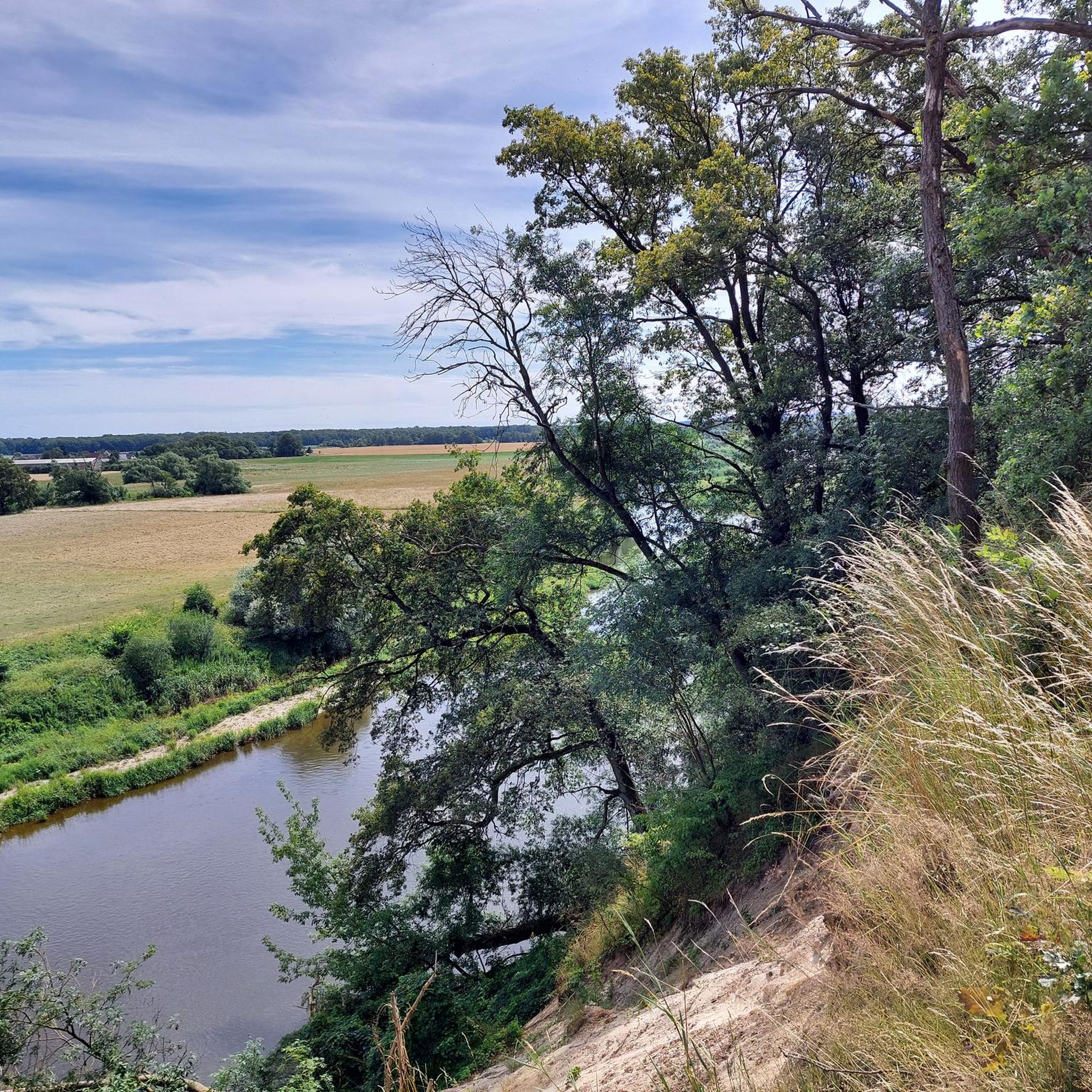
The Red Bank offers a great view of the Mulde river.
2
0
There is much to discover
4
0

The "Red Bank" in Bad Düben is a steep, reddish slope on the Mulde River, created by dumping iron oxide-containing waste from the former alum works. This alum works, in operation from 1557 to 1886, was once one of the most important of its kind and exported alum to many European countries. Alum, a metal sulfate salt, was used for various purposes, including tanning and textile finishing. The alum mining dumps, created during the roasting process of alum earth, were dumped and form today's Red Bank. The Red Bank is now a popular tourist destination with views of the Mulde floodplain and serves as a testament to historical alum production.
1
0

An old medieval weir, extensively renovated in 1999 and restored to its current form. The so-called Bobritz Dam supplies water to the mill race, which was used to feed the mills at the time, and also drains floodwater into the Mulde River. It's a very idyllic spot. From here, however, you can't go any further; you have to walk north again. It's definitely worth the detour!
4
0


at the Muldewehr Kollau, with information boards about the planetary hiking trail
2
0
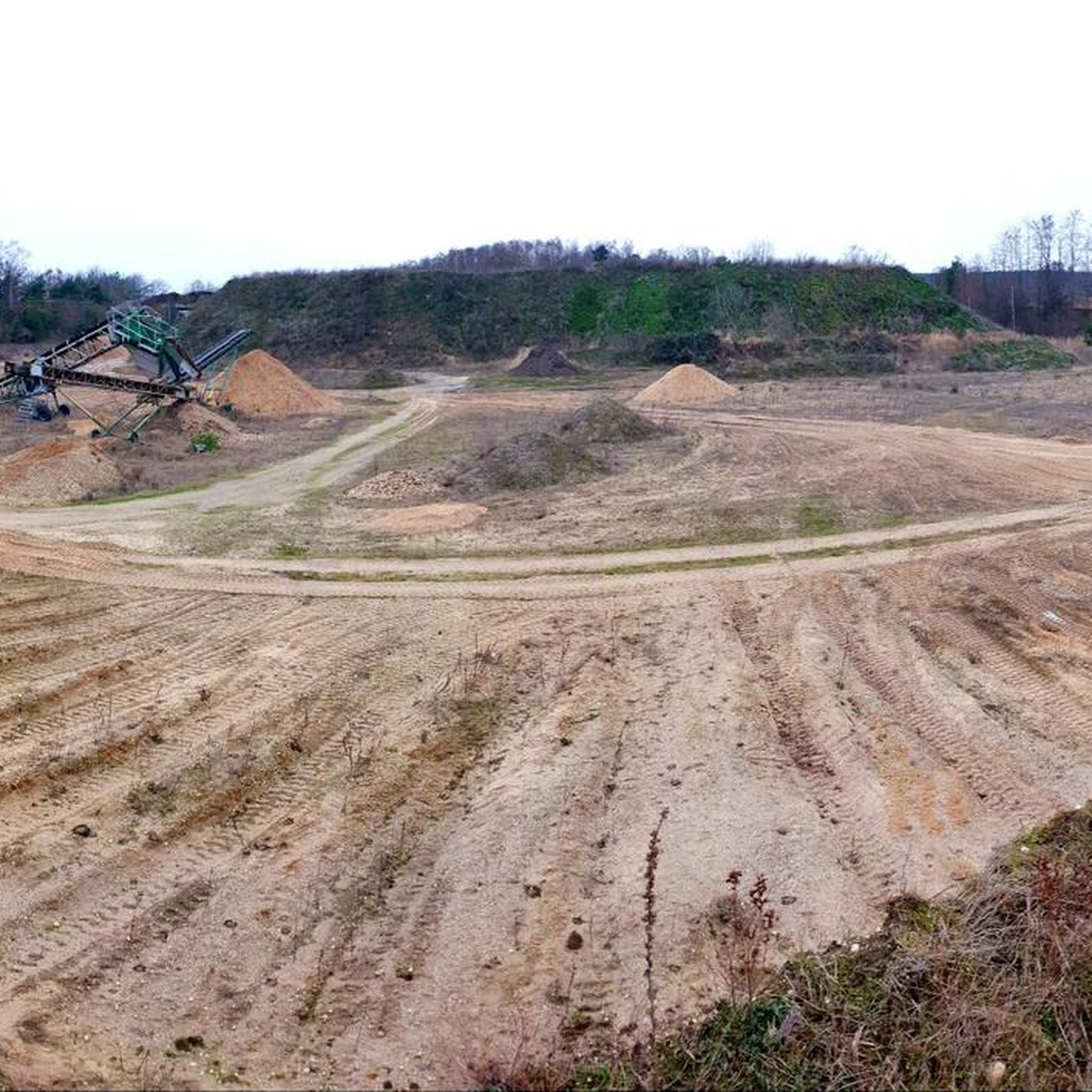
In the south of the Düben Heath lies one of its most beautiful areas: the Presseler Heath Forest and Moorland. In order to preserve the moorland in all its size and diversity, and with all its beauty, the then districts of Delitzsch and Torgau-Oschatz, as well as the Nature and Biodiversity Conservation Union (NABU) Saxony, founded the "Pressel Heath Forest and Moorland" association in 1995, with significant support from the NABU Federal Association. This association was established on an area of 6,700 hectares. The Presseler Heath Forest and Moorland is home to numerous animal and plant species that are already rare or extinct elsewhere, and is the southwesternmost breeding, staging, and resting site of the crane in Germany.
1
0
Frequently Asked Questions
What are some of the most popular natural monuments to visit around Zschepplin?
Visitors frequently enjoy the unique blend of art and nature at the Wooden Sculpture Meadow Tornau, where chainsaw art is integrated into the landscape. Another highly regarded spot is the Mulde Weir Kollau, an extensively renovated medieval weir that offers an idyllic setting. For nature enthusiasts, the Presseler Heath Forest and Moorland is a must-see, known for its diverse wildlife and as a significant crane breeding site.
Are there any natural monuments with historical significance near Zschepplin?
Yes, the Mulde Weir Kollau is an old medieval weir with a rich history, extensively renovated to its current form. Additionally, the Red Cliff near Bad Düben is a striking natural monument that tells a story of the region's industrial past, formed by waste materials from a former alum works that operated for centuries.
Which natural monuments are suitable for families with children?
The Wooden Sculpture Meadow Tornau is particularly engaging for families, offering a fun outdoor art experience. The Mulde Weir Kollau is also considered family-friendly, providing a pleasant spot for a leisurely visit. The historic Schlosspark Zschepplin, with its extensive grounds and diverse habitats, is another excellent choice for a relaxing family outing.
Where can I find unique geological features or viewpoints?
The Red Cliff (Rotes Ufer) near Bad Düben offers a striking reddish-colored slope along the Mulde river, providing fantastic views of the floodplain. The 'Schlenken bei Glaucha' are also geological features, likely ancient river meanders, that are important for their geomorphological significance and offer subtle landscape exploration.
What kind of wildlife can I expect to see in the natural monuments around Zschepplin?
The Presseler Heath Forest and Moorland is a significant area for wildlife, serving as a breeding and resting site for cranes in Germany, and home to numerous other rare animal and plant species. Lucky visitors to the Red Cliff might even spot a kingfisher. The Schlosspark Zschepplin, with its rich-in-species pond and old trees, also provides crucial habitats for various animal species.
Are there hiking or walking trails near the natural monuments?
Yes, the region offers various opportunities for walking and hiking. For example, the Schlosspark Zschepplin is easily accessible from the Mulderadweg (Mulde Cycle Path) and is ideal for walks. You can find numerous routes for different activities, including running and gravel biking, around Zschepplin. For detailed routes, explore the Running Trails around Zschepplin or Gravel biking around Zschepplin guides.
What is the best time of year to visit the natural monuments in Zschepplin?
The natural monuments around Zschepplin can be enjoyed throughout the year. Spring and autumn offer pleasant temperatures for hiking and cycling, with vibrant foliage or blooming flora. Summer is ideal for longer outdoor excursions, while winter can provide a unique, tranquil experience, especially in areas like the Presseler Heath Forest and Moorland. The Schlosspark Zschepplin is particularly inviting for a relaxing visit during warmer months.
Are there any natural monuments that are particularly easy to access or suitable for short walks?
The Schlosspark Zschepplin is an extensive yet easily accessible English landscape park, perfect for relaxing short walks. The Wooden Sculpture Meadow Tornau also offers an easy and engaging walk through its unique outdoor art installation. The Mulde Weir Kollau is an idyllic spot that can be visited as part of a shorter excursion.
What kind of cycling opportunities are available near Zschepplin's natural monuments?
The region is well-suited for cycling, with the Mulderadweg (Mulde Cycle Path) providing easy access to places like Schlosspark Zschepplin. There are various cycling routes, including options for gravel biking, that allow you to explore the natural beauty of the area. You can find detailed routes in the Cycling around Zschepplin guide, which includes routes like the 'Mulde Cycle Path – Mulde Bridge in Bad Düben loop'.
Can I find amenities like cafes or picnic spots near the natural monuments?
The Schlosspark Zschepplin features numerous picnic benches, inviting visitors to linger and enjoy the rich biodiversity. While specific cafes directly at every natural monument are not detailed, the nearby towns and villages, including Zschepplin itself, offer options for refreshments. The Gesundbrunnen (Iron Spring) even has a shelter for visitors.
What is the 'Schlenken bei Glaucha' and why is it a natural monument?
The 'Schlenken bei Glaucha' refers to distinctive geological features, likely ancient river meanders or depressions, near the village of Glaucha. They are designated as a natural monument due to their importance for scientific, natural historical, or regional cultural reasons, or because of their rarity, uniqueness, or beauty. They offer a unique insight into the geomorphology of the region.
What makes the 'Four Oaks in the Mulde Floodplain Glaucha' significant?
These four oak trees, located within the Mulde river's floodplain near Glaucha, are recognized for their natural significance. Ancient trees are often designated as natural monuments due to their age, impressive size, ecological value as habitats for various species, or their historical association with the region. They provide a peaceful setting for nature observation and a tangible connection to the past.
Most popular routes around Zschepplin
Most popular attractions around Zschepplin

Get inspired with the komoot mobile app


Explore more
Extend your search for the best caves by checking out these guides of the top ones around Zschepplin:
