Top 20 Natural Monuments around Schwanewede
Best natural monuments around Schwanewede include a variety of natural areas and historical sites within the district of Osterholz. The region features significant individual trees, ancient megalithic tombs, and unique geological formations. These sites offer insights into early settlement and contribute to the local biodiversity. Visitors can explore a blend of historical context and preserved natural environments.
Best natural monuments around Schwanewede
- The most popular natural monuments is Wümme bend in Blockland, a river that is a popular section…
Last updated: July 21, 2026
Wümme bend in Blockland
Highlight • River
Translated by Google •
Tip by

Heidhofer Ponds
Highlight • Lake
Translated by Google •
Tip by

Sign up now to discover places like this
Get recommendations on the best single tracks, peaks, & plenty of other exciting outdoor places.
Sign up for free
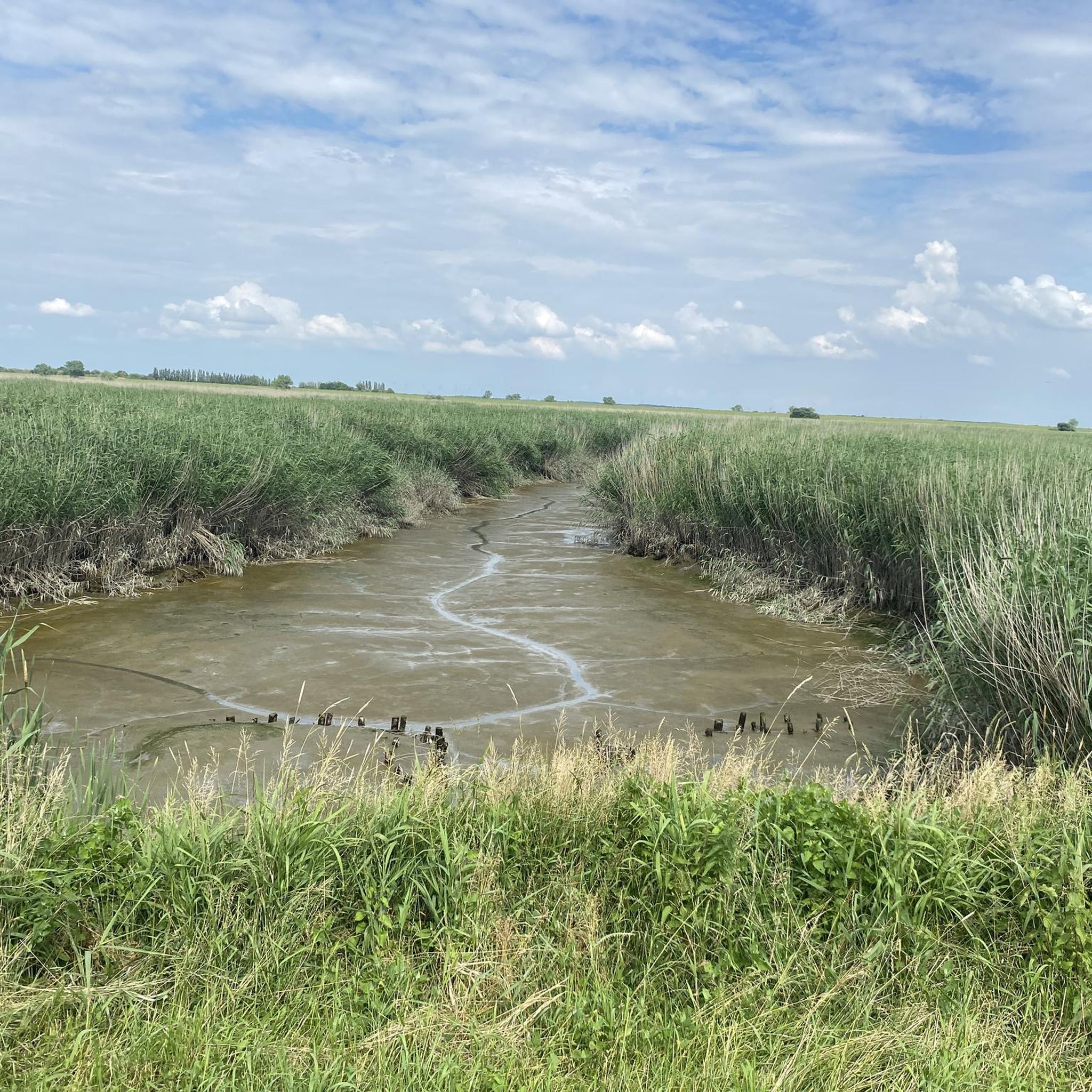
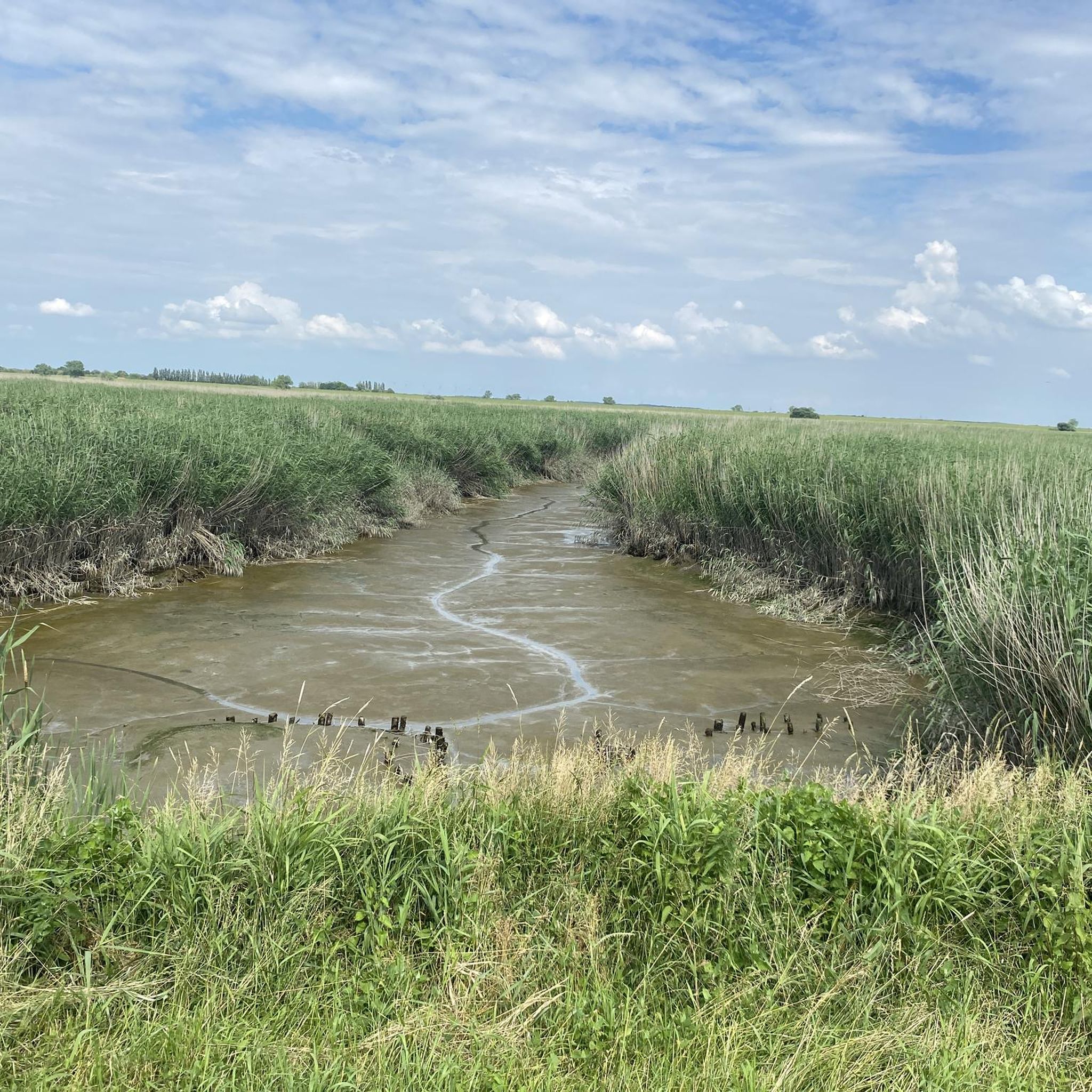
Confluence of the Wümme and Hamme rivers
Highlight • River
Translated by Google •
Tip by

Lune estuary into the Weser
Highlight • River
Translated by Google •
Tip by

FriedWald Bremer Schweiz
Highlight • Forest
Translated by Google •
Tip by

Sign up for free to discover even more natural monuments around Schwanewede.
Sign up for free
Already have an account?
Start today with a free account
Your next adventure awaits.
Login or Signup
Popular around Schwanewede
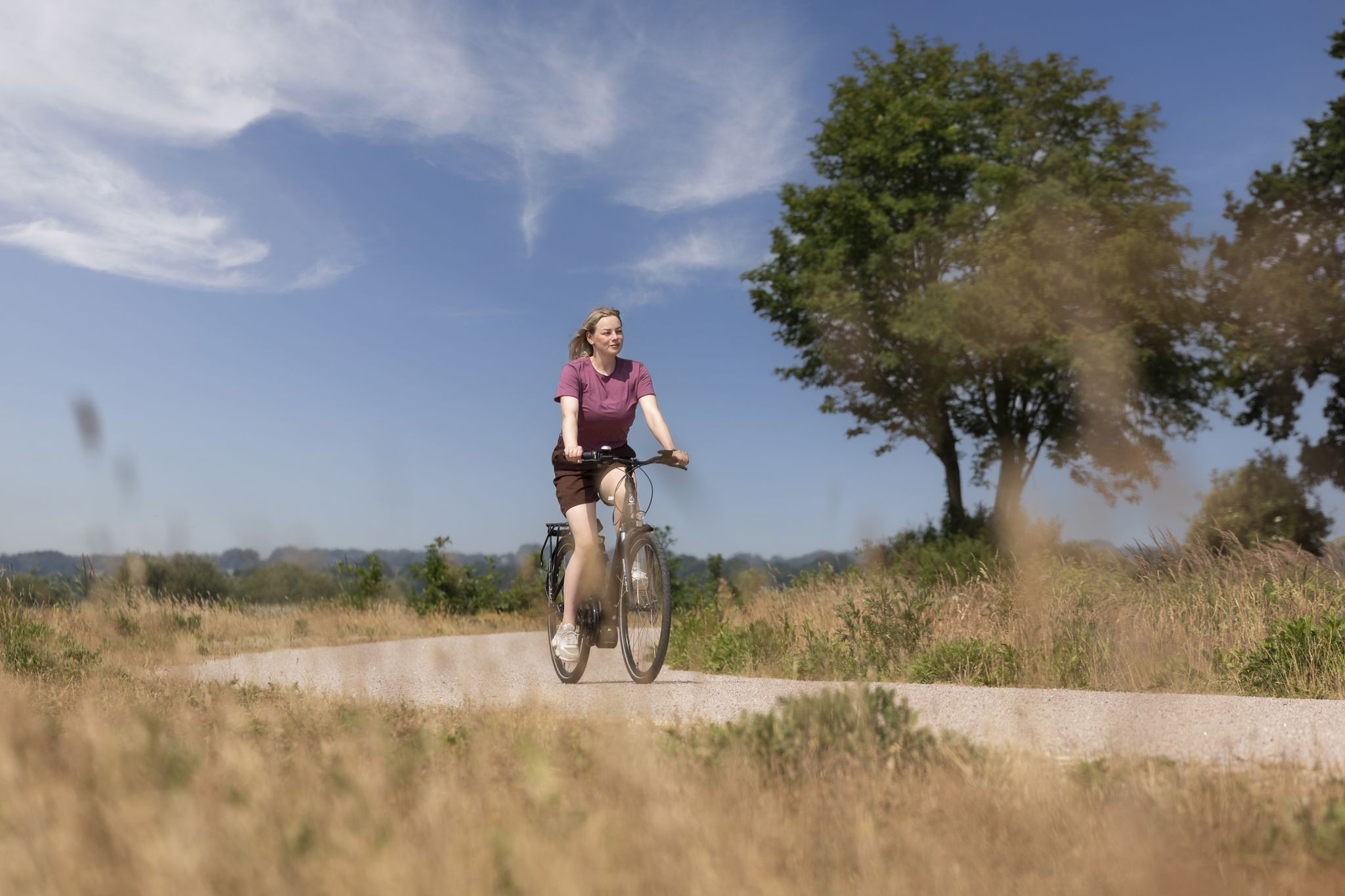
The most beautiful cycling routes in Bremen's Cultureland Teufelsmoor
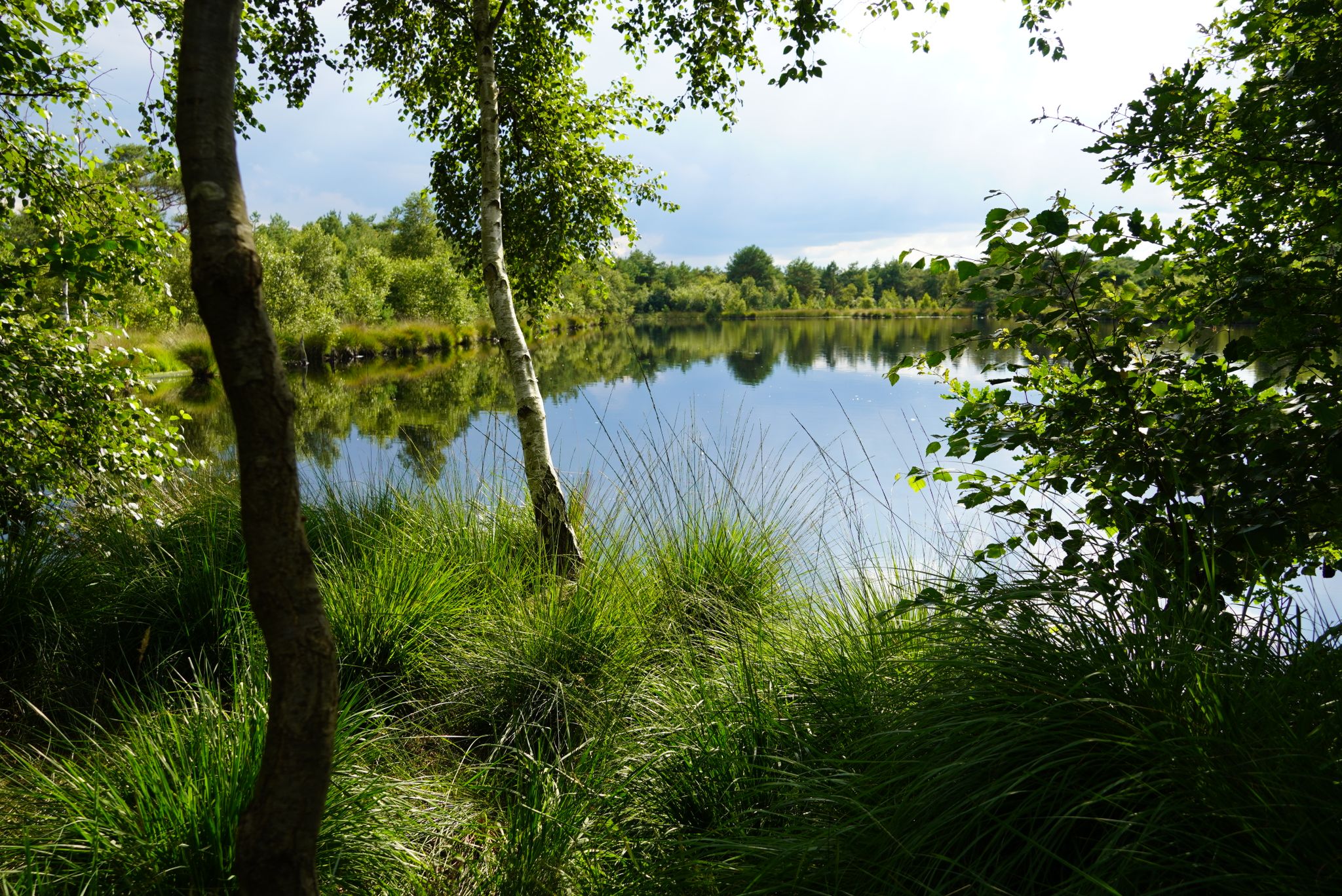
Beliebte Wanderungen im Kulturland Teufelsmoor bei Bremen
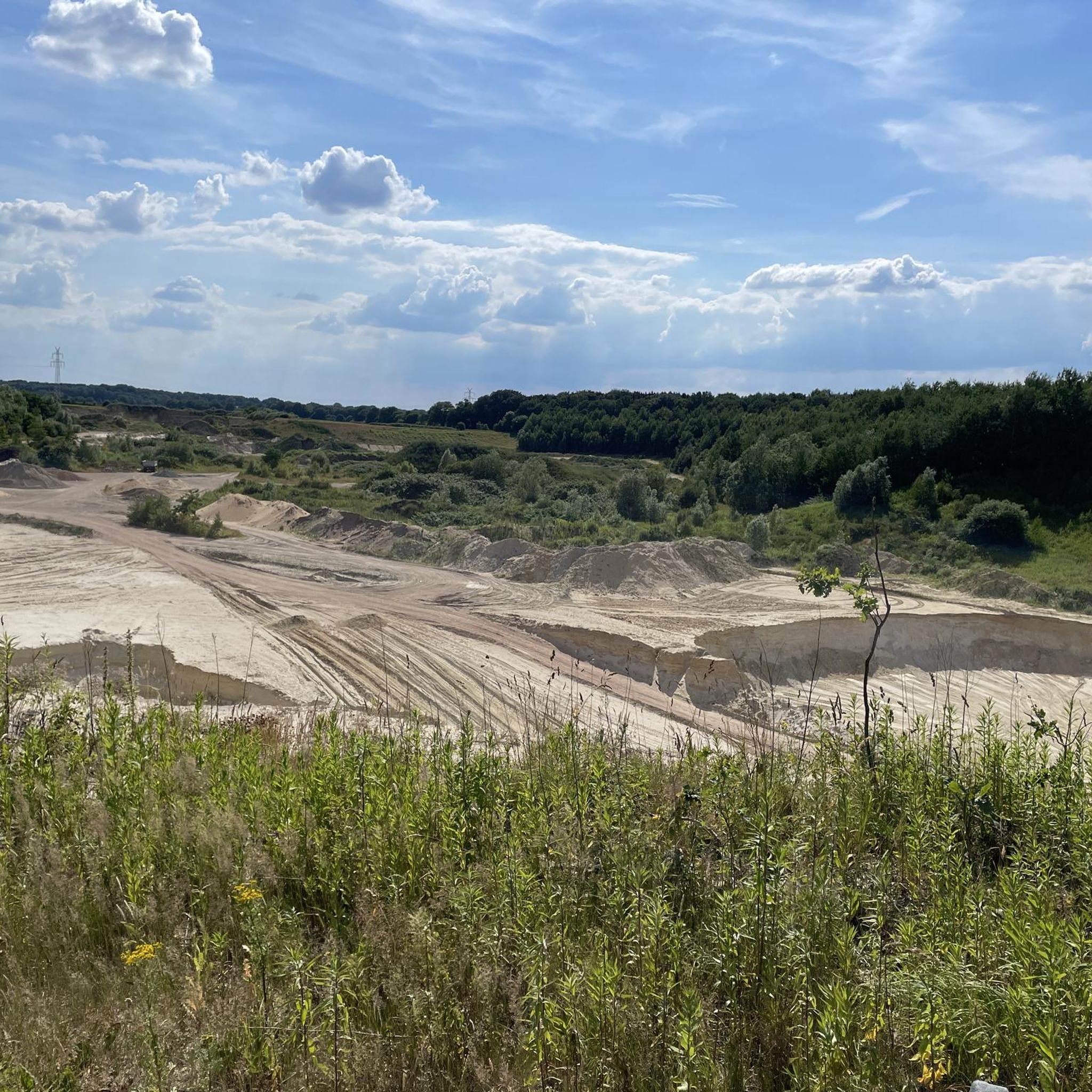
Hiking around Schwanewede
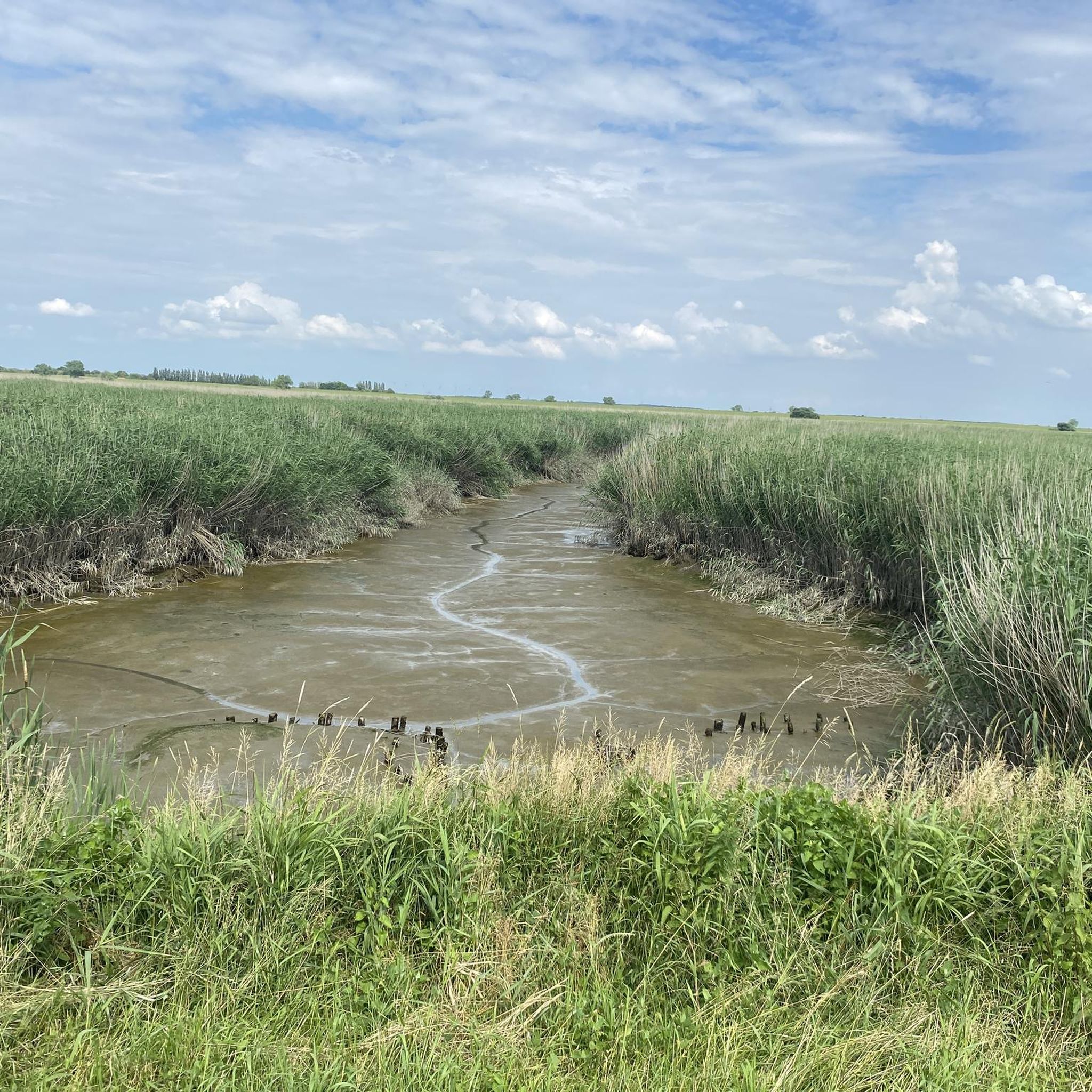
Cycling around Schwanewede
Road Cycling Routes around Schwanewede
Running Trails around Schwanewede
MTB Trails around Schwanewede
Gravel biking around Schwanewede

Tips from the Community

Stop and take a look at the confluence. From up here, you have a good view.
1
0

"FriedWald" is first and foremost the name and trademark of FriedWald GmbH in Griesheim. In cooperation with municipalities, churches and forestry authorities, this company offers the possibility of natural burial in appropriately designated forests. The forests are normally accessible to anyone at any time, even with dogs on a leash, and there are no special fences around the grounds. There are currently around 90 FriedWald forests in Germany. For the burial, you choose a tree in the forest area accompanied by a forester. The number of burial places per tree is limited, and trees with free spaces are marked with colored ribbons. The special thing about the burial places is that no grave decorations may be laid down, even during the burial; nature should really remain natural here and not be destroyed by seeds and contamination. The only thing that indicates the grave sites are small plaques on the trees with the names and dates of birth and death. The burials are non-denominational, but can also be carried out under supervision and with a small prayer by a priest or pastor. For deceased children up to the age of 3, so-called star children, there is a special shooting star tree under the protection of older, stable trees. Within the forest cemetery, there can be forestry work at any time and trees can also be toppled or broken by storms. This is part of the naturalness of the forest cemetery.
2
0

If you know what you're looking at, then you'll definitely look at the place a little differently. I've always wondered where the three rivers meet... Finally: now I know ;-) it's just "a fork," ... where you could imagine a little sign on the "cycle highway". (It's probably like the confluence of the Bever and the Oste: last seen 40 years ago, we should/will visit the area... ))
0
0

Pure nature. Here you can enjoy a break.
3
0

An impressive place where Wümme and Hamme unite to form the Lesum.
0
0

the Lune flows into the Weser at this barrage
2
0

Unfortunately, in summer the reeds are so high that you can hardly see them.
0
2
Where Wumme and Hamme kiss they must atone their names. They are now called Lesum And flow to the Vegesack beach.
2
0
Frequently Asked Questions
What are some of the most popular natural monuments around Schwanewede?
Visitors frequently enjoy the Wümme bend in Blockland, a scenic river section popular with cyclists, offering wide views of the Wümme river and Blockland meadows. Another highly regarded spot is the Heidhofer Ponds, an idyllic lake nestled within a forest, providing a peaceful oasis with a beautiful path along the water.
Are there historical sites among the natural monuments in Schwanewede?
Yes, the region is rich in historical natural monuments. You can explore ancient megalithic tombs and burial mounds, particularly in the north of Meyenburg and the Negenbargsheide. These sites, dating back to the Middle Neolithic period, are protected for their historical significance and their integration into the natural landscape. Additionally, FriedWald Bremer Schweiz is a forest designated for natural burials, offering a serene and contemplative historical context.
What unique geological features can I find among Schwanewede's natural monuments?
The area features the 'Maiberg,' the last remaining hill of the 'Eggestedter Kiesberge.' This site is recognized as a natural monument due to its scientific, natural history, and regional significance, as well as its rarity and unique beauty. The broader Landkreis Osterholz also protects significant erratic boulders.
Are there family-friendly natural monuments to visit in Schwanewede?
Many natural monuments in the area are suitable for families. The Wümme bend in Blockland and the Heidhofer Ponds are both categorized as family-friendly. The Confluence of the Wümme and Hamme rivers also offers a pleasant spot for nature observation that families can enjoy.
Can I visit natural monuments around Schwanewede with my dog?
Yes, several natural monuments are dog-friendly. For instance, the Wümme bend in Blockland and FriedWald Bremer Schweiz welcome dogs, typically on a leash. Always check local signage for specific rules regarding pets in protected areas.
What outdoor activities can I do near the natural monuments in Schwanewede?
The region offers diverse outdoor activities. You can find numerous hiking routes, including trails around the Heidhofer Ponds and to the Megalithic tomb near Meyenburg. For cyclists, there are extensive MTB trails, such as the Wümme bend in Blockland loop. Running enthusiasts can also explore various running trails through the natural landscapes.
Where can I find good viewpoints among the natural monuments?
Excellent viewpoints can be found at the Wümme bend in Blockland, offering expansive views of the river and meadows. The Confluence of the Wümme and Hamme rivers provides a unique spot for observing nature and water. Additionally, the Lune estuary into the Weser offers clear views of the Lune flowing into the Weser from its bridge.
What kind of nature and wildlife can I expect to see?
Schwanewede's natural monuments protect a variety of ecosystems. You can observe diverse birdlife and aquatic species around the rivers like the Wümme and Hamme, and at the Heidhofer Ponds. The forests, such as those around FriedWald Bremer Schweiz, provide habitats for various animals and feature valuable old tree populations. Rare plant populations, including laurel rose, orchid, and cymbal herb stands, also contribute to the region's biodiversity.
What do visitors enjoy most about the natural monuments in Schwanewede?
Visitors particularly appreciate the tranquility and natural beauty. Many describe the Heidhofer Ponds as an 'oasis of calm' and praise the 'beautiful wide stretch' of the Wümme bend in Blockland. The blend of historical context with preserved natural environments, such as the ancient megalithic tombs, also offers a unique and enriching experience.
What is the best time of year to visit the natural monuments around Schwanewede?
The natural monuments around Schwanewede are enjoyable year-round. Spring brings blooming flora and active wildlife, while summer offers pleasant conditions for cycling and hiking. Autumn showcases vibrant foliage, and even in winter, the serene landscapes can be beautiful, especially for peaceful walks. Consider visiting during the morning or on weekdays for a quieter experience, particularly at popular spots.
Are there specific protected trees in the Schwanewede area?
While specific individual trees are not always named as distinct natural monuments, the municipality of Schwanewede has a tree protection ordinance to preserve valuable old tree populations. These trees are crucial for the local climate, provide habitats for animals, and enhance the aesthetic appeal of the landscape, highlighting the region's commitment to their long-term preservation.
Are there any less crowded natural monuments near Schwanewede?
For a quieter experience, consider exploring some of the ancient megalithic tombs and burial mounds located in areas like Meyenburg and Negenbargsheide. While historically significant, these sites often offer a more secluded connection with nature and history compared to some of the more popular river sections.
Most popular routes around Schwanewede
Most popular attractions around Schwanewede

Get inspired with the komoot mobile app


Explore more
Extend your search for the best caves by checking out these guides of the top ones around Schwanewede:
