Top 18 Natural Monuments around Ostritz
Best natural monuments around Ostritz include diverse landscapes in Upper Lusatia, near the German-Polish border. The region is characterized by the Neisse River and proximity to significant natural areas. Ostritz offers access to both geological sites and re-naturalized recreational lakes. These features provide varied opportunities for outdoor exploration.
Best natural monuments around Ostritz
- The most popular natural monuments is Landeskrone Observation Tower, a viewpoint that offers 360-degree views of the surrounding landscape. This mountain, at 420 meters, also features…
Last updated: May 27, 2026
Landeskrone Observation Tower
Highlight • Viewpoint
Translated by Google •
Tip by

The Abandoned Cross
Highlight • Monument
Translated by Google •
Tip by

Sign up now to discover places like this
Get recommendations on the best single tracks, peaks, & plenty of other exciting outdoor places.
Sign up for free
Sonnenhübel Rock Formation
Highlight • Natural Monument
When the city of Zittau still belonged to the Kingdom of Bohemia, a gentle, wise king ruled there; he …
Translated by Google •
Tip by

Rock slabs on the Sonnenhübel
Highlight • Natural Monument
Translated by Google •
Tip by
Steinernes Meer (Zittau Nature Park)
Highlight • Natural Monument
Translated by Google •
Tip by

Sign up for free to discover even more natural monuments around Ostritz.
Sign up for free
Already have an account?
Start today with a free account
Your next adventure awaits.
Login or Signup
Tips from the Community

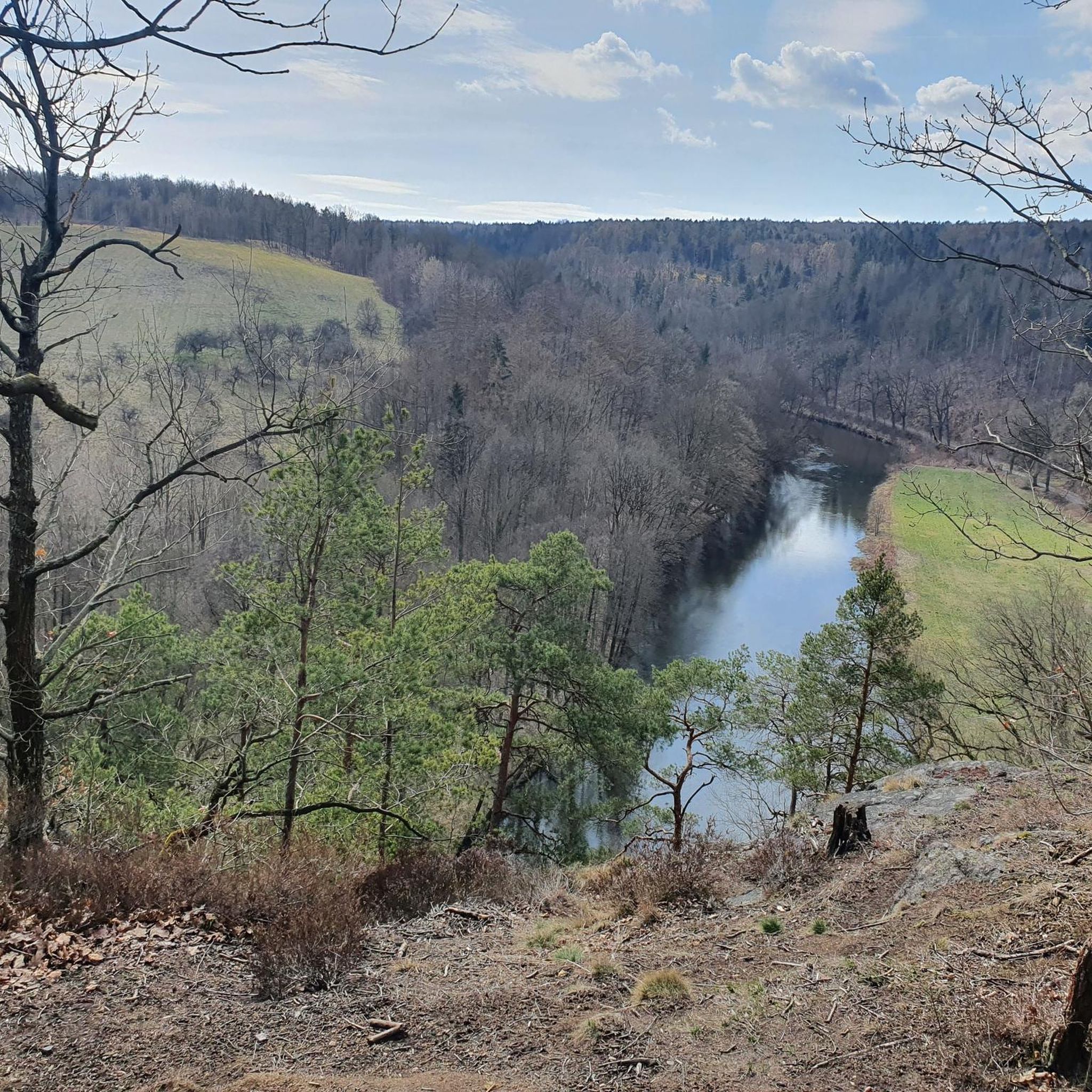
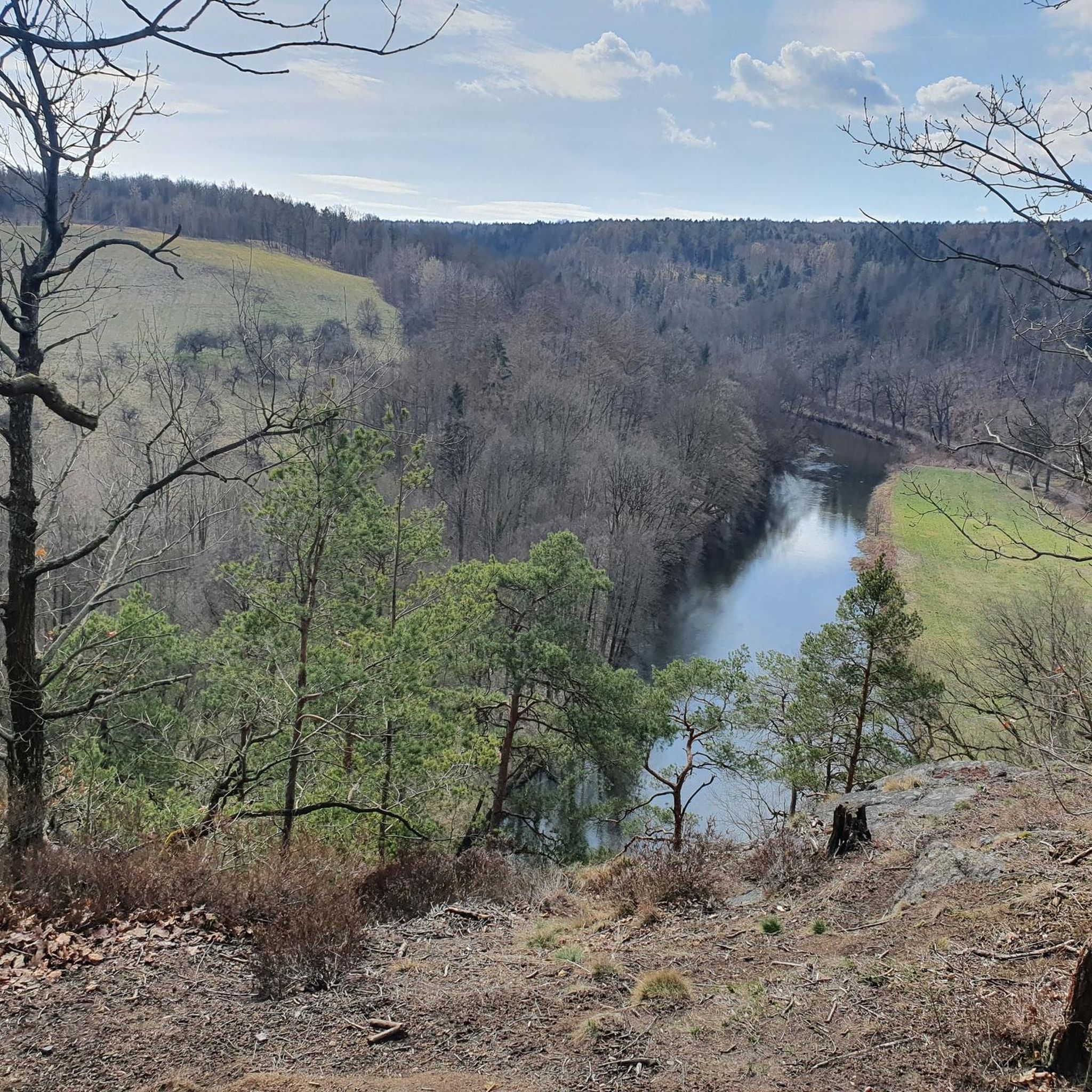
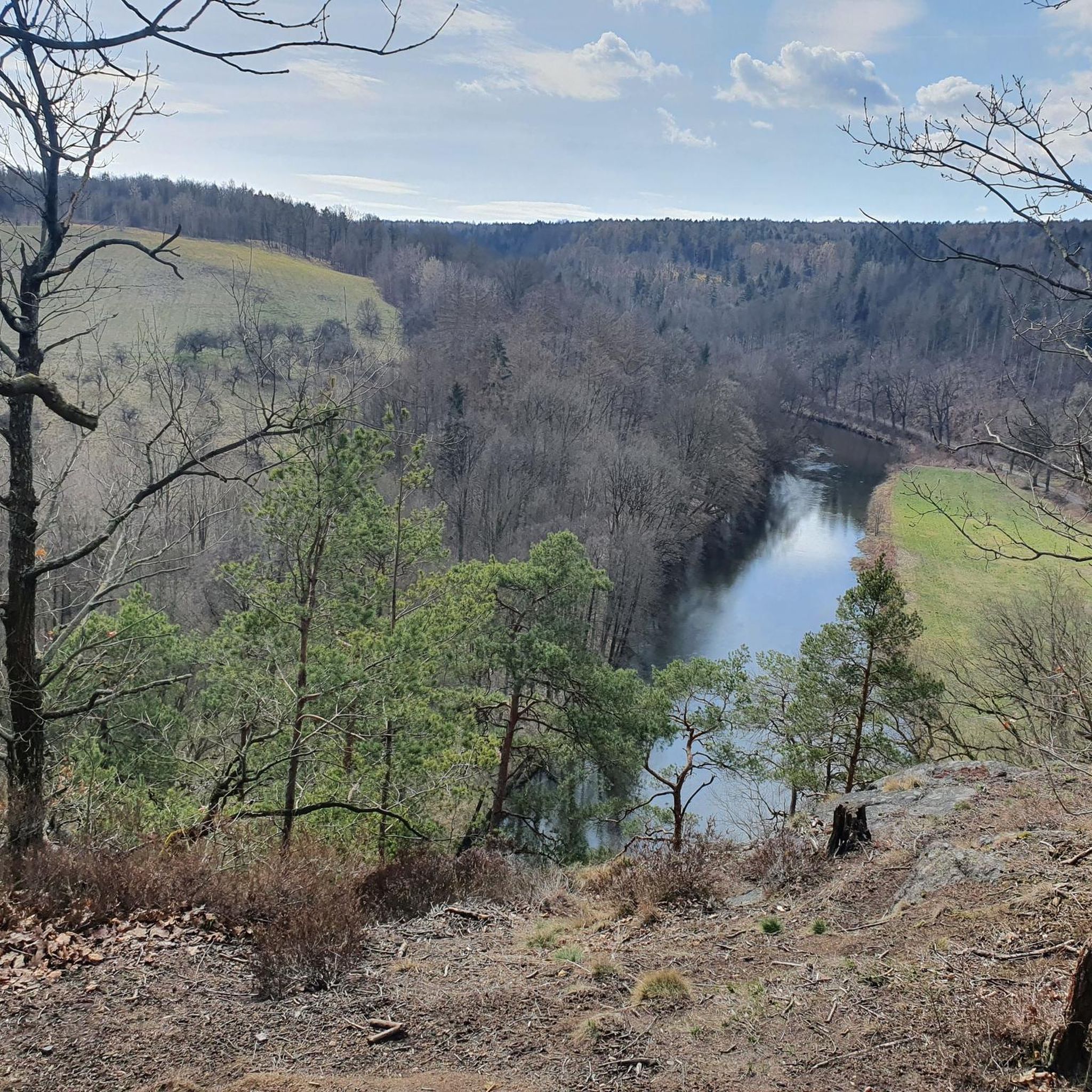
A beautiful view from the local mountain of Görlitz
2
0

The Großer Berg, together with the Spitze Berg, forms a connected basalt ceiling remnant. On the southern slope there is an approximately 400 square meter block heap made of basalt blocks, which is called the Stone Sea. It is assumed that these are remnants of weathering from the Weichselian glaciation in the Pleistocene. Furthermore, the back and southern slope of the mountain are covered by a thick layer of loess. Source: Wikipedia
0
0

Very nice bike path
1
1
On the northern slope of the Sonnenhübel, phonolite plates protrude through the ground, which are known as Steinklunsen, Steinklunsten or simply Klunsen, similar to the Steinklunsen near Beiersdorf. Together with the Birkberg and the Geiersberg, these rock formations on the Sonnenhübel form an outpouring and the eastern edge of the Oderwitz Basin. Coarse weathering debris from these slabs, together with nutrient-poor Ranker brown soil, covers the upper slopes of the mountain. On the lower slopes there is also occasional phonolite rubble, but due to a loess loam layer and the influence of backwater there are also brown earths with a medium nutrient content such as Pseudogley. Source: Wikipedia
0
1
Sun sanctuary of Upper Lusatia. A legend tells of Prince Wenzelslaus. When the city of Zittau still belonged to the Kingdom of Bohemia, a gentle, wise king ruled there; he left behind an underage prince who was not begrudge the crown by a false uncle. He announced that the prince had had an accident while hunting in the forest, and boldly put the crown on his head. But secretly he had hired assassins to kill the prince, but they took pity on him and released him. He escaped and begged his way to Zittau, where a wealthy shoemaker took care of the poor boy who came up to him. He was doubtful whether he should really take him for a prince and therefore kept wisely silent, but he loved the boy like a father, taught him his trade and had him instructed in more sciences than a shoemaker needs. So some years passed, the Bohemians were oppressed by their illegitimate king and were tired of his rule. Now the exiled prince decided it was time to show himself to the people. The news spread that Prince Wenzeslaus, as the banished prince was legally called, was still alive and had become a courageous, brave prince. Many people flocked to him, and when they saw him and recognized his resemblance to his dead father, they proclaimed him king. The place where this happened, between Zittau and the later added town of Herrnhut, is still called the Königsholz [234] and the house where the shoemaker lived then still has a gilded crown carved in stone over the door. Source:https://de.wikisource.org/
0
0

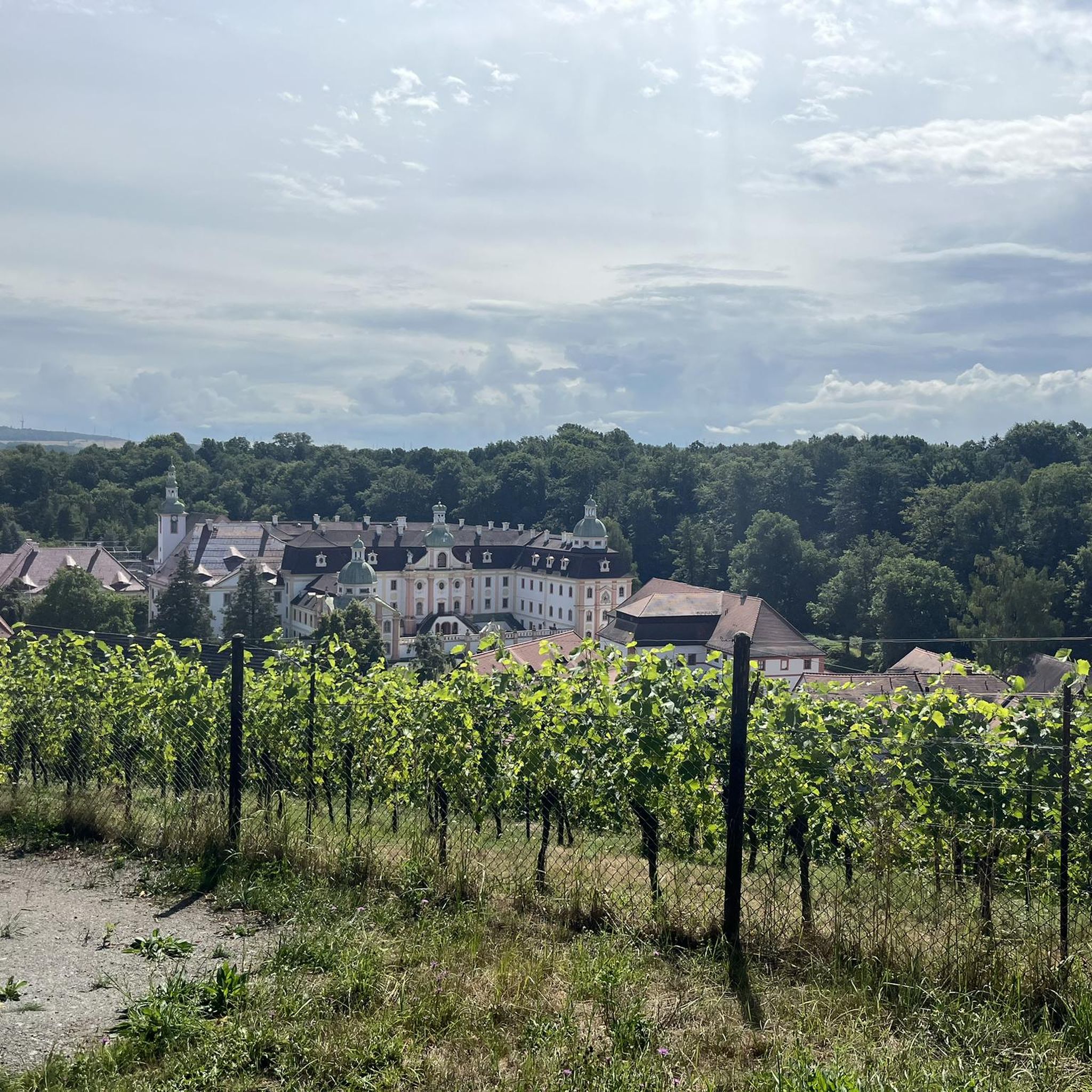
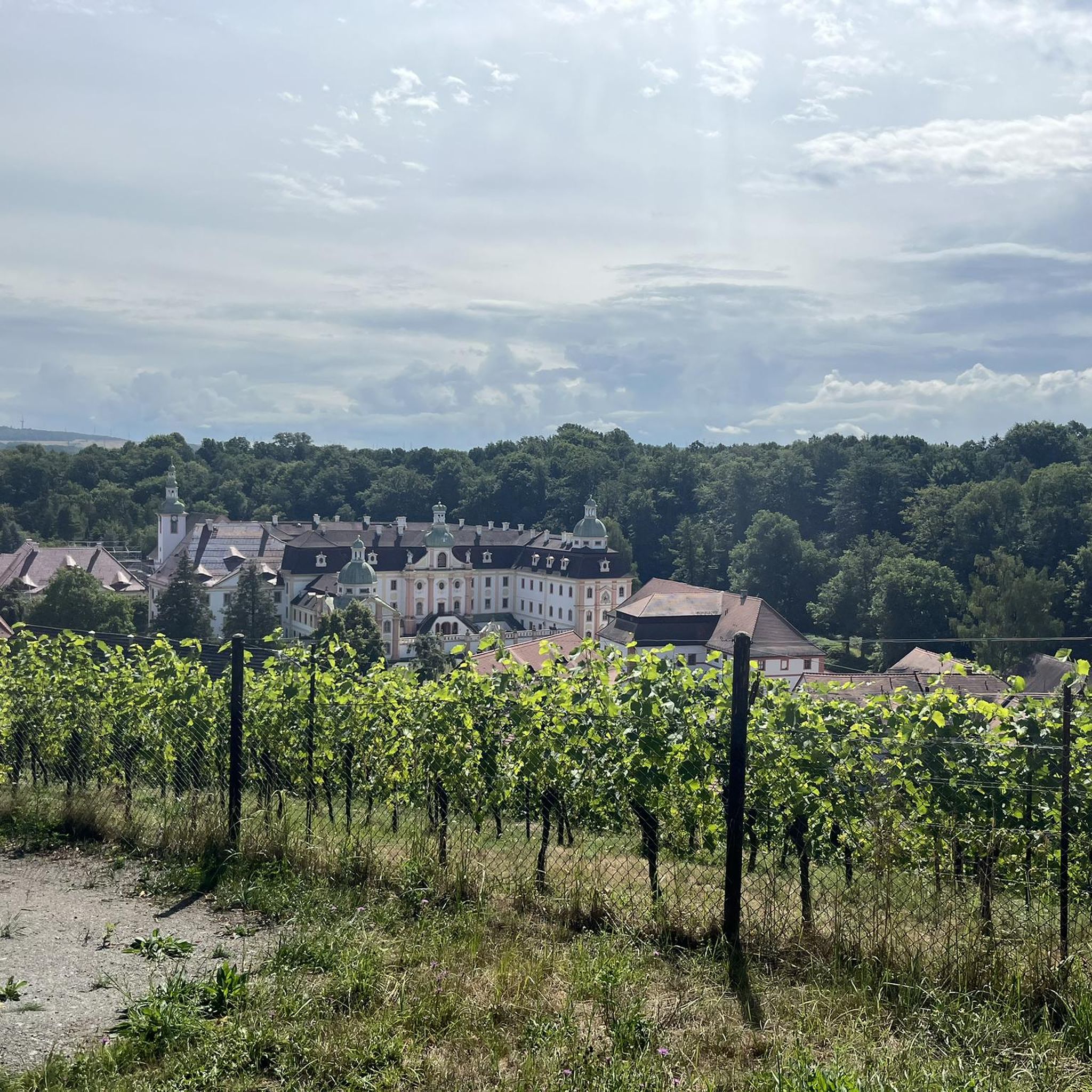
After the ascent you can reward yourself here.
3
1

In any case, you should also visit the Bismarck Tower
3
1

The Landeskrone is a mountain with 420 m and towers over this urban jewel. She also gave her name to the city's most famous drink, the Landskron beer. From up here you can see the relief of the landscape in a radius of 360 degrees. On the Landeskrone there is a restaurant with a hotel. In the restaurant with an outdoor terrace you can eat and drink a la carte, but family celebrations and company parties are also possible. We also have a basalt cellar where you can dine in a rustic style.
6
1
Frequently Asked Questions
What are some of the most popular natural monuments to visit around Ostritz?
The most popular natural monument is the Landeskrone Observation Tower, a mountain offering 360-degree views. Visitors also appreciate The Abandoned Cross, a unique man-made monument with natural elements, and the Rock slabs on the Sonnenhübel, known for their distinctive phonolite plates.
Are there any natural monuments near Ostritz that offer panoramic views?
Yes, the Landeskrone Observation Tower provides extensive 360-degree views of the surrounding landscape. Additionally, the Steinernes Meer (Zittau Nature Park), while a bit further, also offers wide views after a steep ascent.
What kind of geological features can I explore near Ostritz?
You can explore the Rock slabs on the Sonnenhübel, which feature phonolite plates protruding from the ground, showcasing the region's volcanic past. The Steinberg Basanite Quarry, located west of Ostritz, is another interesting geological site, an abandoned quarry on a wooded volcanic hill that reveals the area's geological history.
What outdoor activities can I do near the natural monuments around Ostritz?
The region around Ostritz is excellent for cycling and hiking. The Neisse River, which flows through Ostritz, is part of the Oder-Neisse Cycle Path, offering scenic routes. You can find various cycling routes, including road cycling, touring, and gravel biking, around the area. For example, explore Road Cycling Routes around Ostritz or Cycling around Ostritz for more options.
Are there any family-friendly natural attractions or activities near Ostritz?
While specific natural monuments might vary in accessibility, the Berzdorfer See (Lake Berzdorf) is a fantastic family-friendly option. It offers sandy beaches, clear water for swimming, and an 18 km shore path perfect for cycling or walking. The 'Blue Lagoon' area is particularly popular for its beautiful beach, providing a great spot for relaxation and active recreation.
Where can I find unique rock formations in the Ostritz area?
The Rock slabs on the Sonnenhübel are a prime example, featuring distinct phonolite plates. Another notable site is the Steinernes Meer (Zittau Nature Park), which translates to 'Stone Sea,' known for its basalt blocks, some covered in lichen and moss, creating a unique landscape.
What is the best time of year to visit the natural monuments around Ostritz?
The spring and summer months are ideal for exploring the natural monuments, especially for activities like cycling along the Neisse River or enjoying Lake Berzdorf. The weather is generally pleasant for outdoor activities, and the landscapes are lush. Autumn also offers beautiful scenery with changing foliage, particularly around wooded areas and viewpoints.
Are there any natural areas near Ostritz suitable for water activities?
Yes, the Berzdorfer See (Lake Berzdorf), located south of Görlitz and easily accessible from Ostritz, is perfect for water activities. You can enjoy swimming, sailing, stand-up paddling, and canoeing. The Neisse River itself also offers opportunities for canoeing or fishing during the summer months.
What do visitors enjoy most about the natural monuments around Ostritz?
Visitors frequently praise the stunning panoramic views from spots like the Landeskrone Observation Tower. The tranquil flow of the Neisse River and the diverse landscapes, from geological sites to recreational lakes, are also highly appreciated. Many enjoy the opportunities for cycling and hiking through wild and romantic scenery.
Can I find any hidden natural gems or less-known spots near Ostritz?
While not widely publicized, the Steinberg Basanite Quarry offers a tranquil, wooded area for exploration and a glimpse into the region's geological past, away from more frequented spots. It's a unique site for those interested in geology or seeking a quiet natural escape.
Are there any natural monuments that combine natural beauty with historical or cultural elements?
The The Abandoned Cross is a notable example. It features a wooden cross and a holy figure placed in a rock niche above the Neißetal path, blending a man-made monument with the natural rock formation and riverine landscape.
Where can I find information about cycling paths that pass by natural attractions?
The Oder-Neisse Cycle Path runs directly through Ostritz along the Neisse River, offering a fantastic way to experience the natural border landscape. For more detailed routes, you can explore guides like Cycling around Ostritz, which includes routes passing by Lake Berzdorf and other scenic spots.
Most popular attractions around Ostritz

Get inspired with the komoot mobile app


Explore more
Extend your search for the best caves by checking out these guides of the top ones around Ostritz:
