Top 20 Natural Monuments around Grebenhain
Best natural monuments around Grebenhain are situated within the Vogelsberg Mountains, a region shaped by its volcanic past. This area features unique geological formations, ancient trees, and diverse ecosystems. Grebenhain offers a range of natural sites, including basalt outcrops, significant individual trees, and protected wetlands. These locations provide insights into the region's natural history and ecological value.
Best natural monuments around Grebenhain
- The most popular natural monuments is Bismarck Tower Taufstein, a man_made_monument built from blue basalt on the…
Last updated: September 27, 2026
Bismarck Tower Taufstein
Highlight • Monument
Translated by Google •
Tip by

Upper Trout Pond (Upper Nidda Valley)
Highlight • Lake
Translated by Google •
Tip by

Sign up now to discover places like this
Get recommendations on the best single tracks, peaks, & plenty of other exciting outdoor places.
Bilstein Summit
Highlight • Summit
And (@ Wener K.: I agree with you 100%) although only just under 666 …
Translated by Google •
Tip by

Nidda Spring
Highlight • River
Translated by Google •
Tip by

Gackerstein Summit Cross
Highlight • Summit
Translated by Google •
Tip by

Sign up for free to discover even more natural monuments around Grebenhain.
Already have an account?
Start today with a free account
Your next adventure awaits.
Popular around Grebenhain
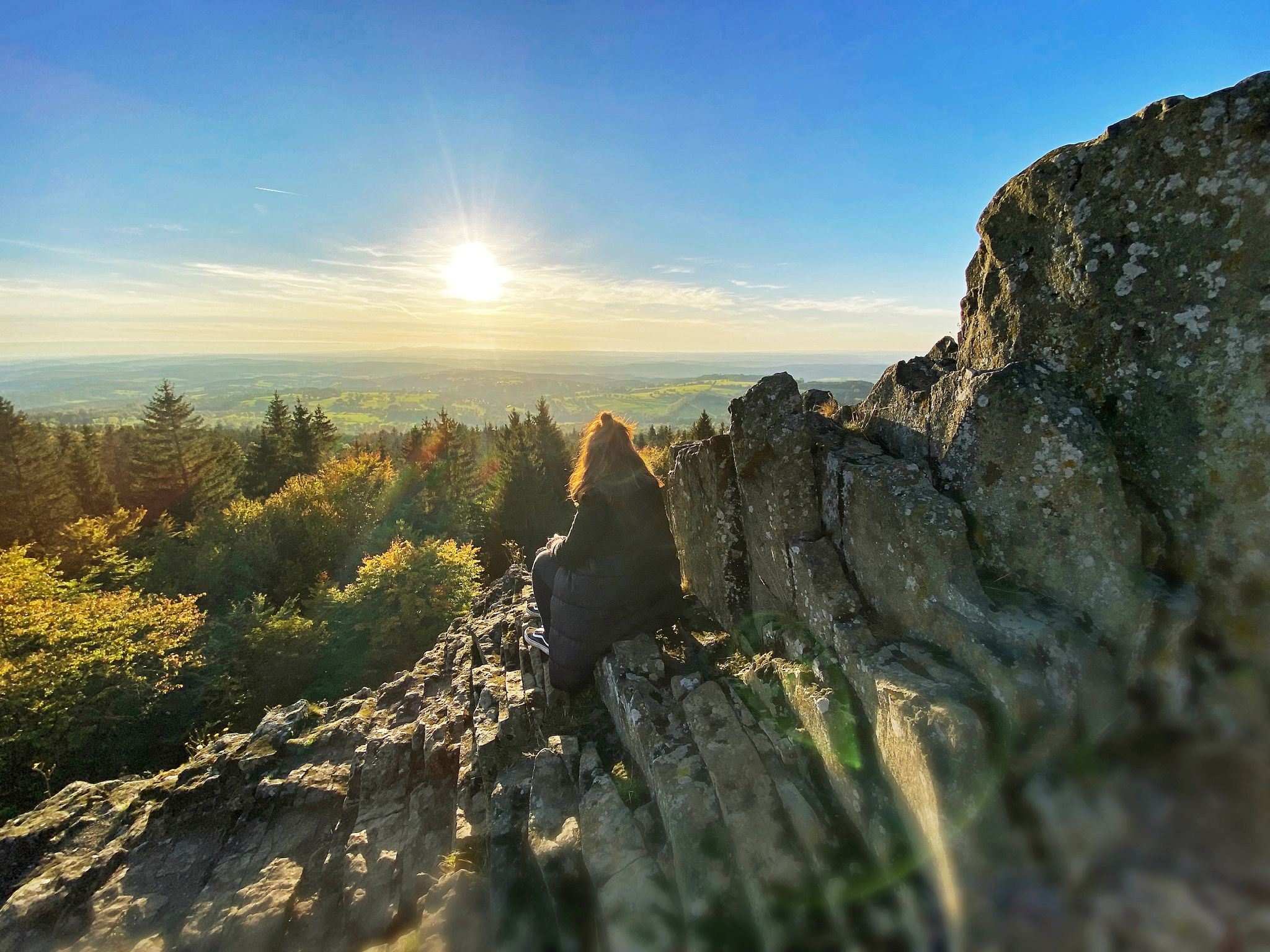
Where trails give you strength: Your hiking getaway in Vogelsberg
On the Bonifatius Route from Mainz to Fulda
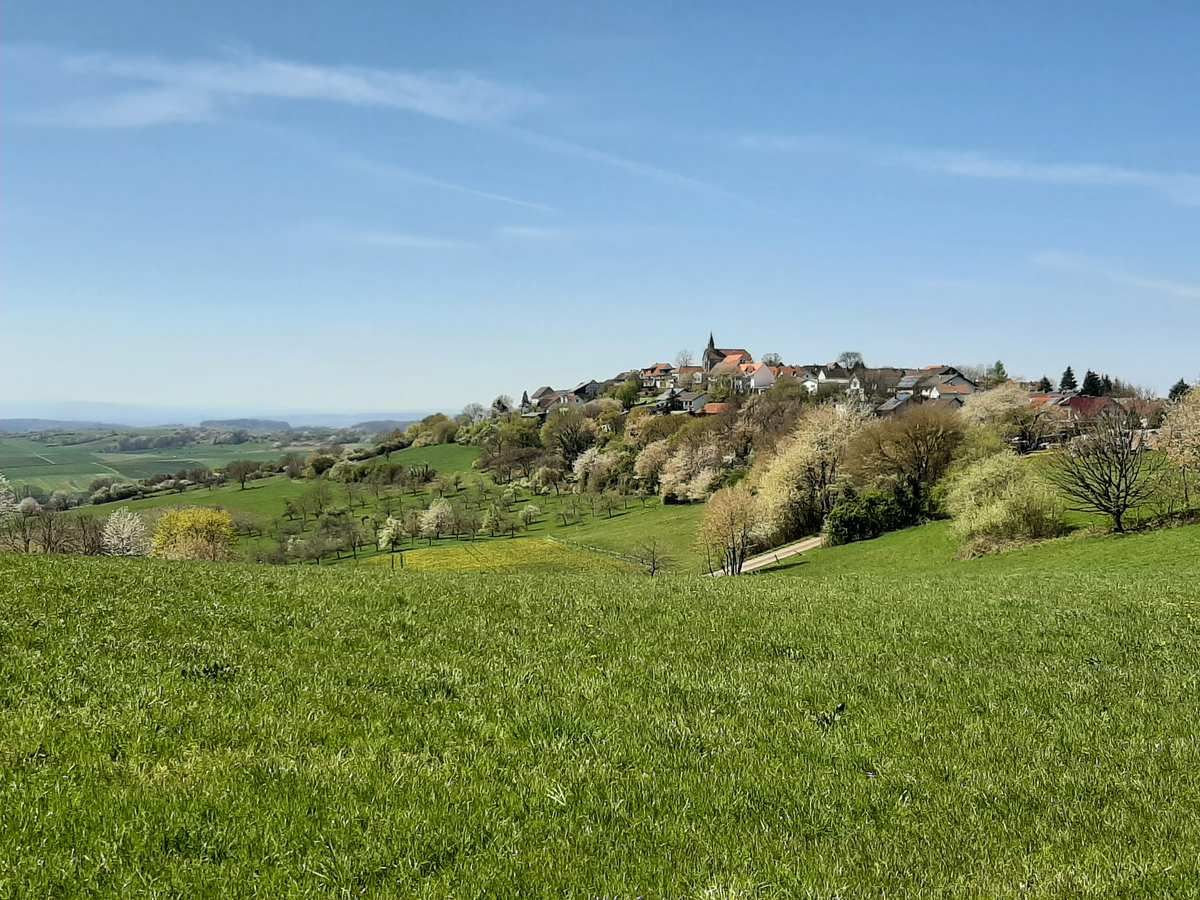
Circumnavigate volcanoes in six days – Vogelsberg Volcano Ring
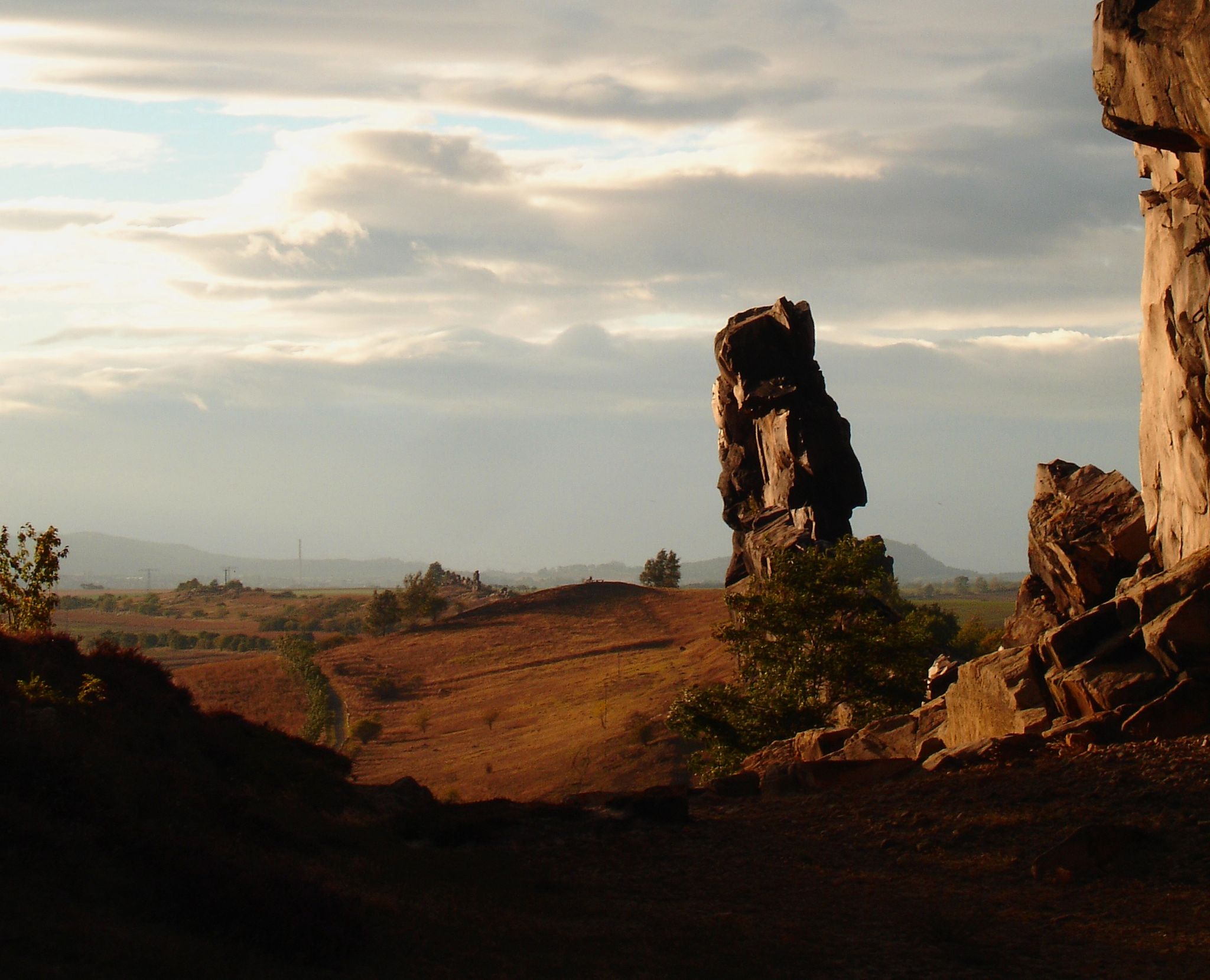
Devilish places
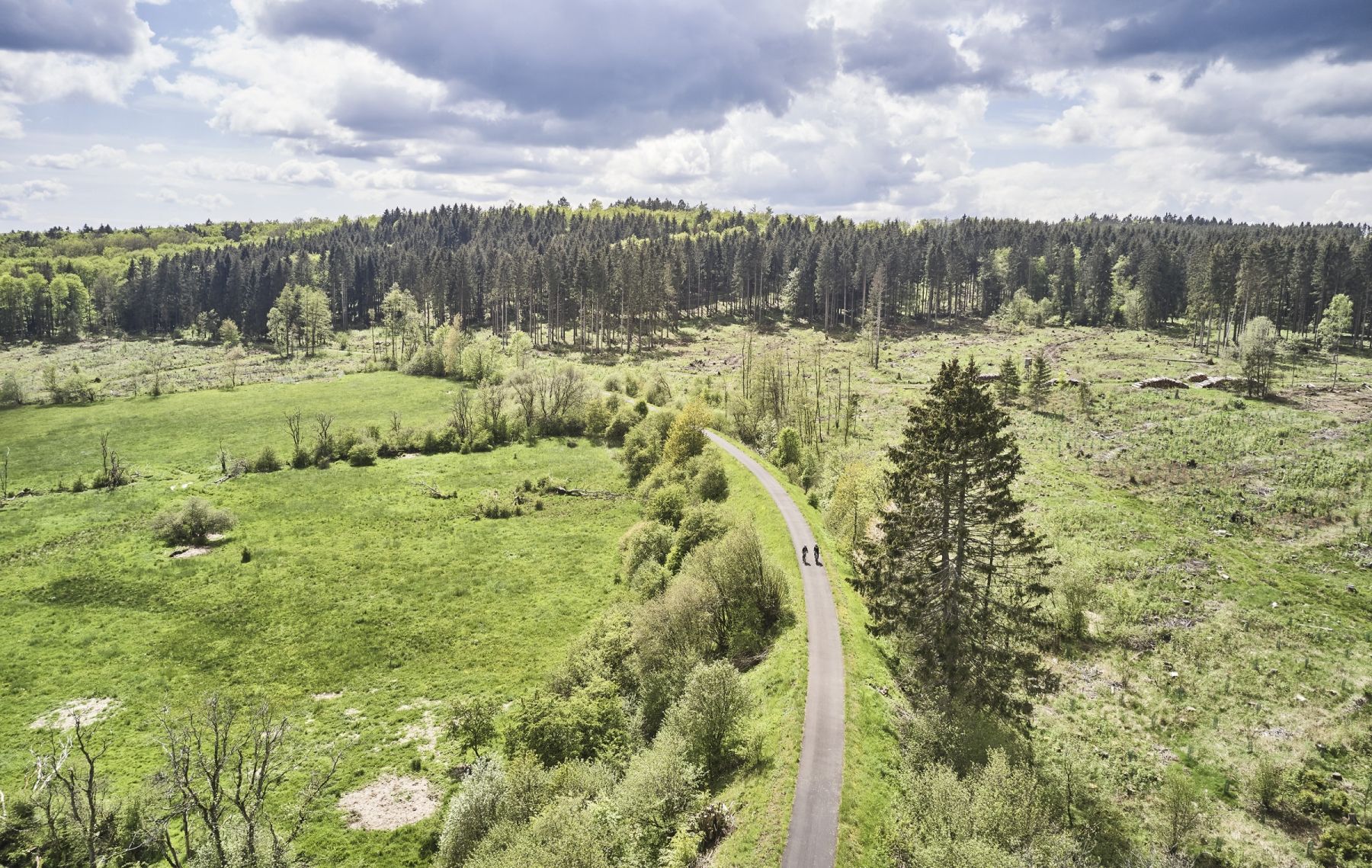
Feuer, Wasser und Weite – Die besten Radrouten im Vogelsberg
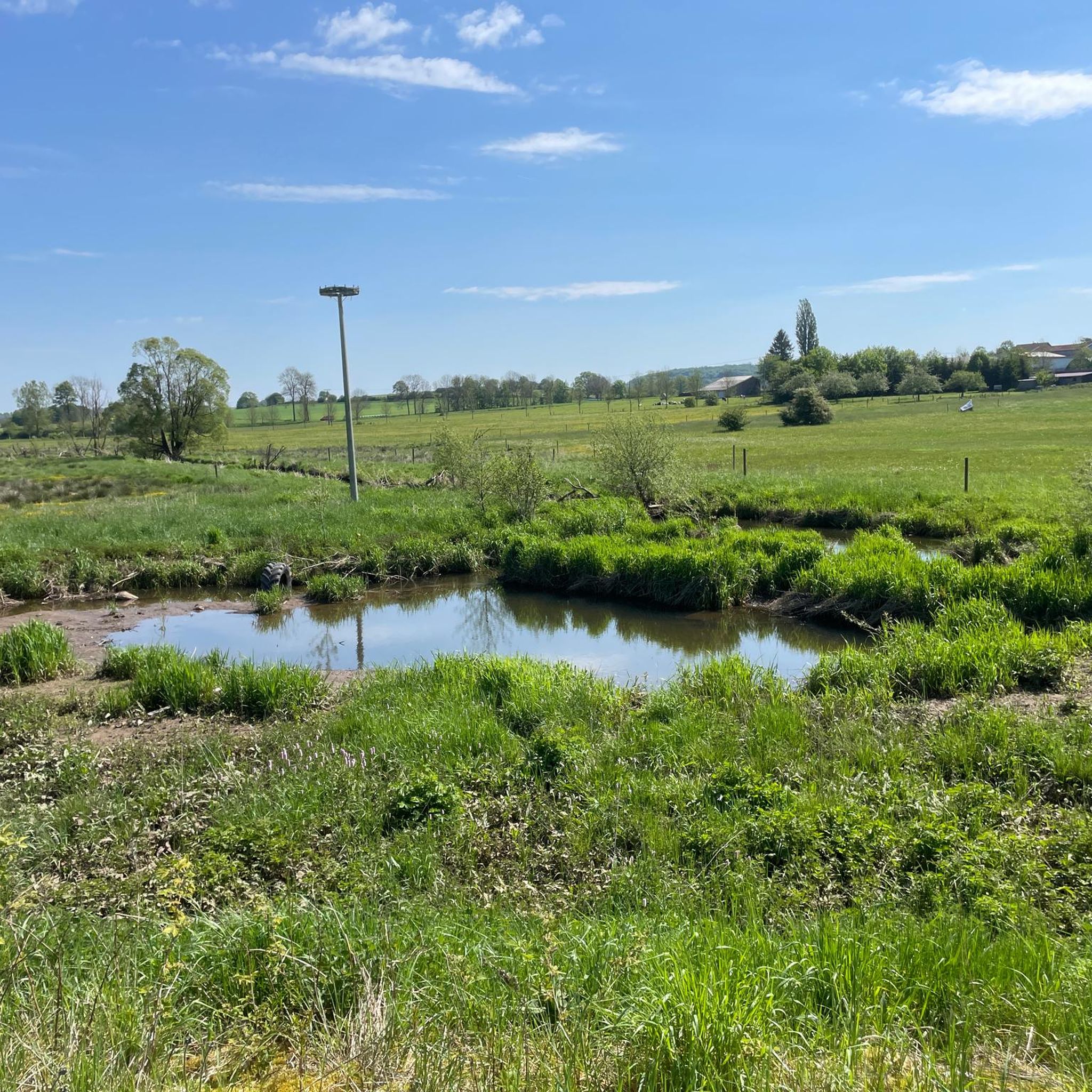
Hiking around Grebenhain
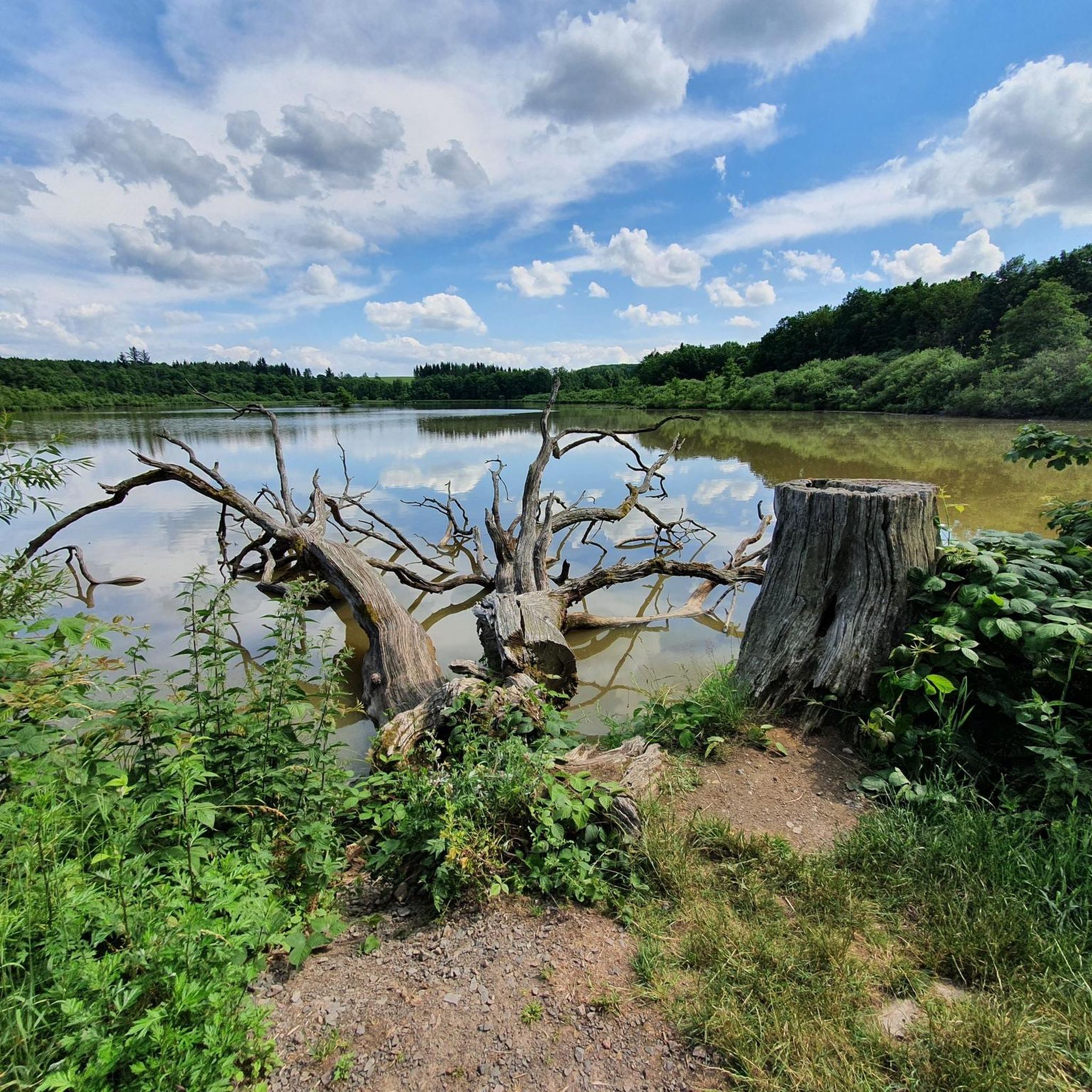
Cycling around Grebenhain
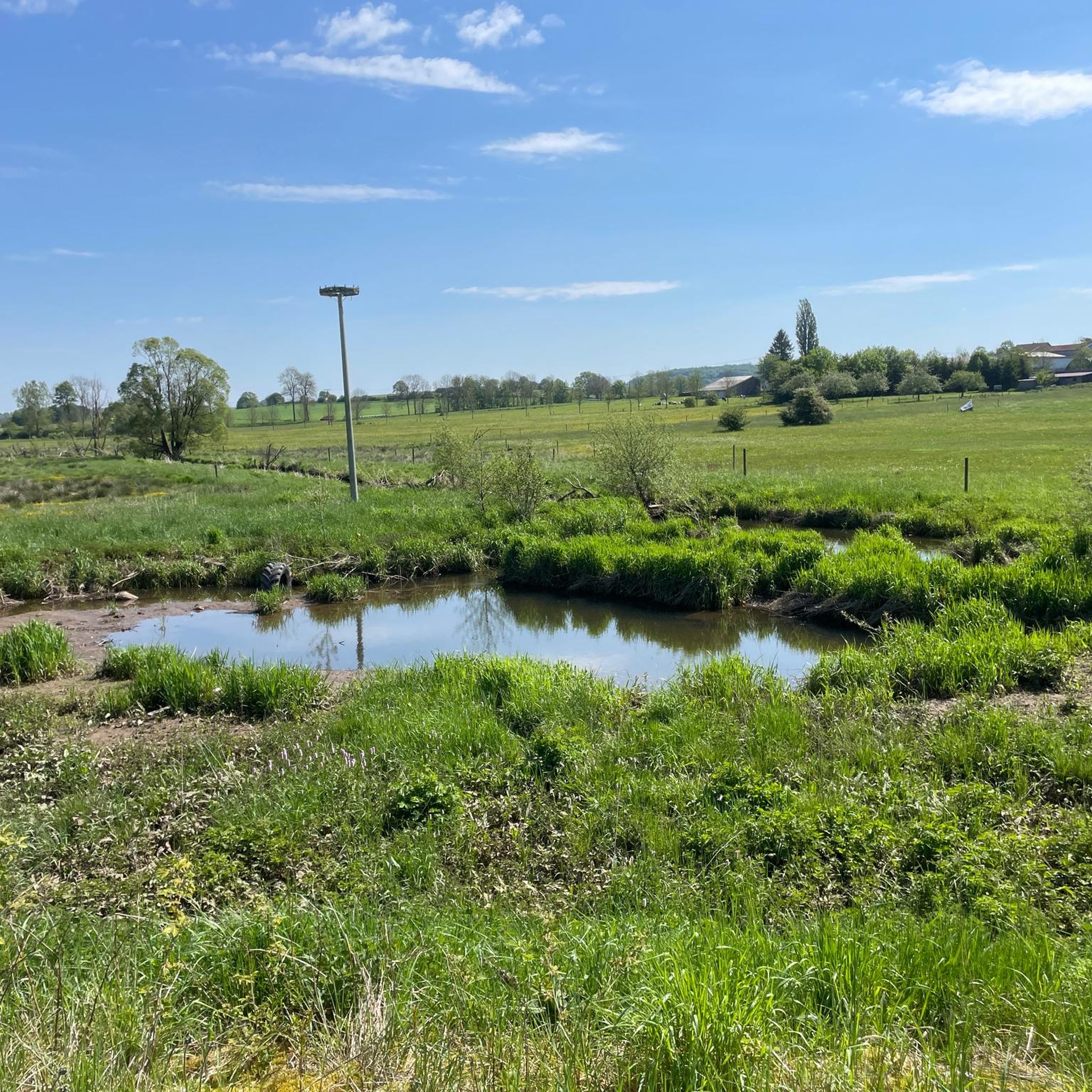
MTB Trails around Grebenhain
Road Cycling Routes around Grebenhain
Running Trails around Grebenhain
Other adventures around Grebenhain


Tips from the Community

A small, unassuming, but historic spring on the western slope of the Vogelsberg mountains. This is the source of the Nidda River, which flows for approximately 90 km before passing through Bad Vilbel and Frankfurt. An idyllic spot in the woods, usually quiet and surrounded by mossy greenery – perfect for a short break on your hike. 💧🌲
11
0

Beautiful fish pond, great landscape, easy H circular route
7
0

From the looks of things, the tower seems to have been left to its own devices... if something doesn't happen soon, it will be demolished... which would be a real shame
15
0
One of the more recent volcanic eruptions… now a “hidden block dump”
15
0
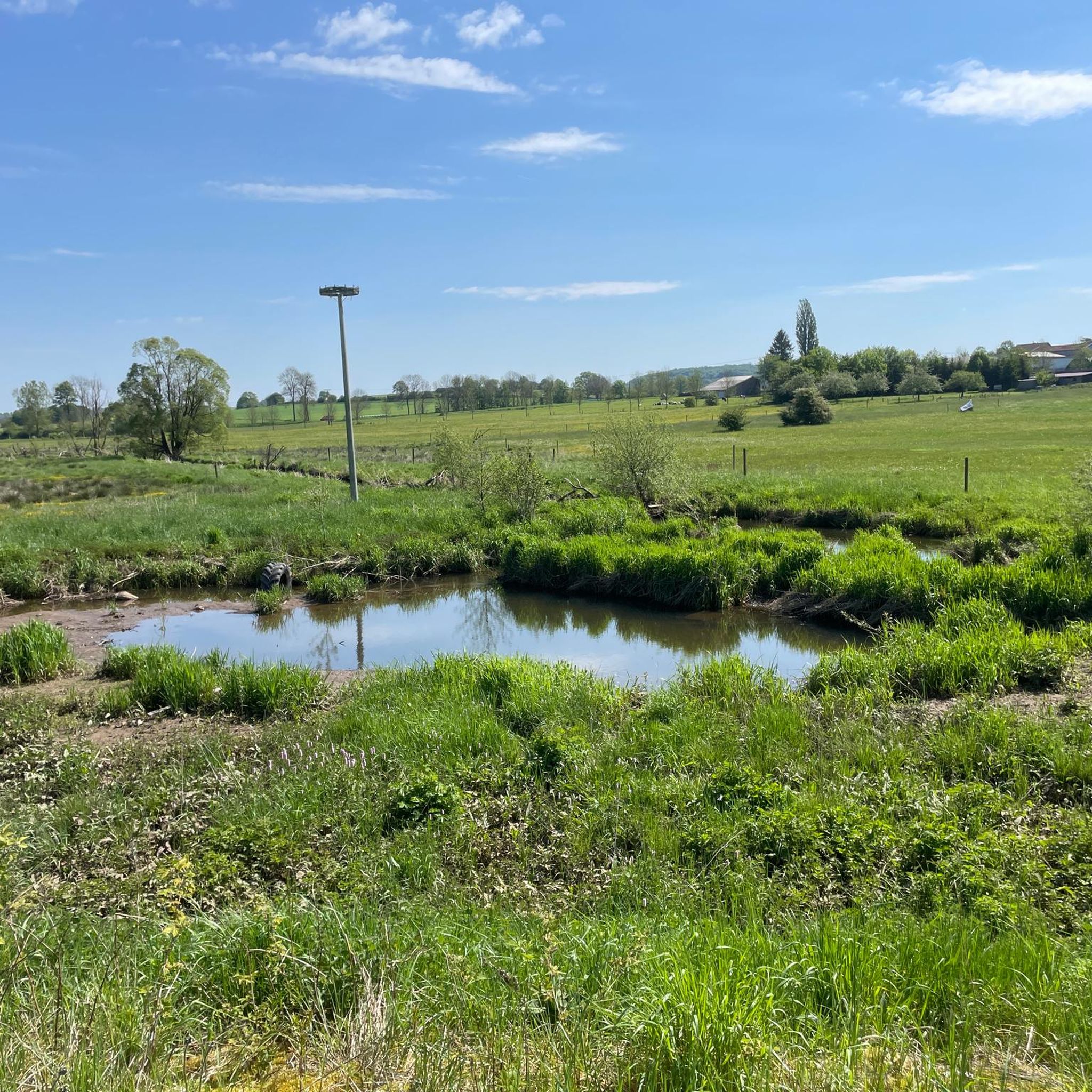
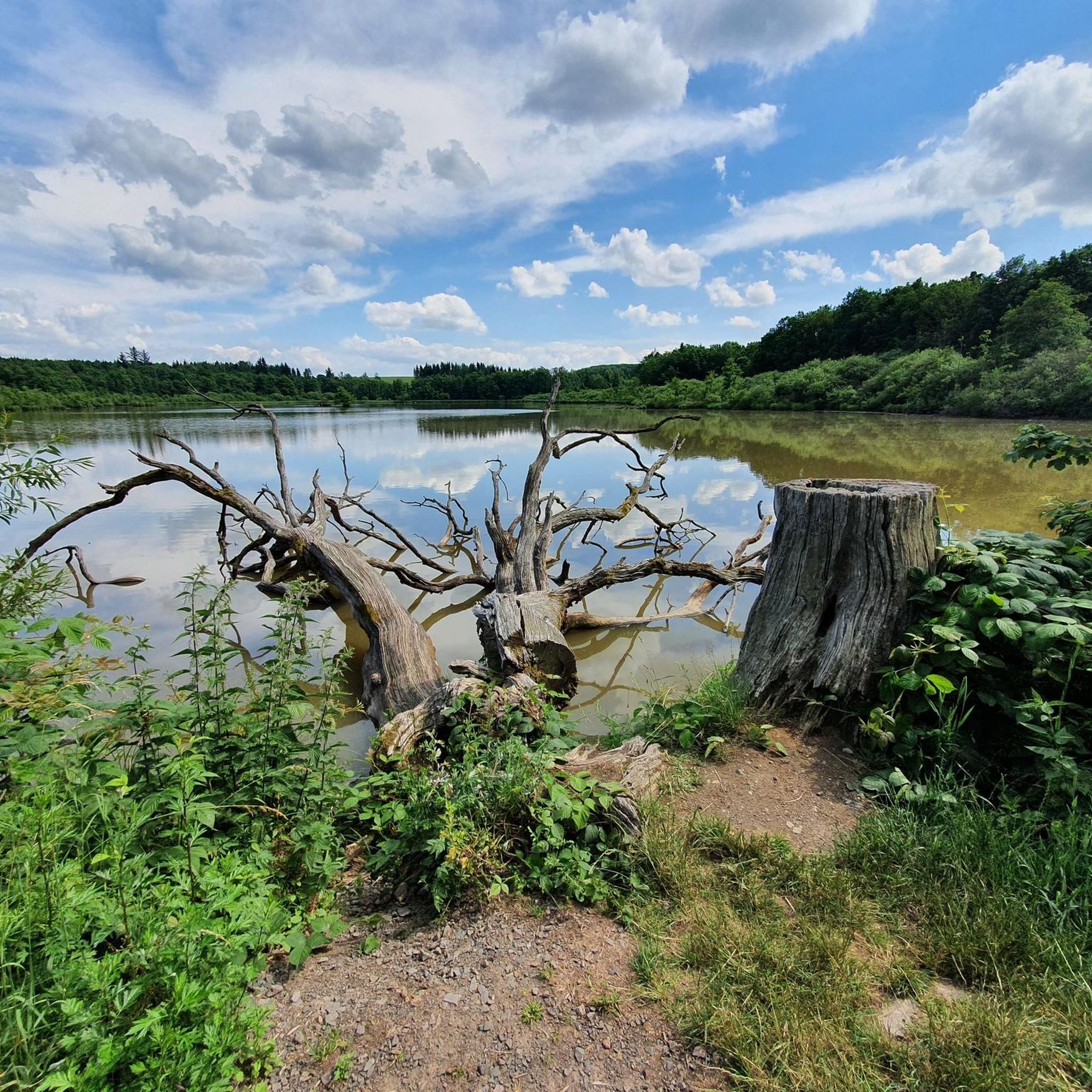
Once a reservoir for floating wood, then a trout farm and now a nature reserve. An idyllic spot on earth.
18
3
Spacious shelter with seating inside and snack area including table outside not far from the Niddaquelle
11
1

The Gackerstein geotope near Schotten was created when magma rose and broke through existing rock units. The volcano that once belonged to it no longer exists. The forces of erosion have eroded it to such an extent that only the vent filling remains, which today appears as a dome. The Gackerstein is part of a larger fracture structure that made it possible for the magma to rise through the earth's crust. This structure runs from north to south, so that magma also reached the earth's surface elsewhere, for example the Bilstein near Schotten to the south and the Ulrichstein castle hill.
14
0

The Bismarck Tower on the Taufstein marks the highest point in the Vogelsberg Nature Park. The 28-meter-high observation tower was built between 1906 and 1910 and there are 101 steps inside that lead up to the top. When visibility is good, the Bismarck Tower offers an excellent panoramic view of the neighboring Hoherodskopf and the adjacent low mountain ranges. Unfortunately, the Bismarck Tower on the Taufstein, built from blue basalt, has suffered massive structural damage. A safe visit to the tower is therefore no longer guaranteed. The immediate area around the tower on the small plateau of the highest elevation of the Vogelsberg has therefore been cordoned off with a fence for some time. The climb to this impressive building is nevertheless worthwhile because it is somehow a mystical place and, like the other Bismarck Towers in Germany, a historical monument that should definitely be preserved and restored. Future generations will thank us later. http://www.vogelsbergtourist.de/bismarckturm-taufstein.html
12
0
Frequently Asked Questions
What unique geological formations can I explore around Grebenhain?
Grebenhain, situated in the volcanic Vogelsberg region, offers several impressive geological formations. You can visit Bilstein Summit, a unique mountain and climbing rock with views extending to Frankfurt am Main. Other notable basalt formations include Die Burg, a landscape-defining rock face, Das Gesicht, a 15-meter tall basalt outcrop resembling a face, and the mighty column basalt of Die Bonifatiuskanzel.
Are there any significant ancient trees or historical natural monuments in the area?
Yes, Grebenhain is home to several remarkable ancient trees. The Hutebuche am alten Bahndamm in Hartmannshain is a large beech tree, 25 meters tall, reflecting historical agricultural practices. Another significant pasture beech, Alte Busch - Hutebuche, can be found in Herchenhain. While not a natural monument, the Bismarck Tower Taufstein, built from blue basalt in 1910, stands on the highest elevation of the Vogelsberg volcanic region and offers historical significance.
What protected nature reserves are there around Grebenhain?
Grebenhain features important protected areas like the Duttelswiese bei Bermuthshain Nature Reserve, an 18.48-hectare site with diverse moist meadows and critical habitats for rare plants and birds. Additionally, the expansive Vogelsbergteiche und Lüderaue bei Grebenhain FFH area includes several ponds and wetlands vital for aquatic vegetation and species like the common sculpin and scarce large blue butterfly.
What are some family-friendly natural monuments or activities in Grebenhain?
For families, the Upper Trout Pond (Upper Nidda Valley) is an idyllic lake that is easy to walk around and offers a relaxing experience. The Nidda Spring is also a family-friendly spot to visit the source of the Nidda river. The Breungeshainer Heide Raised Bog offers a beautiful path around the moor, suitable for families and even dogs.
Are there hiking trails near the natural monuments in Grebenhain?
Absolutely. The region around Grebenhain is excellent for hiking. You can find various trails, including easy options like the 'Felsen Burg Natural Monument – Pointed Rock loop' or the 'Vogelsberg Mountain Meadow Path'. For more choices, explore the many routes available in the Hiking around Grebenhain guide.
What kind of wildlife can I expect to see in the natural monuments and reserves?
The protected areas around Grebenhain are rich in biodiversity. In the Duttelswiese bei Bermuthshain Nature Reserve, you might spot rare bird species like the quail, lapwing, snipe, and whinchat, as well as amphibians like the common frog and insects like the swallowtail butterfly. The FFH area is also a critical habitat for species such as the common sculpin and brook lamprey.
Can I bring my dog to the natural monuments?
Many natural areas around Grebenhain are dog-friendly, especially trails and open spaces. For example, the Breungeshainer Heide Raised Bog is noted as dog-friendly. However, always keep dogs on a leash, especially in nature reserves, to protect wildlife and ensure a pleasant experience for all visitors.
What are some of the most scenic viewpoints among the natural monuments?
The Bilstein Summit offers expansive views that can reach as far as Frankfurt am Main on clear days. While currently inaccessible, the Bismarck Tower Taufstein is known for its panoramic potential from the highest point of the Vogelsberg. The Uhuklippen (Owl Cliffs) also provide striking cliff features and dramatic natural vistas.
Are there opportunities for cycling near the natural monuments?
Yes, the Vogelsberg region is well-suited for cycling. The Volcanic Cycle Trails pass through the area, offering scenic routes. You can find various cycling options, including mountain biking, near many natural monuments. For specific routes, check out guides like Running Trails around Grebenhain, which also includes routes suitable for cycling.
What is the best time of year to visit the natural monuments around Grebenhain?
The natural monuments around Grebenhain are beautiful year-round. Spring brings blooming wildflowers to the meadows and reserves, while summer offers lush greenery and pleasant temperatures for hiking. Autumn showcases vibrant fall foliage, especially around the ancient beech trees. Even in winter, the volcanic landscape can be stunning, though some trails might be more challenging due to snow or ice.
What is the 'Der Totenhof' natural monument?
Der Totenhof, located in Ilbeshausen, is a unique natural monument consisting of a group of newly planted ash, lime, oak, cherry, spruce, and Douglas fir trees in an open field near the cemetery. It symbolizes renewal and natural growth within a cultural landscape, offering a peaceful and reflective spot.
Are there any natural monuments that showcase the volcanic origins of the Vogelsberg region particularly well?
Many sites highlight the region's volcanic past. Die Burg and Das Gesicht are impressive basalt formations. Die Bonifatiuskanzel is a mighty column basalt formation, a prime example of volcanic cooling patterns. The Buchwaldfelsen/Hexenstein is another basalt block, and the Felsenklippen am Diebweg and Uhuklippen demonstrate striking cliff features and basaltic lava flows, all showcasing the rugged beauty of the volcanic landscape.
Most popular routes around Grebenhain
Most popular attractions around Grebenhain

Get inspired with the komoot mobile app


Explore more
Extend your search for the best caves by checking out these guides of the top ones around Grebenhain:
