Top 20 Natural Monuments around Weißenborn/Erzgebirge
Best natural monuments around Weißenborn/Erzgebirge offer insights into the region's natural beauty and geological history within the Ore Mountains. The area features diverse natural landmarks, including rock formations, significant trees, and scenic reservoirs. These sites provide opportunities for nature observation and connection to the local environment. Visitors can explore various natural features that define the landscape of Weißenborn/Erzgebirge.
Best natural monuments around Weißenborn/Erzgebirge
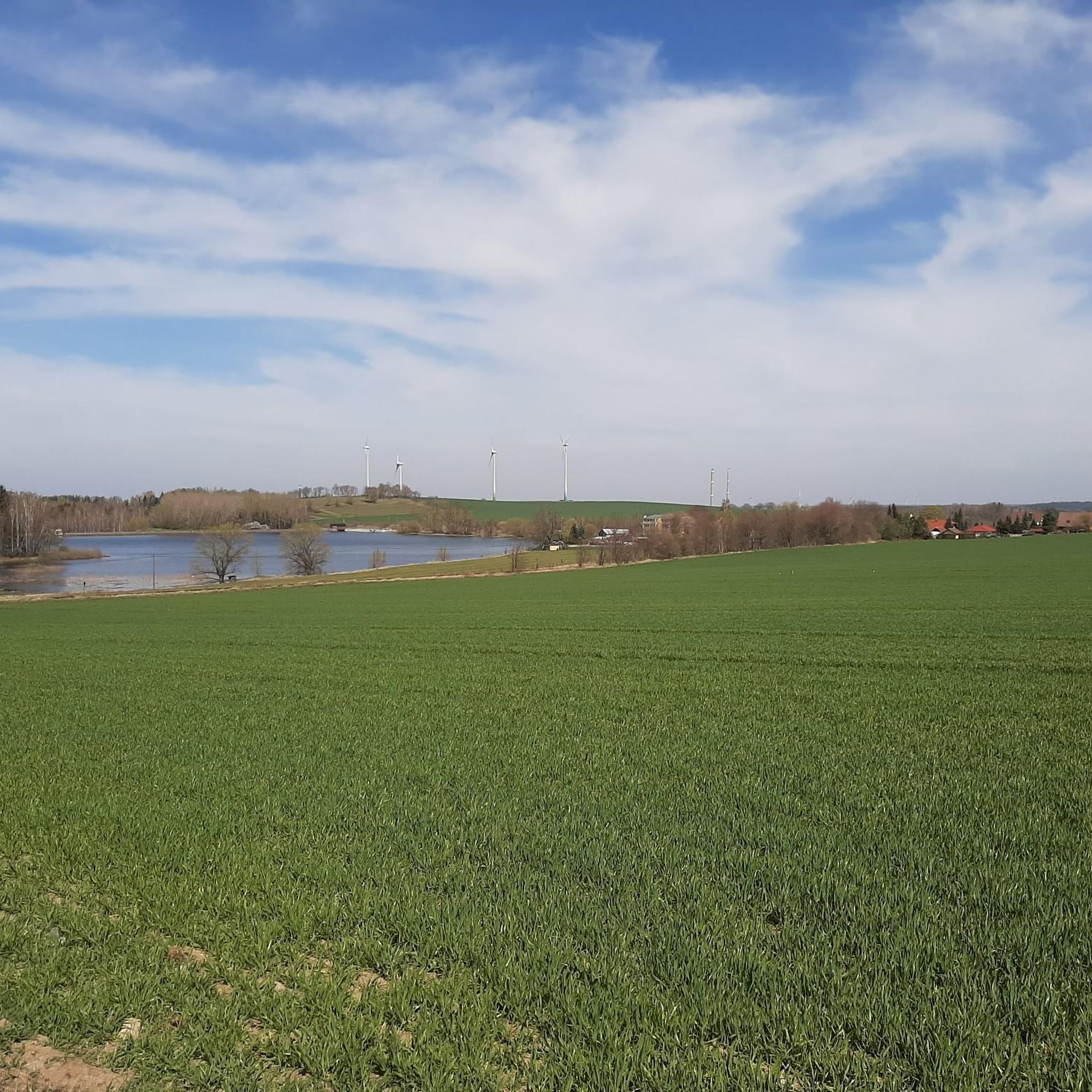
- The most popular natural monuments is Klingenberg Reservoir, a lake and natural monument. This location offers…
Last updated: November 21, 2026
Geographical Center of Saxony
Highlight • Monument
Translated by Google •
Tip by

Dorotheenfelsen
Highlight • Natural Monument
Translated by Google •
Tip by

Sign up now to discover places like this
Get recommendations on the best single tracks, peaks, & plenty of other exciting outdoor places.
Lichtenberg Dam
Highlight • Lake
Translated by Google •
Tip by

Burgberg summit cross (622 m)
Highlight • Summit
Translated by Google •
Tip by

Swedish Monument (Schwedendenkmal), Freiberg
Highlight • Monument
Translated by Google •
Tip by

Sign up for free to discover even more natural monuments around Weißenborn/Erzgebirge.
Already have an account?
Start today with a free account
Your next adventure awaits.

Tips from the Community

Burgberg summit cross (with summit register and stamp) in Lichtenberg/Erzgebirge. Info: On the 622-meter-high Burgberg, above the Lichtenberg dam. Summit cross, erected on September 21, 2024, designed and built by Sven Thielscher and Jörg Lange.
4
0

The Dorotheenfelsen is a rock outcrop on the eastern shore of the Klingenberg reservoir, consisting of orthogneiss. Mostly, gently sloping hills line the edges of the Klingenberg reservoir. But at one point, a large rock outcrop is located directly by the path. A small sign tells the hiker that this is the Dorotheenfelsen. According to legend, the beautiful miller's daughter from the Holzmühle is said to have met her lover here. The old mill is now hidden by the water of the reservoir, the rock still stands, and at its foot, you can take a seat on a bench. Those who wish can also climb up (attention, no path) and enjoy the wonderful view over the reservoir.
0
0

Not so crowded and yet well-developed. Currently (Summer 2026) the dam wall is being renovated, so there is no water in it.
0
1

Monument commemorating the siege of Freiberg by Swedish troops, in Albertpark, designed by Prof. Eduard Heuchler, erected in 1844 as the "Monument of Civic Loyalty." The three statues represent a citizen as a defender, an electoral soldier with lance and sword, and a miner with the axe as a weapon. Approx. 50m from the Schwedendenkmal (Swedish Monument) are the remains of the former city wall tower.
2
0

The Swedish Monument is located in Albert Park. It was erected to commemorate the siege of the city by the Swedes in 1643. The monument was designed by Professor Eduard Heuchle and erected in 1844. The monument's three statues depict a citizen defending the city, a soldier with lance and sword, and a miner with a miner's axe. A miner's axe (Barte) is a pointed axe with a long handle. https://www.goruma.de/staedte/freiberg/sehenswuerdigkeiten
1
1


The dam is expected to be closed for construction work until the end of 2026.
0
0

In addition to the view, you are now rewarded with a great sounding summit cross and a weather vane
2
1
Frequently Asked Questions
What unique geological features can I find among the natural monuments around Weißenborn/Erzgebirge?
The region features distinct geological formations. A prominent example is the Dorotheenfelsen, an orthogneiss rock outcrop on the eastern bank of the Klingenberg dam. This striking rock offers expansive views over the reservoir, particularly when trees are bare.
Are there any notable ancient trees designated as natural monuments in Weißenborn/Erzgebirge?
Yes, Weißenborn/Erzgebirge is home to significant ancient trees. These include an impressive Pedunculate Oak (Quercus robur), known for its robustness and longevity, and a Copper Beech (Fagus sylvatica 'Purpurea'), distinctive for its deep reddish-purple foliage. These trees are designated as natural monuments (ND 050 and ND 049 respectively) and contribute to the area's biodiversity.
What kind of natural landscapes can I expect to see when visiting the natural monuments?
Visitors can expect a diverse range of natural landscapes. These include serene water bodies like the Klingenberg Reservoir and Lichtenberg Dam, striking rock formations such as the Dorotheenfelsen, and picturesque meadows like the Himmelschlüsselwiese, known for its vibrant spring blooms.
Are there any specific viewpoints offering scenic vistas of the region?
Yes, several natural monuments offer excellent viewpoints. The Dorotheenfelsen provides views over the Klingenberg reservoir. Additionally, the Burgberg summit cross (622 m) offers beautiful panoramic views of the surrounding landscape, with benches available for resting.
What is the Himmelschlüsselwiese bei Weißenborn?
The Himmelschlüsselwiese bei Weißenborn is a designated natural monument, a cowslip meadow cherished for its vibrant spring blooms of yellow cowslip flowers (Primula veris). These meadows are important for local biodiversity, supporting various insect species and offering a picturesque natural spectacle.
Are there family-friendly natural monuments around Weißenborn/Erzgebirge?
Yes, several natural monuments are suitable for families. The Klingenberg Reservoir offers a tranquil environment for a short break. The Lichtenberg Dam is also considered family-friendly, with its wall being accessible for walks. The Geographical Center of Saxony is an interesting spot for all ages.
What outdoor activities can I do near these natural monuments?
The area around Weißenborn/Erzgebirge offers various outdoor activities. You can find numerous cycling routes, such as those detailed in the Cycling around Weißenborn/Erzgebirge guide. There are also running trails, including those listed in the Running Trails around Weißenborn/Erzgebirge guide, and gravel biking options available in the Gravel biking around Weißenborn/Erzgebirge guide.
Are there hiking trails near the natural monuments?
Yes, many natural monuments are accessible via hiking paths. For instance, the Dorotheenfelsen is easily reached by hiking trails. The Burgberg summit cross also has multiple paths leading to it. You can explore various routes for cycling, running, and gravel biking that often pass by or near these natural sites, as detailed in the respective komoot guides for the region.
What do visitors enjoy most about the natural monuments in Weißenborn/Erzgebirge?
Visitors frequently appreciate the tranquility and scenic beauty of the area. Highlights like the Klingenberg Reservoir are noted for their peaceful atmosphere, ideal for a short break. The Dorotheenfelsen is valued for its unique geological formation and reservoir views, while the Burgberg summit cross is loved for its panoramic vistas and resting spots.
Is there any historical or cultural significance associated with these natural monuments?
Yes, some natural monuments carry historical or cultural significance. The Geographical Center of Saxony is marked by a granite stele opened for tourism in 1994. The Lichtenberg Dam is a monument of regional historical significance commemorating its construction. Additionally, local legends, such as the tale of a miller's daughter meeting her lover at the Dorotheenfelsen, add to the charm of these sites.
What is the best time of year to visit the natural monuments around Weißenborn/Erzgebirge?
The natural monuments can be enjoyed throughout the year, each season offering a different experience. Spring is ideal for seeing the vibrant blooms of the Himmelschlüsselwiese. Autumn provides beautiful foliage around the reservoirs and forests. The Dorotheenfelsen offers particularly good views over the reservoir in the foliage-free seasons (late autumn to early spring).
Most popular routes around Weißenborn/Erzgebirge
Most popular attractions around Weißenborn/Erzgebirge

Get inspired with the komoot mobile app


Explore more
Extend your search for the best caves by checking out these guides of the top ones around Weißenborn/Erzgebirge:
