Sulzdorf an der Lederhecke
Sulzdorf an der Lederhecke
Top 20 Natural Monuments around Sulzdorf an der Lederhecke
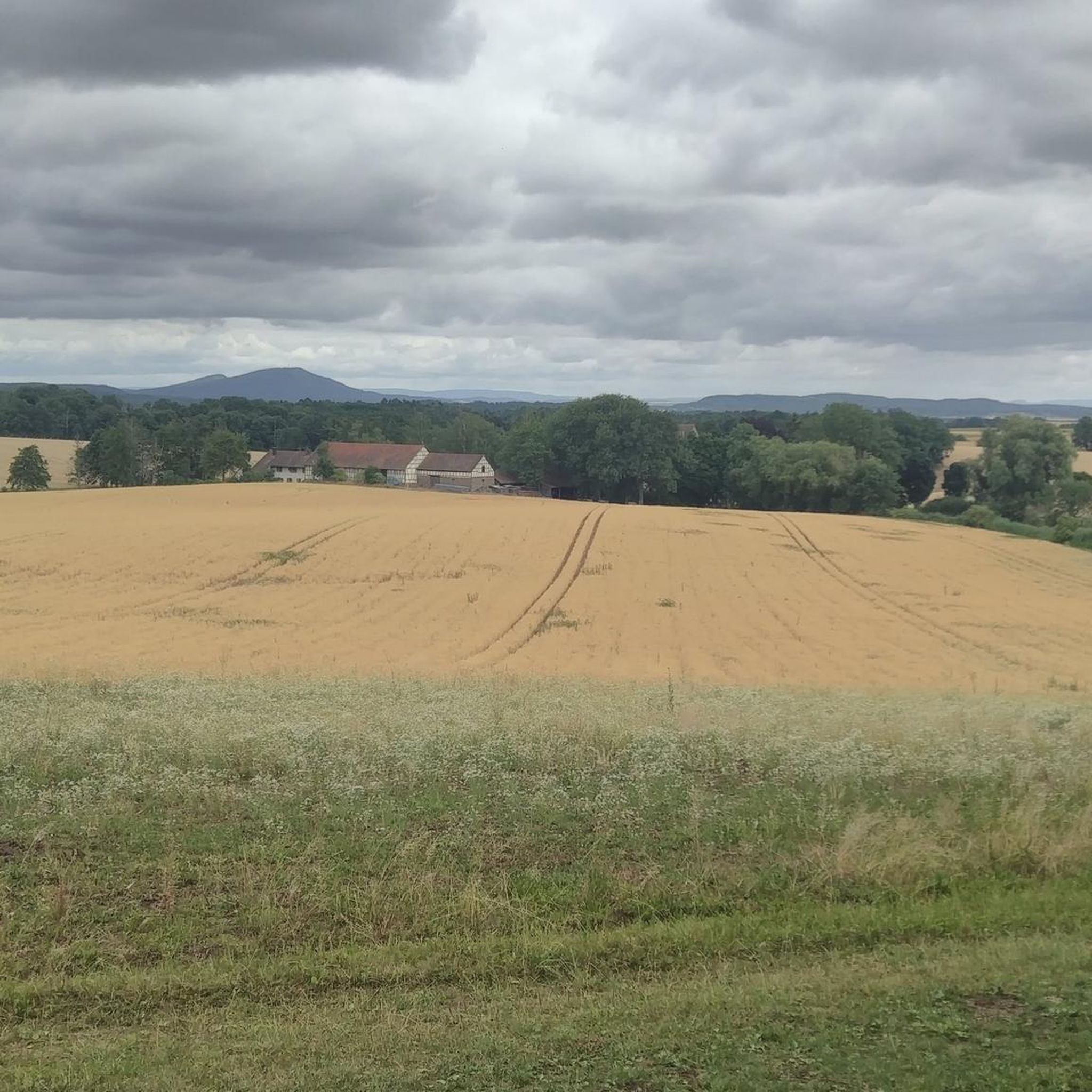
Natural monuments around Sulzdorf an der Lederhecke are found in the Grabfeld region of Lower Franconia, situated at the edge of the Haßberge mountains. This area features notable natural monuments and ecological sites. The landscape offers opportunities for nature walks and appreciation of local flora and geological features. It is characterized by serene natural beauty and significant natural landmarks.
Best natural monuments around Sulzdorf an der Lederhecke
- The most popular natural monuments is Brennhausen Castle, a castle and natural…
Last updated: November 21, 2026
Heldburg Fortress
Highlight • Castle
Translated by Google •
Tip by

Translated by Google •
Tip by
Sign up now to discover places like this
Get recommendations on the best single tracks, peaks, & plenty of other exciting outdoor places.
Sulzfelder Lake
Highlight • Lake
Translated by Google •
Tip by

Brennhausen Castle
Highlight • Castle
Translated by Google •
Tip by

Reuthsee
Highlight • Lake
Translated by Google •
Tip by

Sign up for free to discover even more natural monuments around Sulzdorf an der Lederhecke.
Already have an account?
Start today with a free account
Your next adventure awaits.
Popular around Sulzdorf an der Lederhecke
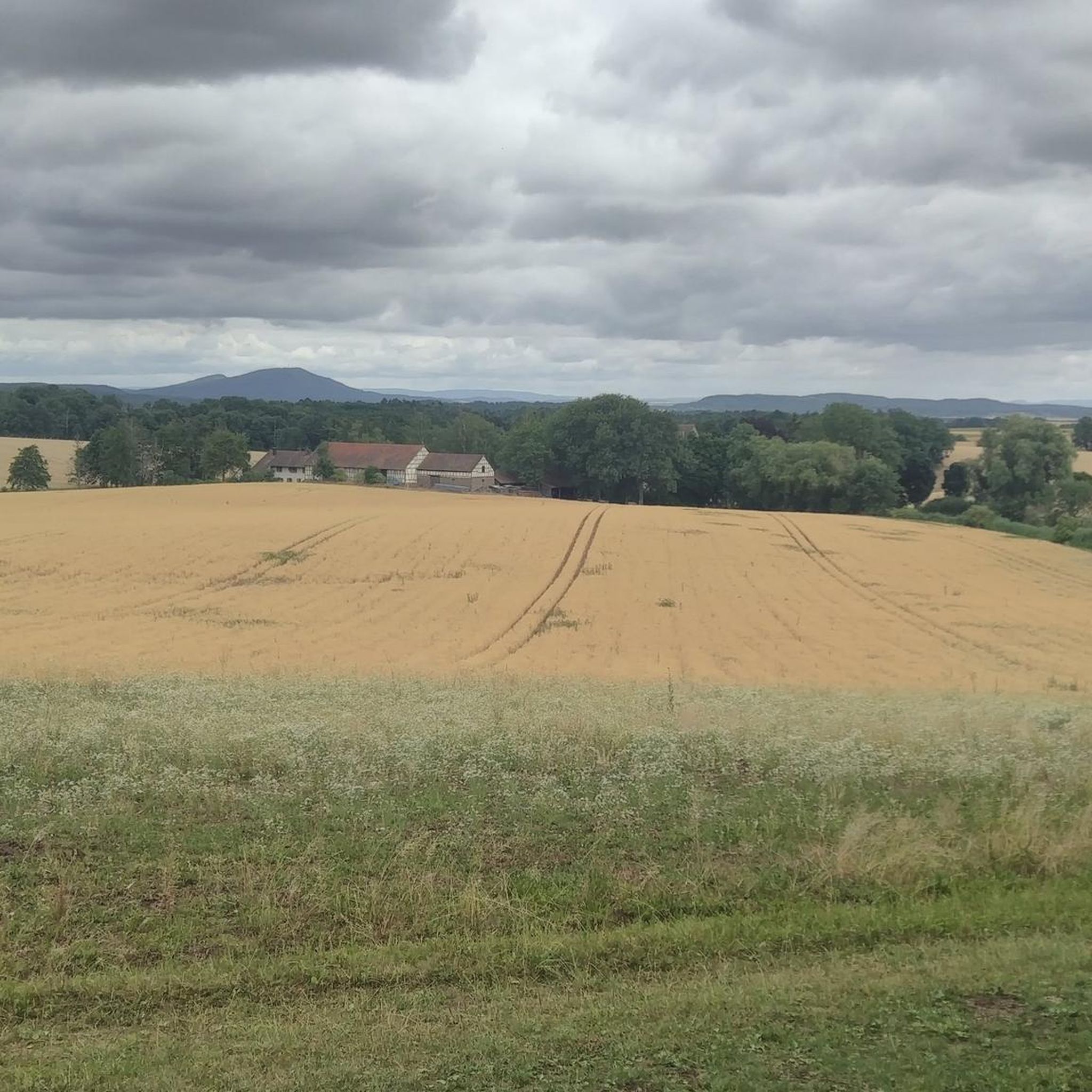
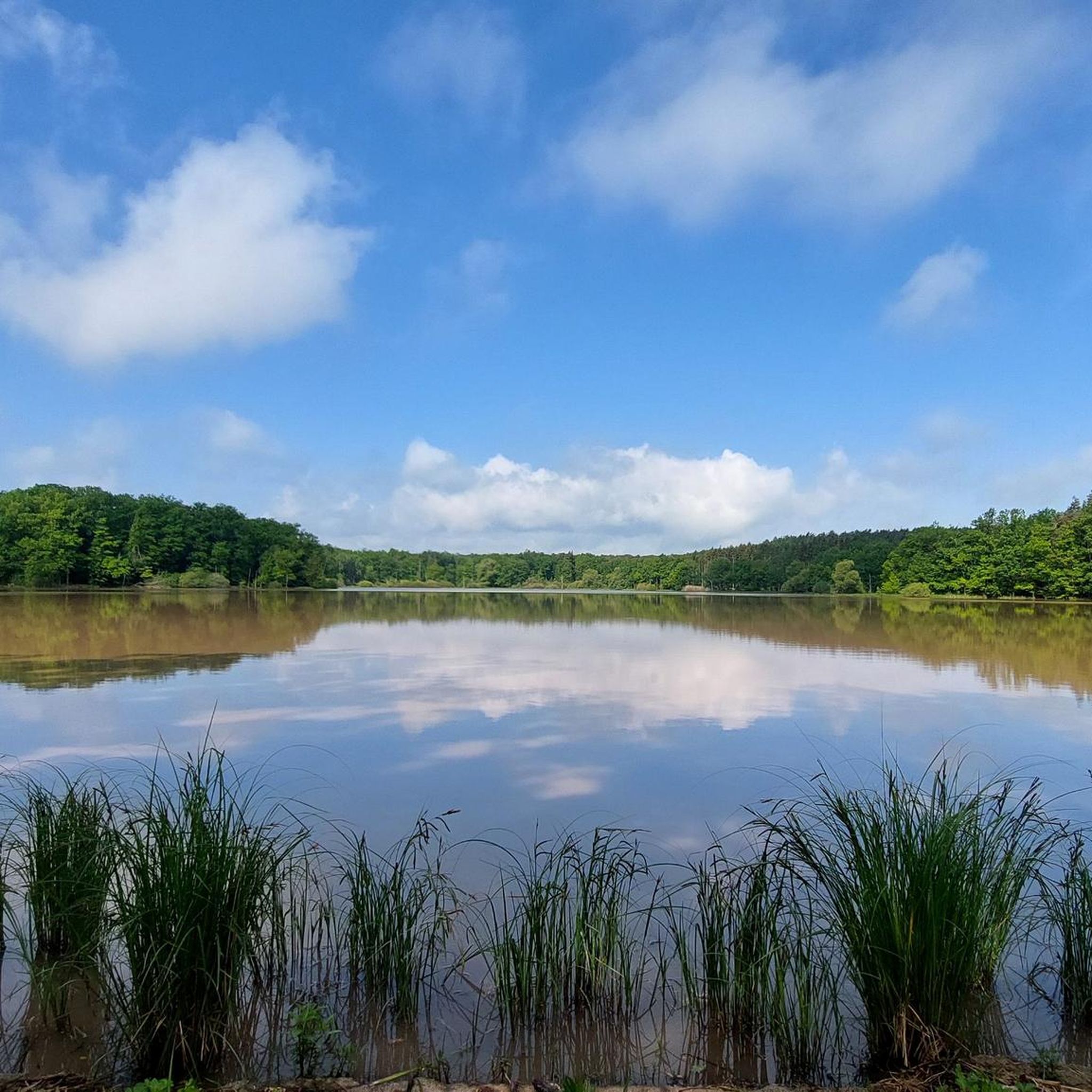
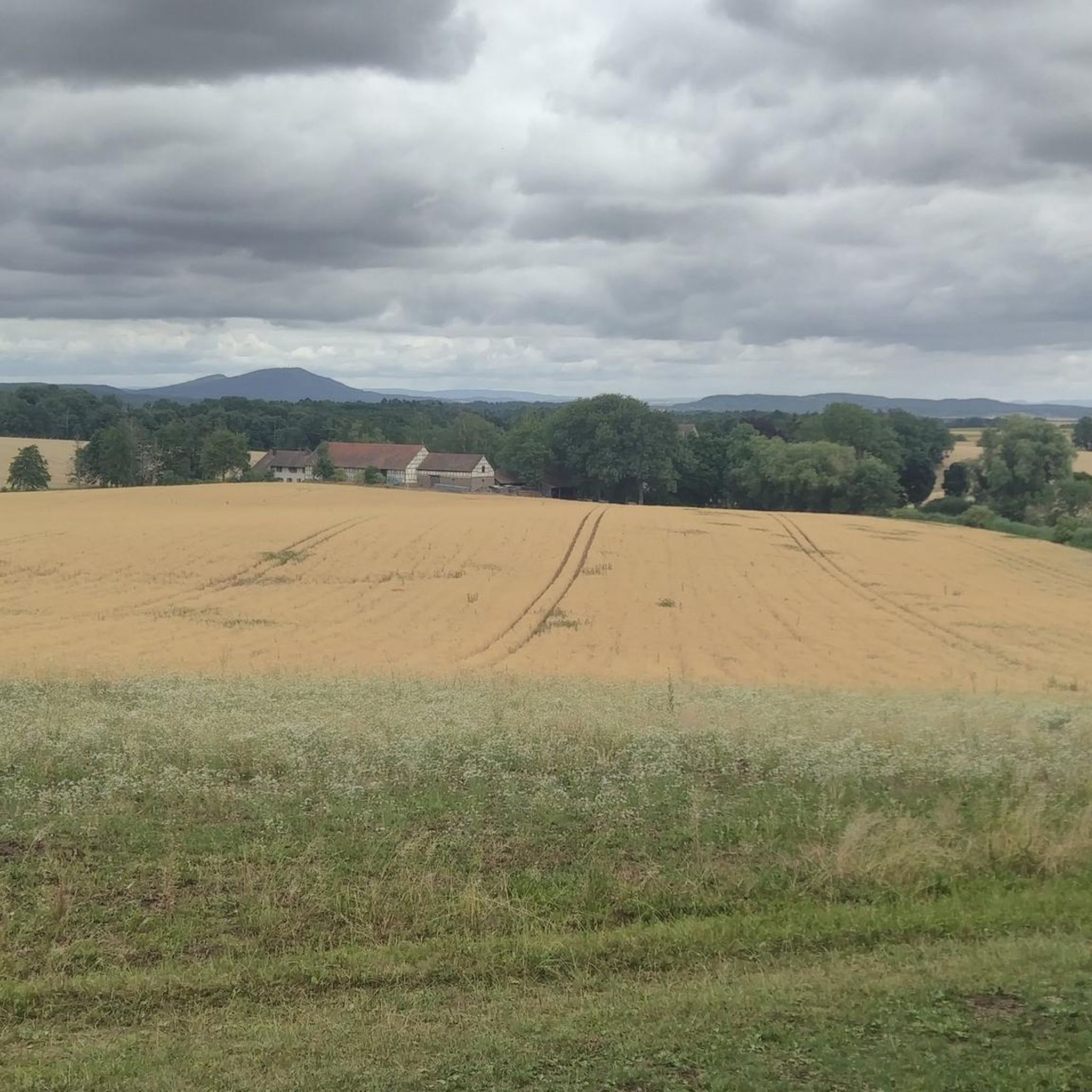
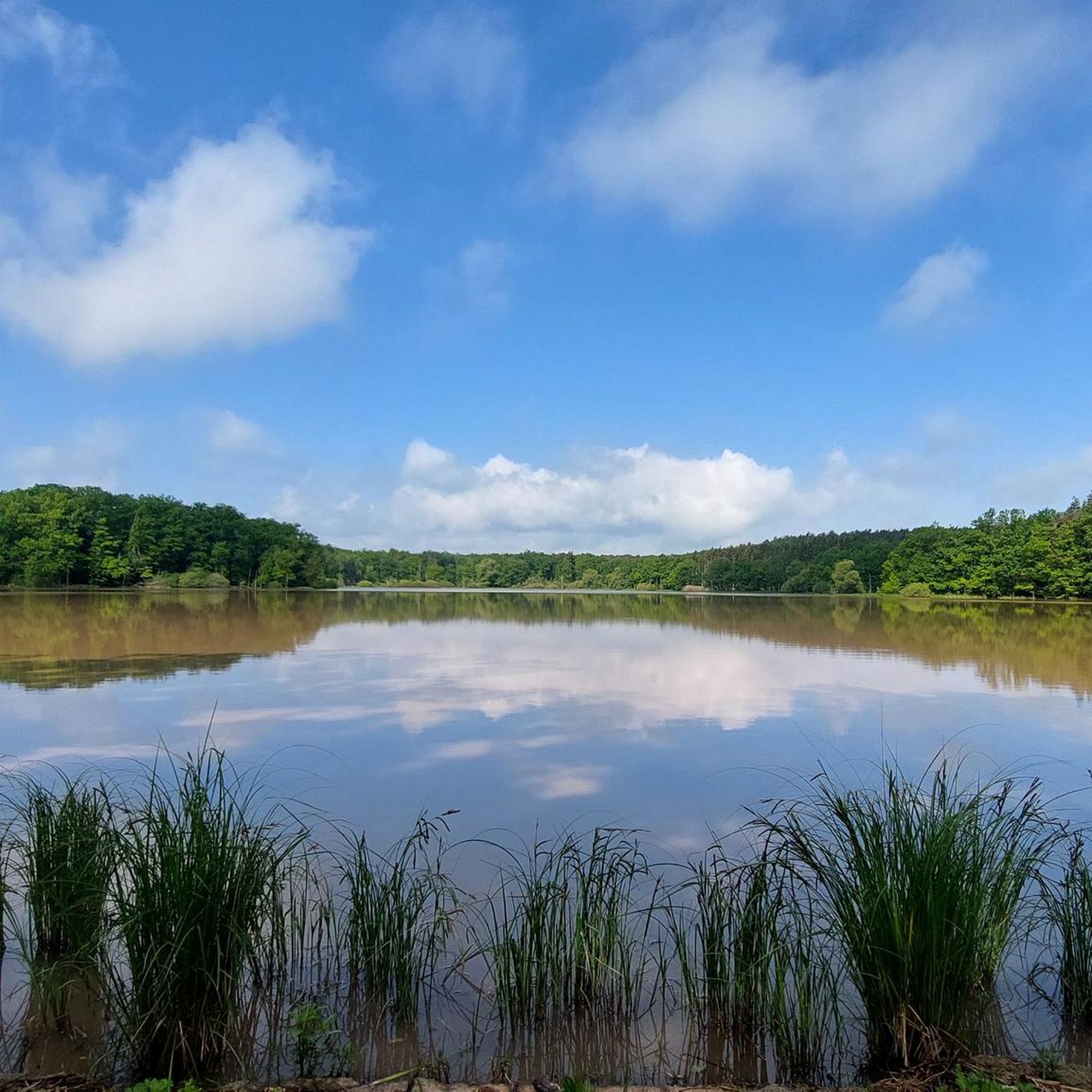
Tips from the Community

The first sandstone spring casing from the 1940s was redesigned in 1973 and acquired its current representative appearance in 1985. A bronze plaque by Erich Husemann from Trappstadt has commemorated the importance of the Franconian Saale since 1987. The spring stream flows southwest through Alsleben, where it joins the Fleusengraben, and joins the left source stream north of Bad Königshofen-Untereßfeld. Source: https://de.m.wikipedia.org/wiki/Fr%C3%A4nkische_Saale
15
1
The Franconian Saale originates in the Grabfeld near the Haßberge Mountains, east and southeast of Bad Königshofen, respectively, from two roughly equal, 3.9 km long source streams: Its right and northern source streams originate from the Saalbrunnen (not to be confused with the Saalbrunnen, also located in Franconia), approximately 1.7 kilometers east of Alsleben, a district of Trappstadt. The spring is located in an open field, less than 500 meters from the Thuringian border, just off the NES 45 district road, which leads to Gompertshausen. The young Franconian Saale rises there at 313 meters above sea level, below the Kapellenberg (390 meters above sea level). Source: https://de.m.wikipedia.org/wiki/Fr%C3%A4nkische_Saale
15
1
This beautifully designed seating area, created by wood sculptor Max Müller, is located on Burgstrasse, right next to the Victoria Rondell at the beginning of the footpath to the fortress, and is part of the children's play area. Beautifully designed and decorated with carvings, the space is not only an eye-catcher but also invites you to linger for a while.
12
0
In keeping with the artistically minded sovereign's philosophy, the theatrical element was not neglected in the design of this outdoor retreat. A small arbor was created on the Commandant's Building beneath a monumental scene depicting Saint George fighting his archenemy – the dragon. Since the 19th century, the Commandant's Building has been adorned with a monumental mural depicting Saint George with the dragon. It was commissioned by Duke George II, a likely coincidence in their names. Source: https://blog.thueringerschloesser.de/veranda-fuer-den-herzog/
12
0
The "Tiefkeller Veste Heldburg (Heidenbaukeller)" (DE 5730-305) FFH area was proposed as a FFH area by the Thuringian Ministry of the Environment in June 2004 and reported to the EU Commission via the Federal Ministry for the Environment. Its inclusion in the list of sites of Community importance in the Continental Biogeographical Region was confirmed by the EU Commission in November 2007 (Official Journal of the European Union - EC No. L 12/383 of November 13, 2007). Source: (Official Journal of the European Union - EC No. L 12/383 of November 13, 2007).
16
0
Heldburg Fortress was a high medieval hilltop castle that was rebuilt in the 16th century as a Renaissance-style palace. It rises 113 meters above the town of Heldburg in the Heldburg region, the southernmost tip of the Hildburghausen district in Thuringia, on a 405-meter-high volcanic cone belonging to the former Heldburger Gangschar volcanic region. Founded in the 12th or 13th century, it has been called the "Franconian Light" since the 14th century due to its prominent location, a counterpart to the "Franconian Crown," the nearby Coburg Fortress. Heldburg Fortress is the only Thuringian fortress listed as a sight on the Castle Road. The French-style building of the fortress houses the German Castle Museum, which opened in September 2016. Source: https://de.m.wikipedia.org/wiki/Veste_Heldburg
12
0
Heldburg Fortress acquired its appearance mainly in the 16th and 19th centuries. However, its history goes back much further, probably to the 12th century. The Renaissance architect Nikolaus Gromann had a decisive influence on the design of the complex. He is to be credited with having transformed the medieval castle into a representative ensemble - one with outstanding art-historical significance. He did not simply tear down what had been left behind, but cleverly integrated it into the new building project. The French building, built from 1560 onwards, is now the architectural highlight of the fortress. Source: https://www.thueringerschloesser.de/objekt/veste-heldburg/
17
0
He directed, designed costumes and stage sets, wrote treatises on director's theatre and helped the Meiningen court orchestra to new fame. George II of Saxe-Meiningen became famous as the "Theater Duke" and went down in history. Influenced by the castle romanticism of the 19th century, he realized his romantic ideas of a fairytale castle at Veste Heldburg. However, a major fire in 1982 destroyed much of the precious interior. Today, the German Castle Museum invites you to visit. Source: https://www.thueringerschloesser.de/objekt/veste-heldburg/
16
0
Frequently Asked Questions
What are some of the most popular natural monuments around Sulzdorf an der Lederhecke?
Visitors frequently enjoy the serene beauty of Reuthsee, one of Lower Franconia's largest natural lakes, perfect for walks. The historic Brennhausen Castle, a moated castle situated in a lake, is also a highly appreciated natural monument. Additionally, Heldburg Fortress offers stunning panoramic views from its tower, encompassing the Thuringian forest, Rhön, Haßberge, and Frankenwald.
Are there family-friendly natural monuments to visit in the area?
Yes, several natural monuments are suitable for families. Sulzfelder Lake is a fantastic spot for a family outing, offering a path around the lake and facilities. The Reuthsee also provides inviting walking paths through an extensive forest area, ideal for families to explore. The source of the Franconian Saale near Alsleben is another family-friendly natural monument with a rest area and information board.
What kind of natural features can I expect to see around Sulzdorf an der Lederhecke?
The region boasts diverse natural features. You can explore significant water bodies like the Reuthsee, one of Lower Franconia's largest natural lakes, and the Sulzfelder Lake. The area also features the source of the Franconian Saale, highlighting its hydrographic importance. Beyond water, you'll find ancient trees, such as the impressive 200-year-old oak (Stieleiche) near Sulzdorf an der Lederhecke, and extensive forest areas.
Are there historical or cultural sites integrated with the natural monuments?
Absolutely. The area combines natural beauty with rich history. Brennhausen Castle, a 13th-century moated castle, is a prominent example, showcasing Gothic architecture within a natural lake setting. Heldburg Fortress, another castle and natural monument, houses the German Castle Museum, offering insights into European castle history. Additionally, the forest north and south of the Reuthsee contains eight Celtic burial mounds, adding an ancient historical layer to the natural landscape.
What outdoor activities can I do near these natural monuments?
The natural monuments around Sulzdorf an der Lederhecke are excellent starting points for various outdoor activities. You can enjoy easy hikes, such as the 'Reuthsee loop from Sulzdorf an der Lederhecke' or the 'St. Ursula Chapel Alsleben – Bayernturm loop'. For more options, explore the hiking routes around Sulzdorf an der Lederhecke. There are also running trails available, like those found in the Running Trails around Sulzdorf an der Lederhecke guide.
Are there specific hiking trails that incorporate these natural monuments?
Yes, several hiking trails allow you to experience these natural monuments. For instance, the 'Reuthsee – Brennhausen Castle loop from Sulzdorf an der Lederhecke' is a moderate route that takes you past both the Reuthsee and Brennhausen Castle. You can find more detailed information and other routes in the Hiking around Sulzdorf an der Lederhecke guide.
What do visitors enjoy most about the natural monuments in this region?
Visitors particularly appreciate the serene beauty and peaceful atmosphere of the natural monuments. The opportunity for relaxation and enjoying the natural landscape, especially around the Reuthsee, is highly valued. The impressive views from places like Heldburg Fortress and the unique charm of the moated Brennhausen Castle also receive high praise.
Is there parking available near the natural monuments?
Yes, for natural monuments like the Reuthsee, there are parking spaces conveniently located right by the lake, making it easy to start your exploration or hike from there.
Can I find places to eat or drink near the natural monuments?
Yes, some natural monuments offer amenities. For example, Sulzfelder Lake has options for cafes, pubs, and restaurants nearby, making it a great spot to stop for refreshments. Heldburg Fortress also features a restaurant.
What is the significance of the Salzloch near Obereßfeld?
The Salzloch near Obereßfeld, which is part of the Sulzdorf an der Lederhecke municipality, is notable as one of the two source rivers of the Fränkische Saale. This highlights its importance in the region's hydrography and its contribution to the larger river system.
Are there any ancient trees considered natural monuments in the area?
Yes, an impressive 200-year-old oak tree (Stieleiche) near Sulzdorf an der Lederhecke stands idyllically by a pond. A narrow path leads to this significant piece of local nature from the road to Sternberg, offering a peaceful walk.
What is the best time of year to visit the natural monuments around Sulzdorf an der Lederhecke?
The natural monuments are beautiful year-round, but spring and autumn offer particularly pleasant conditions for hiking and exploring, with mild temperatures and vibrant foliage. Summer is ideal for enjoying water bodies like Sulzfelder Lake for a cool down. Even in winter, the serene landscapes can be quite picturesque.
Most popular routes around Sulzdorf an der Lederhecke
Most popular attractions around Sulzdorf an der Lederhecke

Get inspired with the komoot mobile app


Explore more
Extend your search for the best caves by checking out these guides of the top ones around Sulzdorf an der Lederhecke:
