Attractions and Places To See around Campo (Vallemaggia) - Top 20
Best attractions and places to see around Campo (Vallemaggia) include a range of natural and cultural sites in the Rovana Valley, a side valley of Vallemaggia in the Ticino canton of Switzerland. The region is known for its preserved authenticity, traditional stone houses, and vibrant culture, recognized as part of the "Mountaineering Villages" initiative. Visitors can explore the Maggia River, numerous waterfalls, and mountain lakes, alongside historic villages and unique geological formations. The area offers diverse landscapes for outdoor activities and cultural experiences.
Best attractions and places to see around Campo (Vallemaggia)
- The most popular attractions is Giant's Kettles of the Toce, a natural_monument that is a geological formation on the Toce river in the Orridi di Uriezzo area. This site offers an easy and panoramic excursion featuring turquoise blue mountain water in a white stone bed.
- Another must-see spot is Uriezzo South Gorge, an impressive gorge between the rocks. Visitors can walk through its full length, experiencing narrow passages and dizzying walls, with metal ladders making the climb easier.
- Visitors also love Giumaglio Bridge, a river suspension bridge over the Maggia. This bridge has 2 sections, with a total length of 248 meters.
- Campo (Vallemaggia) is known for its natural monuments, gorges, and historic bridges. The region offers a variety of attractions to see and explore, from geological formations to traditional village settings.
- The attractions around Campo (Vallemaggia) are appreciated by the komoot community, with more than 260 upvotes and 200 photos shared.
Last updated: September 26, 2026
Giant's Kettles of the Toce
Highlight • Natural Monument
Translated by Google •
Tip by

Uriezzo South Gorge
Highlight • Gorge
Translated by Google •
Tip by

Sign up now to discover places like this
Get recommendations on the best single tracks, peaks, & plenty of other exciting outdoor places.
Giumaglio Bridge
Highlight • Bridge
Translated by Google •
Tip by

Foroglio village and waterfall
Highlight • Settlement
In Foroglio there is a little tourist infrastructure because of the picturesque scenery in front of the waterfall. And the restaurant La Froda really needs no advertising, too nice sitting on the terrace, not to mention the food ... lafroda.ch/de
Translated by Google •
Tip by

Bridge at Puntid
Highlight • Bridge
Translated by Google •
Tip by

Sign up for free to discover even more attractions around Campo (Vallemaggia).
Already have an account?
Start today with a free account
Your next adventure awaits.
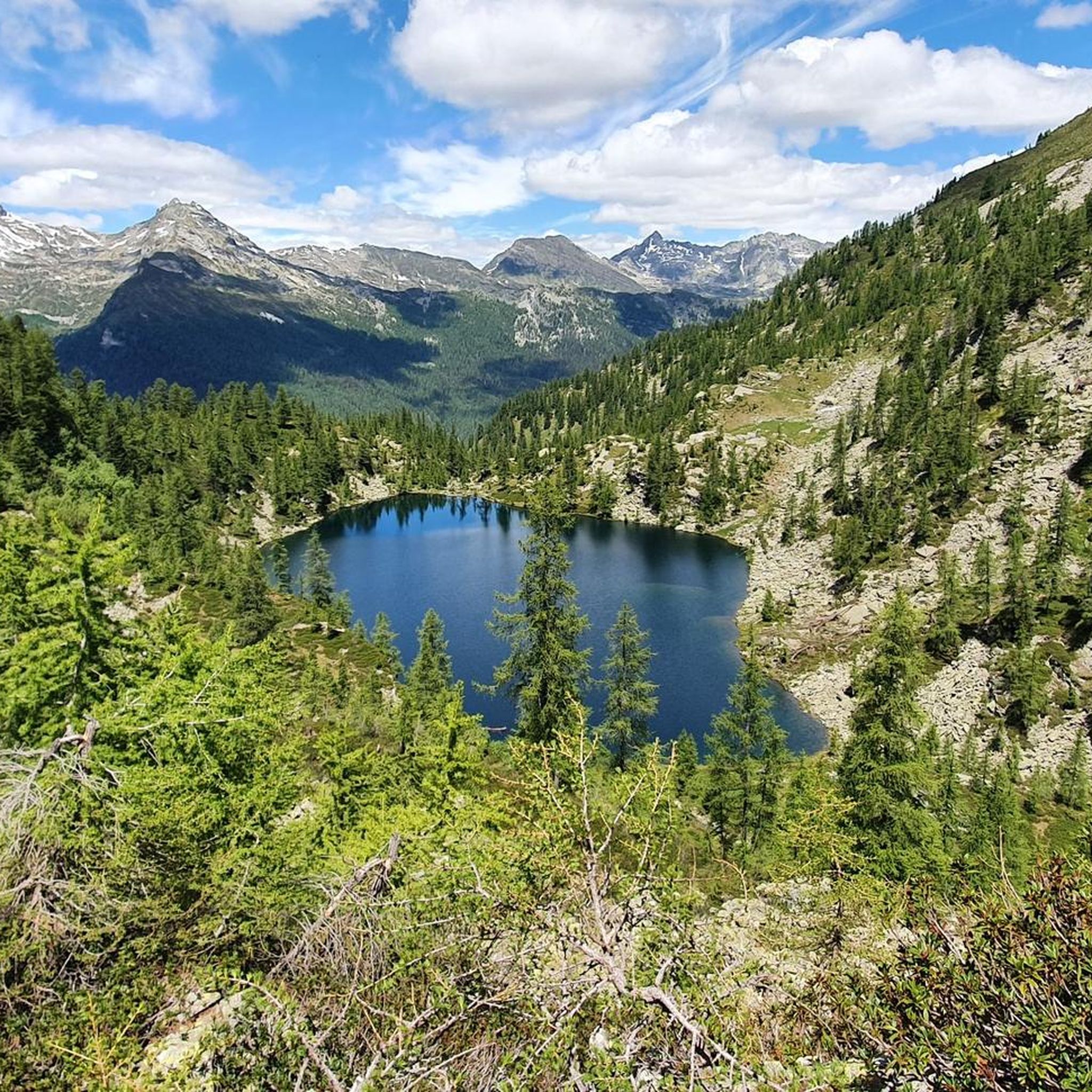
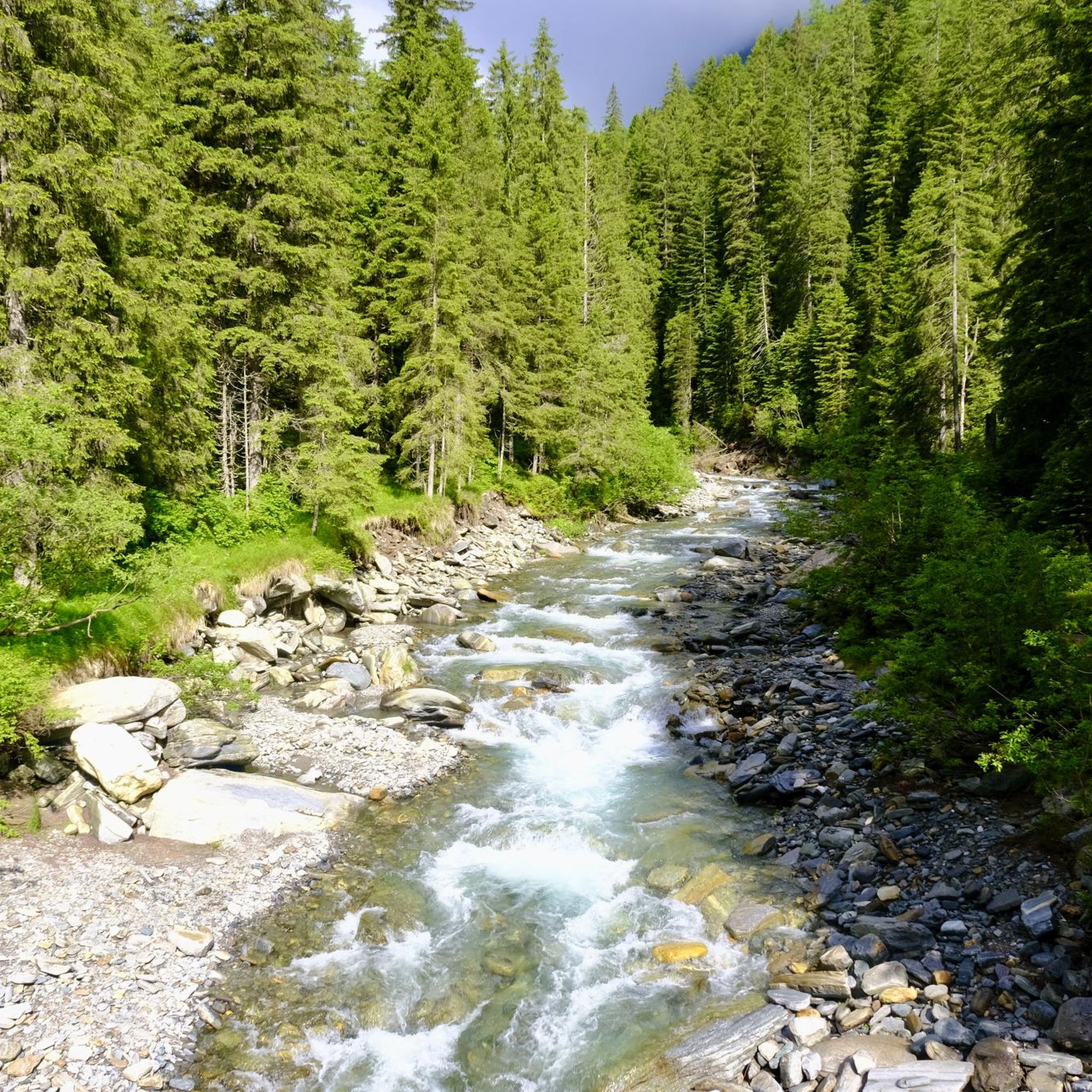
Other adventures around Campo (Vallemaggia)

Tips from the Community

An epic place…after a long steep climb over hundreds of stone steps…
0
0

This is, or rather, where paradise begins; incredibly beautiful. Be sure to continue further upstream to Splüia Bèla.
1
1

There is a feeling of abrupt detachment when we enter what seems to be the mysterious door to the very heart of the mountain: almost suddenly we pass from a gentle, sunny and verdant landscape to a space of shadow where rare rays of sun struggle to penetrate, grazing the walls like blades of light, we pass from the heat to the cool-humid where only mosses and lichens manage to thrive and develop. We walk easily on the flat and dry bottom, created by the deposits of the streams, large irregularly rounded cavities alternate with narrow passages and above our heads dizzying walls seem at times to almost join together leaving only narrow openings towards the sky. Some metal ladders make the climb easier.
2
0
In Maiesso (535 m) you can admire, along the course of the Toce river, the so-called 'giants' potholes': the rocky banks hit by the swirling subglacial current, have been sculpted as if they were soft clay, giving rise to semicircular, sinuous, smooth and enveloping shapes, splendid inlets where the current relaxes and the torrent widens into sparkling pools of water that invite you to take a dive and a 'vivifying' immersion. Here you can also observe the "zero unit", the oldest formation in our Alps that emerges only here in the Antigorio valley.
1
0

The suspension bridge is NOT suitable for dogs!!!!! NO!!! Otherwise it's great and a lot of fun!
0
0

Ponte di Giumaglio. Nice swimming spots.
0
0

You have to see what power water has.
1
0
Frequently Asked Questions
What natural features can I explore around Campo (Vallemaggia)?
The region boasts stunning natural beauty. You can discover the winding Maggia River, numerous cascading waterfalls like the spectacular Foroglio Waterfall, and crystal-clear mountain lakes. Don't miss the unique geological formations such as the Giant's Kettles of the Toce and the impressive Uriezzo South Gorge, which you can walk through.
Are there any historical or cultural sites to visit in the area?
Absolutely. Campo (Vallemaggia) and the surrounding region are rich in history and culture. You'll find traditional stone houses known as 'rustici' in villages like Foroglio and Cimalmotto, and the historic Palazzi Pedrazzini in Campo Vallemaggia. The Monumental Church of Saint Gaudenzio in Baceno is also a significant historical site. For a unique cultural experience, visit Bosco Gurin, the only German-speaking Walser village in Ticino, which also has a Walsermuseum.
What kind of hiking opportunities are available around Campo (Vallemaggia)?
Campo (Vallemaggia) is a hiker's paradise, offering over 700 km of trails. You can find numerous paths leading to scenic mountain lakes, peaks, and alpine meadows. The Valle di Campo itself is highlighted as an excellent area for hiking in summer. For specific routes, explore the running and hiking trails around Campo (Vallemaggia).
Are there family-friendly attractions or activities?
Yes, several attractions are suitable for families. The Giant's Kettles of the Toce offer an easy and panoramic excursion. The Uriezzo South Gorge, while impressive, has metal ladders to aid in exploration, making it an adventurous option for older children. Many of the easier hiking trails are also great for families.
Can I go cycling in the area?
Yes, the Vallemaggia region offers various cycling opportunities. You can cycle through picturesque villages and enjoy the diverse natural landscapes. For detailed routes, check out the cycling routes around Campo (Vallemaggia), which include options for touring bicycles, and road cycling routes.
What are some unique villages to visit near Campo (Vallemaggia)?
Beyond Campo (Vallemaggia) itself, you should visit Foroglio, known for its picturesque setting in front of a waterfall and traditional stone houses. The Val Bavona, with its 12 hamlets, offers a journey back in time. Bosco Gurin is also a must-see as the highest inhabited village in Ticino and a unique Walser cultural site.
Where can I experience traditional local cuisine?
The region is known for its traditional 'grotti,' which are local eateries often found in historic settings. These grotti offer a chance to enjoy authentic local dishes. In charming towns like Cevio, you can follow historic stone paths that once led to these traditional grotti.
What do visitors particularly enjoy about the attractions here?
Visitors frequently praise the dramatic landscapes and unique geological formations, such as the turquoise blue mountain water in the white stone bed of the Giant's Kettles of the Toce. The impressive gorges, like the Uriezzo South Gorge, are also highly appreciated for their unique atmosphere. The Giumaglio Bridge is noted for its impressive length and slightly shaky, adventurous crossing.
Is the area suitable for winter activities?
Yes, while known for summer hiking, the Valle di Campo is also a popular destination for snowshoeing and ski touring during the winter months, offering a different perspective of its beautiful landscapes.
Are there any dog-friendly trails or areas?
Many of the natural trails and hiking paths in the Vallemaggia region are dog-friendly, allowing you to explore the stunning scenery with your canine companion. It's always advisable to keep dogs on a leash, especially in protected areas or near livestock.
What is the best time of year to visit Campo (Vallemaggia) for outdoor activities?
The best time to visit for outdoor activities like hiking and cycling is typically from spring to autumn. During these seasons, the weather is pleasant, and the trails are accessible. Summer offers lush landscapes and opportunities for swimming in the Maggia River, while autumn provides beautiful foliage. Winter is ideal for snowshoeing and ski touring.
Are there any impressive bridges to see?
Yes, the region features several notable bridges. One of the most impressive is the Giumaglio Bridge, a river suspension bridge over the Maggia. It has two sections, with a total length of 248 meters, offering a unique and memorable crossing.
Most popular routes around Campo (Vallemaggia)
Most popular attractions around Campo (Vallemaggia)

Get inspired with the komoot mobile app


Explore more
Still not found the Highlight you’re looking for? See guides of the top attractions in other regions:
