Top 20 Natural Monuments around Gödenstorf
Natural monuments around Gödenstorf provide access to the Lüneburg Heath Nature Park, a region southwest of Hamburg. This area features diverse landscapes including rolling hills, forests, and rivers. Gödenstorf serves as a starting point for exploring these natural attractions and popular hiking trails. The region is characterized by its heathland and cultural sites, offering a variety of natural features and viewpoints.
Best natural monuments around Gödenstorf
- The most popular natural monument is Wilseder Berg, a viewpoint and summit that…
Last updated: November 21, 2026
Wilseder Berg
Highlight • Viewpoint
Translated by Google •
Tip by

Totengrund in the Lüneburger Heide
Highlight • Viewpoint
Translated by Google •
Tip by

Sign up now to discover places like this
Get recommendations on the best single tracks, peaks, & plenty of other exciting outdoor places.
View of Totengrund
Highlight • Viewpoint
Translated by Google •
Tip by

View of the Lüneburg Heath
Highlight • Viewpoint
Translated by Google •
Tip by
Heathland Panorama in Lüneburger Heide Nature Park
Highlight • Viewpoint
Translated by Google •
Tip by

Sign up for free to discover even more natural monuments around Gödenstorf.
Already have an account?
Start today with a free account
Your next adventure awaits.
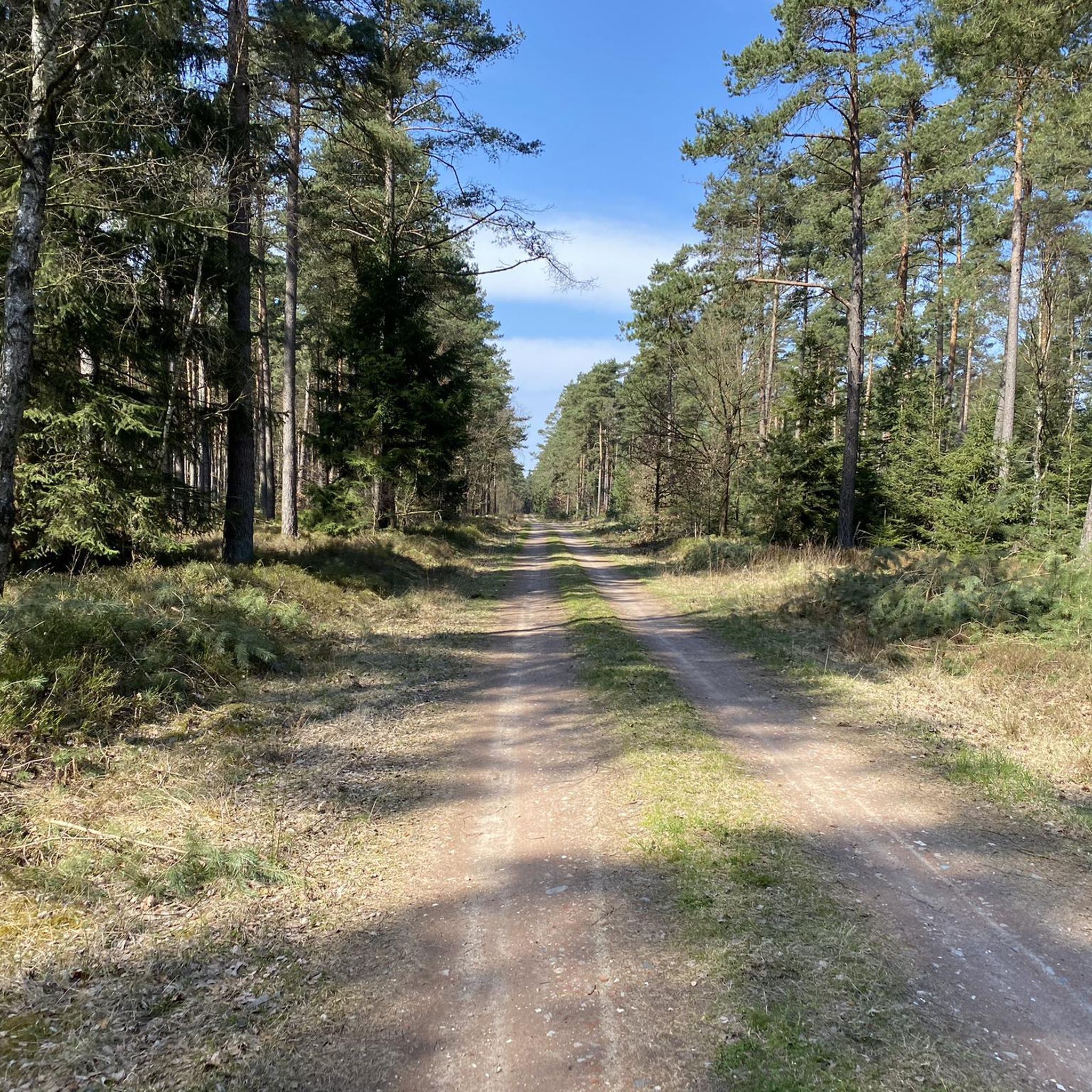
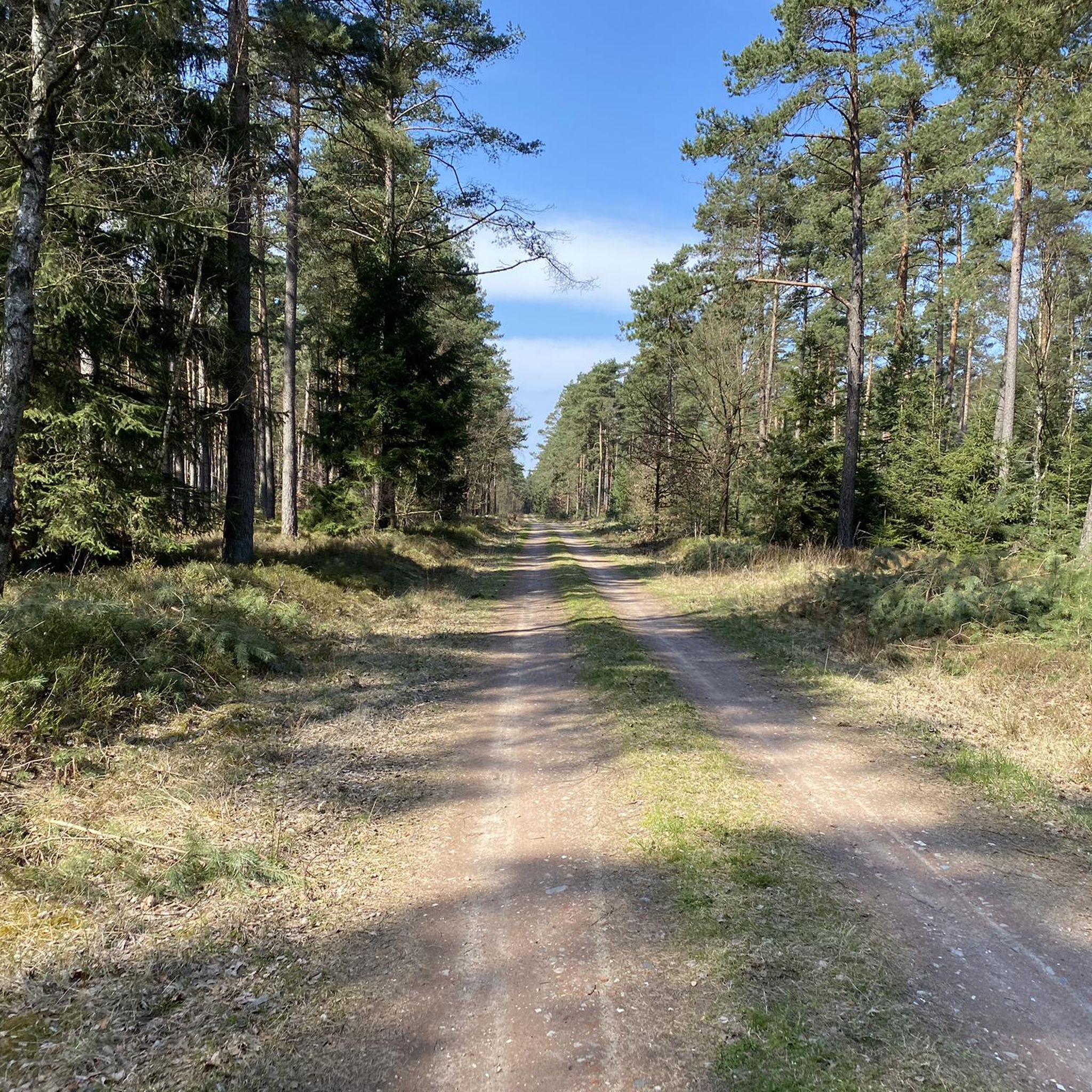
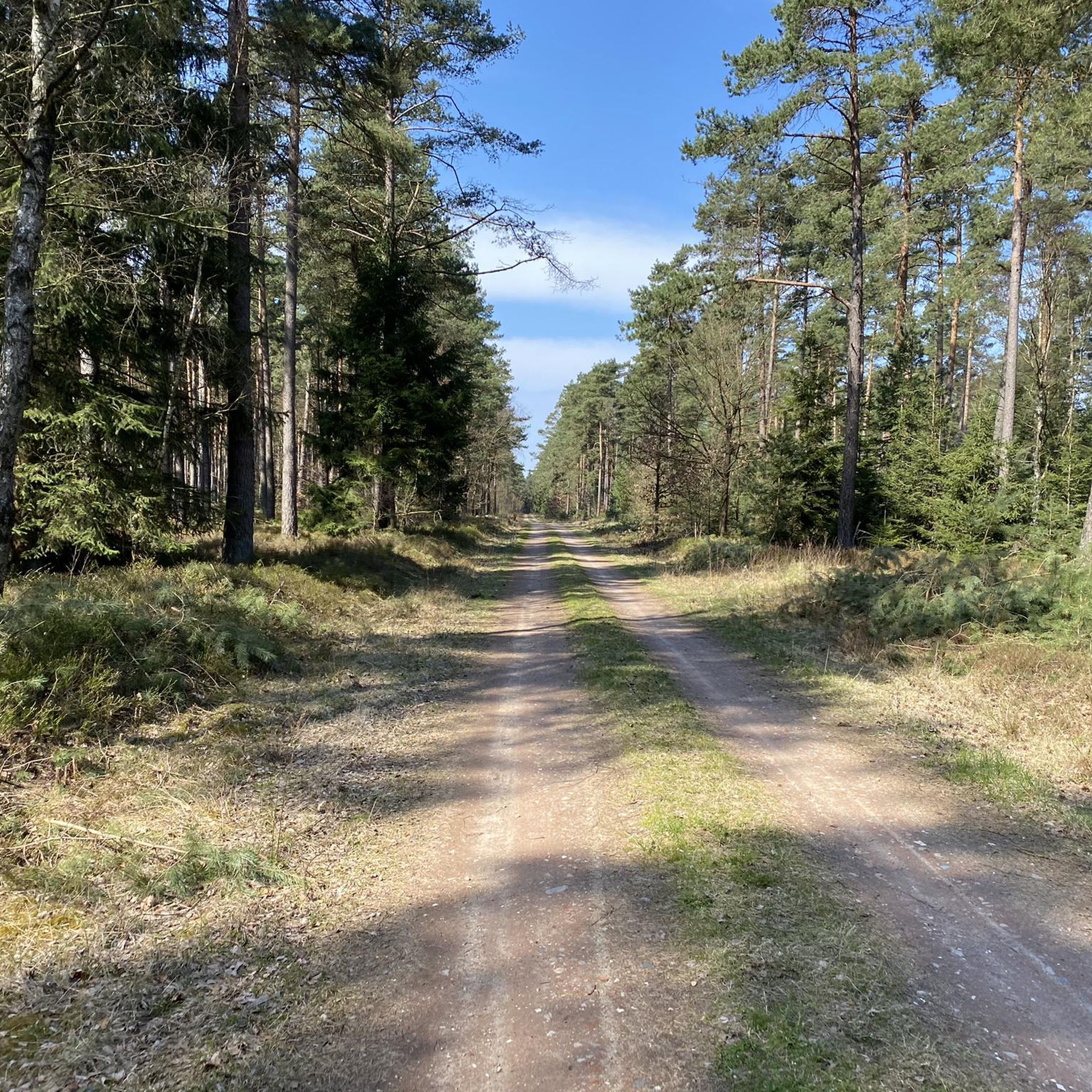
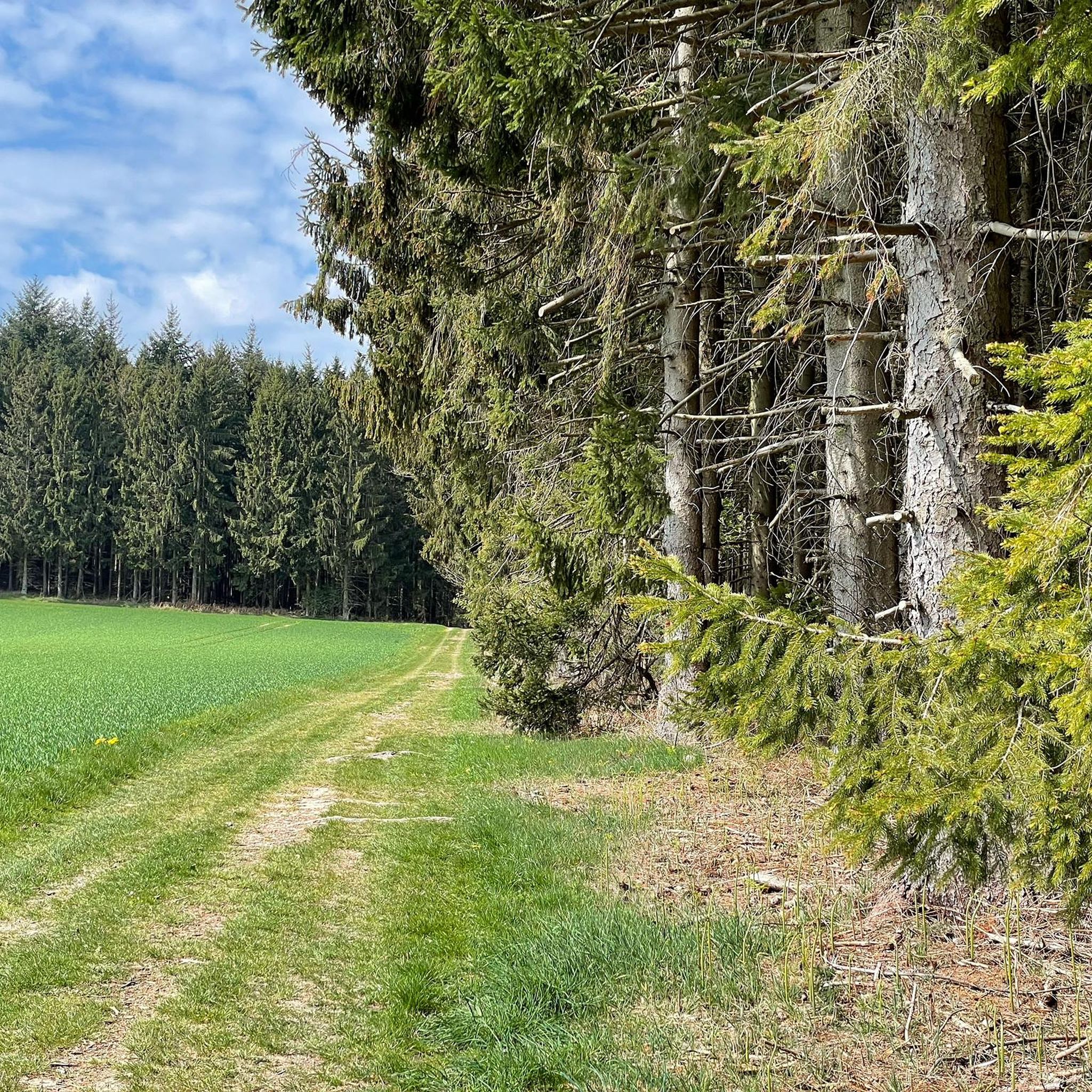
Tips from the Community

During our visit, the heath wore a white dress. Absolutely beautiful.
0
0

Beautiful view over the gorgeous heath... Especially during the flowering season, a truly magnificent sight.
1
0

"Classic" heathland near the parking lot
0
0

The "Legendary Hünenweg" also runs along this path. All information about the circular trail can be found at the following link: https://www.lueneburger-heide.de/natur/touren/14004/oldendorf-luhe-wanderweg-sagenhafter-huenenweg-rundweg-13-km.html (as of September 4, 2025).
1
1

Worth a visit even in winter!
2
2

The heather is worth visiting now from October to the end of September as it is now in its flowering season
0
0

"The" heath doesn't really exist. Although the Lüneburg Heath has the largest contiguous heath areas in Europe, these are more of individual, large areas that are spread over the entire width of the Lüneburg Heath. An exception is the large Lüneburg Heath nature reserve with its huge heath areas. Due to the different locations, sometimes on a slope, sometimes on the south side, the heath areas bloom at different times, and the beginning is almost never the same. This ensures that you can find blooming heather as early as the end of July and the last blossoms can sometimes still be seen in October. The heath areas are all named, e.g. Kronsbergheide. They are all part of the Lüneburg Heath and thus make orientation easier. The heather plant that is primarily found in the Lüneburg Heath and characterizes its landscape is the common heather - "Calluna vulgaris". It is also often referred to as heather. The bell heather (Erica tetralix) usually flowers a short time before the common heather and prefers swampy areas such as raised bogs. The rule of thumb for the heather blossom is 08.08. to 09.09., but of course that always depends on the overall weather conditions. In the last two years, the heather blossoms have already started in the last days of July. The large sea of flowers arises from about the 3rd-4th week, so around the middle/end of August. The heather needs rain and sun at certain times to sprout well. The first forecasts about the heather blossom can be made in June.
1
2

Here you can really let your gaze wander over the heathland.
4
2
Frequently Asked Questions
What are some of the most popular natural monuments to visit around Gödenstorf?
The region around Gödenstorf, serving as a gateway to the Lüneburg Heath Nature Park, offers several highly-rated natural monuments. Among the most popular are Wilseder Berg, the highest point in the Lüneburg Heath with expansive views, and the View of the Totengrund, known for its unique heathland valley vistas, especially beautiful during the heather bloom.
When is the best time to visit the natural monuments near Gödenstorf?
The Lüneburg Heath, including the natural monuments around Gödenstorf, is particularly stunning in late summer, typically from August to early September, when the heather is in full bloom, painting the landscape in vibrant purple. However, the area offers unique charm in every season, with quiet beauty in autumn and winter, and fresh greenery in spring.
Are there family-friendly natural monuments or activities in the Gödenstorf area?
Yes, many natural monuments around Gödenstorf are suitable for families. Both Wilseder Berg and the View of the Totengrund are considered family-friendly, offering accessible paths and rewarding views. The car-free Wilsede Village within the Lüneburg Heath Nature Park also provides a unique, immersive experience for all ages, reachable by foot, bike, or horse-drawn carriage.
What kind of natural features can I expect to see in the Lüneburg Heath Nature Park near Gödenstorf?
The Lüneburg Heath Nature Park is characterized by diverse landscapes, including rolling hills, forests, and rivers. You'll encounter vast heathlands, particularly striking during the bloom, and unique geological formations like the Totengrund, a dry valley. Viewpoints such as Heathland Panorama in Lüneburger Heide Nature Park offer wide vistas of these natural features.
What hiking opportunities are available near the natural monuments around Gödenstorf?
The region is a hiker's paradise. The famous Heidschnuckenweg long-distance hiking trail passes through Wilseder Berg. For easier walks, you can find several routes in the area, such as those listed in the Easy hikes around Gödenstorf guide, including the 'Allerberg – Bench at the stone loop from Gödenstorf' which is 6.7 km long.
Are there cycling or mountain biking trails near the natural monuments?
Yes, the area offers excellent cycling and mountain biking opportunities. From the View of the Totengrund, several trails like the Totentrail, Holzbergtrail, and Steingrundtrail lead down, popular with mountain bikers. You can explore more options in the Gravel biking around Gödenstorf guide, which includes routes like the 'View from Wilseder Berg – View of the Totengrund loop from Egestorf'.
What do visitors particularly enjoy about the natural monuments in this region?
Visitors frequently praise the expansive, unique views, especially from Wilseder Berg and the View of the Totengrund. The tranquility and the feeling of being immersed in nature, particularly when the heather blooms, are also highly appreciated. Many find the paths suitable for relaxation and breathing in the fresh air, making it a perfect escape.
Is it possible to reach the natural monuments by public transport?
While specific public transport details to every monument might vary, Wilsede Village, a central point within the Lüneburg Heath Nature Park and close to key monuments like Wilseder Berg, is car-free. Visitors typically reach it by foot, bike, or horse-drawn carriage from nearby parking areas or trailheads, suggesting that direct public transport to the monuments themselves might be limited.
Are there any running trails near the natural monuments around Gödenstorf?
Yes, there are several running trails in the vicinity of Gödenstorf that allow you to experience the natural beauty of the region. For example, the Running Trails around Gödenstorf guide features routes like the 'Running loop from Gödenstorf-Oelstorf', which is 8.1 km long and offers a moderate difficulty level.
Are dogs allowed on the trails around the natural monuments?
Generally, dogs are welcome on trails in the Lüneburg Heath Nature Park. However, it's crucial to keep them on a leash, especially in heathland areas and during the breeding season of local wildlife, to protect the sensitive ecosystem and grazing sheep (Heidschnucken). Always check local signage for specific rules in protected areas.
What unique natural features define the Gödenstorf region?
The Gödenstorf region is primarily defined by its extensive heathlands, which are among the largest contiguous heath areas in Europe. These are complemented by rolling hills, ancient forests, and river valleys. The unique dry valley of the Totengrund and the elevated Wilseder Berg are prime examples of the distinct natural beauty found here.
Are there any cafes or restaurants near the natural monuments?
Wilsede Village, located within the Lüneburg Heath Nature Park and close to several natural monuments, offers traditional thatched-roof houses and typically has options for refreshments. While specific cafes directly at every monument might not exist, Wilsede serves as a central hub where visitors can find places to eat and drink after exploring the surrounding nature.
Most popular routes around Gödenstorf
Most popular attractions around Gödenstorf

Get inspired with the komoot mobile app


Explore more
Extend your search for the best caves by checking out these guides of the top ones around Gödenstorf:
