Top 20 Natural Monuments around Steyerberg
Best natural monuments around Steyerberg are situated within the Weser and Große Aue river valleys, offering diverse ecological and geological features. The region encompasses a variety of natural areas, from unique oak coppice forests to expansive heathlands and significant geological sites. These locations provide opportunities to observe distinct ecosystems and historical land use practices. Steyerberg's natural monuments showcase the interaction between natural processes and human influence over centuries.
Best natural monuments around Steyerberg
- The most popular natural monuments is Hermann…
Last updated: July 21, 2026
Schlüsselburg Weir and Hydroelectric Power Plant
Highlight • Monument
Translated by Google •
Tip by

Große Aue in Liebenau
Highlight • River
Translated by Google •
Tip by

Sign up now to discover places like this
Get recommendations on the best single tracks, peaks, & plenty of other exciting outdoor places.
Sign up for free
Franzosenstein on Knickberg
Highlight • Natural Monument
Translated by Google •
Tip by

Hermann Löns Hut on Tempelberg
Highlight • Mountain Hut
Translated by Google •
Tip by

Nienburg's Glacial Erratics
Highlight • Natural Monument
Translated by Google •
Tip by

Sign up for free to discover even more natural monuments around Steyerberg.
Sign up for free
Already have an account?
Start today with a free account
Your next adventure awaits.
Login or Signup
Popular around Steyerberg
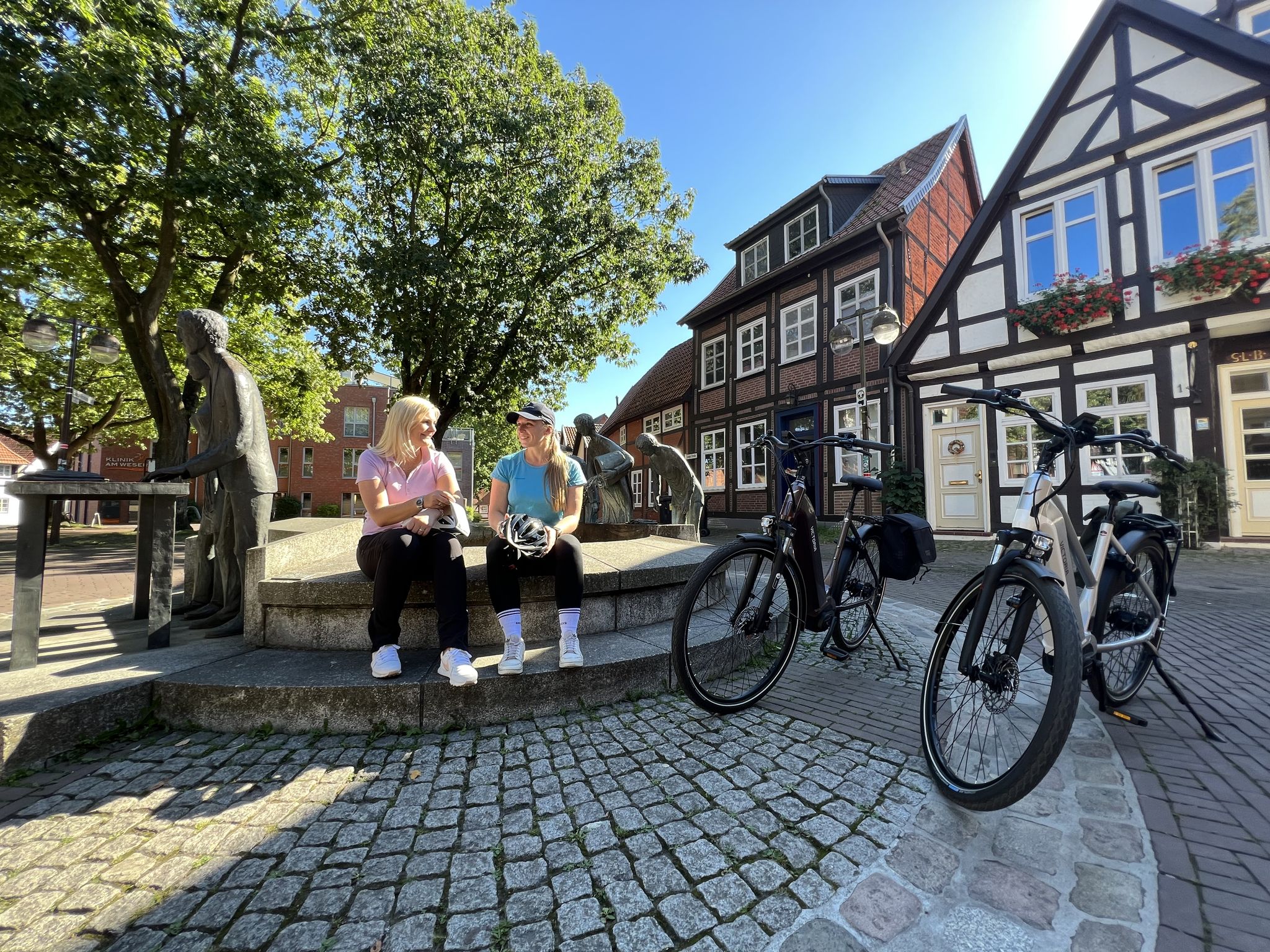
Abwechslungsreiche Raderlebnisse zu Kultur und Natur
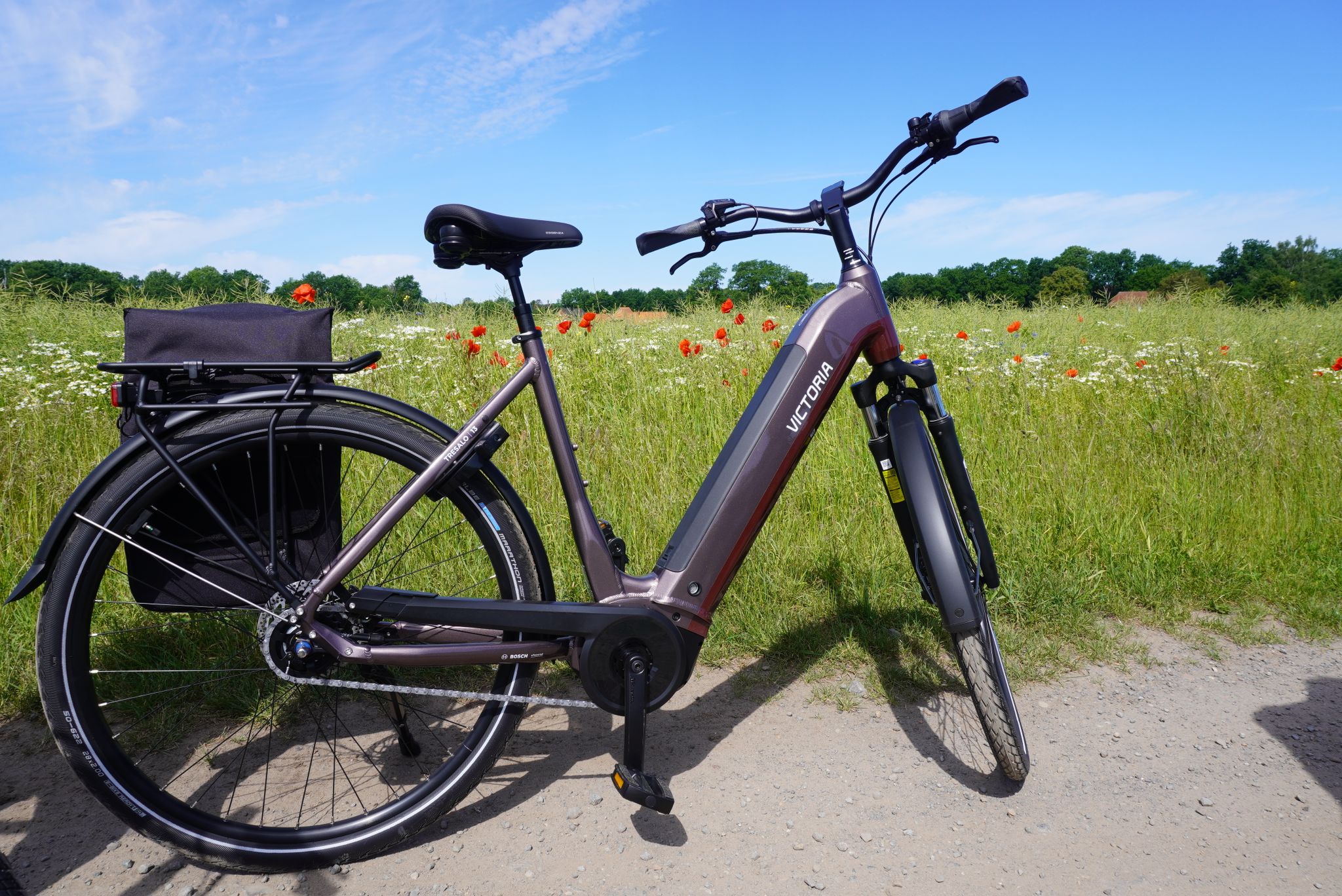
Naturerlebnisse mit dem Rad
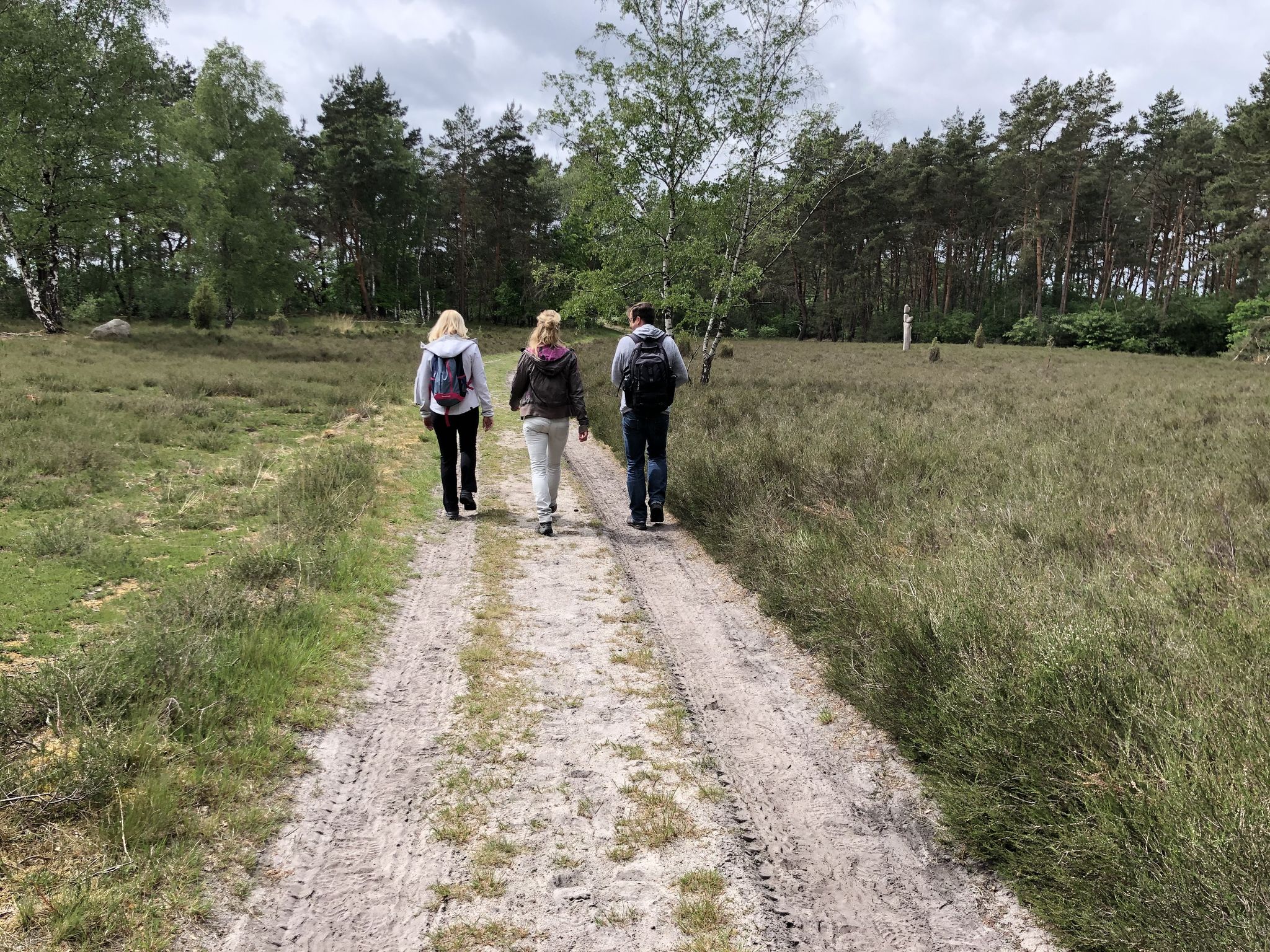
Entdecke die Vielseitigkeit der Mittelweser-Region
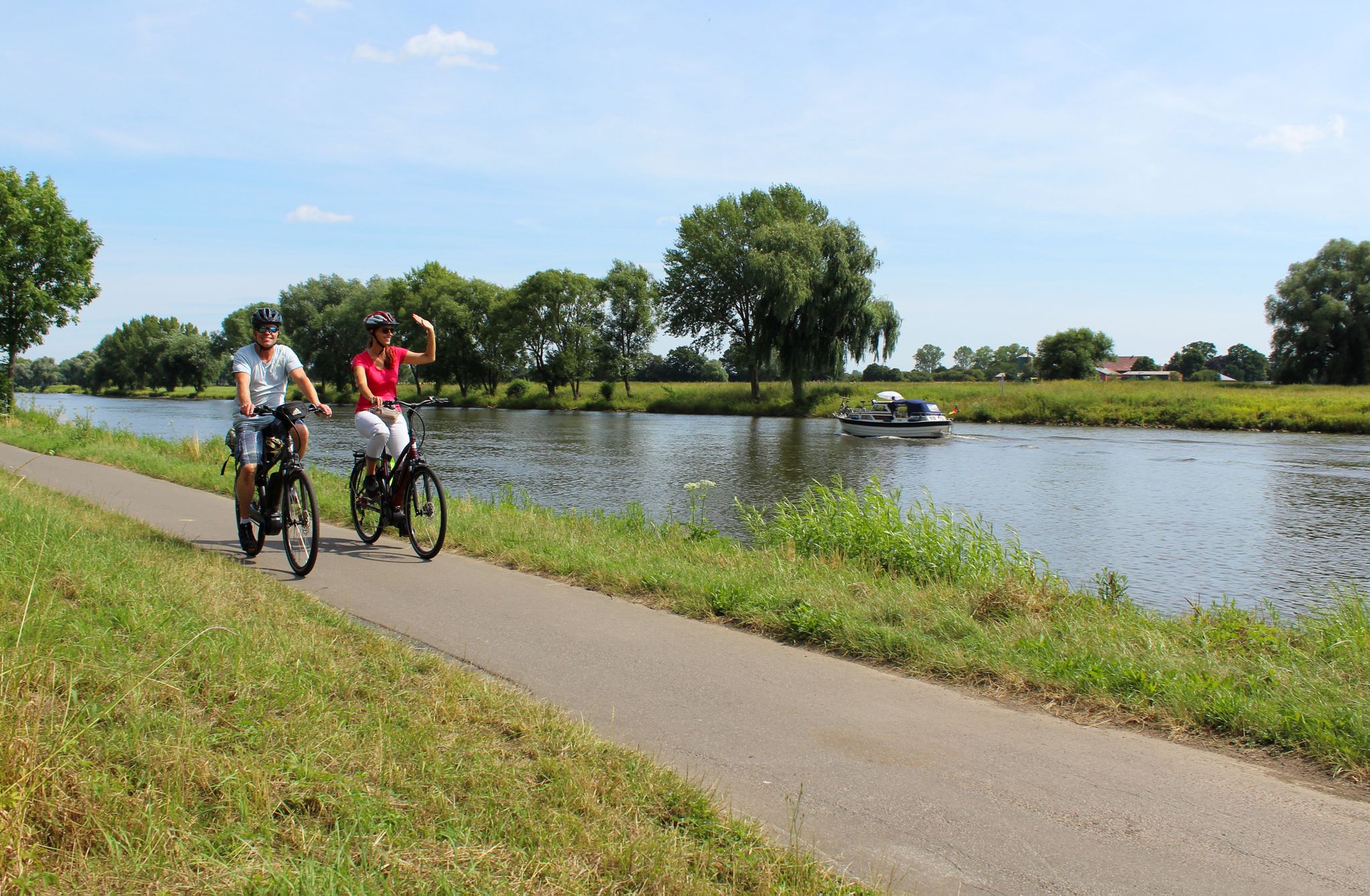
Radtouren in der Mittelweser-Region
Cycling around Steyerberg
Hiking around Steyerberg
Road Cycling Routes around Steyerberg
MTB Trails around Steyerberg
Running Trails around Steyerberg

Gravel biking around Steyerberg
Other adventures around Steyerberg

Tips from the Community

From the Tempelberg lookout point, you can enjoy a view over the Weser glacial valley and, in good weather, even as far as the Weser Uplands. There, you'll find the Lönshütte, a shelter where hikers can stop and enjoy a snack. At Tempelberg, you'll also meet Lüttjemann and Püttjerinchen. A story by Hermann Löns (1866-1914). The little gnome Lüttjemann goes on a journey and has several adventures. At the end of his journey, he meets Püttjerinchen, and they celebrate a gnome wedding.
2
0

A "highlight" of the Kirchdorfer-/Kuppendorfer Heide-Rund; you have to do it ;-).
1
0

Simple but cozy and clean open weather shelter with benches and tables. Various information about the hiking trail etc. is hanging on the walls. When we visited, there were two fire bowls with firewood in front of the hut. Next to the hut there is a simple organic toilet. The official inauguration of the “Lönshütte” took place on Saturday October 25th 2014: https://www.brokeloh.de/huette.html When the weather is nice, there is also a great view.
1
0

Little info from the internet: The Frenchman's Stone Today it is still called “Franzosenstein”, the one meter high sandstone column on the highest point in the community of Kirchdorf. This relic from the past always puzzles visitors. The following is recorded in the Kirchdorf community archive: Kirchdorf, which belonged to the Uchte district under Hessian administration, came under French rule in 1803. Under the direction of Colonel Epailly, survey officers erected a twelve meter high tower. At this point a first order triangle network (“Canevas die Triangles du Ier ordere executes par M. Epailly”). From here the following main points were recorded: the church towers of Twistringen and Asendorf, the signal towers on the Mordkulenberg west of the Dümmer in the Dammer Mountains (141 m above sea level), on the Hüttenberg in Grinderwald (101 m above sea level), a mountain near Loccum and the Knickberg (86 m above sea level). At the same time, French observers were able to monitor events in all directions. In 1813, after the French era, Kirchdorf fell back to Hesse and the twelve meter high tower was destroyed. In 1814, Prince Regent George of Hanover and England elevated his electorate to a kingdom, including the Hessian territories. In 1816, King George IV ordered the extension of triangulation to the entire Kingdom of Hanover. Under the direction of C. F. Gauß, the survey work also began on the Knickberg, for which he had a stone built with a pedestal and a slab on top, which fell victim to deliberate destruction. As a replacement, a one meter high sandstone pillar was erected with the carved inscription “Königl. Hann. Country. Surveying.”. This stone still stands on the Knickberg today, which is incorrectly referred to as the “Franzosenstein”. Perhaps arbitrarily by the Prussians who annexed Hanover in 1866 after the Battle of Langensalza. In 1886/87, as part of the Prussian survey, Prussian surveying officers built a wooden tower on a stone foundation at this point, which was then called the French Tower. After about 25 years, this too disappeared. In 1919 the decree came that no more towers should be erected. Today's visitor is no longer able to look out from all sides of the Knickberg. He is in the middle of the forest, where a bench invites him to rest. Not far from the supposed “French stone” there has been an embedded square stone with a cross for years, the so-called “trigonometric point”, which serves as a survey point for our land registry office for the height of the Knickberg (86 m above sea level).
1
0

The place on the “Große Aue” has been the location of the mill since 1298. At this time the mill served purely as a grain mill for grinding grain. In 1859 a sawmill was added to the grain mill, and the floodplain now powered four mill wheels. A comprehensive renovation took place in 1913, during which the water wheels were replaced by a turbine. After mill operations stopped in the 1970s, the turbine continues to run and generate electricity today.
3
0
The core nature reserve "Schustufe Schlüsselburg" is formed by the dammed 5.5 km long "upper water" of the Weser loop near Schlüsselburg, including the narrow bank meadows between the Weser dykes. The foreland between the dike and the Weser stands out due to its great biodiversity and structural diversity. Nestled in meadows that are managed under nature conservation principles, there are several small bodies of water with meadow meadow forests, well-developed reed areas and herbaceous meadows. Field hedges, groups of trees, small bodies of water and uncultivated fringe strips on the Weser also contribute to the habitat diversity. In addition to a rich birdlife, there is also an interesting insect fauna here. Apart from the numerous species of water birds that frequent the Weser, there are also many songbirds here. Source: https://www.schluesselburg-weser.de/natur-und-umwelt
5
0
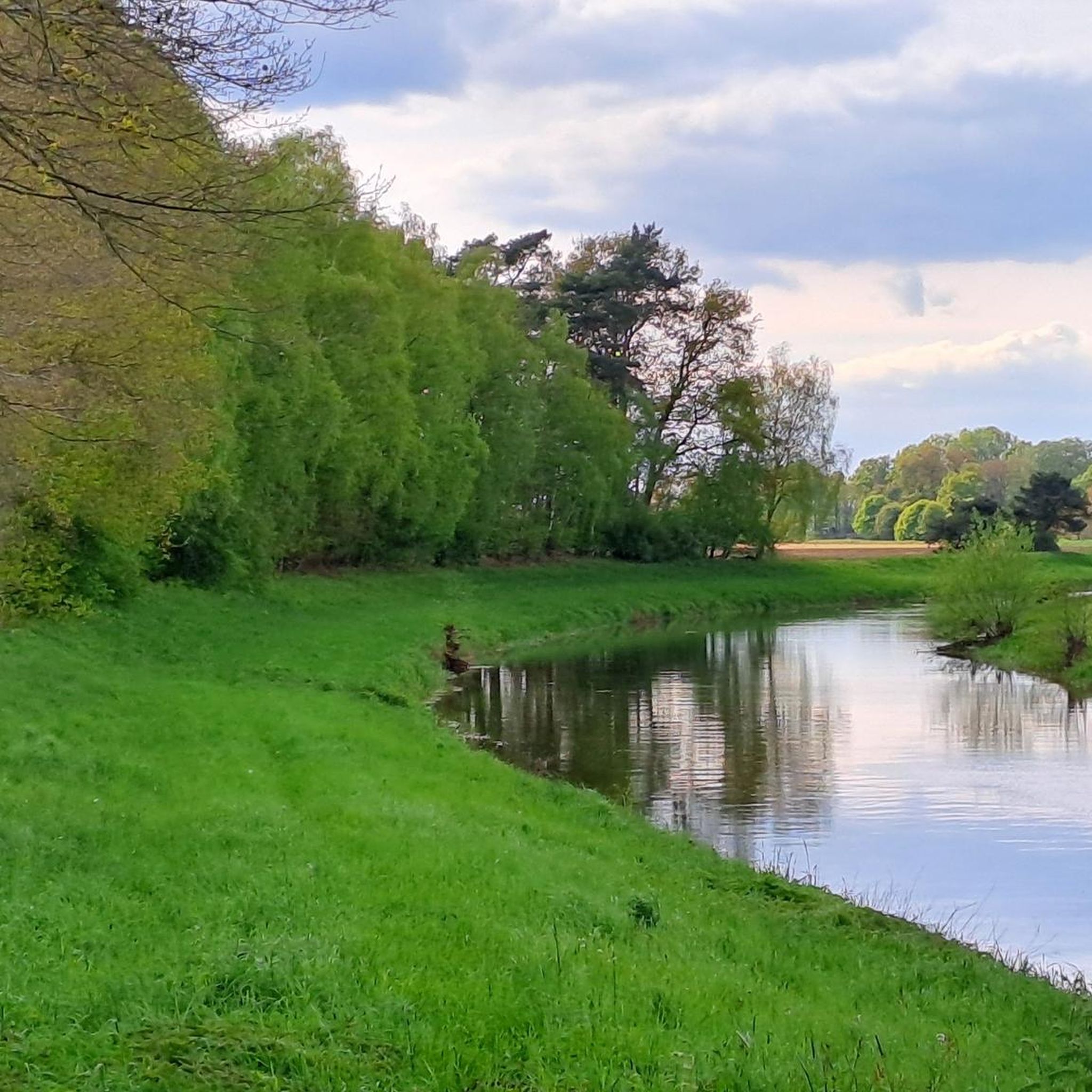
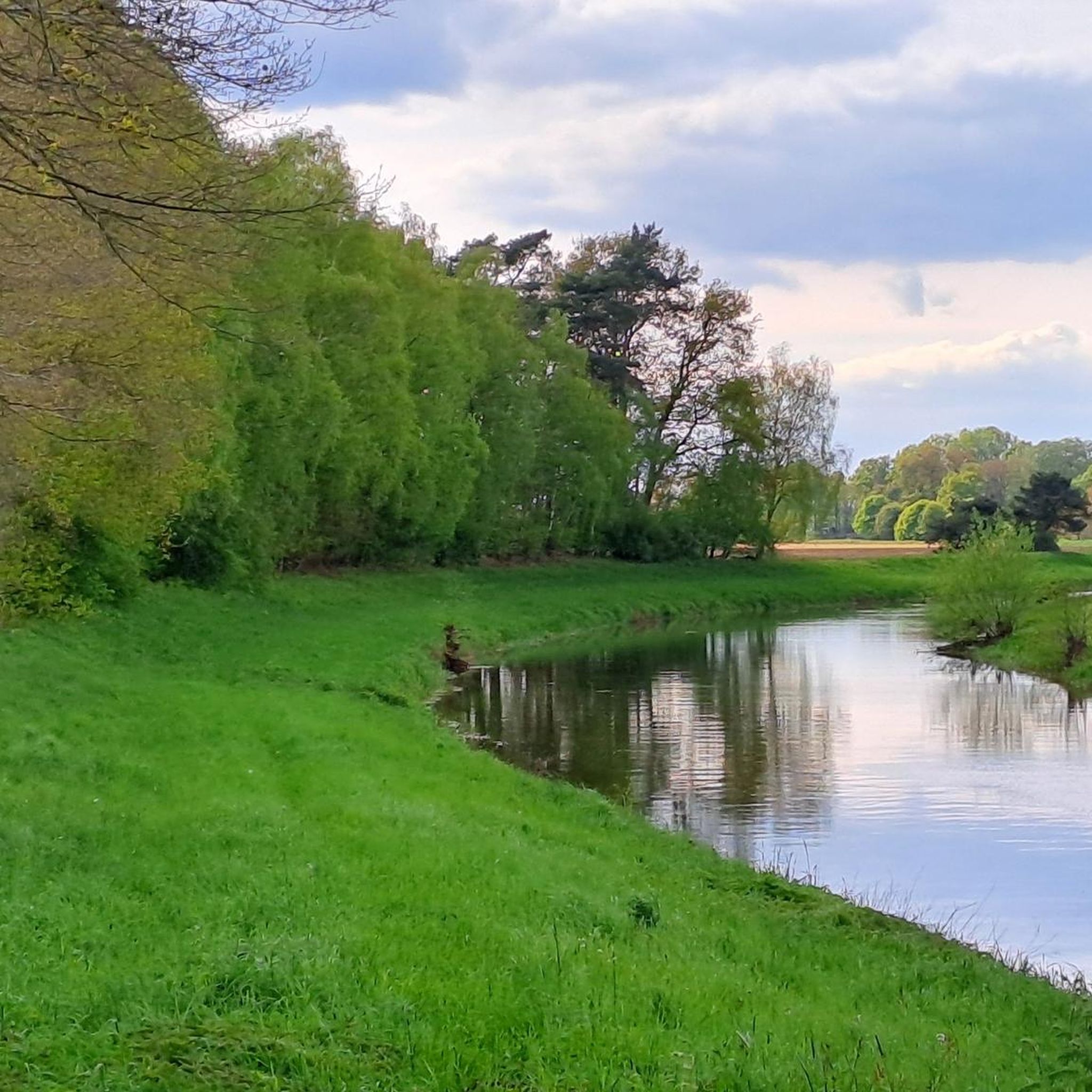
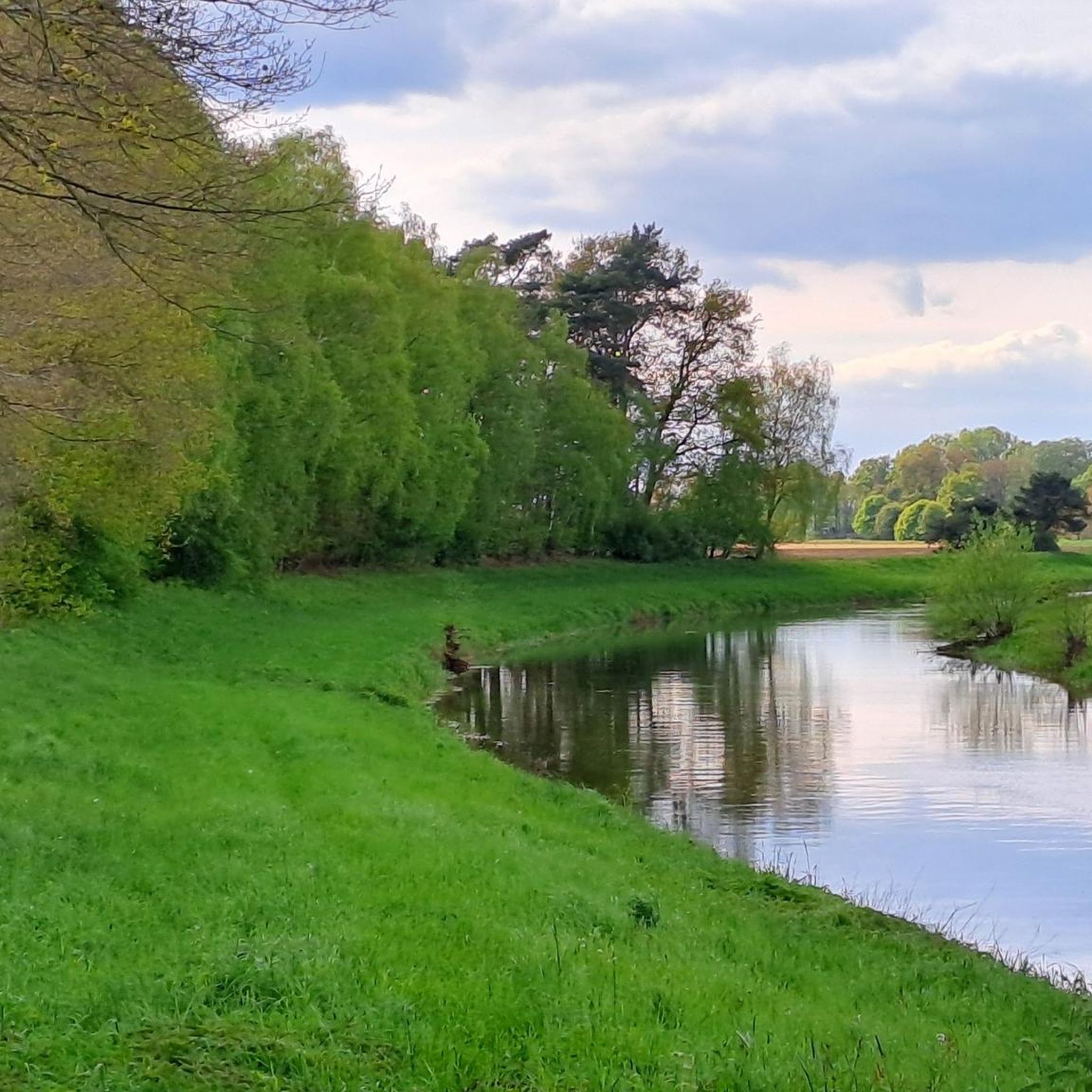
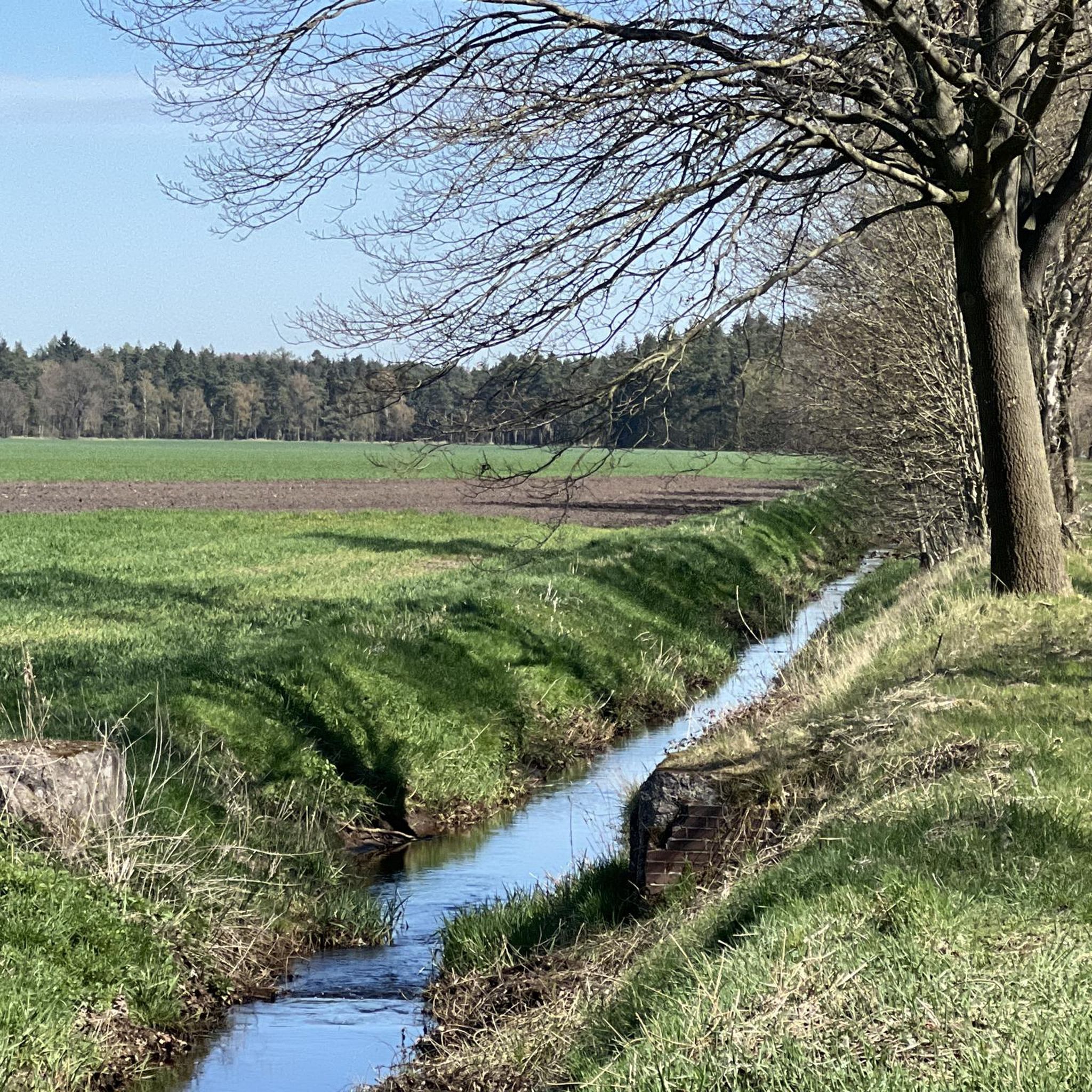
In the years after the Second World War, everything was done to turn the Große Aue into a canal-like river and thus to achieve a flood-free river course. In the 1980s, initiatives in the Minden-Lübbecke area led to the decision to renaturate the river landscape. The landscape, which has become species-poor as a result of the expansion, should recover. Alluvial forests, hedges and the typical plants and animals should be given a habitat again. When the ground-breaking ceremony for renaturation took place in 1989, this project was unique in North Rhine-Westphalia. The monotonous river bed and its up to 300 m wide side spaces were redesigned to form a near-natural meadow landscape. Approximately 200 hectares of flood plains have been reclaimed. The technically upgraded barrel was largely preserved. At the same time, a new body of water was created that flows into the old course at several points. From today's perspective, a species-rich animal and plant world was created without flood disasters being expected. Source: Wikipedia
4
0
They come from the Weser and have a mysterious origin. The Water and Shipping Office is constantly removing heavy stones weighing more than three tons from the river bed with their floating grab, but it doesn't take long for some to "grow" back. The hydraulic engineers are faced with a puzzle. More boulders (natural monuments) are located a little further north on the Weser Cycle Path at the tip of the Weser Peninsula and just before Nienburg Harbour. Many farmers also experience this as a problem on their fields. Every year they "harvest" stones from their fields, which seem to grow back like potatoes. With regard to this phenomenon, the State Office for Mining, Energy and Geology in Hanover refers to the occurrence of cryoturbation, a general term for all movements caused by the effects of frost in the ground. Source: https://www.mittelweser-tourismus.de/poi/nienburgs-findlinge-1/
3
0
Frequently Asked Questions
What unique natural features can I explore in Steyerberg?
Steyerberg offers a diverse range of natural features. You can explore the unique oak coppice forest at Eichenkratt Deblinghausen, characterized by its distinctive oak growth forms resulting from centuries of traditional forest management. The region also features extensive heathlands, such as those found at Januarsberg and Eickhofer Heide, and unique wetland ecosystems like the Kleinstmoor in Voigtei.
Are there any historically significant natural monuments in Steyerberg?
Yes, several natural monuments in Steyerberg hold historical significance. The Eichenkratt Deblinghausen is a living document of historical forest use, where oaks were coppiced for firewood and livestock grazing. Additionally, the Franzosenstein on Knickberg is a natural monument that also serves as a historical site, offering insights into the local past.
Where can I find panoramic views in Steyerberg?
For expansive panoramic views, visit the Januarsberg, the highest point in Steyerberg. From its summit, you can enjoy impressive vistas of the surrounding heathlands, forests, and agricultural fields. Another excellent viewpoint is the Hermann Löns Hut on Tempelberg, which offers views over the Weser glacial valley and the Meerbach lowlands, extending to the Weserbergland on clear days.
What kind of forest ecosystems can I find around Steyerberg?
The most distinctive forest ecosystem is the Eichenkratt Deblinghausen, a rare oak coppice forest. This 7-hectare nature reserve showcases a unique form of traditional forest management, resulting in oaks with bizarre and distinctive growth forms. It's a valuable site for understanding historical land use and biodiversity.
Are there any unique wetland areas or bogs to visit near Steyerberg?
Yes, the Kleinstmoor in Voigtei is a small but significant bog ecosystem. This wetland habitat is characterized by specific plant communities adapted to acidic, nutrient-poor, and waterlogged conditions, making it an interesting site for observing specialized flora and understanding wetland ecology.
What geological natural monuments are there in Steyerberg?
Steyerberg and its surroundings feature notable geological sites. The Schutzgebiet Niederfeld in Wellie is designated as a geological natural monument, highlighting unique geological formations or processes. Further afield, you can find Nienburg's Glacial Erratics, large boulders transported by glaciers during the Saale Ice Age, offering a glimpse into the region's geological past.
Are there hiking trails near Steyerberg's natural monuments?
Yes, there are several hiking opportunities. For easy walks, consider routes like the 'Januarsberg Observation Tower – Horst-Lausch-Platz Shelter loop from Eichenkratt' which is 7.6 km long. You can find more easy hikes around Steyerberg, including those near natural monuments, on the Easy Hikes around Steyerberg guide.
What cycling routes are available around Steyerberg's natural monuments?
The region offers various cycling routes. An easy option is the 'Liebenauer Heath – Große Aue First Crossing loop from Düdinghausen, Steinfeld', which is nearly 30 km long. For more cycling adventures, explore the Cycling around Steyerberg guide.
Can I find mountain biking trails near Steyerberg's natural monuments?
Yes, mountain biking enthusiasts can find trails in the area. An easy route is the 'Januarsberg Shelter – Aue Viewpoint loop from Steyerberg', spanning over 25 km. For more options, check out the MTB Trails around Steyerberg guide.
Are Steyerberg's natural monuments suitable for families?
Many natural monuments around Steyerberg are family-friendly. For instance, the Hermann Löns Hut on Tempelberg is a well-designed rest area with facilities, making it suitable for families. The Große Aue in Liebenau, with its fish ladders and renatured landscape, also offers an engaging experience for all ages. The Franzosenstein on Knickberg provides places to sit and learn about history, which can be interesting for families.
When is the best time to visit the natural monuments in Steyerberg?
The best time to visit depends on your interests. The heathlands of Januarsberg and Eickhofer Heide are particularly striking in late summer when the heather is in bloom. Spring and autumn offer pleasant temperatures for hiking and exploring the unique forest ecosystems like Eichenkratt Deblinghausen, with vibrant foliage in autumn.
Can I bring my dog to the natural monuments in Steyerberg?
Generally, natural areas in Germany are dog-friendly, but it's always advisable to keep dogs on a leash, especially in nature reserves like Eichenkratt Deblinghausen or near wildlife habitats, to protect local flora and fauna. Always check local signage for specific rules at each monument.
What do visitors particularly enjoy about the natural monuments around Steyerberg?
Visitors appreciate the diverse experiences offered by Steyerberg's natural monuments. Many enjoy the well-designed rest areas and views, such as those at the Hermann Löns Hut on Tempelberg. The renatured areas of the Große Aue in Liebenau are also highly regarded for their beauty. The unique historical and ecological aspects of sites like Eichenkratt Deblinghausen also draw significant interest.
Most popular routes around Steyerberg
Most popular attractions around Steyerberg

Get inspired with the komoot mobile app


Explore more
Extend your search for the best caves by checking out these guides of the top ones around Steyerberg:
