Top 20 Natural Monuments around Hüttenberg
Best natural monuments around Hüttenberg are found in this municipality in the Lahn-Dill-Kreis district of Hesse, Germany. The region offers insights into its natural heritage and biodiversity, characterized by rolling hills, forests, rivers, and lakes. These sites are protected under the Hessian Nature Conservation Act, highlighting their ecological or natural historical significance. The area provides opportunities for nature observation and understanding the regional environment.
Best natural monuments around Hüttenberg
- The most popular natural monuments is Grube Fernie Lake, a…
Last updated: May 27, 2026
Stork Nest in the Lahnaue Nature Reserve
Highlight • Natural Monument
Translated by Google •
Tip by

Rock Formations of Maibacher Schweiz
Highlight • Natural Monument
Translated by Google •
Tip by

Sign up now to discover places like this
Get recommendations on the best single tracks, peaks, & plenty of other exciting outdoor places.
Sign up for free
Grube Fernie Lake
Highlight • Lake
Translated by Google •
Tip by

Kuhschwanz Pond
Highlight • Lake
Translated by Google •
Tip by

Ponds in the Bergwerkswald
Highlight • Lake
Translated by Google •
Tip by

Sign up for free to discover even more natural monuments around Hüttenberg.
Sign up for free
Already have an account?
Start today with a free account
Your next adventure awaits.
Login or Signup
Tips from the Community

Quickly described: Beautiful
9
0
It really adds value to a hike through the forest, doesn't it?
9
0

The Kuhschwanzweiher near Brandoberndorf is an idyllic pond in the middle of the Hessian countryside. Surrounded by forest and hills, it offers a peaceful atmosphere, ideal for walks, picnics and bird watching. A hiking trail leads around the pond and reveals a variety of flora and fauna. Wildflowers bloom in spring and summer, and the trees are ablaze with color in autumn. The pond is a retreat for waterfowl and a popular destination for anglers and photographers. A shelter on the bank invites you to take a break. The Kuhschwanzweiher is easy to reach as it is just a few meters from the hiking car park there. It offers a perfect opportunity to relax.
4
0

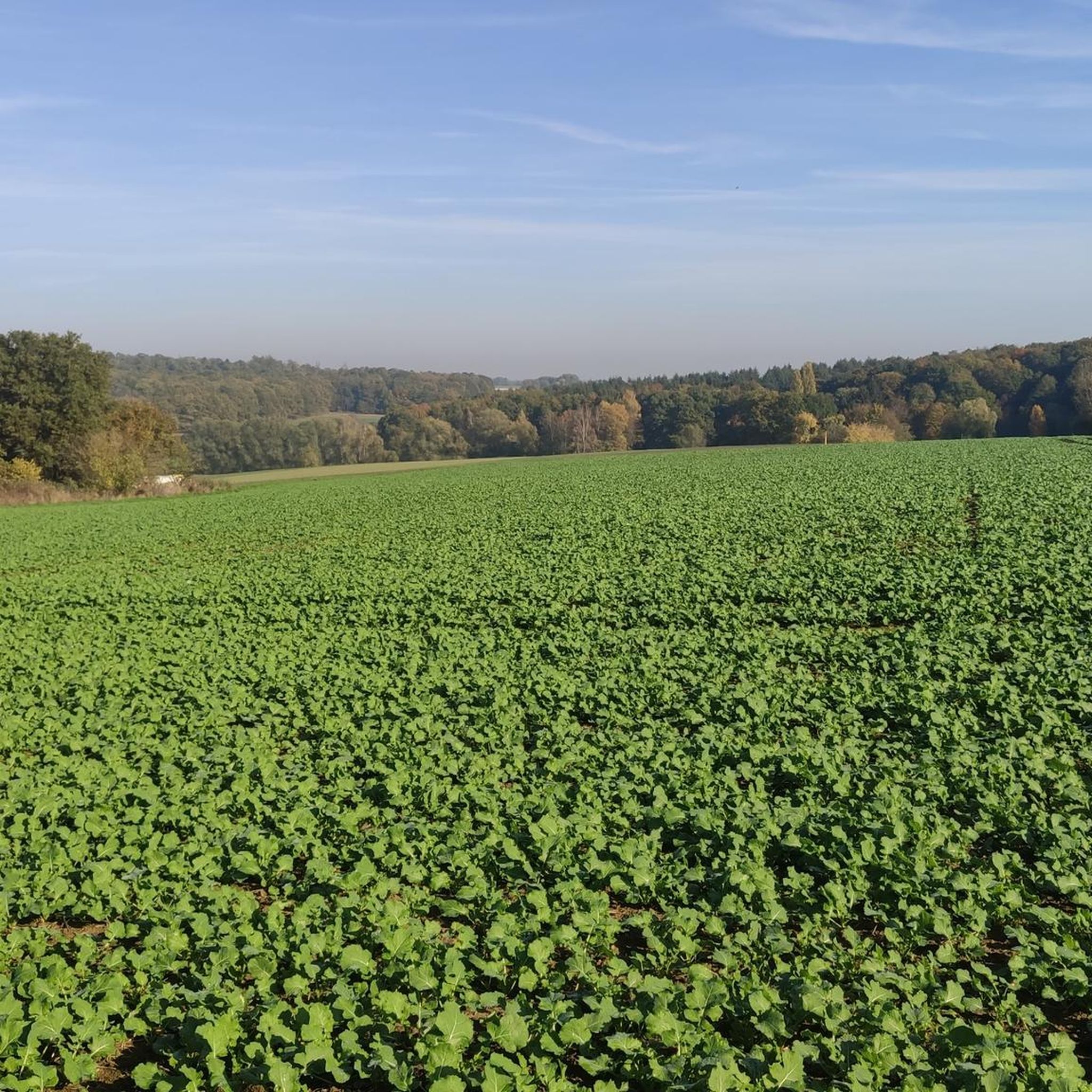
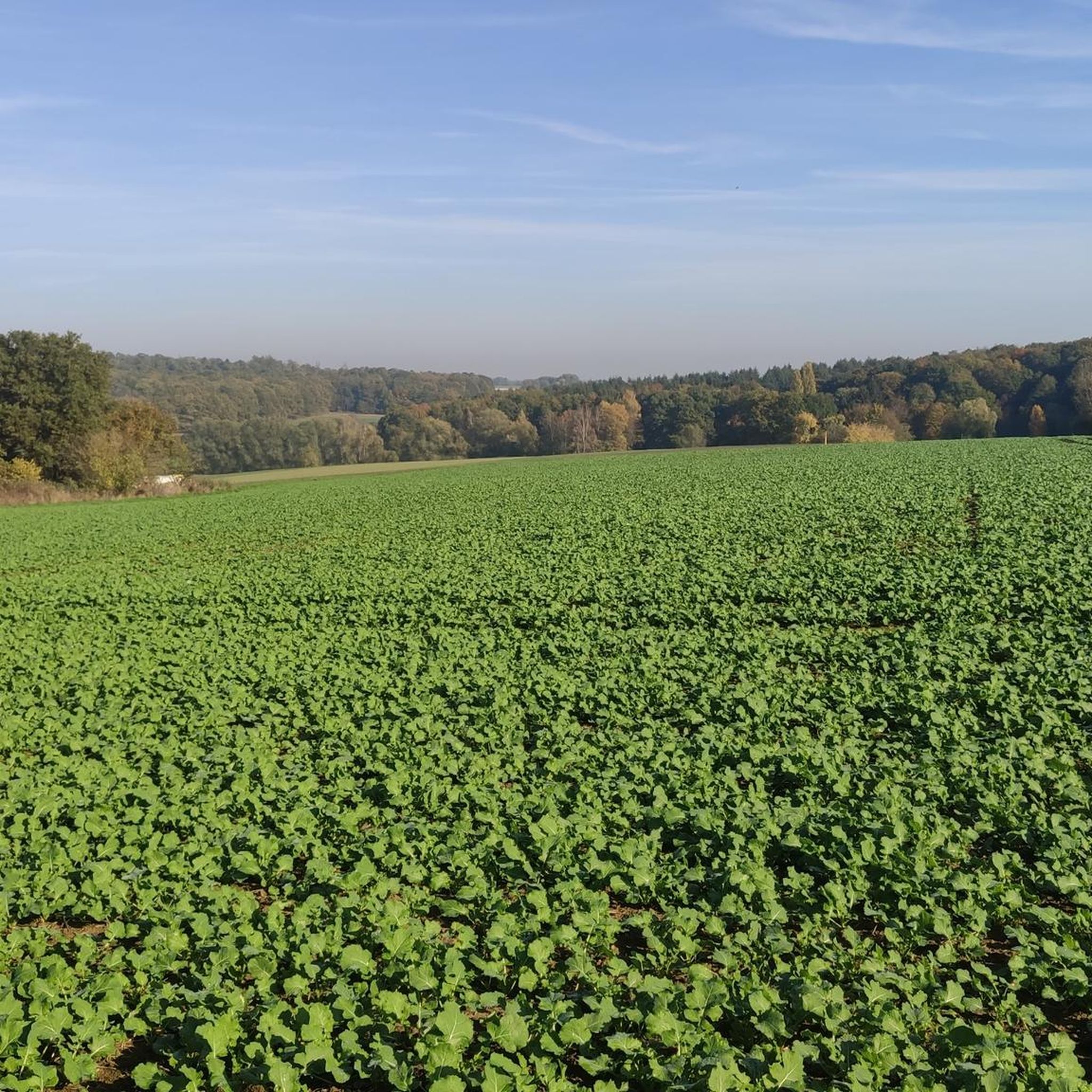
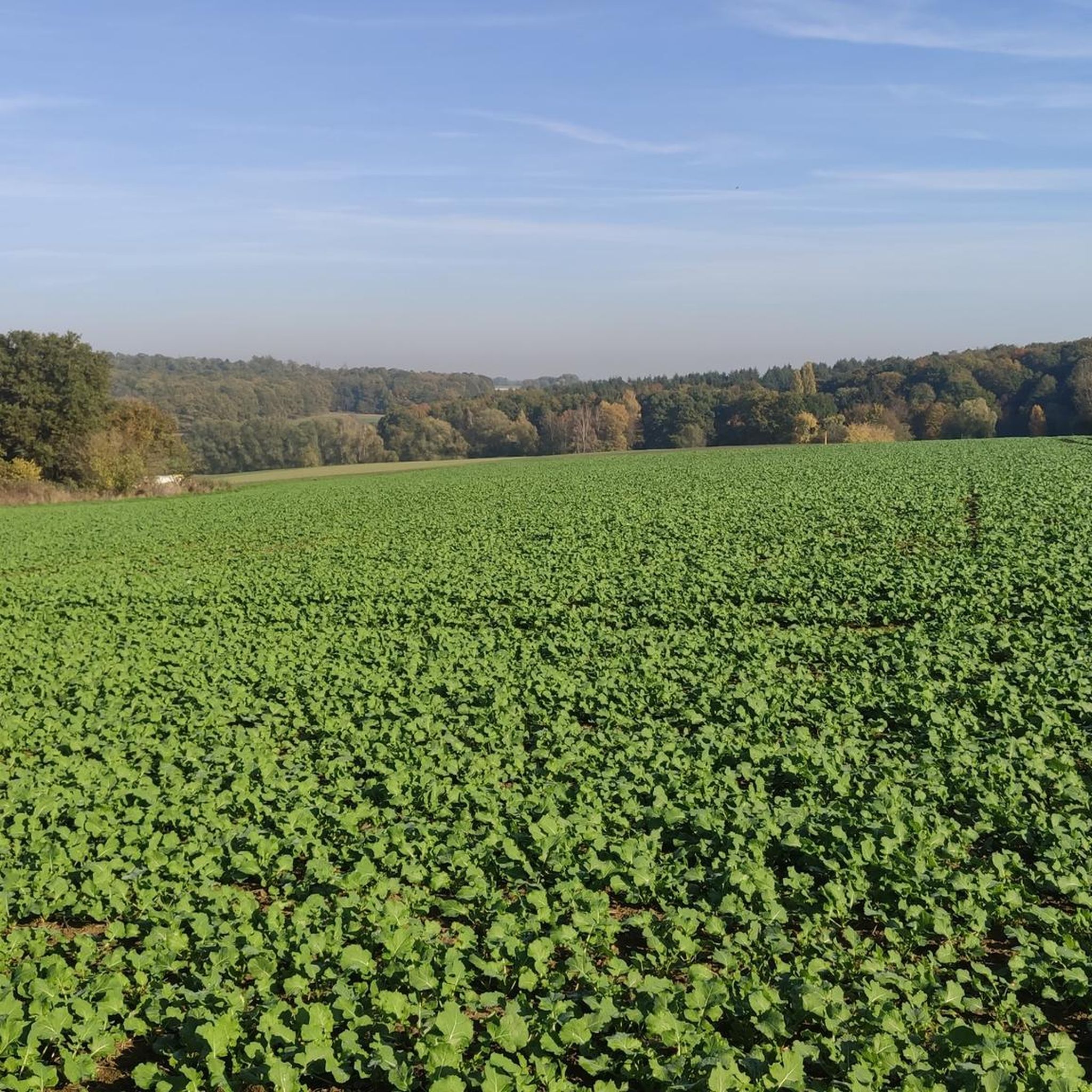
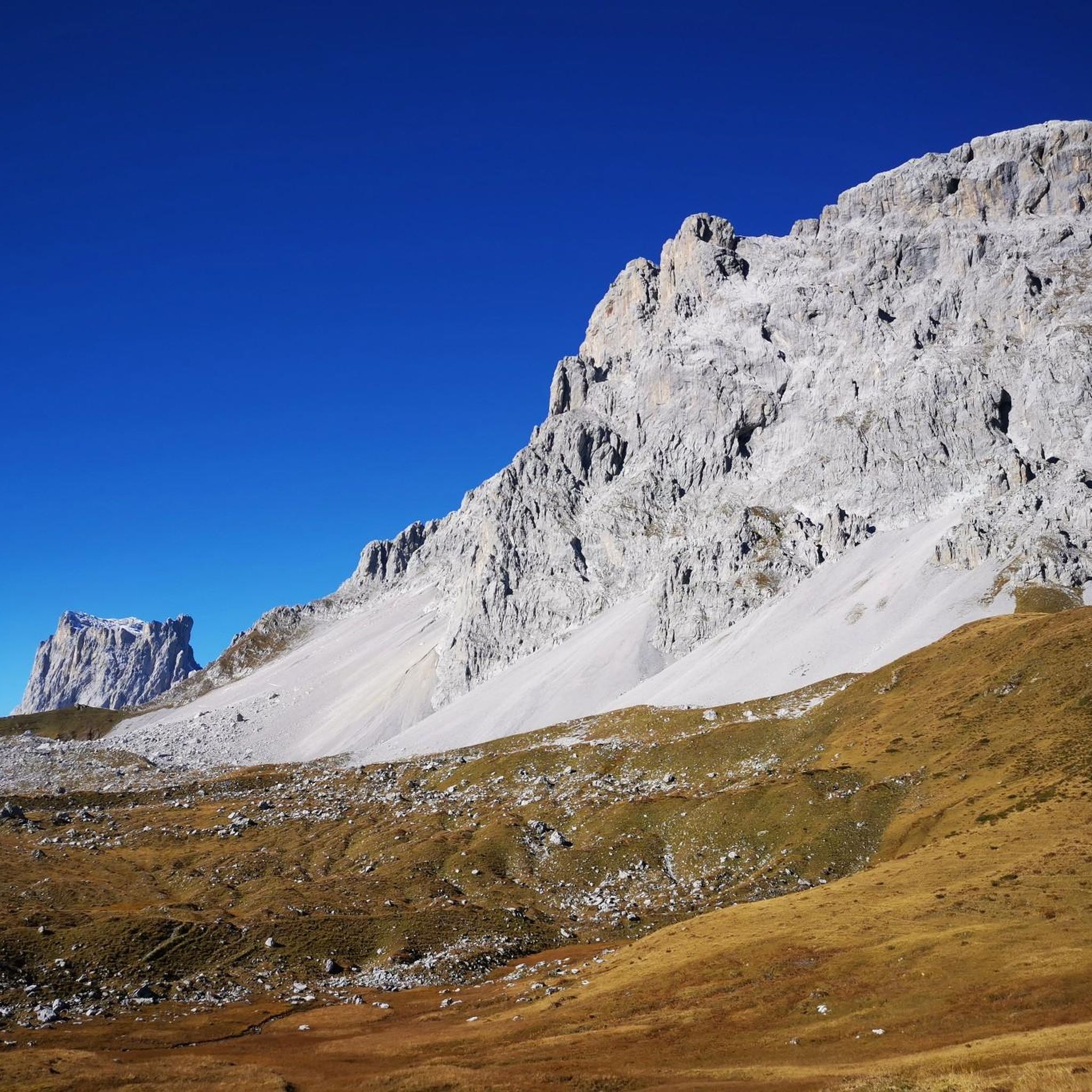
There are some impressive rock formations on the slopes of the Mühlkopf. Some of the mighty rocks are hidden in the forest and it is worth taking a closer look every now and then. Maibacher Schweiz is worth a visit at any time of year!
4
0

The rocks are prominent. The Michelbach flows through the Maibacher Schweiz through a wide floodplain.
3
0

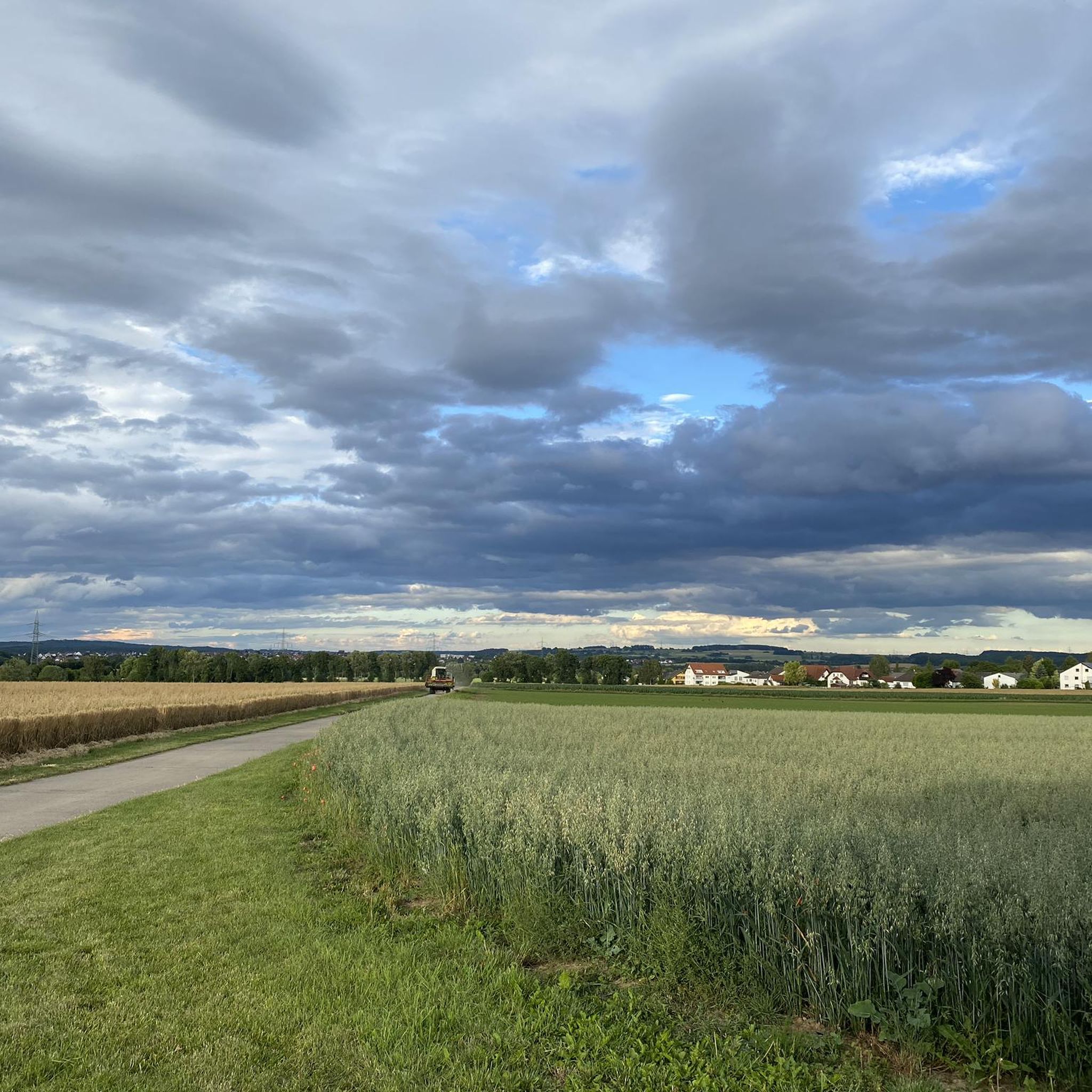
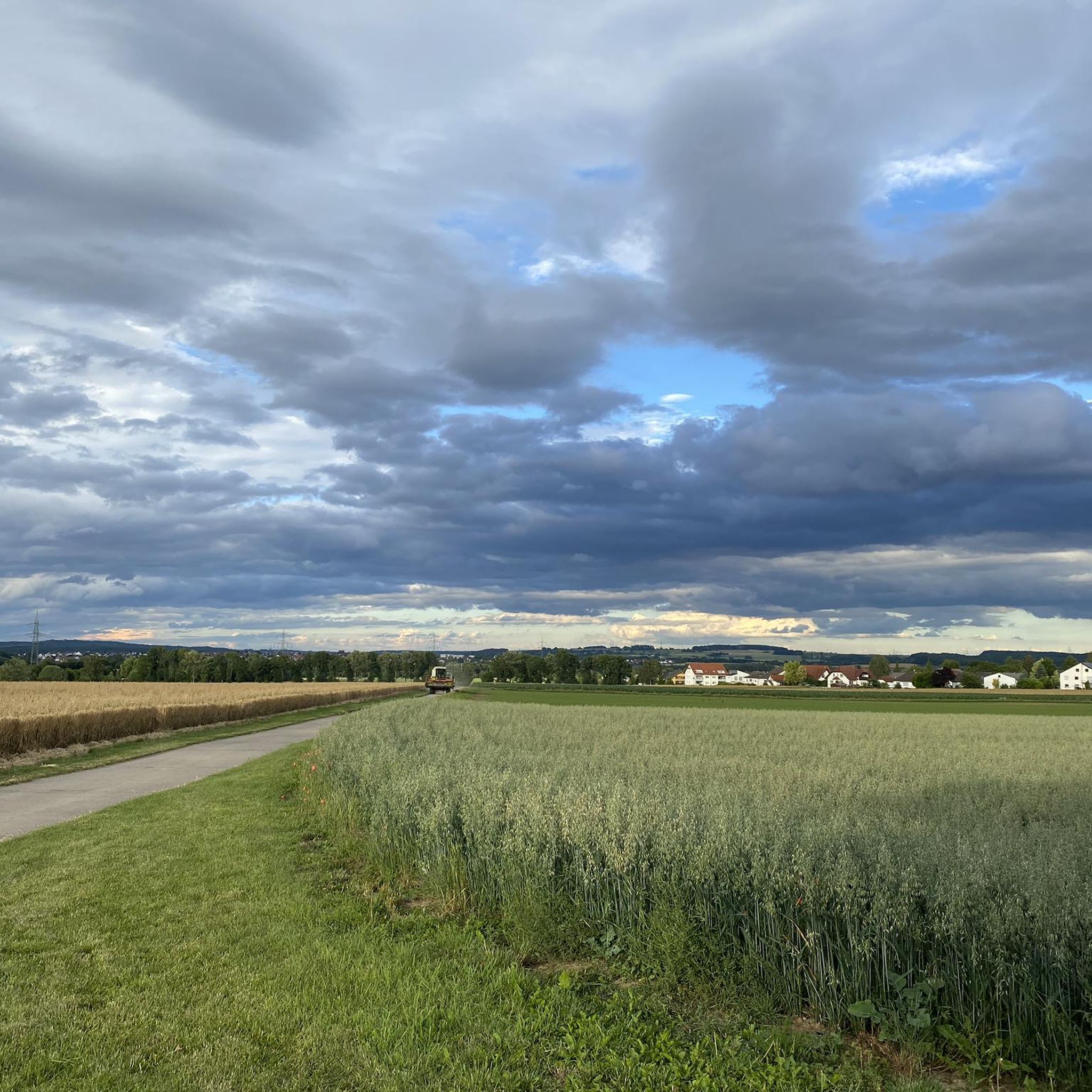
The Lahnaue nature reserve includes wet meadows and several lakes that were created from former gravel pits. The area has developed into an important resting and transit area for waterfowl. So always stay on the path. If you keep quiet, you have a good chance of spotting some of the shy birds.
8
0

There is a circular path around the lake, wide enough for oncoming traffic, easy to drive. So you can see the lake from all directions. A part of the circular route is only permitted for pedestrians, is that meant seriously?
7
1

The Bergwerkswald is an 86.47-hectare forest area between Giessen and Linden, 20 percent of which is on the territory of the city of Giessen, 80 percent belongs to Linden. The area was placed under nature protection for the first time in 1955 and for the second time in 1972. Since 2001, the mine forest has been a fauna-flora habitat (FFH), Natura 2000 and nature reserve. Fernie pit, former open pit mine on the southern edge of the mine forest The name comes from the numerous mines in this area in the past, the iron and manganese ore deposits were among the largest in Germany. In addition, lime and manganese clay were mined. The cavities resulting from the exploitation between 1843 and 1952 in open pit and tunnel mining still lead to sudden ground subsidence from time to time. Large parts of the forest are nature reserves, in which there are many lakes, plants and animals. The lakes were partly created when Allied bomber formations missed their targets during the air raid on Gießen on December 6, 1944 and dropped the bomb load over the forest. Small pools and ponds have emerged from the bomb craters, which offer a good habitat, especially for midwife toads and a very large population of crested newts. There are also water bats. Source: https://de.wikipedia.org/wiki/Bergwerkswald
11
0
Frequently Asked Questions
What types of natural monuments can I explore in Hüttenberg?
Hüttenberg offers a diverse range of natural monuments, including significant individual trees like the Eiche (Oak) in Reiskirchen and the Linde an der Pfingstweide (Linden tree) in Klein-Rechtenbach. You can also find unique ecological areas such as the Feuchtbiotop und Steinbruch „Der Ziegenberg“ (Wetland Biotope and Quarry) in Volpertshausen. Additionally, the region features several lakes, like Grube Fernie Lake and Kuhschwanz Pond, and interesting geological formations like the Rock Formations of Maibacher Schweiz.
Are there family-friendly natural monuments around Hüttenberg?
Yes, several natural monuments in Hüttenberg are suitable for families. Stork Nest in the Lahnaue Nature Reserve, Grube Fernie Lake, Kuhschwanz Pond, and the Ponds in the Bergwerkswald are all categorized as family-friendly. These spots often provide ample space for resting and nature observation.
What outdoor activities can I do near these natural monuments?
The Hüttenberg region is excellent for various outdoor activities. You can find numerous routes for hiking, road cycling, and gravel biking. For example, there are easy hikes like the "Bench in the Taunus Forest loop" or more challenging gravel biking routes such as the "Hausberg Tower loop from Langgöns." You can explore more options in the Easy hikes around Hüttenberg, Road Cycling Routes around Hüttenberg, and Gravel biking around Hüttenberg guides.
Where can I observe wildlife, especially birds, among Hüttenberg's natural monuments?
The Stork Nest in the Lahnaue Nature Reserve is an excellent spot for wildlife observation. This nature reserve, with its wet meadows and lakes, serves as an important resting and transit point for waterfowl. If you remain quiet, you have a good chance of spotting various shy bird species, including storks.
Are there any natural monuments that are former industrial sites?
Yes, Grube Fernie Lake was created after the end of opencast mining, transforming an industrial site into a tranquil natural monument. Similarly, the Feuchtbiotop und Steinbruch „Der Ziegenberg“ in Volpertshausen combines a wetland biotope with a former quarry, showcasing how nature reclaims and transforms such areas.
What do visitors enjoy most about the natural monuments in Hüttenberg?
Visitors frequently appreciate the tranquil atmosphere and natural beauty. For instance, Grube Fernie Lake is praised for being a quiet spot ideal for a break, while Kuhschwanz Pond is loved for its peaceful environment suitable for relaxing. The Rock Formations of Maibacher Schweiz are noted for adding significant value to forest hikes with their beautiful landscape.
Can I go swimming in the lakes at the natural monuments?
While many lakes are beautiful, swimming is generally not permitted in natural monument areas to protect the delicate ecosystems. For example, swimming is forbidden at Grube Fernie Lake, and Kuhschwanz Pond is noted as being "not for swimming." These areas are primarily for nature observation and quiet enjoyment.
Are there any natural monuments with historical significance related to mining?
Yes, the Ponds in the Bergwerkswald are located in an area with a rich mining history. The name "Bergwerkswald" (Mine Forest) comes from the numerous past mines, where iron and manganese ore deposits were among the largest in Germany. The area's landscape, including some of its ponds, was shaped by both mining activities and historical events like bomb craters from WWII.
What is the best time of year to visit the natural monuments in Hüttenberg?
The natural monuments in Hüttenberg offer beauty throughout the year. Spring and summer are ideal for lush greenery and active wildlife, especially for birdwatching at the Stork Nest in the Lahnaue Nature Reserve. Autumn provides picturesque landscapes with changing foliage, while winter can offer serene, quiet walks, though some paths might be less accessible depending on snow and ice conditions.
Are there any specific regulations to be aware of when visiting these protected sites?
Yes, as these sites are protected under the Hessian Nature Conservation Act, it's important to respect local regulations. This typically includes staying on marked paths, not disturbing wildlife, and refraining from littering. For areas like the Lahnaue Nature Reserve, specific rules are in place to protect waterfowl, so quiet observation is encouraged.
Are there any natural monuments that are particularly good for a quiet break or relaxation?
Absolutely. Grube Fernie Lake is described as a very quiet spot, ideal for a break. Similarly, Kuhschwanz Pond offers a tranquil atmosphere, perfect for relaxing or even fishing. These locations provide peaceful settings away from the hustle and bustle.
Most popular routes around Hüttenberg
Most popular attractions around Hüttenberg

Get inspired with the komoot mobile app


Explore more
Extend your search for the best caves by checking out these guides of the top ones around Hüttenberg:
