Top 10 Natural Monuments around Vilsbiburg
Best natural monuments around Vilsbiburg include rolling hills, the Vils River, and picturesque landscapes. The region's natural beauty is primarily experienced through its network of hiking and cycling trails. These routes highlight local flora, fauna, and scenic views. Vilsbiburg offers diverse natural features for outdoor exploration.
Best natural monuments around Vilsbiburg
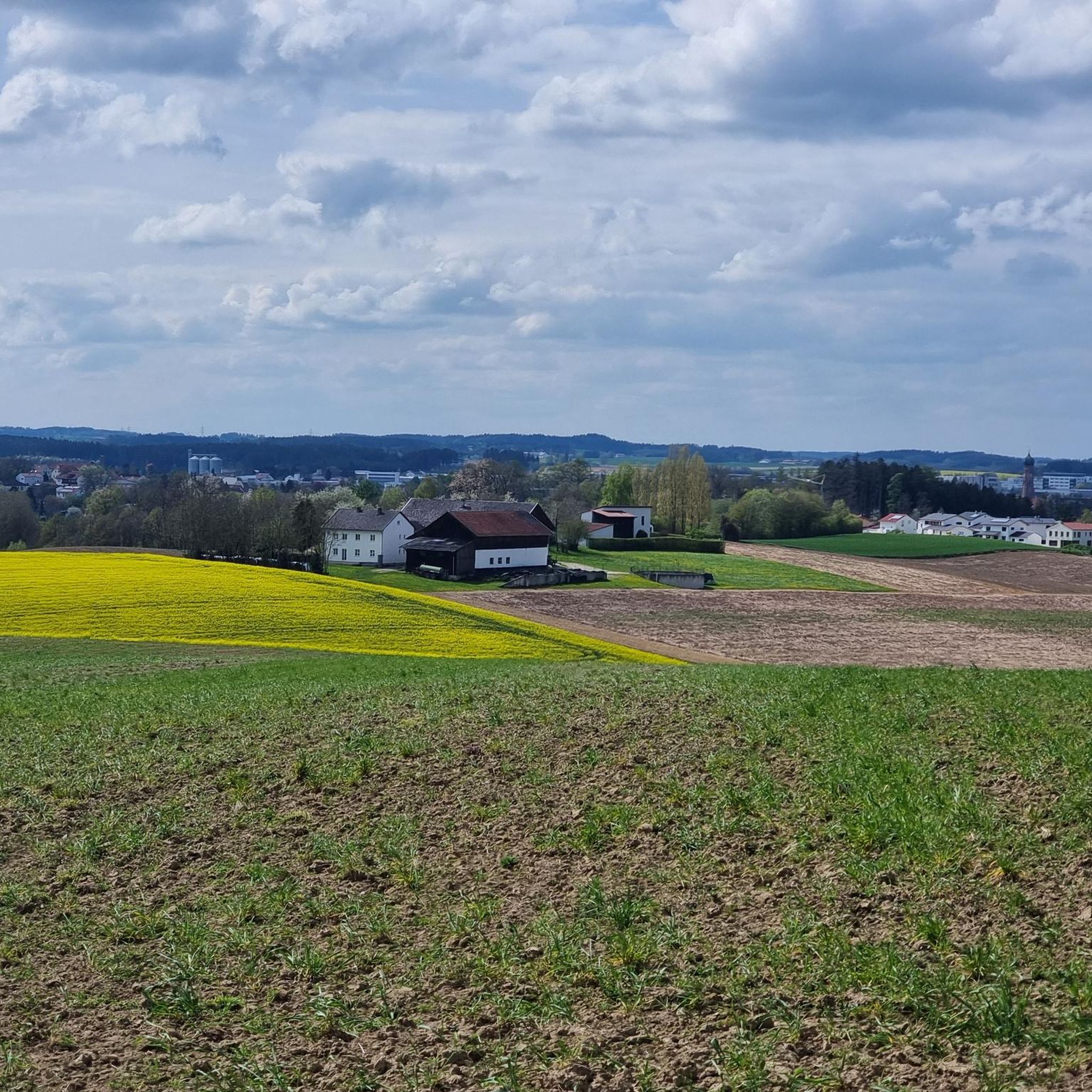
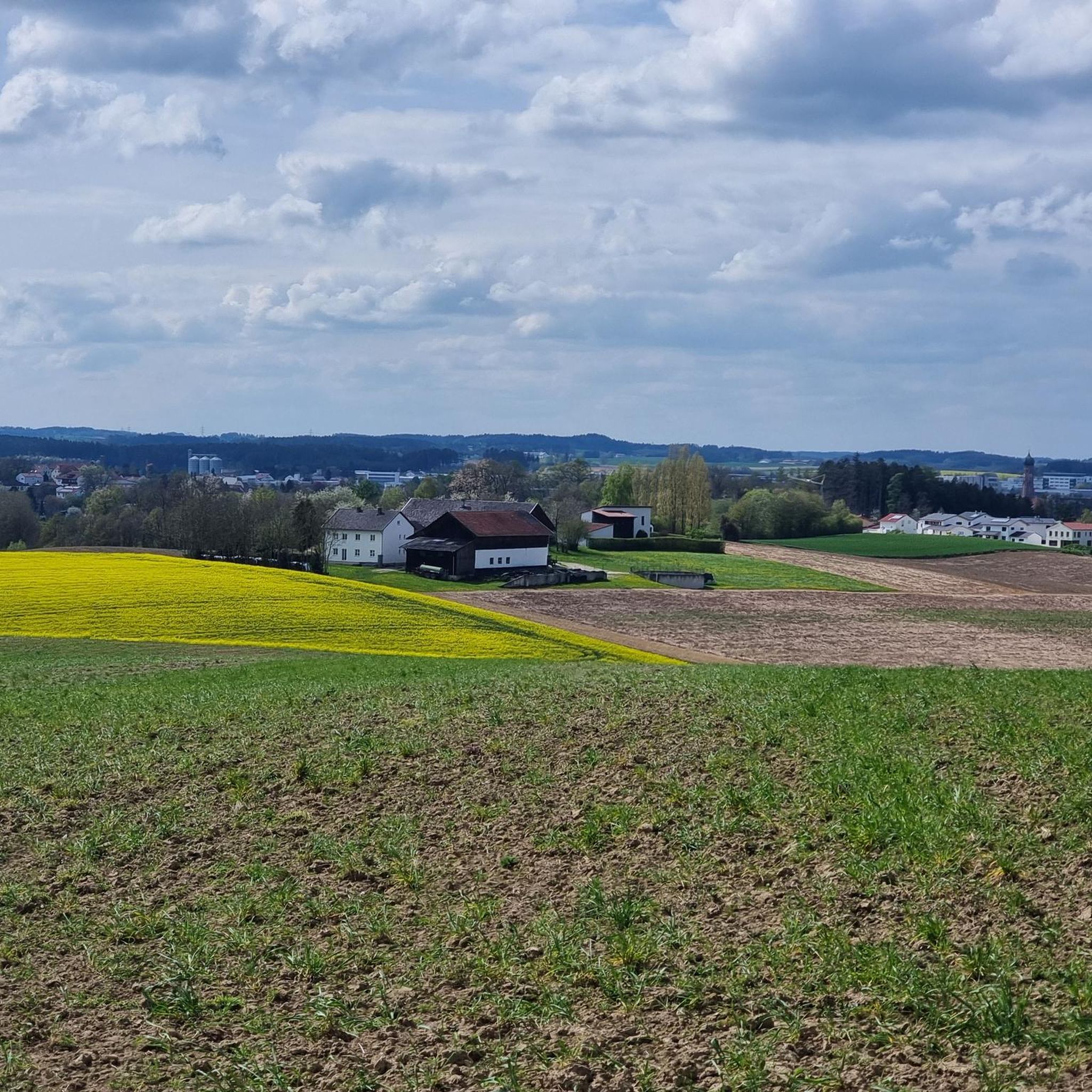
- The most popular natural monuments is Highest Point in the Landshut District, a summit that offers a beautiful view of the surroundings. Located near Wurmsham, it stands at…
Last updated: May 11, 2026
Highest Point in the Landshut District
Highlight • Summit
Translated by Google •
Tip by

Turmhügel Diemannskirchen
Highlight • Historical Site
Translated by Google •
Tip by

Sign up now to discover places like this
Get recommendations on the best single tracks, peaks, & plenty of other exciting outdoor places.
Sign up for free
Klopferbrunn Chapel and Spring
Highlight • Religious Site
Translated by Google •
Tip by

Rott Spring
Highlight • Natural Monument
A short stop …
Translated by Google •
Tip by

200-year-old oak tree near Zeiling
Highlight • Natural Monument
The linden tree at the fork in the road to Zeiling, which is over 200 years old, is not …
Translated by Google •
Tip by

Sign up for free to discover even more natural monuments around Vilsbiburg.
Sign up for free
Already have an account?
Start today with a free account
Your next adventure awaits.
Login or Signup
Other adventures around Vilsbiburg

Tips from the Community

The tree is an oak, presumably a red oak. It is definitely not a linden tree!
0
0

Col de Landshut!
0
0

Old linden tree at the fork in the road to Zeiling. The linden tree at the fork in the road to Zeiling, which is over 200 years old, is not only an important habitat for birds and insects. The deciduous tree with a trunk diameter of around 1.2 meters and a crown diameter of 21 meters stores around 10 tonnes of the greenhouse gas CO2 in the trunk, branches and roots and thus makes an important contribution to climate protection.
0
0

Perfect for the break in between! There are enough seats and there is free shade when you are out and about on hot summer days ;-)
0
0

Highlights are always beautiful - the view extends as far as the Alps
0
0

A small, lonely chapel in the forest with an interesting history. I wouldn't fill my water bottle here, though.
1
0
A beautiful place in the forest, with a secluded little chapel with an interesting history.
0
0

You can also fill up your water bottle here
1
0
Frequently Asked Questions
What are some of the most notable natural monuments and features around Vilsbiburg?
The Vilsbiburg area offers diverse natural beauty. Key highlights include the Highest Point in the Landshut District, which provides expansive views, and the tranquil Rott Spring. You can also explore the serene Klopferbrunn Chapel and Spring nestled in the forest, and the impressive 200-year-old linden tree near Zeiling. Beyond specific monuments, the region is characterized by the picturesque Vils River, its floodplains, and the Biburg Forest.
Are there family-friendly natural monuments or trails in Vilsbiburg?
Yes, several natural spots are suitable for families. The Highest Point in the Landshut District and Klopferbrunn Chapel and Spring are both marked as family-friendly. The 200-year-old linden tree near Zeiling is also a great stop for all ages. Additionally, the Naturerlebnisweg Vilsaue (Vils Floodplain Nature Discovery Trail) is designed to be engaging for all ages, offering interactive learning about the local ecosystem.
What kind of outdoor activities can I do near Vilsbiburg's natural monuments?
Vilsbiburg's natural areas are perfect for various outdoor activities. You can enjoy extensive hiking and cycling on trails that highlight the local flora and fauna. The Vils River and its surroundings offer serene routes for walks and bike rides, including the Vils Valley Cycle Route. For more specific routes, consider exploring options for cycling around Vilsbiburg, MTB trails, or gravel biking.
Where can I find the best panoramic views in the Vilsbiburg area?
For breathtaking scenic overlooks, head to the Highest Point in the Landshut District, which offers a beautiful view of the surroundings. The Rott Spring also serves as a viewpoint. Many hiking trails traverse the region's rolling hills, providing wide vistas, and elevated points like those near Gerzenberg Castle offer spectacular panoramic views over the Vilsbiburg area.
Are there historical sites among the natural monuments in Vilsbiburg?
Yes, the region blends natural beauty with historical significance. The Turmhügel Diemannskirchen is a medieval tower hill castle site, protected as a ground monument. The secluded Klopferbrunn Chapel and Spring also has an interesting history, offering a tranquil atmosphere within the forest.
What kind of wildlife can I observe near Vilsbiburg's natural monuments?
The Vilsbiburg region is rich in biodiversity. Along the Naturerlebnisweg Vilsaue (Vils Floodplain Nature Discovery Trail), you can learn about the local ecosystem, including the beaver population and diverse birdlife. The Vils River trails are known for opportunities to observe rare bird species, and the 200-year-old linden tree near Zeiling is an important habitat for birds and insects. The Biburg Forest also boasts a unique ecosystem with rich flora and fauna.
What is the best time of year to visit the natural monuments around Vilsbiburg?
Spring and autumn are particularly recommended seasons for visiting. In spring, nature comes alive with vibrant flora, while autumn offers stunning colorful foliage across the landscape. These seasons provide pleasant weather for outdoor activities and enhance the scenic beauty of the region.
Are there specific trails for hiking or cycling along the Vils River?
Yes, the Vils River is a central natural feature with excellent trails. Hiking routes along the Vils are generally flat and easy, suitable for families. The Vils Valley Cycle Route is another popular option, leading from Vilsbiburg to Vilshofen without significant inclines, offering a leisurely bike tour through charming landscapes.
What makes the Naturerlebnisweg Vilsaue a unique natural attraction?
The Naturerlebnisweg Vilsaue (Vils Floodplain Nature Discovery Trail) is Vilsbiburg's most prominent natural highlight. It's an interactive trail along the renatured Vils Canal, featuring information boards about bank and aquatic plants, the biodiversity of the Vils meadows, the local beaver population, and birdlife. It's designed for environmental education and offers a relaxing walk amidst nature.
Can I find ancient trees or unique geological features in the Vilsbiburg area?
Yes, the region is home to notable ancient trees, such as the impressive 200-year-old linden tree near Zeiling, which is an important habitat and contributes to climate protection. While Vilsbiburg may not have dramatic geological formations, its natural appeal lies in its rolling hills, river valleys, and forest ecosystems, which offer diverse natural experiences.
What kind of forest experiences can I have near Vilsbiburg?
The Biburg Forest (Biburger Forst) offers a traditional forest hiking experience with numerous walks of varying difficulty. It boasts a unique ecosystem with rich flora and fauna, providing diverse routes for those looking to explore woodland nature and enjoy tranquil trails.
Most popular routes around Vilsbiburg
Most popular attractions around Vilsbiburg

Get inspired with the komoot mobile app


Explore more
Extend your search for the best caves by checking out these guides of the top ones around Vilsbiburg:
