Top 20 Natural Monuments around Titz
Natural monuments around Titz offer diverse natural experiences, primarily shaped by recultivated landscapes and water features. The region features areas transformed from former open-cast mining, now providing recreational spaces with unique natural elements. These sites contribute to the local environment, offering opportunities for observation and exploration. The landscape combines designed parks with natural reserves, creating varied settings for outdoor activities.
Best natural monuments around Titz
- The most popular natural monuments is Höller Horn Observation Tower, a viewpoint located on…
Last updated: August 4, 2026
Kasterer Lake
Highlight • Lake
Translated by Google •
Tip by

Hambach Open-pit Mine Viewpoint
Highlight • Viewpoint
Translated by Google •
Tip by

Sign up now to discover places like this
Get recommendations on the best single tracks, peaks, & plenty of other exciting outdoor places.
Sign up for free
Höller Horn Observation Tower
Highlight • Viewpoint
Translated by Google •
Tip by

Celtic Tree Circle, Sophienhöhe
Highlight • Natural Monument
Translated by Google •
Tip by
Niersbruch Nature Reserve – Riverside Woodland Trail
Highlight (Segment) • Forest
Translated by Google •
Tip by

Sign up for free to discover even more natural monuments around Titz.
Sign up for free
Already have an account?
Start today with a free account
Your next adventure awaits.
Login or Signup
Tips from the Community

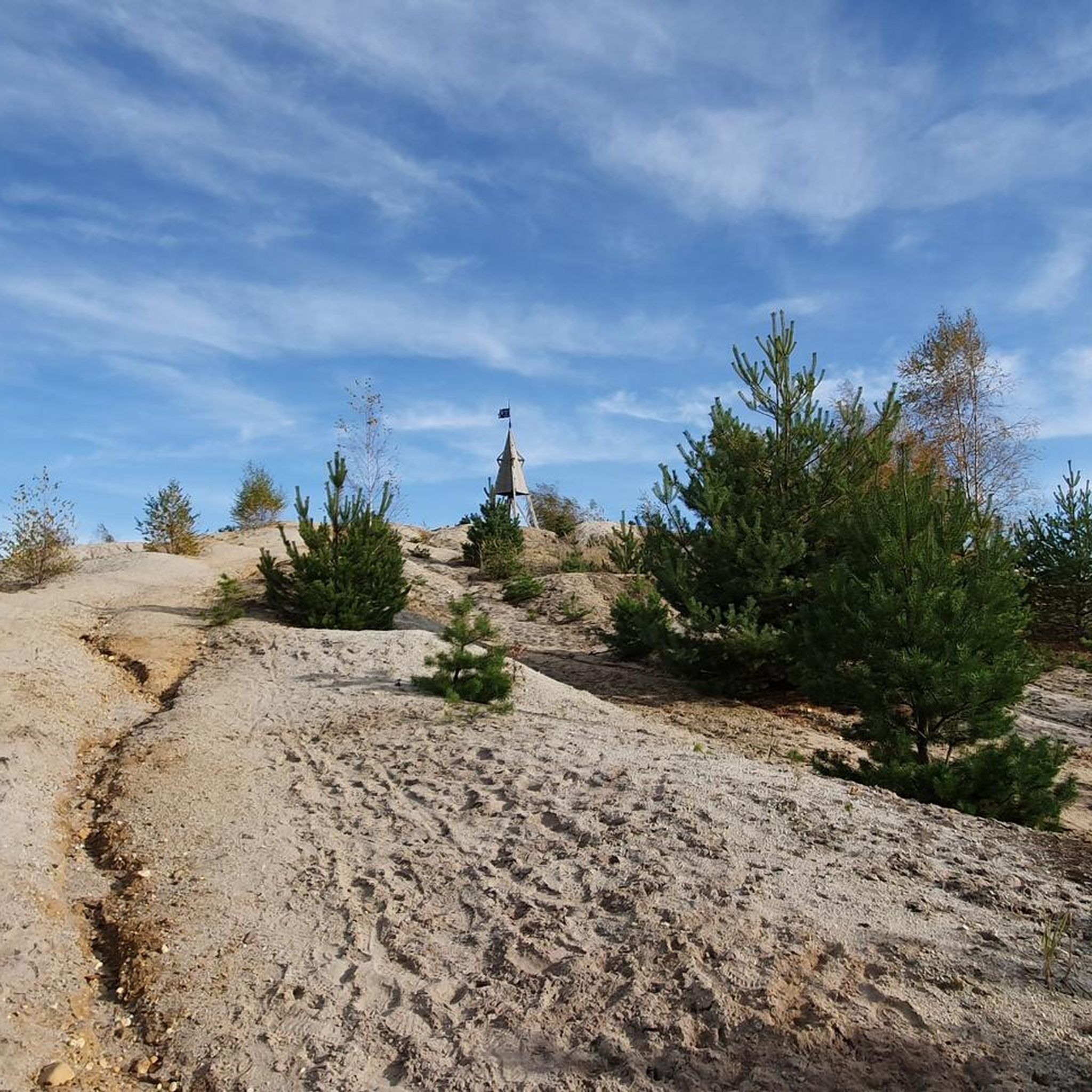
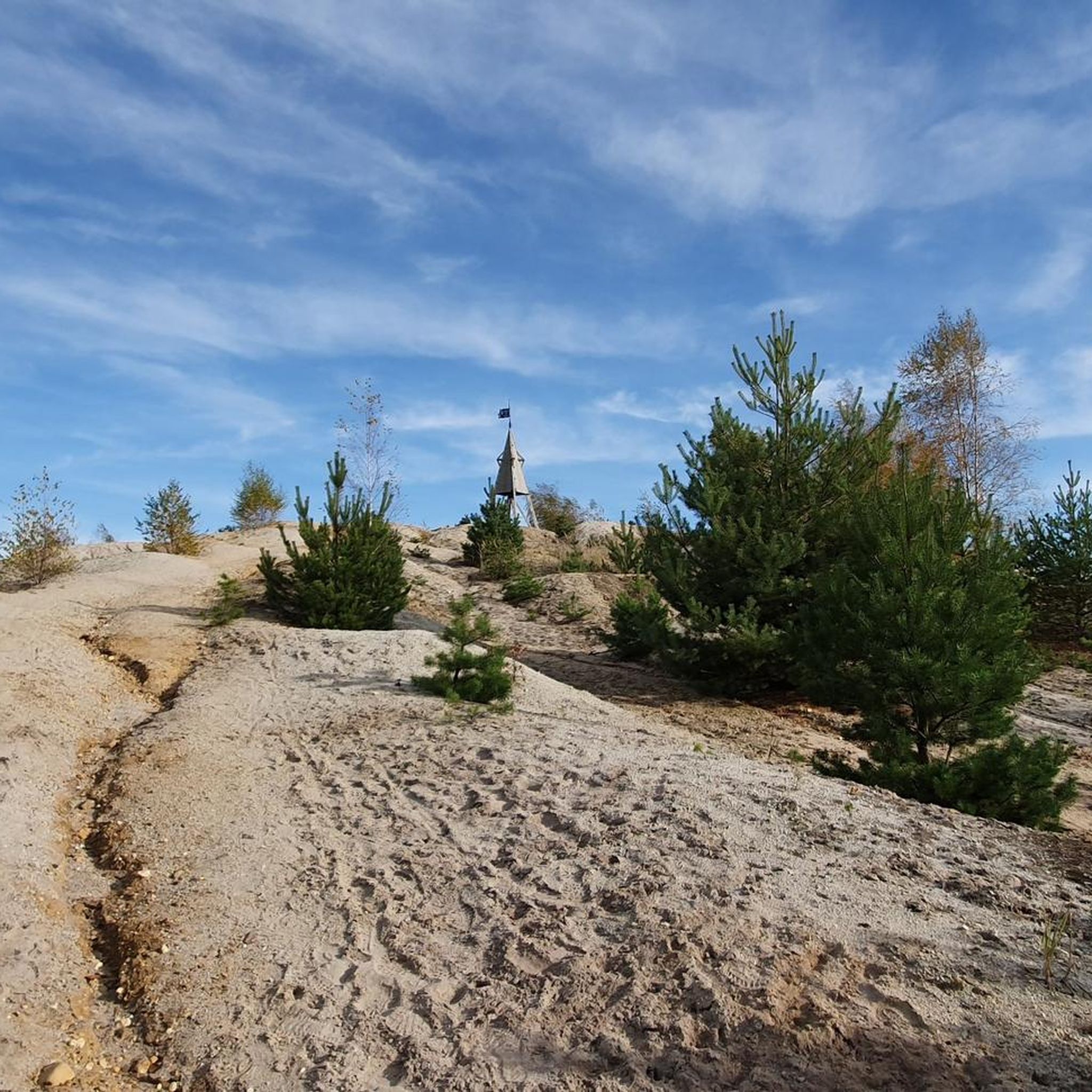
The tower bears a weather vane inscribed with "Monte Sophia" and, together with the Roman Tower, is one of the prominent viewpoints on the reclaimed Sophienhöhe, which was once used as a spoil heap for the Hambach open-cast mine. The HöllerHorn reaches approximately 291.5 meters above sea level, making it one of the highest points on the Sophienhöhe, but it lies just below the summit level of the Roman Tower (301.8 meters above sea level).
30
0
A sign at the site explains that the Celts considered trees important living beings and attributed special properties to them. The Tree of Life Circle takes up this concept and presents different tree species, each symbolically assigned to a specific time of year, similar to a Celtic tree calendar.
34
0

... as if it didn't already exist, someone has created it again...
9
0
This recently reclaimed section of the Sophienhöhe, an artificially created hill on the edge of the open-cast lignite mine, reaches far back into the history of the European continent and the formerly Celtic-influenced civilization. Those interested in the topic can learn a great deal here about the various tree symbols of Celtic culture.
9
1

Mönchengladbach can be easily circumnavigated along the Niers on a continuous and partly park-like green corridor.
3
0

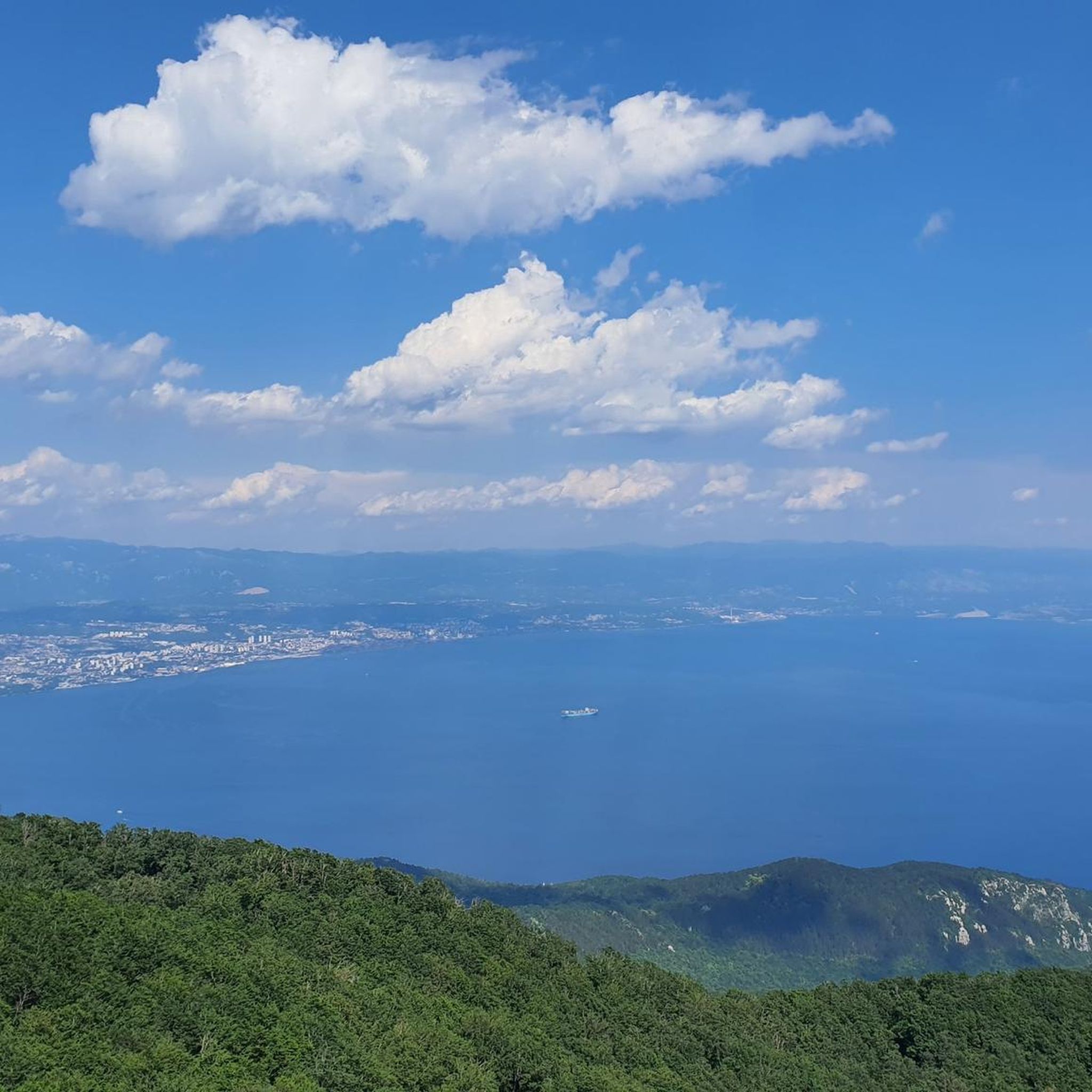
The Hambach opencast mine is one of three remaining active opencast mines in the Rhenish lignite mining area. It is the largest lignite mine in Europe and is located in the middle of the lignite mining area between the municipality of Niederzier and the town of Elsdorf. The Hambach opencast mine was started in 1978 near the Niederzier district of Hambach and is over 350 meters deep. 1.35 billion tons of brown coal are stored beneath its 85 square kilometer mining field. Around 40 million tons of coal are mined every year.
7
0

Tiptop 👋 will come again, no question
6
1

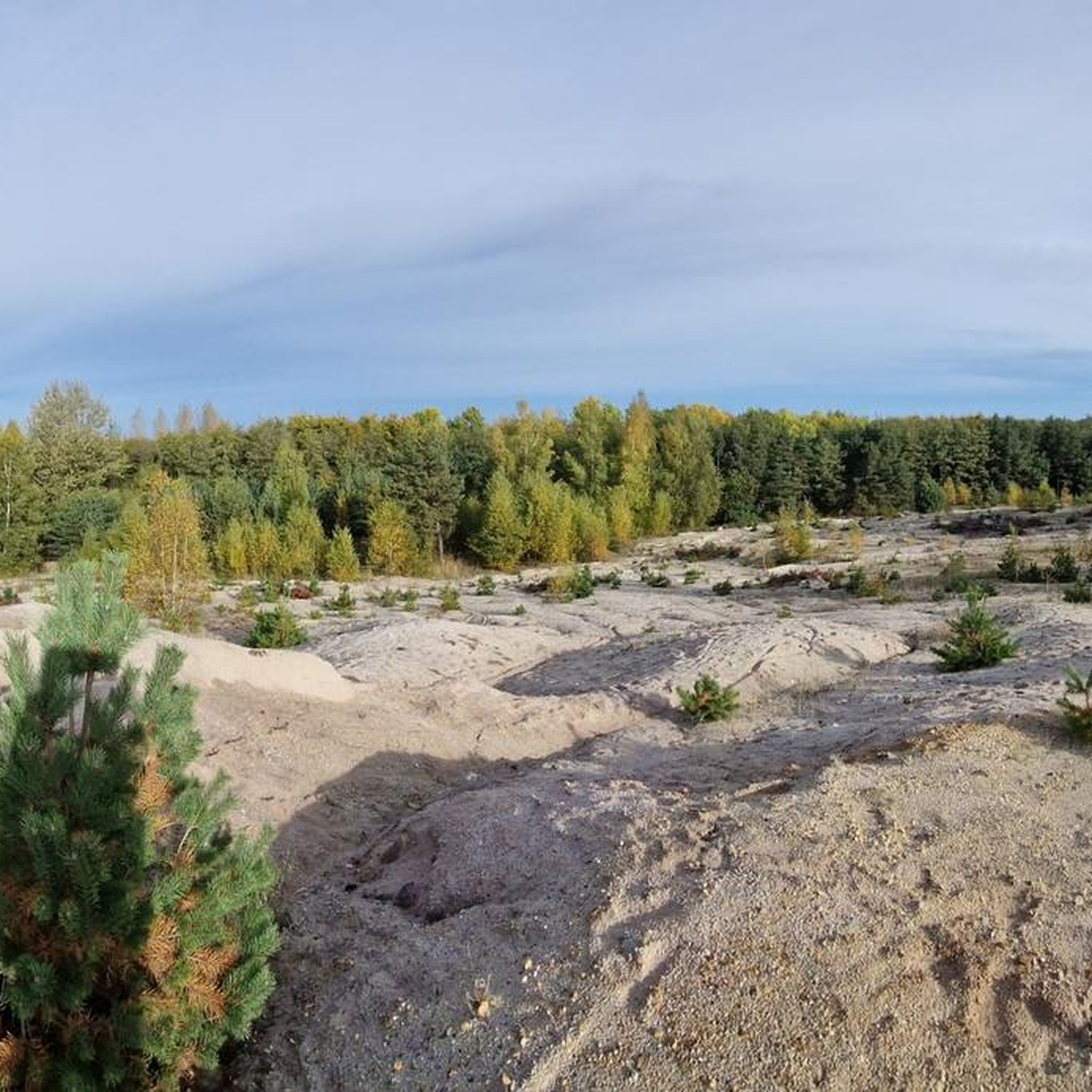
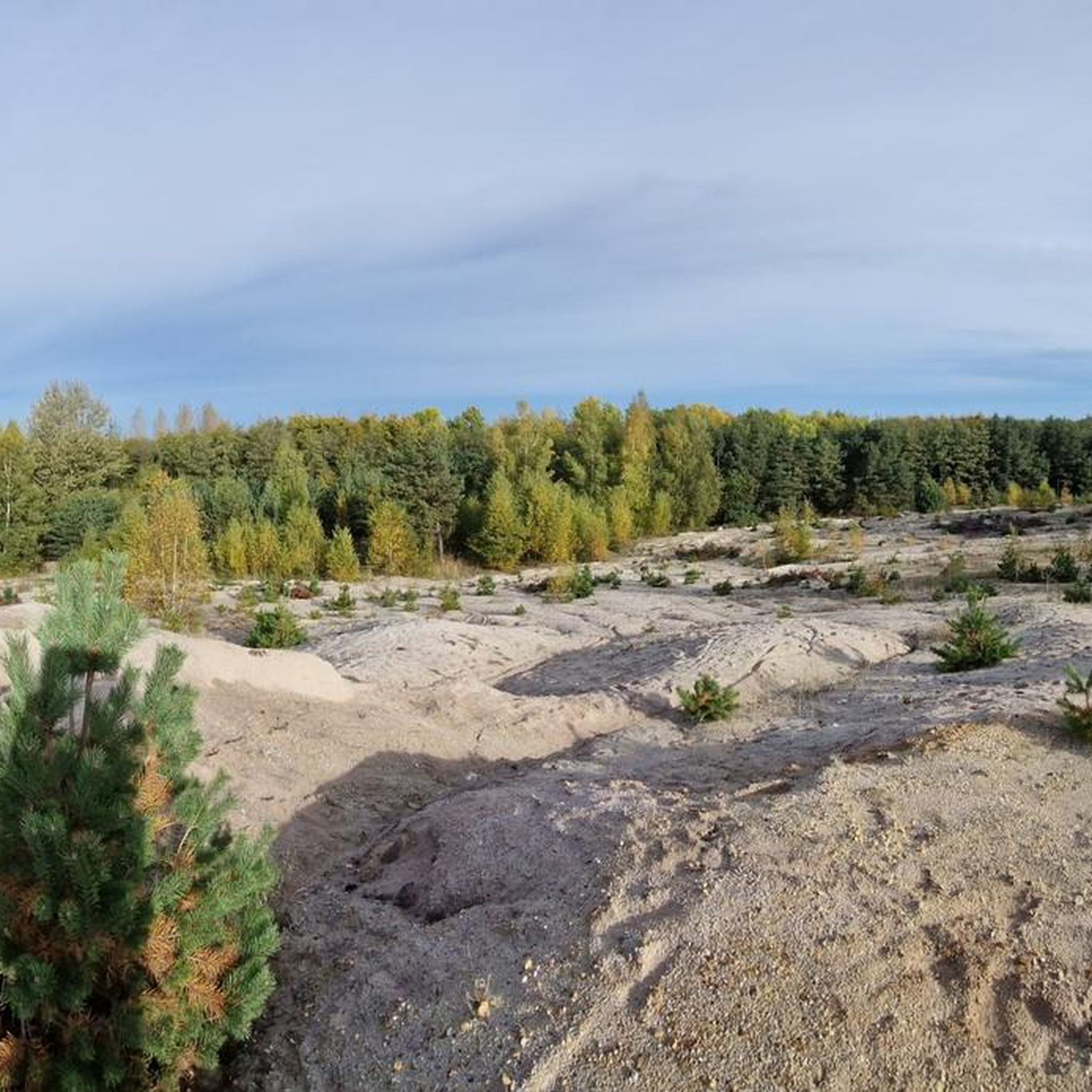
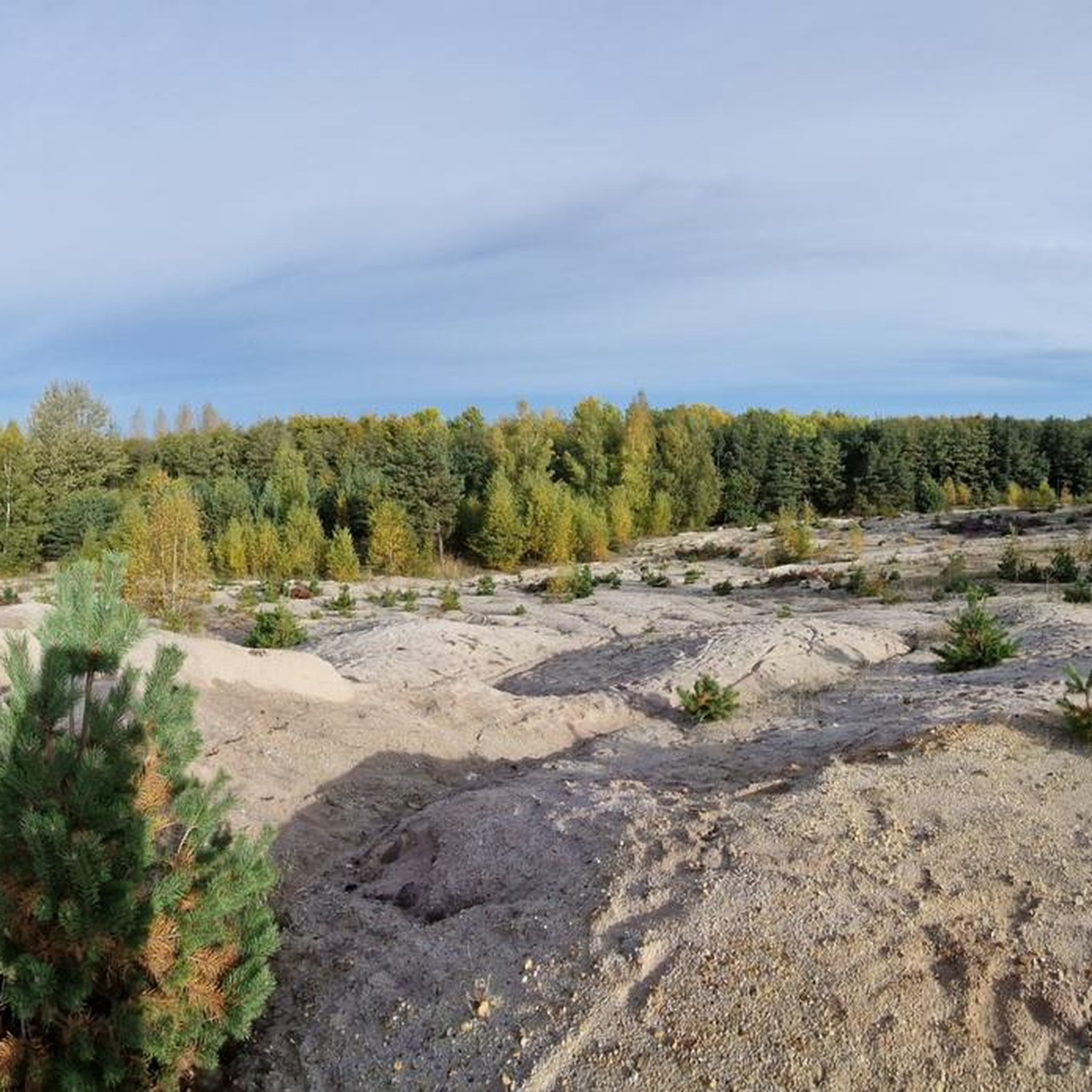
Large parts of this sandy area still lie fallow today. A wooden tower with a weather vane is set up here, which is modeled on a late medieval winding tower of an ore mine.
12
0
Frequently Asked Questions
What natural features can I explore around Titz?
The natural monuments around Titz primarily feature recultivated landscapes, lakes, rivers, and forests. You can visit Kasterer Lake, an important local recreation area known for water birds, or explore the woodland along the Niers river at the Niersbruch Nature Reserve – Riverside Woodland Trail. The Mühlenerft also offers a beautiful river landscape.
Are there good viewpoints to enjoy the landscape near Titz?
Yes, the Höller Horn Observation Tower is a prominent viewpoint located on the reclaimed Sophienhöhe. It offers panoramic views of the surrounding area from approximately 291.5 meters above sea level.
Are there family-friendly natural monuments in the Titz area?
Several natural monuments are suitable for families. Kasterer Lake has a nice children's playground nearby and offers easy, leisurely walks. The Niersbruch Nature Reserve – Riverside Woodland Trail and the Mühlenerft are also great for family strolls. Additionally, the Celtic Tree Circle, Sophienhöhe, provides an educational and engaging experience for all ages.
Can I find historical or cultural elements alongside nature in Titz?
Yes, the region blends natural beauty with historical context. Near Kasterer Lake, the historic town of Alt-Kaster is definitely worth a visit. The Celtic Tree Circle, Sophienhöhe, is a site that explains Celtic beliefs about trees, linking nature with ancient culture. While not a traditional natural monument, the nearby Paffendorf Castle Park also offers a designed natural landscape with ancient trees and historical significance.
What kind of outdoor activities can I do near these natural monuments?
The area around Titz is excellent for various outdoor activities. You can find numerous routes for hiking, cycling, and mountain biking. For detailed routes, explore the dedicated guides for Hiking around Titz, Cycling around Titz, and MTB Trails around Titz.
Are there easy walking trails suitable for beginners or leisurely strolls?
Absolutely. The Niersbruch Nature Reserve – Riverside Woodland Trail offers very easy and pleasant sections. The path around Kasterer Lake is also an easy, leisurely hiking trail, perfect for a relaxed walk.
What wildlife might I encounter around Titz's natural spots?
At Kasterer Lake, you'll find ideal conditions for observing numerous water birds that have settled there. The surrounding forest areas, like those along the Mühlenerft and in the Niersbruch Nature Reserve, also provide habitats for various local flora and fauna.
Are there any unique natural spots resulting from the region's history?
Yes, the region's landscape has been significantly shaped by recultivation efforts following open-cast mining. The Sophienhöhe, where the Höller Horn Observation Tower and the Celtic Tree Circle are located, is a prime example of a former spoil heap transformed into a recreational area with unique natural elements.
Is it possible to cycle through the natural areas around Titz?
Yes, cycling is a popular activity. The Niersbruch Nature Reserve – Riverside Woodland Trail is suitable for all bikes except racing bikes. You can find many routes that pass through the natural monuments and surrounding areas in the Cycling around Titz guide.
What do visitors particularly enjoy about the natural monuments here?
Visitors appreciate the diverse natural experiences, especially the tranquil atmosphere and the opportunities for nature observation. The recultivated landscapes offer unique insights into environmental transformation, while spots like Kasterer Lake are loved for their peaceful setting and birdwatching. The panoramic views from the Höller Horn Observation Tower are also a community favorite.
Are there options for circular hiking routes near the natural monuments?
Yes, many of the hiking routes in the area are circular, allowing you to explore the natural monuments and return to your starting point. You can find a variety of options, including circular trails around the Sophienhöhe and Kasterer Lake, by checking the Hiking around Titz guide.
Are any of the natural monuments around Titz wheelchair accessible?
Yes, Kasterer Lake is noted as being wheelchair accessible, offering paths that allow visitors with mobility aids to enjoy the natural surroundings.
What is the best time of year to visit the natural monuments around Titz?
The natural monuments around Titz can be enjoyed year-round, but spring and autumn offer particularly pleasant conditions for outdoor activities. In spring, the landscape awakens with fresh greenery, while autumn brings vibrant colors to the forests and recultivated areas, making it ideal for hiking and cycling.
Most popular routes around Titz
Most popular attractions around Titz

Get inspired with the komoot mobile app


Explore more
Extend your search for the best caves by checking out these guides of the top ones around Titz:
