Top 20 Natural Monuments around Harsewinkel
Best natural monuments around Harsewinkel feature a diverse landscape shaped by ancient geological processes and river systems. The region includes nature reserves such as the Hünermoor, a relic of a 4,000-year-old raised bog, and the Boomberge, characterized by ice-age inland dunes. The Ems River and its floodplains are central to the area's ecology, providing habitats for various species. These natural features offer opportunities for exploring unique ecosystems and geological formations.
Best natural monuments around Harsewinkel
- The most popular natural monuments…
Last updated: May 11, 2026
View of the Ems River from the Herrlichkeit Bridge
Highlight • Viewpoint
Translated by Google •
Tip by

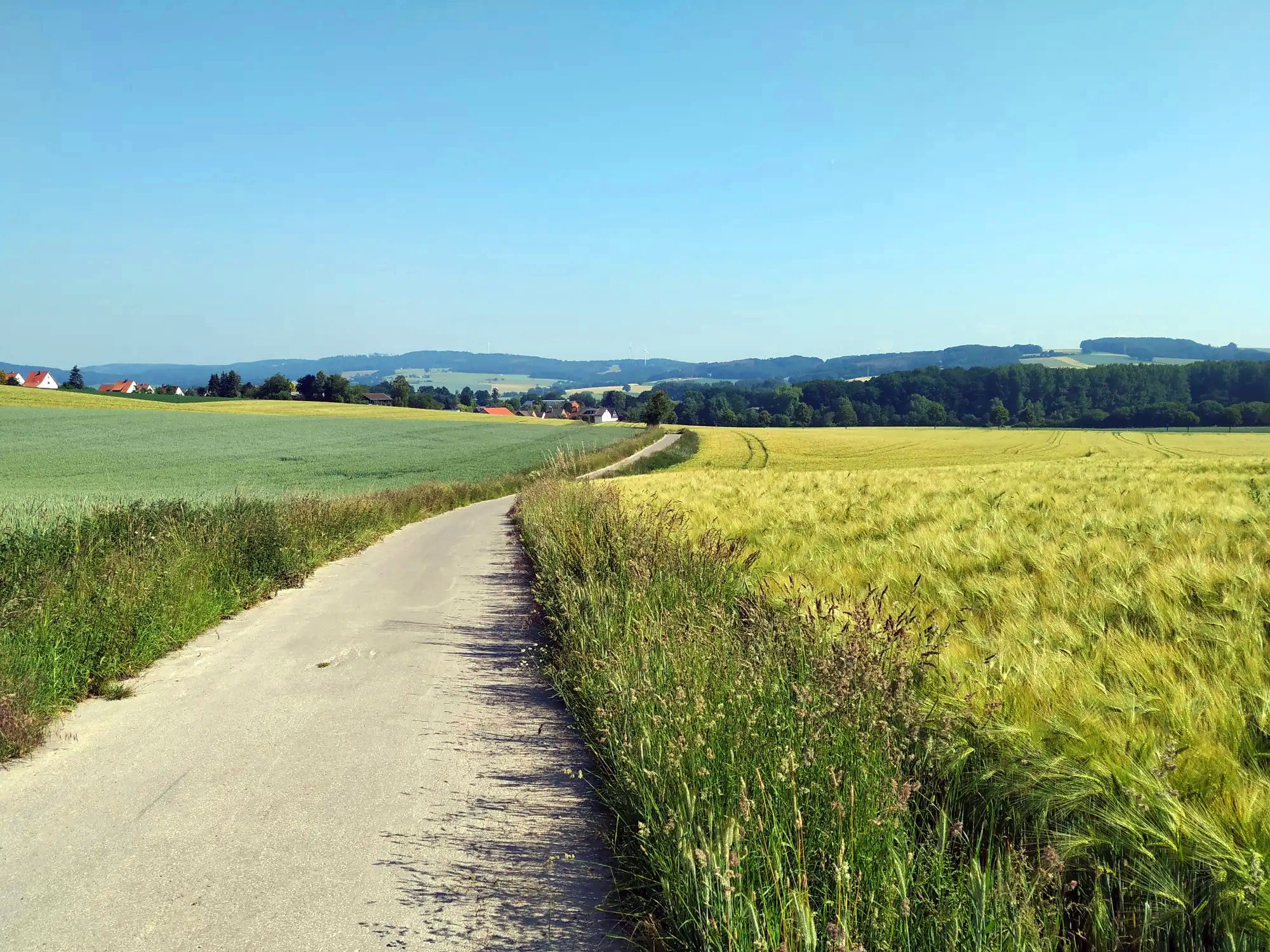
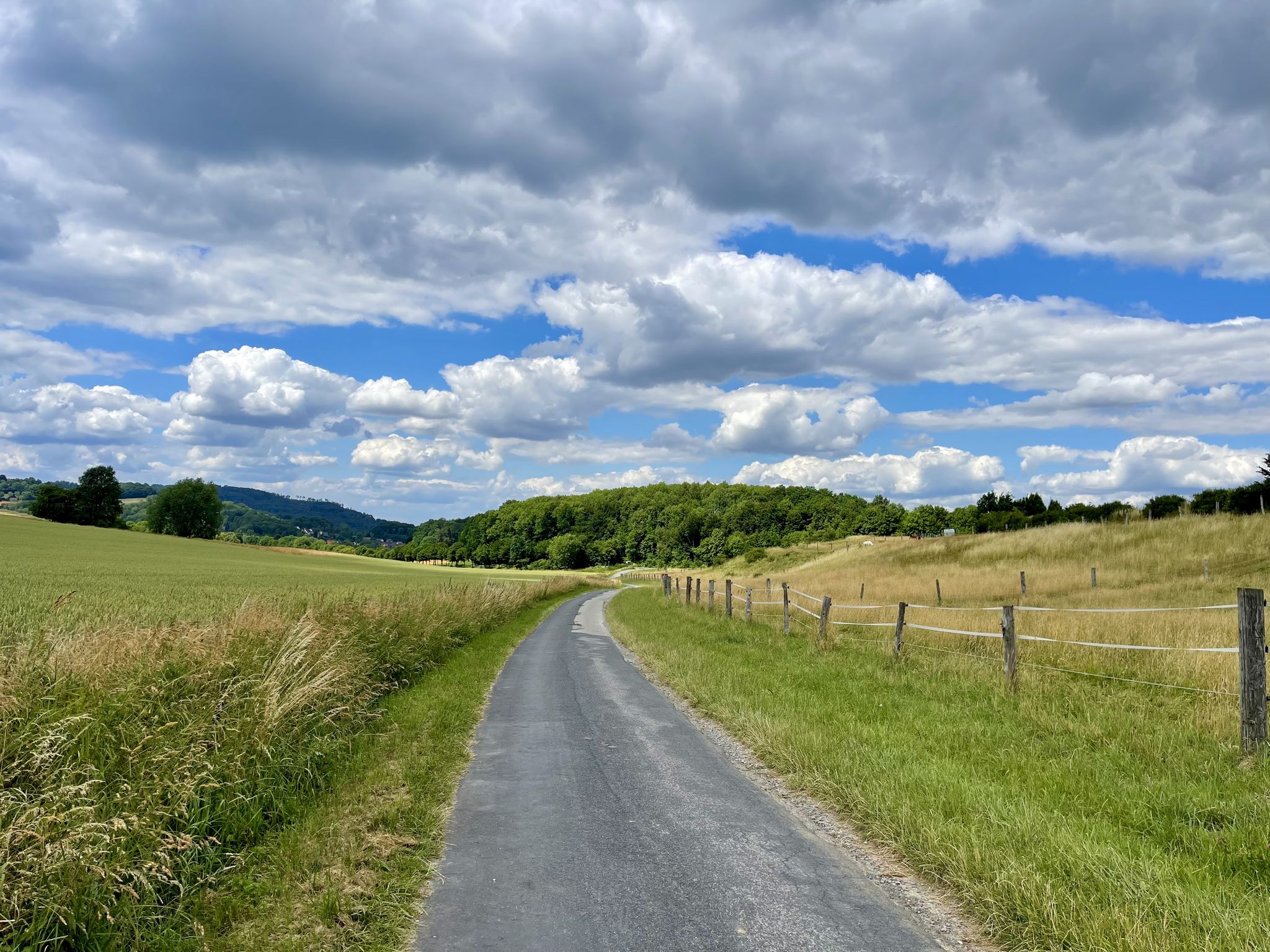
Emsauenradweg (Ems Floodplain Cycle Path) near Warendorf
Highlight • Cycleway
Translated by Google •
Tip by

Sign up now to discover places like this
Get recommendations on the best single tracks, peaks, & plenty of other exciting outdoor places.
Sign up for free
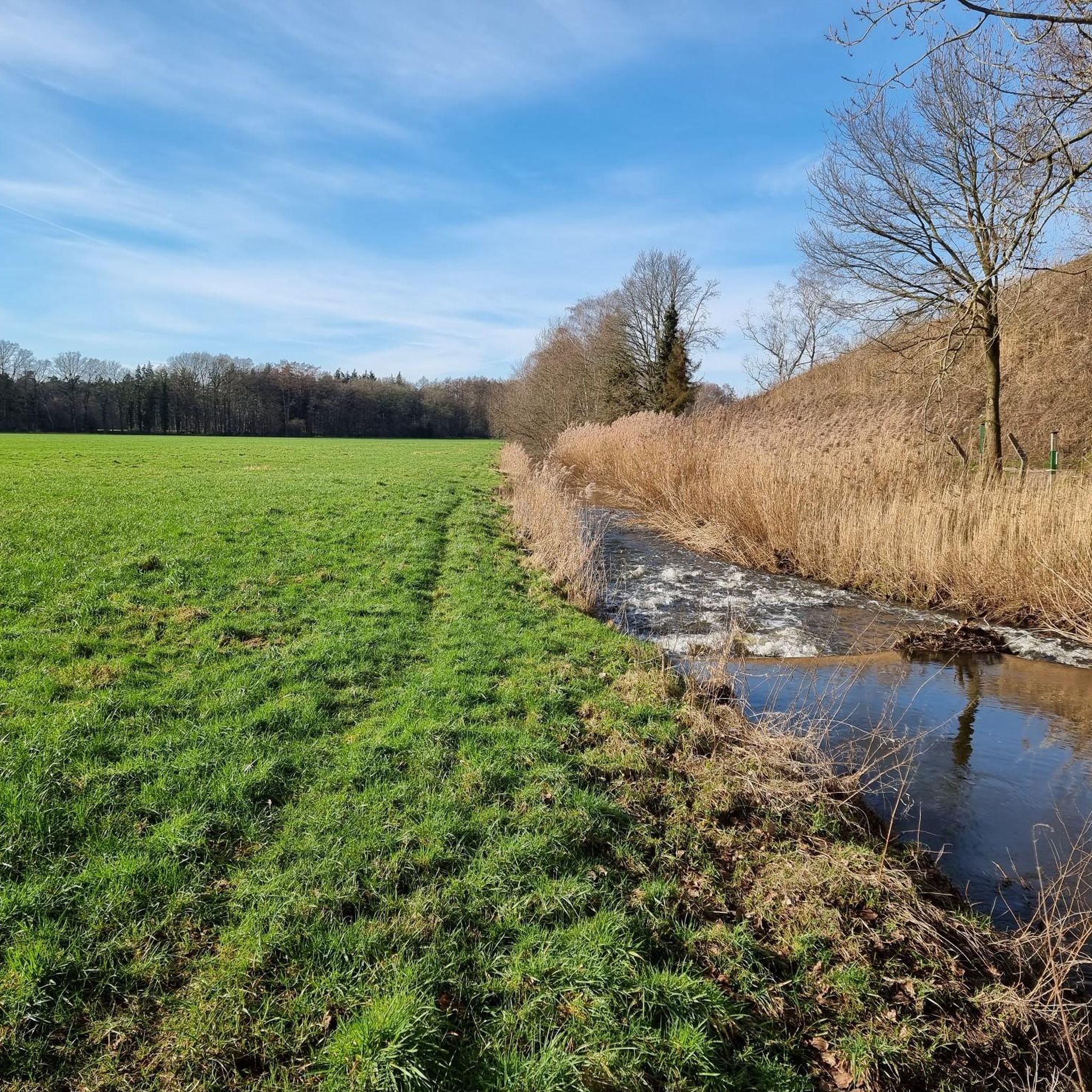
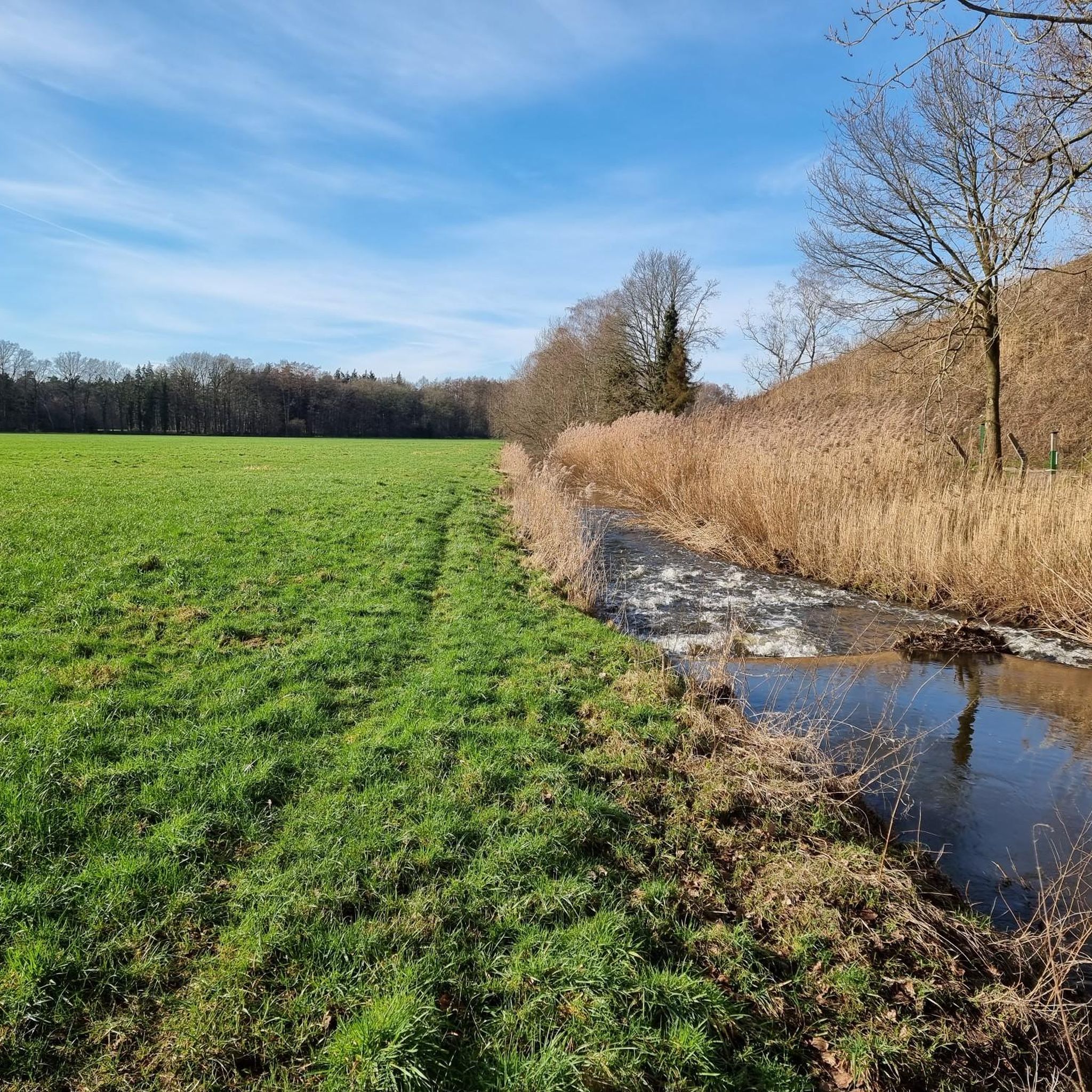
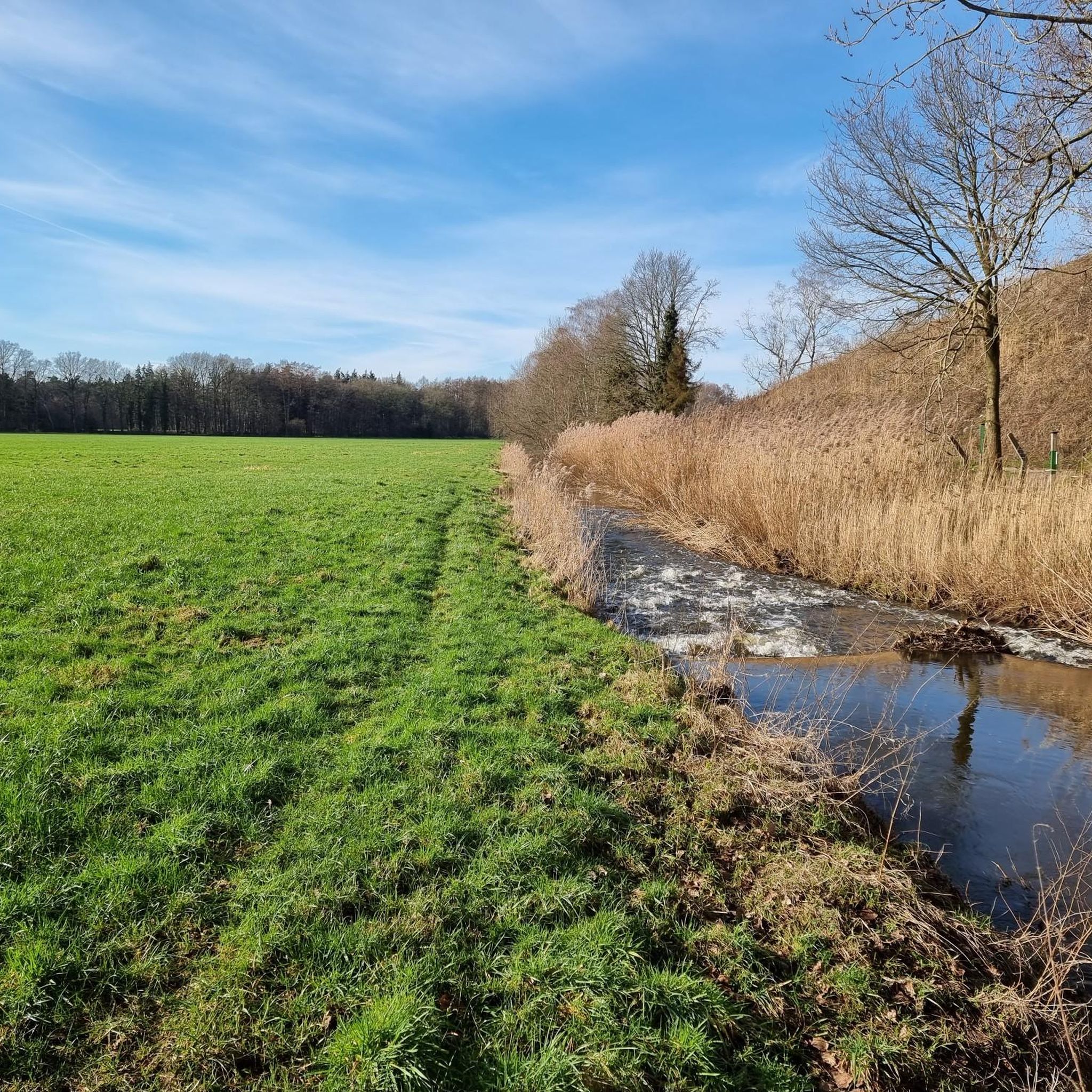
Restoration of the Ems River below the mouth of the Axtbach
Highlight • River
Translated by Google •
Tip by

Hepatica Trail at Jakobsberg
Highlight (Segment) • Trail
Translated by Google •
Tip by

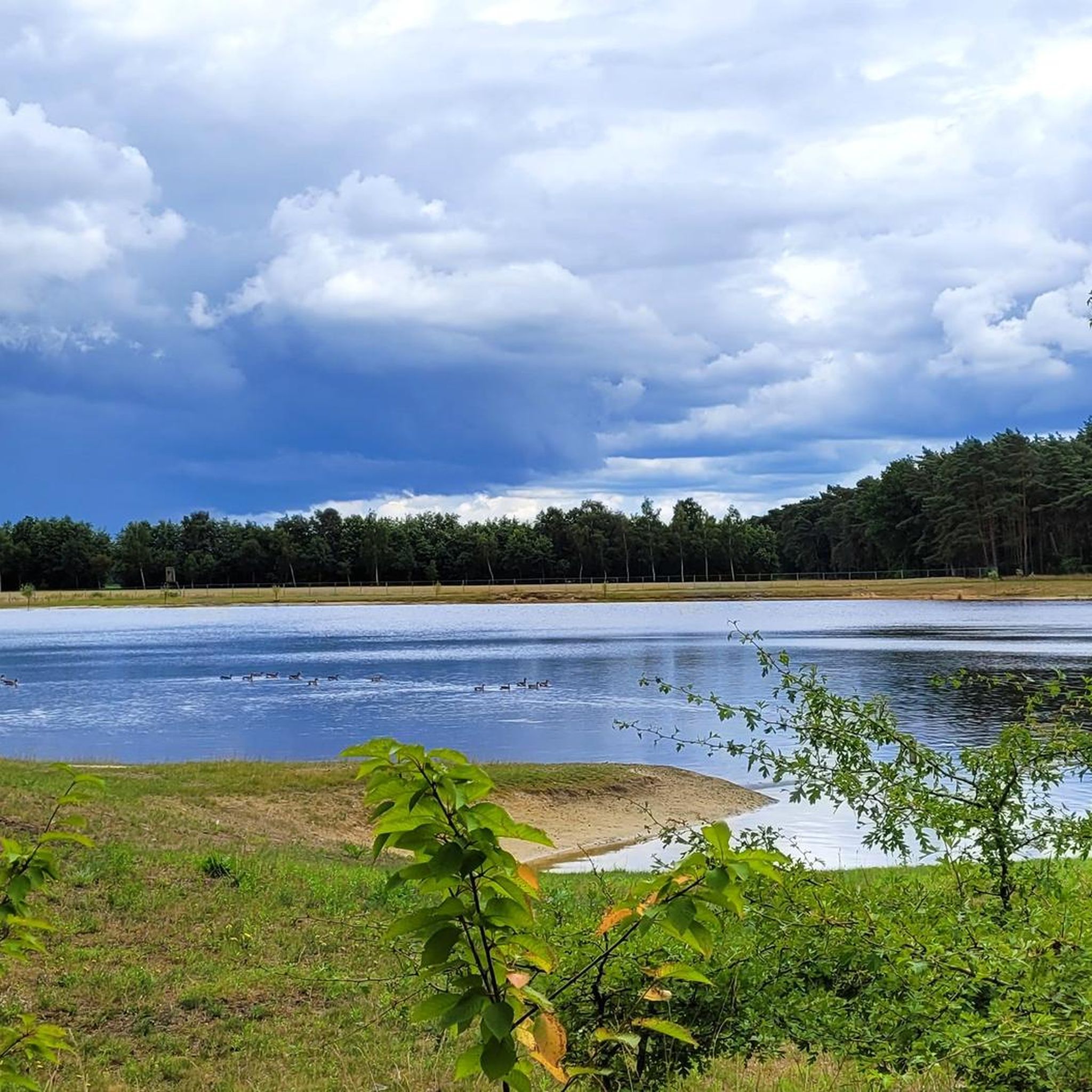
Hühnermoor Nature Reserve
Highlight • Natural Monument
Translated by Google •
Tip by

Sign up for free to discover even more natural monuments around Harsewinkel.
Sign up for free
Already have an account?
Start today with a free account
Your next adventure awaits.
Login or Signup
Popular around Harsewinkel


Tips from the Community

A tour here is always worthwhile.
4
0

A great nature reserve on the edge of the renatured Lutter with moor, mosses and wet meadows with small ponds.
5
1

Hello, we planned this tour from Sassenberg to Warendorf today and unfortunately had to let Google redirect us. The bridges over the Ems on the Glory have been closed since September 1st, 2023. They will be completely renewed. Unfortunately, it is not indicated that both bridges are closed and there are no signs for detours for cyclists or hikers.https://www.wn.de/muensterland/kreis-warendorf/warendorf/bruecke-an-warendorfer-herrlichkeit-vor- abort-2818962
4
0

The Hühnermoor nature reserve is located east of Marienfeld an der Lutter in the Gütersloh district. It covers an area of 8.5 hectares and was first protected as a nature reserve in 1938. A new regulation was issued by the Detmold district president on June 2, 1965. In 1986, the areas were purchased by the Gütersloh district to protect the moorland habitat.
4
1
The chicken moor nature reserve is a boggy meadow area bordered by a forest. There are rare plants and insects here.
4
1

The renaturation of water bodies is of great importance for people and nature. It contributes to the restoration of natural habitats for animal and plant species and thus promotes biodiversity. The natural filtering effects of plants, other organisms and sediments not only reduce the nutrient load, but also improve the water quality. In addition, renatured bodies of water can cushion floods and act as natural flood protection. Likewise, the carbon sequestration in renatured water bodies contributes to the reduction of the carbon content in the atmosphere. Renaturations help us to adapt to the consequences of climate change, can offer great local recreation experiences and thus also open up economic opportunities. Valuable ecosystems are being revived and preserved, which is intended to counteract the extinction of species. So there are many reasons why water body restoration is very important. . According to an EU directive, the so-called Water Framework Directive, all bodies of water should be in good ecological condition by 2027. More information on the subject of renaturation is available on our homepage at: https://www.nabu-station.de/erlebbare-gewaesser-in-der-8plus-region/
4
0

The rare liverwort blooms here from the end of March to April.
7
1

Great and lavishly renatured. Ideal for both cyclists and pedestrians. Invites you to observe flora and fauna.
5
0
Frequently Asked Questions
What unique natural features can I explore in Harsewinkel?
Harsewinkel offers diverse natural features, including the Boomberge, which are ice-age inland dunes with sandy hills, pine forests, and heath areas. You can also visit the Hühnermoor Nature Reserve, a relic of a 4,000-year-old raised bog landscape. The Ems River and its floodplains are also central to the area's ecology, providing various habitats.
Are there any nature reserves particularly good for wildlife spotting in Harsewinkel?
Yes, the Graureiher-Kolonie Harsewinkel is an excellent spot for birdwatching, home to grey herons, eagle owls, and kingfishers. The Hühnermoor Nature Reserve also preserves a unique fauna and flora, with rare plants and animals, and is particularly enchanting in June when the cotton grass is in bloom.
What are some family-friendly natural monuments or activities in Harsewinkel?
The Boomberge nature reserve offers easily accessible paths suitable for all fitness levels, making it great for families. The View of the Ems River from the Herrlichkeit Bridge is also listed as family-friendly, providing a pleasant spot to observe the river landscape. Additionally, the Emsauenradweg (Ems Floodplain Cycle Path) near Warendorf is a family-friendly cycling option.
Where can I find good viewpoints of the Ems River?
The View of the Ems River from the Herrlichkeit Bridge offers expansive views of the Ems and its tree-lined banks. It's a wonderful spot to observe the river landscape.
What is the best time of year to visit the natural monuments in Harsewinkel?
Spring is ideal for seeing the rare liverworts in bloom along the Hepatica Trail at Jakobsberg, typically between March and April. June is particularly attractive for visiting the Hühnermoor Nature Reserve when the cotton grass is in bloom.
Are there hiking or running trails near the natural monuments?
Yes, there are several options. For running, you can explore routes like the "Boomberge Nature Reserve – Boomberge Forest loop from Harsewinkel" or the "Lutter Trail – Hühnermoor Nature Reserve loop from Marienfeld." You can find more running trails in the area on the Running Trails around Harsewinkel guide.
Can I cycle near the natural monuments in Harsewinkel?
Absolutely. The Emsauenradweg (Ems Floodplain Cycle Path) near Warendorf is a wonderful bike path. For more cycling options, including mountain biking and road cycling, you can check out the MTB Trails around Harsewinkel and Road Cycling Routes around Harsewinkel guides.
What is the significance of the Boomberge in Harsewinkel?
The Boomberge are a significant natural monument characterized by ice-age inland dunes, representing the highest elevation in Harsewinkel. They are a popular local recreation area with unique flora, including many Red List species, and also serve as a vital water reservoir for the town's drinking water supply.
What can I expect to see on the Hepatica Trail at Jakobsberg?
The Hepatica Trail at Jakobsberg is notable for the large numbers of rare liverworts that bloom here in spring, typically between March and April. It's a beautiful forest trail where you can observe these small, delicate flowers.
Are there any efforts to restore or protect the natural environment in Harsewinkel?
Yes, significant efforts are underway. The Restoration of the Ems River below the mouth of the Axtbach is a key project aimed at achieving a good ecological status for the river, as required by the European Union's water framework law. Targeted measures are also in place to preserve the unique habitat of rare plants and animals in the Hühnermoor Nature Reserve.
What makes the Hühnermoor Nature Reserve special?
The Hühnermoor Nature Reserve is Harsewinkel's oldest nature reserve and a relic of a 4,000-year-old raised bog landscape. It's special for its unique flora and fauna, including rare plants and animals, and is particularly beautiful in June when the cotton grass is in bloom.
Are the natural monuments in Harsewinkel accessible for everyone?
The Boomberge nature reserve has easily accessible paths suitable for all fitness levels. The View of the Ems River from the Herrlichkeit Bridge is also listed as wheelchair accessible. However, some paths in the Hühnermoor Nature Reserve can be difficult for wheelchair users, so it's advisable to check specific trail conditions.
Most popular routes around Harsewinkel
Most popular attractions around Harsewinkel

Get inspired with the komoot mobile app


Explore more
Extend your search for the best caves by checking out these guides of the top ones around Harsewinkel:
