Top 20 Natural Monuments around Bad Traunstein
Best natural monuments around Bad Traunstein are found in the picturesque Waldviertel region of Austria. This area is characterized by unspoiled nature, dense forests, and rolling hills, providing a tranquil setting for outdoor activities. The landscape features impressive granite rock formations and charming waterfalls. These natural features offer unique characteristics and reasons to explore the region.
Best natural monuments around Bad Traunstein
- The most popular natural monuments is Ysper Gorge, a gorge featuring small climbing aids like stone steps,…
Last updated: May 11, 2026
Ysper Gorge
Highlight (Segment) • Gorge
Translated by Google •
Tip by

Lohnbach Waterfall
Highlight • Waterfall
Between Pretrobruck and Grub in the valley, the Lohnbach overcomes …
Translated by Google •
Tip by

Sign up now to discover places like this
Get recommendations on the best single tracks, peaks, & plenty of other exciting outdoor places.
Sign up for free
Burg Rappottenstein
Highlight • Castle
Rapottenstein Castle tells of …
Translated by Google •
Tip by

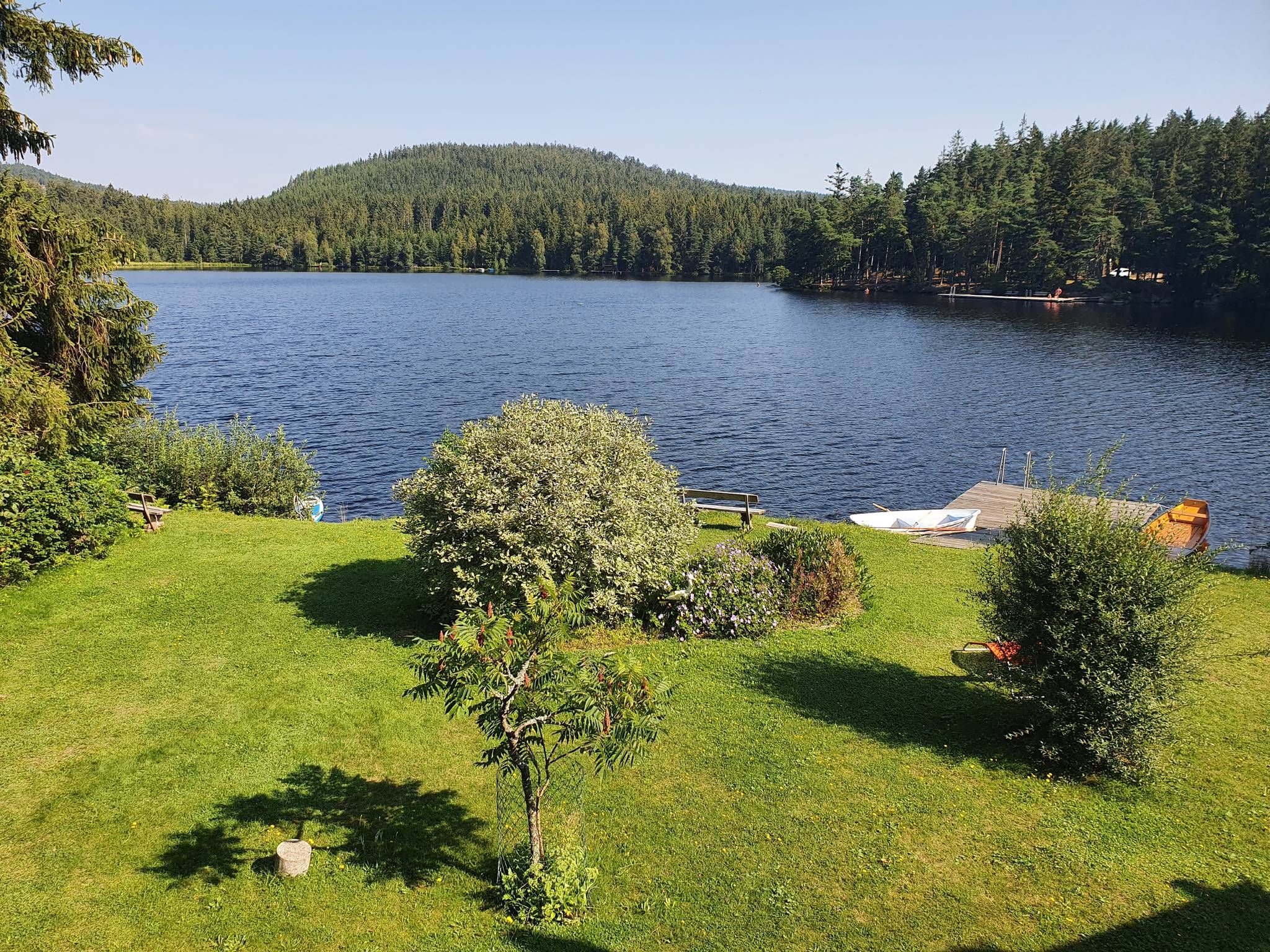
Schlesingerteich
Highlight • Lake
Translated by Google •
Tip by

Arbesbach Castle Ruins
Highlight • Castle
Translated by Google •
Tip by

Sign up for free to discover even more natural monuments around Bad Traunstein.
Sign up for free
Already have an account?
Start today with a free account
Your next adventure awaits.
Login or Signup
Popular around Bad Traunstein
The Path of Life — A (spiritual) hike through northeastern Austria
Kremstal Trail — Hiking along rivers through Lower Austria
Hiking around Bad Traunstein
Cycling around Bad Traunstein
MTB Trails around Bad Traunstein
Road Cycling Routes around Bad Traunstein
Gravel biking around Bad Traunstein
Running Trails around Bad Traunstein

Tips from the Community

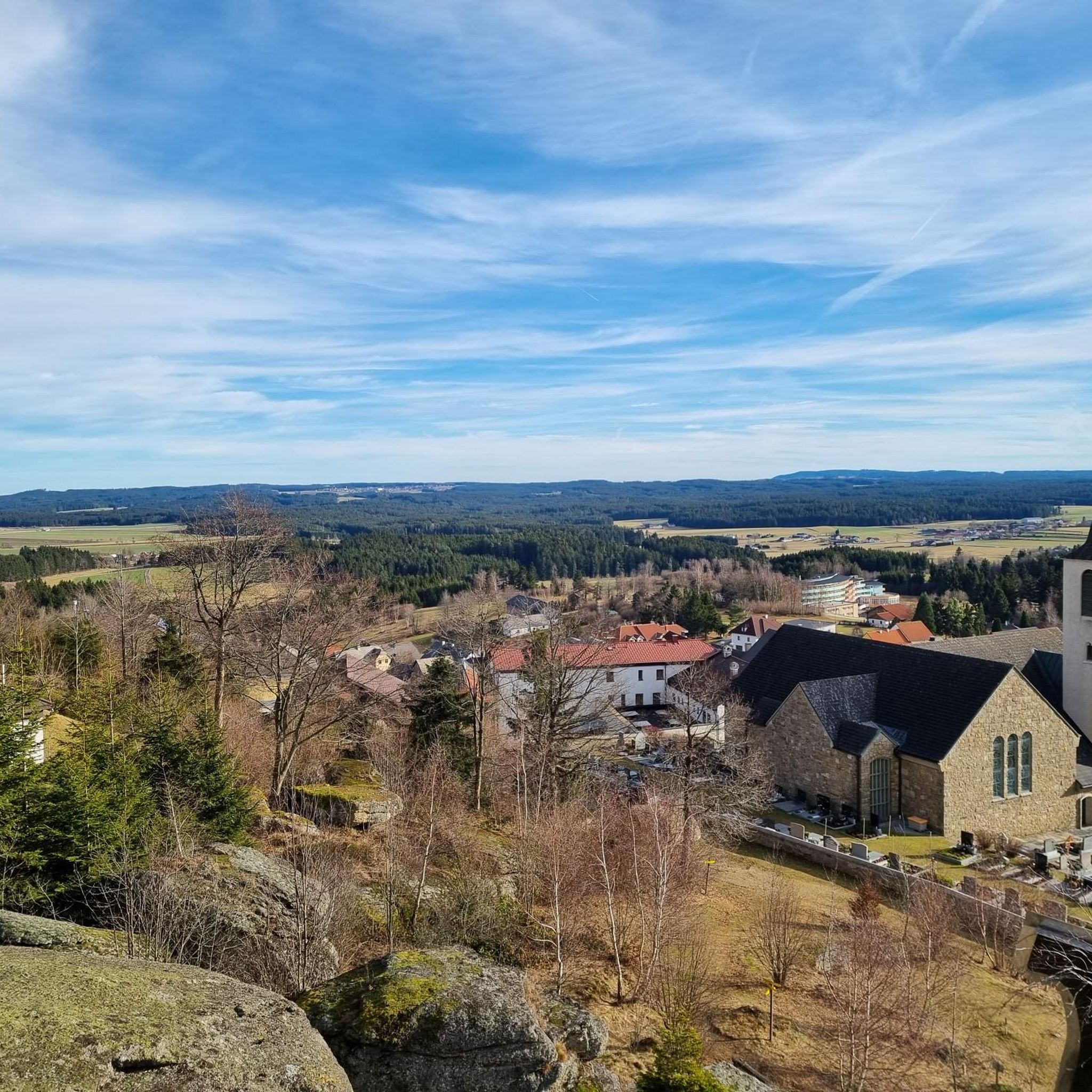
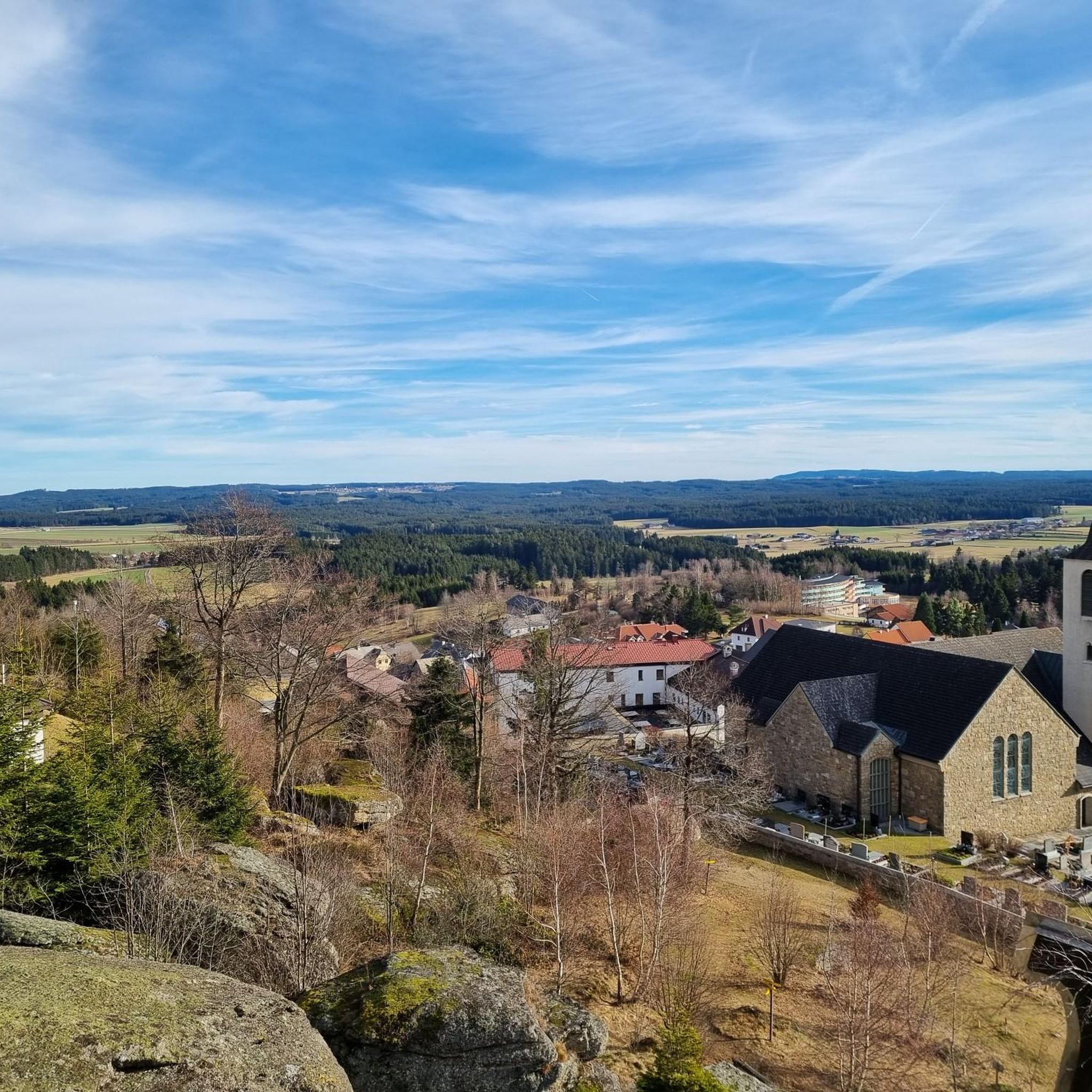
Arbesbach Castle is a top highlight that you should definitely plan a visit to. Even from a distance, you can recognize the so-called "Waldviertel's fang" (Stockzahn des Waldviertels). Once you arrive at the site, 126 steps lead up to the entrance where admission (currently €2.50) is payable in coins or by card. Then it continues inside upwards to the platform, which offers a fantastic view. There is also a circular path around the tower, which however requires some surefootedness and suitable shoes.
0
0

Here you can relax and enjoy nature.
1
0

If you have time, you should definitely see the castle's interior. But be sure to check the opening hours. You can also stop for refreshments in the castle tavern. Good food!
0
0

The village was first mentioned in 1246 and was originally owned by the Kuenring line of Weitra-Rappottenstein. In 1282, the estate passed to the Lords of Falkenberg, and in 1291 to Ulrich von Kapelln. In the 14th century, Arbesbach is mentioned as a freehold property. From 1326 to 1348, it was owned by the Lords of Klingenberg, who in 1347 mortgaged "the castle and the house at Arbesbach" to Weikart and Katharina von Winkl. From 1348, Arbesbach was owned by the Lords of Dachsberg, and from 1423 by the Lords of Starhemberg. In 1480, the castle was destroyed by a Bohemian raiding party and was not rebuilt. In 1600, the estate passed to the Lords of Tschernembl, and in 1604 to Georg Fenzl von... Grueb and as early as 1605 to Georg Kaspar von Neuhaus. From 1614 owned by the Lords von Hackelberg, from 1675 to 1862 by the Countess Dietrichstein. Afterwards, it passed to the Herberstein, Geusau, and Baron Holtz families, and from 1877 onwards to the Altzinger family, who still own the estate today and reside in part of the castle complex. Text by G.R., K.Ki.
2
0


The Arbesbach Castle ruins, also known as the "Molar Tooth of the Waldviertel," are located in the market town of Arbesbach. It was built at the end of the 12th century, presumably around 1180, by Hadmar II von Kuenring and served as a border fortress to secure the Kuenring family's holdings in the Waldviertel region. The most striking remaining structure is the pentagonal keep, which sits atop a granite rock and was originally about 25 meters high. In 1480, the castle was destroyed by Bohemian troops and was not rebuilt. Instead, the Arbesbach Manor House was later built in 1593 as the new administrative center. On the ruins of the keep, the so-called Alexanderwarte, an 18-meter-high observation tower offering panoramic views across the Waldviertel, was built in 1884.
1
0

Particularly beautiful to look at, in September it wasn't too crowded here.
1
0
Frequently Asked Questions
What are some of the most unique natural monuments to visit in Bad Traunstein?
Bad Traunstein is renowned for its impressive granite rock formations and a charming waterfall. Among the most unique are the Franzosenstein, a massive, oval granite block with a local legend about French soldiers, and the Lohnbach Waterfall, where the Lohnbach cascades down several stages, offering scenic beauty.
Are there any natural monuments in Bad Traunstein with historical significance or local legends?
Yes, several natural monuments in Bad Traunstein are steeped in history and folklore. The Franzosenstein, for instance, is named after a legend where French soldiers in 1809 tried unsuccessfully to move the colossal stone. Another fascinating site is the Opferstein, a granite block in the Kirchenwald believed by some to be a relic from the Stone Age with mystical powers, where water in its hollow is thought to have healing properties.
What kind of natural features can I expect to see around Bad Traunstein?
The Bad Traunstein area, nestled in the Waldviertel region, is characterized by its unspoiled nature, dense forests, and rolling hills. You'll primarily encounter impressive granite rock formations, often referred to as 'Stone Giants,' and beautiful waterfalls. The Ysper Gorge is a prime example, featuring a wild and romantic landscape with beautiful watercourses and falls.
Are there family-friendly natural monuments or activities in the area?
Many natural monuments in Bad Traunstein are suitable for families. The Franzosenstein is easily accessible and its legend can be engaging for children. The Ysper Gorge, with its renovated hiking trails, stairs, and footbridges, offers an adventurous yet safe experience for families. Additionally, the area offers many easy hiking routes, such as those found in the Easy hikes around Bad Traunstein guide, which are perfect for family outings.
What outdoor activities can I do near the natural monuments in Bad Traunstein?
The region around Bad Traunstein is ideal for various outdoor activities. You can explore numerous hiking trails that lead to and around these natural wonders. For cyclists, there are many routes available, including those for road cycling and touring bicycle. The natural monuments often serve as excellent starting points or scenic highlights along these routes.
What is the best time of year to visit the natural monuments around Bad Traunstein?
The natural monuments around Bad Traunstein can be enjoyed throughout the year, each season offering a different charm. Spring and autumn provide pleasant temperatures for hiking and vibrant natural colors. Summer is ideal for enjoying the cool air in gorges like the Ysper Gorge. Even in snowy winter, with proper equipment, sites like the Lohnbach Waterfall can be a beautiful destination.
Are there any viewpoints offering panoramic vistas of the region?
Absolutely. The Wachtstein, a striking granite rock formation and landmark of Bad Traunstein, features a viewing platform at 958 meters above sea level. On clear days, visitors can enjoy expansive views stretching as far as Schneeberg and deep into the Mühlviertel. The Ysper Gorge also has a viewing plateau with great views of the Yspertal.
How long should I plan to spend at the natural monuments?
The time you spend can vary depending on the monument and your activity. For sites like the Franzosenstein, a quick stop might suffice, while exploring the Ysper Gorge could take a few hours, especially if you enjoy the hiking trails. Many visitors combine visits to several monuments with a hike or bike ride, making it a full-day excursion.
Are there any 'wobbling stones' in Bad Traunstein, and what are they?
Yes, Bad Traunstein is known for its 'wobbling stones' or 'Wiegenstein'. The Wiegenstein, found deep within the forest towards Weidenegg, is one of the most famous. These are unique geological formations where massive granite blocks rest so precariously that they appear to wobble, yet remain firmly in place. Local legends often surround these mystical stones, such as the Wiegenstein's connection to the Virgin Mary.
Can I find any historical castles or ruins near the natural monuments?
Yes, the region beautifully blends natural and man-made historical sites. Burg Rappottenstein, one of the oldest castles in the northwestern Waldviertel, presents itself proudly on a granite rock mountain, telling tales of Romanesque, Gothic, and Renaissance periods. The Arbesbach Castle Ruins, also known as the 'stick tooth of the Waldviertel,' is another impressive historical site built on a huge granite rock.
What do visitors enjoy most about the natural monuments in Bad Traunstein?
Visitors frequently appreciate the tranquil setting, the unspoiled nature, and the unique geological formations. The combination of impressive granite rock formations, like the Wachtstein and Franzosenstein, with local legends and the serene beauty of the Lohnbach Waterfall, creates a memorable experience. The well-maintained hiking trails and opportunities for outdoor activities also contribute to a highly positive visitor experience.
Are there easy hiking trails to reach these natural monuments?
Yes, there are several easy hiking trails that allow access to the natural monuments. For example, the Easy hikes around Bad Traunstein guide features routes like the 'Wachtstein – Franzosenstein loop from Bad Traunstein,' which is an easy 4.5 km hike, making many of these sites accessible for most visitors.
Most popular routes around Bad Traunstein
Most popular attractions around Bad Traunstein

Get inspired with the komoot mobile app


Explore more
Extend your search for the best caves by checking out these guides of the top ones around Bad Traunstein:
