Top 20 Natural Monuments around Stratzing
Natural monuments around Stratzing offer diverse natural attractions within a landscape rich in history and geological features. The region, known for its archaeological significance, features natural elevations like Galgenberg, which holds immense cultural and historical value as an Aurignacian site. Visitors can explore a variety of natural formations and viewpoints, with over 20 designated natural monuments in the area. These sites provide opportunities to experience the natural environment that has shaped human presence for millennia.
Best natural monuments around Stratzing
…Last updated: August 4, 2026
Dürnstein Pulpit
Highlight • Viewpoint
Translated by Google •
Tip by

Danube Lookout on Braunsdorfer Hill
Highlight • Viewpoint
Translated by Google •
Tip by

Sign up now to discover places like this
Get recommendations on the best single tracks, peaks, & plenty of other exciting outdoor places.
Sign up for free
Franzosendenkmal (French Monument), Dürnstein
Highlight • Monument
Translated by Google •
Tip by

Fountain in Krems City Park
Highlight • Monument
In the park you …
Translated by Google •
Tip by

Arche Noah Botanical Garden
Highlight • Natural Monument
Tasks of the association are the preservation of …
Translated by Google •
Tip by

Sign up for free to discover even more natural monuments around Stratzing.
Sign up for free
Already have an account?
Start today with a free account
Your next adventure awaits.
Login or Signup
Other adventures around Stratzing

Tips from the Community

Answers to garden questions For those who want to know more, a garden tour is highly recommended. During the tour, you wander through the garden's extensive variety of species, listen to stories about almost forgotten cultivated plants, and learn valuable information about their cultivation and use. You will receive answers to personal gardening questions and learn the latest about ARCHE NOAH's seed policy. And because ARCHE NOAH is dedicated to preserving endangered vegetable, fruit, and grain varieties, seed propagation is also a topic: How to obtain seeds for propagation and what treasure the 5,500 cultivated plant varieties resting in the ARCHE NOAH seed archive represent – you will find out on the garden tour!
0
0
NOAH'S ARK Show Garden A walk through paradise for valuable cultivated plants. Old, valuable, and almost extinct cultivated plants are combined in the ARCHE NOAH Show Garden in Schiltern to create a unique garden experience. Delicious, robust, and endangered vegetable and fruit varieties remain alive this way. The baroque pavilion as a focal point in the Schlosspark of Schiltern Castle provides the dignified setting. In this historic ambience, the ARCHE NOAH Show Garden offers a colourful treasure trove of rare vegetables, herbs, cereals, fruits, and berries. Visitors stroll past colourful theme beds with changing cultivated plants, see carrots in all colours and shapes, and delight in aromatic cocktail tomatoes, Krachsalat, and mustard greens. In the ARCHE NOAH Show Garden's scattered fruit tree meadow, you can discover tasty fruit varieties with unusual names such as 'Himbeerapfel von Holovous' or 'Ananasmarille'.
0
0

The expansive view from the Dürnstein Pulpit is absolutely breathtakingly beautiful. Highly recommended!
8
0

The so-called French Monument was erected in 1905 by Friedrich Schachner. The monumental monument commemorating the victory of the Austrian and Russian troops over the Napoleonic army rises on a high square base and has a steeply rising, polygonal top, which is crowned by a drum with reliefs and a steep dome.
3
0


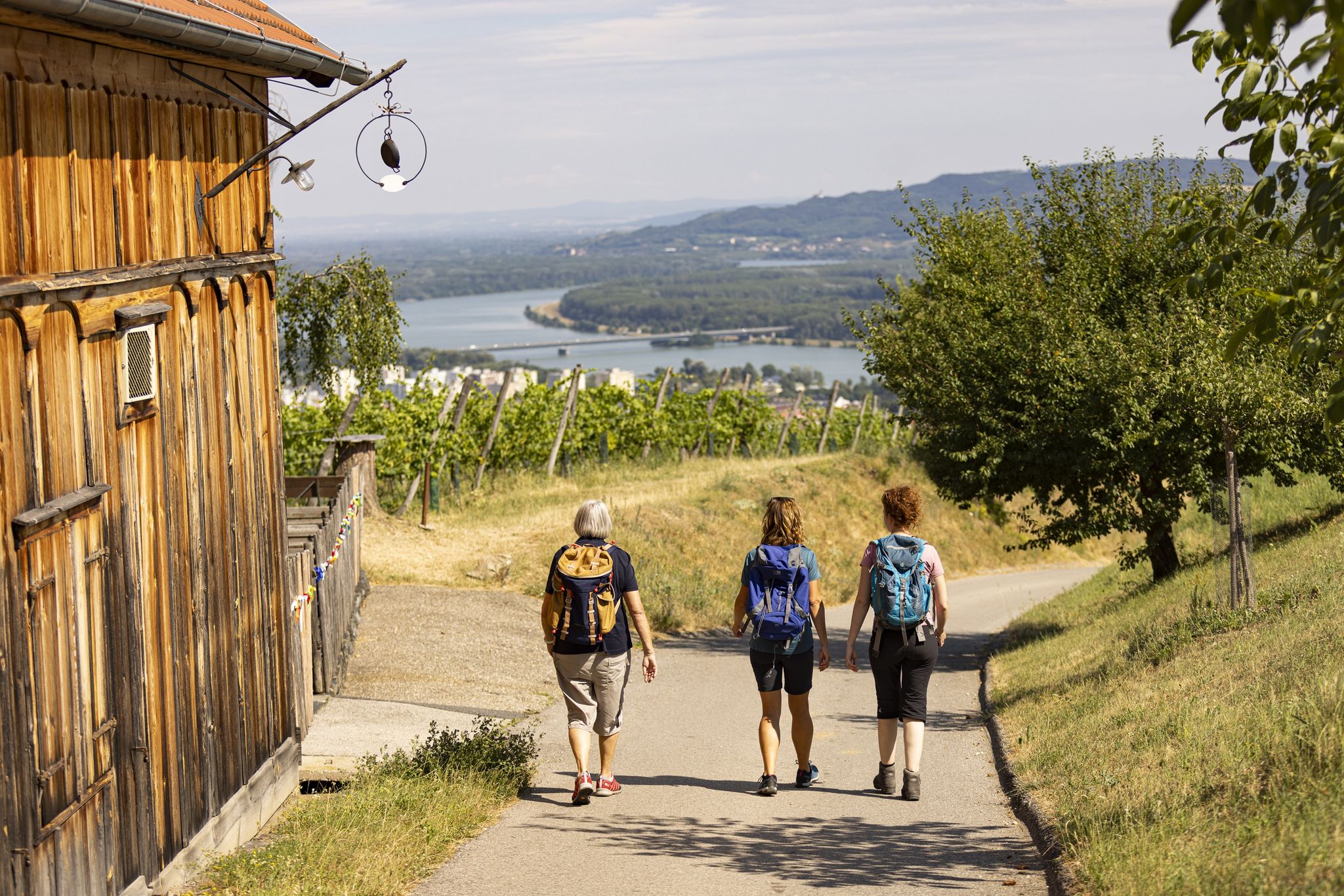
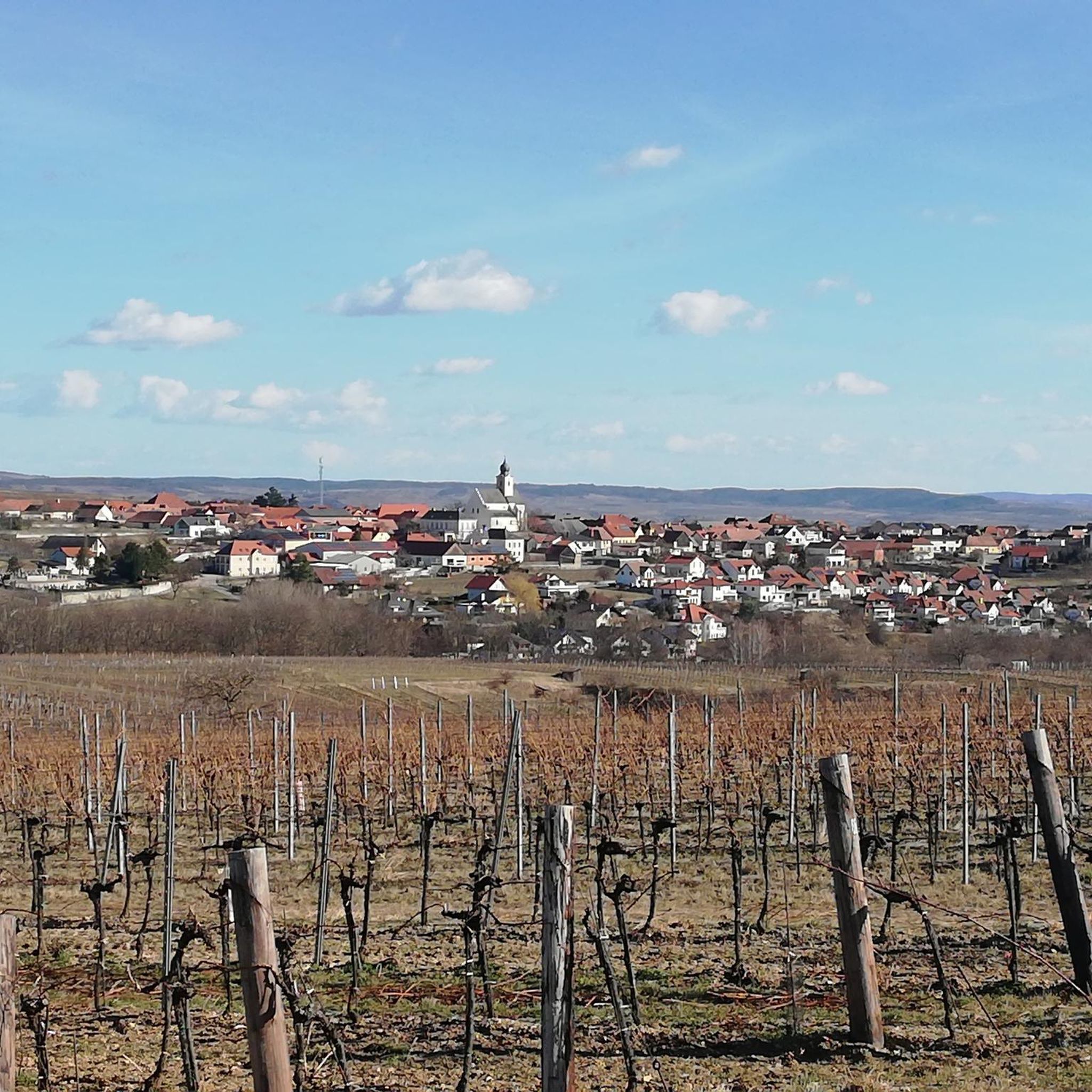
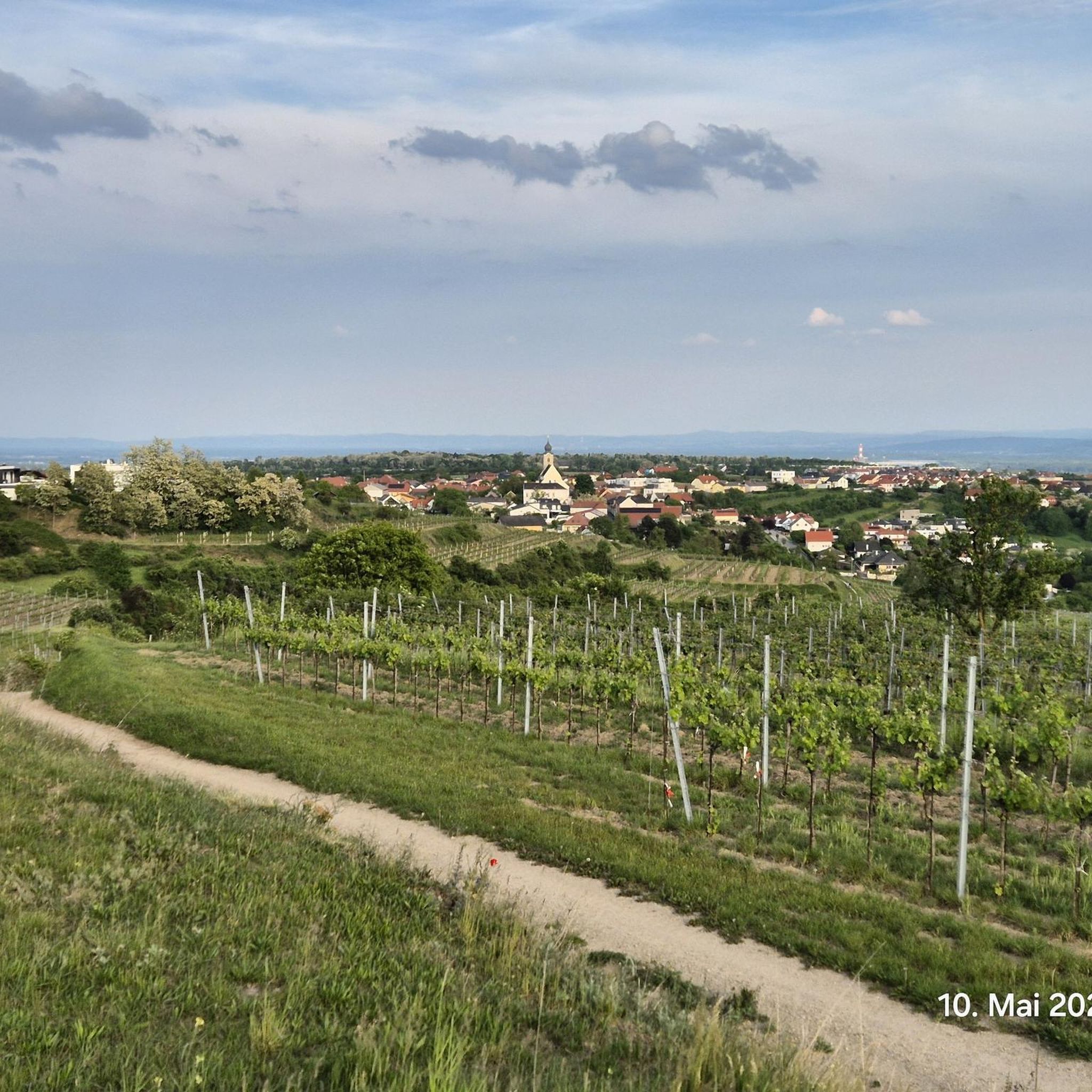
Wonderful view over Krems into the Tullnerfeld, over the Danube to Göttweig Abbey and into the Dunkelsteinerwald, located on the Großer Tullnerfeld circular hiking trail 675 and the Waldviertel long-distance hiking trail 606, one of the Mariazell pilgrim paths also passes through here, the 06er.
5
1
Very impressive, visible monument that arouses curiosity. Information boards are available and also helpful. Right on the bike path, you can't miss it.
3
0
A truly scenic park, well worth a short detour. The benches and shady spots were very welcome in the summer. The artistically designed fountain, with its soothing water source, is a wonderful place to take a break during a bike ride. The park itself also offers other lovely places to linger.
7
0
Frequently Asked Questions
What are the most popular natural monuments around Stratzing?
Visitors frequently enjoy the Dürnstein Pulpit, known for its breathtaking views over the Wachau region and the Danube Valley. Another favorite is the Danube Lookout on Braunsdorfer Hill, offering expansive vistas over Krems, the Tullnerfeld, and Göttweig Abbey. The unique Loess terraces – Stein an der Donau are also highly appreciated for their geological formations and wine-growing landscape.
Are there family-friendly natural monuments in the Stratzing area?
Yes, several natural monuments are suitable for families. The Danube Lookout on Braunsdorfer Hill is considered family-friendly, providing a pleasant spot to linger and enjoy the views. Additionally, the Arche Noah Botanical Garden offers an engaging experience for all ages, focusing on crop diversity and featuring a show garden.
What kind of geological features can I explore near Stratzing?
The region is notable for its unique geological formations, particularly the Loess terraces – Stein an der Donau. These terraces are formed by wind-blown loess, creating stable, high cliffs and deep cellars that define the local wine-growing landscape. The Galgenberg, a natural elevation, also holds significant geological and archaeological interest.
What historical sites are connected to the natural landscape around Stratzing?
The Galgenberg (Gallows Hill) is a significant natural elevation with immense historical and anthropological importance. It is an Aurignacian site where the 32,000-year-old 'Fanny' figurine was discovered, making it the oldest artwork in Austria. Another historical point of interest is the Franzosendenkmal (French Monument) in Dürnstein, which commemorates the Battle of Dürnstein from the Napoleonic Wars.
Are there hiking trails near the natural monuments around Stratzing?
Yes, the area offers various hiking opportunities. For instance, the Loess terraces – Stein an der Donau are crisscrossed by numerous hiking trails, including sections of the Great Tullnerfeld Circular Trail and the Mariazell Trail. You can find more hiking routes in the Hiking around Stratzing guide, with options like the 'Senftenberg Castle Ruins – View of the Kremstal Valley loop'.
What outdoor activities can I do near these natural monuments?
Beyond exploring the natural monuments themselves, you can enjoy various outdoor activities. Hiking is popular, with routes like the 'Priel Lookout Tower – At the Stratzingbach loop' available. For runners, there are trails such as the 'Heilige Maria am Berg Statue – Longest Cellar Lane loop'. Gravel biking is also an option, with tours like the 'Langenlois and Gföhl Gravel Tour'. More details can be found in the Hiking around Stratzing, Running Trails around Stratzing, and Gravel biking around Stratzing guides.
What do visitors enjoy most about the natural monuments in Stratzing?
Visitors particularly appreciate the expansive and breathtaking views from viewpoints like the Dürnstein Pulpit and the Danube Lookout on Braunsdorfer Hill. The unique geological formations of the Loess terraces – Stein an der Donau and the historical significance of sites like the Galgenberg also draw considerable interest.
Are there any botanical collections or gardens to visit?
Yes, the Arche Noah Botanical Garden is a notable natural monument in the area. It is run by an association dedicated to preserving crop diversity and features a show garden with thousands of endangered types of vegetables, fruits, and grains.
What is the best time of year to visit the natural monuments around Stratzing?
The region's natural monuments, especially those with vineyards like the Loess terraces – Stein an der Donau, are particularly beautiful during spring and autumn when the landscape is vibrant with new growth or rich harvest colors. Summer offers pleasant weather for outdoor activities and enjoying the viewpoints, while winter can provide a serene, snow-dusted experience, though some trails might be less accessible.
Can I find easy walking routes among the natural monuments?
Yes, there are easy walking routes available. For example, the 'Priel Lookout Tower – At the Stratzingbach loop' is an easy hiking route near Stratzing, covering about 6 km. Many paths around the Loess terraces – Stein an der Donau are also suitable for leisurely walks, allowing you to explore the unique landscape.
Are there any viewpoints offering panoramic scenery?
Absolutely. The Dürnstein Pulpit is considered one of the most spectacular vantage points in the Danube Valley, offering breathtaking views over the Wachau. The Danube Lookout on Braunsdorfer Hill also provides wonderful panoramic views over Krems, the Danube, and into the Tullnerfeld.
Most popular routes around Stratzing
Most popular attractions around Stratzing

Get inspired with the komoot mobile app


Explore more
Extend your search for the best caves by checking out these guides of the top ones around Stratzing:
