Top 20 Natural Monuments around Rohrendorf bei Krems
Best natural monuments around Rohrendorf bei Krems showcase the region's geological history and diverse landscape. The area features distinctive conglomerate rock formations, such as the Hängender Stein, formed approximately 30 million years ago from solidified calcareous gravel. Deep, sunken paths known as Rohrendorfer Hohlwege, characteristic of Lower Austrian Loess areas, illustrate the interaction between human activity and geological processes. Additionally, the region is part of the Natura 2000 network, including the Tullnerfelder Donau-Auen and Kamp- und Kremstal, which protect rare…
Last updated: May 27, 2026
Dürnstein Pulpit
Highlight • Viewpoint
Translated by Google •
Tip by

Giant Sequoias of Paudorf
Highlight • Forest
Translated by Google •
Tip by

Sign up now to discover places like this
Get recommendations on the best single tracks, peaks, & plenty of other exciting outdoor places.
Sign up for free
Danube Lookout on Braunsdorfer Hill
Highlight • Viewpoint
Franzosendenkmal (French Monument), Dürnstein
Highlight • Monument
Altenwörth fish pass
Highlight • Structure
Translated by Google •
Tip by

Sign up for free to discover even more natural monuments around Rohrendorf bei Krems.
Sign up for free
Already have an account?
Start today with a free account
Your next adventure awaits.
Login or Signup
Popular around Rohrendorf bei Krems
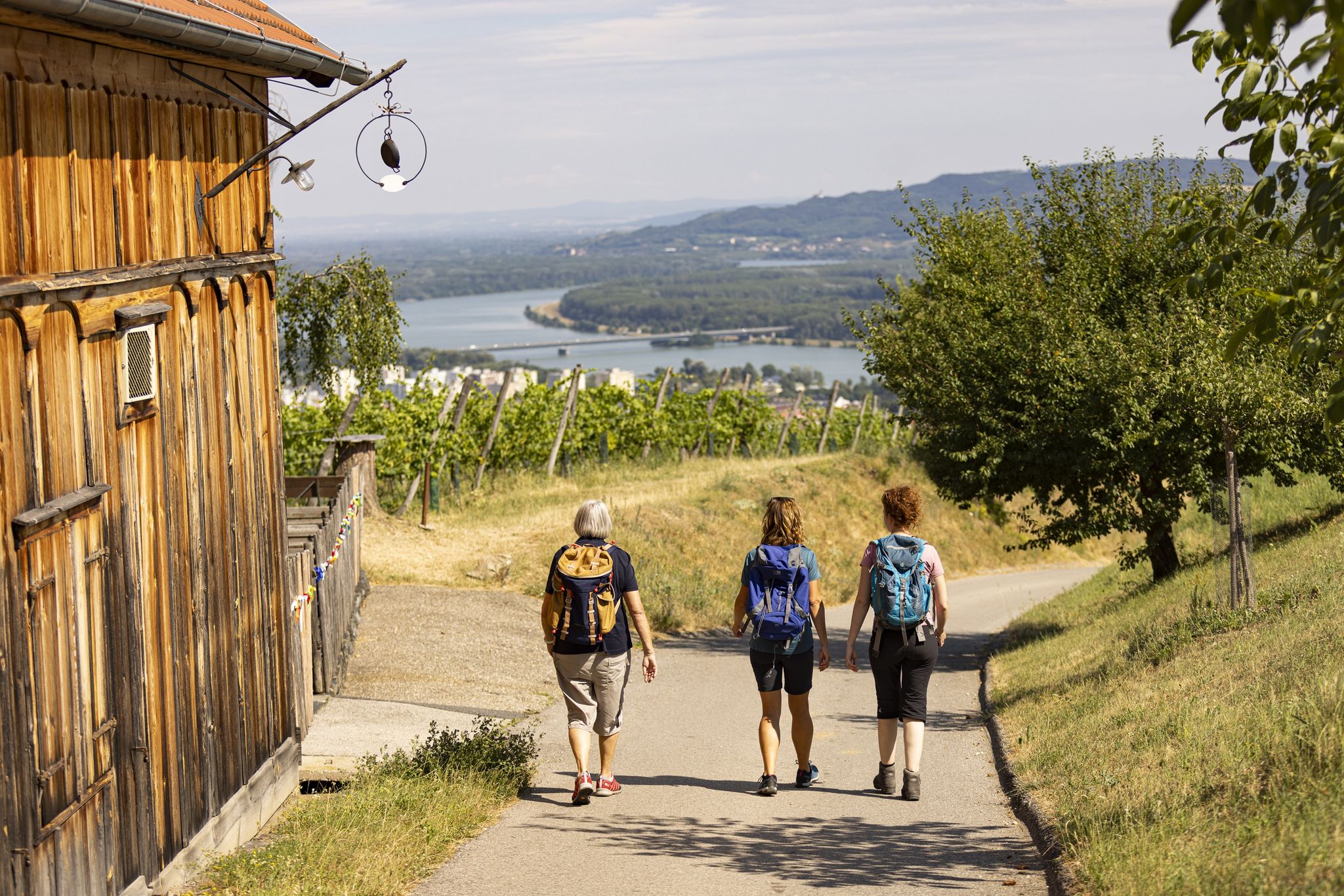
Into the valley of wine - Kremstal-Danube Long Distance Trail
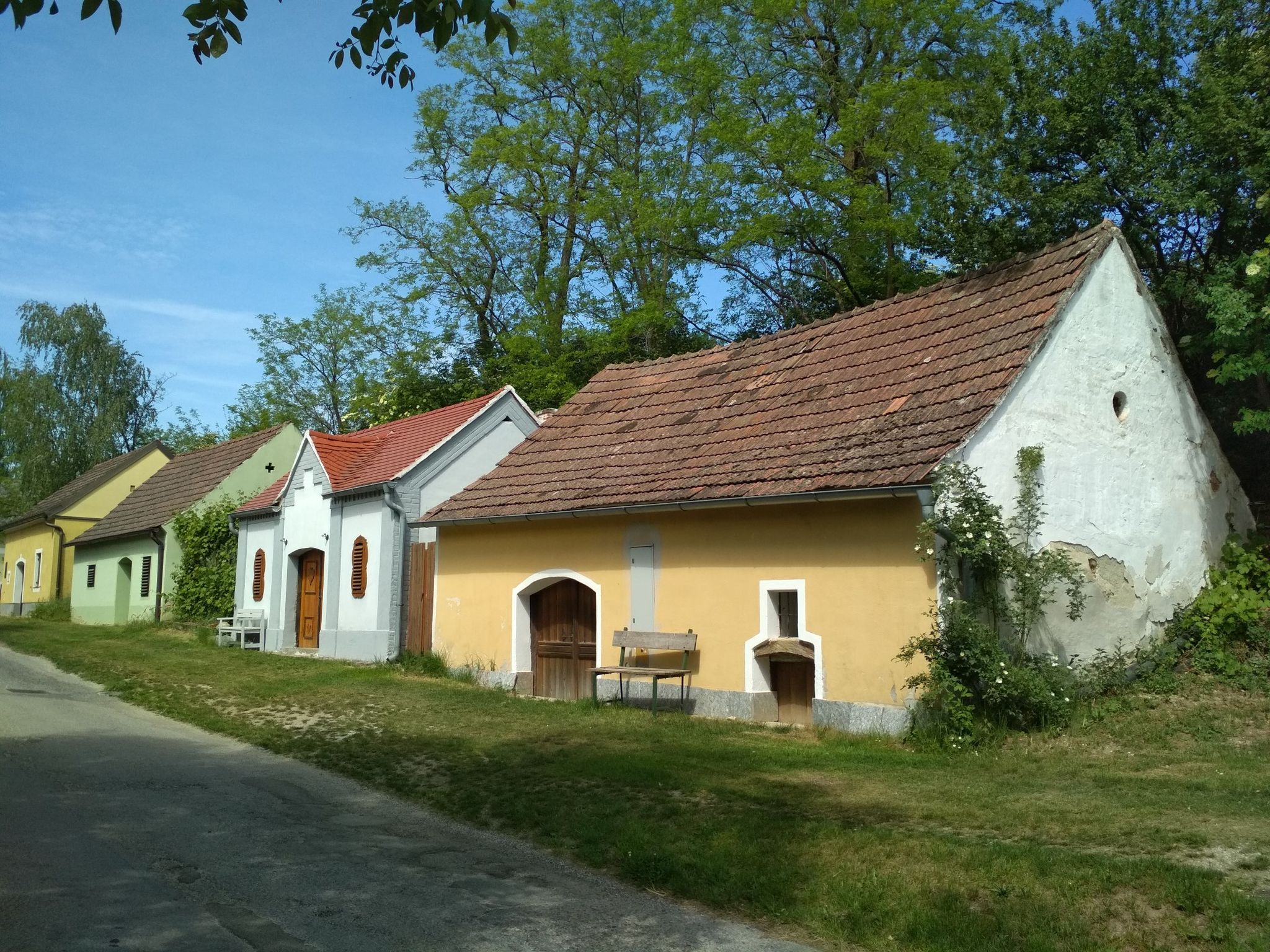
The most beautiful wine cellar lanes along the Jakobsweg Weinviertel
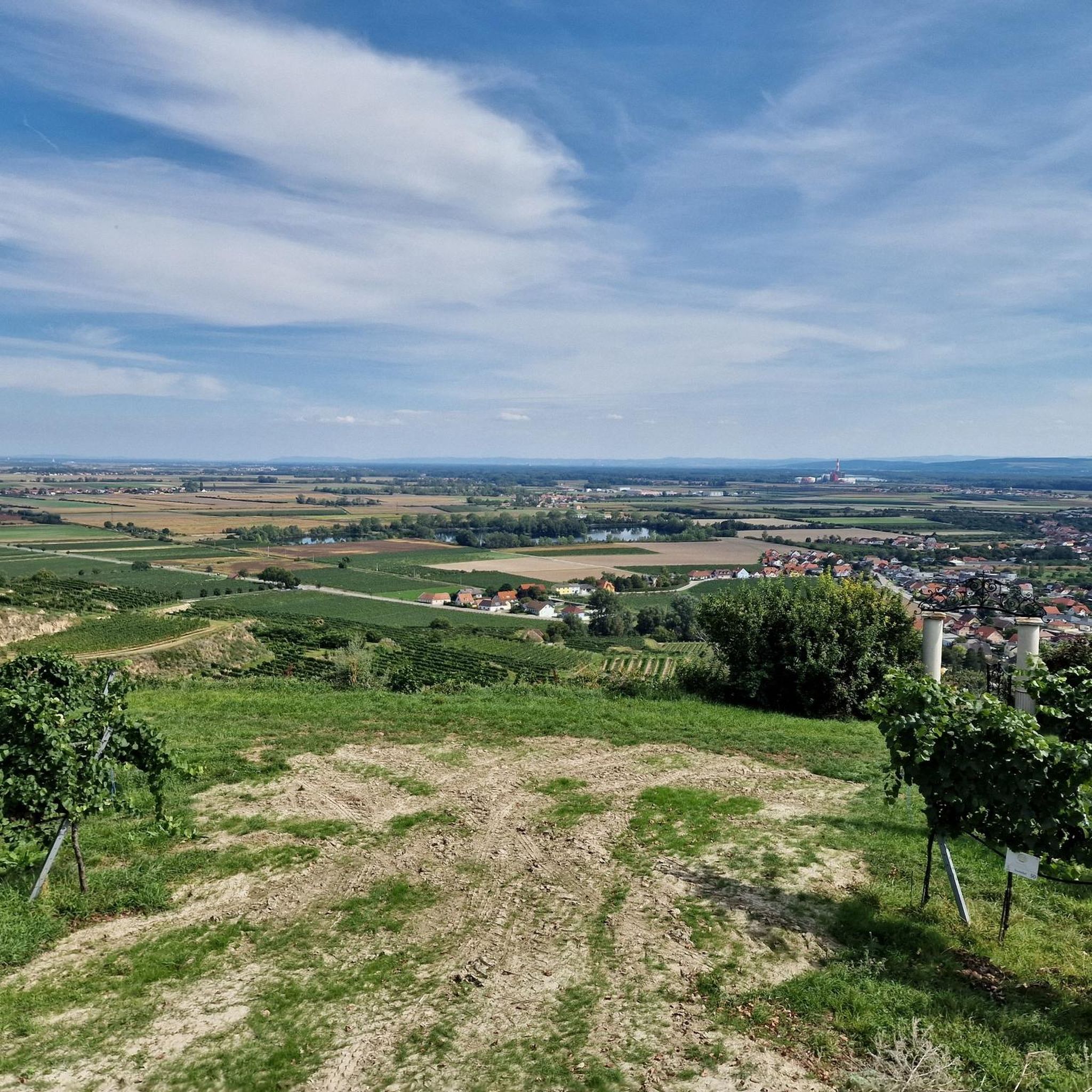
Cycling around Rohrendorf bei Krems
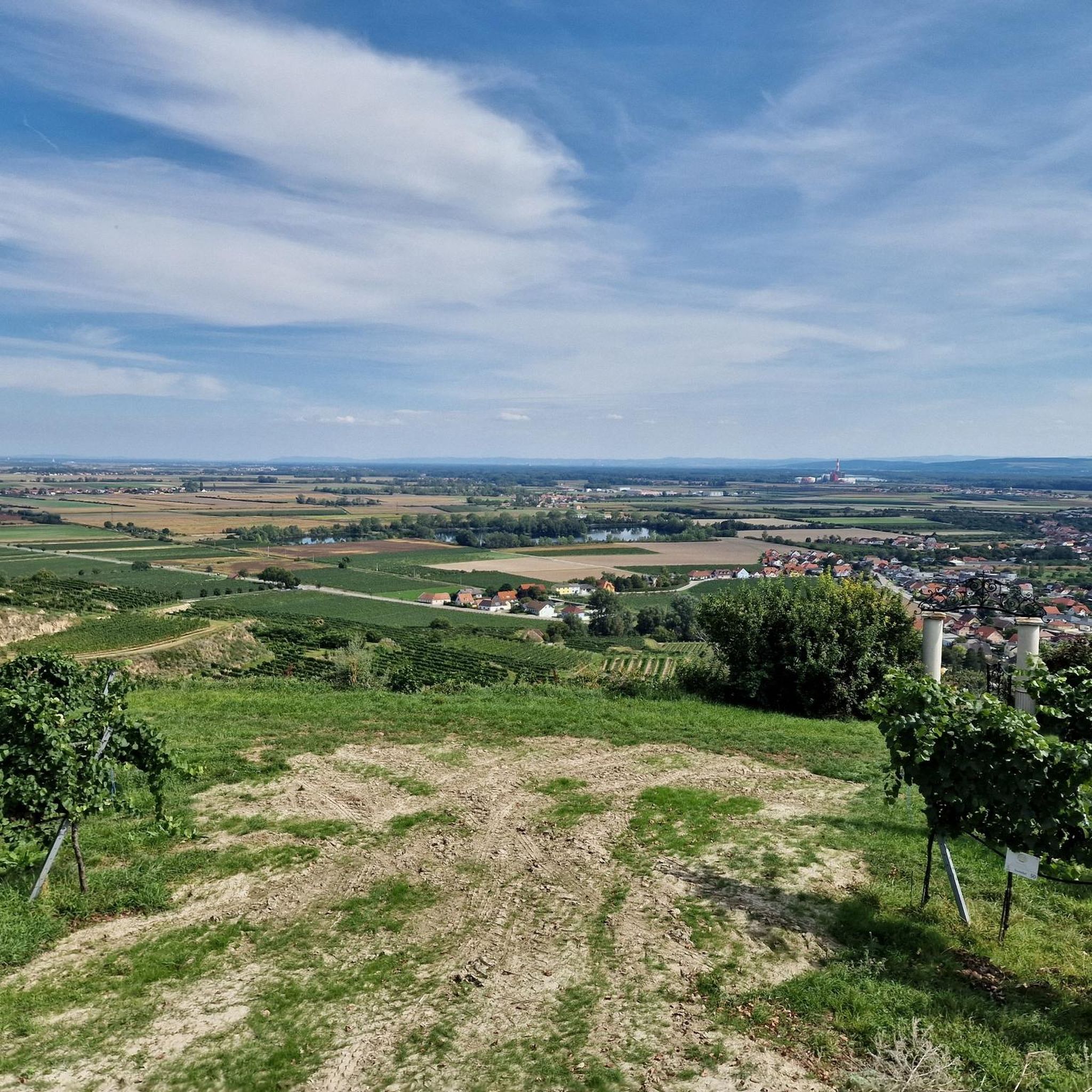
Road Cycling Routes around Rohrendorf bei Krems
MTB Trails around Rohrendorf bei Krems
Hiking around Rohrendorf bei Krems
Gravel biking around Rohrendorf bei Krems
Running Trails around Rohrendorf bei Krems


Tips from the Community

very well done and nice to look at
0
0

The expansive view from the Dürnstein Pulpit is absolutely breathtakingly beautiful. Highly recommended!
8
0


The Altenwörth fish bypass is an important ecological measure at the Altenwörth Danube power plant in Lower Austria. It was implemented as part of the LIFE Network Danube Plus project and, with a length of 12.5 kilometers, is recognized as the longest of its kind in Lower Austria.
3
0

A beautiful memorial place in the middle of the forest.
4
0
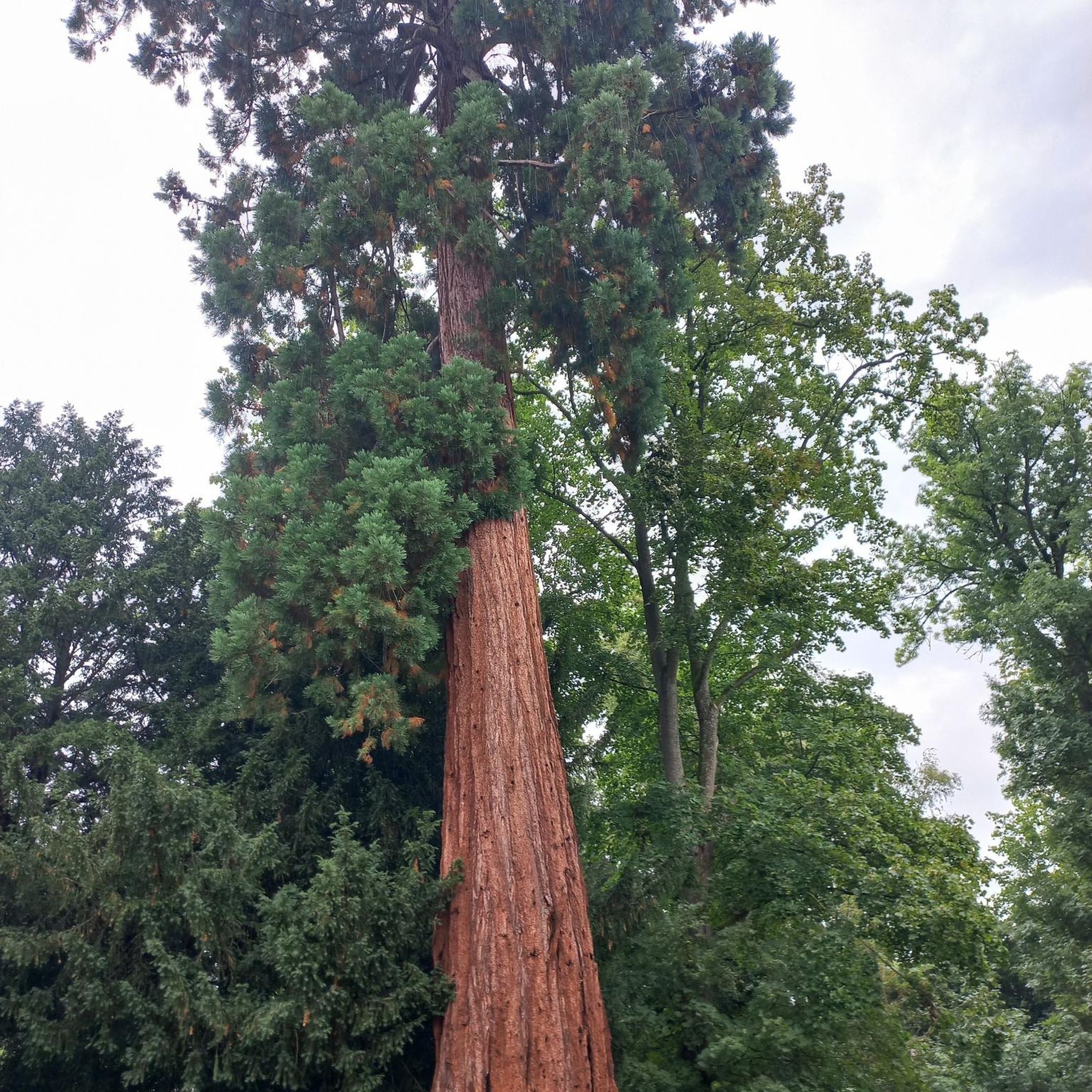
The giant sequoias can be found in the middle of the Dunkelsteinerwald. It is also a very nice resting place.
5
0

water loop between the Danube and the Krems
3
1

Frequently Asked Questions
What unique geological formations can I explore in Rohrendorf bei Krems?
The region features several distinctive geological formations. You can visit the Hängender Stein (Hanging Stone), a striking conglomerate rock formation formed approximately 30 million years ago. Another unique feature is the Rohrendorfer Hohlwege (Hollow Ways), deep, sunken paths carved by centuries of human activity into the loess landscape, particularly impressive in the Lower Austrian Loess areas. Additionally, the Saubühel in Rohrendorf is home to a conglomerate cave, noted as the largest in Central Europe.
Are there any natural monuments with impressive views?
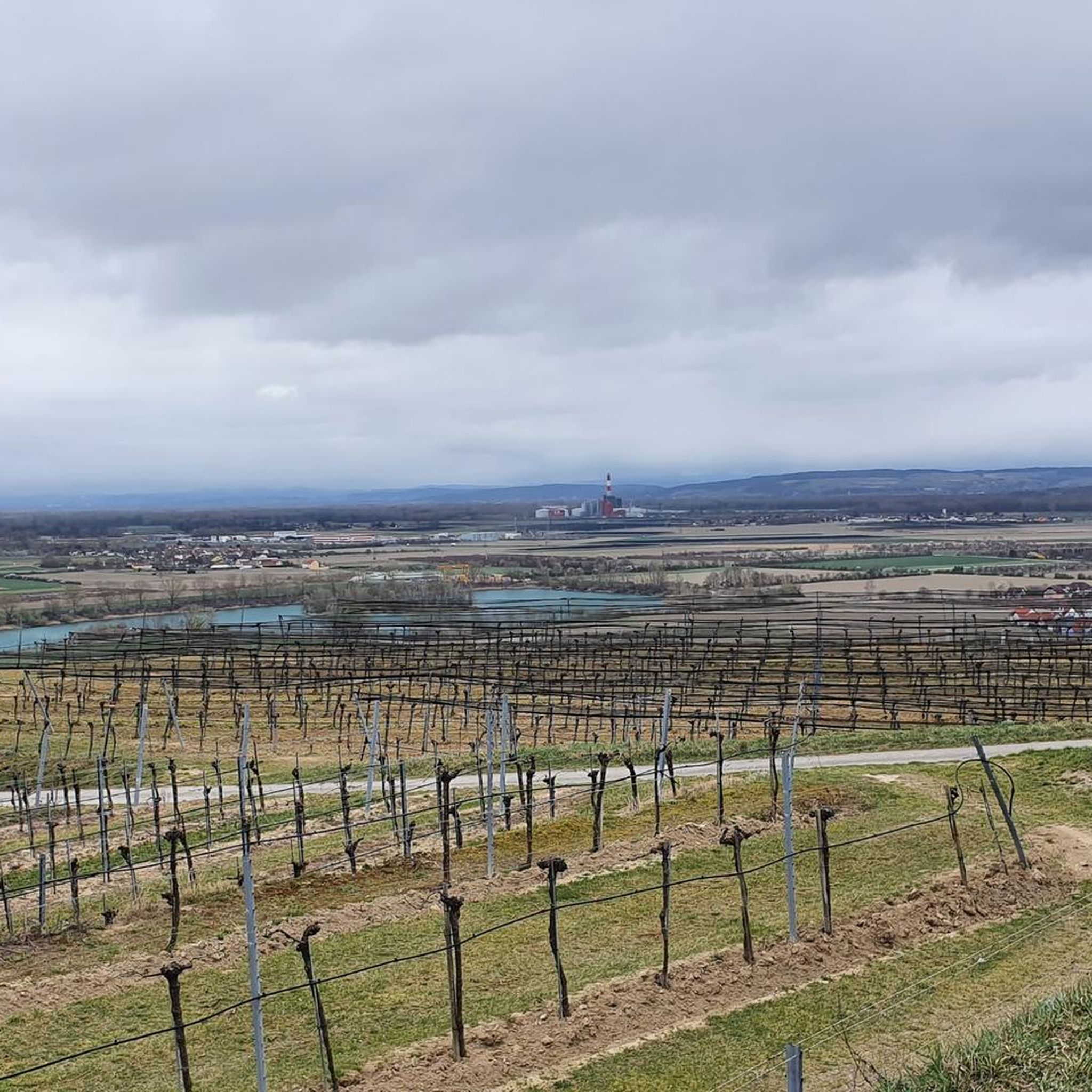
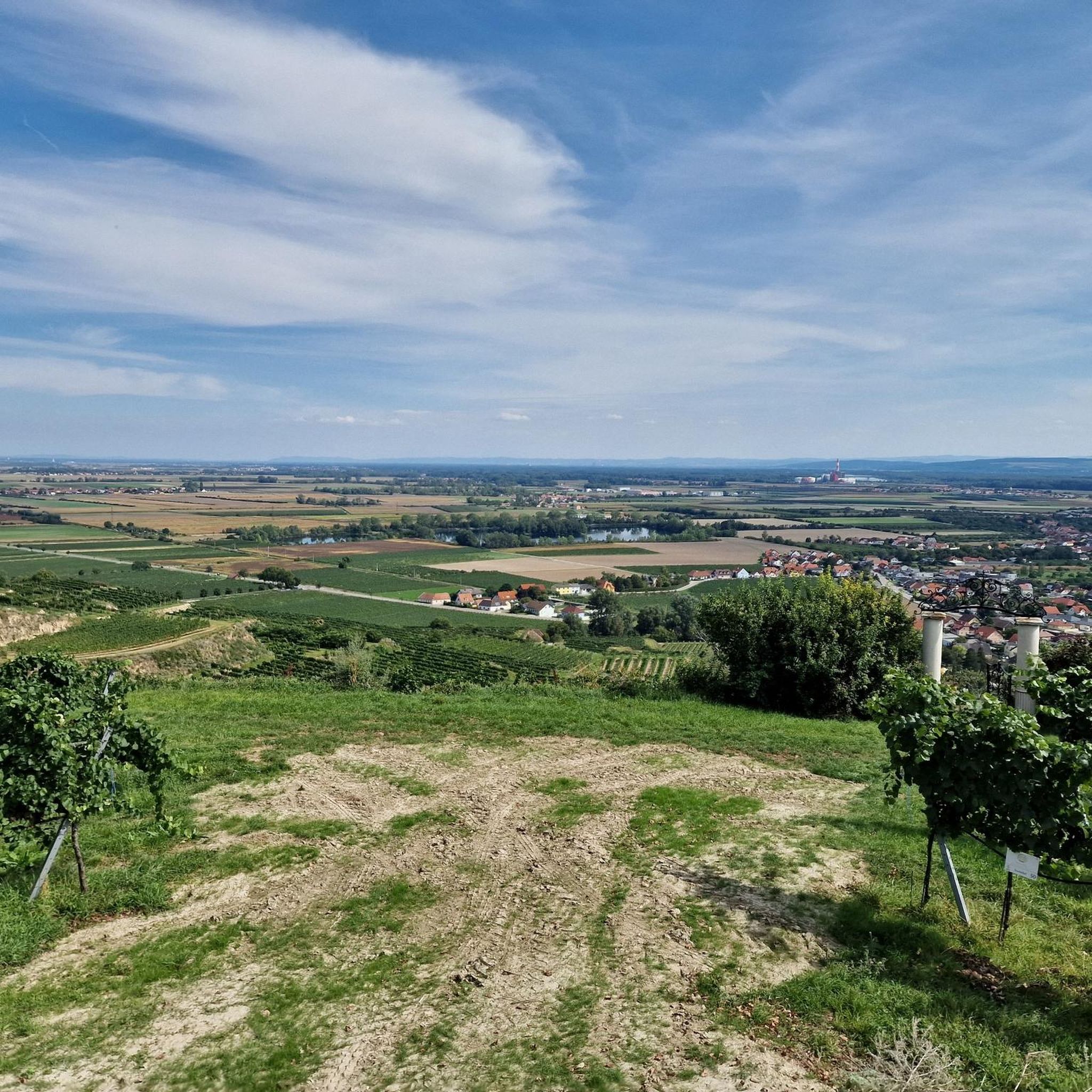
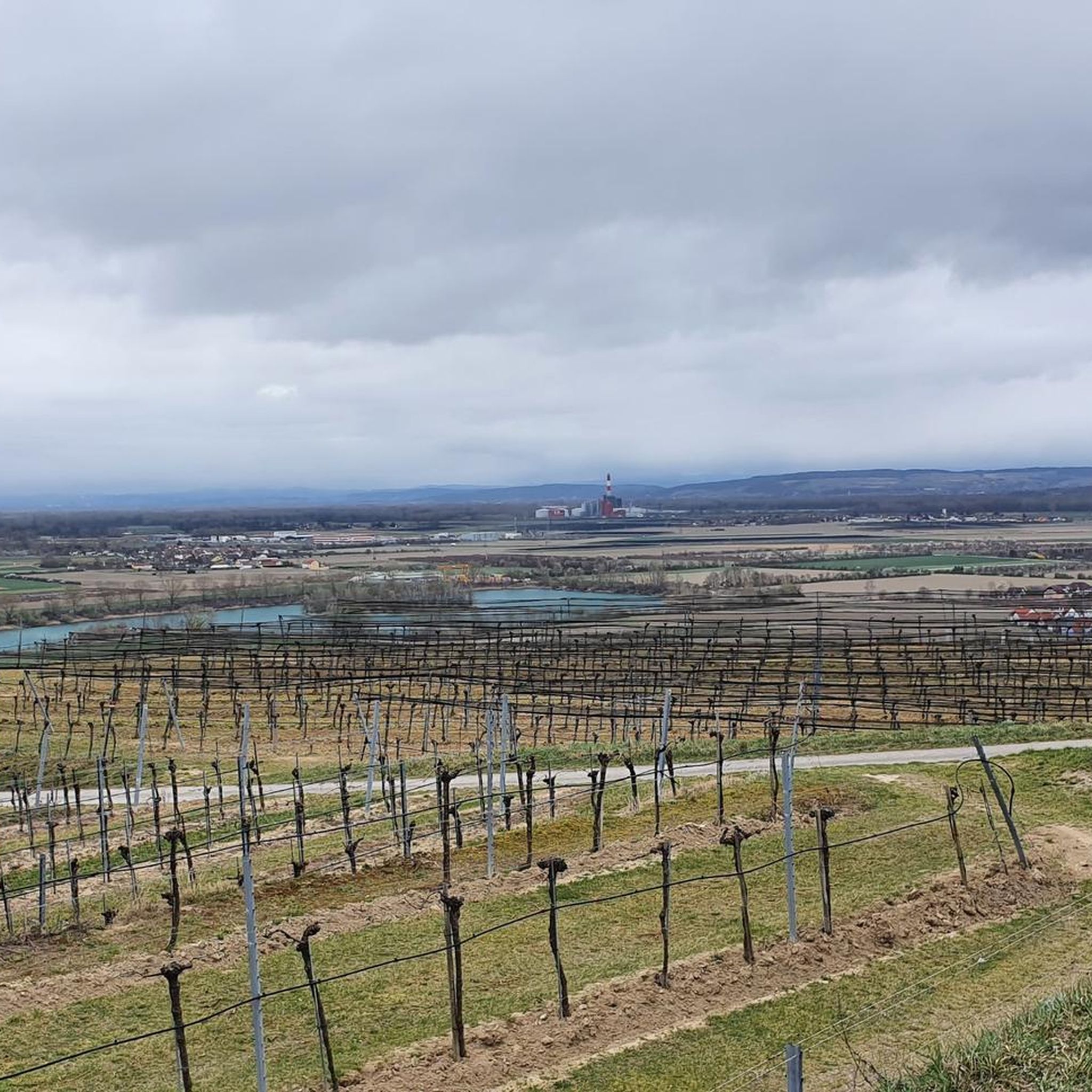
Yes, the area offers several viewpoints. The Dürnstein Pulpit is a plateau on a rock on Vogelberg near Dürnstein, offering breathtaking views over the Wachau. Another excellent spot is the Danube Lookout on Braunsdorfer Hill, which provides expansive views over Krems, the Danube, and into the Tullnerfeld.
What kind of wildlife can be observed in the natural areas around Rohrendorf bei Krems?
The region is part of the Natura 2000 network, including the "Tullnerfelder Donau-Auen" and "Kamp- und Kremstal." These protected areas are vital habitats for diverse flora and fauna. In the Tullnerfelder Donau-Auen, you can find various fish species, amphibians like the Danube crested newt, and numerous bird species within Austria's largest continuous riparian forests. The Kamp- und Kremstal areas support a rich bat population with 22 identified species.
Are there family-friendly natural monuments suitable for children?
Yes, several natural monuments are suitable for families. The Giant Sequoias of Paudorf offer an impressive experience for all ages, with gigantic conifers planted around 140 years ago. The Danube Lookout on Braunsdorfer Hill is also family-friendly, providing beautiful views. Additionally, the Altenwörth fish pass is an interesting site to visit with children.
What outdoor activities can I do near the natural monuments around Rohrendorf bei Krems?
The area offers various outdoor activities. You can explore numerous cycling routes, such as the "Bicycle Bridge Over the Kamp – Kamp Valley Riverside Trail loop" or the "Wachau Vineyards Route." For mountain biking, trails like "Barbara Spring – Vineyard Trail loop" are available. Running enthusiasts can enjoy routes like the "Loess wall near Gedersdorf – Rohrendorf Cellar Lane loop." You can find more details on these activities in the cycling guide, MTB guide, and running guide for Rohrendorf bei Krems.
Are there hiking opportunities to explore the natural monuments?
Yes, the region provides excellent hiking opportunities. You can explore the unique Rohrendorfer Hohlwege, which are picturesque pathways through the loess terrain. Many natural monuments, like the Dürnstein Pulpit, are accessible via hiking trails. The Danube Lookout on Braunsdorfer Hill is located on the Großer Tullnerfeld circular hiking trail, offering a chance to combine views with a longer walk.
Can I bring my dog to the natural monuments and trails?
Many natural areas and trails around Rohrendorf bei Krems are dog-friendly, especially the numerous hiking and walking paths through the vineyards and hollow ways. It's always advisable to keep your dog on a leash, especially in protected areas or near wildlife, and to respect local regulations and other visitors.
When is the best time of year to visit the natural monuments around Rohrendorf bei Krems?
The natural monuments can be enjoyed year-round, but each season offers a different experience. Spring and autumn are ideal for hiking and cycling, with pleasant temperatures and vibrant colors in the vineyards and forests. Summer is great for longer days and outdoor activities, while winter can offer a serene, snow-covered landscape, especially beautiful in the hollow ways and viewpoints.
Do any natural monuments in the region have historical significance?
Yes, the Rohrendorfer Hohlwege are a testament to centuries of human land use, shaped by cart traffic and erosion over time. While primarily a natural feature, the Franzosendenkmal (French Monument) near Dürnstein, though man-made, is often visited in conjunction with the natural landscapes and commemorates the Battle of Dürnstein in 1805.
What do visitors particularly enjoy about the natural monuments in this region?
Visitors frequently praise the breathtaking views, especially from spots like the Dürnstein Pulpit and the Danube Lookout on Braunsdorfer Hill. The unique geological formations, such as the Hängender Stein and the impressive Giant Sequoias of Paudorf, are also highly appreciated for their natural wonder. The blend of geological history, human-shaped landscapes like the Rohrendorfer Hohlwege, and rich biodiversity makes the area a compelling destination for nature enthusiasts.
Are there any unique natural features related to water in the area?
Yes, the region is influenced by the Danube River. The "Tullnerfelder Donau-Auen" are part of the Natura 2000 network and contain Austria's largest continuous riparian forests, which are vital for various aquatic and semi-aquatic species. You can also visit the Altenwörth fish pass, an exemplary project on the Danube showcasing efforts in river ecology.
Most popular routes around Rohrendorf bei Krems
Most popular attractions around Rohrendorf bei Krems

Get inspired with the komoot mobile app


Explore more
Extend your search for the best caves by checking out these guides of the top ones around Rohrendorf bei Krems:
