Top 20 Natural Monuments around Gföhl
Best natural monuments around Gföhl offer diverse opportunities for outdoor activities in a region known for its scenic landscapes. The area features rolling hills, forests, and river valleys, providing a varied backdrop for exploration. Gföhl's natural appeal includes numerous hiking trails and vineyard-dotted hills, making it suitable for nature-oriented recreation. The municipality is recognized for its inviting natural environment, ideal for short excursions or family holidays.
Best natural monuments around Gföhl
- The most popular natural monuments is Dürnstein Pulpit,…
Last updated: July 21, 2026
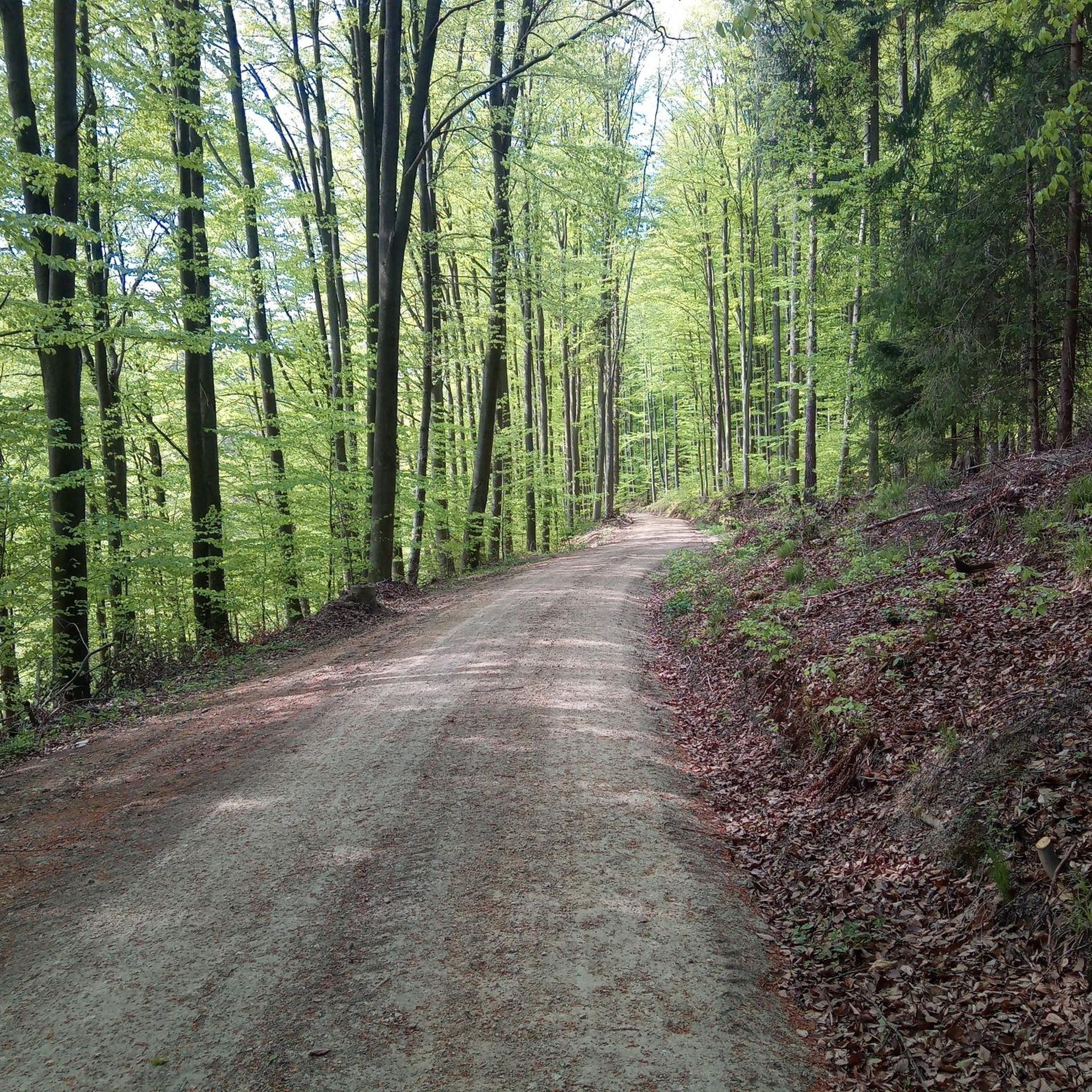
Dürnstein Pulpit
Highlight • Viewpoint
Translated by Google •
Tip by

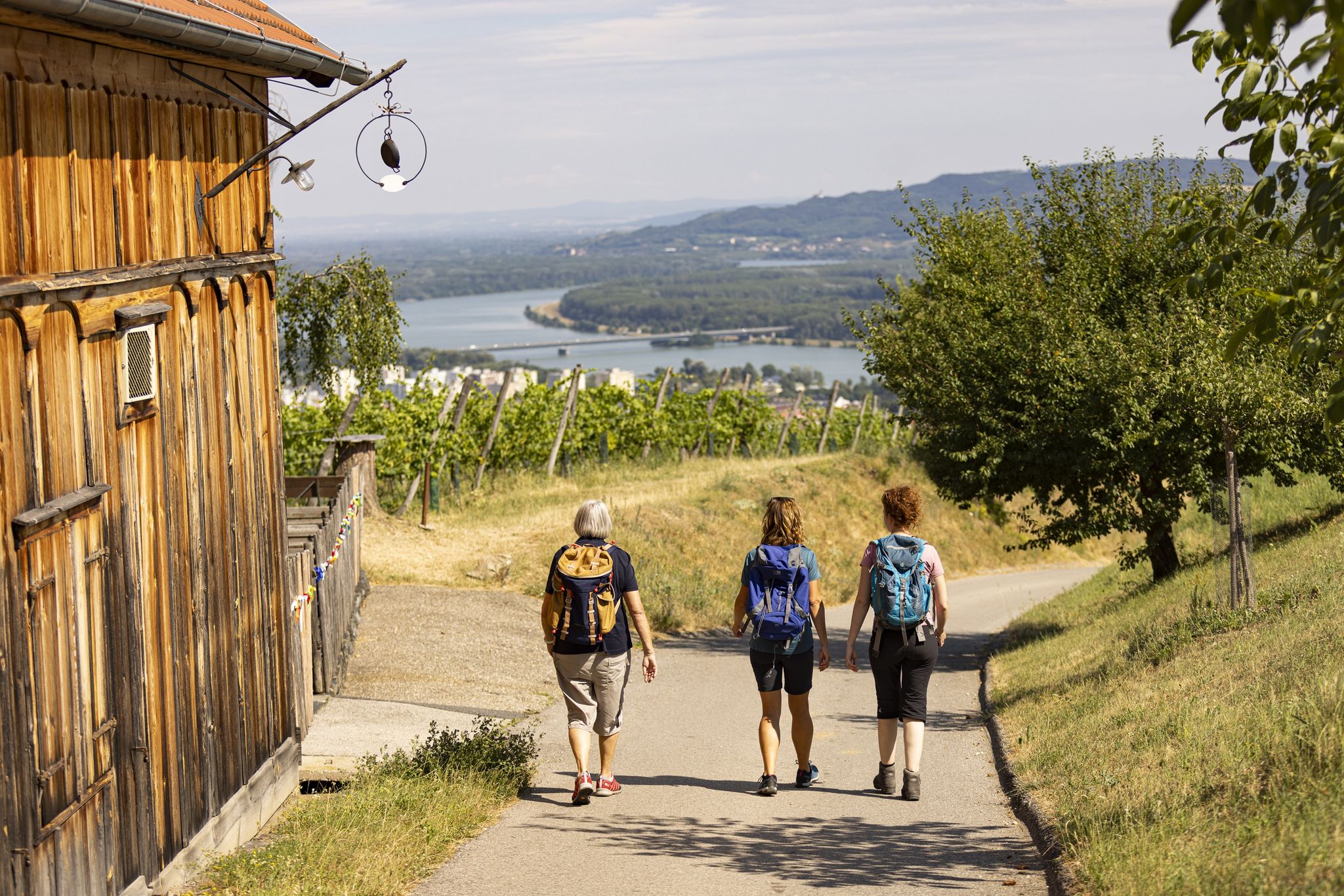
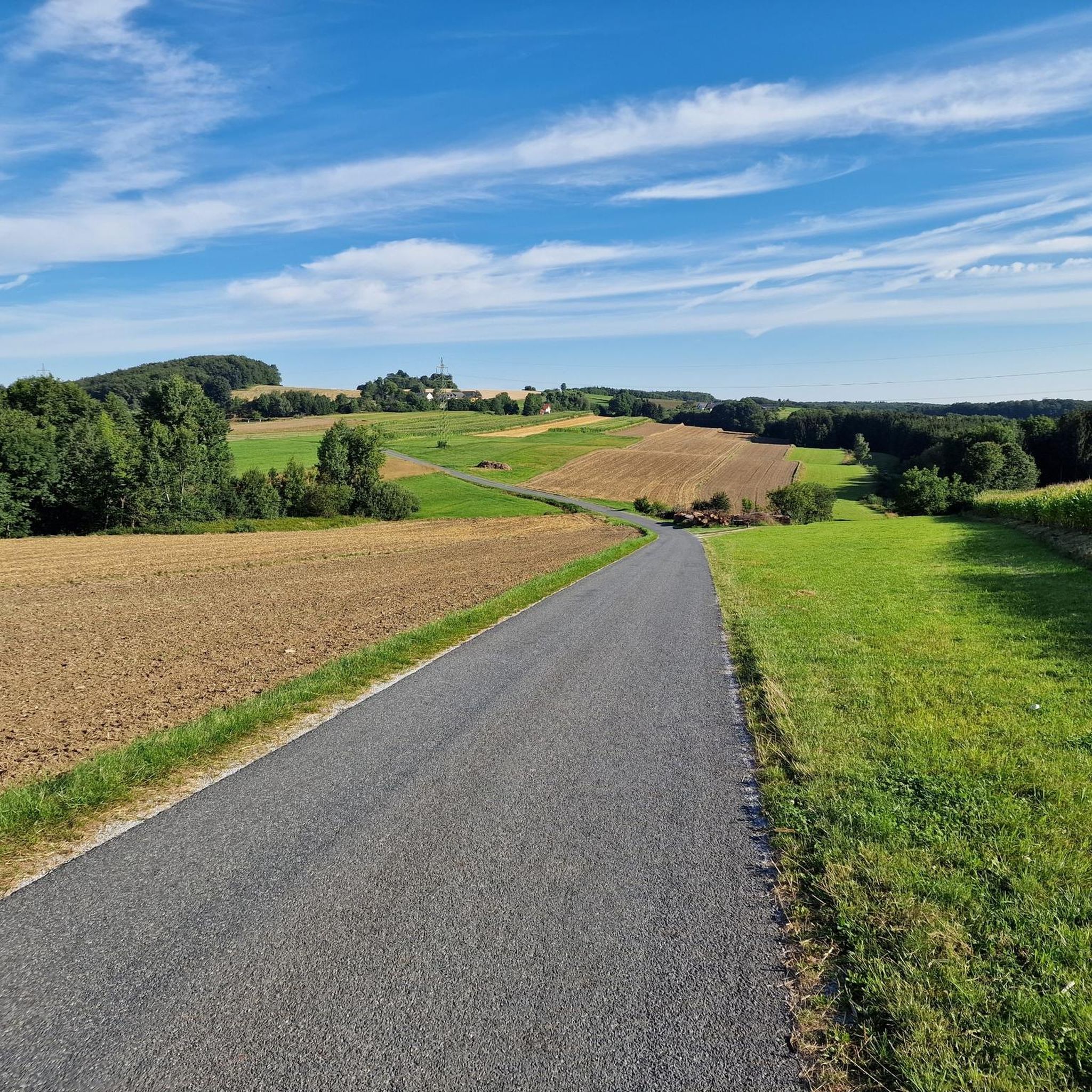
Danube Lookout on Braunsdorfer Hill
Highlight • Viewpoint
Translated by Google •
Tip by

Sign up now to discover places like this
Get recommendations on the best single tracks, peaks, & plenty of other exciting outdoor places.
Sign up for free
Wachau Nose Sculpture
Highlight • Monument
Translated by Google •
Tip by
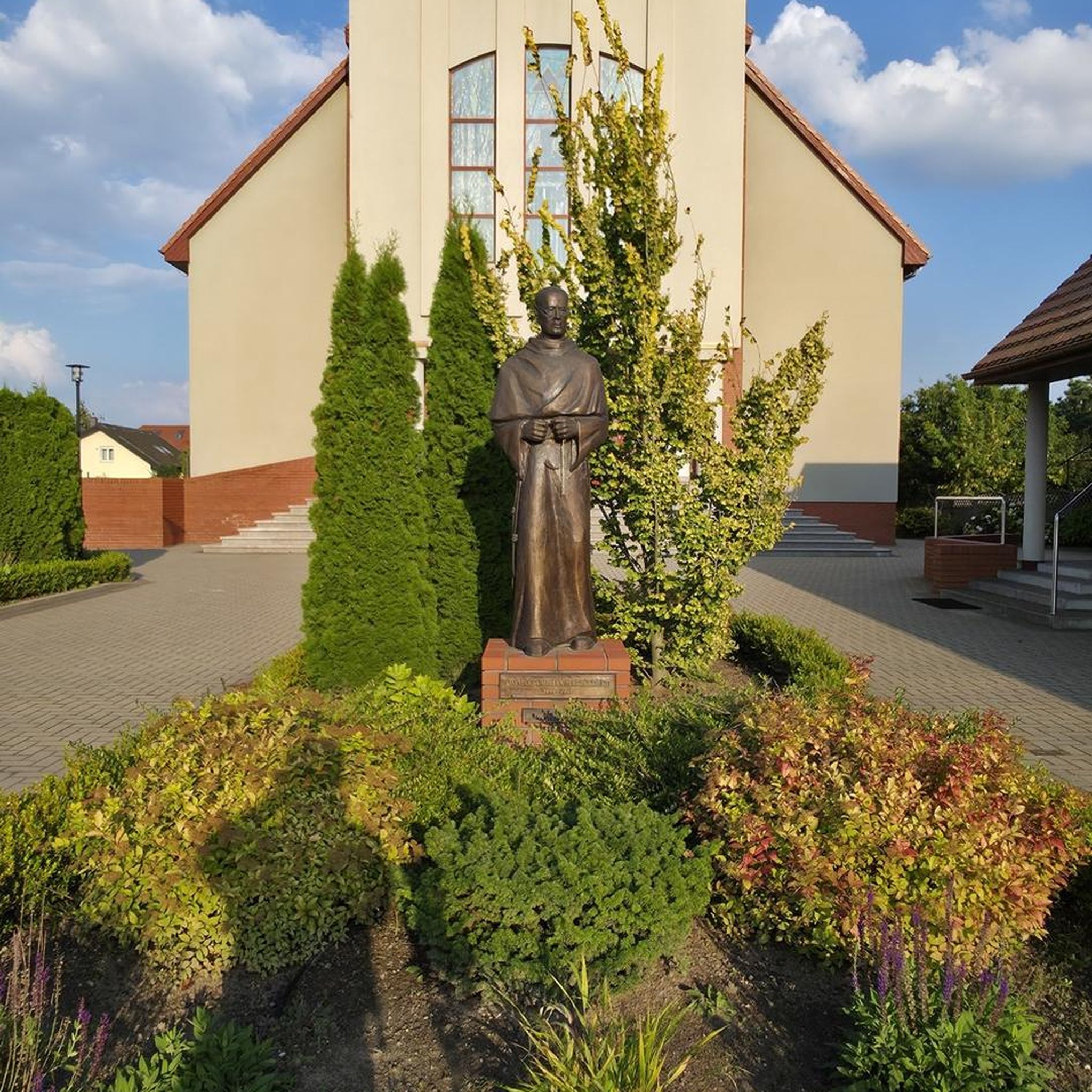
Franzosendenkmal (French Monument), Dürnstein
Highlight • Monument
Translated by Google •
Tip by

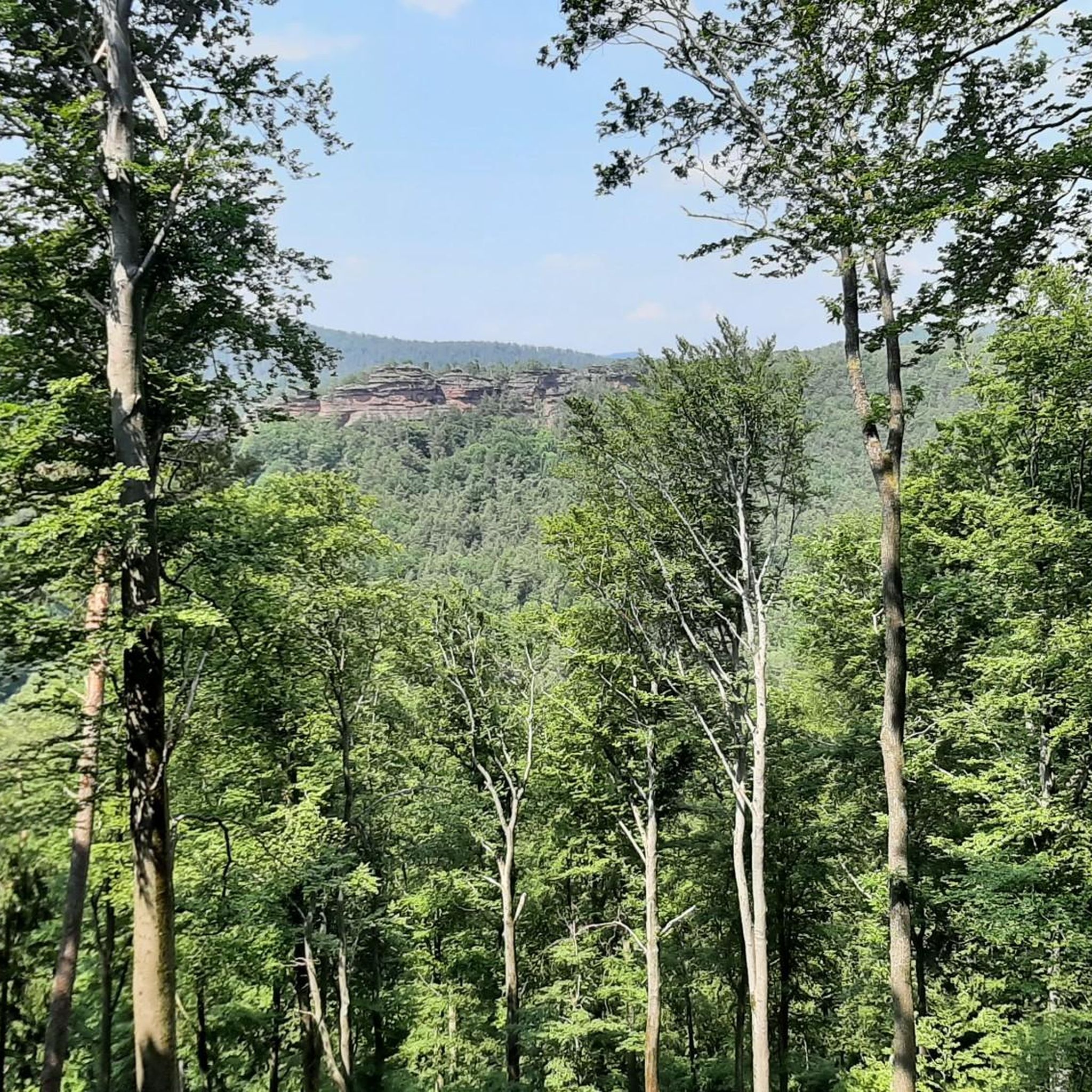
Hirschwand Summit
Highlight • Summit
Translated by Google •
Tip by
Sign up for free to discover even more natural monuments around Gföhl.
Sign up for free
Already have an account?
Start today with a free account
Your next adventure awaits.
Login or Signup
Other adventures around Gföhl

Tips from the Community

The expansive view from the Dürnstein Pulpit is absolutely breathtakingly beautiful. Highly recommended!
8
0

The Hirschwand, or rather the Hirschwandsteig, is well secured with ropes and footholds, but you should still be sure-footed and free from shingles if you want to enjoy the view here.
4
0

Even if you don't want to climb the last few meters, the detour to the Hirschwand is worth it. At the Hirschwand crossing you have to go right and continue a little further to the Hirschwand.
1
1

The so-called French Monument was erected in 1905 by Friedrich Schachner. The monumental monument commemorating the victory of the Austrian and Russian troops over the Napoleonic army rises on a high square base and has a steeply rising, polygonal top, which is crowned by a drum with reliefs and a steep dome.
3
0


Wonderful view over Krems into the Tullnerfeld, over the Danube to Göttweig Abbey and into the Dunkelsteinerwald, located on the Großer Tullnerfeld circular hiking trail 675 and the Waldviertel long-distance hiking trail 606, one of the Mariazell pilgrim paths also passes through here, the 06er.
5
1
It has meanwhile become a photo hotspot. It's funny what art can trigger in people. Touch it! The nose is happily in its place. There it breathes the Danube, the apricots, and the wine. It is a true landmark of the Wachau. The Wachau Nose is a work of art by the artist group Gelitin, located near the St. Lorenz car ferry. The monumental sculpture, which depicts the shape of a giant nose, lies on the banks of the Danube and is a humorous and unique art project. Gelitin, a group of artists from Austria, created the work by collecting nose profiles of locals and combining them into a "hybrid nose". The sculpture is partially buried in the ground, so only the distinctive nose is visible. It invites visitors to marvel and chuckle and is a fascinating example of creative art in the Wachau.
7
0
Very impressive, visible monument that arouses curiosity. Information boards are available and also helpful. Right on the bike path, you can't miss it.
3
0
Frequently Asked Questions
What are some notable viewpoints among Gföhl's natural monuments?
Gföhl and its surroundings offer several impressive viewpoints. The Dürnstein Pulpit provides expansive views over the Wachau and the Danube Valley, considered one of the most beautiful vantage points in the region. Another excellent spot is the Danube Lookout on Braunsdorfer Hill, offering views over Krems, the Tullnerfeld, and towards Göttweig Abbey. For those seeking a challenge, Hirschwand Summit offers views from Wösendorf to the Krems area after a small climbing route.
Are there hiking trails near Gföhl's natural monuments?
Yes, the region around Gföhl is well-suited for hiking. You can explore the scenic Kamptal Hiking Trail, which follows the Kamp River and is relatively flat, making it suitable for leisurely walks. Additionally, vineyard hiking trails offer beautiful views of the wine landscape. For specific routes, you can find various options in the Easy hikes around Gföhl guide, including routes like the Gföhl – Drescher Pond in Jaidhof loop.
What kind of terrain can I expect when visiting natural monuments around Gföhl?
The natural monuments and surrounding areas of Gföhl are characterized by rolling hills, forests, and river valleys. While some viewpoints like the Dürnstein Pulpit involve moderate ascents, many trails, such as parts of the Kamptal Hiking Trail, are relatively flat. The Hirschwand Summit includes a small climbing route, indicating more challenging terrain in specific spots. Overall, you'll find a varied landscape suitable for different fitness levels.
Are Gföhl's natural monuments suitable for families or visitors with dogs?
Many natural areas and trails around Gföhl are family-friendly and suitable for dogs. The Danube Lookout on Braunsdorfer Hill is noted as family-friendly, offering a beautiful place to linger. The Kamptal Hiking Trail is also described as suitable for families due to its relatively flat terrain. When bringing dogs, always ensure they are leashed and follow local regulations, especially in protected areas or near wildlife.
What other outdoor activities are available near Gföhl's natural monuments?
Beyond hiking, the Gföhl region offers excellent opportunities for cycling and mountain biking. You can find various routes in guides such as MTB Trails around Gföhl and Cycling around Gföhl. These include routes like the 'Beautiful viewpoint – Gföhl loop' for mountain biking or challenging touring bicycle routes like 'Rock formation by the wayside – Schwarzalm Krems Mountain Inn loop'.
What historical sites can be found among the natural monuments in Gföhl?
While the focus is on natural beauty, some sites blend natural and historical significance. The Franzosendenkmal (French Monument) near Dürnstein is a historical site commemorating the Austro-Russian victory over Napoleon's troops in 1805, situated in a scenic natural setting above the Wachau Railway. This offers a glimpse into the region's past alongside its natural appeal.
How can I reach Gföhl's natural monuments, and is parking available?
Access to Gföhl's natural monuments typically involves a combination of driving and then hiking. Parking is generally available near popular trailheads and viewpoints, though specific availability can vary by location. For instance, the Wachau Nose Sculpture highlight mentions parking facilities. Public transport options might be limited directly to all natural monuments, so checking local bus schedules or driving is often recommended for flexibility.
What is the best time of year to visit Gföhl's natural monuments?
The Gföhl region is beautiful year-round, but the best time to visit depends on your preferred activities. Spring and autumn offer pleasant temperatures for hiking and cycling, with vibrant foliage in autumn and blooming landscapes in spring. The vineyard hiking trails are particularly enjoyable during harvest season. While winter hikes are possible, some trails might be challenging due to snow or ice, especially at higher elevations or climbing routes like Hirschwand Summit.
What do visitors enjoy most about the natural monuments around Gföhl?
Visitors frequently praise the breathtaking and expansive views from various viewpoints, such as the Dürnstein Pulpit and the Danube Lookout on Braunsdorfer Hill, often describing them as beautiful places that invite lingering. The opportunity to combine scenic hikes with cultural experiences, like exploring the Wachau region or visiting local 'Heurige' (inns) along vineyard trails, is also highly valued.
Are there any unique natural features or designated monuments in Gföhl itself?
While Gföhl is known for its picturesque landscapes, specific designated natural monuments in the traditional sense are not extensively publicized. The region's natural appeal lies more in its broader features like the rolling hills, forests, and river valleys of the Waldviertel. Historically, a 220-year-old linden tree in Bergstraße was a designated natural monument, but it was regrettably felled in 2018 due to safety concerns. The charm of Gföhl is found in its 'original landscapes' and numerous opportunities for nature-oriented recreation.
Can I find easy or beginner-friendly hikes to natural monuments in Gföhl?
Yes, there are several easy and beginner-friendly hiking options around Gföhl. The Kamptal Hiking Trail is known for being relatively flat and suitable for leisurely walks. Komoot's Easy hikes around Gföhl guide features routes like the 'Jaidhof Castle – Schlosspark Pond loop' which is only 4.39 km long, or the 'Gföhl – 14 Holy Helpers Sculpture Park loop' at 6.65 km, both rated as easy.
Most popular routes around Gföhl
Most popular attractions around Gföhl

Get inspired with the komoot mobile app


Explore more
Extend your search for the best caves by checking out these guides of the top ones around Gföhl:
