Top 20 Natural Monuments around Furth bei Göttweig
Best natural monuments around Furth bei Göttweig include significant natural areas and features valued for their ecological and recreational qualities. The region is home to the Göttweig Healing Forest, Austria's first certified healing forest, known for its 145-year-old sequoia trees. Furth bei Göttweig is also situated within European protected areas, safeguarding diverse habitat types and species. These areas contribute to the natural heritage and offer opportunities to appreciate the region's ecosystems.
Best natural monuments around Furth bei Göttweig
- The most…
Last updated: May 11, 2026
Dürnstein Pulpit
Highlight • Viewpoint
Translated by Google •
Tip by

Giant Sequoias of Paudorf
Highlight • Forest
Translated by Google •
Tip by

Sign up now to discover places like this
Get recommendations on the best single tracks, peaks, & plenty of other exciting outdoor places.
Sign up for free
Danube Lookout on Braunsdorfer Hill
Highlight • Viewpoint
Translated by Google •
Tip by

Wachau Nose Sculpture
Highlight • Monument
Translated by Google •
Tip by
Franzosendenkmal (French Monument), Dürnstein
Highlight • Monument
Translated by Google •
Tip by

Sign up for free to discover even more natural monuments around Furth bei Göttweig.
Sign up for free
Already have an account?
Start today with a free account
Your next adventure awaits.
Login or Signup
Popular around Furth bei Göttweig
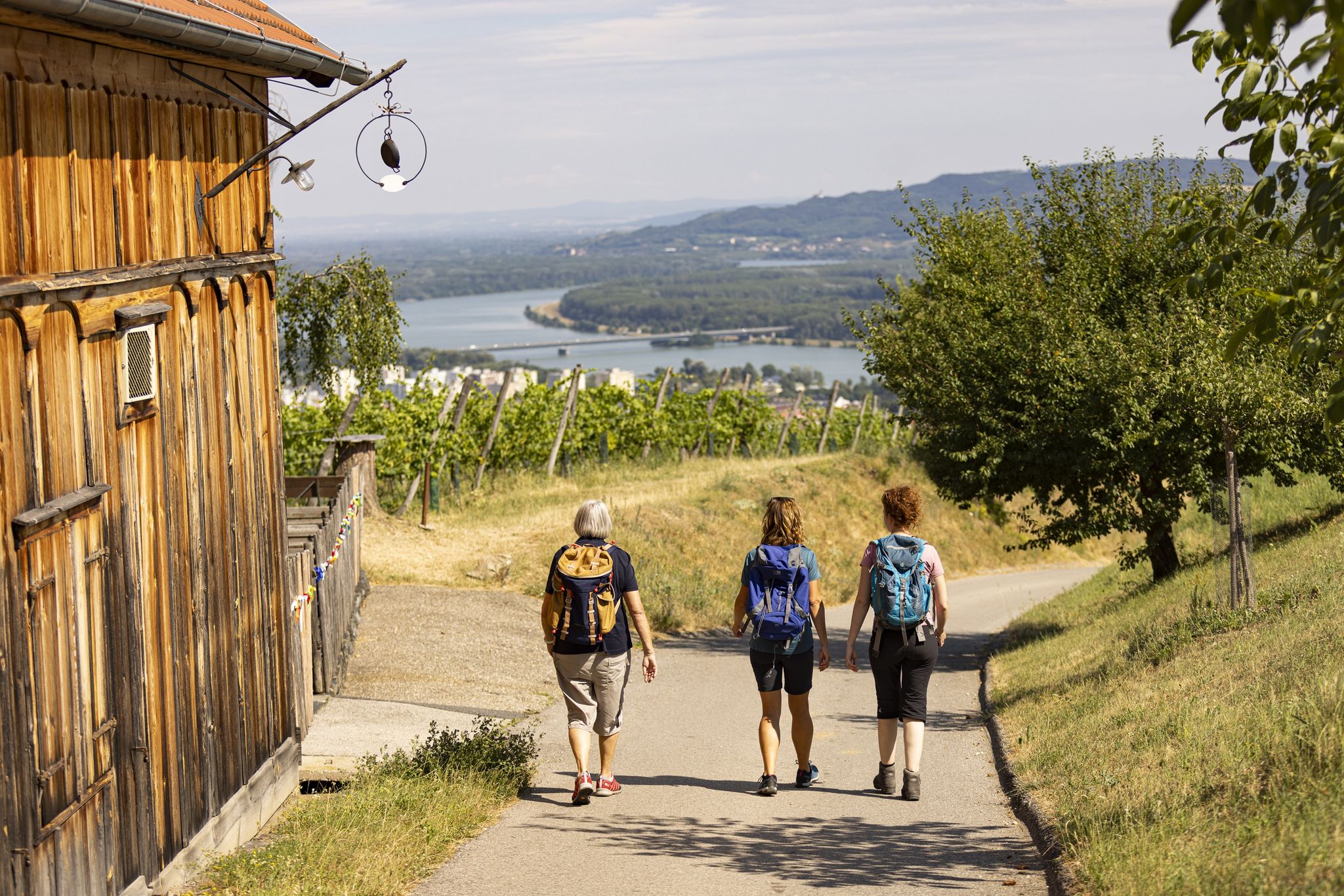
Into the valley of wine - Kremstal-Danube Long Distance Trail
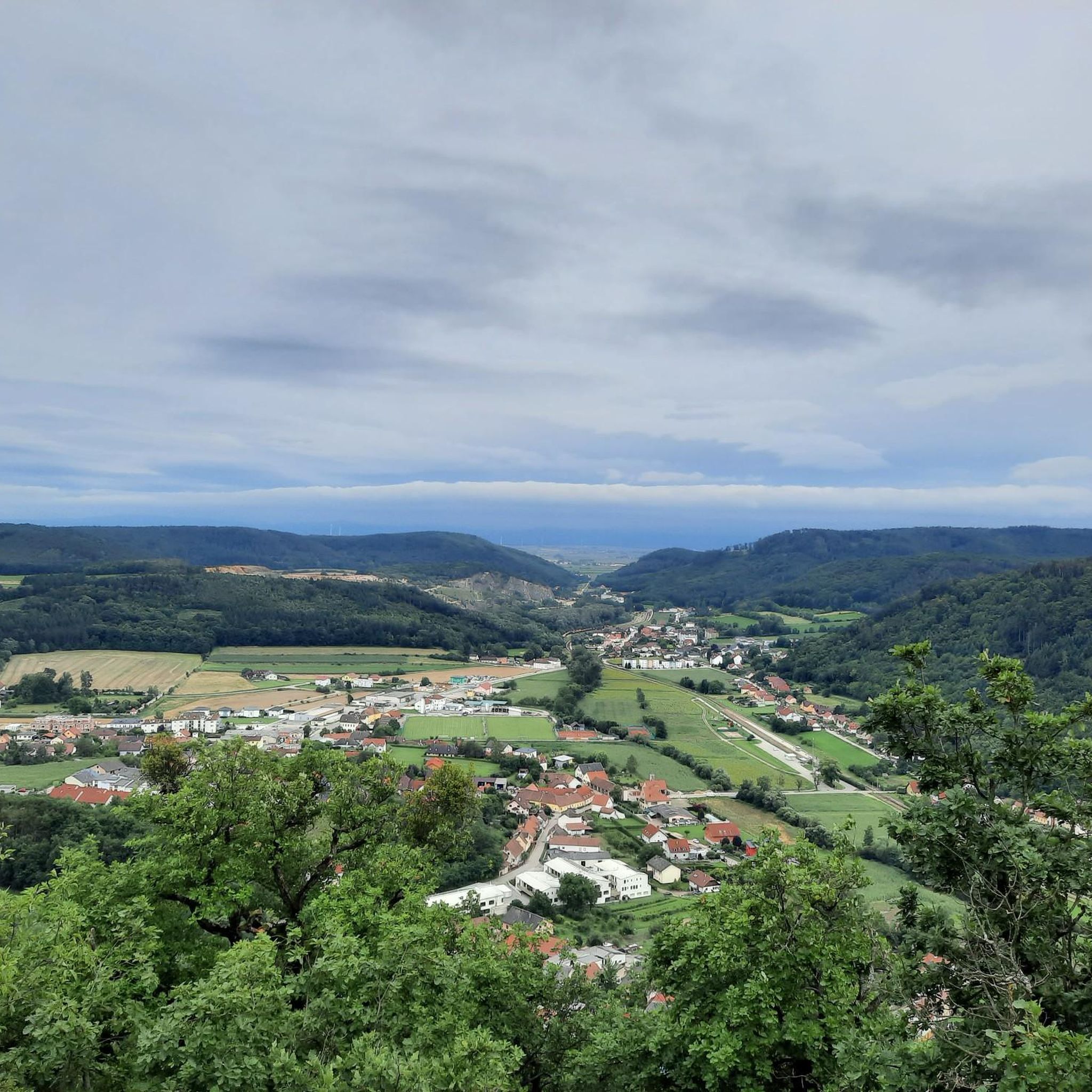
Hiking around Furth bei Göttweig
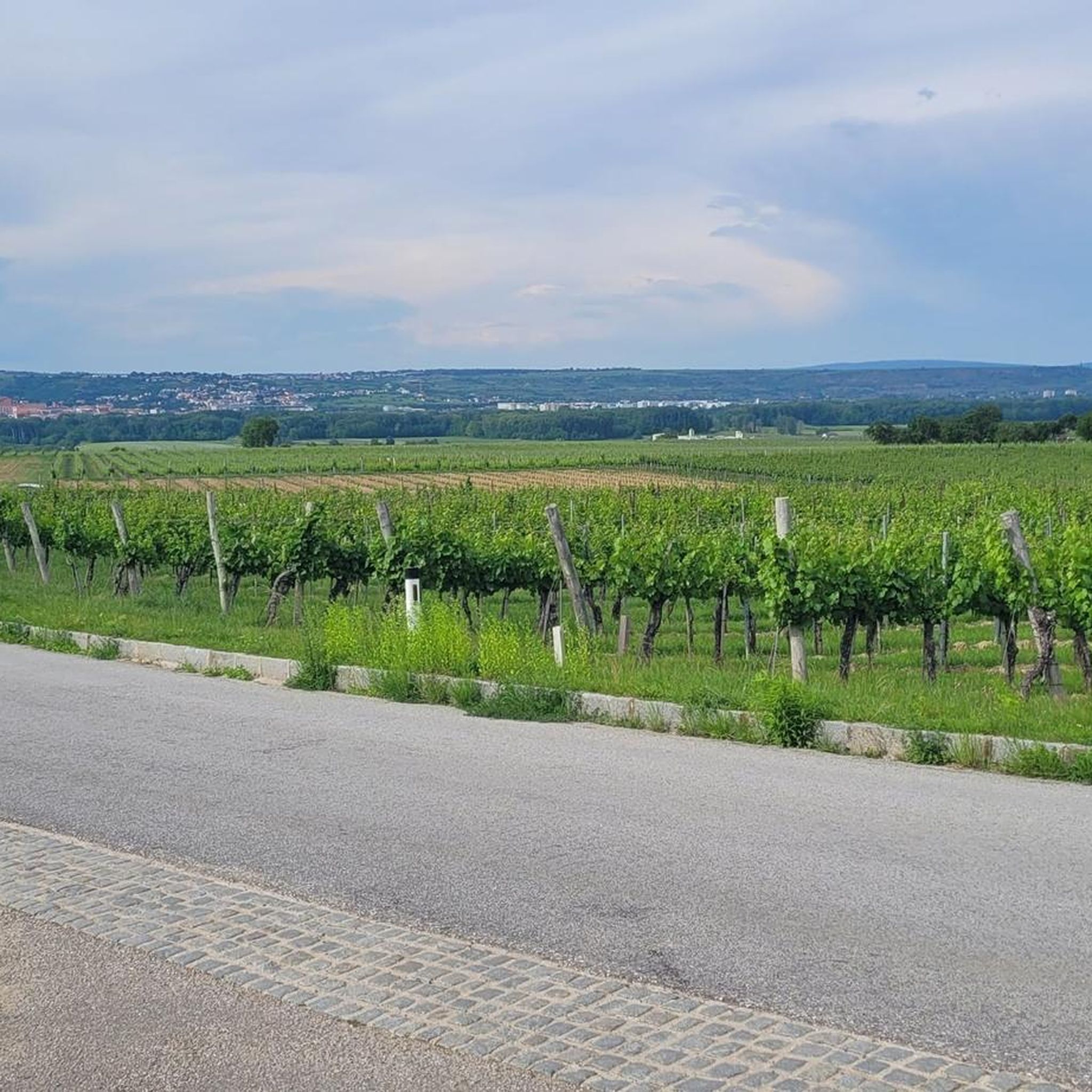
Cycling around Furth bei Göttweig
Road Cycling Routes around Furth bei Göttweig
MTB Trails around Furth bei Göttweig
Running Trails around Furth bei Göttweig
Gravel biking around Furth bei Göttweig
Mountain Hikes around Furth bei Göttweig
Other adventures around Furth bei Göttweig

Tips from the Community

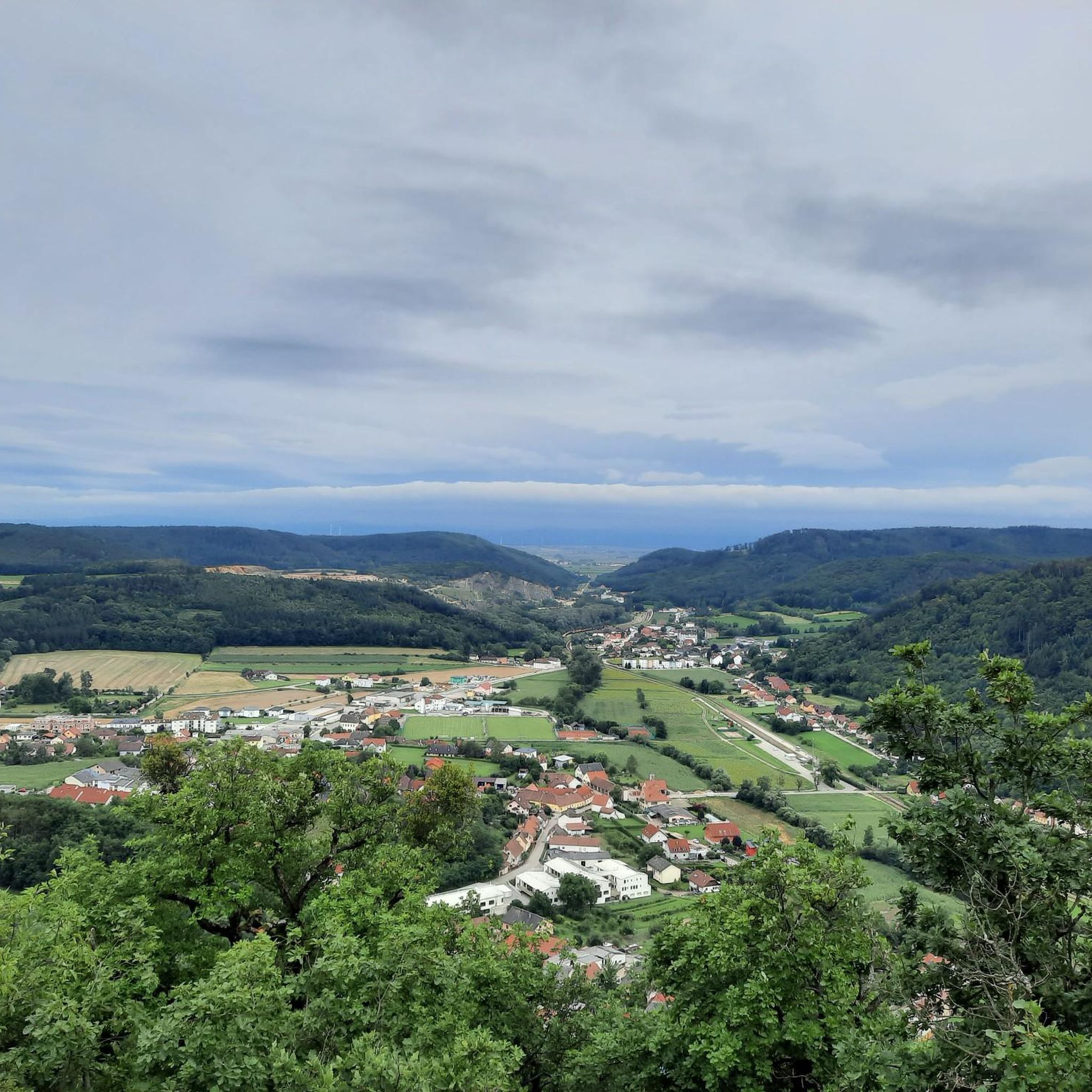
The expansive view from the Dürnstein Pulpit is absolutely breathtakingly beautiful. Highly recommended!
8
0

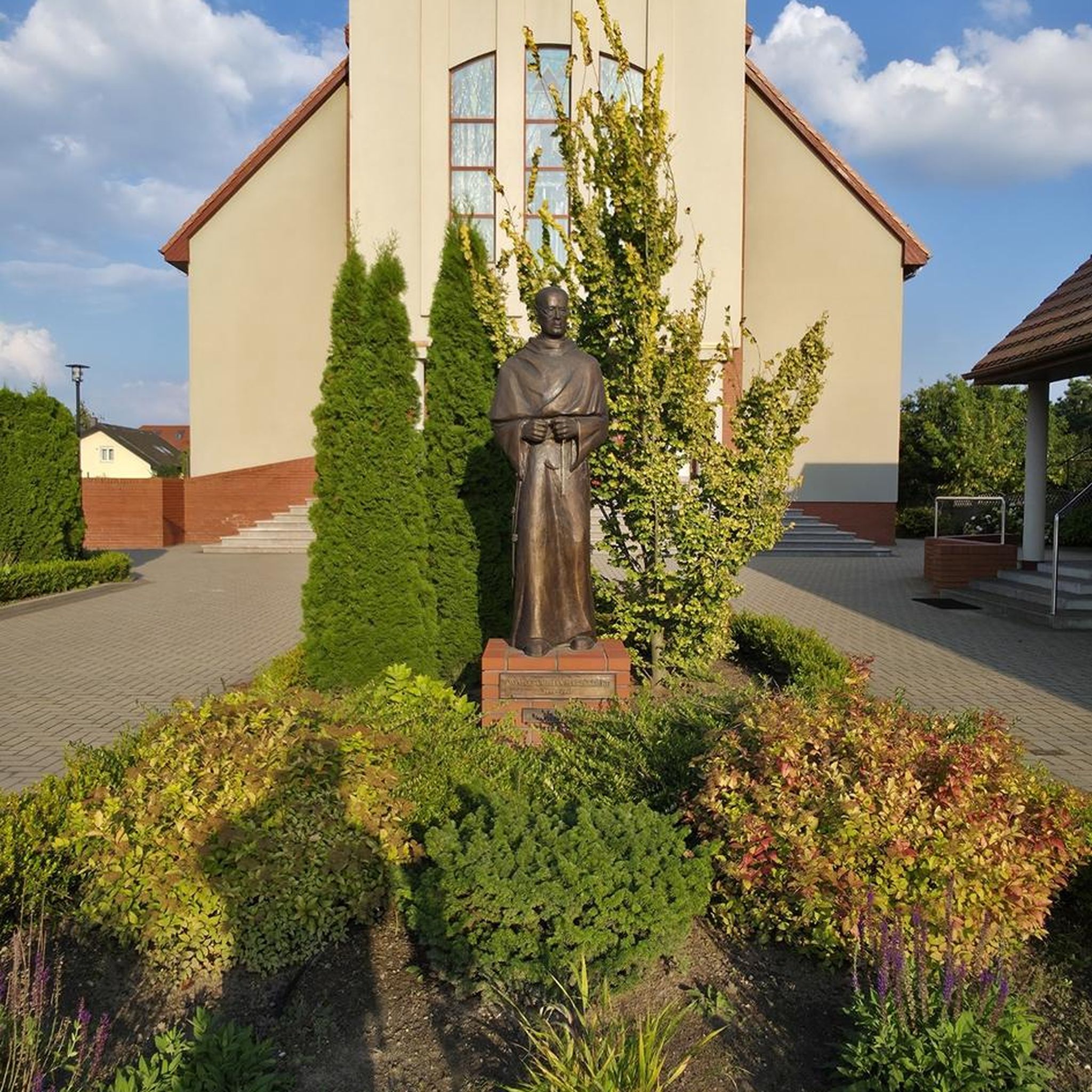
A beautiful memorial place in the middle of the forest.
4
0
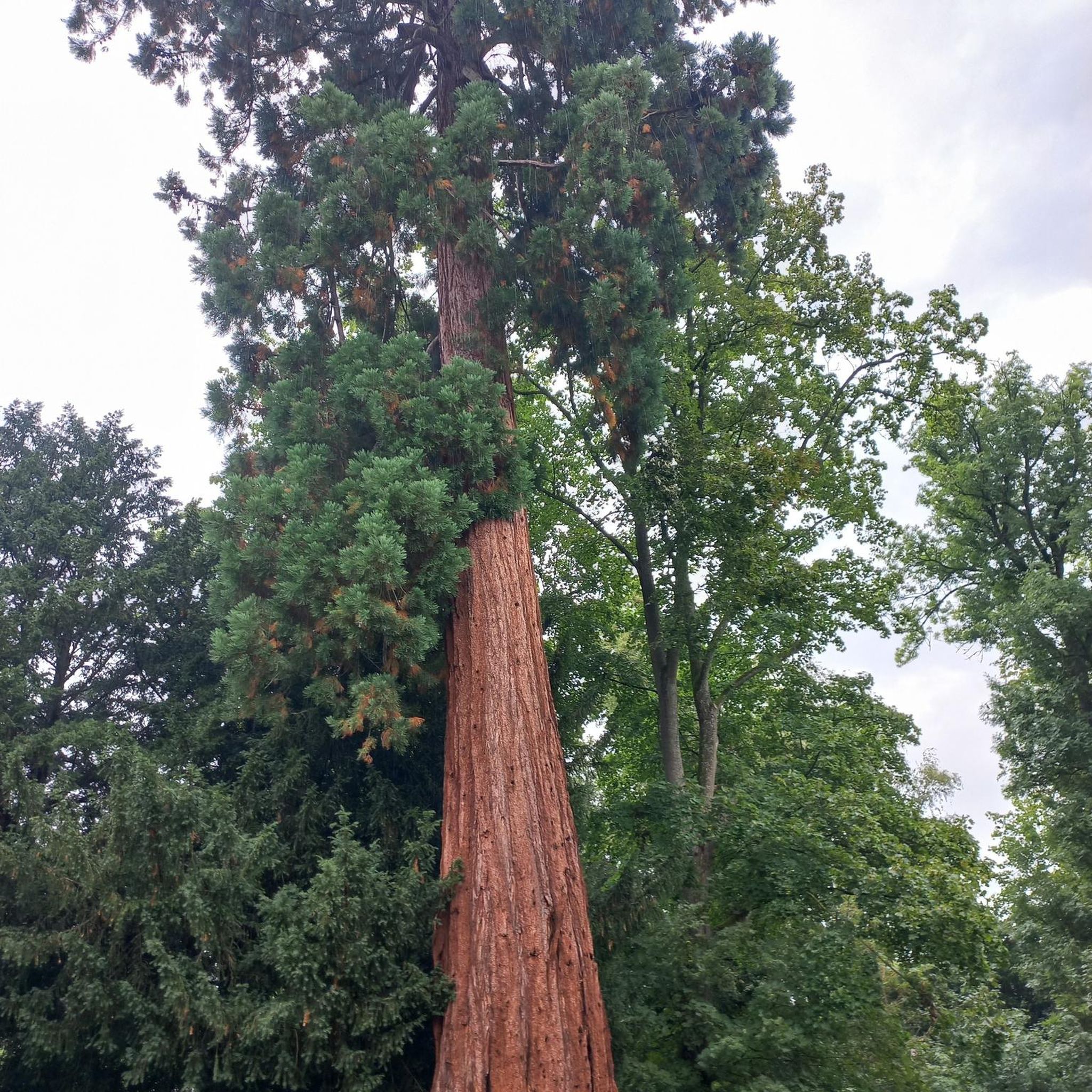
The giant sequoias can be found in the middle of the Dunkelsteinerwald. It is also a very nice resting place.
5
0

The so-called French Monument was erected in 1905 by Friedrich Schachner. The monumental monument commemorating the victory of the Austrian and Russian troops over the Napoleonic army rises on a high square base and has a steeply rising, polygonal top, which is crowned by a drum with reliefs and a steep dome.
3
0

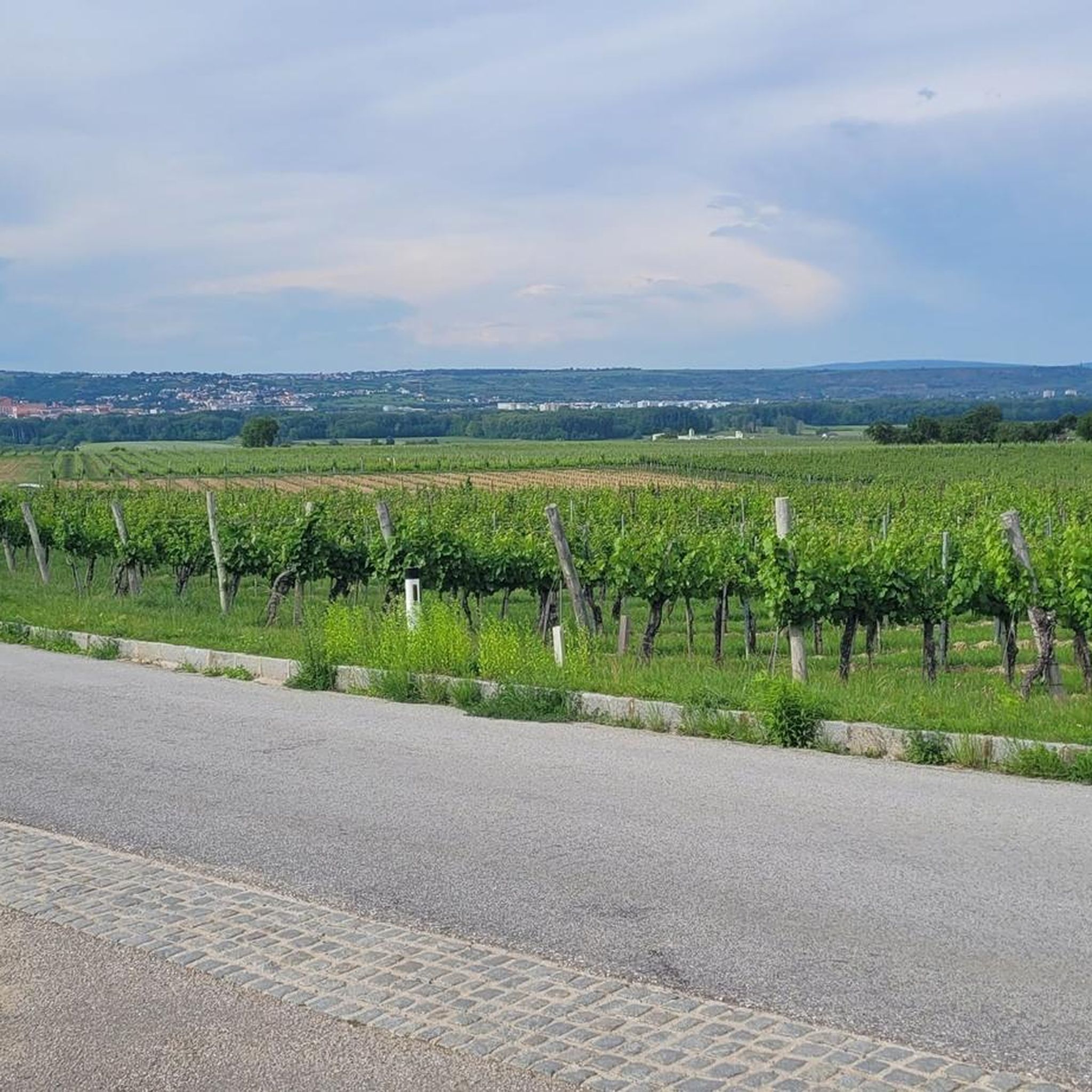
Wonderful view over Krems into the Tullnerfeld, over the Danube to Göttweig Abbey and into the Dunkelsteinerwald, located on the Großer Tullnerfeld circular hiking trail 675 and the Waldviertel long-distance hiking trail 606, one of the Mariazell pilgrim paths also passes through here, the 06er.
5
1
It has meanwhile become a photo hotspot. It's funny what art can trigger in people. Touch it! The nose is happily in its place. There it breathes the Danube, the apricots, and the wine. It is a true landmark of the Wachau. The Wachau Nose is a work of art by the artist group Gelitin, located near the St. Lorenz car ferry. The monumental sculpture, which depicts the shape of a giant nose, lies on the banks of the Danube and is a humorous and unique art project. Gelitin, a group of artists from Austria, created the work by collecting nose profiles of locals and combining them into a "hybrid nose". The sculpture is partially buried in the ground, so only the distinctive nose is visible. It invites visitors to marvel and chuckle and is a fascinating example of creative art in the Wachau.
7
0
Very impressive, visible monument that arouses curiosity. Information boards are available and also helpful. Right on the bike path, you can't miss it.
3
0
Frequently Asked Questions
What unique natural features can I explore around Furth bei Göttweig?
The region is home to the Giant Sequoias of Paudorf, a forest featuring impressive conifers planted around 140 years ago. These North American trees offer a unique natural experience, towering over local spruce and beech. Additionally, the area is known for the Göttweig Healing Forest, Austria's first certified healing forest, which also features impressive 145-year-old sequoia trees and offers a dedicated space for forest therapy and mindfulness.
Are there any viewpoints to enjoy panoramic scenery?
Yes, there are several stunning viewpoints. The Dürnstein Pulpit offers expansive views over the Wachau and the Danube Valley, considered one of the most beautiful vantage points in the area. Another excellent spot is the Danube Lookout on Braunsdorfer Hill, providing a wide view over Krems, the Tullnerfeld, the Danube, and Göttweig Abbey.
What makes the Göttweig Healing Forest special?
The Göttweig Healing Forest is Austria's first certified healing forest, situated on the Eichberg plateau near Göttweig Abbey. It's designed to offer a blend of forest therapy, spirituality, and nature experiences. Visitors can find tranquility and recharge on a circular trail with stations for exercise, coordination, balance, relaxation, and mindfulness. Guided activities like forest bathing are also offered, leveraging the scientifically recognized therapeutic benefits of the forest for stress reduction and well-being.
Are there family-friendly natural monuments in the area?
Yes, both the Giant Sequoias of Paudorf and the Danube Lookout on Braunsdorfer Hill are considered family-friendly. The impressive sequoia trees offer a unique and engaging natural experience for all ages, while the Danube Lookout provides a beautiful spot to linger and appreciate the landscape together.
What kind of protected areas are found near Furth bei Göttweig?
Furth bei Göttweig is situated within an area subject to Europaschutzgebiete (European protected areas). These areas are designated under the Fauna-Flora-Habitat (FFH) Directive to safeguard various habitat types, such as high moors, gorge forests, and oat-grass meadows, and to preserve diverse plant and animal species. This designation highlights the significant natural value and biodiversity of the surrounding environment.
What outdoor activities can I do near these natural monuments?
The region around Furth bei Göttweig offers various outdoor activities. For cycling enthusiasts, there are numerous routes, including easy to difficult options like the 'Steiner Gate, Krems – View of Göttweig Abbey loop' or the 'Mautern on the Danube — Old Town – View of Göttweig Abbey loop'. Road cyclists can explore routes such as the 'Danube Riverside Cycle Path – View of Krems an der Donau loop'. For more challenging adventures, mountain hikes like the 'Dürnstein Castle Ruins loop' are available. You can find more details on these activities in the Cycling around Furth bei Göttweig, Road Cycling Routes around Furth bei Göttweig, and Mountain Hikes around Furth bei Göttweig guides.
Are there hiking trails near the natural monuments?
Yes, there are several hiking opportunities. For instance, near the Dürnstein Pulpit, you can find mountain hikes like the 'Dürnstein Castle Ruins loop'. The Göttweig Healing Forest also features a circular trail designed for walking and mindfulness. For more extensive hiking options, explore the Mountain Hikes around Furth bei Göttweig guide.
What do visitors enjoy most about the natural monuments around Furth bei Göttweig?
Visitors particularly appreciate the breathtaking views from spots like the Dürnstein Pulpit, often described as one of the most beautiful vantage points in the Danube Valley. The unique experience of seeing the towering Giant Sequoias of Paudorf is also highly valued, with many finding the sequoias impressively beautiful. The serene atmosphere of places like the Göttweig Healing Forest for relaxation and reflection is also a major draw.
Is there any historical significance associated with these natural sites?
While primarily natural, some sites have historical connections. The Giant Sequoias of Paudorf were planted around 140 years ago by Adalbert Dungel, then woodsman and later abbot of Göttweig Abbey, linking the natural feature to local monastic history. The Göttweig Healing Forest also has a spiritual dimension, collaborating with Göttweig Abbey, which itself is a significant historical landmark in the region.
What is the best time of year to visit the natural monuments around Furth bei Göttweig?
The natural monuments around Furth bei Göttweig can be enjoyed throughout the year, with each season offering a different experience. Spring brings blooming nature, while summer is ideal for longer outdoor activities. Autumn provides beautiful foliage, especially in forested areas like the Giant Sequoias of Paudorf and the Göttweig Healing Forest. Even winter offers serene walks, particularly in the healing forest, for those seeking tranquility.
Are there any 'hidden gems' or lesser-known natural spots worth discovering?
While the Dürnstein Pulpit and Giant Sequoias of Paudorf are well-known, the broader European protected areas (Europaschutzgebiete) surrounding Furth bei Göttweig contain diverse habitat types like high moors and gorge forests. Exploring these wider protected landscapes can reveal lesser-known natural beauty and biodiversity beyond the main highlights.
Can I find facilities like cafes or pubs near the natural monuments?
While specific facilities directly at every natural monument are not detailed, the region around Furth bei Göttweig is well-developed. Areas like Dürnstein, near the Dürnstein Pulpit, and towns like Krems, visible from the Danube Lookout on Braunsdorfer Hill, offer various amenities including cafes and pubs for visitors.
Most popular routes around Furth bei Göttweig
Most popular attractions around Furth bei Göttweig

Get inspired with the komoot mobile app


Explore more
Extend your search for the best caves by checking out these guides of the top ones around Furth bei Göttweig:
