Top 16 Natural Monuments around Pölla
Best natural monuments around Pölla are found in the picturesque Kamptal region of Austria. This area features significant nature areas and recognized natural monuments, offering unique geological features and serene landscapes. The region provides opportunities for exploring ancient geological history, diverse ecosystems, and tranquil natural settings. Pölla's natural monuments are well worth visiting for their distinct characteristics and ecological importance.
Best natural monuments around Pölla
- The most popular natural monuments is Taffa Valley, a trail that winds through meadow…
Last updated: July 21, 2026
Bründlkirche and Lourdes Grotto
Highlight • Religious Site
Translated by Google •
Tip by

Taffa Valley
Highlight (Segment) • Trail
Translated by Google •
Tip by
Sign up now to discover places like this
Get recommendations on the best single tracks, peaks, & plenty of other exciting outdoor places.
Sign up for free
Climbing rocks on the Taffa
Highlight • Climb
Translated by Google •
Tip by
Kamegg Castle Ruins
Highlight • Castle
Translated by Google •
Tip by

Kräuterbrunnen (Herb Spring) Zwettl
Highlight • Natural Monument
Translated by Google •
Tip by
Sign up for free to discover even more natural monuments around Pölla.
Sign up for free
Already have an account?
Start today with a free account
Your next adventure awaits.
Login or Signup
Tips from the Community

The old cult object, a statue of the Virgin with Child, has now been displaced by the construction of a Lourdes grotto and a statue of Our Lady of Lourdes. To the left of the grotto stands Saint Francis of Assisi in a semicircular niche. The statue depicts the saint in his characteristic brown habit, accompanied by an ox. He carries a crozier and holds a book, referring to his role as a religious role model and founder of an order. In the ivy-covered Lourdes grotto stands a statue of the Virgin of Lourdes. She wears a white dress with a blue sash. To the right of the grotto stands Saint Florian in a semicircular niche. He is depicted as a Roman soldier with armor, a cloak, and a spear.
0
0

A wooden chapel has been documented here at the Bründl since 1770 - this was replaced by a stone building in 1846 and expanded in 1896.
0
0

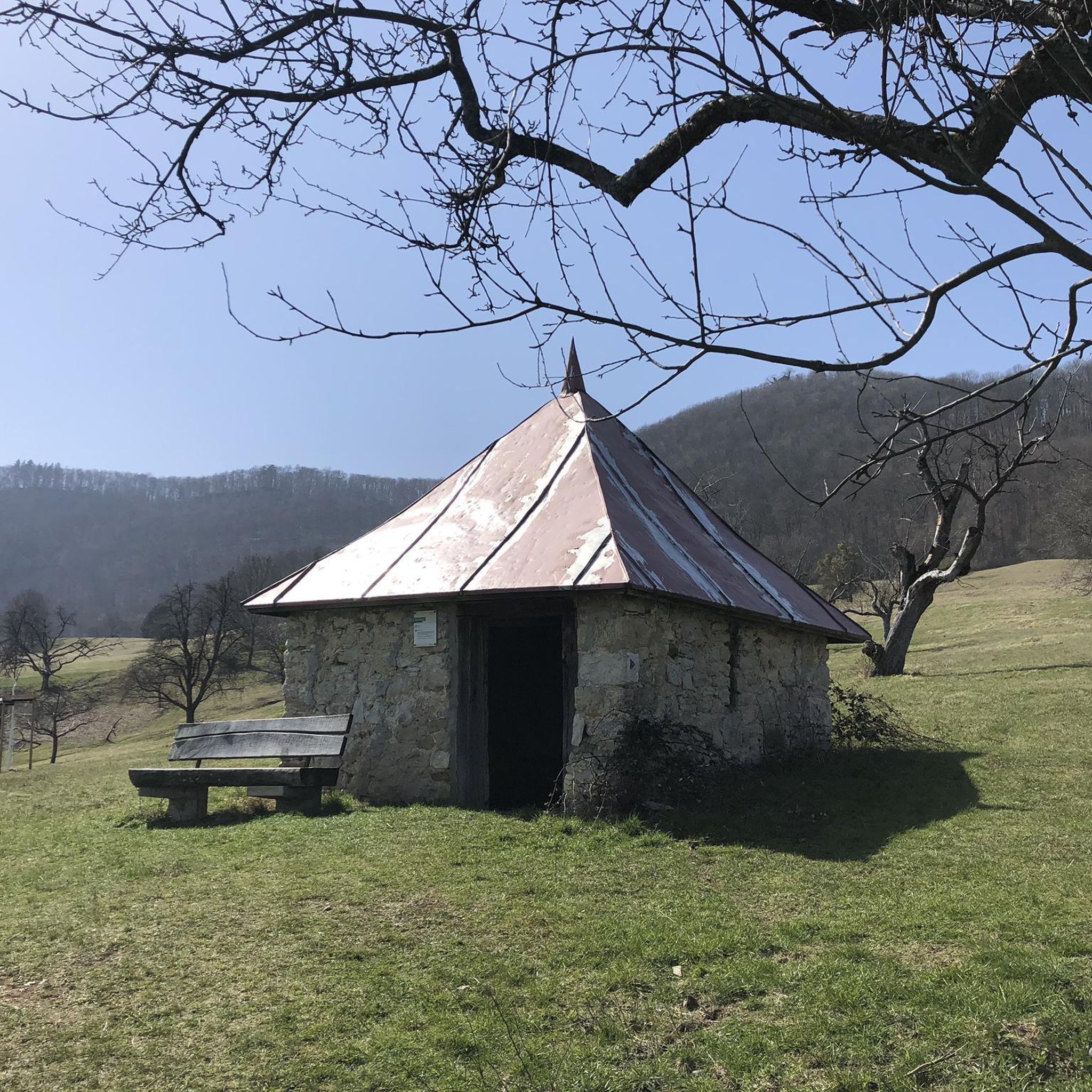
On the eastern slope of the mountain that once supported the parish church and possibly also the castle of Zwettl, today's Propsteiberg, rises a very rich spring, of which the legend tells us that a long time ago shepherds found a statue of the Virgin Mary in the water of the spring . Originally a wayside shrine was built, then a marterl, which was then replaced by a wooden chapel. The spring, which was considered to have healing properties, attracted ever larger groups of pilgrims, so that in 1846 a brick chapel with a tin roof was built. The number of pilgrim groups making pilgrimages to the spring continued to increase, so that Pastor Anton Trajer decided to build a church near the spring. Actively supported by many donors and sponsors, it was built in 1896/97 and ceremoniously consecrated on July 18, 1897. A nave with a facade tower was built in front of the old chapel, which now formed the presbytery of the new church. A Lourdes grotto was created under the wide porch resulting from the church's construction.
0
0

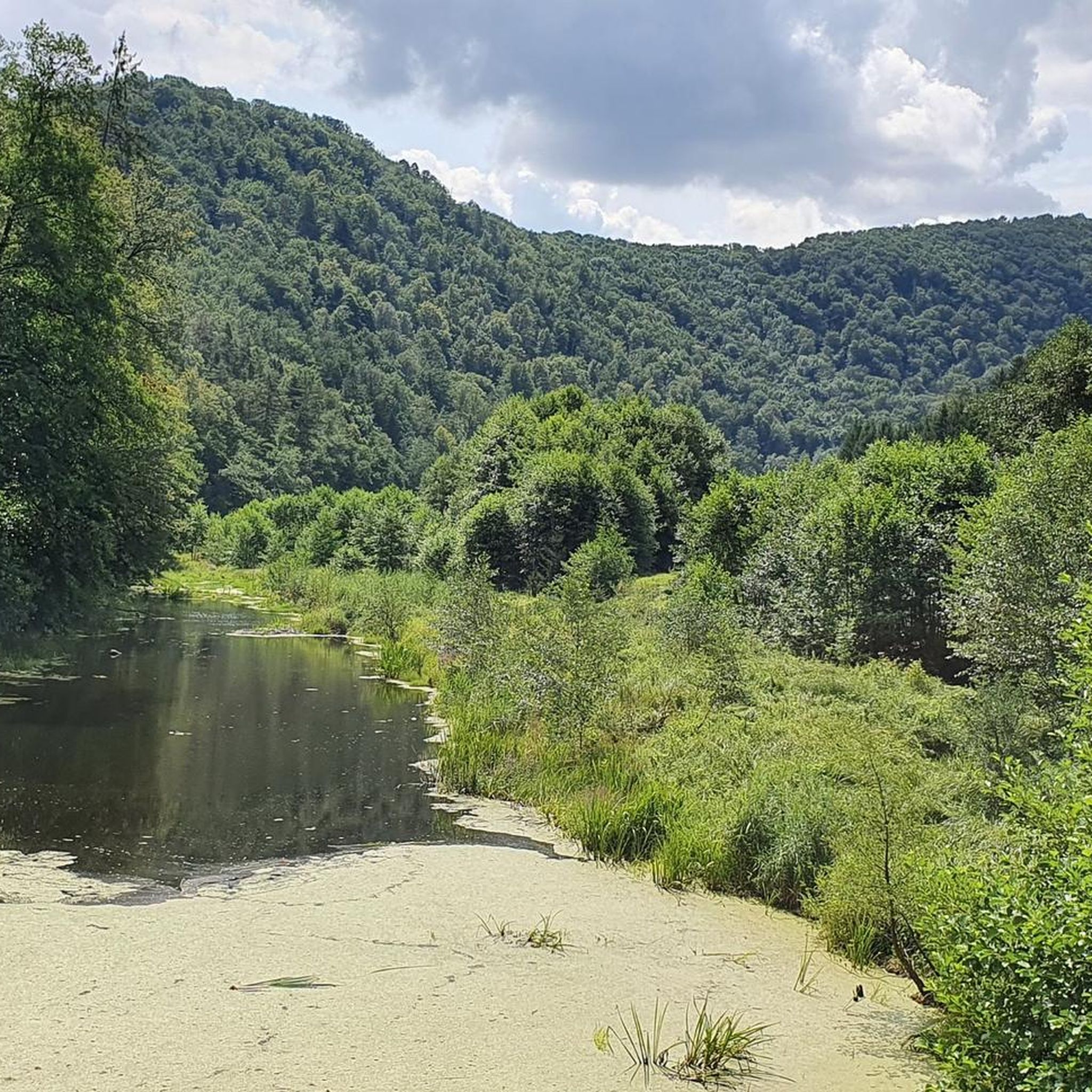
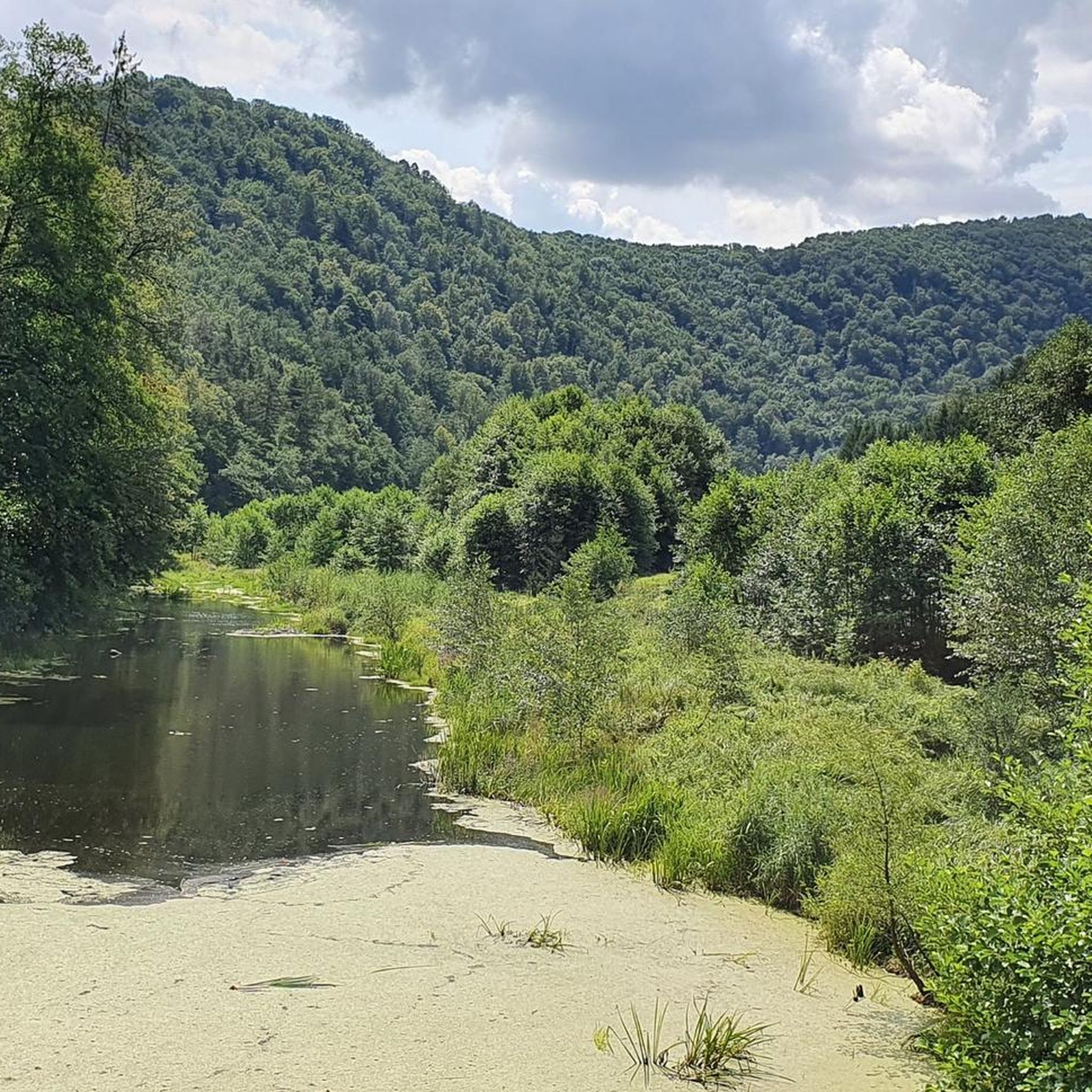
Here you hike along meadow and forest paths along the Taffa, which winds its way through the valley, and are surprised by gigantic rock formations. Fallen trees, weirs, ruins, beavers, bridges over islands, there is a lot to discover, very idyllic! Good footwear is necessary, sometimes slippery on stones and leaves when wet, fallen trees have to be avoided or climbed over, not suitable for strollers, no place to stop for refreshments along the way.
1
2
A pleasure for well-being in every season. Sometimes, especially after rain, there are passages that should be approached with caution.
0
0
A highlight in the Taffa Valley not only for climbing enthusiasts, but also for those who enjoy the rock formations here on the Taffa.
0
0

02/26/2023 - Waldviertel spring water. With the dedication of the herb fountain, the Zwettl private brewery would like to say thank you to nature for being able to find inimitable, unadulterated and original things in their purest form. For the uniqueness of the Zwettler beer specialties, we strive to preserve this for future generations. The private brewery Zwettl 1997.
7
0

On the eastern slope of the mountain, which once supported the parish church and possibly also the castle of Zwettl, today's Propsteiberg, a very productive spring rises, of which the legend tells that a long time ago shepherds found a statue of Mary in the water of the spring . Originally a wayside shrine was erected, then a wayside shrine, which was replaced by a wooden chapel. The source, which is considered to have healing powers, attracted ever larger groups of pilgrims, so that in 1846 a brick chapel with a tin roof was built. The number of groups of pilgrims making pilgrimages to the spring continued to increase, so Father Anton Trajer decided to build a church by the spring. Actively supported by many donors and sponsors, it was built in 1896/97 and inaugurated on July 18, 1897. A nave with a facade tower was built in front of the old chapel, which now formed the presbytery of the new church. A Lourdes grotto was created under the wide porch created by the construction of the church.
3
0
Frequently Asked Questions
What unique natural features can I explore around Pölla?
The region around Pölla offers diverse natural features. You can discover the impressive geological history at the Hoher Stein near Großweißenbach, a primeval rock formation from the ancient Variscan mountains. The Taffa Valley features gigantic rock formations and a winding river, while the Kamptal region itself is known for its varied geological formations including loess, gravel, and red sandstone.
Are there any historical or cultural sites among the natural monuments in Pölla?
Yes, several natural monuments in Pölla also hold historical or cultural significance. The Bründlkirche and Lourdes Grotto is a religious building and natural monument where a spring with healing powers is located, attracting pilgrims. Additionally, the Kamegg Castle Ruins, perched on a steeply sloping rocky hill above the Kamptalstraße, offers historical insights and scenic views.
What do visitors particularly enjoy about the natural monuments in Pölla?
Visitors appreciate the tranquil and idyllic experiences. For instance, the Taffa Valley is loved for its peaceful meadow and forest paths, gigantic rock formations, and opportunities to spot wildlife like beavers. The Bründlkirche and Lourdes Grotto is valued for its serene atmosphere and the legend of its healing spring.
Are there family-friendly natural monuments around Pölla?
Yes, Pölla offers several family-friendly options. The Bründlkirche and Lourdes Grotto is accessible and offers a unique cultural experience. The Pfarrerteich, while not a natural monument in the strictest sense, provides a family-friendly circular trail with opportunities to observe local wildlife like ducks and swans, along with recreational facilities. The Kräuterbrunnen (Herb Spring) Zwettl is also considered family-friendly.
What outdoor activities can I do near the natural monuments in Pölla?
The natural monuments are often integrated into a network of outdoor activities. You can enjoy various hiking trails, including easy and moderate options. For example, there are routes like the 'Schloss Waldreichs – Waldreichs Castle loop' or the 'Schauenstein Ruins loop'. You can find more details on hiking options in the Hiking around Pölla guide and Easy hikes around Pölla guide. For cycling enthusiasts, there are also gravel biking routes available, as detailed in the Gravel biking around Pölla guide.
Are there options for challenging hikes or climbing near Pölla's natural monuments?
Yes, for those seeking more challenge, the Hoher Stein near Großweißenbach offers a small via ferrata to its summit, rewarding adventurers with panoramic views. Additionally, the Climbing rocks on the Taffa is a dedicated climbing area with various routes and expansion anchors, suitable for climbing enthusiasts.
What is the best time to visit the natural monuments in Pölla?
The natural monuments in Pölla offer beauty throughout the year. Spring is particularly vibrant at the Hochmoor Buchenberg, when the moor bursts into bloom with rare plant species. The Taffa Valley is enjoyable in every season, though some passages can be slippery after rain, requiring good footwear.
Can I observe wildlife at Pölla's natural monuments?
Yes, the natural areas around Pölla are rich in wildlife. In the Taffa Valley, you might spot beavers and other diverse wildlife. The Hochmoor Buchenberg is a nature reserve known for its rare animal and plant species. The Pfarrerteich also provides opportunities to observe local wildlife such as ducks and swans.
Are there circular walks available near Pölla's natural monuments?
Yes, there are several circular walk options. The Pfarrerteich offers a pleasant family-friendly circular trail. For hikers, routes like the 'Schloss Waldreichs – Waldreichs Castle loop' are available, providing a good way to explore the surroundings. You can find more circular routes in the Hiking around Pölla guide.
Can I bring my dog to the natural monuments and trails?
While specific regulations for each natural monument vary, many hiking trails in the Pölla region are dog-friendly. It's generally advisable to keep dogs on a leash, especially in nature reserves like the Hochmoor Buchenberg, to protect wildlife and plants. Always ensure to clean up after your pet.
Are there easy hiking options near Pölla's natural monuments?
Yes, Pölla offers several easy hiking options suitable for a relaxed outing. Routes such as the 'Schloss Waldreichs – Waldreichs Castle loop' are classified as easy. The Pfarrerteich also features a gentle circular trail. For more easy routes, consult the Easy hikes around Pölla guide.
Are there parking facilities near the natural monuments?
Parking availability varies by location. For the Bründlkirche and Lourdes Grotto, there is parking available opposite the Kampbad. For other natural monuments and trailheads, parking is often available at designated spots or nearby villages. It's recommended to check specific access points for parking information before your visit.
Most popular routes around Pölla
Most popular attractions around Pölla

Get inspired with the komoot mobile app


Explore more
Extend your search for the best caves by checking out these guides of the top ones around Pölla:
