Top 20 Natural Monuments around Statzendorf
Best natural monuments around Statzendorf are situated in the scenic Traisental Valley of Lower Austria, characterized by gentle hills and vineyards. The area offers a blend of nature and culture, providing numerous walking routes and cycling paths. While Statzendorf itself does not host designated natural monuments, the surrounding landscape contributes to its rural charm. The region is known for its traditional wine-making and offers opportunities to appreciate local flora and fauna.
Best natural monuments around Statzendorf
- The most popular natural…
Last updated: July 21, 2026
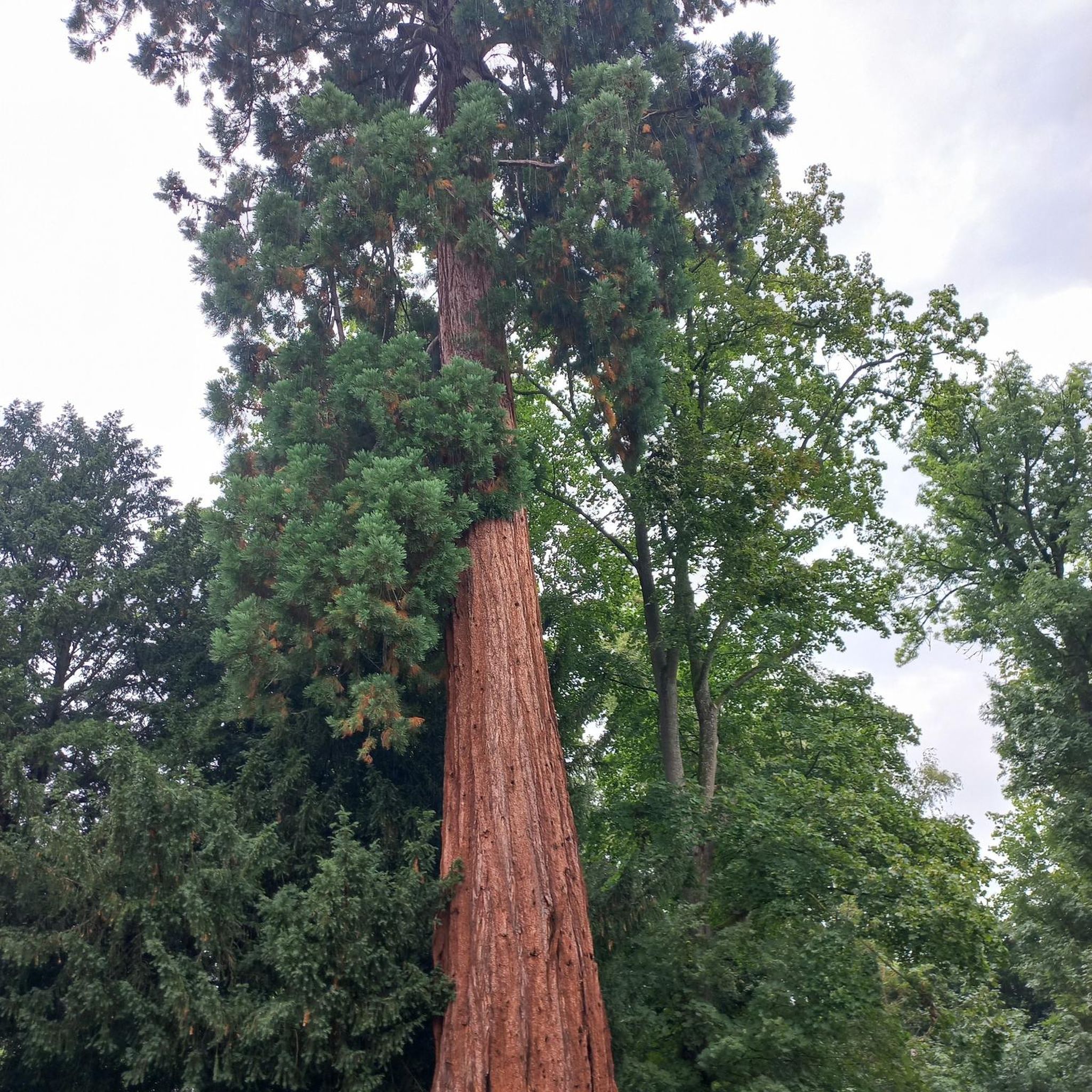
Giant Sequoias of Paudorf
Highlight • Forest
Translated by Google •
Tip by

Altenwörth fish pass
Highlight • Structure
Translated by Google •
Tip by

Sign up now to discover places like this
Get recommendations on the best single tracks, peaks, & plenty of other exciting outdoor places.
Sign up for free
Fountain in Krems City Park
Highlight • Monument
In the park you …
Translated by Google •
Tip by
Loess terraces – Stein an der Donau
Highlight • Natural Monument
Translated by Google •
Tip by

Zellergraben
Highlight • Gorge
Translated by Google •
Tip by
Sign up for free to discover even more natural monuments around Statzendorf.
Sign up for free
Already have an account?
Start today with a free account
Your next adventure awaits.
Login or Signup
Tips from the Community

very well done and nice to look at
0
0

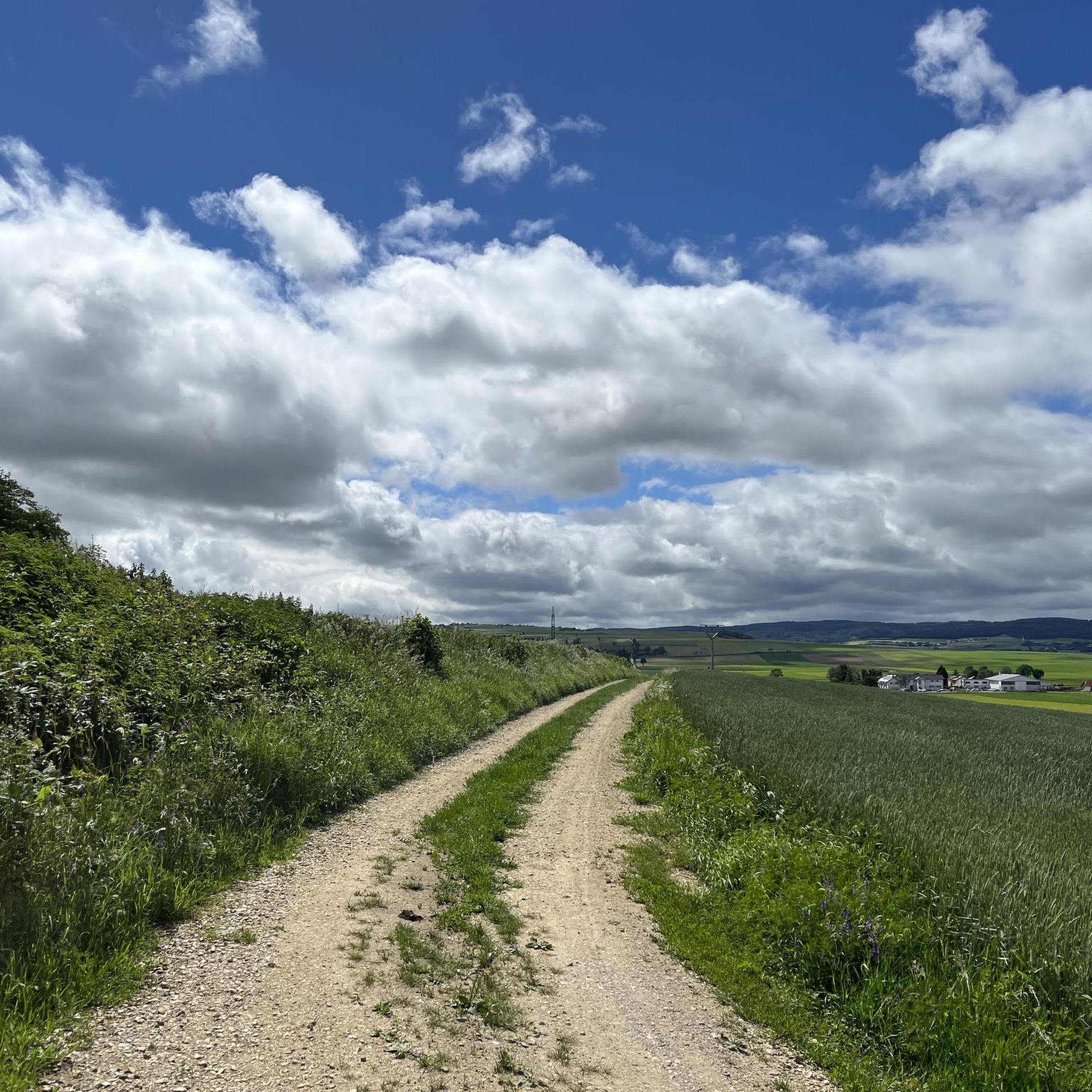
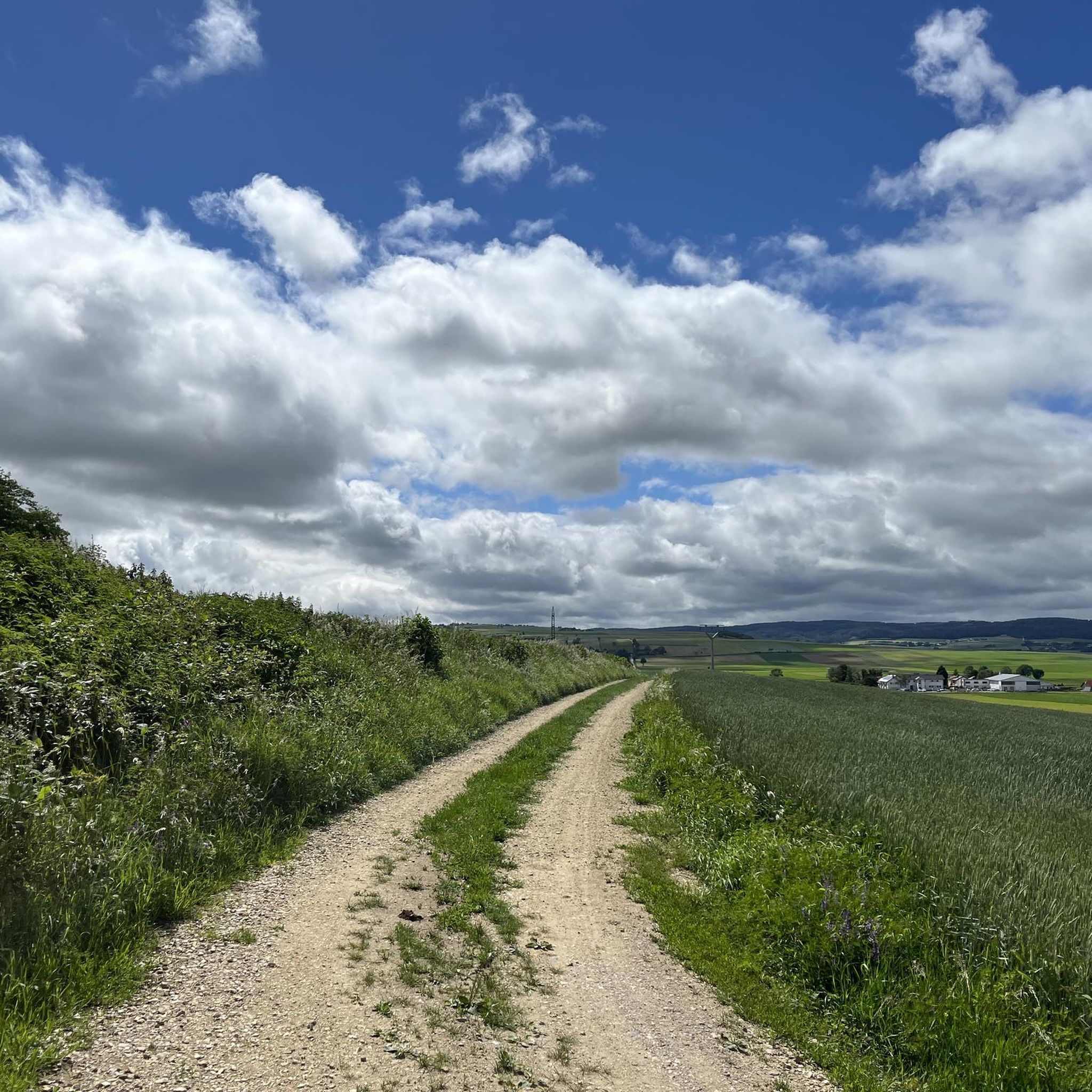
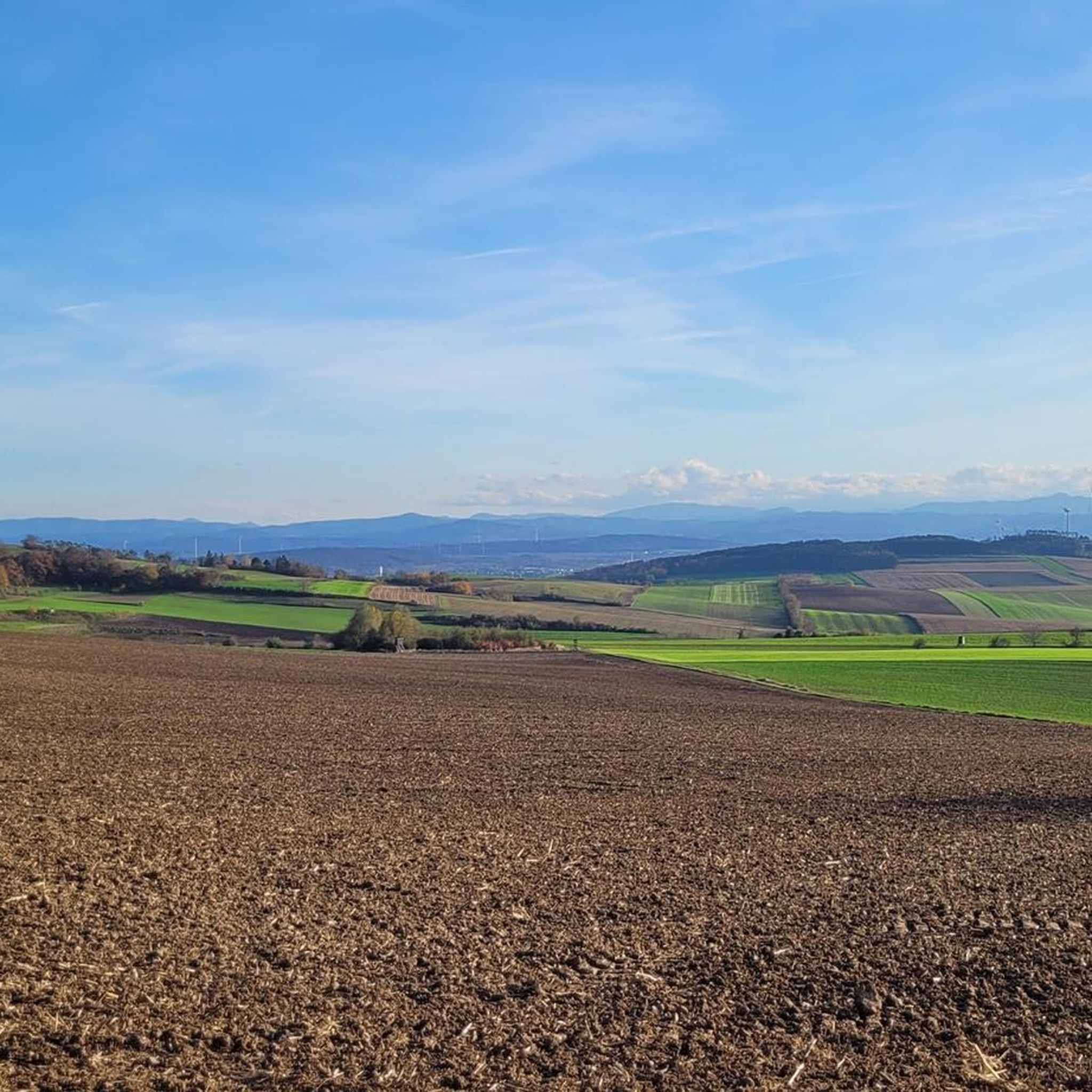
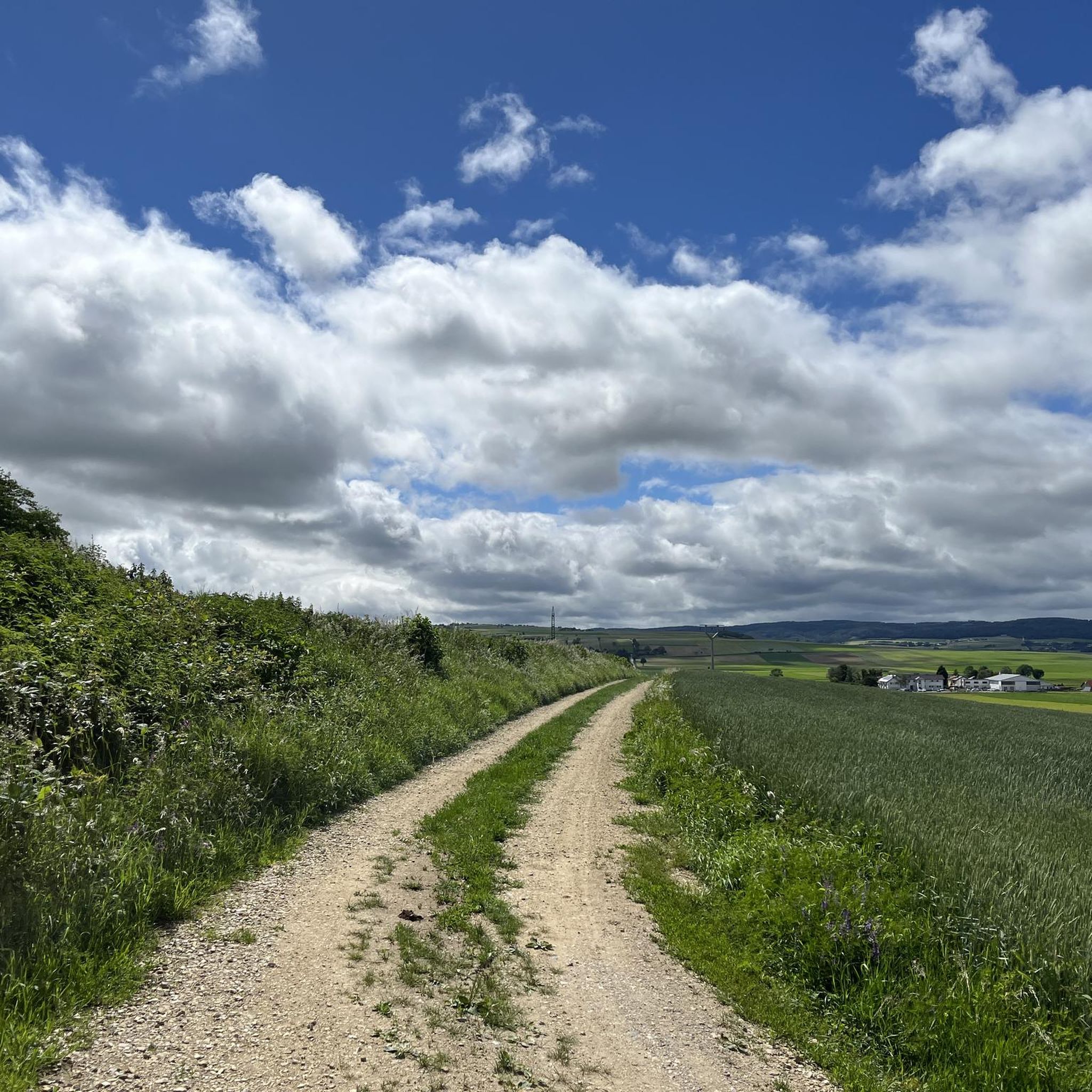
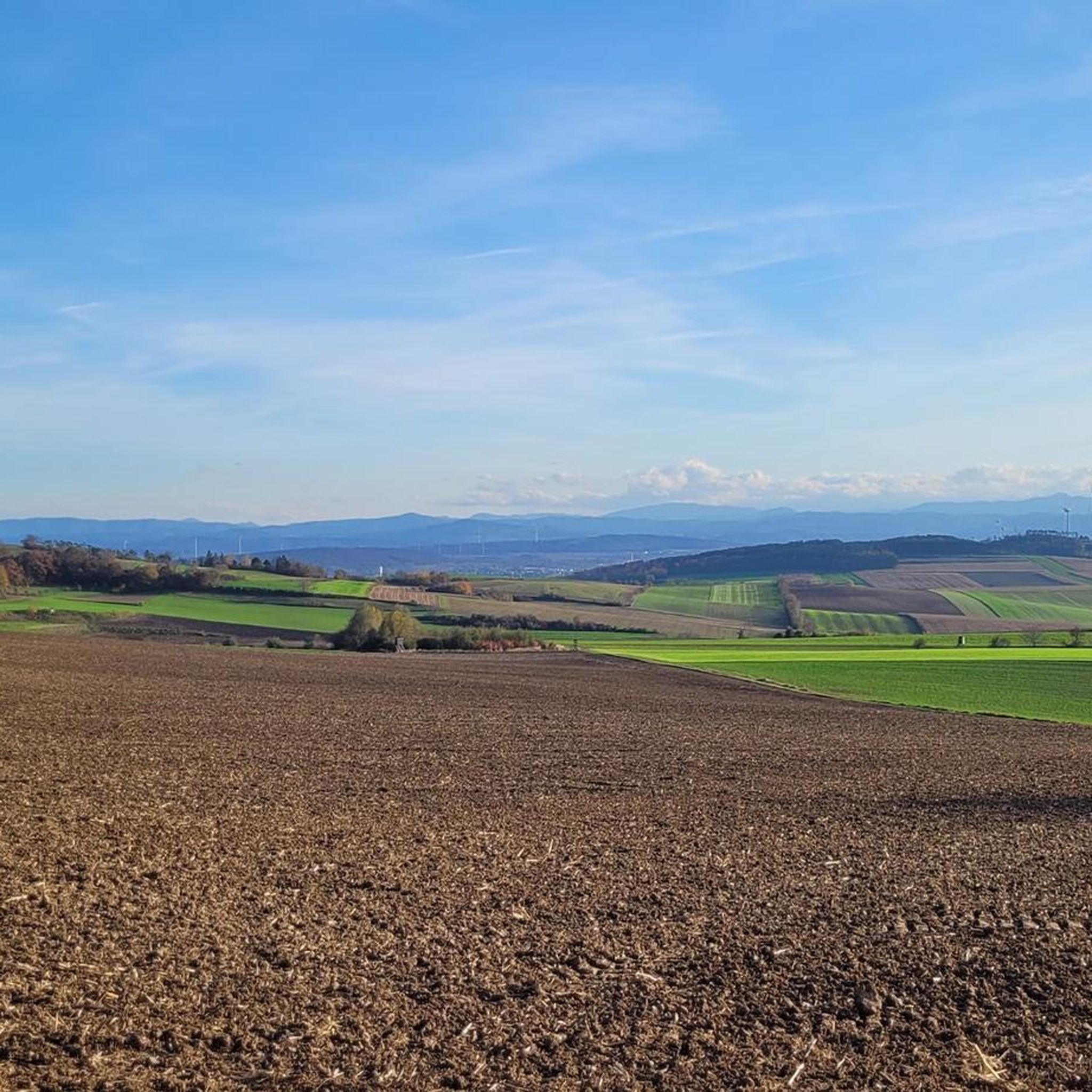
A beautiful wine-growing region crisscrossed by numerous hiking trails. Here, up to the Danube lookout point, you can hike the Great Tullnerfeld Circular Trail 475/675, the Waldviertel Long-Distance Hiking Trail 606, or the Mariazell Trail 06 – all at the same time!
0
0

At approximately 12.5 kilometers, the Altenwörth Fish Bypass is the longest of its kind in Austria and was built between 2019 and 2022 as part of the LIFE Network Danube Plus project. It allows fish such as huchen, schied, and zingel to bypass the Altenwörth Danube power plant and provides a continuous connection to the tributaries, the Kamp and Krems. The near-naturally designed bypass stream, with shallow water zones, gravel banks, and deadwood, also creates new habitats for numerous animal and plant species. The facility is also of interest to cyclists: Along the Danube and its adjacent waterways, natural paths offer views of renaturalized landscapes, small bays, and ecologically valuable rest areas. It is a successful example of how flood protection, energy use, and biodiversity can be reconciled.
3
0
One of Austria's longest fish bypasses was created between Altenwörth and Greifenstein as part of the "LIFE Network Danube Plus" project. The approximately 12.5-kilometer-long, near-naturally designed bypass stream allows fish such as huchen, zebrafish, and schied to migrate freely along the Danube and connects important habitats in the tributaries of the Kamp and Krems. Between 2019 and 2022, approximately 34 hectares of new aquatic areas were created, featuring shallow water zones, gravel banks, and deadwood areas – also for kingfishers, otters, and other protected species. In addition to its ecological benefits, the area is now also attractive to recreational travelers: Along the waterway corridor, natural banks, small bays, and viewpoints invite visitors to linger – a successful example of the combination of nature conservation, water development, and sustainable tourism.
1
0


Very interesting and beautiful, you just don't see it every day
2
0

The Altenwörth fish bypass is an important ecological measure at the Altenwörth Danube power plant in Lower Austria. It was implemented as part of the LIFE Network Danube Plus project and, with a length of 12.5 kilometers, is recognized as the longest of its kind in Lower Austria.
3
0
A beautiful memorial place in the middle of the forest.
4
0
Frequently Asked Questions
What are some unique natural monuments to explore near Statzendorf?
While Statzendorf itself is known for its charming rural landscape, the surrounding region offers several unique natural monuments. You can visit the impressive Giant Sequoias of Paudorf, a forest where North American giant sequoias, planted over 140 years ago, now tower over local trees. Another fascinating site is the Loess terraces – Stein an der Donau, featuring geological formations up to 25 meters high that are stable enough to support vineyards.
Are there family-friendly natural monuments around Statzendorf?
Yes, several natural monuments in the area are suitable for families. The Giant Sequoias of Paudorf offer an impressive nature trail that children will enjoy. The Altenwörth fish pass provides a relaxed cycling experience along the Danube, which can be fun for all ages. Additionally, the Zellergraben gorge is considered family-friendly, offering an exciting natural experience.
What kind of geological formations can I see near Statzendorf?
The region is notable for its unique geological features. The Loess terraces – Stein an der Donau are a prime example, showcasing loess formations up to 25 meters high, which are remnants from the ice ages. Another impressive geological site is the Zellergraben, a loess gorge with walls reaching up to twelve meters high, often referred to as the 'Grand Canyon' of the Wachau.
What outdoor activities can I do near these natural monuments?
The area around Statzendorf, including its natural monuments, is excellent for various outdoor activities. You can enjoy cycling along the Traisental Cycle Path, which runs through Statzendorf, or explore the scenic routes near the Altenwörth fish pass. For more structured activities, you can find numerous cycling routes, running trails, and hiking paths around Statzendorf, many of which pass by or near these natural attractions.
Are there hiking trails near the natural monuments?
Yes, the region offers a variety of hiking opportunities. The Loess terraces – Stein an der Donau are crisscrossed by numerous hiking trails, including sections of the Great Tullnerfeld Circular Trail, the Waldviertel Long-Distance Hiking Trail, and the Mariazell Trail. The Zellergraben also features a signposted themed trail that explores the topic of loess. For more options, explore the hiking guide for Statzendorf.
What is the best time of year to visit the natural monuments around Statzendorf?
The natural monuments and the broader Traisental Valley are beautiful throughout the year. Spring and autumn are particularly pleasant for hiking and cycling, with mild temperatures and vibrant colors from the vineyards and forests. Summer offers warm weather ideal for outdoor activities, while winter can provide a serene, picturesque landscape, though some paths might be less accessible.
What kind of flora and fauna can I expect to see?
The natural environment around Statzendorf contributes to its rural charm, featuring diverse flora and fauna. You might spot red foxes, owls, and green woodpeckers, along with various butterflies. The plant life includes windflowers, dandelions, and poppies, especially in spring and summer. The Zellergraben loess gorge, for instance, provides a habitat for many animal and bird species.
Are there any historical or cultural sites near the natural monuments?
While the focus is on natural monuments, the region of Lower Austria is rich in culture. In St. Pölten, you can find the Holy Trinity Column (Dreifaltigkeitssäule), an 18th-century Baroque monument. The broader Traisental Valley is also known for its traditional wine-making and picturesque cellar alleys, offering a blend of nature and cultural heritage.
What do visitors enjoy most about the natural monuments in this region?
Visitors frequently appreciate the unique natural beauty and the tranquility of the area. The impressive size of the Giant Sequoias of Paudorf and the striking geological formations of the Loess terraces – Stein an der Donau are often highlighted. Many also enjoy the relaxed cycling opportunities along the Danube, such as near the Altenwörth fish pass, and the scenic hiking trails through the loess gorges like Zellergraben.
Are there any larger nature parks or protected areas in Lower Austria worth visiting?
Yes, while Statzendorf offers local charm, the broader region of Lower Austria boasts over 20 nature parks. These parks protect diverse landscapes, from wild gorges and waterfalls to alpine pastures. Notable examples include the Ötscher-Tormäuer Nature Park, known for its dramatic scenery, and the Jauerling-Wachau Nature Park, which connects the UNESCO World Heritage cultural landscape of Wachau with the Waldviertel. You can find more information on these at lower-austria.info.
Can I reach these natural monuments by public transport?
While specific public transport details for each individual natural monument can vary, Statzendorf and nearby towns are generally connected by regional bus services and train lines within Lower Austria. It's advisable to check local transport schedules for the most direct routes to the starting points of trails or specific monument locations.
Are the trails around the natural monuments suitable for dogs?
Many outdoor trails in the Traisental Valley and around the natural monuments are dog-friendly, especially those in more natural, open areas. However, it's always recommended to keep dogs on a leash, especially in nature protection areas, and to be mindful of local regulations and other visitors. Always carry water for your dog and clean up after them.
Most popular routes around Statzendorf
Most popular attractions around Statzendorf

Get inspired with the komoot mobile app


Explore more
Extend your search for the best caves by checking out these guides of the top ones around Statzendorf:
