Top 18 Natural Monuments around Weichselbaum
Natural monuments around Weichselbaum offer diverse natural landscapes in Burgenland, Austria. The region features a blend of historical sites and natural beauty, providing opportunities for exploration. Visitors can discover unique geological features and cultural landmarks integrated into the natural environment. These natural attractions contribute to the area's appeal for outdoor activities.
Best natural monuments around Weichselbaum
- The most popular natural monuments is Three-country border point Austria–Hungary–Slovenia, a man-made monument and natural monument located in a wooded area. This site…
Last updated: May 11, 2026
Three-country border point Austria–Hungary–Slovenia
Highlight • Monument
Translated by Google •
Tip by

Roman burial mounds
Highlight • Historical Site
Translated by Google •
Tip by

Sign up now to discover places like this
Get recommendations on the best single tracks, peaks, & plenty of other exciting outdoor places.
Sign up for free
Lourdes - Marian Grotto
Highlight • Religious Site
Translated by Google •
Tip by

Tschartake and Fish Ladder at Hohenbrugg-Schiefer Nature Reserve
Highlight • River
Translated by Google •
Tip by

Giant oak
Highlight • Natural Monument
Translated by Google •
Tip by

Sign up for free to discover even more natural monuments around Weichselbaum.
Sign up for free
Already have an account?
Start today with a free account
Your next adventure awaits.
Login or Signup
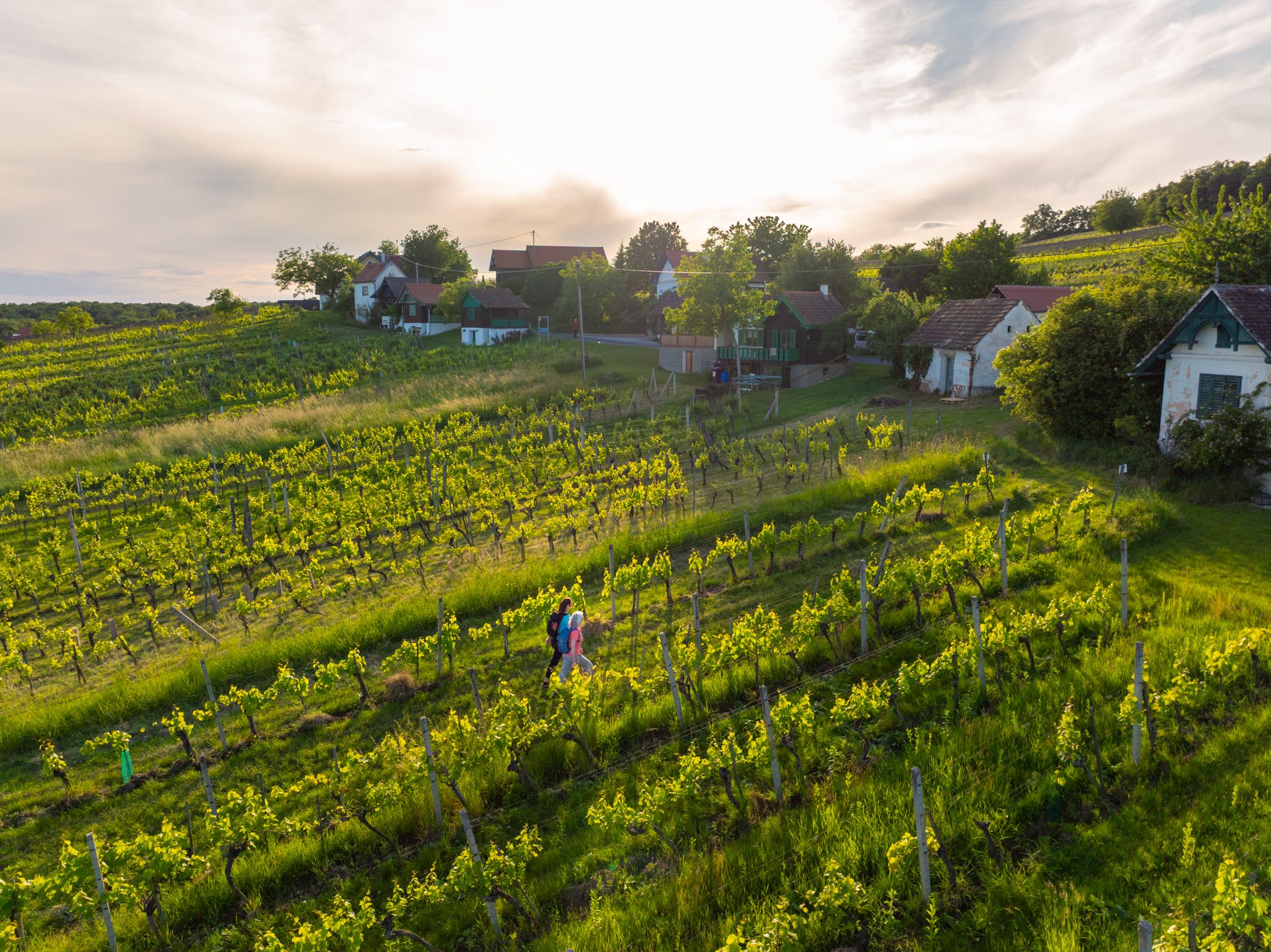
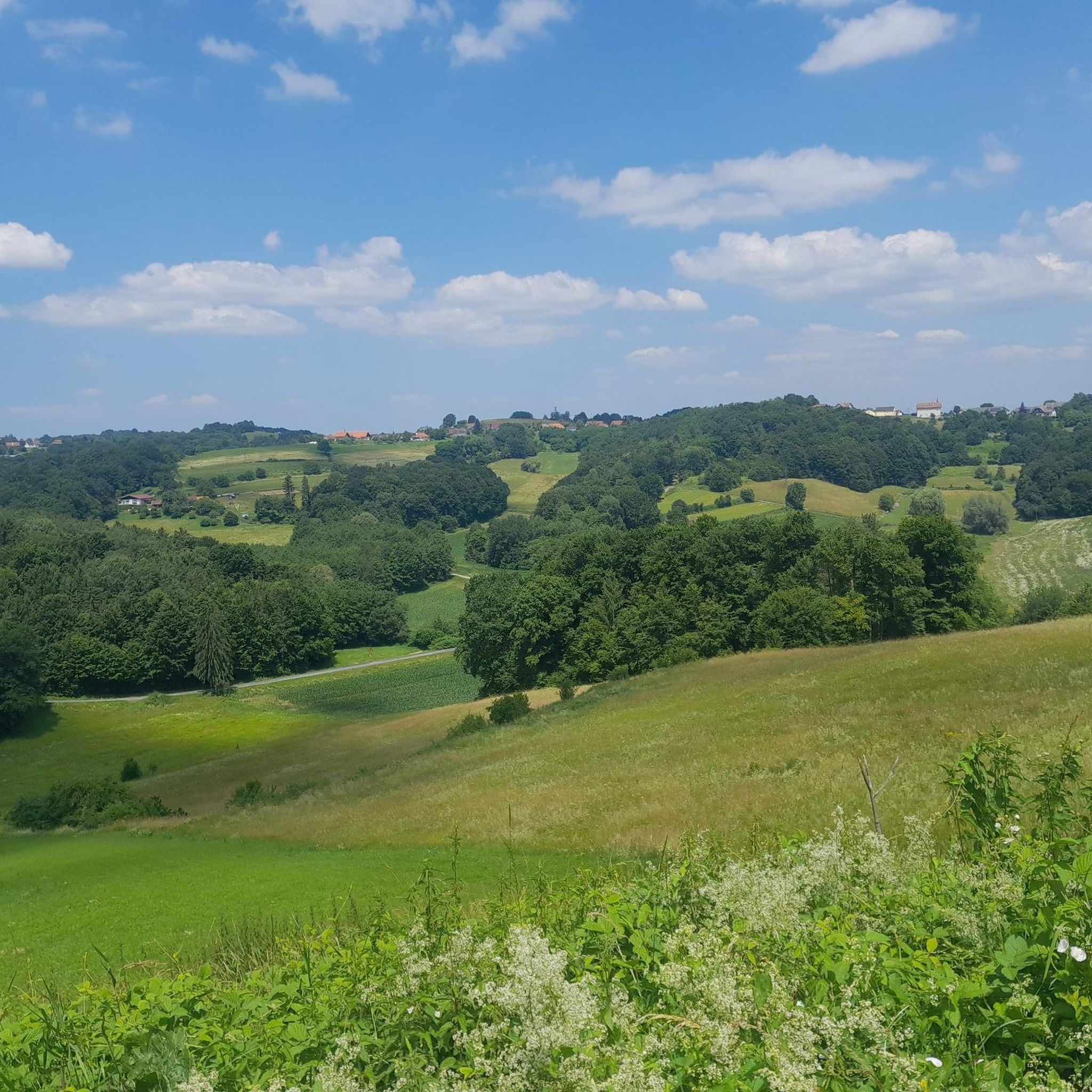
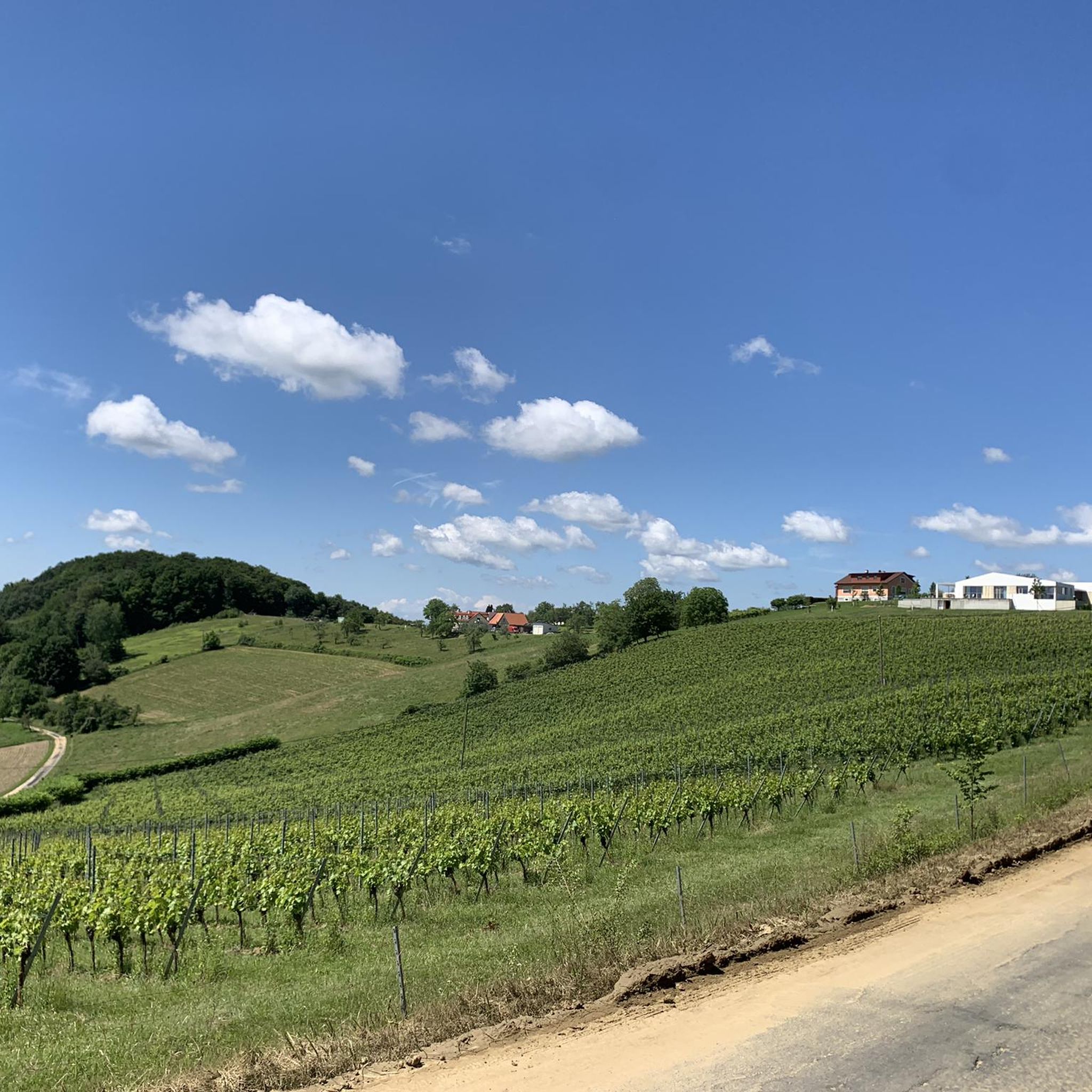
Other adventures around Weichselbaum

Tips from the Community

Someone has clearly gone to great lengths to bring history to life here. Kudos! The excavated grave and its accompanying description are just as interesting as the three reconstructed burial mounds. And when you've had your fill of learning, you can also rest comfortably in the shade. Perfect!
0
0
A beautiful parish church with an impressive interior. We were a little disappointed by the Lourdes Grotto. It's small compared to the church, located in the backyard—we expected more. But whatever, the church is definitely worth seeing.
0
0

Natural landscapes beautiful
0
0

This time we visited in spring and it has leaves again, which makes it a lot more impressive.
0
0

Hidden behind the Roman Catholic parish church of Unterlamm is a replica of the Grotto of the Virgin Mary in Lourdes. It is a very special place of prayer and unique in Styria.
0
0

Walkable, but the view from above is not much different than from below ;-)
0
0

The place shows the permanence and also the transience of national borders. Very nicely done!
3
0
Huge oak tree, in winter, without leaves, not quite as noticeable. But very impressive.
0
0
Frequently Asked Questions
What unique natural monuments can I visit around Weichselbaum?
Beyond the well-known spots, you can explore the Lourdes - Marian Grotto, a replica of the famous French pilgrimage site, offering a unique blend of natural setting and spiritual significance. Another interesting site is the Giant oak, a listed natural monument that provides a peaceful spot for rest and reflection.
Are there family-friendly natural monuments in the Weichselbaum area?
Yes, several natural monuments are suitable for families. The Roman burial mounds offer an educational experience where families can learn about ancient history. The Tschartake and Fish Ladder at Hohenbrugg-Schiefer Nature Reserve is also family-friendly, providing views of an old river arm and the surrounding nature, ideal for a break. The Lourdes - Marian Grotto and the Giant oak are also accessible for families.
What kind of natural features can I expect to see around Weichselbaum?
The region around Weichselbaum, located in Burgenland, offers diverse natural landscapes. You'll find wooded areas, river features like the Raab, and significant individual trees such as the Giant oak. The broader Burgenland region is known for its wetlands, dry grasslands, and even steppe lakes, though these larger features like the Neusiedler See-Seewinkel National Park are further afield.
Are there historical sites among the natural monuments near Weichselbaum?
Absolutely. The natural monuments around Weichselbaum often intertwine with historical significance. The Three-country border point Austria–Hungary–Slovenia is a prime example, marking a historical geopolitical meeting point in a natural setting. The Roman burial mounds are archaeological sites that provide insights into ancient Roman rituals within a natural landscape. The Lourdes - Marian Grotto also holds historical and religious significance.
When is the best time to visit the natural monuments around Weichselbaum?
The natural monuments around Weichselbaum can be enjoyed throughout the year, depending on your preferences. Spring and autumn offer pleasant temperatures for hiking and exploring the wooded areas and river landscapes. Summer is ideal for enjoying the outdoors, though it can be warmer. Winter provides a different, tranquil beauty, especially in the forested areas, but some paths might be less accessible.
What do visitors enjoy most about the natural monuments in Weichselbaum?
Visitors particularly appreciate the blend of natural beauty and historical context. For instance, the Three-country border point Austria–Hungary–Slovenia is loved for its tranquil wooded setting and the opportunity to reflect on history. The Tschartake and Fish Ladder is praised as a wonderful place to rest and enjoy views of the nature reserve. The Roman burial mounds are valued for their interesting archaeological insights.
Are there hiking trails associated with these natural monuments?
Yes, many natural monuments are integrated into or are accessible via hiking trails. For example, the Three-country border point Austria–Hungary–Slovenia is a popular destination for a hike. You can find various hiking routes in the region, such as the easy 'Saubachtal loop from Weichselbaum' or the moderate 'Landweg'. For more options, explore the Hiking around Weichselbaum guide.
What other outdoor activities can I do near the natural monuments?
Besides hiking, the area around Weichselbaum offers opportunities for running and cycling. You can find various running routes, including the 'Hügelgräberfeld Hart loop from Jennersdorf' or the longer 'Jennersdorf Parish Church – By the Raab loop from Jennersdorf'. For cyclists, there are routes like the '🚂 Szentgotthárd Station – Café Corso loop from Jennersdorf'. Discover more options in the Running Trails around Weichselbaum and Cycling around Weichselbaum guides.
Can I bring my dog to the natural monuments around Weichselbaum?
Generally, dogs are welcome on trails and in natural areas around Weichselbaum. However, it's always recommended to keep them on a leash, especially in nature reserves or near historical sites, to protect wildlife and ensure a pleasant experience for all visitors. Specific rules might apply to certain protected areas, so look for local signage.
Are there any viewpoints among the natural monuments?
Yes, some natural monuments offer excellent viewpoints. The Three-country border point Austria–Hungary–Slovenia is situated in a wooded area that provides scenic views. The Tschartake and Fish Ladder at Hohenbrugg-Schiefer Nature Reserve offers great views of the old river arm and the surrounding nature reserve. Additionally, the broader Burgenland region features observation towers, such as the Margarethenwarte in Geschriebenstein-Írottkő Nature Park, which offer panoramic views.
Are there natural monuments that are easily accessible or suitable for those looking for an easy visit?
Many of the natural monuments around Weichselbaum are relatively easy to access. The Roman burial mounds and the Giant oak are generally considered easy to visit, often with benches nearby for resting. The Tschartake and Fish Ladder also provides an ideal spot for a break with seating. These sites are often integrated into shorter, easy walking routes.
Where can I find parking for these natural monuments?
Parking is generally available near the more popular natural monuments and trailheads. For specific locations like the Three-country border point Austria–Hungary–Slovenia or the Roman burial mounds, you'll often find designated parking areas. For other sites, look for parking in nearby villages or at the start of associated hiking routes.
Most popular attractions around Weichselbaum

Get inspired with the komoot mobile app


Explore more
Extend your search for the best caves by checking out these guides of the top ones around Weichselbaum:
