Top 16 Natural Monuments around Hürm
Best natural monuments around Hürm are found within Lower Austria's diverse natural landscapes, including river valleys, forests, and hills. Hürm is situated in a region known for its natural beauty, offering various opportunities for outdoor activities. The broader area provides a rich natural setting for those seeking to explore natural attractions. This guide highlights several natural monuments and significant natural features in the vicinity.
Best natural monuments around Hürm
- The most popular natural monument is Rogelstein, a natural monument…
Last updated: October 11, 2026
Wachau World Heritage Site
Highlight (Segment) • Historical Site
Translated by Google •
Tip by

Roman Caves
Highlight • Cave
Translated by Google •
Tip by

Sign up now to discover places like this
Get recommendations on the best single tracks, peaks, & plenty of other exciting outdoor places.
Rogelstein
Highlight • Natural Monument
These can wobble a little even with sufficient load (hence the name).
Translated by Google •
Tip by

Danube Oxbow at Aggsbach
Highlight • River
Extension of the Aggsbach old arm of the Danube
The right bank …
Translated by Google •
Tip by

Leopoldikreuz
Highlight • Monument
Translated by Google •
Tip by

Sign up for free to discover even more natural monuments around Hürm.
Already have an account?
Start today with a free account
Your next adventure awaits.
Tips from the Community

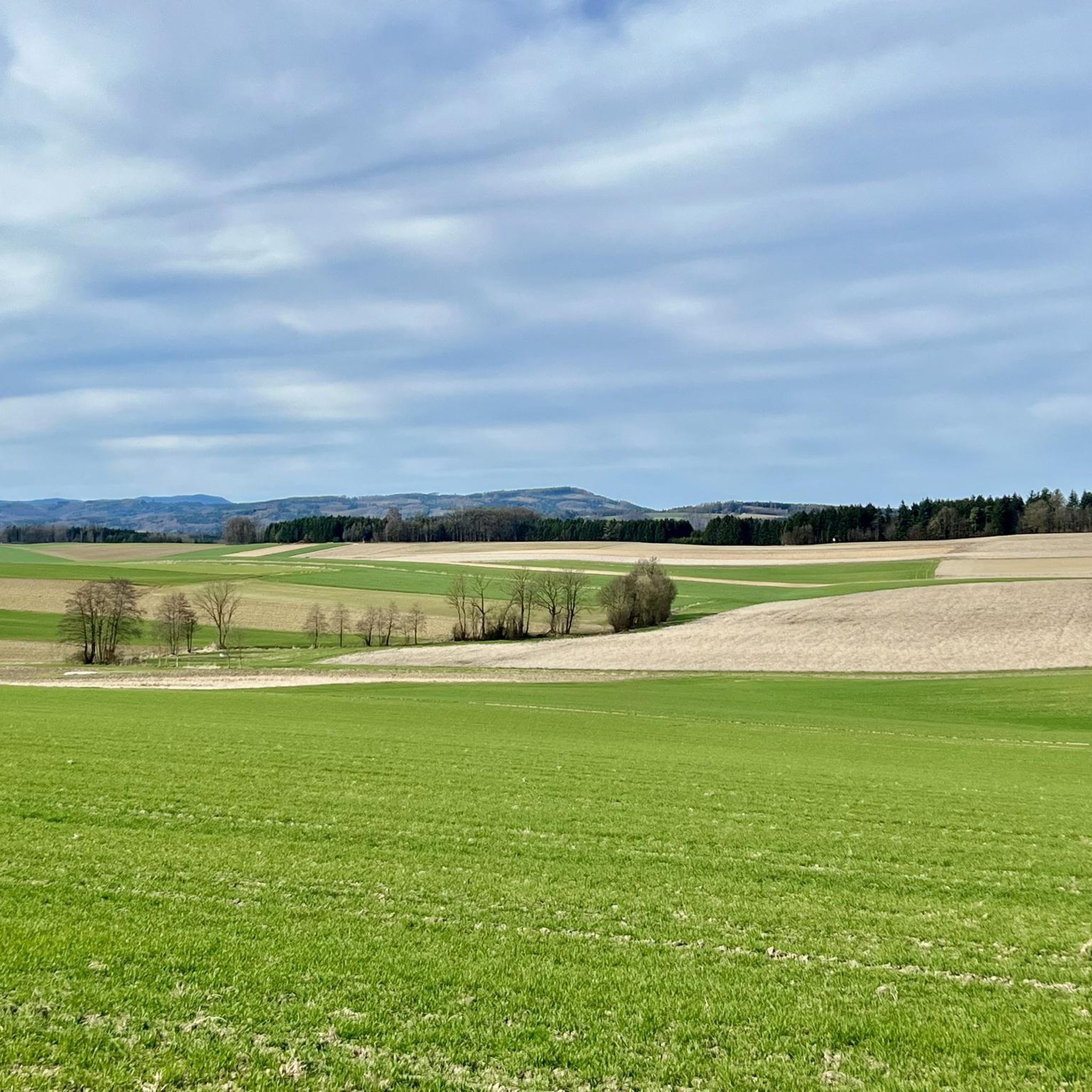
On the website for the television series – which is unreservedly recommendable from my point of view – 'Treasures of the World – Heritage of Mankind', it says: 'The Wachau is, first and foremost, a roughly 30 km long Danube breakthrough between Melk and Krems in Lower Austria. The river forms a narrow rocky valley here. A landmark of the Wachau and actually the staging of this landscape is Melk Abbey ...' The quarter-hour contribution about this highlight, which has been awarded the 'World Heritage' designation by UNESCO, can be accessed in the ARD media library via the following link =>> https://www.ardmediathek.de/video/schaetze-der-welt/die-wachau-oesterreich-folge-282/swr/Y3JpZDovL3N3ci5kZS82ODcyNjk0
0
0

The Leopold Cross, also known as the "Leopoldi Cross", is a historical monument in Melk. The delicately decorated baroque pillar with tabernacle top and cross stands northeast of the town and was built in 1645 in the baroque style. The cross stands on a base and is surrounded by a small green area that invites you to linger. The shrine is a listed building and is listed under object ID: 79949 in the list of listed buildings in Melk.
1
0


Very scenic section of the Danube cycle path.
1
0
A very beautiful river landscape to look at. The Danube and the arm of the Danube meet here. Extension of the Aggsbach old arm of the Danube The right bank of the Danube arm upstream from Aggsbach Dorf was already connected downstream to the Danube as part of the EU LIFE project Wachau 2006/07. In 2013/14 the previously little structured middle and lower part of the old arm was designed. For this purpose, more than 60,000 m³ of sediment (gravel, foreign soil) was relocated from the old arm area into the Danube.
3
0

Beautiful wayside shrine surrounded by birch trees
1
0

Access is not easy to find, but a visit to the caves is well worth the "search".
1
0

After Ruprechtshofen ride on the new cycle path of the abandoned narrow-gauge railway "Krumpe" in the direction of Wieselburg, then turn off in the Rotte Koth (Schlattenbauer), behind the farmhouse there are graves from the 1st century AD in a 150 m wide ridge made of sandstone. Illyrian, Celtic and Roman names are carved on the rock face. The approximately 50 m long cave passage with several niches is still preserved today and can be entered at your own risk.
1
0
Frequently Asked Questions
What types of natural monuments can I explore around Hürm?
Around Hürm, you can discover a variety of natural monuments, including unique rock formations like Rogelstein, scenic summits such as Hamesberg with summit cross, and impressive river landscapes like the Danube Oxbow at Aggsbach. The region is characterized by Lower Austria's diverse natural beauty, offering forests, hills, and river valleys.
Are there any family-friendly natural monuments near Hürm?
Yes, several natural monuments around Hürm are suitable for families. The Danube Oxbow at Aggsbach offers a beautiful river landscape that is enjoyable for all ages. The Wachau World Heritage Site, with its scenic Danube Cycle Path, is also family-friendly, offering gentle routes through orchards and vineyards. Even the historical Leopoldikreuz is considered family-friendly, providing a pleasant spot to visit.
What kind of hiking trails are available near the natural monuments?
The area around Hürm offers various hiking opportunities. For easy walks, you can explore routes like the 'Steinparz Weather Station – Ötscher View loop' or the 'Parish Church of Hürm – Chapel in Siegendorf loop'. More moderate hikes, such as the 'Parish Church of Hürm – St. Hubertus Chapel loop', are also available. You can find more details and routes in the Easy hikes around Hürm and Hiking around Hürm guides.
Can I go cycling or mountain biking near these natural attractions?
Absolutely. The region is excellent for cycling, especially along the Wachau World Heritage Site, which features a scenic section of the Danube Cycle Path. For mountain biking enthusiasts, there are trails like the 'Albrechtsberg Castle – Danube Bridge in Emmersdorf loop' or the 'Parish Church of Hürm – Schlangenkreuz Marian Column loop'. Discover more routes in the MTB Trails around Hürm guide.
Are there any historical or cultural sites among the natural monuments?
Yes, the Wachau World Heritage Site is a significant historical and natural monument, recognized for its cultural landscape alongside its natural beauty. Additionally, the Leopoldikreuz near Melk is a historical wayside shrine from 1645, offering a glimpse into the region's past within a natural setting.
What do visitors enjoy most about the natural monuments around Hürm?
Visitors particularly appreciate the diverse natural beauty and the opportunities for outdoor activities. The unique geological features of Rogelstein, with its slightly wobbling boulders, are a popular highlight. The panoramic views from Hamesberg with summit cross, complete with a summit book and resting spot, are also highly rated. The scenic river landscapes of the Danube, especially within the Wachau World Heritage Site, are frequently praised for their beauty.
What is the best time of year to visit the natural monuments around Hürm?
The natural monuments around Hürm, located in Lower Austria, are generally enjoyable throughout the warmer months, from spring to autumn. Spring brings blooming orchards and vineyards, while autumn offers vibrant foliage, especially along the Danube. Summer is ideal for cycling and longer hikes. While specific winter conditions vary, some areas may still be accessible for walks, though certain trails might be less maintained.
Are there any hidden gems among the natural monuments that are less known?
While the main highlights are well-loved, exploring the broader Mostviertel region can reveal lesser-known natural spots. The tips for Rogelstein mention it as part of the 'Stein Runde' hike, which includes other interesting boulders like the White Stone and Great Stone, offering a more comprehensive exploration of the area's unique rock formations beyond just the most popular ones.
How long should I plan for a visit to these natural monuments?
The duration of your visit depends on the specific natural monument and your planned activities. For individual sites like Rogelstein or Hamesberg with summit cross, a few hours might suffice, especially if combined with a short hike. Exploring the Wachau World Heritage Site along the Danube Cycle Path could easily fill a full day or even multiple days if you wish to explore its towns and vineyards.
Where can I find more information about the natural landscapes of Lower Austria?
For broader information about the natural landscapes and outdoor opportunities in Lower Austria, you can visit the official tourism website. It provides extensive details on the region's diverse natural beauty, including river valleys, forests, and mountains. You can find more details at lower-austria.info/nature.
Are there any natural monuments that offer great viewpoints?
Yes, several natural monuments around Hürm provide excellent viewpoints. Hamesberg with summit cross is specifically noted for its really nice view. The Danube Oxbow at Aggsbach and the Wachau World Heritage Site also offer stunning scenic river views, perfect for photography and enjoying the landscape.
What kind of geological features can I expect to see?
The region is known for its interesting rock formations. A prime example is Rogelstein, which consists of large boulders that are known to wobble slightly. These unique geological features are part of what makes the natural monuments around Hürm so distinctive and worth exploring.
Most popular attractions around Hürm

Get inspired with the komoot mobile app


Explore more
Extend your search for the best caves by checking out these guides of the top ones around Hürm:
