Top 15 Natural Monuments around Erlauf
Best natural monuments around Erlauf offer diverse natural features and historical significance within a varied landscape. The region features a mix of river valleys, forests, and unique geological formations. Visitors can explore a total of 15 natural monuments, providing opportunities for hiking and experiencing the local environment. These sites contribute to the area's ecological and cultural heritage.
Best natural monuments around Erlauf
- The most popular natural monuments is Rogelstein, a natural monument consisting of large boulders. These boulders are known to wobble slightly, and the site is part of a larger stone circuit hike.
- Another must-see spot is Naturfreundestein, a viewpoint and natural monument. This location provides a rest area with views of the Danube valley and the Ötscher peak.
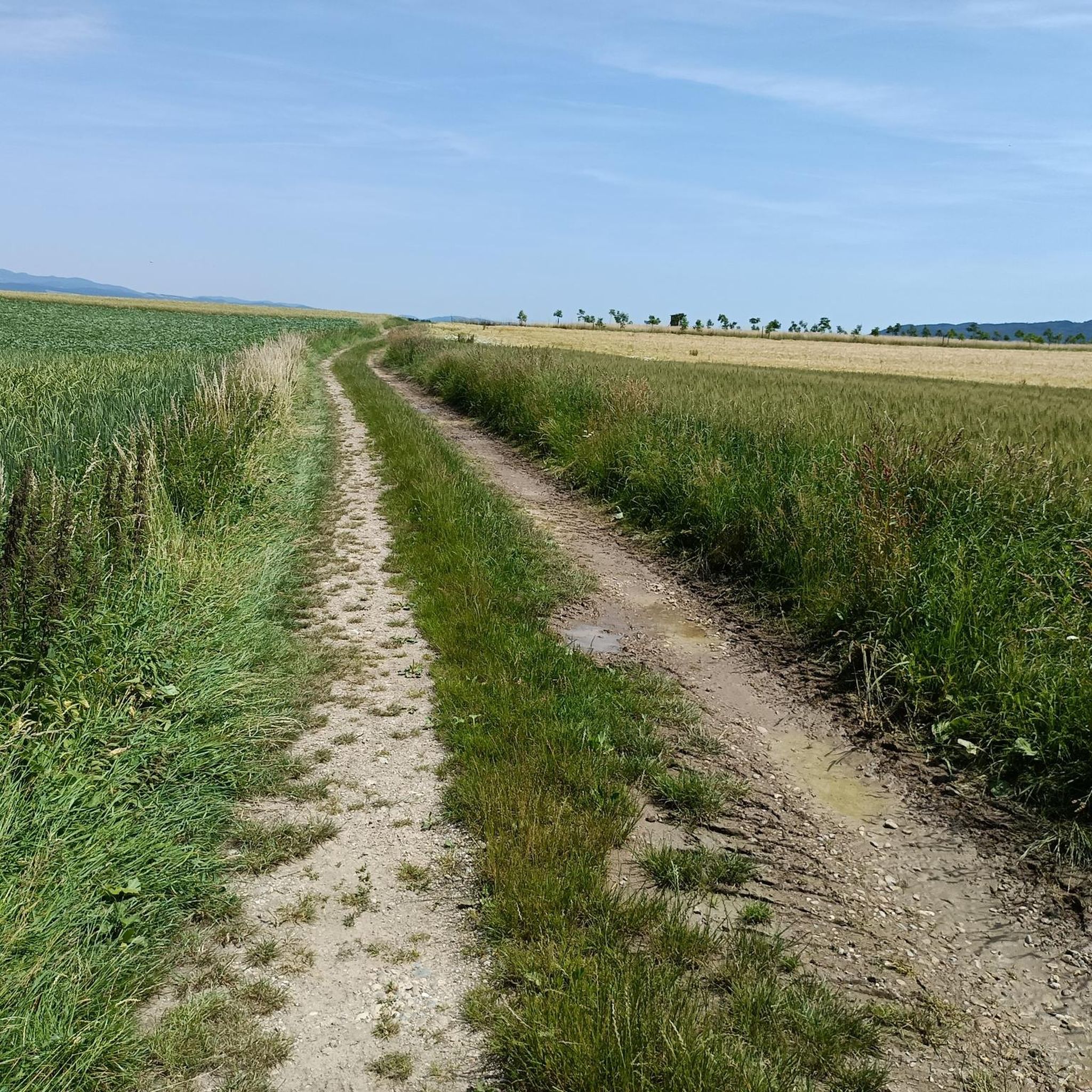
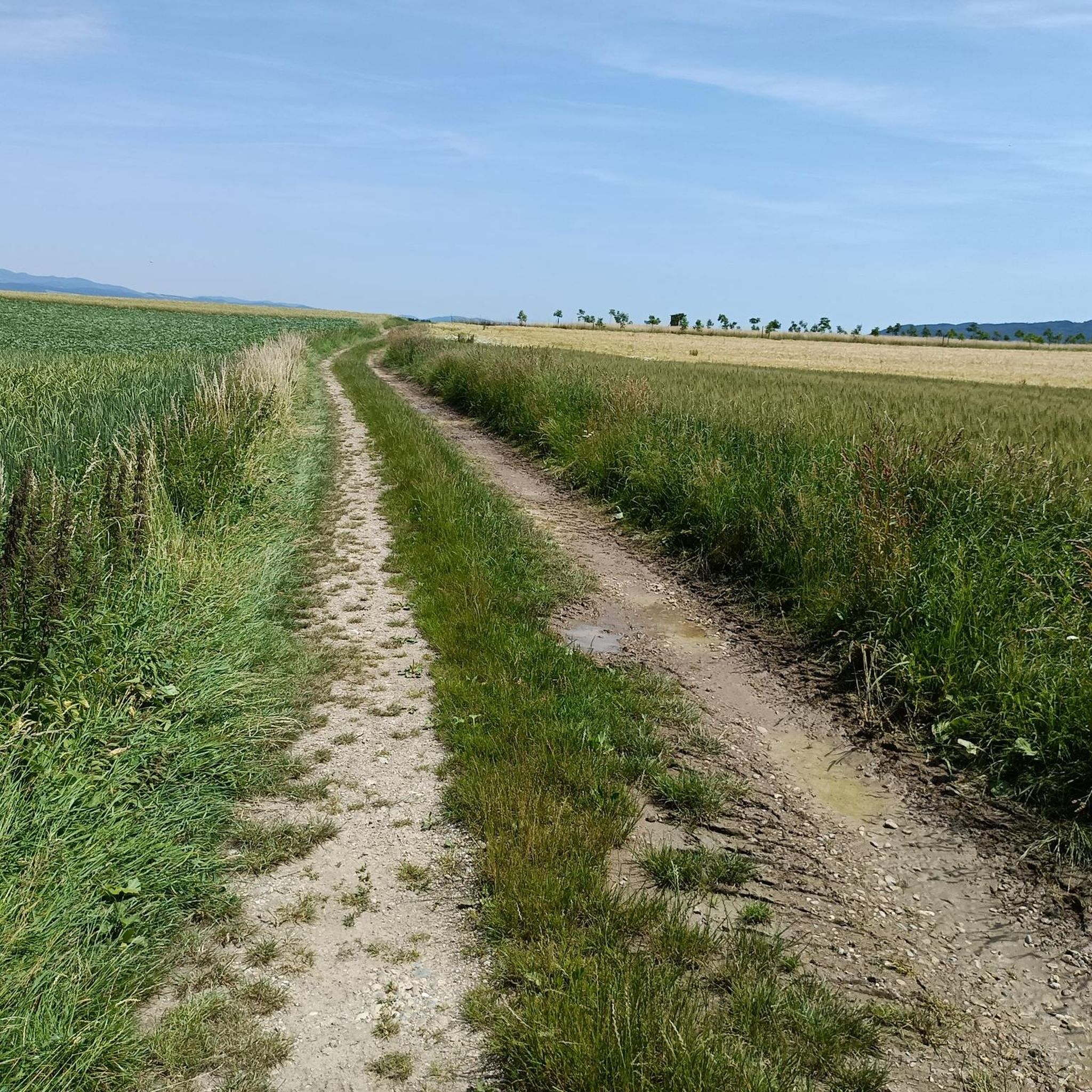
- Visitors also love Wachau World Heritage Site, a historical site and natural monument. This section of the Danube Cycle Path is known for its scenic beauty, passing through orchards and vineyards.
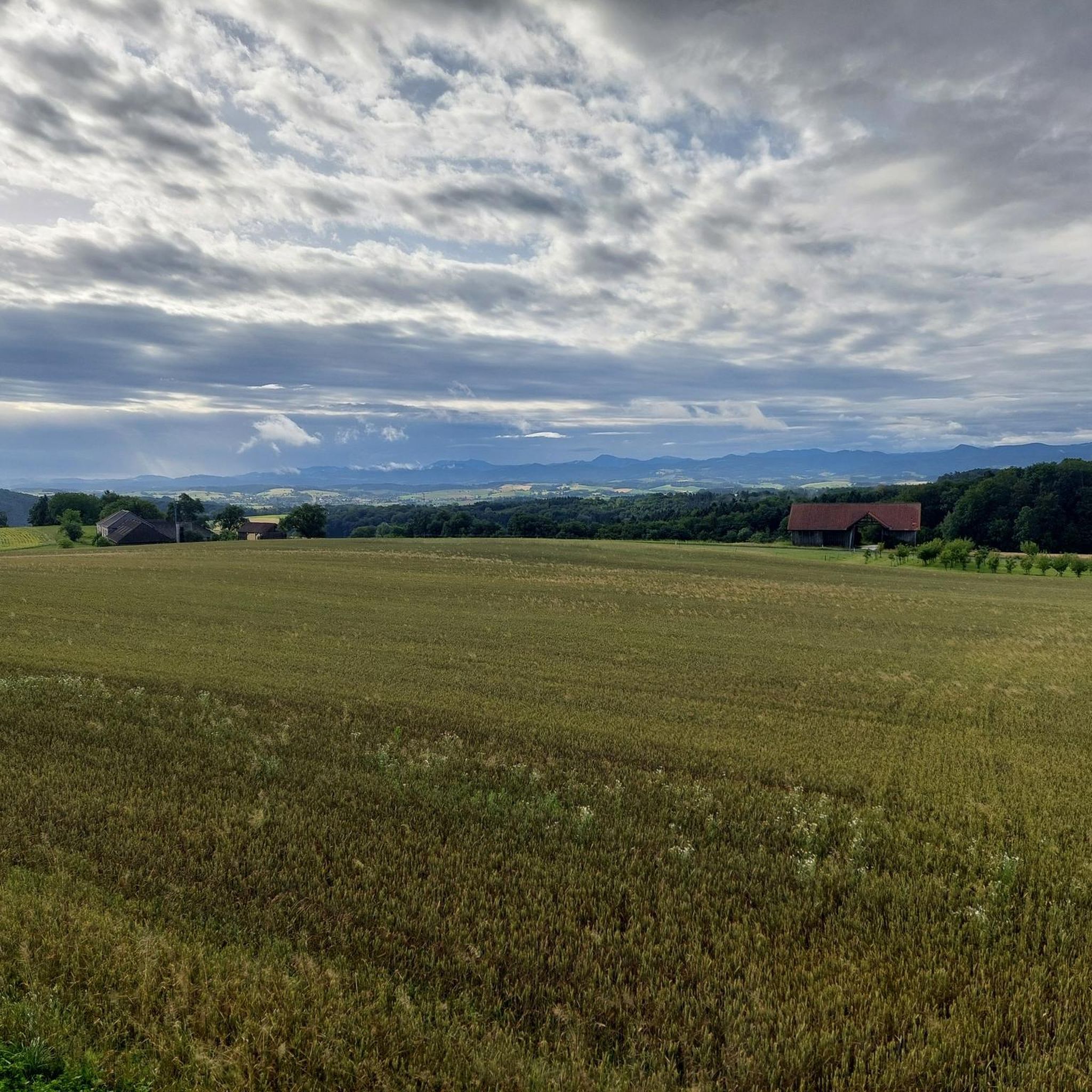
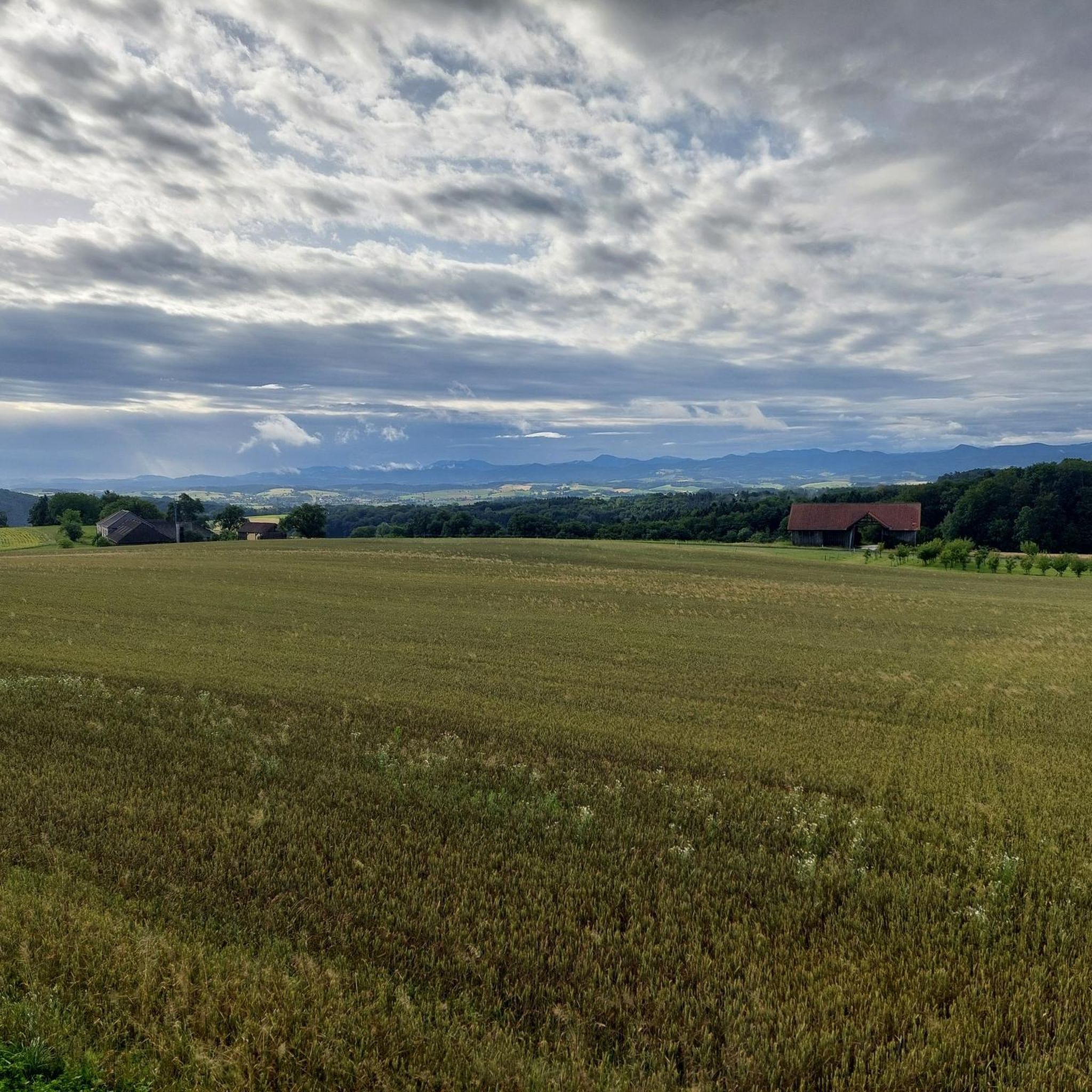
- Erlauf is known for ancient trees, unique rock formations, and riverine landscapes. The region offers a variety of natural monuments to see and explore, from geological features to protected cultural landscapes.
- The natural monuments around Erlauf are appreciated by the komoot community, with more than 130 upvotes and 24 photos shared by visitors.
Last updated: August 4, 2026
Wachau World Heritage Site
Highlight (Segment) • Historical Site
Translated by Google •
Tip by

Persenbeug Market Linden Natural Monument
Highlight • Natural Monument
Translated by Google •
Tip by

Sign up now to discover places like this
Get recommendations on the best single tracks, peaks, & plenty of other exciting outdoor places.
Sign up for free
Schauboden Prisoner of War Cemetery
Highlight • Historical Site
Translated by Google •
Tip by

Rogelstein
Highlight • Natural Monument
These can wobble a little even with sufficient load (hence the name).
Can be ideally visited on a hike on the stone circuit (this includes the White Stone, Rogelstein, Great Stone, and the ruins of Zelking).
Translated by Google •
Tip by

Roman Caves
Highlight • Cave
Translated by Google •
Tip by

Sign up for free to discover even more natural monuments around Erlauf.
Sign up for free
Already have an account?
Start today with a free account
Your next adventure awaits.
Login or Signup
Tips from the Community

On the website for the television series – which is unreservedly recommendable from my point of view – 'Treasures of the World – Heritage of Mankind', it says: 'The Wachau is, first and foremost, a roughly 30 km long Danube breakthrough between Melk and Krems in Lower Austria. The river forms a narrow rocky valley here. A landmark of the Wachau and actually the staging of this landscape is Melk Abbey ...' The quarter-hour contribution about this highlight, which has been awarded the 'World Heritage' designation by UNESCO, can be accessed in the ARD media library via the following link =>> https://www.ardmediathek.de/video/schaetze-der-welt/die-wachau-oesterreich-folge-282/swr/Y3JpZDovL3N3ci5kZS82ODcyNjk0
0
0

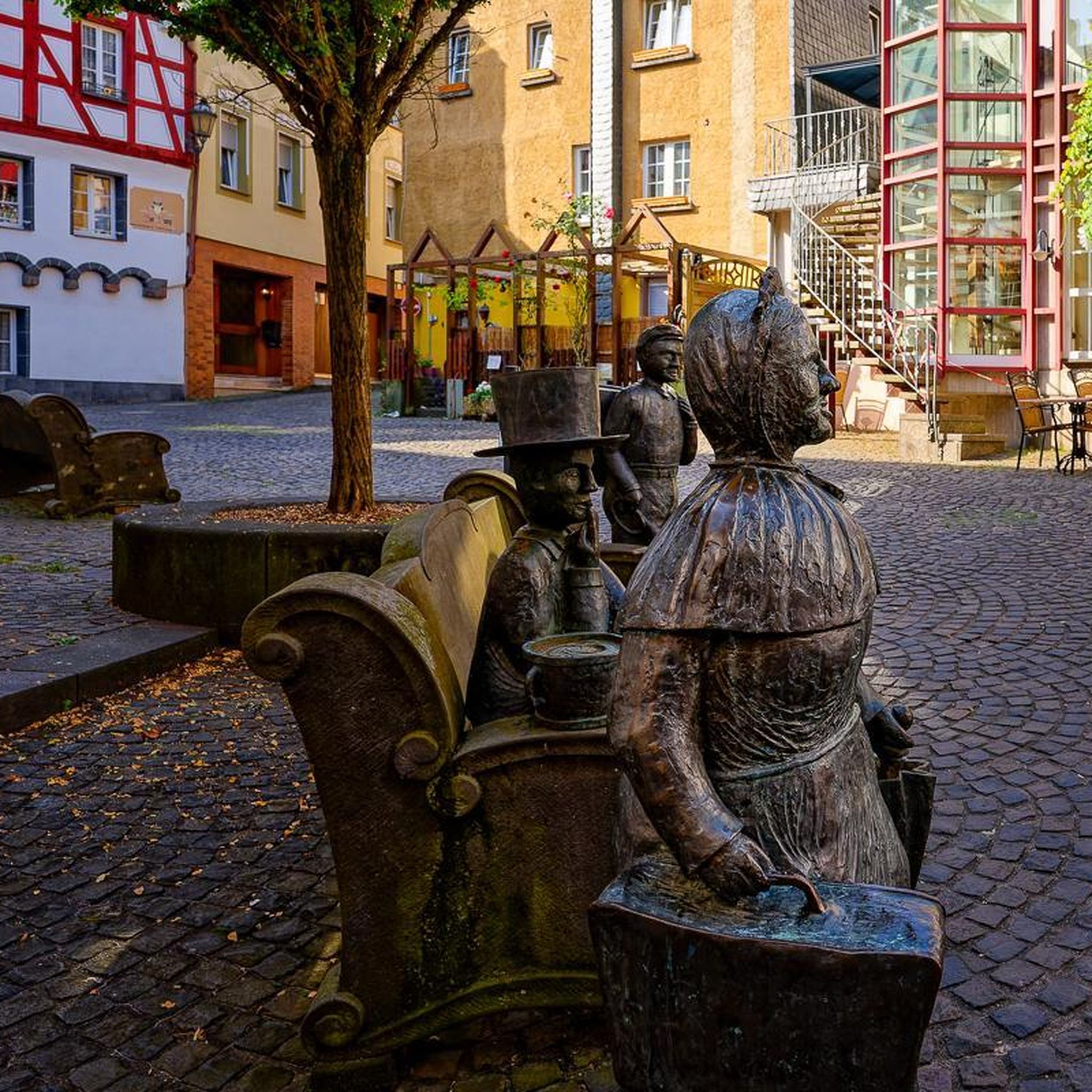
The small alleys ("Hauptstraße") around the town hall square already have a "Wachau flair" 😉
0
0

The people of Purgstall hold a memorial service every year on the Sunday after All Souls’ Day.
1
0

An impressive, over 600-year-old linden tree, declared a natural monument in 1989. Right next to it is the Café zur Linde, very fitting.
6
0
An impressive, over 600-year-old lime tree that was declared a natural monument in 1989. Right next door is the Café zur Linde, very fitting.
4
0

Description The enormous number of prisoners during the First World War made it necessary to set up camps for them for the first time. One of them was in Purgstall on the Erlauf. Thanks to the attention of a local resident, parts of the former k. u.k. Prisoner of war camp from the First World War will be archaeologically examined. The foundations of four prisoner barracks were found, which - unlike the concrete barracks from the Second World War - were purely wooden post buildings. The barracks each measured around 20.70 m in length and around 10.40 m in width. A shallow ditch between the buildings probably served as drainage.Life in the prison camp The prisoner of war camp in Purgstall was built in April 1915, it covered an area of 50 hectares and could accommodate 24,500 prisoners. Camps like this had become necessary because the usual accommodation of prisoners of war in military accommodation, barracks or fortresses was no longer possible due to their large numbers. Entire barrack towns were created in which not only the prisoners lived, but also the infrastructure for supplies and bureaucratic administration. There were also workshops in which the prisoners produced simple consumer goods. In the Hague Land War Code, the predecessor of the Geneva Convention, the conditions of captivity were precisely regulated. Officers were privileged, they did not have to work like the enlisted men and were even entitled to servants. Teams were not allowed to participate in war efforts against their homeland, e.g. B. in the defense industry. Protection against diseases and epidemics posed a particular challenge, which is why great importance was attached to hygiene. From the prison camp to the summer resort After the war, most of the barracks in Purgstall were demolished, but several two-story houses were built on the foundations using the building materials for the summer resort settlement “Schauboden-Föhrenhain”, in which its own sports and leisure culture developed in the 1920s.Tip : The four kilometer long “Path of Peace” leads through the former camp area and provides information about the lives of the prisoners. (Source: https://www.mostviertel.at/alle-ausflugsziel/a-das-kriegspritenenlager)
0
0

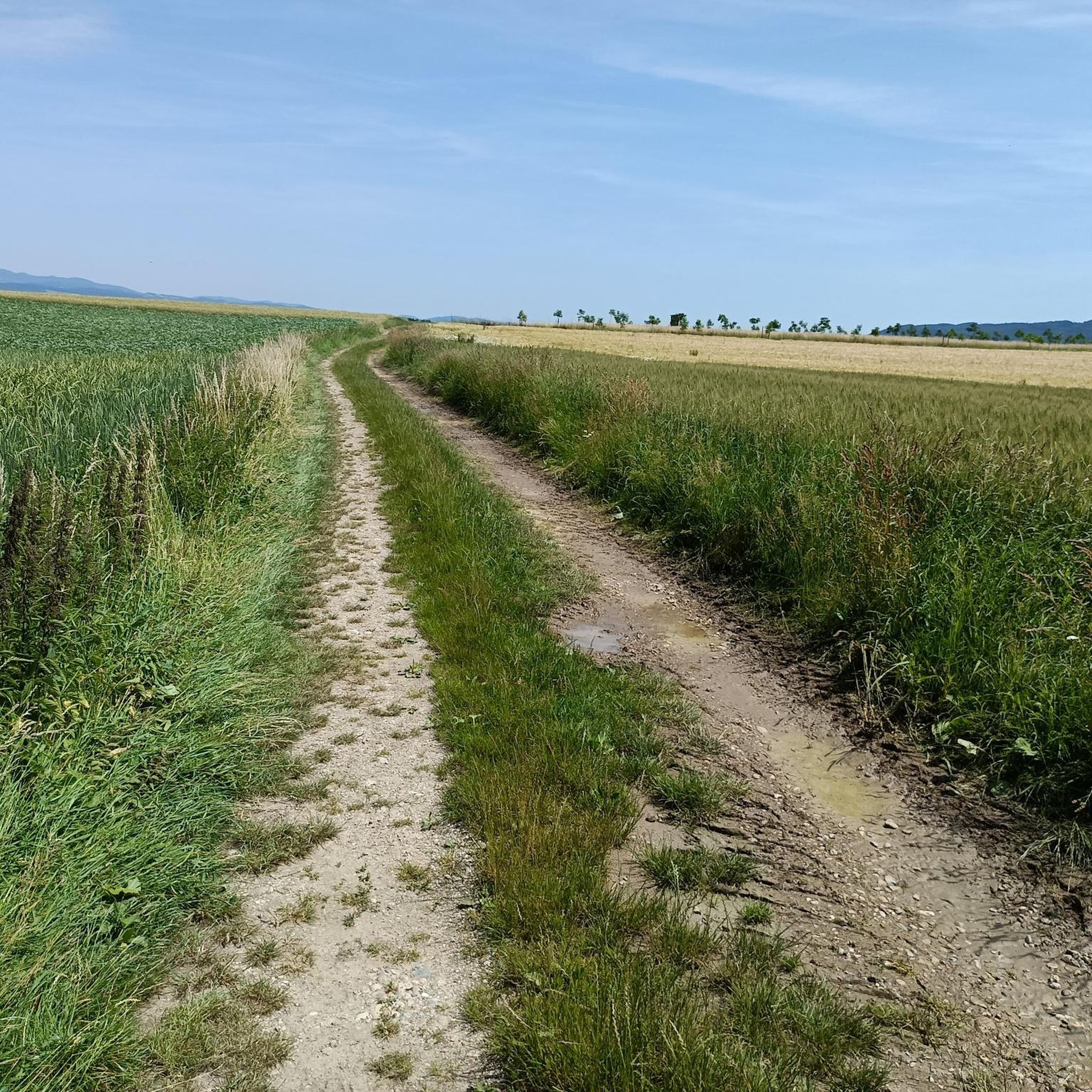
Very scenic section of the Danube cycle path.
1
0

A mighty tree, has already "experienced" a lot
1
0
Frequently Asked Questions
What are some of the most popular natural monuments around Erlauf?
Among the most popular natural monuments in the Erlauf region are Rogelstein, known for its large, slightly wobbling boulders, and Naturfreundestein, a viewpoint offering panoramic views of the Danube valley and Ötscher peak. The Wachau World Heritage Site, with its scenic Danube Cycle Path, is also highly appreciated by visitors.
What natural features can I expect to see in the Erlauf area?
The Erlauf region is rich in diverse natural features. You can explore the dramatic Erlauf Gorge with its crystal-clear, turquoise waters and rocky cliffs, or the picturesque Erlaufsee, a mountain lake renowned for its pristine quality. The area also features ancient trees like the Persenbeug Market Linden Natural Monument, unique rock formations such as Rogelstein, and expansive riverine landscapes along the Danube.
Are there family-friendly natural attractions around Erlauf?
Yes, several natural monuments are suitable for families. The Erlauf Gorge offers a natural adventure path with information boards, and the 3.8 km Praterweg circular route is manageable for most. Erlaufsee is perfect for families, offering swimming, pedal boats, and a 3.5 km circular path for walking or cycling. The Wachau World Heritage Site along the Danube Cycle Path is also very family-friendly, as is the Naturfreundestein viewpoint with its rest area.
What is the best time to visit the natural monuments around Erlauf?
The best time to visit depends on your preferred activities. Summer is ideal for water sports and swimming at Erlaufsee, and for hiking in the Erlauf Gorge. The gorge's trails are also beautiful in spring and autumn with vibrant foliage. In winter, Erlaufsee transforms into a snowy landscape, offering opportunities for ice skating, traditional curling, and winter hiking on accessible trails.
What kind of wildlife can be observed in the Erlauf natural monuments?
The Erlauf Gorge is particularly notable for its rich biodiversity, serving as a crucial habitat for rare species. It's home to the Cordulegaster heros, Europe's largest dragonfly, whose presence indicates the area's ecological significance. The region's diverse habitats, from cool, moist gorge areas to dry heathlands, support a variety of flora and fauna.
Are there easy hiking trails near the natural monuments?
Absolutely. The Erlauf Gorge features the 3.8 km Praterweg circular route, which is an easy and scenic option. Around Erlaufsee, a 3.5 km circular path is perfect for a leisurely walk. For more options, you can explore the Easy hikes around Erlauf guide, which includes routes like the Erlauf Auweg Kendl loop and the Pond – On the Erlauf loop.
What outdoor activities can I do near the natural monuments around Erlauf?
The region offers a wide range of outdoor activities. Hiking is very popular, with trails in the Erlauf Gorge and around Erlaufsee. Cycling is also a great option, especially along the Danube Cycle Path within the Wachau World Heritage Site. Erlaufsee is excellent for water sports like swimming, pedal boating, and stand-up paddling. You can find more detailed routes for various sports in the Easy hikes around Erlauf, MTB Trails around Erlauf, and Road Cycling Routes around Erlauf guides.
What do visitors enjoy most about the natural monuments in Erlauf?
Visitors frequently praise the stunning natural beauty, particularly the crystal-clear waters of the Erlauf Gorge and Erlaufsee. The tranquility and scenic views from spots like Naturfreundestein are highly valued. Many also appreciate the well-maintained hiking and cycling paths, and the unique geological features such as the wobbling boulders of Rogelstein.
Are there cafes or restaurants near the natural monuments?
Yes, you can find options for refreshments. Right next to the Persenbeug Market Linden Natural Monument, there is the Café zur Linde. Erlaufsee also has restaurants and cafes located directly on its shore, perfect for a break after activities.
What cultural or historical sites are near the natural monuments?
Beyond natural beauty, the region offers historical insights. The Wachau World Heritage Site is a cultural landscape with historical significance, known for its castles, monasteries, and vineyards. Additionally, the Schauboden Prisoner of War Cemetery near Purgstall provides a poignant historical context, with a 'Path of Peace' leading through the former camp area.
Can I visit the natural monuments around Erlauf during winter?
Yes, some natural monuments offer unique winter experiences. Erlaufsee, for instance, transforms into a winter wonderland where you can enjoy ice skating, traditional curling, and winter hiking on accessible trails, all while taking in fantastic views of the snow-covered scenery. The Erlauf Gorge might be less accessible for some trails due to snow or ice, but the general landscape remains beautiful.
Most popular attractions around Erlauf

Get inspired with the komoot mobile app


Explore more
Extend your search for the best caves by checking out these guides of the top ones around Erlauf:
