Top 15 Natural Monuments around Klein-Neusiedl
Best natural monuments around Klein-Neusiedl are found within the broader natural landscapes of Lower Austria, particularly in the vicinity of the Danube River. While Klein-Neusiedl itself is a municipality in the district of Bruck an der Leitha, it serves as a gateway to significant natural areas. The region features extensive floodplains, riverine forests, and unique island formations shaped by the Danube. These natural settings offer opportunities for outdoor activities and observing diverse ecosystems.
Best natural monuments around Klein-Neusiedl
- The most…
Last updated: October 11, 2026
Danube-Auen National Park
Highlight (Segment) • Cycleway
Translated by Google •
Tip by

Donauradweg Gravel Section, Nationalpark Donau-Auen
Highlight • Cycleway
Translated by Google •
Tip by

Sign up now to discover places like this
Get recommendations on the best single tracks, peaks, & plenty of other exciting outdoor places.
Orth an der Donau in the Donau-Auen National Park
Highlight (Segment) • Settlement
Translated by Google •
Tip by

Orther Islands
Highlight • Lake
While the first four islands already rise high out …
Translated by Google •
Tip by

Großenzersdorfer Arm
Highlight • River
Translated by Google •
Tip by
Sign up for free to discover even more natural monuments around Klein-Neusiedl.
Already have an account?
Start today with a free account
Your next adventure awaits.
Tips from the Community

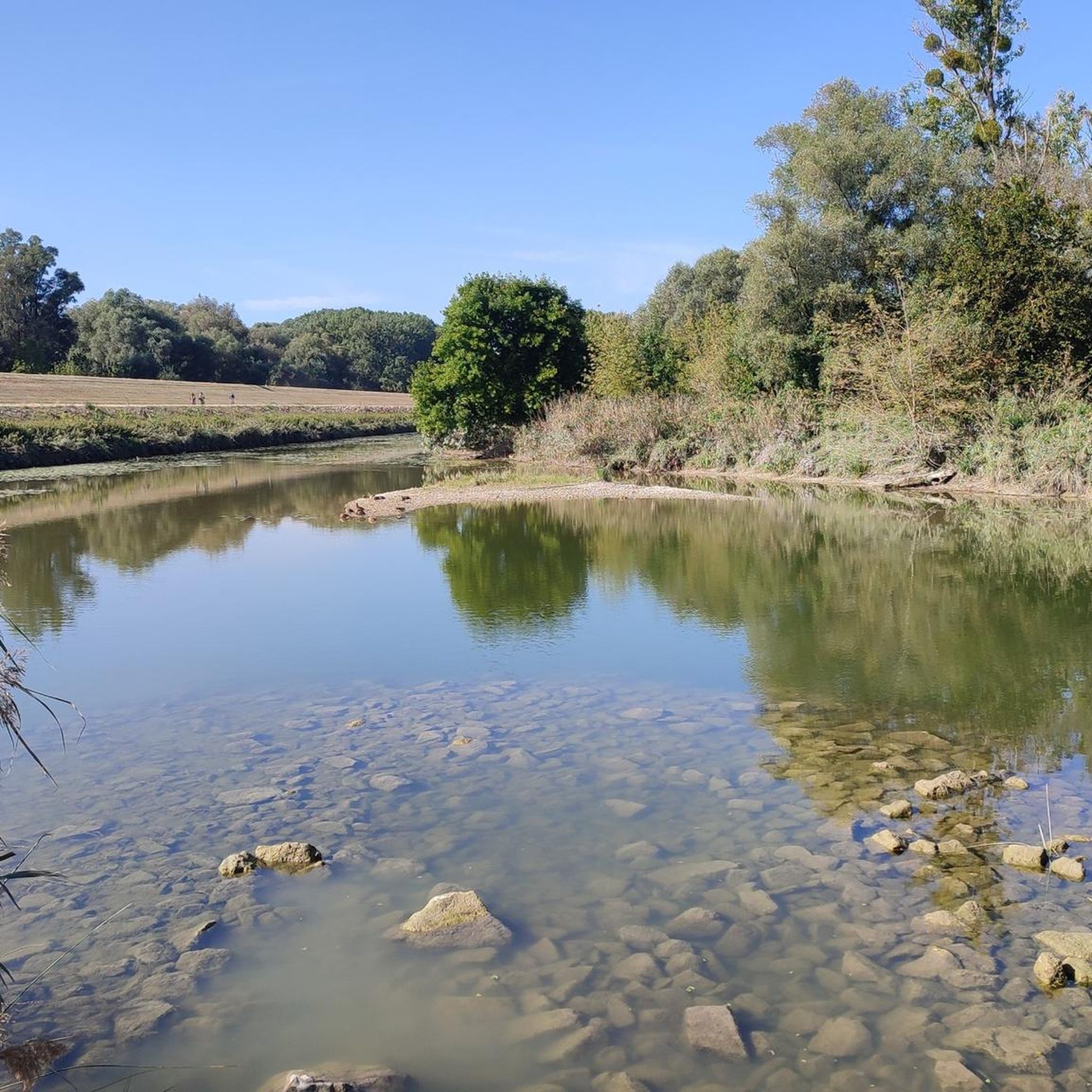
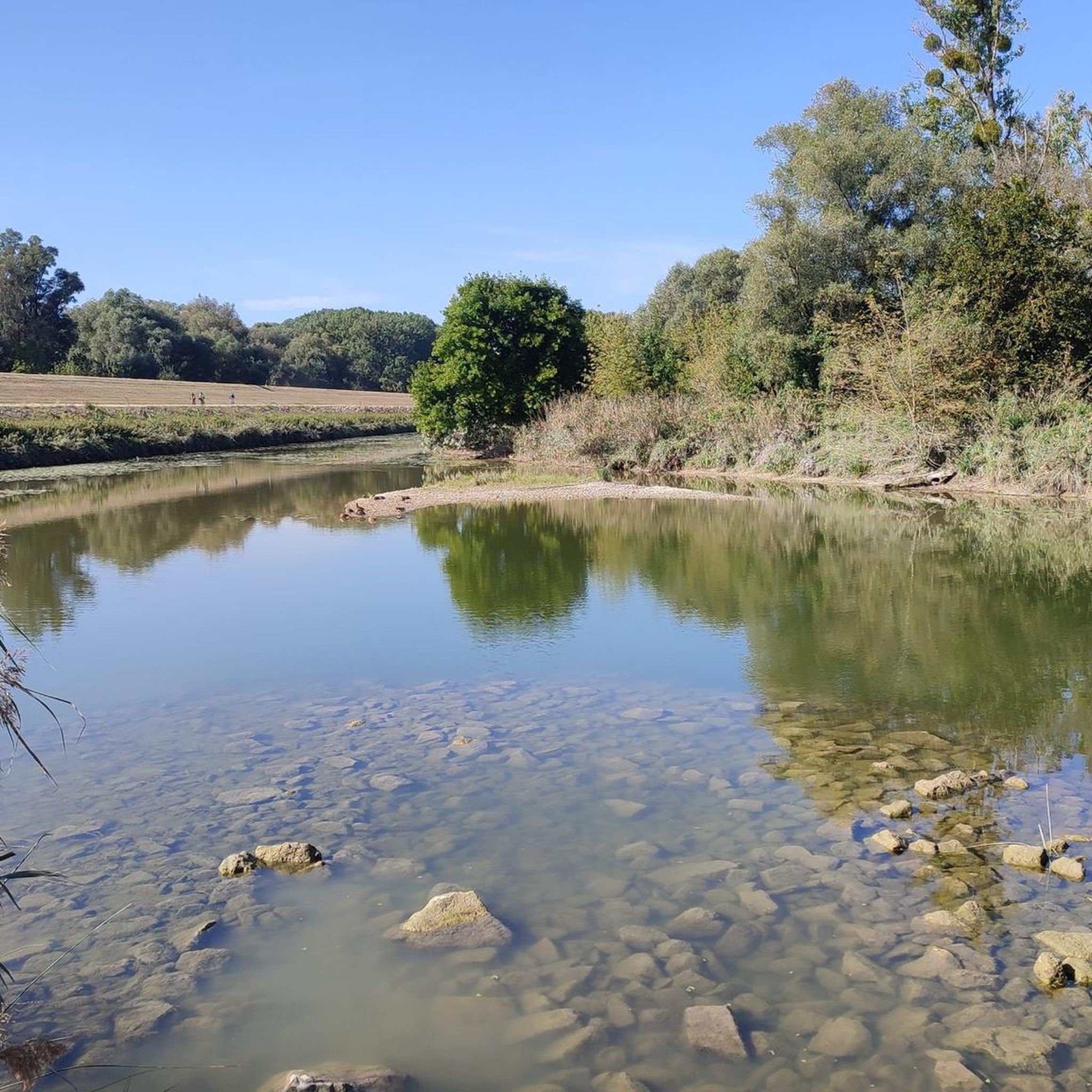
The almost standing body of water offers great photo opportunities with reflections.
0
0

The Danube-Auen National Park is one of the last large, intact floodplain landscapes in Central Europe. It stretches along the Danube between Vienna and Bratislava and covers an area of around 9,600 hectares. The national park protects this unique river landscape, which is characterized by a dynamic interplay of floods, gravel banks, old watercourses and floodplain forests. The national park was created after the successful protests against the construction of a hydroelectric power plant in Hainburg in the 1980s. The protection of the floodplains became a milestone in the Austrian environmental movement. The Danube flows largely unregulated in this section, which means that natural flooding and changes in the course of the river remain possible. This dynamic creates diverse habitats.
2
1

Great cycle paths and beautiful nature
0
1

The Danube-Auen National Park is a 9,600 hectare national park that stretches from Vienna to the mouth of the March in Lower Austria on the border with Slovakia. It is one of the largest, largely intact floodplain landscapes in Central Europe along the Danube. The area is 38 kilometers long and measures barely four kilometers at its widest point.
3
0

Beautiful view of the Orther Islands from the shore path. The islands themselves are difficult to access due to the dense undergrowth.
0
0

EuroVelo 6 always a pleasure
1
0

The Donau-Auen National Park stretches from Vienna to the mouth of the March at the Slovakian border near Bratislava. With a total length of the protected floodplain area of 38 kilometers, the national park is barely 4 kilometers at its widest point, because floodplains are only found in the immediate vicinity of the river. In the north lies the wide plain of the Marchfeld and the protective dam, built in the 19th century, runs through the national park area. In the south, the border is formed by the edge of the Vienna Basin.
4
0
With the founding of the Donau-Auen National Park in 1996, this jewel was placed under international protection. Since then, nature has been able to develop here free of economic constraints and be experienced by guests to the area.
4
0
Frequently Asked Questions
What natural features can I expect to see around Klein-Neusiedl?
The area around Klein-Neusiedl is characterized by the dynamic landscapes of the Danube River. You'll find extensive floodplains, lush riverine forests, and unique island formations. The Danube-Auen National Park, a significant natural monument, preserves one of Central Europe's last large floodplain landscapes, rich in diverse habitats for animals and plants.
Are there family-friendly natural monuments near Klein-Neusiedl?
Yes, several natural monuments are suitable for families. The Danube-Auen National Park offers accessible areas for exploration. The Southern tip of the Danube Island (Donauinsel) is a great spot for a relaxed visit, offering views of the river. Additionally, the Donauradweg Gravel Section within the National Park is a family-friendly cycle path with opportunities for birdwatching.
What kind of outdoor activities can I do near these natural monuments?
The region offers a variety of outdoor activities. Cycling is very popular, especially along the Donauradweg Gravel Section in the National Park. You can also find numerous road cycling routes, running trails, and mountain biking trails around Klein-Neusiedl, many of which pass through or near these natural areas.
What makes the Orther Islands a unique natural monument?
The Orther Islands are a particularly dynamic habitat formed by the Danube. Here, the river continuously creates new gravel areas, tears embankments, and pushes driftwood, leading to the reconnection of side arms and the formation of primeval forests. This constant change supports rare animal species like the European pond turtle and the dogfish, making it a fascinating place to observe the creative power of nature.
Can I observe wildlife, especially birds, near Klein-Neusiedl's natural monuments?
Yes, the Danube-Auen National Park is an excellent location for wildlife observation, particularly birdwatching. The extensive reed beds and diverse habitats around the Danube provide a home for numerous bird species. The Donauradweg Gravel Section is specifically noted for opportunities to observe various bird species.
Are there any historical or cultural sites integrated with the natural monuments?
Yes, the town of Orth an der Donau, located within the Donau-Auen National Park, offers a blend of nature and history. It features historical buildings like Orth Castle, which now serves as the visitor center for the National Park, and a preserved ship mill on the Danube. The area has a rich history dating back to 1021.
What is the best time of year to visit the natural monuments around Klein-Neusiedl?
The natural monuments around Klein-Neusiedl, particularly the Danube-Auen National Park, are beautiful year-round. Spring and autumn offer pleasant temperatures for cycling and hiking, with vibrant flora and active wildlife. Summer is ideal for water-related activities, while winter, if the Danube freezes, can offer unique landscapes, though some paths might be less accessible.
What do visitors enjoy most about the natural monuments in this region?
Visitors frequently appreciate the serene atmosphere and the opportunity to connect with nature. Many enjoy the impressive views, such as those from the Southern tip of the Danube Island, where they can watch the Danube flow. The diverse landscapes, from floodplains to primeval forests on the Orther Islands, and the chance to observe wildlife are also highly valued.
Is Lake Neusiedl considered a natural monument near Klein-Neusiedl?
While not directly within Klein-Neusiedl, Lake Neusiedl is a significant natural monument in the wider region, located in neighboring Burgenland. This UNESCO World Heritage site is a shallow steppe lake renowned for its extensive reed belt, exceptional biodiversity, and as a birdwatcher's paradise. It offers various recreational activities like cycling, sailing, and windsurfing.
Are there any viewpoints to appreciate the natural beauty of the Danube around Klein-Neusiedl?
Yes, the Southern tip of the Danube Island (Donauinsel) is a popular viewpoint where the Danube Island concludes, offering expansive views towards Schwechat and the airport, and a great spot to observe the river's flow. The Donauradweg Gravel Section also provides beautiful views of the meadow landscape within the National Park.
Are the natural monuments around Klein-Neusiedl accessible by public transport?
Access to the broader natural areas like the Danube-Auen National Park is generally possible via public transport to nearby towns such as Orth an der Donau. From these points, you can often reach trailheads or visitor centers. For specific routes or highlights, it's advisable to check local transport schedules.
Can I find places to eat or drink near the natural monuments?
Yes, towns like Orth an der Donau, which is integrated into the Donau-Auen National Park, offer facilities including cafes and restaurants. These settlements provide convenient stops for refreshments and meals while exploring the natural surroundings.
Most popular routes around Klein-Neusiedl
Most popular attractions around Klein-Neusiedl

Get inspired with the komoot mobile app


Explore more
Extend your search for the best caves by checking out these guides of the top ones around Klein-Neusiedl:
