Top 13 Natural Monuments around Moosbrunn
Best natural monuments around Moosbrunn are located within the Mödling district of Lower Austria, offering diverse outdoor experiences. The region is characterized by its waterways, including the Triesting and Schwechat rivers, which contribute to a rich natural landscape. These natural features provide opportunities for recreation and observation of local flora and fauna. The area's natural monuments are often integrated into popular cycling and walking routes.
Best natural monuments around Moosbrunn
- The most popular natural monuments is Confluence of the Triesting…
Last updated: October 11, 2026
Confluence of the Triesting and the Schwechat rivers
Highlight • River
Translated by Google •
Tip by

Emperor Franz Joseph Park, Laxenburg
Highlight • Natural Monument
Translated by Google •
Tip by

Sign up now to discover places like this
Get recommendations on the best single tracks, peaks, & plenty of other exciting outdoor places.
Kaskadenbrücke (Cascade Bridge) at Schloss Laxenburg
Highlight • Bridge
Translated by Google •
Tip by

Kalter Gang
Highlight • River
Translated by Google •
Tip by

Knight’s Column in Laxenburg Palace Park
Highlight • Monument
Translated by Google •
Tip by
Sign up for free to discover even more natural monuments around Moosbrunn.
Already have an account?
Start today with a free account
Your next adventure awaits.
Tips from the Community

This bridge was once the people's entrance to the castle park and was created in its current form around 1800. The two lions were created by the sculptor Wilhelm Beyer. As a symbol of majesty, they flank and guard this former park entrance.
2
0

Forstmeisterkanal feeds the large castle pond with water and is a cool place in summer
5
0

Great place for a short rest.
1
0

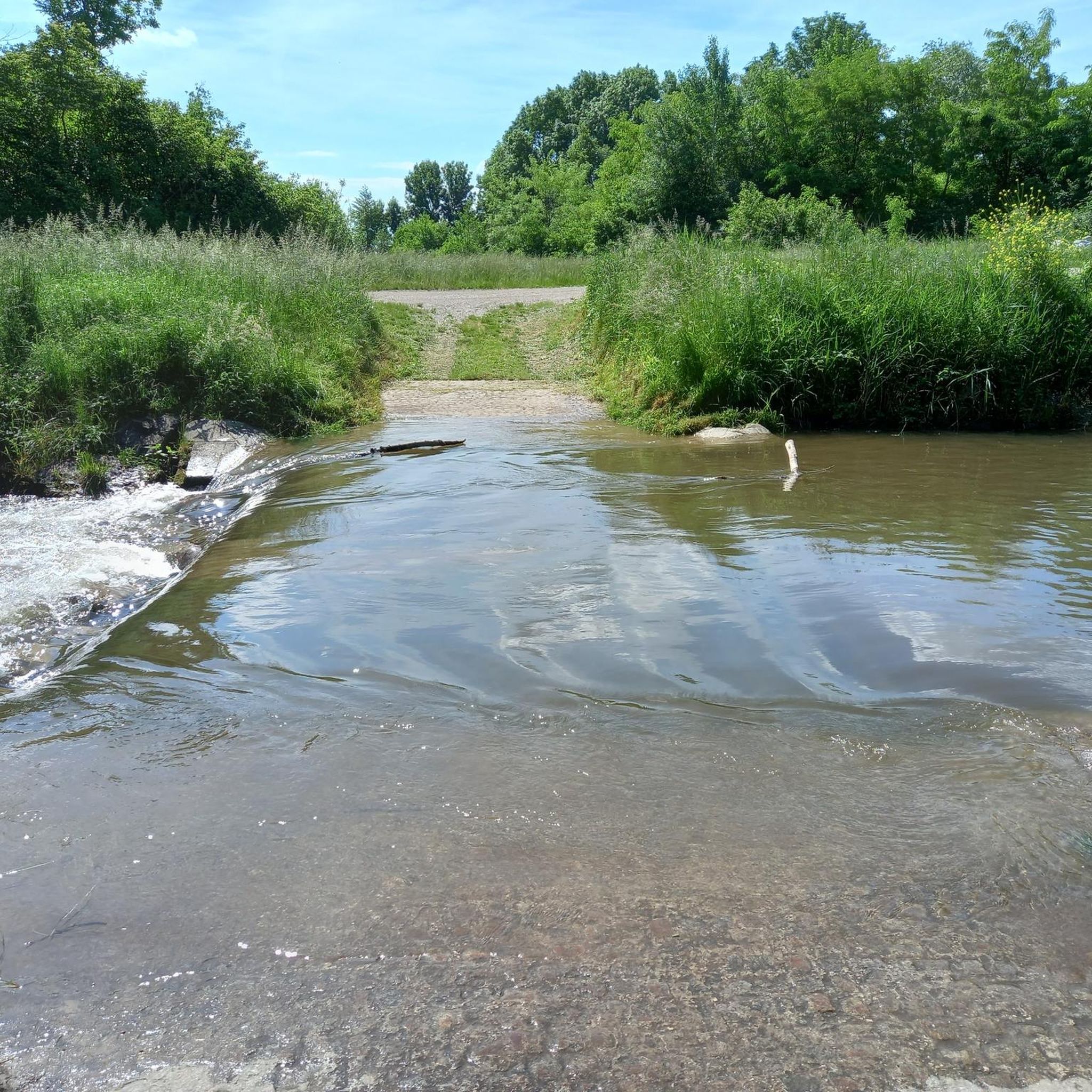
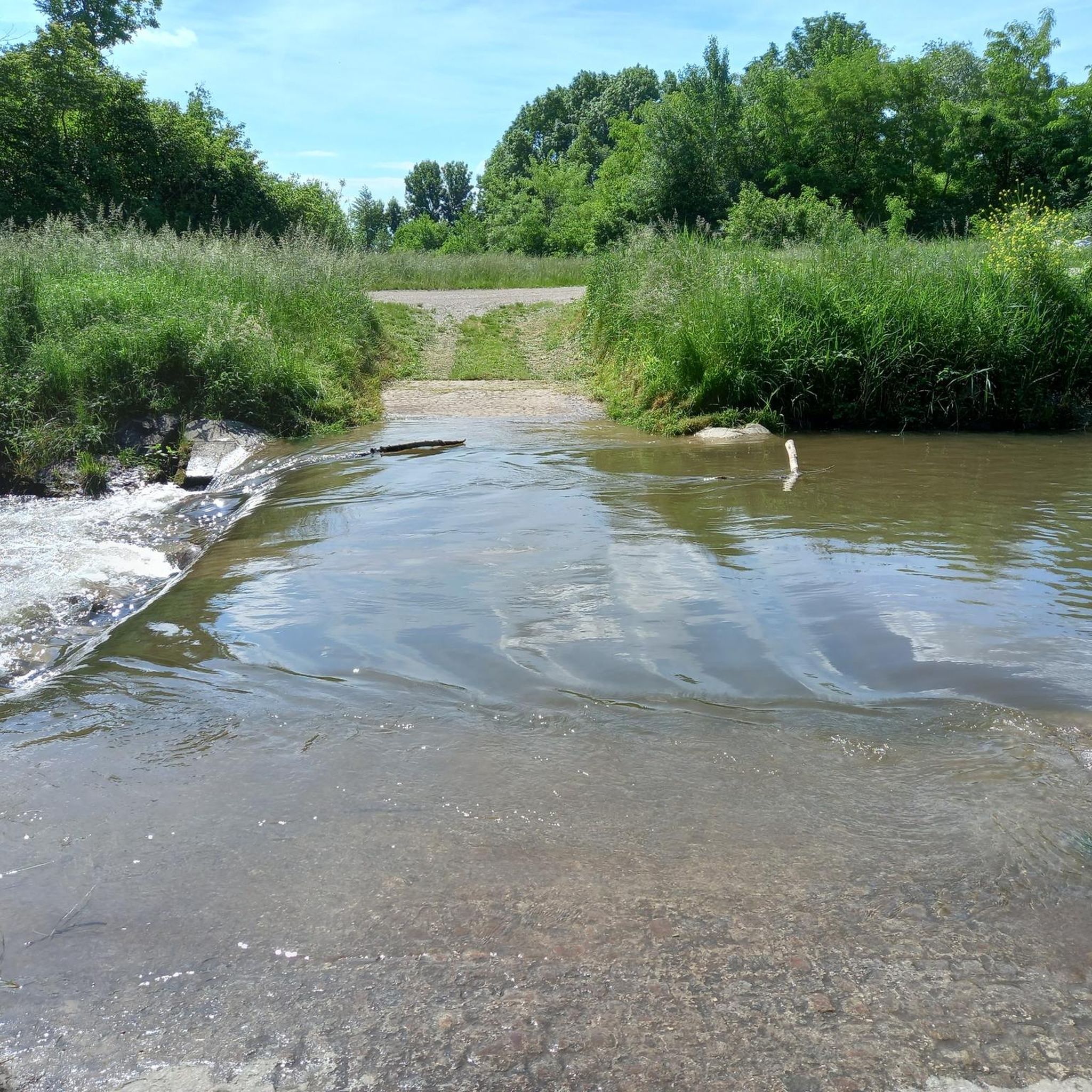
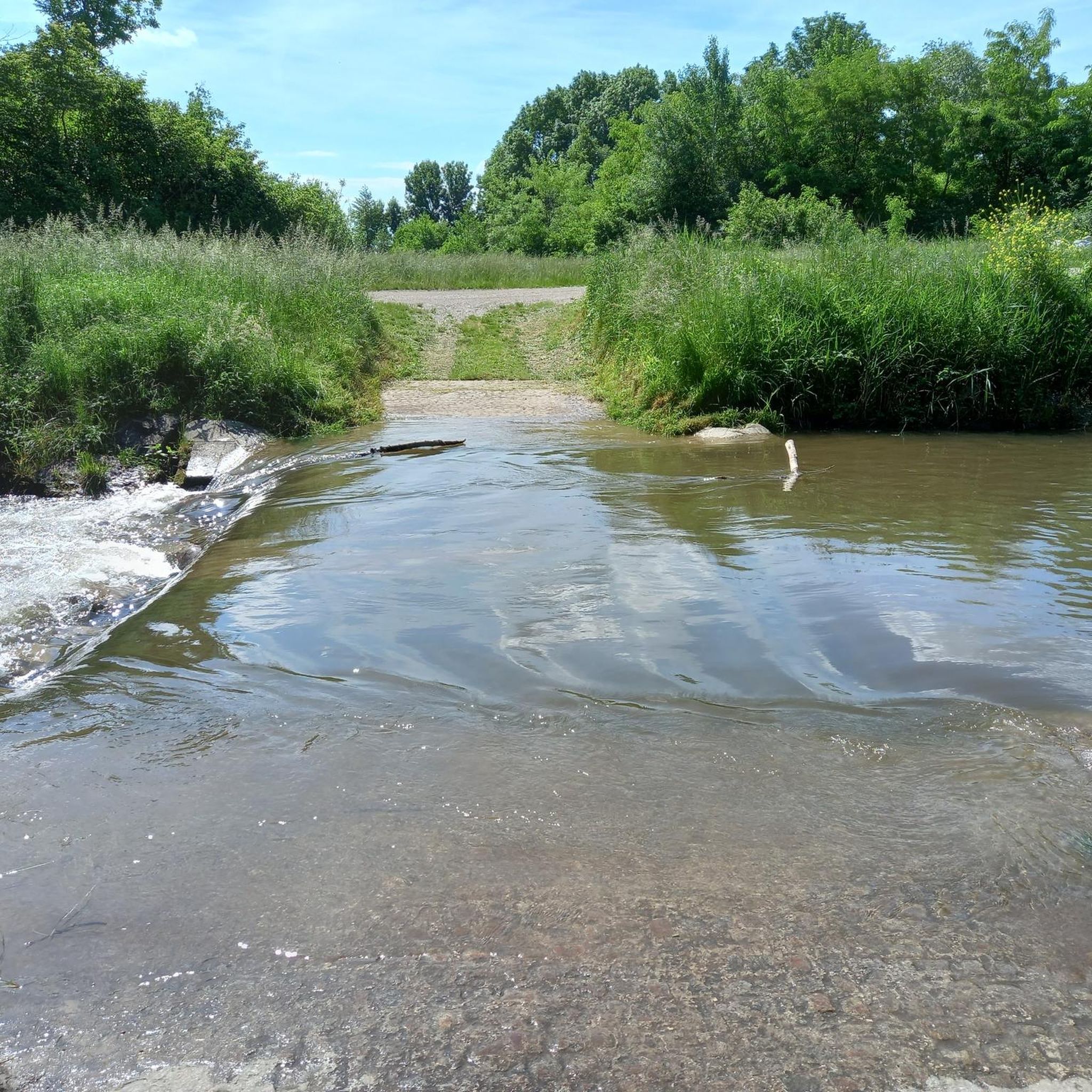
The Triesting - Schwechat estuary is the place where the Triesting flows into the Schwechat. The Triesting is a river in the southeastern Vienna Woods, which rises near Kaumberg and is 60 km long. The Schwechat is a tributary of the Danube that rises near Schottwien and is 62 km long. The estuary is near Achau in the Mödling district and is a popular resting place for cyclists. You can reach the estuary on various cycle paths, for example from Wiener Neudorf or from Wien Meidling. The area is very rich in water and also offers other highlights such as the Laxenburg Palace Park or the Kaiser Franz Joseph Park.
1
1
The Triesting is a river in the southeastern Vienna Woods, which flows into the Schwechat near Achau. The Schwechat is a tributary of the Danube that rises in the Vienna Alps. The Triesting is 60 km long and has a catchment area of 388 km². The Schwechat is 62 km long and has a catchment area of 678 km². The mouth of the Triesting in the Schwechat is a bike highlight that you can reach on various bike paths. There is a cycle and footpath along the flood protection wall, which can also be used as a viewing platform. You can take a nice break here and enjoy nature. You can also observe the water that divides here: the Schwechat continues to flow as the Mitterbach and the Schwechat-Werksbach, which only reunite in Schwechat. I hope this information was helpful to you. If you want to learn more about the Triesting or the Schwechat, you can also have a look at the Wikipedia pages. There you will also find information about the history, culture and sights along the rivers. Or you look at some bike tours that lead you to beautiful places like Berndorf, Laxenburg or Lanzendorf Castle.
1
1
The confluence of the Triesting and the Schwechat is an interesting place where several rivers and streams meet. The Triesting is a river in the south-eastern Vienna Woods, which flows into the Schwechat near Achau. The Schwechat has two rivers, the Mitterbach and the Schwechat-Werksbach, which only reunite in Schwechat itself. At the mouth of the Triesting, the Mödlingbach and the Krottenbach also flow into the old Schwechatlauf coming from Laxenburg. The estuary is a popular destination for bike tours and offers a nice rest area with the opportunity to swim.
3
1
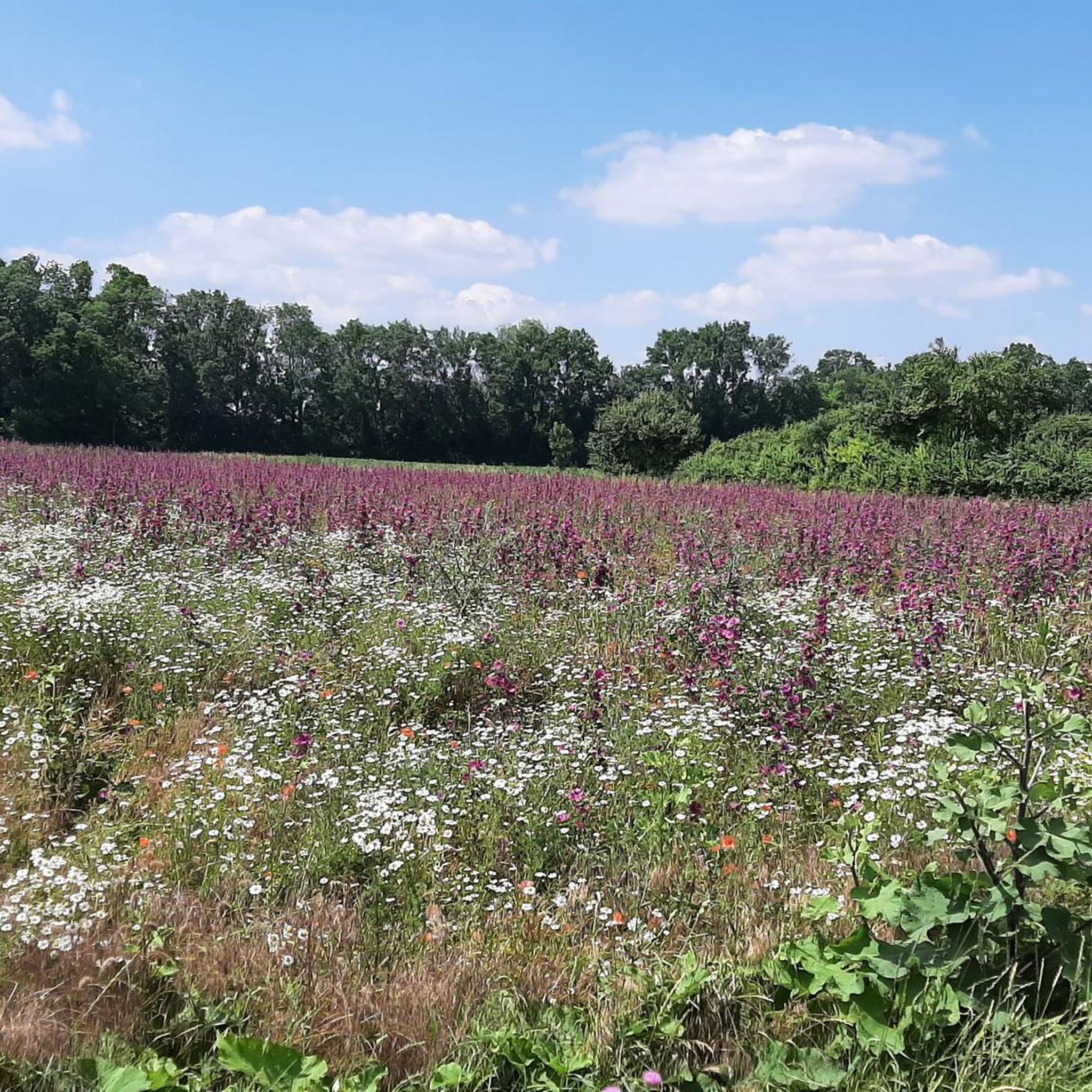
The Kaiser Franz Joseph Park is a garden characterized by its wild, romantic, varied and green recreational areas that comply with the "Nature in the Garden" guidelines. It has regional flowering plants, a snack garden, old stone and wooden elements, dry walls and flower-attracting perennial beds. The park is located in Laxenburg, Austria1 and was built in the style of a cottage garden.
5
1
This monument was built as part of the Rittergau in 1798 to glorify knightly virtues. Column figures of this type were very popular in landscape gardens, since these gardens were often enriched with numerous monuments.
2
0
Frequently Asked Questions
What kind of natural features can I explore around Moosbrunn?
The area around Moosbrunn is rich in waterways and green spaces. You can discover significant river confluences, historical park landscapes, and scenic bridges. Key natural features include the Confluence of the Triesting and the Schwechat rivers, as well as the tranquil Kalter Gang river.
Are there any natural monuments with historical significance near Moosbrunn?
Yes, several natural monuments in the vicinity have historical ties. The Kaskadenbrücke (Cascade Bridge) at Schloss Laxenburg is a notable example, part of the Forstmeister Canal system, reflecting Baroque-era design. The Castle Park in Laxenburg is also a historically significant landscape garden under monument protection.
Are the natural monuments around Moosbrunn suitable for families?
Many natural monuments in the area are family-friendly. For instance, the Confluence of the Triesting and the Schwechat rivers offers a pleasant resting spot, and the Emperor Franz Joseph Park, Laxenburg, provides varied green recreational areas with regional flowering plants, ideal for a family outing.
What outdoor activities can I do near these natural monuments?
The region around Moosbrunn is excellent for various outdoor activities, especially cycling and hiking. You can find numerous road cycling routes, hiking trails, and gravel biking tours that pass by or through these natural sites. The confluence of the Triesting and Schwechat rivers, for example, is a popular resting spot for cyclists.
What is the best time of year to visit the natural monuments near Moosbrunn?
The natural monuments around Moosbrunn, with their focus on waterways and green spaces, are generally enjoyable from spring through autumn. During these seasons, the weather is pleasant for cycling and hiking, and the parks and riverbanks are in full bloom or offer vibrant foliage. Summer also provides opportunities for activities like swimming in certain river sections, such as the Confluence of the Triesting and the Schwechat rivers.
Are there any parks or gardens that are considered natural monuments?
Yes, the Emperor Franz Joseph Park, Laxenburg, is a natural monument characterized by its wild, romantic, and varied green recreational areas. It adheres to 'Nature in the Garden' guidelines, featuring regional flowering plants, old stone and wooden elements, and dry walls. The larger Castle Park in Laxenburg is also a significant landscape garden.
What do visitors enjoy most about the natural monuments around Moosbrunn?
Visitors particularly appreciate the serene beauty of the river confluences, the historical charm of the park landscapes, and the scenic views from bridges. The opportunity for active recreation, such as cycling along the waterways, is also highly valued. The area's natural features and designed green spaces offer a peaceful escape and a chance to observe local nature.
Can I find viewpoints or scenic spots among the natural monuments?
Absolutely. The Confluence of the Triesting and the Schwechat rivers is a popular viewpoint, especially for cyclists, offering a chance to observe the converging waters and surrounding nature. The Kaskadenbrücke (Cascade Bridge) at Schloss Laxenburg also provides picturesque views as water falls to the castle pond level.
Are there any specific cycling paths that lead to these natural monuments?
Yes, the Confluence of the Triesting and the Schwechat rivers is a popular destination accessible via various cycling paths from places like Wiener Neudorf or Wien Meidling. The region's waterways, including the Mödlingbach, are often integrated into popular cycling routes, making these natural spots easily reachable by bike.
What is the significance of the river confluences in the Moosbrunn area?
The river confluences, particularly the Confluence of the Triesting and the Schwechat rivers, are significant natural features. They create rich aquatic environments and are popular resting spots for cyclists. These points where multiple rivers and streams meet, such as the Triesting, Schwechat, Mödlingbach, and Krottenbach, highlight the 'water-rich' nature of this part of the Vienna Basin.
Are there opportunities for longer walks or hikes through these natural areas?
Yes, the natural monuments are often integrated into longer walking and hiking routes. For example, the Castle Park in Laxenburg offers extensive trails for leisurely strolls. You can explore various hiking routes around Moosbrunn that allow you to experience the diverse natural landscape.
Most popular routes around Moosbrunn
Most popular attractions around Moosbrunn

Get inspired with the komoot mobile app


Explore more
Extend your search for the best caves by checking out these guides of the top ones around Moosbrunn:
