Top 3 Natural Monuments around Großwarasdorf
Best natural monuments around Großwarasdorf are found within a region characterized by Pannonian lowlands, forests, and fields. The area offers diverse landscapes and various hiking opportunities through its varied terrain. While Großwarasdorf itself is known more for its cultural heritage, the surrounding Burgenland region provides a rich natural environment for exploration. This includes well-maintained trails that showcase the local flora and fauna.
Best natural monuments around Großwarasdorf
- The most popular natural monuments is Geographical Center of Burgenland, a natural…
Last updated: October 11, 2026
Geographical Center of Burgenland
Highlight • Monument
Translated by Google •
Tip by

Donatus Chapel
Highlight • Religious Site
Translated by Google •
Tip by

Sign up now to discover places like this
Get recommendations on the best single tracks, peaks, & plenty of other exciting outdoor places.
Maria Bründl Spring
Highlight • Natural Monument
Translated by Google •
Tip by

Sopron University Memorial Stone – Hűség Forest
Highlight • Monument
Translated by Google •
Tip by
Little Allée
Highlight (Segment) • Natural Monument
Translated by Google •
Tip by

Start today with a free account
Your next adventure awaits.
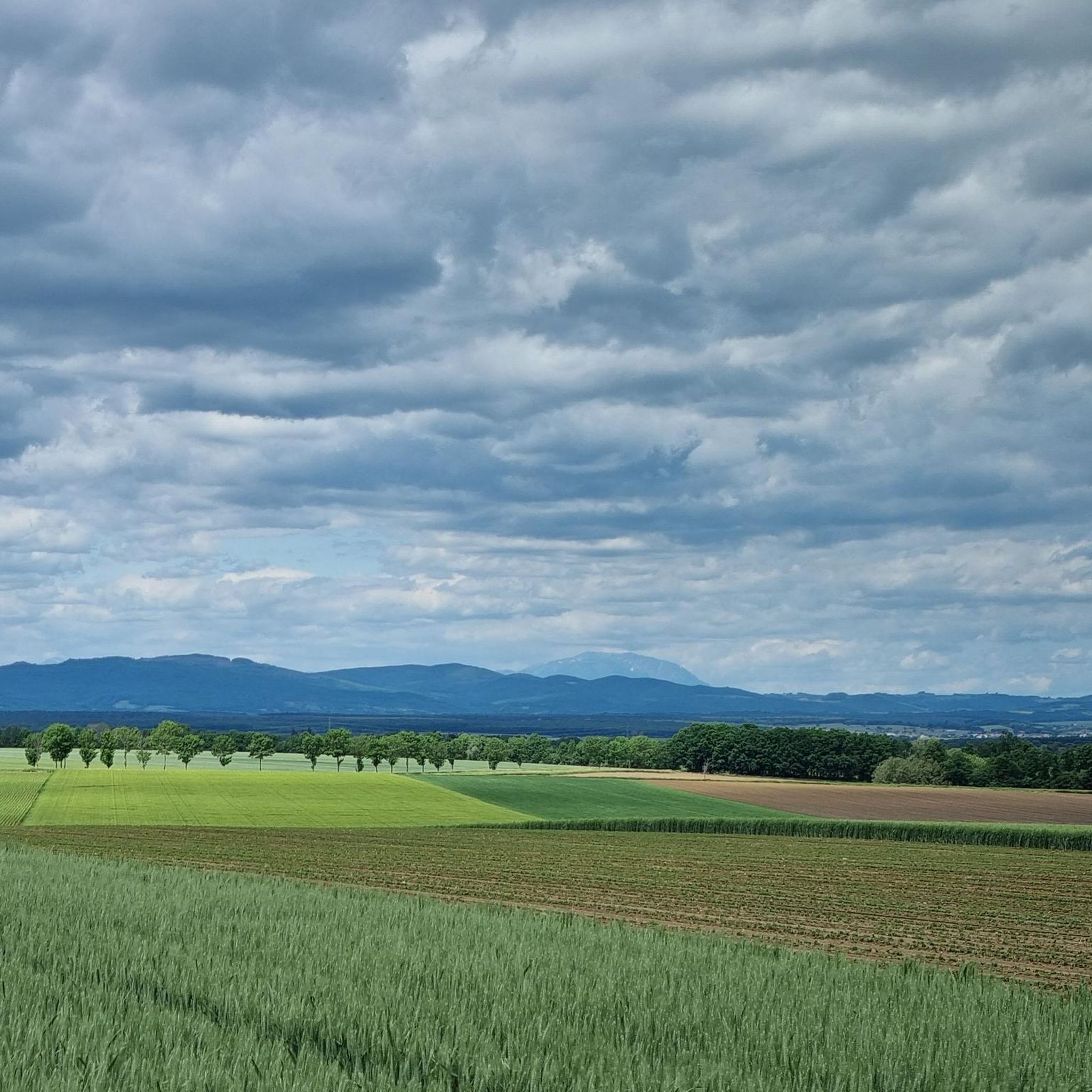
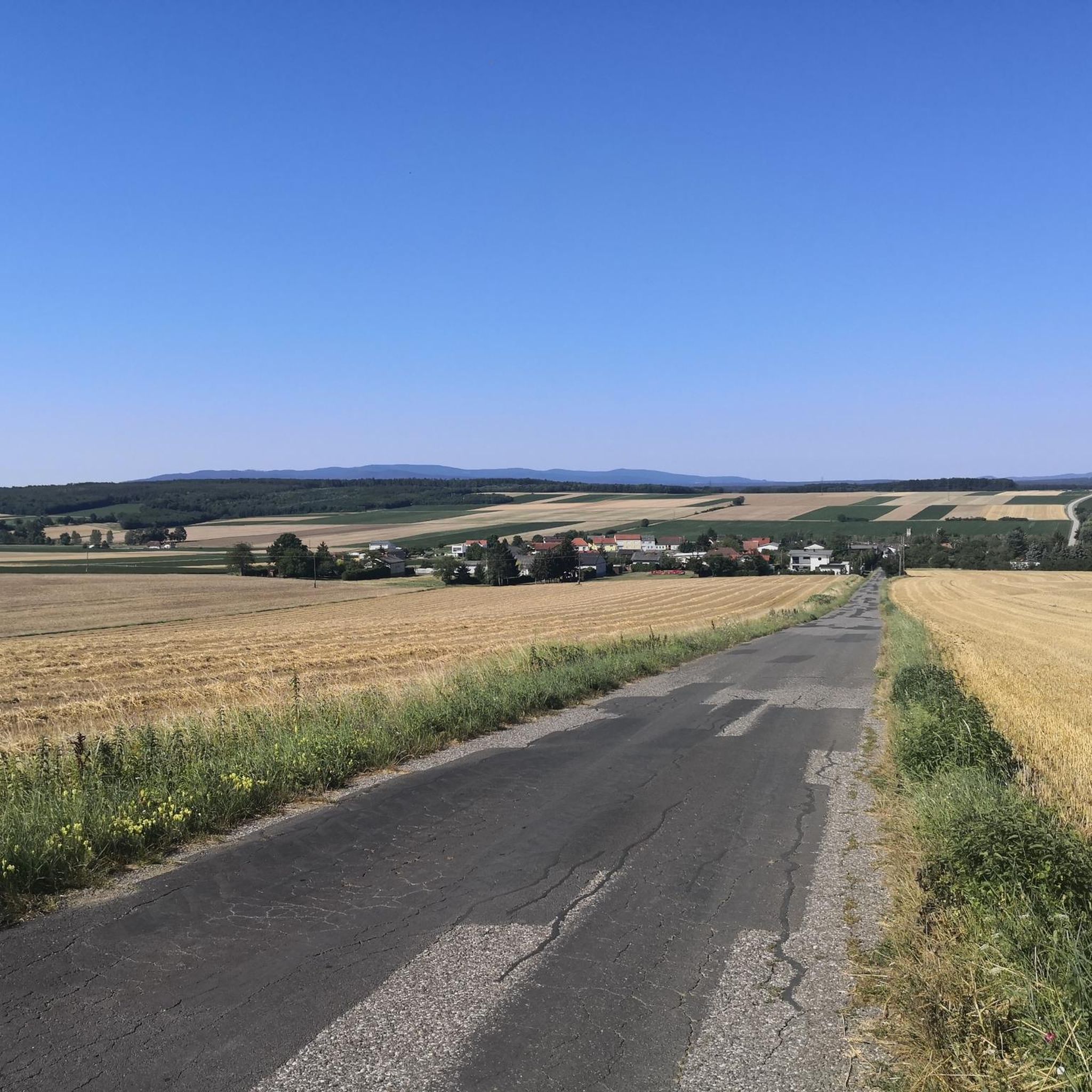
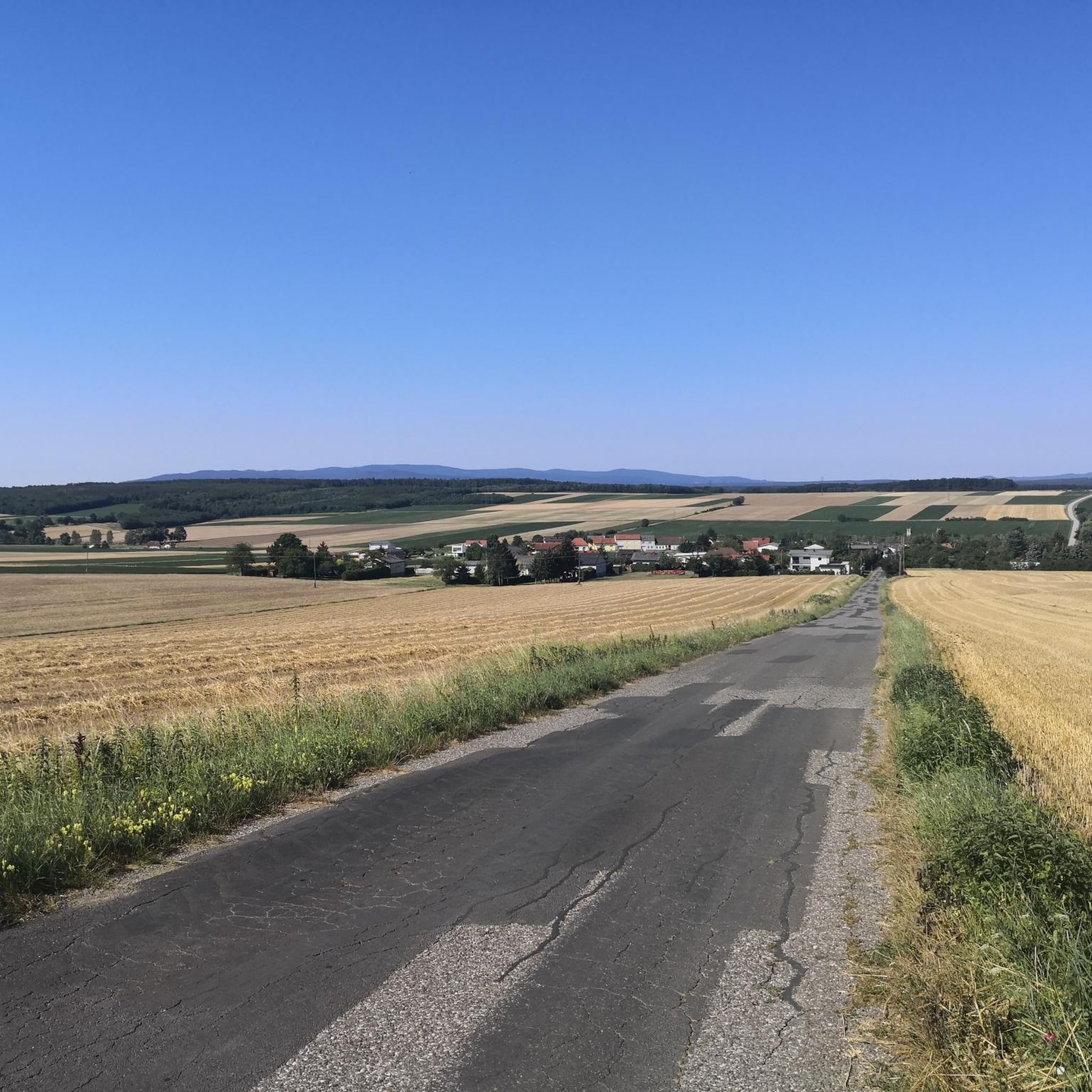
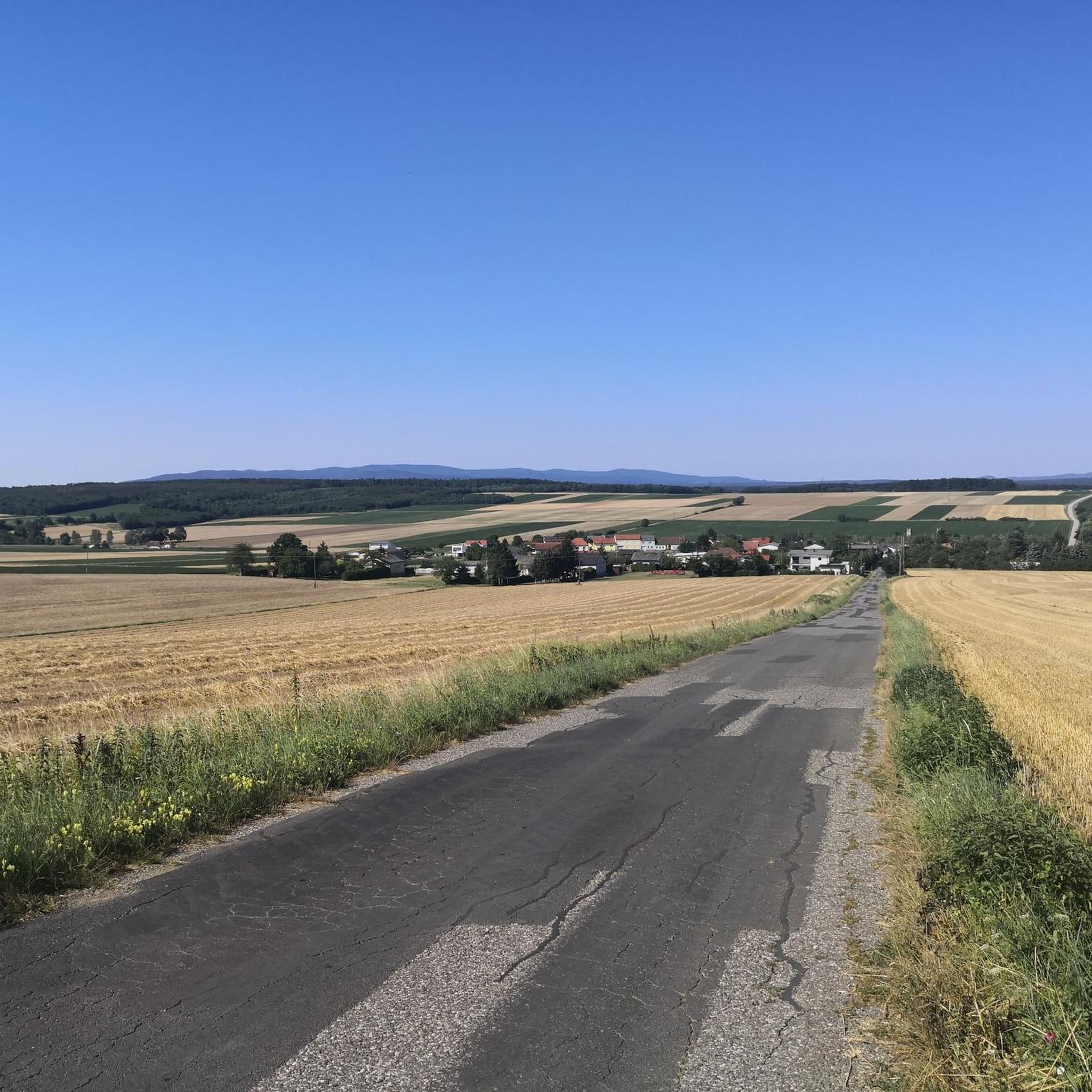
Tips from the Community

The "little brother" of the famous Larch Avenue in Nagycenk: an avenue of trees about 500 meters long, consisting mainly of plane trees and horse chestnut trees.
0
0

I didn't think that it would be so steeply uphill at the end. It's a great way to rediscover the area you thought you knew well.
2
0

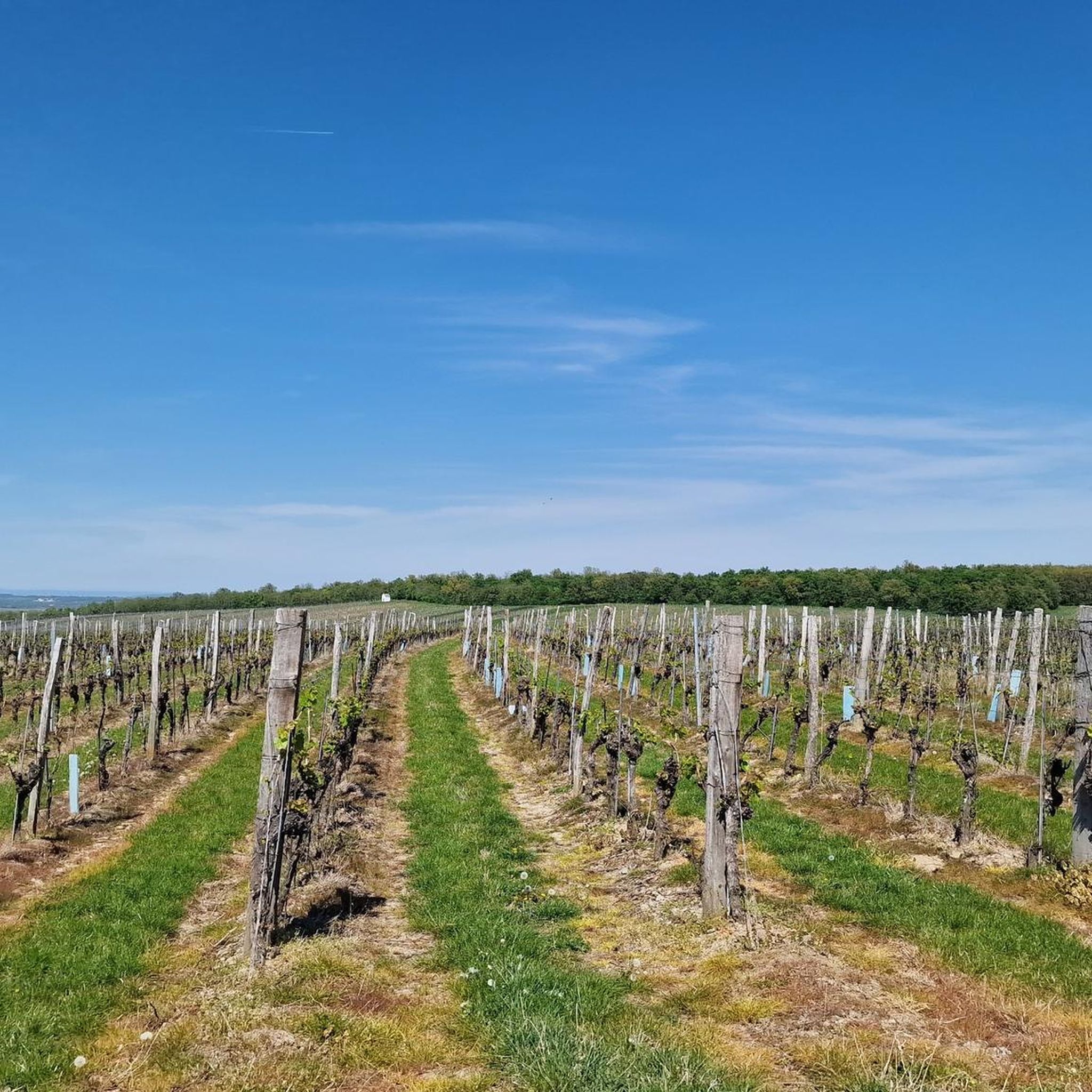
Romantic location in the vineyards with a beautiful view.
3
0
It is planned to plant three larger trees (“trees of life”) here, around which further trees are to be planted in a circle. These circles are meant to symbolize annual rings.
2
0

A really fantastic place. More beautiful than assumed after the ORF contribution.
0
0


At this point is the "center stone". Geographic data show the exact center of Burgenland. Next to it is a chapel and shady trees. There is a nice view on top. A short stop is practically mandatory.
0
0

The focal point is of course not the chapel, but the measured stone with its border. There is also a tablet with the geographical data on the stone. And next to the medlar tree there are also a cherry and a sour cherry tree.
5
0
Frequently Asked Questions
What unique natural monuments can I explore near Großwarasdorf?
While Großwarasdorf itself is known for its cultural heritage, the surrounding Burgenland region offers diverse natural features. You can visit the Maria Bründl Spring, a tranquil natural monument with a religious connection. Additionally, the Little Allée provides a charming tree-lined path, reminiscent of a larger, famous avenue.
Are there any natural landmarks that also have historical or cultural significance?
Yes, several sites blend natural and historical importance. The Geographical Center of Burgenland is marked by a stone and is located near the Donatus Chapel, offering a beautiful view over vineyards. The Sopron University Memorial Stone – Hűség Forest is another significant spot, symbolizing remembrance and future growth through tree plantings.
What kind of natural landscapes can I expect to see in the Großwarasdorf region?
The region around Großwarasdorf is characterized by a varied terrain, blending the foothills of the Alps with expansive Pannonian lowlands. You'll find a mix of forests, open fields, gentle hills, and agricultural lands, including vineyards. This diverse landscape provides a serene and ecologically rich rural environment.
Are there family-friendly natural monuments suitable for children?
Many of the natural monuments and surrounding areas are suitable for families. The Maria Bründl Spring offers an easy, accessible visit. The Sopron University Memorial Stone – Hűség Forest is also considered family-friendly, providing a pleasant outdoor space for a walk.
What outdoor activities can I do near these natural monuments?
The area around Großwarasdorf is excellent for various outdoor activities. You can enjoy gravel biking on routes like the 'Gravel Bike Path – Trianon Memorial Park loop from Deutschkreutz' or explore running trails such as the 'Running loop from Oberpullendorf/Felsőpulya'. Road cycling is also popular, with routes like the 'Lockenhaus Castle – Bridge Over the Rabnitz loop from Frankenau-Unterpullendorf/Frakanava-Dolnja Pulja'. Find more details on these activities in the respective guides: Gravel biking around Großwarasdorf, Running Trails around Großwarasdorf, and Road Cycling Routes around Großwarasdorf.
Are there hiking trails near the natural monuments?
Yes, the region offers numerous well-maintained trails that wind through forests and open fields, suitable for various hiking experiences. While specific hiking routes directly to each natural monument aren't listed, the broader area provides ample opportunities for walks and hikes, allowing you to immerse yourself in the local flora and fauna.
What is the best time to visit the natural monuments around Großwarasdorf?
The natural monuments and surrounding landscapes are beautiful throughout the warmer months, from spring to autumn. Autumn, in particular, can be very picturesque with changing foliage, and you might even find a Buschenschank (seasonal wine tavern) near the Donatus Chapel during this time.
Are there any significant nature parks in the broader Burgenland region worth visiting?
Absolutely. Burgenland is home to six nature parks and several Natura-2000 areas. Notably, the Geschriebenstein-Írottkő Nature Park, though further afield, is the highest point in Burgenland and offers elevated perspectives. The Neusiedler See-Seewinkel National Park is a unique steppe lake landscape, renowned for its biodiversity and birdwatching opportunities, making it a significant natural attraction in the region.
What kind of wildlife can I expect to see in the natural areas?
The diverse landscapes of Burgenland, including forests, fields, and wetlands, support a variety of flora and fauna. The Neusiedler See-Seewinkel National Park, for instance, is a hotspot for biodiversity, hosting up to 350 bird species. In the broader region, you can expect to encounter various local birds, small mammals, and diverse plant life typical of Pannonian lowlands.
Is there a specific natural monument recognized for its ecological significance near Großwarasdorf?
Yes, the Fuchsschweifteich (Foxtail Pond) near Oberdorf im Burgenland is recognized as a natural monument and is part of a European protected area. Its status highlights its ecological importance, making it a valuable site for those interested in local aquatic ecosystems and conservation efforts.
Most popular routes around Großwarasdorf
Most popular attractions around Großwarasdorf

Get inspired with the komoot mobile app


Explore more
Extend your search for the best caves by checking out these guides of the top ones around Großwarasdorf:
