Zwentendorf an der Donau
Zwentendorf an der Donau
Top 20 Natural Monuments around Zwentendorf an der Donau
Best natural monuments around Zwentendorf an der Donau are characterized by the extensively renaturalized Traisen River and the rich Danube floodplains. These areas offer significant ecological value and opportunities for nature observation. The region is part of the larger, ecologically significant Danube River ecosystem, providing diverse habitats. Zwentendorf an der Donau is situated in the district of Tulln, offering a landscape shaped by riverine dynamics and successful restoration projects.
Best natural monuments around Zwentendorf an der Donau
- The most popular…
Last updated: May 11, 2026
Nibelung Monument (Nibelungendenkmal)
Highlight • Monument
Translated by Google •
Tip by

Altenwörth fish pass
Highlight • Structure
Translated by Google •
Tip by

Sign up now to discover places like this
Get recommendations on the best single tracks, peaks, & plenty of other exciting outdoor places.
Sign up for free
Mouth of the Traisen River at the Danube
Highlight • River
Translated by Google •
Tip by

Center of Lower Austria
Highlight • Monument
Translated by Google •
Tip by

LIFE+ Traisen renaturation
Highlight • River
Translated by Google •
Tip by

Sign up for free to discover even more natural monuments around Zwentendorf an der Donau.
Sign up for free
Already have an account?
Start today with a free account
Your next adventure awaits.
Login or Signup
Popular around Zwentendorf an der Donau
Tips from the Community

a very interesting renaturation project
0
0
The Traisen renaturation was a very interesting project
0
0
very well done and nice to look at
0
0

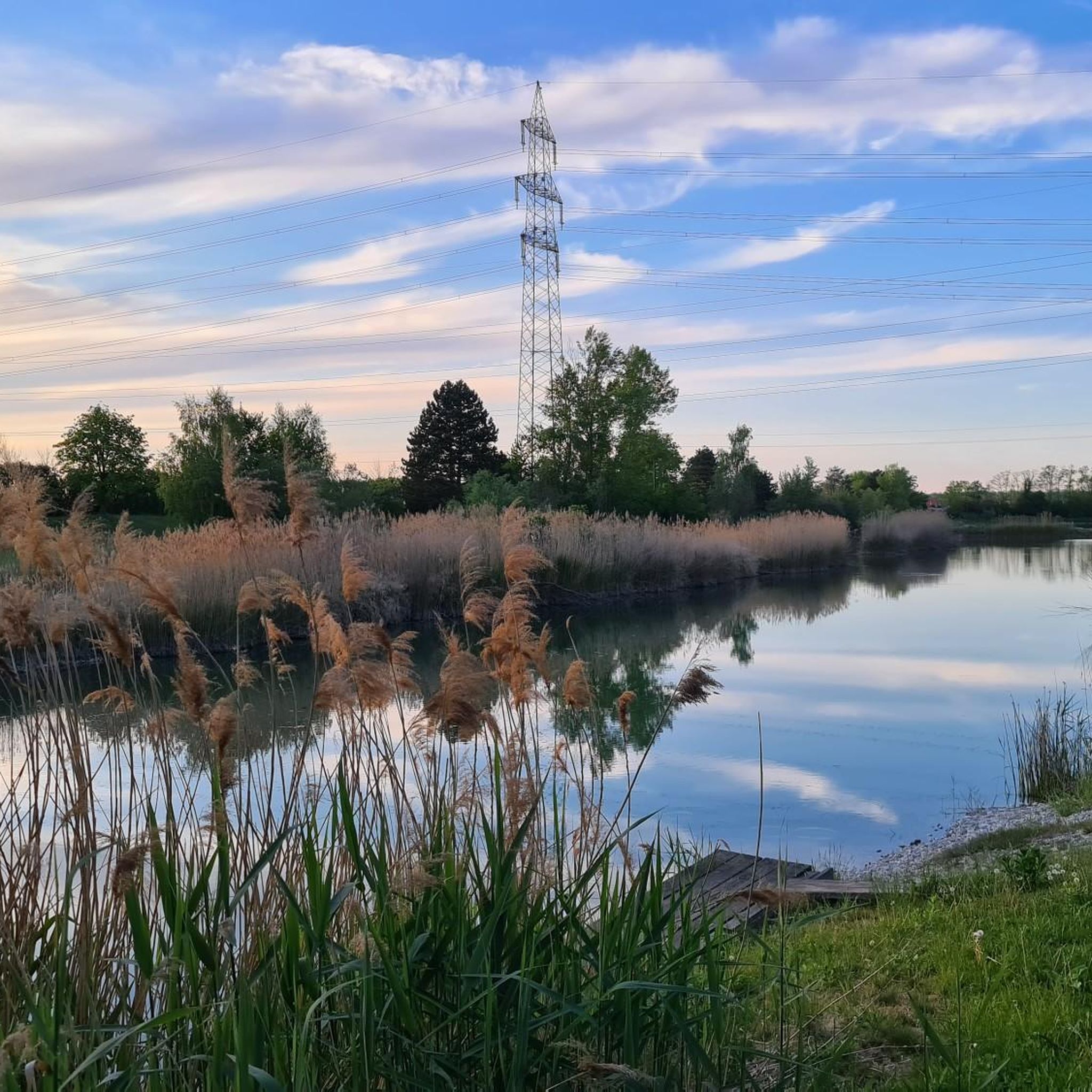
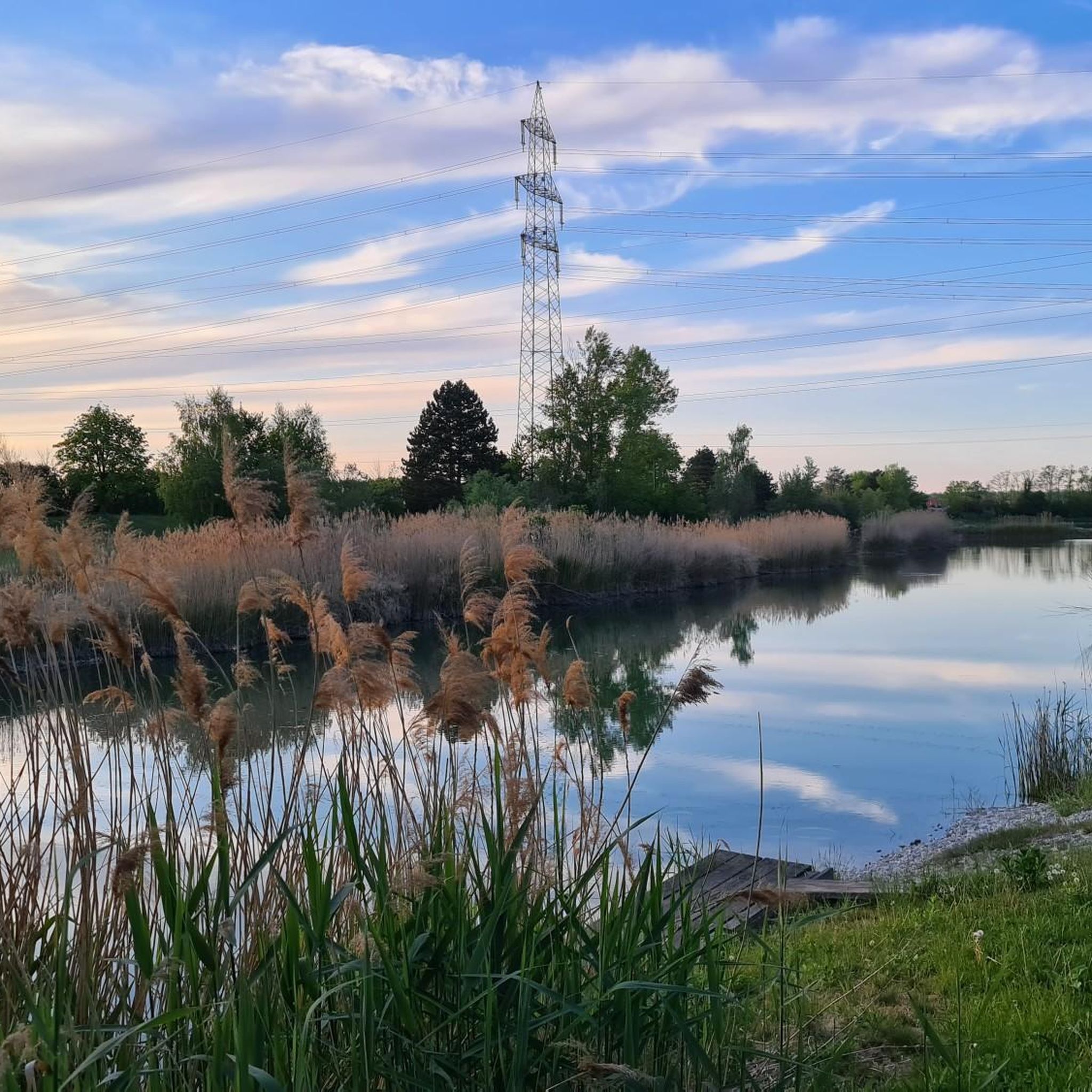
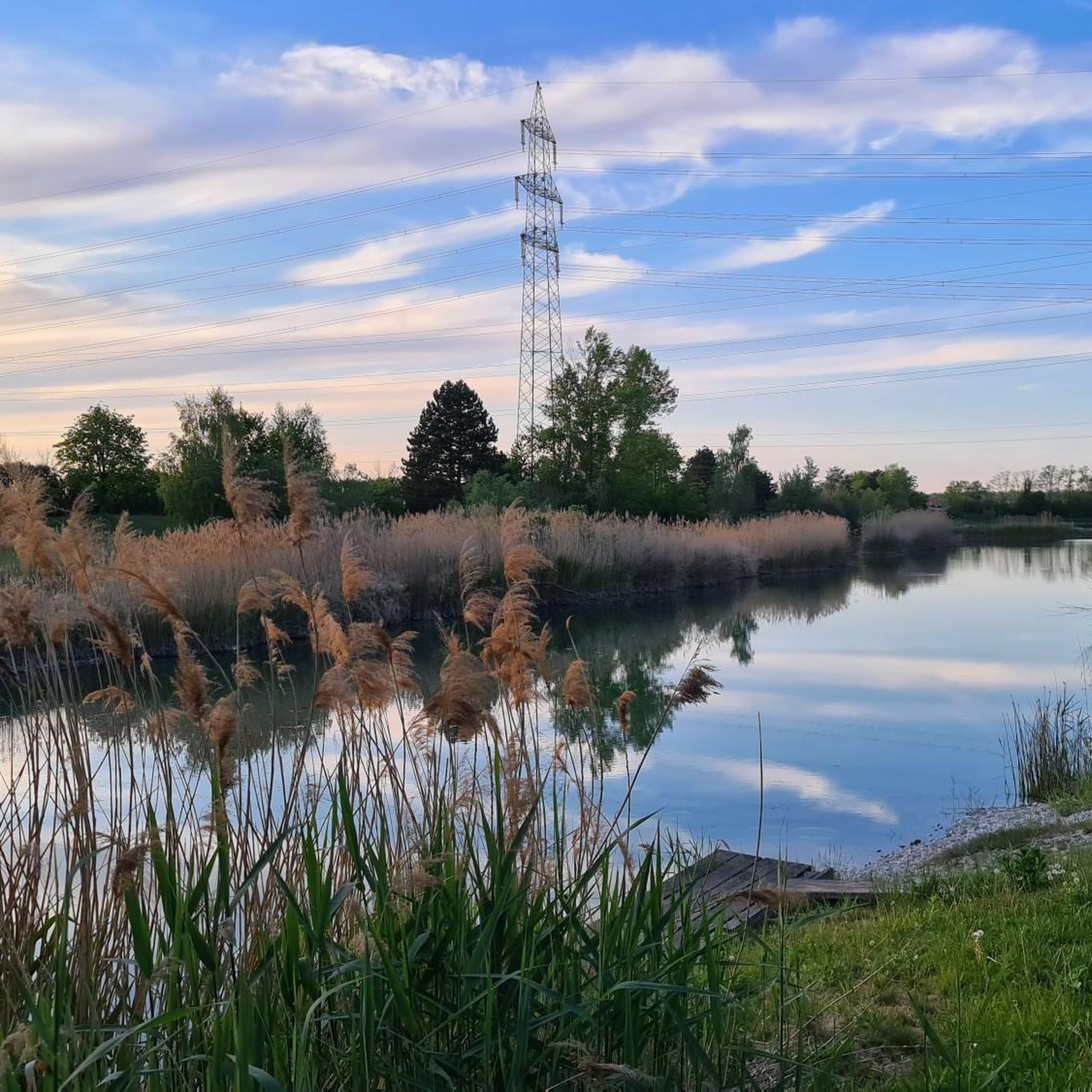
The mouth of the Traisen river near Traismauer in Lower Austria is a fascinating example of how technology and nature can successfully come together. Here, the Traisen river meets the Danube, but it wasn't always as idyllic as it is today. Originally, the Traisen flowed into the Danube about 7.5 kilometers further upstream. With the construction of the Altenwörth Danube power plant in the 1970s, everything changed: As the water level of the Danube was raised for the power plant, the Traisen could no longer flow naturally. Therefore, a completely new riverbed had to be dug for it.
0
0

It's a pity that there is no catering here anymore😌
0
0

At approximately 12.5 kilometers, the Altenwörth Fish Bypass is the longest of its kind in Austria and was built between 2019 and 2022 as part of the LIFE Network Danube Plus project. It allows fish such as huchen, schied, and zingel to bypass the Altenwörth Danube power plant and provides a continuous connection to the tributaries, the Kamp and Krems. The near-naturally designed bypass stream, with shallow water zones, gravel banks, and deadwood, also creates new habitats for numerous animal and plant species. The facility is also of interest to cyclists: Along the Danube and its adjacent waterways, natural paths offer views of renaturalized landscapes, small bays, and ecologically valuable rest areas. It is a successful example of how flood protection, energy use, and biodiversity can be reconciled.
3
0
One of Austria's longest fish bypasses was created between Altenwörth and Greifenstein as part of the "LIFE Network Danube Plus" project. The approximately 12.5-kilometer-long, near-naturally designed bypass stream allows fish such as huchen, zebrafish, and schied to migrate freely along the Danube and connects important habitats in the tributaries of the Kamp and Krems. Between 2019 and 2022, approximately 34 hectares of new aquatic areas were created, featuring shallow water zones, gravel banks, and deadwood areas – also for kingfishers, otters, and other protected species. In addition to its ecological benefits, the area is now also attractive to recreational travelers: Along the waterway corridor, natural banks, small bays, and viewpoints invite visitors to linger – a successful example of the combination of nature conservation, water development, and sustainable tourism.
1
0

Frequently Asked Questions
What natural features can I explore around Zwentendorf an der Donau?
The region is characterized by the extensively renaturalized Traisen River and the rich Danube floodplains. These areas offer significant ecological value, providing diverse habitats for numerous animal and plant species. You can also find viewpoints like the Center of Lower Austria, offering scenic spots to appreciate the landscape.
What is the significance of the renaturalized Traisen River?
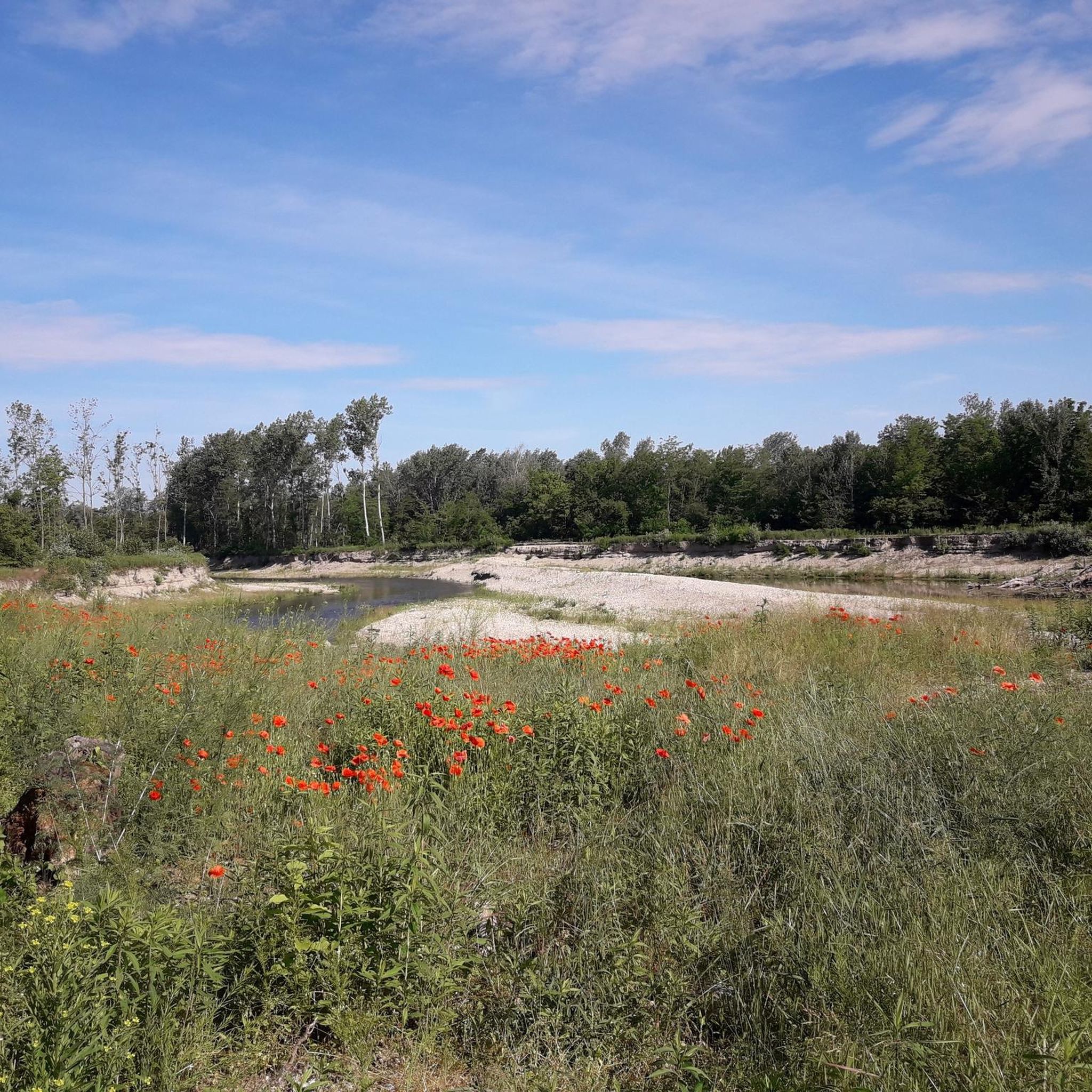
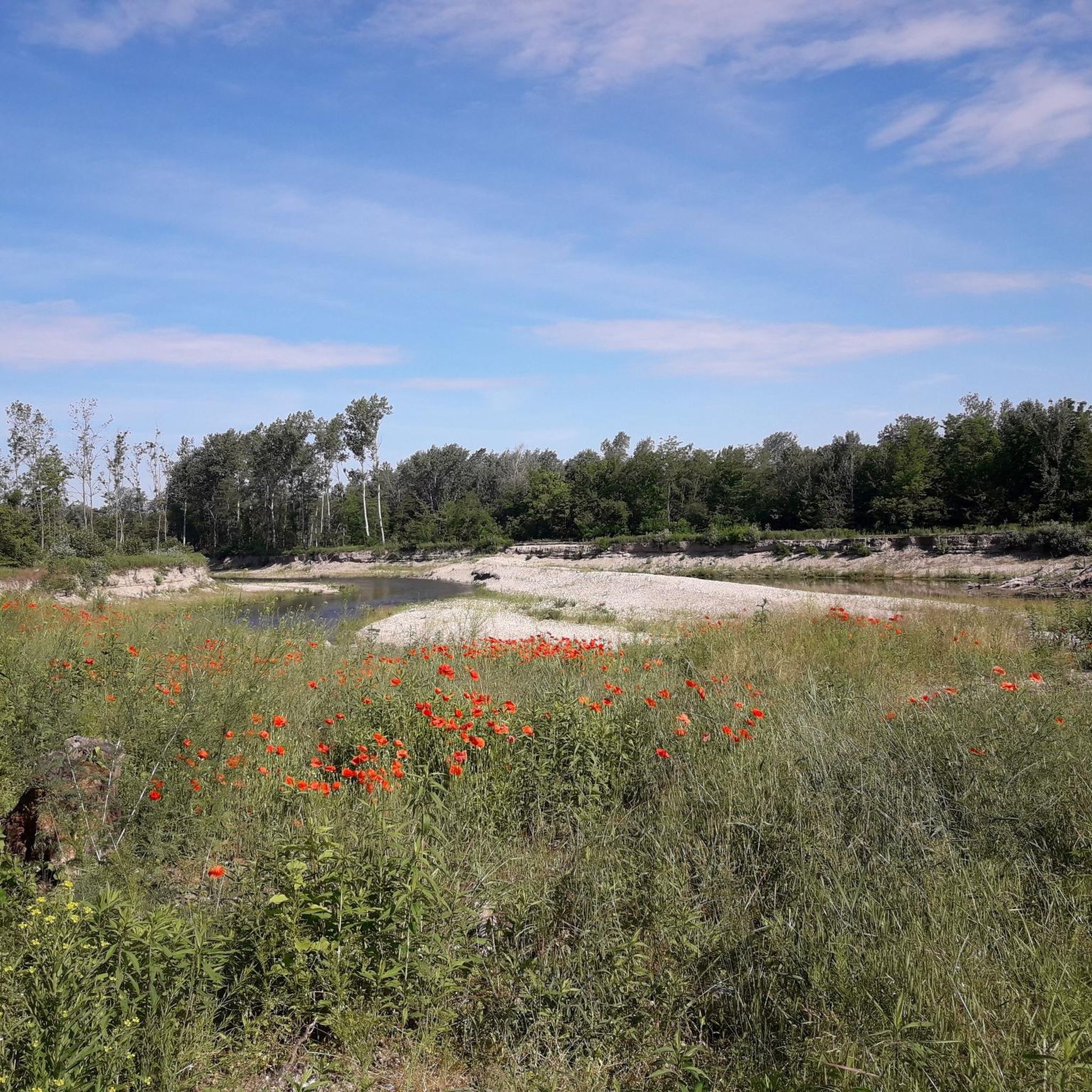
The renaturalized Traisen River is the result of Austria's largest renaturation initiative, the LIFE+ Traisen project. It transformed a straightened riverbed into a diverse riparian landscape with meanders and shallow water zones. This project significantly increased biodiversity, making it a haven for many endangered species and an excellent example of successful river restoration. You can observe the new mouth of the Traisen at the Danube, a prime example of this recultivated river.
What makes the Danube floodplains around Zwentendorf an der Donau special?
The Danube floodplains are crucial components of natural river systems, providing essential habitats for a vast array of flora and fauna, including over 700 plant species and numerous mammals, birds, reptiles, amphibians, and fish. They are vital for preserving biodiversity, flood protection, water purification, and groundwater replenishment, offering a unique opportunity to experience a dynamic riverine ecosystem.
Are there family-friendly natural monuments around Zwentendorf an der Donau?
Yes, several natural monuments are suitable for families. The Nibelung Monument (Nibelungendenkmal) is a historical site that children might find engaging. The Altenwörth fish pass offers an interesting observation point, especially when cycling. Additionally, the Center of Lower Austria and the Tree masterpieces in Tulln are also considered family-friendly, providing gentle walks and points of interest.
What outdoor activities can I do near these natural monuments?
The area around Zwentendorf an der Donau is excellent for various outdoor activities. You can enjoy hiking, cycling, and running. For detailed routes and guides, explore options like Hiking around Zwentendorf an der Donau, Cycling around Zwentendorf an der Donau, and Running Trails around Zwentendorf an der Donau.
Can I cycle along the natural monuments?
Yes, cycling is a popular way to explore the natural monuments. The Altenwörth fish pass is specifically mentioned as a spot where visitors can observe the project while cycling along the Danube. The area also features well-developed paths, especially around Tulln, which is known as a paradise for cyclists. You can find various cycling routes in the Cycling around Zwentendorf an der Donau guide.
Are there accessible trails for wheelchairs?
The Nibelung Monument (Nibelungendenkmal) is listed as wheelchair accessible, making it a suitable option for visitors with mobility needs. For other natural areas, it's advisable to check specific trail conditions, as the renaturalized riverbanks and floodplains may have varied terrain.
What is the best time to visit the natural monuments?
The natural monuments, particularly the renaturalized Traisen River and Danube floodplains, are beautiful throughout the warmer months, from spring to autumn. Spring offers vibrant flora and active wildlife, while autumn provides stunning colors. Summer is ideal for longer outdoor activities. Always check local weather conditions before your visit.
Are there any dog-friendly options for exploring nature?
While specific dog-friendly trails are not explicitly listed for each monument, the extensive Danube floodplains and the renaturalized Traisen River offer vast natural areas for walks with dogs. It's generally recommended to keep dogs on a leash, especially in areas with sensitive wildlife, and to respect local regulations regarding pets in natural reserves.
What do visitors enjoy the most about the natural monuments around Zwentendorf an der Donau?
Visitors highly appreciate the ecological restoration efforts, particularly at the renaturalized Traisen River, describing it as an 'impressive landscape' and a 'prime example of a recultivated river.' The Nibelung Monument is loved for its historical depiction, with many finding the bronze sculpture 'awesome.' The Altenwörth fish pass is noted as an 'exemplary project.' Overall, the community enjoys the blend of nature, history, and opportunities for relaxed cycling and observation.
Where can I find refreshments or accommodation near the natural monuments?
Zwentendorf an der Donau and nearby towns in the Tulln district offer various options for refreshments and accommodation. While specific cafes or pubs directly adjacent to every natural monument are not detailed, you will find amenities in the villages and towns surrounding these natural areas. For example, the Center of Lower Austria has a hut nearby that is open periodically.
Is public transport available to reach these natural areas?
Public transport options exist to reach Zwentendorf an der Donau and its surrounding areas. However, direct access to every specific natural monument might vary. It's advisable to check local bus or train schedules to the nearest towns and then plan for walking or cycling to the natural sites. Many routes are easily accessible by bike from central locations.
Most popular routes around Zwentendorf an der Donau
Most popular attractions around Zwentendorf an der Donau

Get inspired with the komoot mobile app


Explore more
Extend your search for the best caves by checking out these guides of the top ones around Zwentendorf an der Donau:
