Top 20 Natural Monuments around Pamhagen
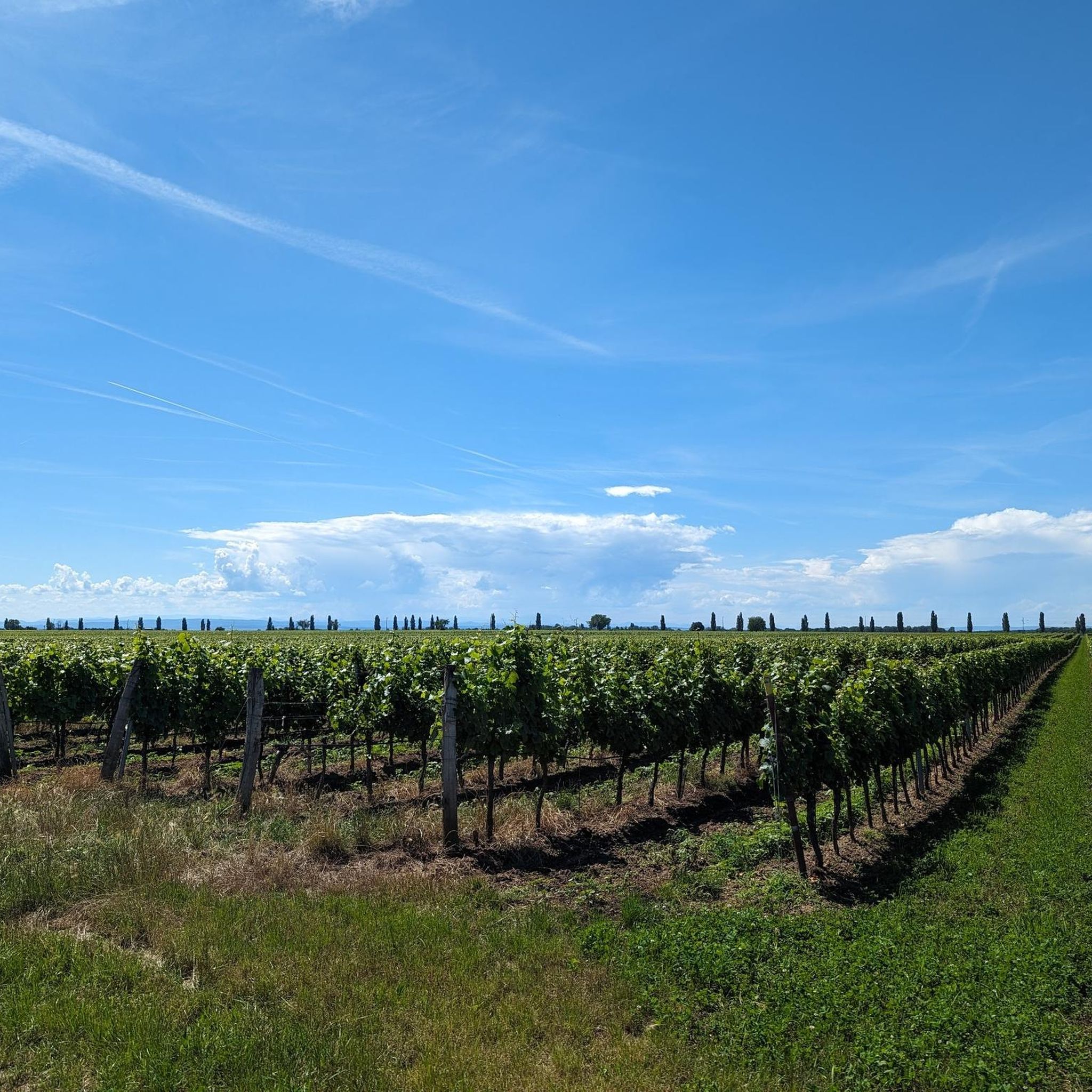
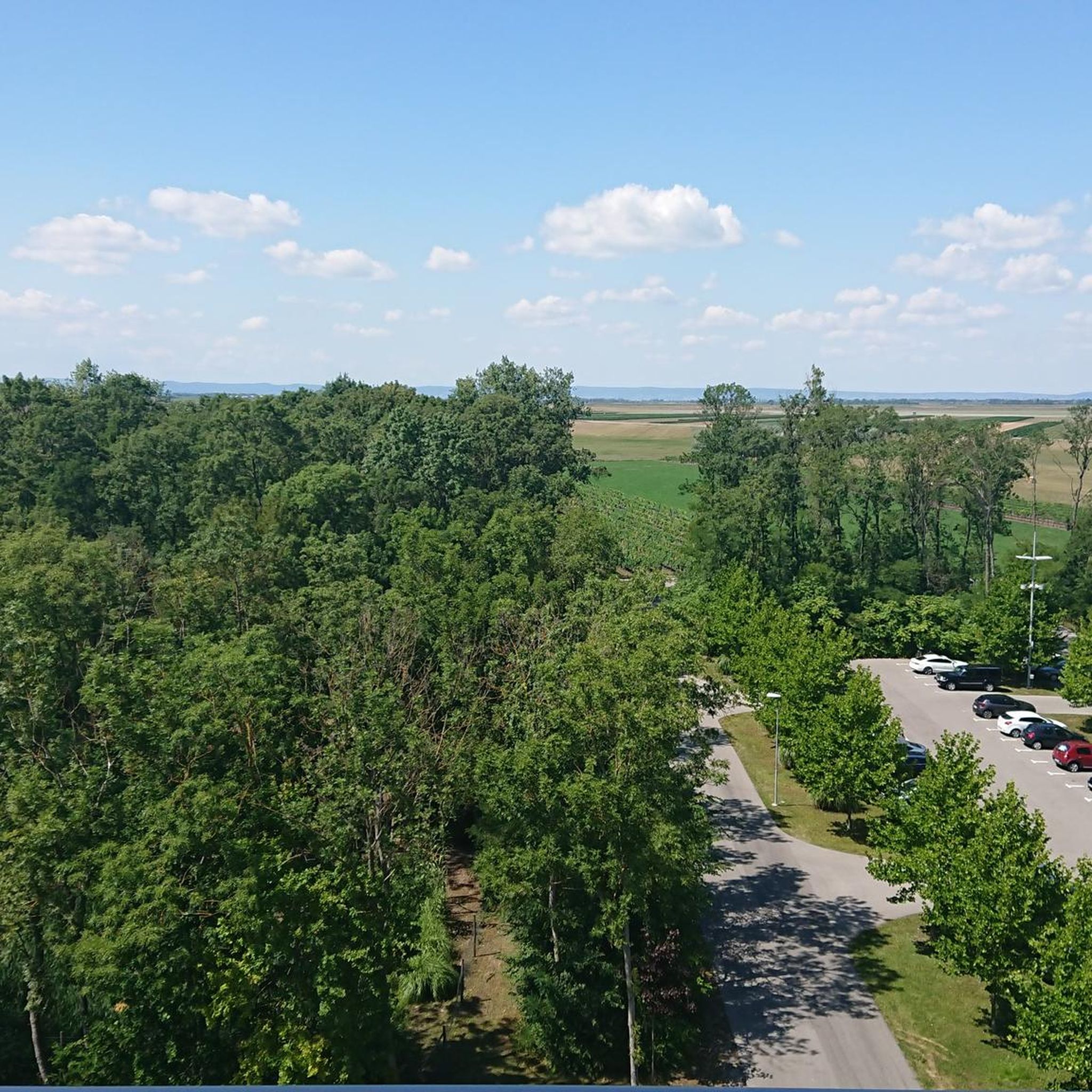
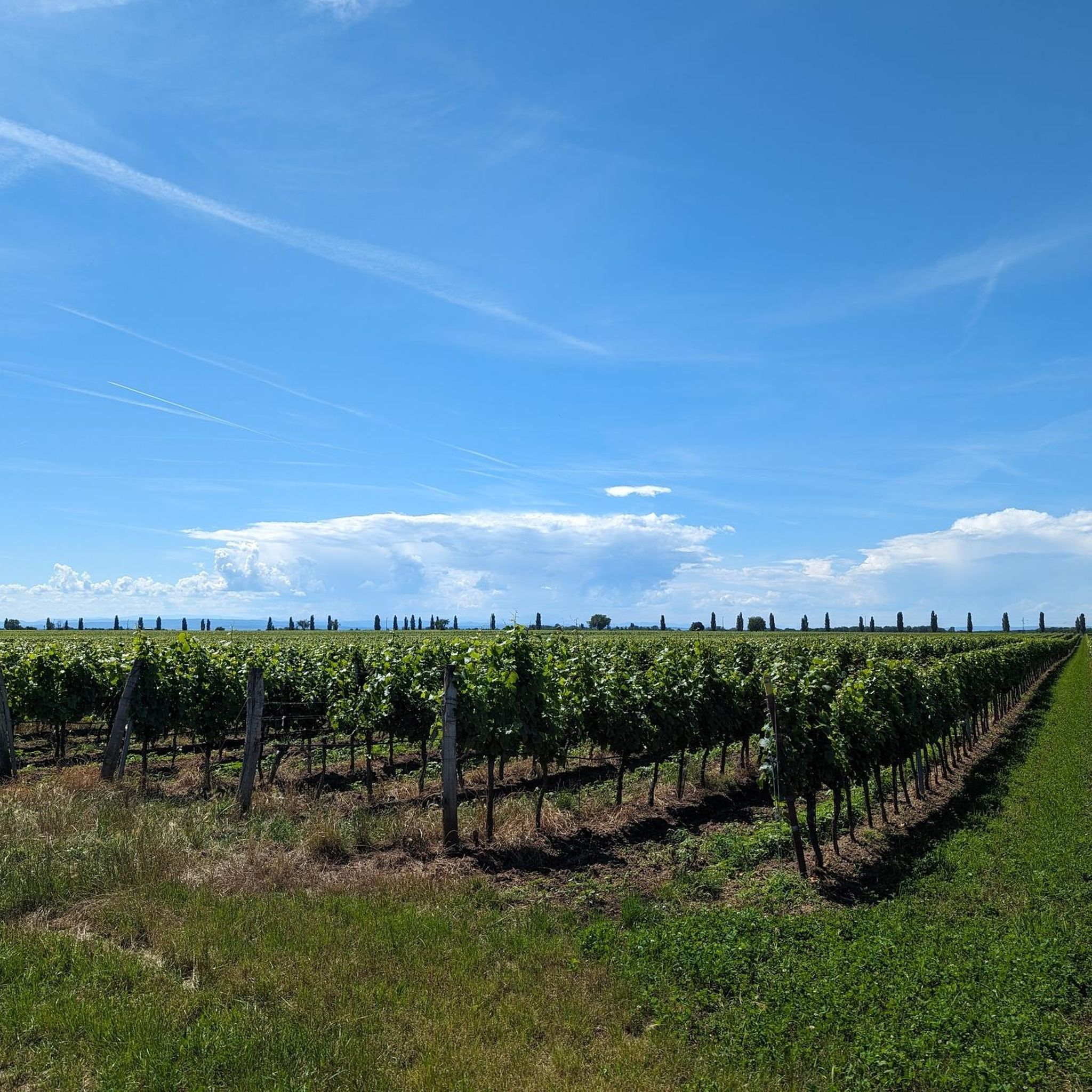
Best natural monuments around Pamhagen are found within the unique steppe environment of the Neusiedler See-Seewinkel region in Austria. This area is part of a UNESCO World Heritage site, characterized by vast reed beds, saline ponds, and marshes. The landscape offers diverse natural experiences, differing from typical Austrian mountainous scenery. It is a crucial habitat for numerous bird species and provides opportunities for exploring its distinct flora and fauna.
Best natural monuments around Pamhagen
- The most popular natural monuments is…
Last updated: October 11, 2026
Zicksee
Highlight • Lake
Translated by Google •
Tip by

Zicklacke (Illmitz-Hölle)
Highlight • Lake
Translated by Google •
Tip by

Sign up now to discover places like this
Get recommendations on the best single tracks, peaks, & plenty of other exciting outdoor places.
Lange Lacke
Highlight • Lake
Translated by Google •
Tip by
White Donkey Conservation Project at Sandeck
Highlight • Natural Monument
Translated by Google •
Tip by

Lowest Point of Austria (Apetlon, 114 m)
Highlight • Natural Monument
Translated by Google •
Tip by

Sign up for free to discover even more natural monuments around Pamhagen.
Already have an account?
Start today with a free account
Your next adventure awaits.
Tips from the Community

The Zicklacke (also called Illmitzer Zicksee) near Illmitz is one of the best-known and largest salt lakes in the Neusiedler See – Seewinkel National Park. These shallow bodies of water are characterized by their high salt content and regularly dry out during hot summer months, leaving behind characteristic whitish salt efflorescences. They serve as an essential habitat for rare, salt-adapted plants (halophytes) and as a central resting and breeding ground for numerous protected bird species, making them a popular destination for nature observations from viewing towers.
1
0
Austria's lowest point is located in the Seewinkel near Apetlon in Burgenland at an altitude of 114 meters above sea level. It marks the transition to the Pannonian Plain and illustrates the extremely flat character of this steppe landscape. Today, the depression is well signposted and a popular destination for cycling and hiking tours in the National Park.
2
0
Die Lange Lacke is the largest and best-known of the more than 40 shallow salt lakes in Burgenland's Seewinkel. As it depends solely on precipitation and groundwater, it often dries out completely in hot summers, leaving behind a distinctive, white salt crust. As a strictly protected nature reserve, it offers a vital resting place for tens of thousands of migratory birds, which is why you can observe a unique natural spectacle there, especially in spring and autumn.
2
0
The Austro-Hungarian Baroque Donkeys (also called Goldschimmel) are a very special attraction and an important part of nature conservation in the national park. After the decline of the monarchy, the animals were almost extinct. It was only at the end of the 20th century that the rescue of the breed began. Today, there are only a few hundred specimens worldwide again, making them continue to be among the highly endangered domestic animal breeds.
2
0

The lowest point measured in Austria
3
0
Super beautiful landscape, lots of birds to observe
3
0

The Zicklacke is important for various bird species where they have their nesting sites.
3
0

One of my absolute favorite places! This year we were able to see and hear countless white baroque donkeys, black cattle, geese... The vast landscape alone is worth a visit, a paradise for nature lovers! If you want to avoid the sandy stretch, you can take the path where the carriages also drive. It comes from Illmitz, paths near Schrändlsee.
1
0
Frequently Asked Questions
What are some unique natural features to see around Pamhagen?
The region around Pamhagen is known for its distinctive steppe environment. You can visit Zicksee, a small steppe lake with sodium-rich water believed to have healing properties. Another unique spot is the White Donkey Conservation Project at Sandeck, home to a rare breed of albino donkeys within an expansive reed belt. Don't miss the Lowest Point of Austria (Apetlon, 114 m), a unique geographical marker.
What makes the natural monuments around Pamhagen unique compared to other regions in Austria?
Unlike the typical mountainous scenery of Austria, Pamhagen is situated in the Neusiedler See-Seewinkel region, a UNESCO World Heritage site characterized by vast reed beds, saline ponds, and steppe lakes. This unique environment provides a crucial habitat for almost 300 species of birds and offers a distinct natural experience, including rare animal conservation projects like the White Donkeys.
When is the best season to visit the natural monuments around Pamhagen?
The Neusiedler See-Seewinkel National Park, which encompasses many of these natural monuments, is a prime birdwatching destination. Spring and autumn are particularly good for observing migratory birds. The warmer months are ideal for enjoying the lakes and outdoor activities, though the sandy terrain at places like Sandeck can be challenging for cycling in any season.
Are the natural monuments around Pamhagen suitable for families?
Yes, several natural attractions are family-friendly. The White Donkeys of Neusiedler See – Seewinkel National Park are a popular sight for all ages. The general landscape of the national park offers wide-open spaces for children to explore, and some areas like Zicksee offer recreational opportunities.
Are there any wheelchair-accessible natural monuments in the area?
Yes, some natural monuments offer accessibility. The Zicklacke (Illmitz-Hölle) features viewing platforms, some of which are wheelchair accessible, making it easier to observe the diverse birdlife. The Lowest Point of Austria (Apetlon, 114 m) is also noted as wheelchair accessible.
What kind of wildlife can I expect to see?
The Neusiedler See-Seewinkel National Park is a haven for wildlife, especially birds. You can expect to see almost 300 species of birds, making it excellent for birdwatching. At the White Donkey Conservation Project at Sandeck, you might spot kestrels, hoopoes, foxes, rabbits, and owls, in addition to the unique albino donkeys.
How long should I plan for a visit to these natural monuments?
The time needed varies depending on the monument. For specific sites like the White Donkey Conservation Project at Sandeck, you might spend a couple of hours observing the animals and enjoying the views from the observation tower. For the broader Neusiedler See-Seewinkel National Park, you could easily spend a full day or more exploring its diverse landscapes and birdwatching spots.
What outdoor activities can I do near the natural monuments around Pamhagen?
The region offers a variety of outdoor activities. You can enjoy cycling, hiking, and Nordic walking through the diverse flora and fauna of the Neusiedler See-Seewinkel National Park. For specific routes, explore options like easy hikes, running trails, or gravel biking routes around Pamhagen. You can find more details on these activities in the easy hikes around Pamhagen guide, the running trails around Pamhagen guide, or the gravel biking around Pamhagen guide.
Are there easy walking trails near the natural monuments?
Yes, there are several easy walking trails available. For example, you can find easy loop trails around Zicksee or the Darscho Salt Lake. These trails are generally flat, offering pleasant walks through the unique steppe landscape. More options are detailed in the easy hikes around Pamhagen guide.
What do visitors particularly enjoy about the natural monuments around Pamhagen?
Visitors frequently praise the unique natural beauty and tranquility of the area. The White Donkey Conservation Project at Sandeck is often highlighted as a favorite for its rare animals and vast, natural landscape. The opportunity for birdwatching and experiencing the distinct steppe environment, different from other parts of Austria, is also highly valued by the komoot community.
Are there places to eat or drink near the natural monuments?
While specific cafes might not be directly adjacent to every natural monument, the towns and villages within the Neusiedler See-Seewinkel region, such as Pamhagen itself or nearby Illmitz, offer various dining options. Many natural monuments, like the White Donkeys of Neusiedler See – Seewinkel National Park, provide seating areas where you can enjoy a packed snack.
Can I bring my dog to the natural monuments around Pamhagen?
While the Neusiedler See-Seewinkel National Park is a protected area, dogs are generally permitted on designated trails and paths, provided they are kept on a leash. It's always advisable to check specific regulations for individual natural monuments or conservation areas within the park to ensure a pleasant visit for both you and your pet.
Most popular routes around Pamhagen
Most popular attractions around Pamhagen

Get inspired with the komoot mobile app


Explore more
Extend your search for the best caves by checking out these guides of the top ones around Pamhagen:
