Top 13 Natural Monuments around Göllersdorf
Best natural monuments around Göllersdorf include a diverse landscape characterized by rolling hills, the Pulkau River, and vineyards. The region offers numerous opportunities for outdoor recreation, with well-developed hiking routes that provide scenic views. Its natural allure lies in its broad countryside, inviting exploration of its varied terrain and natural features. The area's natural settings collectively contribute to Göllersdorf's appeal, offering visitors a chance to engage with the serene Austrian countryside.
Best natural monuments around Göllersdorf
- The most popular natural…
Last updated: May 11, 2026
Leeberg Burial Mound, Niederhollabrunn
Highlight • Historical Site
Translated by Google •
Tip by

Leeberg Burial Mound (Großmugl)
Highlight • Historical Site
Großmugl has been a sun protection area since 2007, 5000 stars can …
Translated by Google •
Tip by

Sign up now to discover places like this
Get recommendations on the best single tracks, peaks, & plenty of other exciting outdoor places.
Sign up for free
European Bee-Eater Colony
Highlight • Natural
The now rare Bee-eater nest here in breeding caves in the sand wall. The area near the wall is closed and should never …
Translated by Google •
Tip by

Saint Koloman Memorial Plaque and Elder Tree
Highlight • Monument
Translated by Google •
Tip by

Laurenzi Bründl Spring
Highlight • Natural Monument
Translated by Google •
Tip by

Sign up for free to discover even more natural monuments around Göllersdorf.
Sign up for free
Already have an account?
Start today with a free account
Your next adventure awaits.
Login or Signup
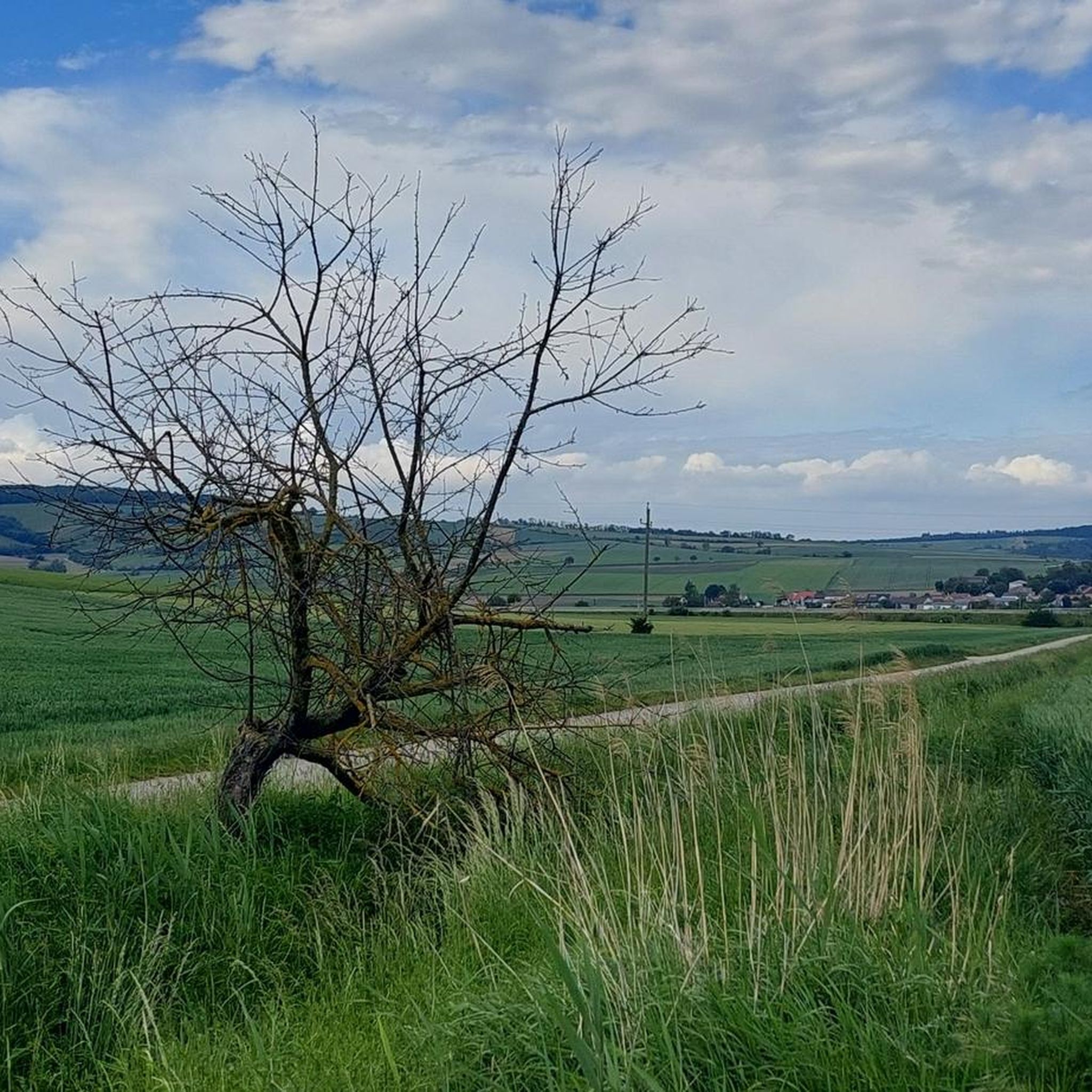
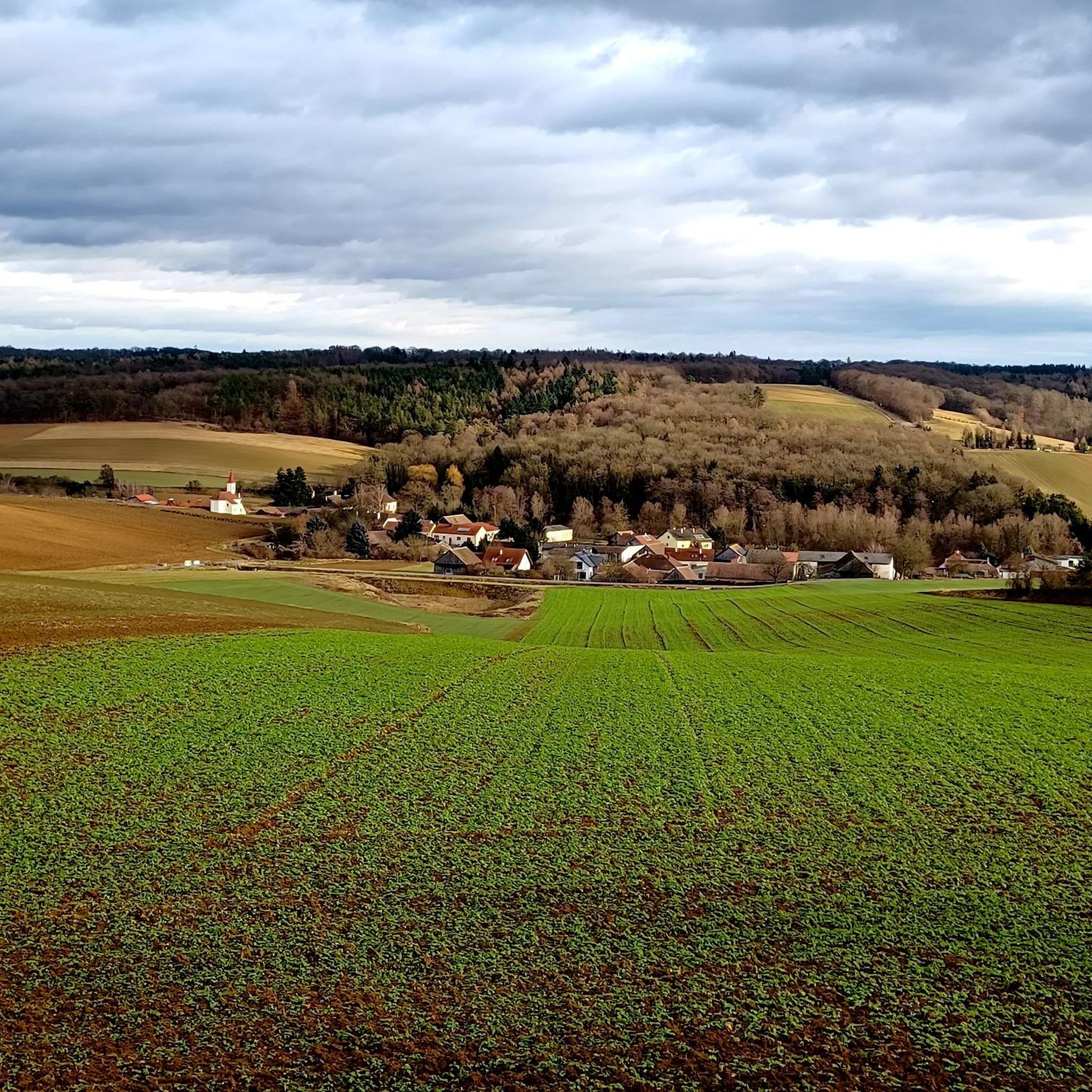
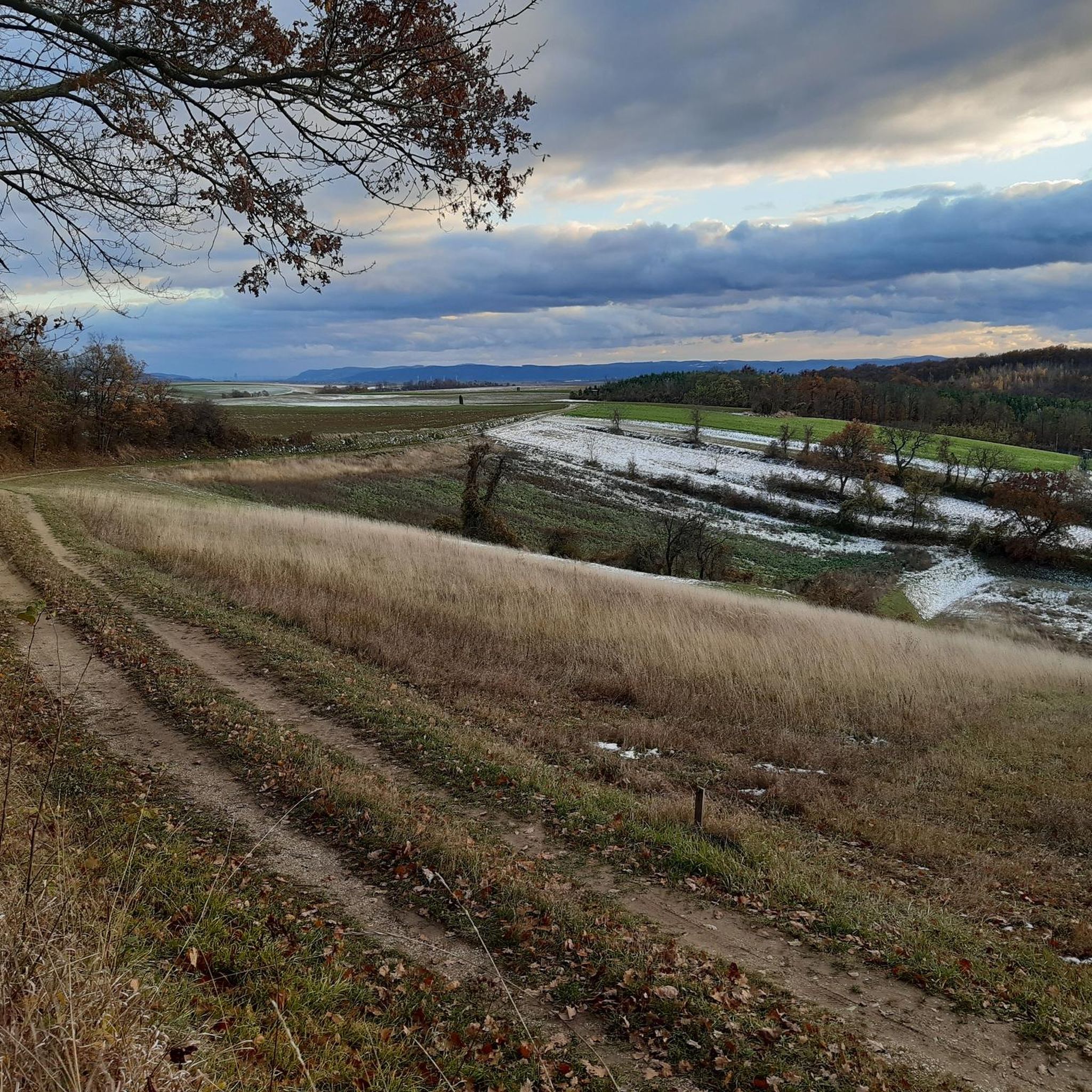
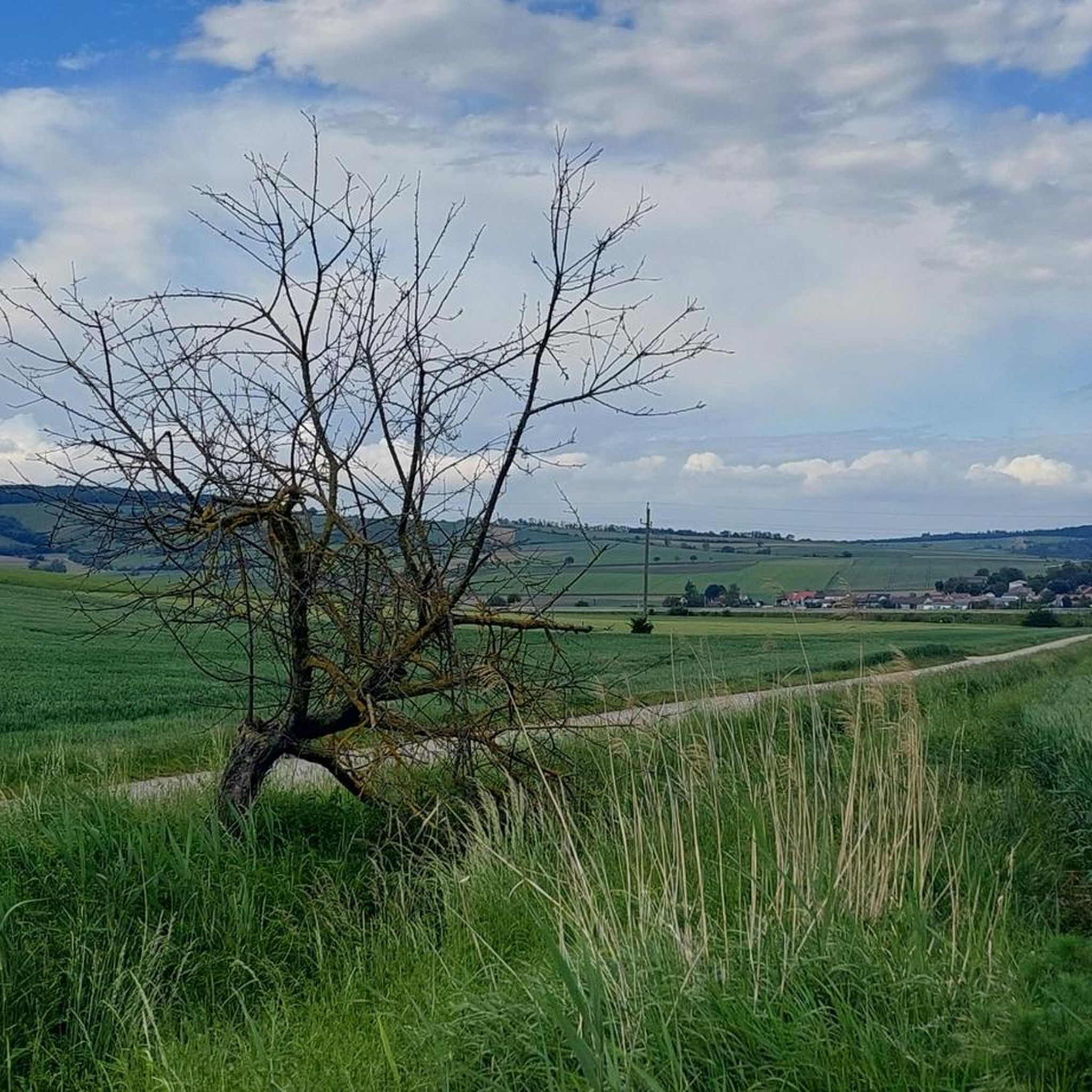

Tips from the Community

The highlight of the Leeberg MTB circuit. From this impressive artificial hill, you have a fantastic view over the Weinviertel region.
2
0

A beautiful single trail leads here, starting at the Kolisko Warte
0
0
It's interesting what you discover when you walk the Great Tullnerfeld Circular Hiking Trail 675.
1
0

Stately burial mound, which can be seen from afar. Is under protection, climbing is also prohibited. Unfortunately, some don't stick to it, as you can see from the well-trodden path.
1
0

Built in 1886 and 1935 by Dr. Brought Kolisko to its current form. Named after Laurenz Proell, 1881 – 1886 high school professor in Hollabrunn.
1
1
Great opportunity to refresh yourself briefly.
1
0

Grossmugel tumulus
0
0

The Leeberg Niederhollabrunn in the market town of Niederhollabrunn in Lower Austria is a burial mound (Latin tumulus, plural tumuli) under monument (list entry) and nature conservation (list entry). The Leeberg is round in plan and has a height of 237 m above sea level. A. and protrudes around 10 m from the surrounding plain. There is a cross on the top of the hill. The tumulus was filled in during the Hallstatt culture. An improper excavation took place in the 19th century, from which all finds have been lost. An occurrence of the pale poplar rose (Alcea biennis), which is very rare in Austria and threatened with extinction, at the foot of the slope. The hill consists of loess or loess clay. Due to the steepness and aridity of its slopes, the Leeberg could not and cannot be used for agriculture and valuable Pannonian dry grasslands formed. In the Austrian dry grass catalog these were classified as regionally important and represent a species-rich island in the now cleared arable landscape. [Source: Wikipedia]
1
0
Frequently Asked Questions
What unique natural monuments can I explore around Göllersdorf?
Göllersdorf offers a blend of historical and natural sites. You can visit the Leeberg Burial Mound, Niederhollabrunn, which is a historical burial mound under monument and nature conservation, known for its valuable Pannonian dry grasslands. Another significant site is the European Bee-Eater Colony, a special viewpoint where you can observe these rare birds nesting in sand walls.
Are there any natural monuments with historical significance in the Göllersdorf area?
Yes, the region features several historically significant natural monuments. The Leeberg Burial Mound (Großmugl) is a 16-meter-high hill grave from the Hallstatt period, offering fantastic views over the Weinviertel region. Additionally, the Saint Koloman Memorial Plaque and Elder Tree marks a site of local legend and historical interest.
What kind of views can I expect from the natural monuments around Göllersdorf?
Many natural spots in Göllersdorf provide scenic vistas. From the Leeberg Burial Mound (Großmugl), you can enjoy a fantastic panoramic view over the Weinviertel region. The broader landscape, including paths along the Pulkau River and through vineyards, also offers breathtaking views of the surrounding countryside, and on clear days, even glimpses of Vienna.
Are there family-friendly natural monuments in Göllersdorf?
Absolutely. The Leeberg Burial Mound (Großmugl) is considered family-friendly, as is the European Bee-Eater Colony, which offers a unique wildlife observation experience. The Göllersdorf Castle Park, while not a formal natural monument, provides a significant natural space for families to relax and children to play.
When is the best time to visit the natural features and monuments in Göllersdorf?
The natural beauty of Göllersdorf can be enjoyed throughout the year, but certain seasons offer unique experiences. Spring and summer are ideal for walks along the Pulkau River when nature is in full bloom. Autumn is particularly recommended for visiting the vineyards, as the grapes are ripe and display a warm blaze of color.
What outdoor activities can I do near Göllersdorf's natural monuments?
Göllersdorf is a paradise for outdoor enthusiasts. You can find numerous hiking trails that wind through vineyards and along the Pulkau River. For cycling, there are various options, including road cycling routes, gravel biking tours, and MTB trails that allow you to explore the diverse landscape.
Are there any natural springs or tranquil spots to visit?
Yes, the Laurenzi Bründl Spring offers a great opportunity to refresh yourself briefly. This spring, built into its current form in 1886 and 1935, provides a peaceful spot for a short break.
What makes the natural landscape of Göllersdorf unique?
The natural landscape of Göllersdorf is characterized by its rolling hills, the serene Pulkau River, and picturesque vineyards. This diverse terrain offers a tranquil Austrian countryside experience, with well-developed hiking trails providing varied experiences from river walks to panoramic viewpoints.
Can I find easy walking trails around Göllersdorf's natural features?
Yes, Göllersdorf offers several easy walking opportunities. The paths along the Pulkau River provide idyllic and serene experiences, particularly in spring and summer. The Göllersdorf Castle Park also offers a relaxed setting for a stroll.
What kind of wildlife can I expect to see near the natural monuments?
The European Bee-Eater Colony is a prime location for observing the now rare Bee-eater birds nesting in breeding caves. The valuable Pannonian dry grasslands at the Leeberg Burial Mound, Niederhollabrunn, also represent a species-rich island within the agricultural landscape, hinting at diverse local flora and fauna.
Are there any specific recommendations for hiking near Göllersdorf's natural attractions?
The region is excellent for hiking. You can find well-marked paths among the vineyards, offering wonderful views of the picturesque village. The idyllic path along the Pulkau River is also highly recommended, providing breathtaking views and a serene experience. For more structured routes, explore the MTB trails or general hiking paths in the area.
Most popular routes around Göllersdorf
Most popular attractions around Göllersdorf

Get inspired with the komoot mobile app


Explore more
Extend your search for the best caves by checking out these guides of the top ones around Göllersdorf:
