Sankt Kanzian am Klopeiner See
Sankt Kanzian am Klopeiner See
Top 20 Natural Monuments around Sankt Kanzian am Klopeiner See
Best natural monuments around Sankt Kanzian am Klopeiner See are found in Carinthia, Austria, a region characterized by its diverse natural landscape. The area features warm lakes, significant nature reserves, and notable geological formations. These natural features offer opportunities for exploration and observing diverse ecosystems.
Best natural monuments around Sankt Kanzian am Klopeiner See
- The most popular natural monuments is Hochobir Summit Cross, a summit that offers expansive views on clear days. This location provides panoramic vistas of the…
Last updated: August 17, 2026
Hochobir Summit Cross
Highlight • Summit
Translated by Google •
Tip by

Gösselsdorfer See Natural Swimming Area
Highlight • Lake
Translated by Google •
Tip by

Sign up now to discover places like this
Get recommendations on the best single tracks, peaks, & plenty of other exciting outdoor places.
Sign up for free
Wildensteiner Waterfall
Highlight • Waterfall
Translated by Google •
Tip by

Devil's Stone near Globasnitz
Highlight • Natural Monument
Translated by Google •
Tip by

Wildensteiner Waterfall
Highlight • Waterfall
Translated by Google •
Tip by

Sign up for free to discover even more natural monuments around Sankt Kanzian am Klopeiner See.
Sign up for free
Already have an account?
Start today with a free account
Your next adventure awaits.
Login or Signup
Popular around Sankt Kanzian am Klopeiner See
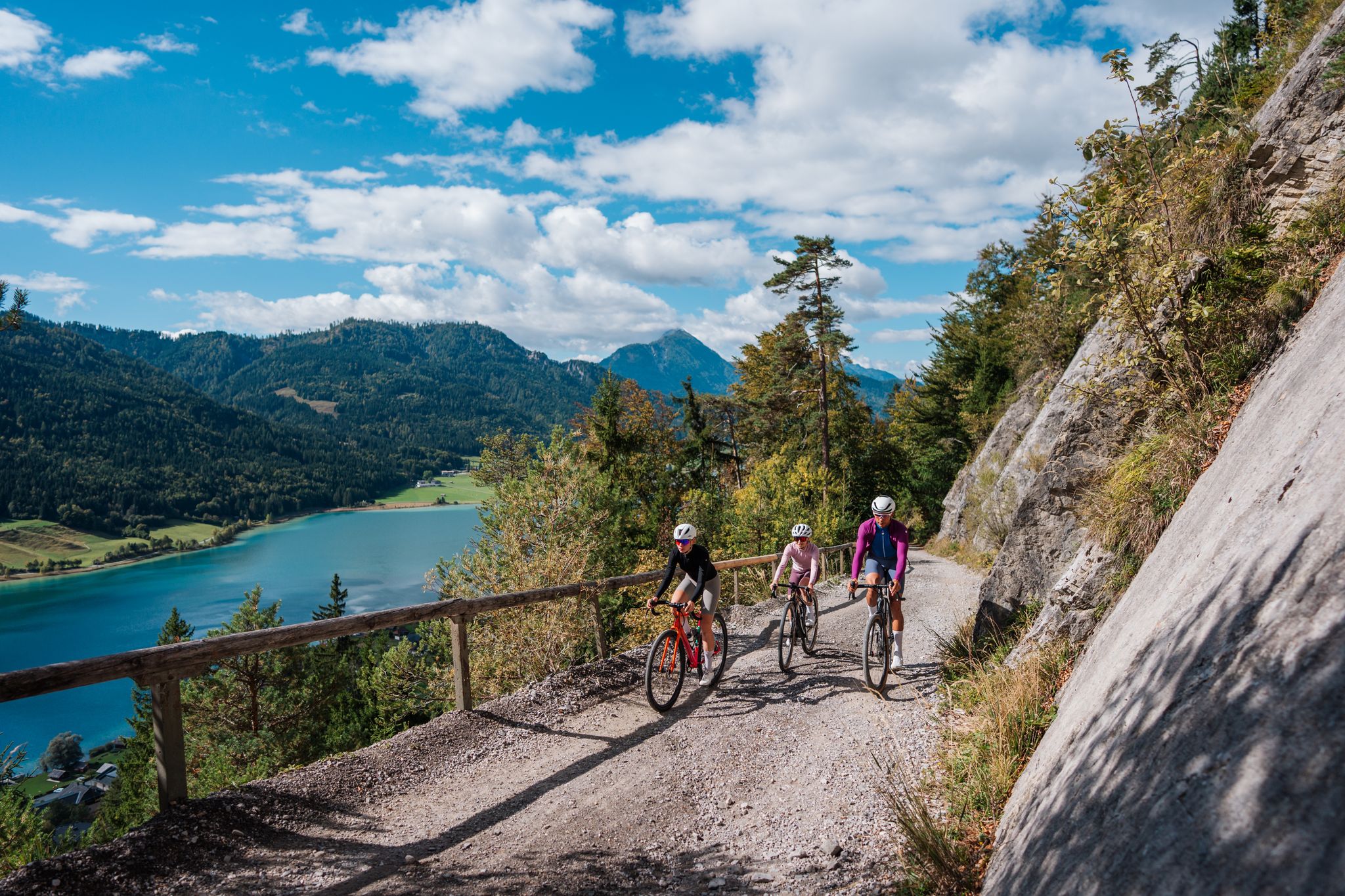
Gravel Carinthia
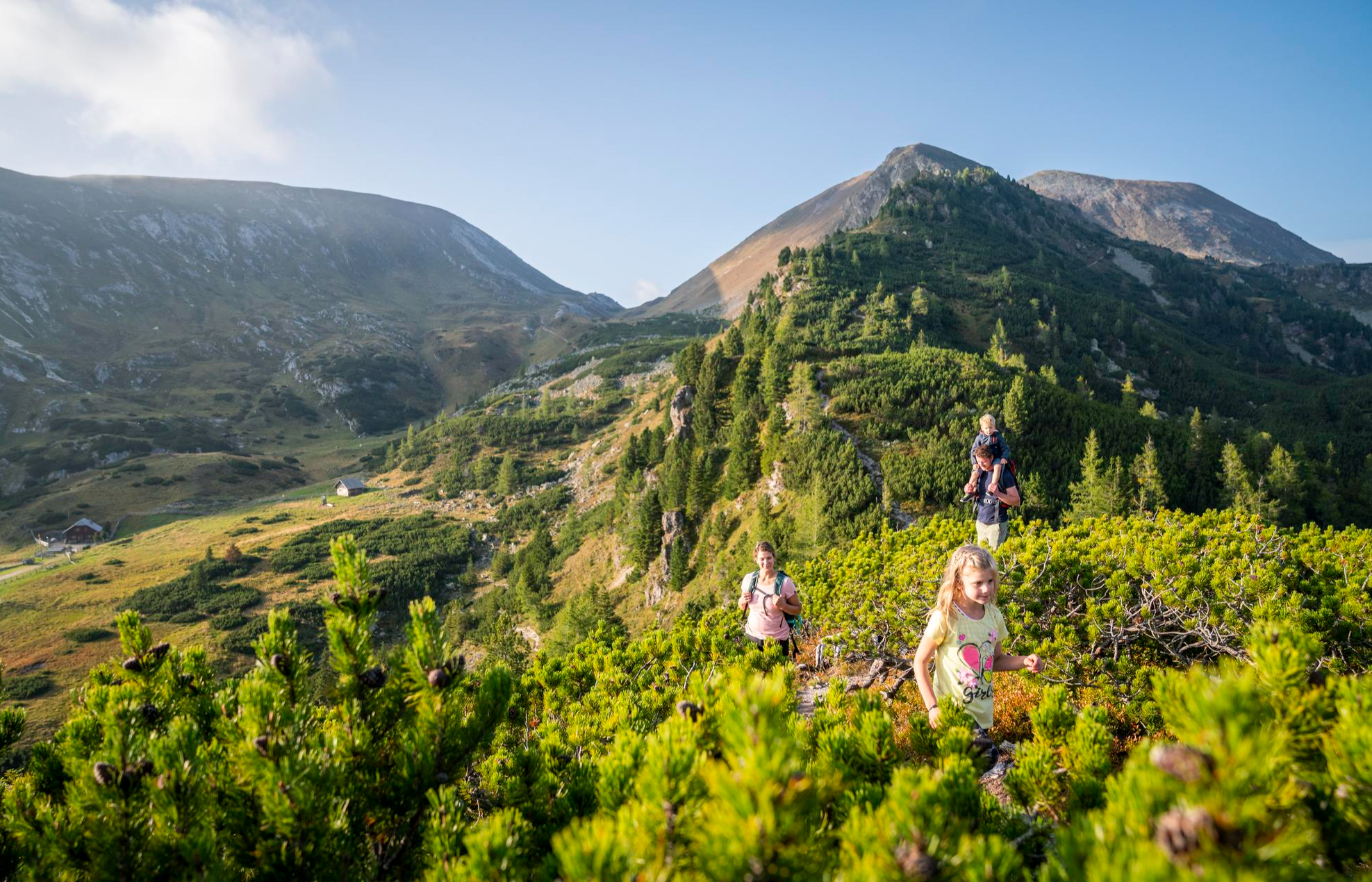
Joyous adventures experienced together – family hiking in Carinthia
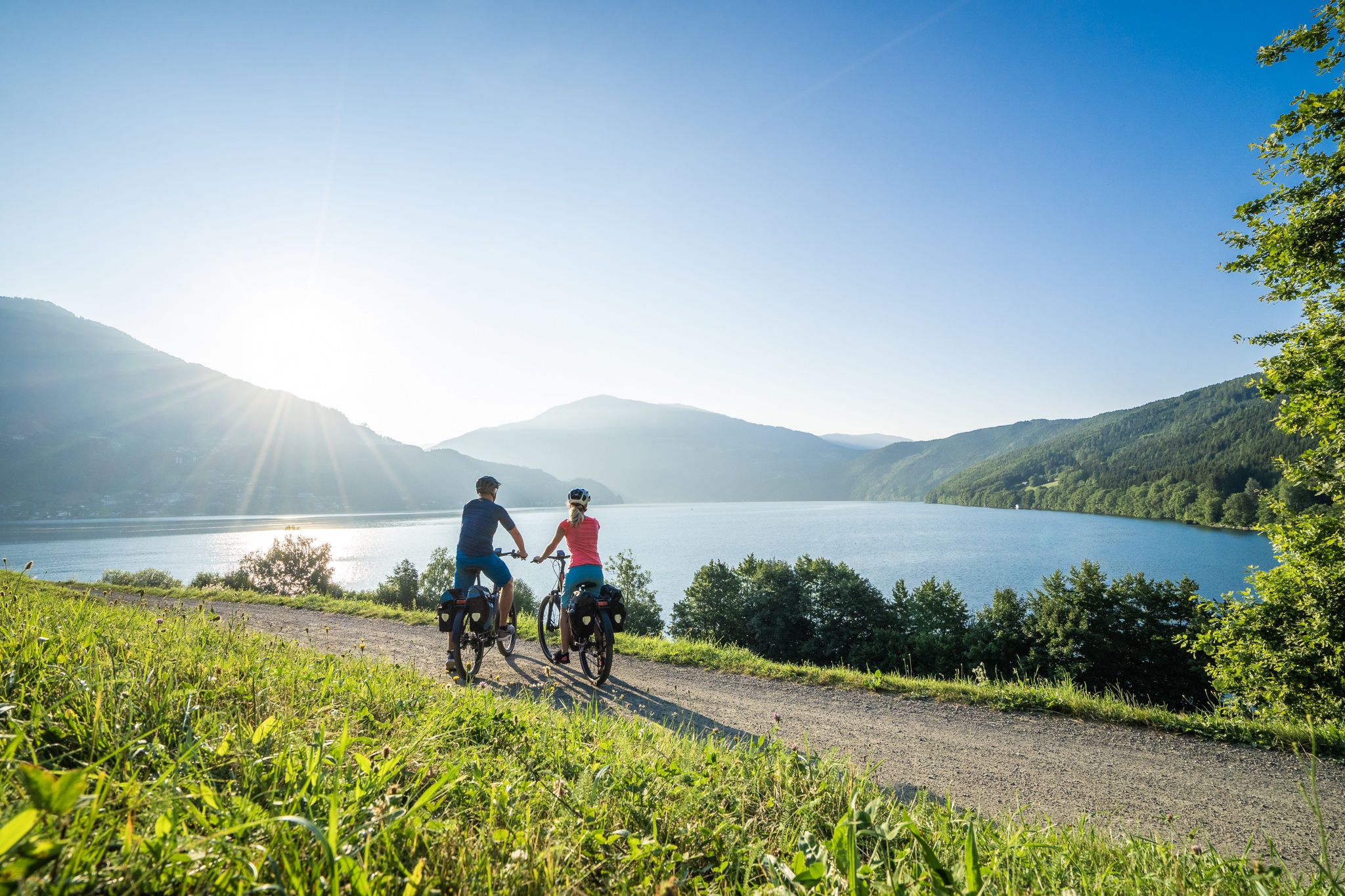
Cycle in the sunny south of Austria – Carinthia Lakes Loop
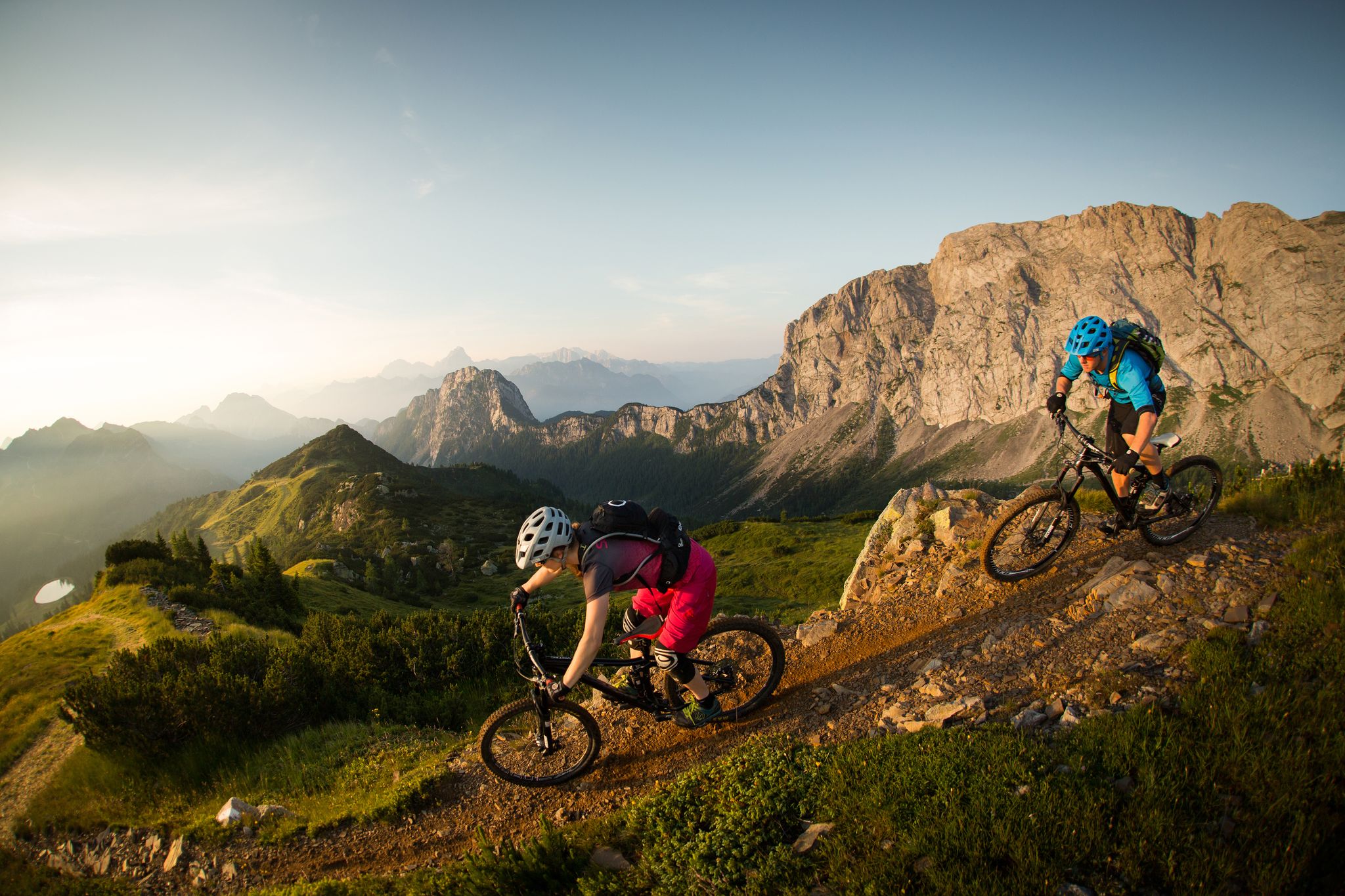
Flow as an attitude to life – 5 Flow Trails Carinthia in south Austria
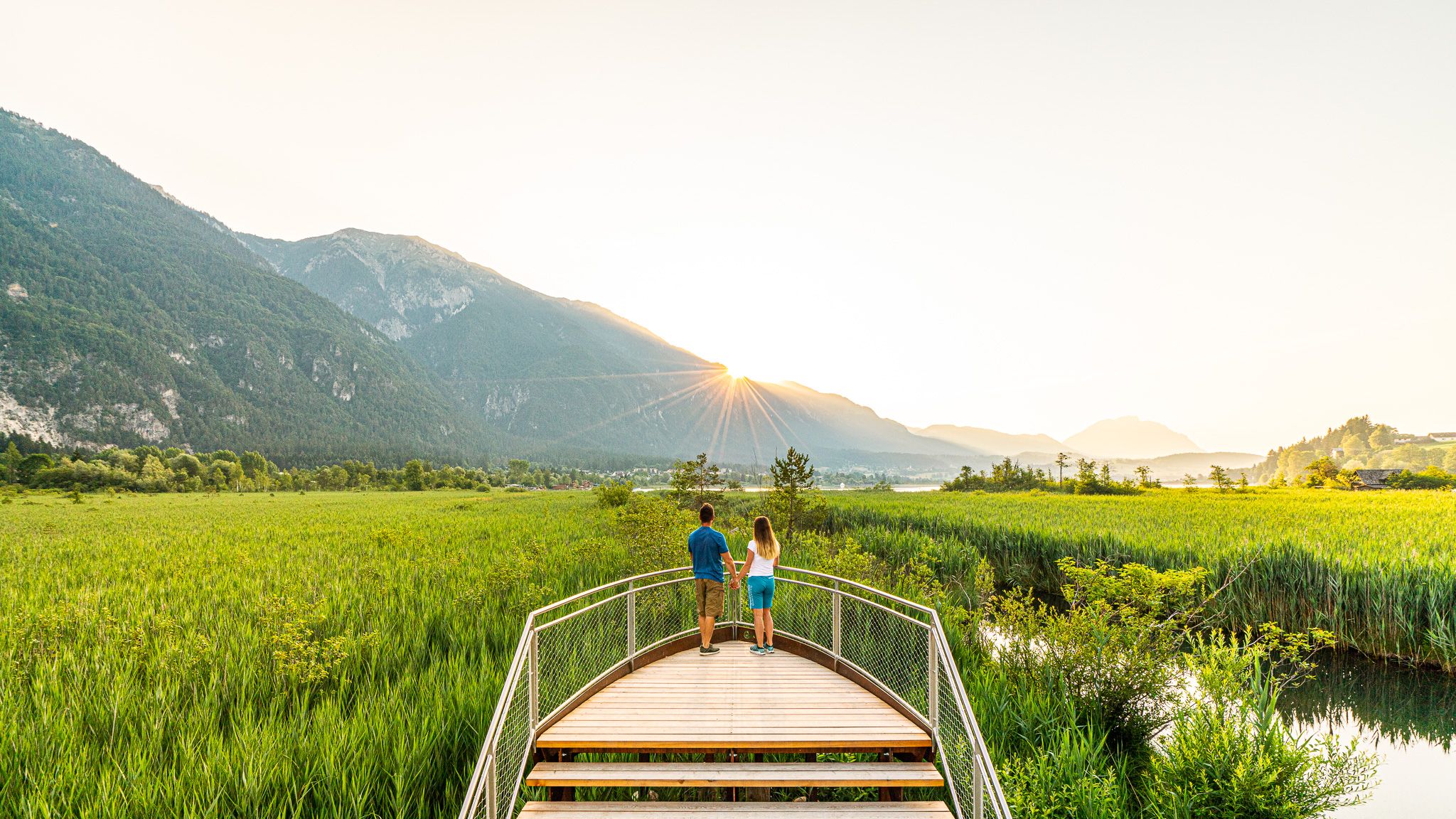
Relaxed hiking — discover the Slow Trails in Carinthia
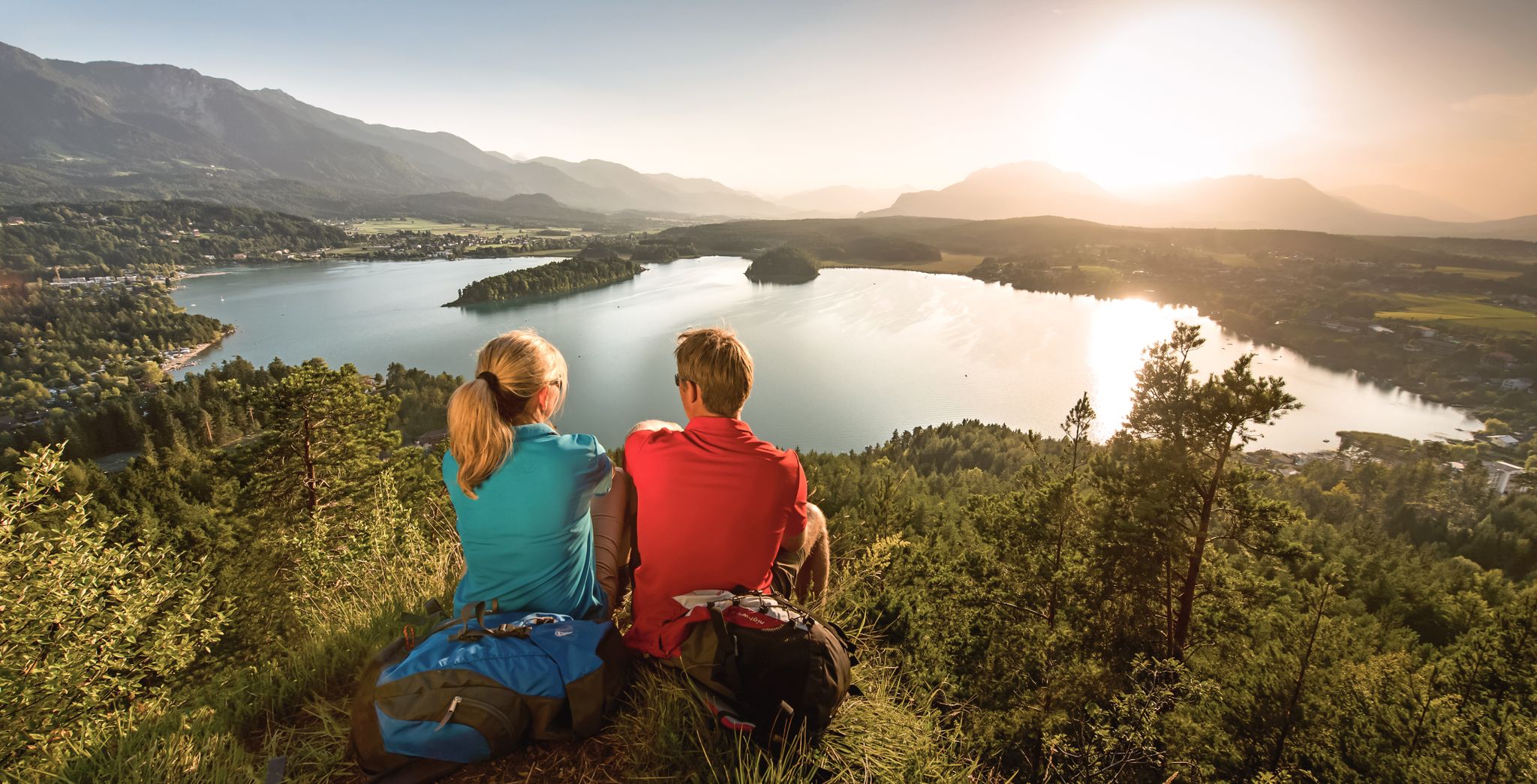
Panoramic hikes around the most beautiful lakes of Carinthia
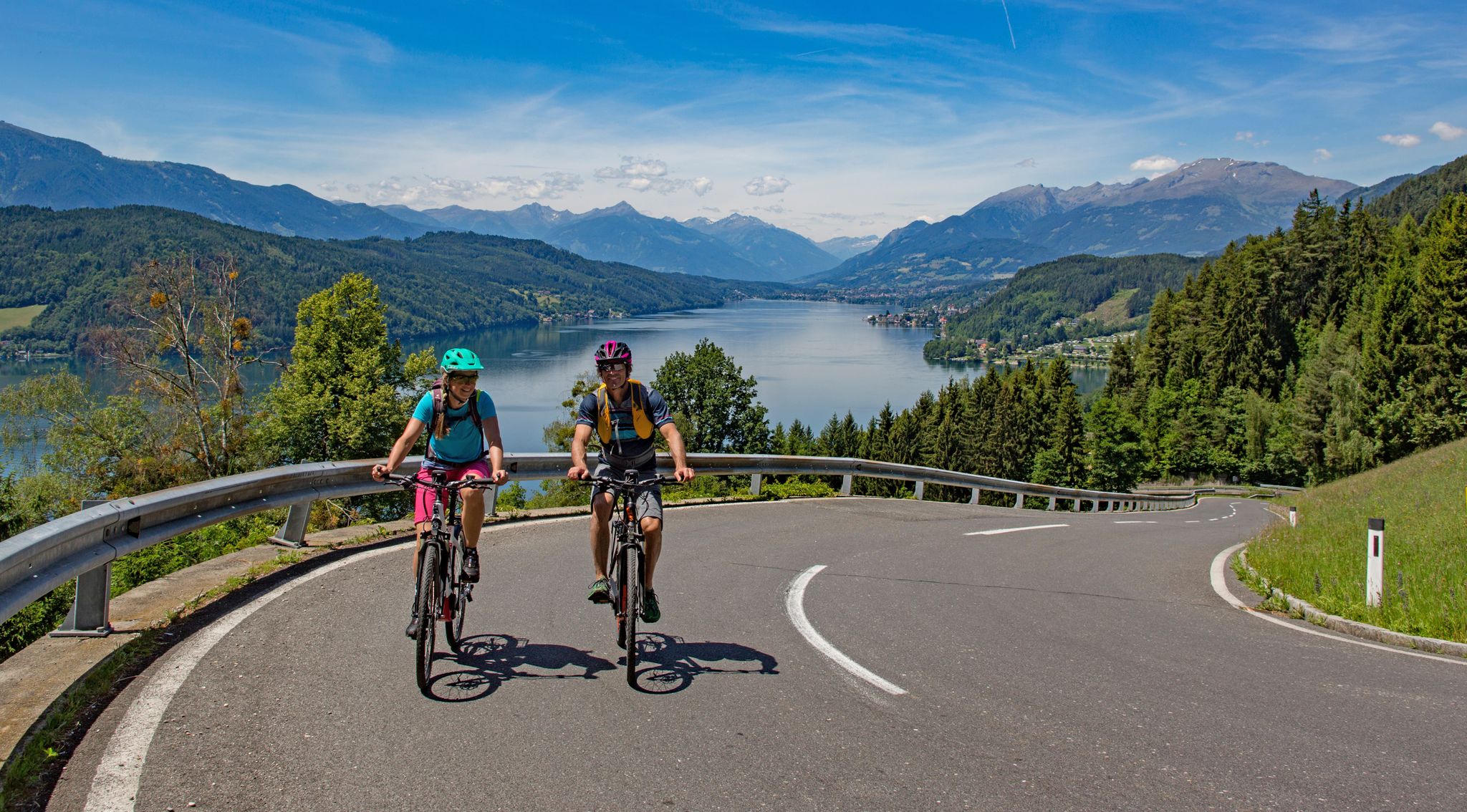
Cycling and e-biking alongside five lakes in Carinthia
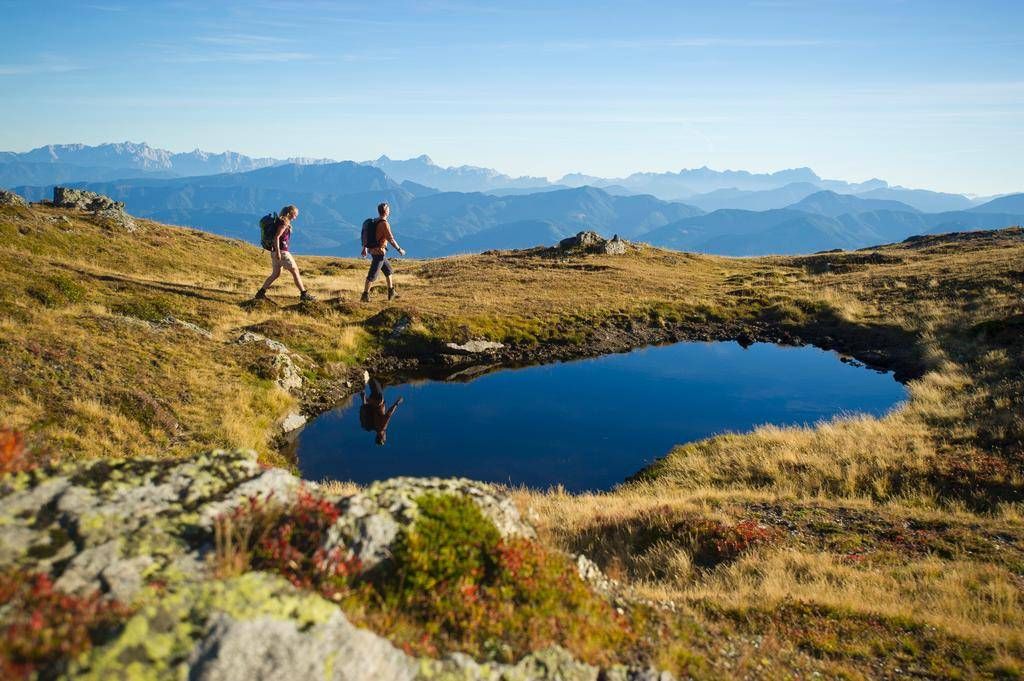
Delightful hiking along the Carinthian Lakes
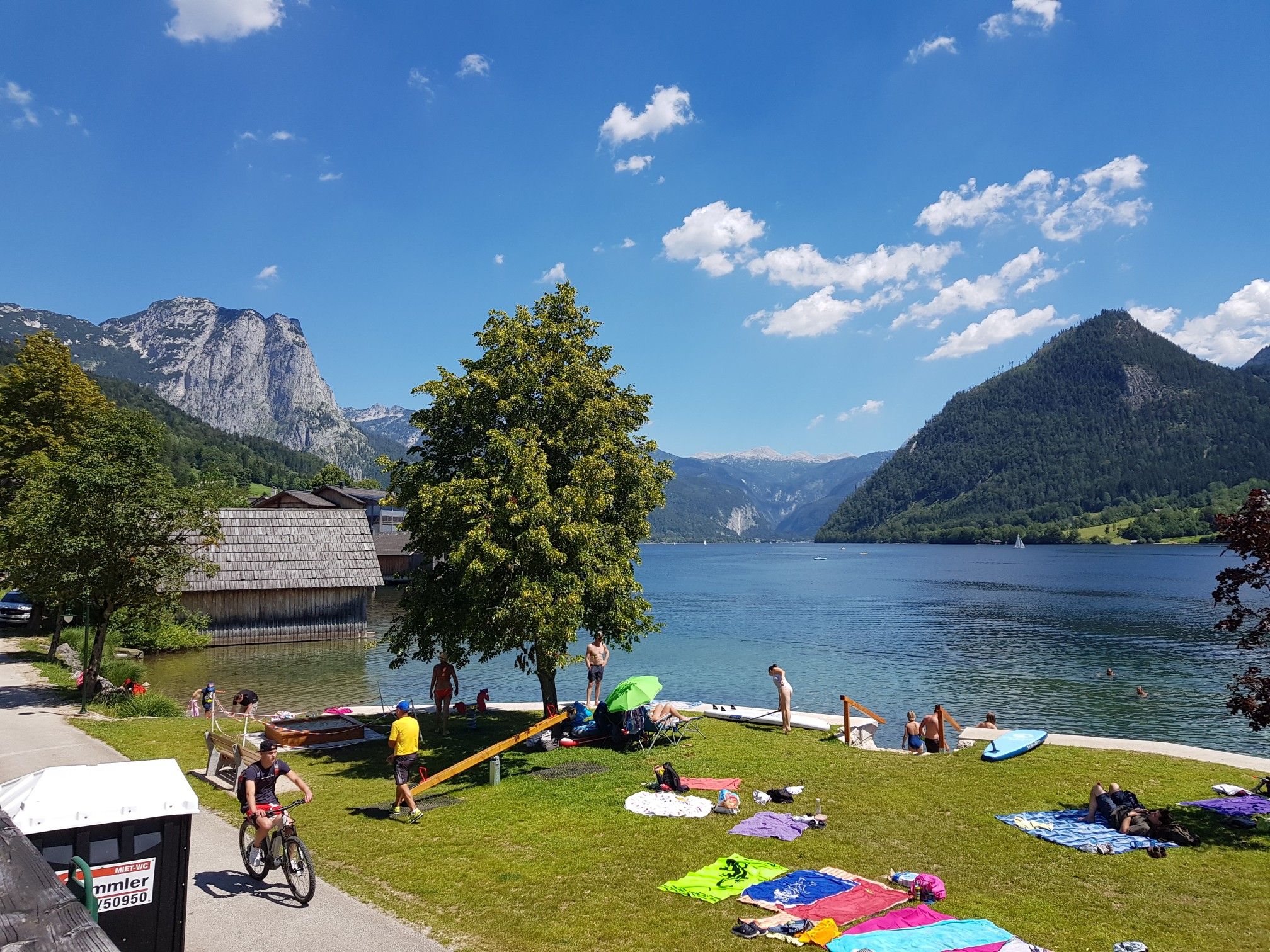
Austria's sensational swimming lakes
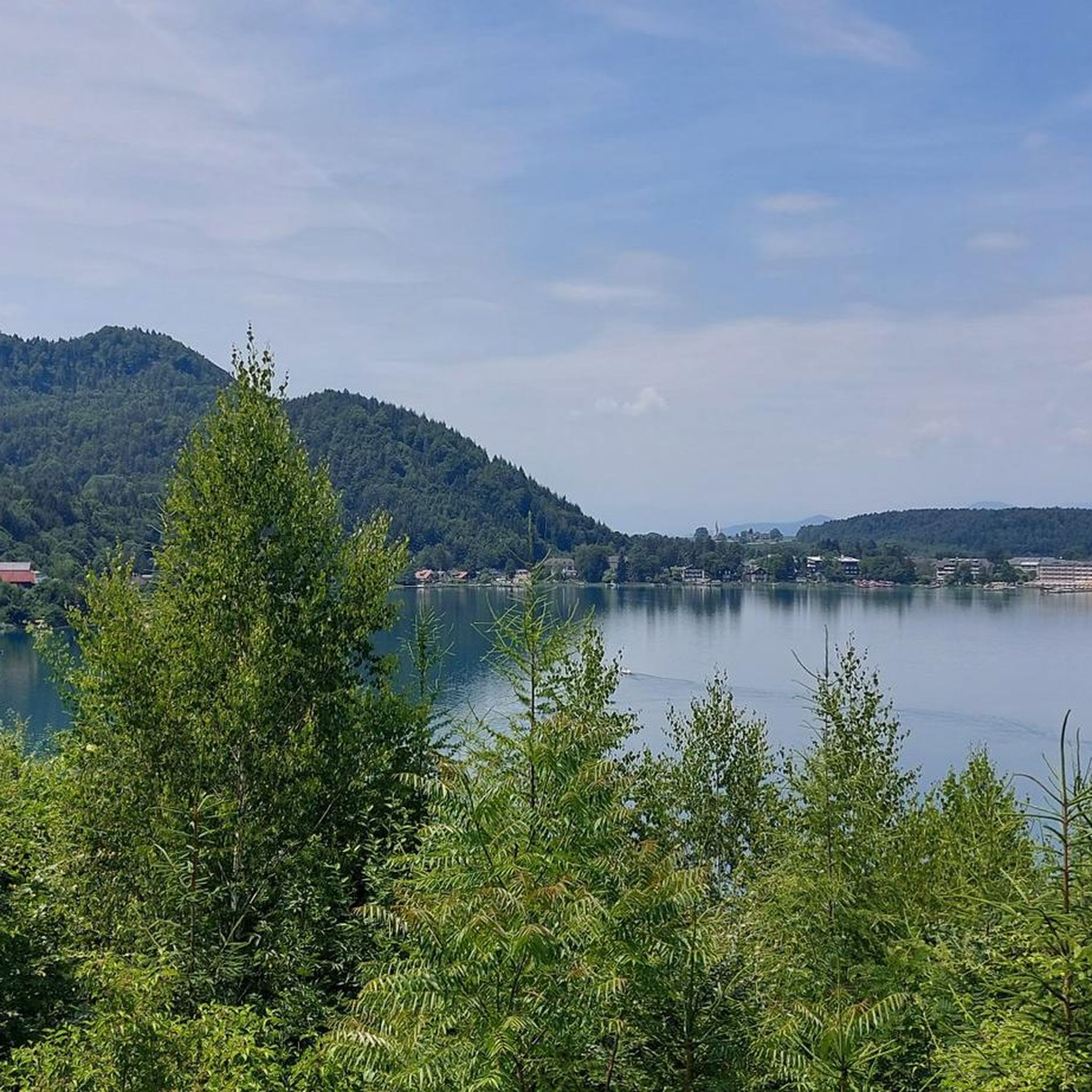
Hiking around Sankt Kanzian am Klopeiner See
Other adventures around Sankt Kanzian am Klopeiner See

Tips from the Community

Lake Gösselsdorf is located in the heart of a nature reserve. It invites you to stroll, linger, and dream all year round. In summer, the water temperature reaches up to 27 degrees Celsius, making it the perfect place to cool off on warm days. Its water is clear and of drinking quality. It is also known that calamus grows in the lake, which makes for particularly beautiful, supple skin.
1
0
I have to disagree with my predecessor. The lake is said to have very good, healing water, despite, or perhaps because of, the water lilies...
1
0

Approx. 15 min. climb to the Wildenstein Waterfall. The highest free-falling waterfall in Europe. It's definitely worth it.
2
0
The entire lake is 80% covered with water lilies.
1
0
Beautiful lake, but not really suitable for swimming as it is 80% covered with water lilies.
2
1
Impressive waterfall with a drop of 50 meters. The highest of its kind in Europe. From the car park, the path takes you up to the waterfall in serpentines and is sometimes quite steep, taking another 15 minutes. The path is closed to bicycles!
3
0

The Devil's Stone in the Jauntal valley near Globasnitz in Carinthia. According to legend, the rock was broken off the Petzen (a 2126 meter high mountain peak a little further south) by the devil in anger over an escaped soul and hurled into the Jauntal valley. The devil's thumbprint can still be seen on the front today.
3
0
Its name already suggests that the approximately six-meter-high structure made up of three rock blocks piled on top of each other cannot simply be a freak of nature. According to legend, the devil is not only the eponym, but is said to have had a hand in the construction of the stone himself. Seen from a distance, the walls of the stone initially appear quirky and crooked. Up close, however, a flat surface is revealed. This could have been formed either by the weather or by human hands. Several scientific studies have already dealt with this question as well as the question of the astronomical significance of the stone. Measurements have shown that the Teufelstein, together with the Königskogel and four old churches in the area, forms a geometric pattern in the shape of a dragon or deltoid. Another astronomical peculiarity is the orientation of the large, flat wall, which points to the axis of the great lunar solstice as well as that of the winter and summer solstices. According to scientists, this cannot be just a coincidence, but rather the stone tower was precisely aligned. (Source: http://www.calendersign.com/de/aa_teufelstein.php.3.8.2014) Perhaps it was the devil himself who placed the rocks on top of each other in exactly this way? In any case, the legend of the Devil's Stone says that the fallen angel Lucifer tried to build a tower to heaven on Christmas Eve. He would have had time until the second bell rang during communion to be taken back to heaven. When this attempt failed, he is said to have left the unfinished tower on earth in a rage and returned to hell himself. In any case, it seems certain that the Devil's Stone, as it is popularly known, has always had a special attraction for people. The Styrian poet Peter Rosegger once reported on a mass, the so-called "Teufelsteinkirtag", which is said to have taken place annually on St. Lawrence's Day at least until 1890. Now, more than 100 years later, around 500 people gather at the Teufelstein on the morning of the winter solstice to watch the sunrise. For a long time, the Teufelstein was considered a pagan cult site and was demonized by the church, but today the site is a mystical place that many people find to be filled with a unique atmosphere and power and that still poses a mystery to science.
2
0
Frequently Asked Questions
What are some unique natural monuments to visit around Sankt Kanzian am Klopeiner See?
The region offers a diverse range of natural monuments. You can explore the internationally recognized Sablatnigmoor Nature Reserve, known for its rich biodiversity and birdwatching opportunities. Other notable sites include the warm bathing lakes Gösselsdorfer See Natural Swimming Area, Klopeiner See, and Turnersee, as well as the impressive Wildensteiner Waterfall, which plunges 54 meters.
Are there any natural monuments with historical or geological significance?
Yes, the Devil's Stone near Globasnitz is a natural monument with a local legend, said to have been thrown by the devil. The Kleinsee is also a geological remnant from the last ice age, offering insight into the region's natural history.
What natural monuments are suitable for families with children?
Many natural monuments are family-friendly. The warm waters of Gösselsdorfer See Natural Swimming Area and Klopeiner See are ideal for swimming and water activities. The Wildensteiner Waterfall offers an impressive sight after a short, scenic walk, and the Sablatnigmoor Nature Reserve has an educational marsh trail and visitor center that can engage younger visitors.
Can I go hiking near these natural monuments?
Absolutely. The area around Sankt Kanzian am Klopeiner See is excellent for hiking. For example, you can find mountain hikes that lead to the Hochobir Summit Cross, offering expansive views. You can explore various routes and trails by checking out the Mountain Hikes around Sankt Kanzian am Klopeiner See guide.
Are there opportunities for cycling or mountain biking near the natural monuments?
Yes, the region provides several options for cycling. You can find gravel biking routes that explore the landscape around the natural monuments, including paths along the Drau River. For detailed routes, refer to the Gravel biking around Sankt Kanzian am Klopeiner See guide.
What is the best time of year to visit the natural monuments in this region?
The natural monuments are beautiful year-round, but the best time depends on your interests. Summer (June to August) is ideal for swimming in the warm lakes like Klopeiner See and Gösselsdorfer See. Spring and autumn offer pleasant temperatures for hiking and exploring nature reserves like Sablatnigmoor, with vibrant flora and fauna. Winter can provide a serene, snow-covered landscape, though some access might be limited.
Are there any caves or underground natural monuments to explore?
Yes, the Obir Stalactite Caves offer an impressive underground experience. Visitors can explore fascinating formations, but it's advisable to bring warm clothing as temperatures inside are consistently cool.
What makes the Sablatnigmoor Nature Reserve special?
The Sablatnigmoor Nature Reserve is an internationally recognized Ramsar and biogenetic reserve, celebrated for its exceptional biodiversity. It hosts over 1,700 animal and 1,800 plant species, including rare orchids, carnivorous plants, and over 170 bird species, making it a significant bird sanctuary in Carinthia. An observation tower and marsh educational trail enhance the visitor experience.
What activities can I do at Klopeiner See and Turnersee?
Klopeiner See and Turnersee are among the warmest bathing lakes in Europe, making them perfect for swimming, kayaking, paddleboarding, and other water sports. Klopeiner See also features a continuous promenade for leisurely strolls, while Turnersee is close to the Sablatnigmoor and hosts a Bird Park, appealing to ornithology enthusiasts.
Are the natural monuments generally accessible by public transport or do I need a car?
While some natural monuments might be reachable by local public transport, having a car often provides more flexibility to explore the diverse sites around Sankt Kanzian am Klopeiner See, especially for locations like the Sablatnigmoor or the Hochobir Summit Cross trailheads.
What do visitors enjoy most about the natural monuments in this area?
Visitors frequently highlight the stunning panoramic views from spots like the Hochobir Summit Cross on clear days. The refreshing experience of the Wildensteiner Waterfall and the pleasant swimming in the warm lakes like Gösselsdorfer See are also highly praised. The unique geological features and rich biodiversity of the nature reserves also leave a lasting impression.
Are there any natural monuments that are particularly good for birdwatching?
Yes, the Sablatnigmoor Nature Reserve is an excellent destination for birdwatching. It is recognized as a significant bird sanctuary, hosting over 170 bird species. An observation tower within the reserve provides ideal viewing points for the central water surface and reed belt. Additionally, the Turnersee area is home to the Turnersee Bird Park, which houses around 300 different bird species.
Most popular routes around Sankt Kanzian am Klopeiner See
Most popular attractions around Sankt Kanzian am Klopeiner See

Get inspired with the komoot mobile app


Explore more
Extend your search for the best caves by checking out these guides of the top ones around Sankt Kanzian am Klopeiner See:
