Top 14 Natural Monuments around Lafnitz
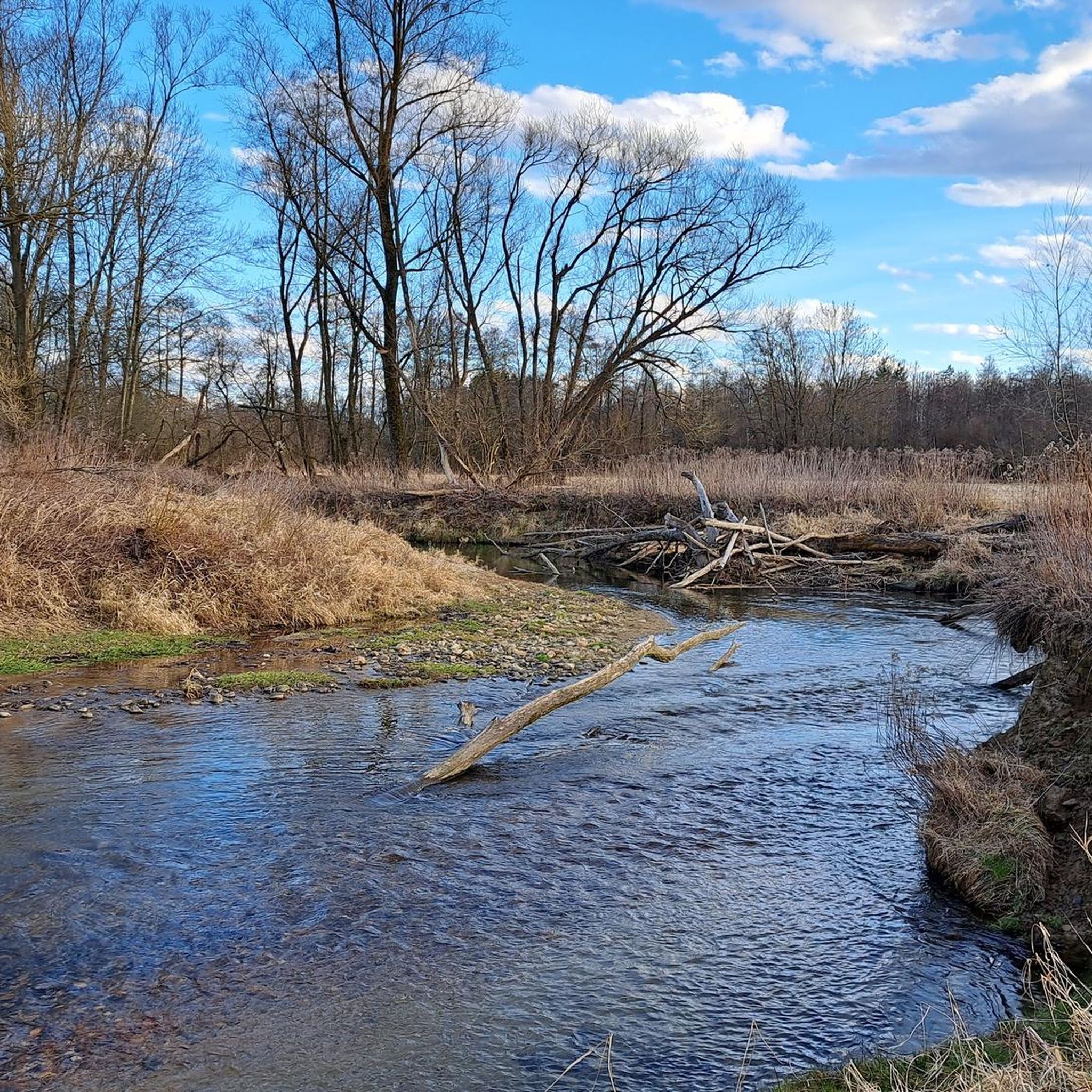
Best natural monuments around Lafnitz are defined by the ecologically significant Lafnitz River and its floodplains. This area is recognized as one of Austria's last largely unregulated lowland rivers, fostering diverse habitats. The region features extensive riparian forests, valley meadows, and wetlands, supporting a rich array of plant and animal species. These natural features contribute to the landscape's ecological value and offer opportunities for nature observation.
Best natural monuments around Lafnitz
- The most popular natural monuments is Hartberger Gmoos,…
Last updated: November 21, 2026
Hartberger Gmoos
Highlight • Natural
Translated by Google •
Tip by

Roman Tomb Lebing
Highlight • Historical Site
Translated by Google •
Tip by

Sign up now to discover places like this
Get recommendations on the best single tracks, peaks, & plenty of other exciting outdoor places.
Bärengraben
Highlight • Natural
Translated by Google •
Tip by

Heiligenbrunn Chapel and Holy Spring
Highlight • Religious Site
sagen.at/doku/quellen/quellen_stmk/Limberg_Heiligenbrunn.html
Translated by Google •
Tip by

Three Remarkable Birch Trees
Highlight • Natural Monument
Translated by Google •
Tip by

Sign up for free to discover even more natural monuments around Lafnitz.
Already have an account?
Start today with a free account
Your next adventure awaits.

Tips from the Community


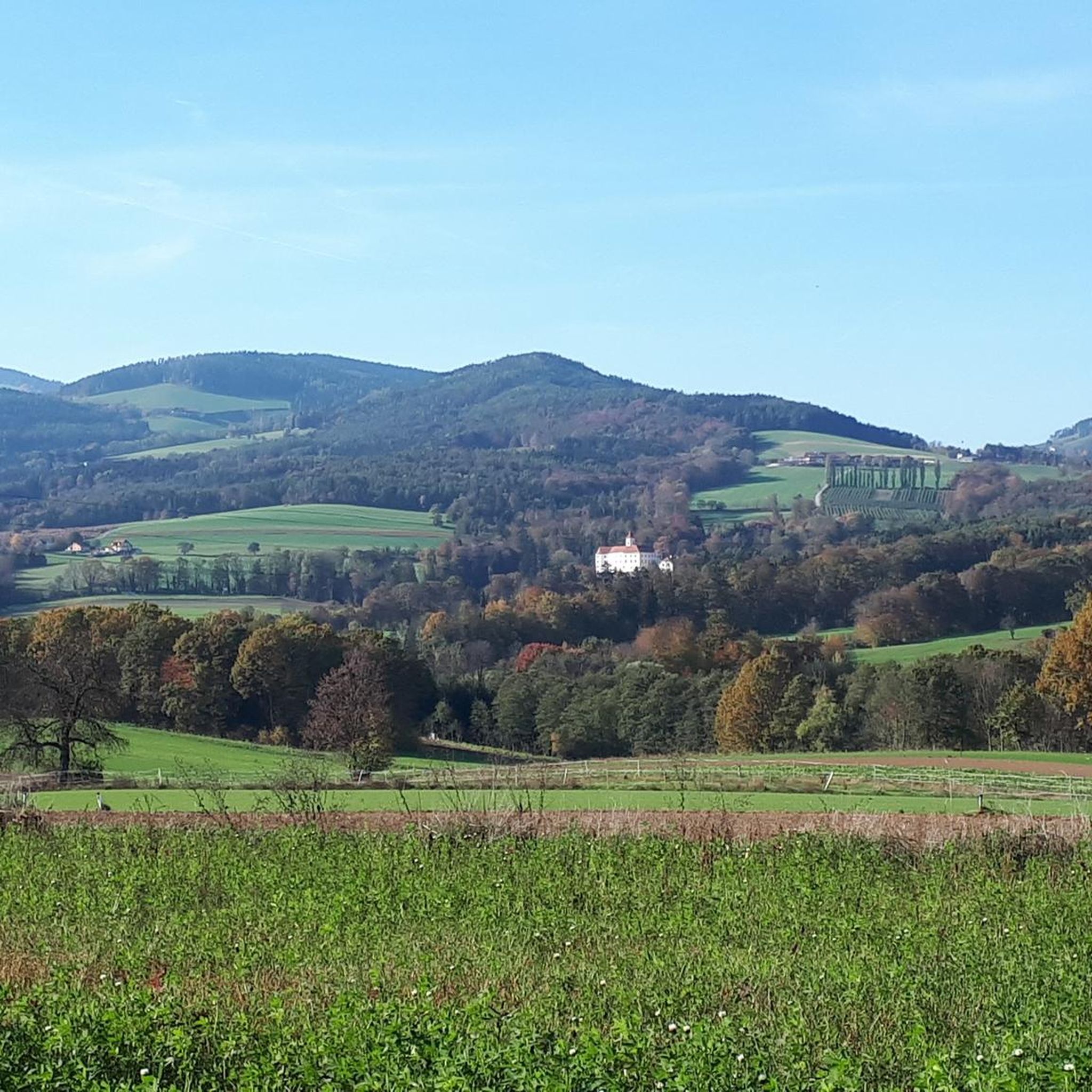
Wonderful chapel located in the forest, for inner reflection, relaxation and unwinding. According to legend, the water that springs from there has a positive effect on eye diseases when you clean your eyes.
0
0

The Lebing burial mound, also known as the Lebinger Hügelgrab or the Lebing Roman Tomb, is a restored tombstone with a reconstructed burial mound from around 200 AD in Lebing near Eichberg. Around the tombstone are glass columns with replicas of the grave goods and an original. The facility is protected by a steel roof. Around 200 AD, the wealthy young couple Sextus Sacretius Priscus and Capitonia Iulia died at the age of 26 and 20. The young woman's parents had the tombstone made for their daughter and son-in-law. The ashes of the two deceased were buried in a solemn ceremony with some grave goods. A large mound of earth was heaped up over the burial chamber. The tombstone was placed in front of the entrance
1
0

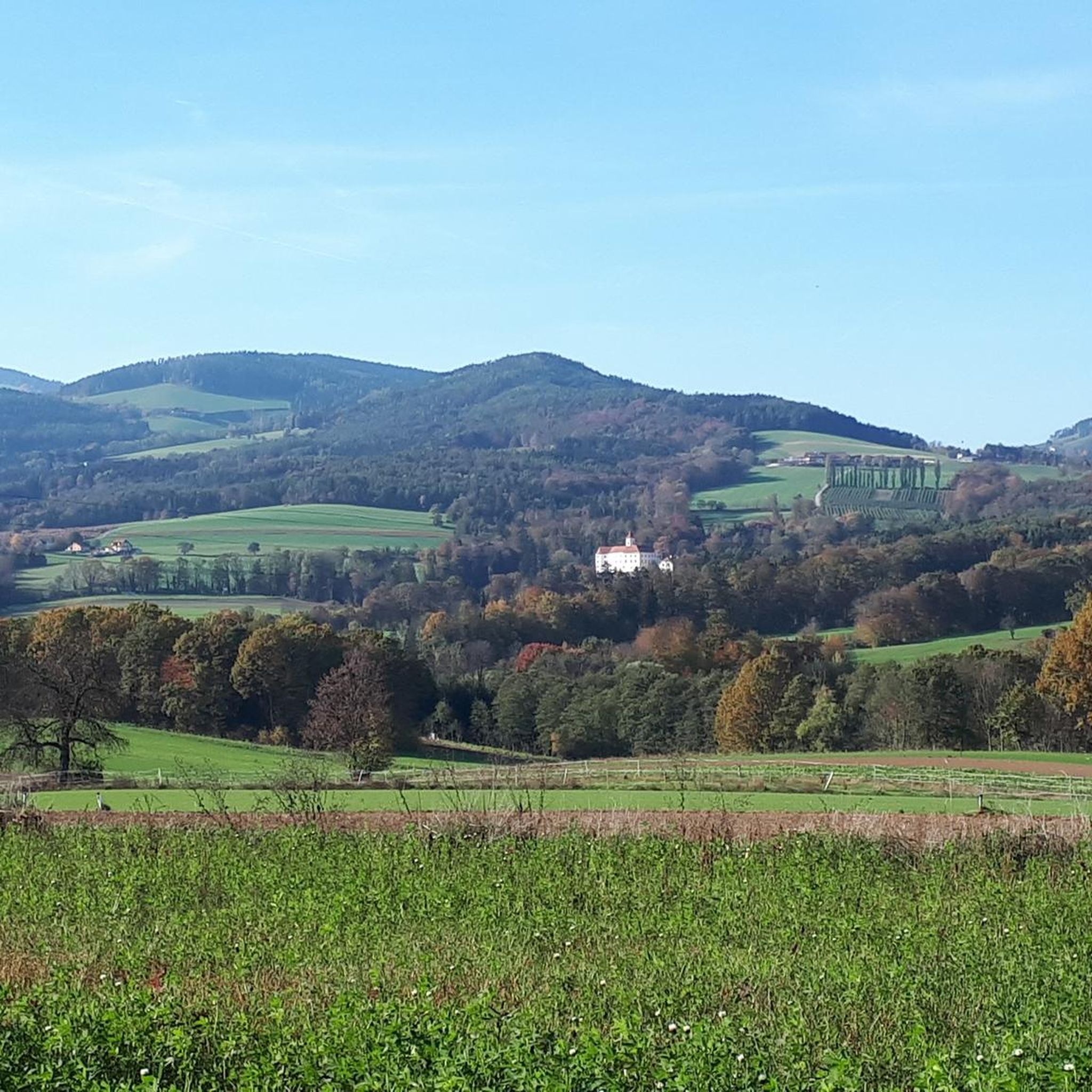
A wonderful comparison to our own life is drawn here in the form of 3 over 100 year old beeches to our own life. Excerpt from the description of these 3 books as "artists of life": "These 3 wonderful beeches want to remind us of "survival". Difficult living conditions and weather conditions have moved and drawn them..."
0
0

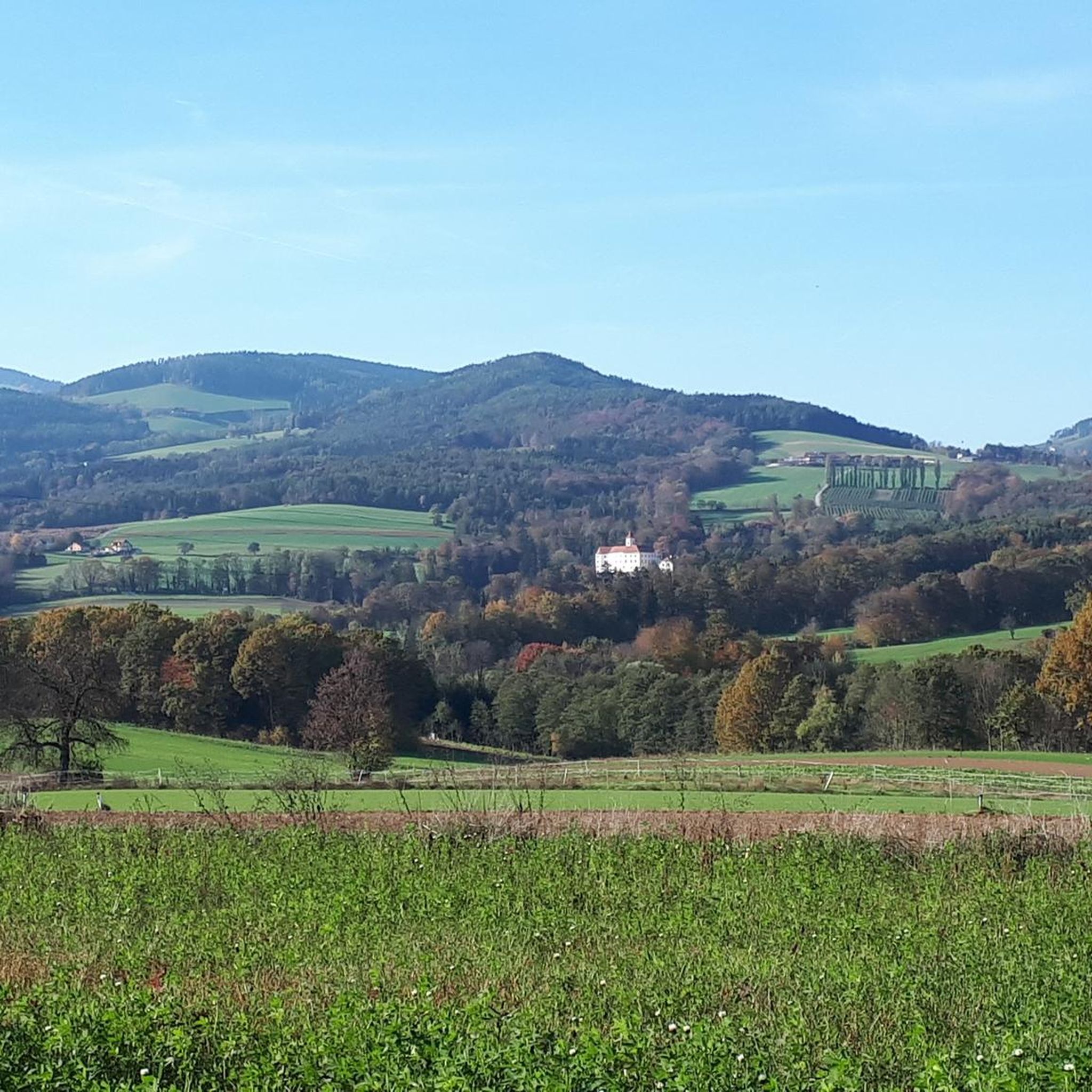
The "Nature experience - Hartberger Gmoos" gives insights into the local natural diversity. Europe-wide endangered and therefore protected species such as the blue buffalo, the kingfisher, the red-backed shrike or the greater mouse-eared bat find a home here.
3
1

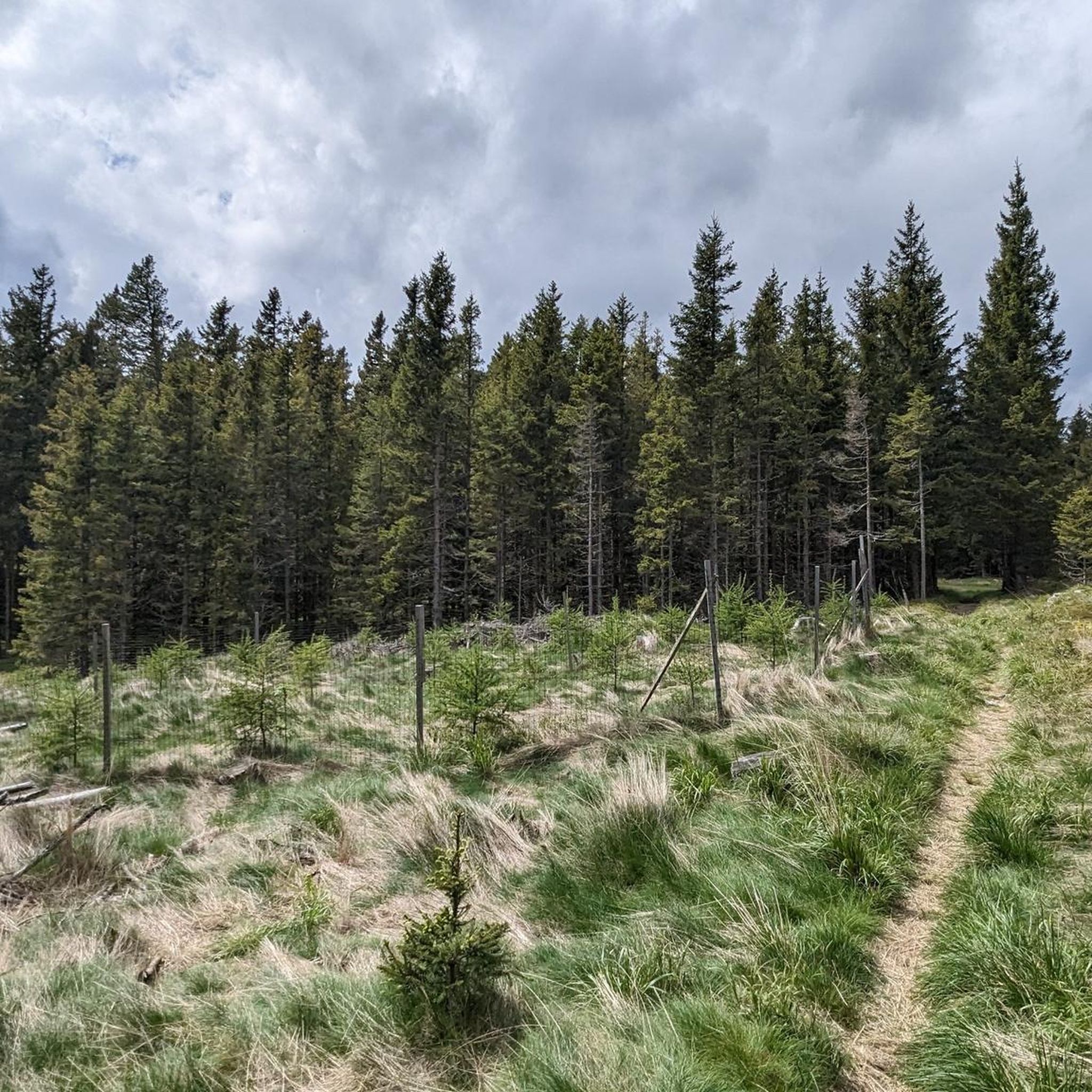
From Friedberg it’s all the way to Schwaighof. Always along the water. There are also historical fountains to see. A nice hiking trail.
0
0

Three wonderful birch trees to remind us of survival.
0
0
Great, exciting hiking trail. Ideally from Friedberg.
0
0
Frequently Asked Questions
What are the most notable natural features in the Lafnitz region?
The most significant natural feature is the Lafnitz River and its Floodplains (Lafnitzauen), recognized as one of Austria's last largely unregulated lowland rivers. This area is part of the larger Lafnitztal European Protected Area and is known for its rich biodiversity, extensive riparian forests, and valley meadows. It creates diverse habitats including sandbanks, oxbow lakes, and various wetlands.
What kind of wildlife can I expect to see in the Lafnitzauen?
The Lafnitzauen are a vital sanctuary for a wide array of animal species. You might observe characteristic species like otters, fire-bellied toads, and pond terrapins. It's also crucial for rare bird species such as the kingfisher, and supports healthy populations of various fish. The adjacent meadows are home to notable insects like the large blue butterfly, while forests provide feeding grounds for bats.
Are there any specific natural monuments suitable for families around Lafnitz?
Yes, several natural monuments are family-friendly. Hartberger Gmoos is a wetland and European protected area, perfect for nature observation. The Bärengraben offers an exciting hiking trail with carved bears, and the Heiligenbrunn Chapel and Holy Spring provides a quiet, contemplative spot with a spring traditionally believed to have positive effects.
What are some unique trees or geological formations to see?
You can visit the Three Remarkable Birch Trees, a natural monument consisting of over 100-year-old birches noted for their resilience. For geological formations, the Allmerfelsen is a large, approximately 30-meter-high rock in the forest, also used for climbing.
What outdoor activities can I do near the natural monuments in Lafnitz?
The Lafnitz Valley offers excellent opportunities for nature observation, walking, and cycling. You can explore various routes, including easy hikes and cycling tours. For more details on routes, check out the Easy hikes around Lafnitz guide or the Cycling around Lafnitz guide.
Are there hiking trails near these natural monuments?
Yes, there are numerous hiking trails. For instance, near the Lafnitzauen, you can find trails like the 'True saying – St. Hubertus Chapel loop from Grafendorf bei Hartberg' or the 'Klaffenau Castle loop from Eggendorf'. These are generally easy and allow you to experience the natural beauty of the region. You can find more options in the Easy hikes around Lafnitz guide.
What is the best time to visit the natural monuments around Lafnitz?
The Lafnitz region, with its river and floodplains, is beautiful year-round. Spring and autumn offer pleasant temperatures for hiking and cycling, with vibrant flora and fauna. Summer is ideal for enjoying the river and its surroundings, while winter can provide a serene, snow-covered landscape, though some trails might be less accessible. The 'Nature experience - Hartberger Gmoos' is freely accessible and enjoyable in various seasons.
Are there any circular walks available near the natural monuments?
Yes, many routes in the area are designed as loops, allowing for circular walks. For example, the 'True saying – St. Hubertus Chapel loop from Grafendorf bei Hartberg' is a popular easy hike. The 'Lafnitzauen Nature Reserve – Café ARKTIS loop from Wagendorf' is a moderate cycling route that also allows for experiencing the natural reserve. Consult the Easy hikes around Lafnitz and Cycling around Lafnitz guides for more options.
What do visitors enjoy most about the natural monuments in Lafnitz?
Visitors appreciate the tranquility and natural beauty of the area. Many highlight the ecological significance of the Lafnitzauen, the opportunity for nature observation, and the well-maintained trails. The Hartberger Gmoos is often praised as a natural recreation and rest area, while the Heiligenbrunn Chapel and Holy Spring is noted for its relaxing and contemplative atmosphere.
Are there options for cycling near the natural monuments?
Absolutely. The 'Lafnitztalradweg B75' runs along the Lafnitz River, offering a great way to experience the natural beauty of the floodplains by bike. There are various cycling routes, from easy to difficult, that pass through or near these natural areas. For detailed routes, refer to the Cycling around Lafnitz and Road Cycling Routes around Lafnitz guides.
Can I bring my dog to the natural monuments in Lafnitz?
Generally, dogs are welcome on trails and in natural areas, but it's always recommended to keep them on a leash, especially in protected areas like the Lafnitzauen, to protect wildlife and ensure a pleasant experience for all visitors. Specific rules may apply in certain designated areas, so always look for local signage.
Where can I find parking near the natural monuments?
Parking availability varies by specific location. For popular spots like Hartberger Gmoos or trailheads for the Bärengraben, there are often designated parking areas. It's advisable to check specific route descriptions or local information for the most convenient parking options before your visit.
Most popular routes around Lafnitz
Most popular attractions around Lafnitz

Get inspired with the komoot mobile app


Explore more
Extend your search for the best caves by checking out these guides of the top ones around Lafnitz:
