Top 13 Natural Monuments around Laßnitzhöhe
Best natural monuments around Laßnitzhöhe offer a serene natural environment within this climatic health resort. The region features a landscape characterized by hills and views stretching to the Graz Basin. Laßnitzhöhe provides opportunities for active relaxation and exploring natural features. This area is known for its mild climate and air quality, making it suitable for outdoor activities.
Best natural monuments around Laßnitzhöhe
- The most popular natural monument is Schlossberg Graz, a viewpoint that is the striking hill in Graz,…
Last updated: May 27, 2026
Schlossberg Graz
Highlight • Viewpoint
Translated by Google •
Tip by

Schlossberg Square
Highlight • Historical Site
Translated by Google •
Tip by

Sign up now to discover places like this
Get recommendations on the best single tracks, peaks, & plenty of other exciting outdoor places.
Sign up for free
Hackher Lion Monument
Highlight • Monument
Kepler Lime Tree
Highlight • Natural Monument
Herberstein Garden
Highlight • Natural Monument
Sign up for free to discover even more natural monuments around Laßnitzhöhe.
Sign up for free
Already have an account?
Start today with a free account
Your next adventure awaits.
Login or Signup
Popular around Laßnitzhöhe
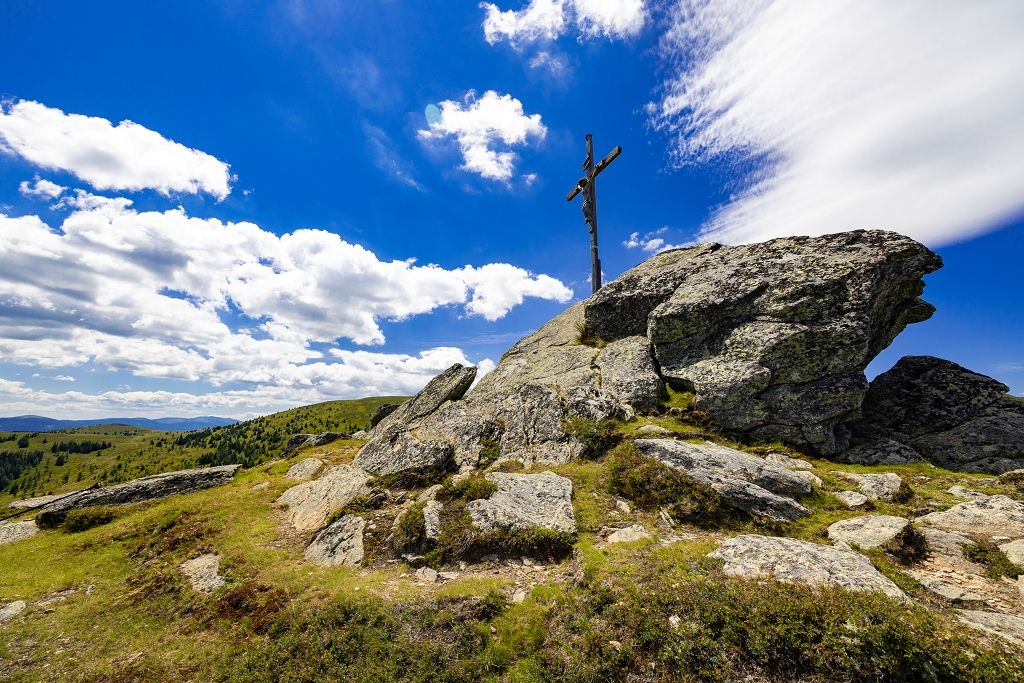
From the city to the countryside in ten minutes – hiking around Graz
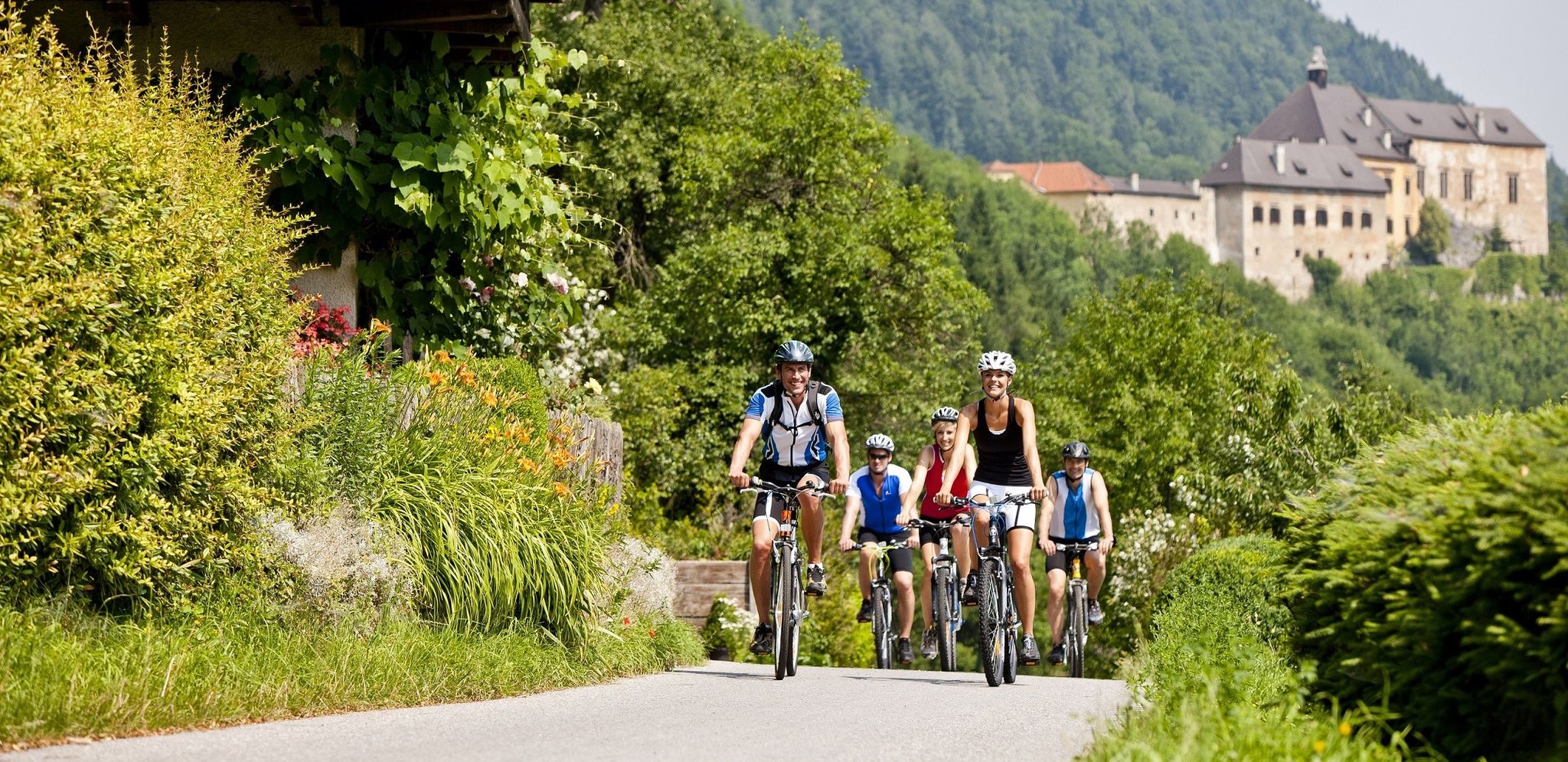
Have fun on two wheels – cycling in Austria’s Graz Adventure Region
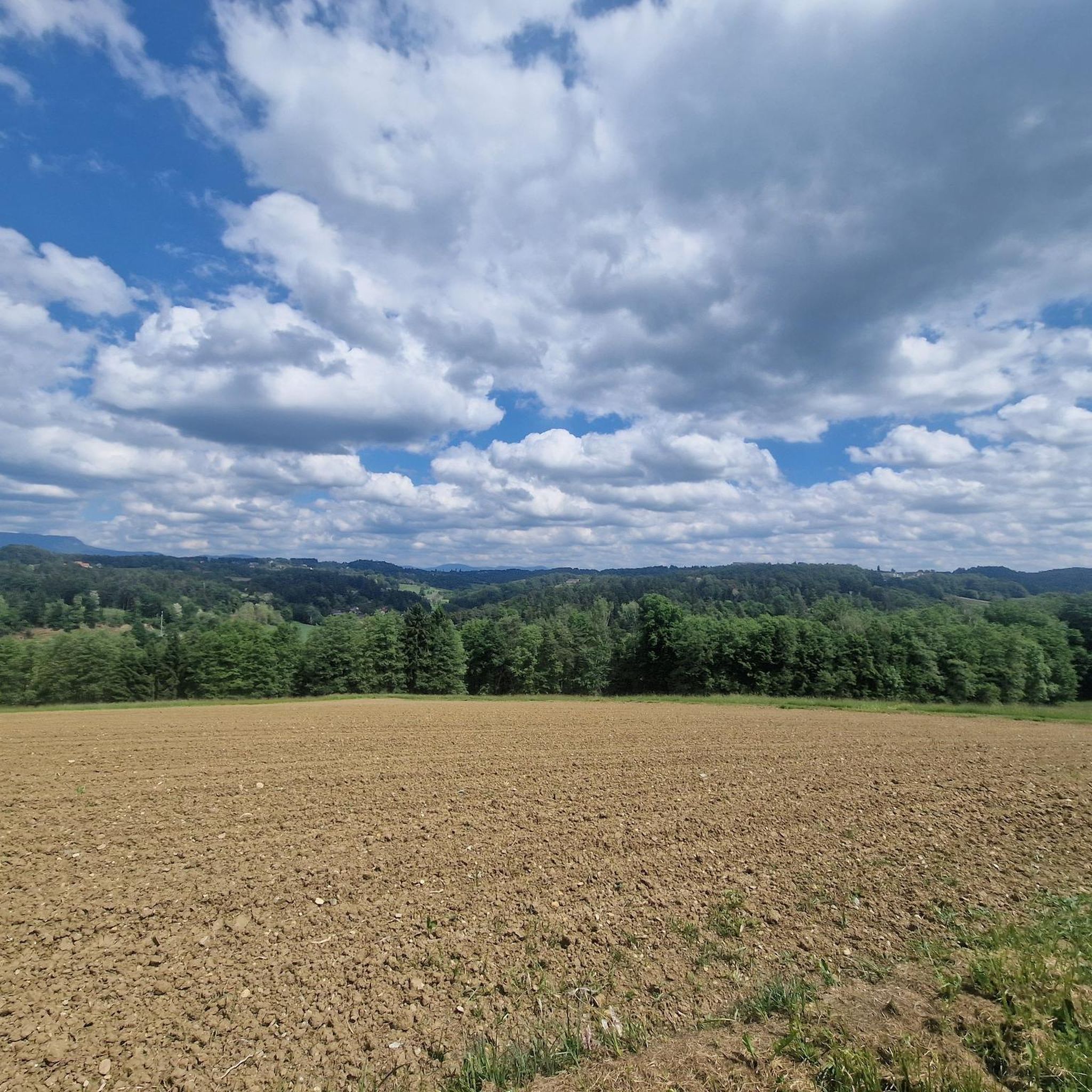
Hiking around Laßnitzhöhe
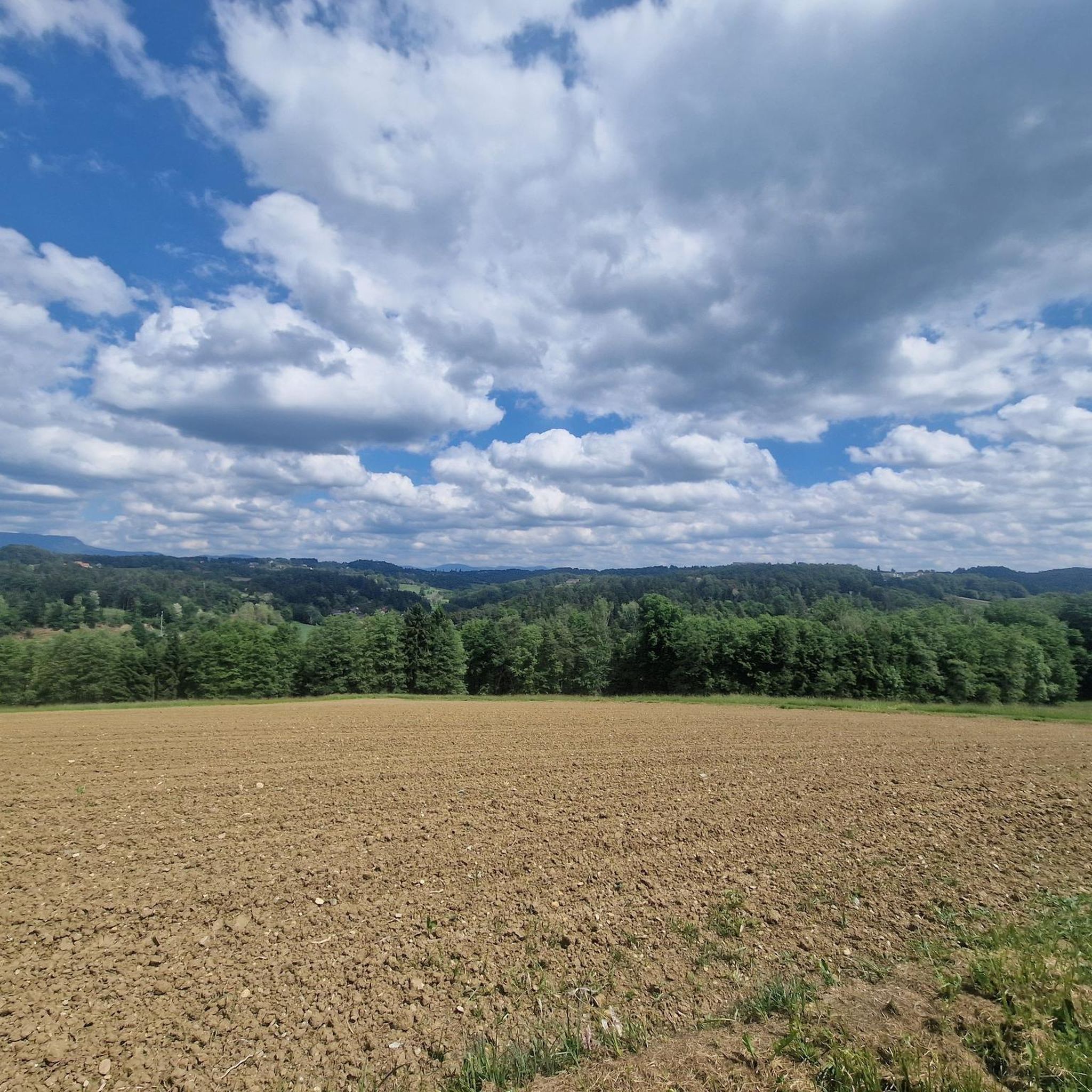
Cycling around Laßnitzhöhe
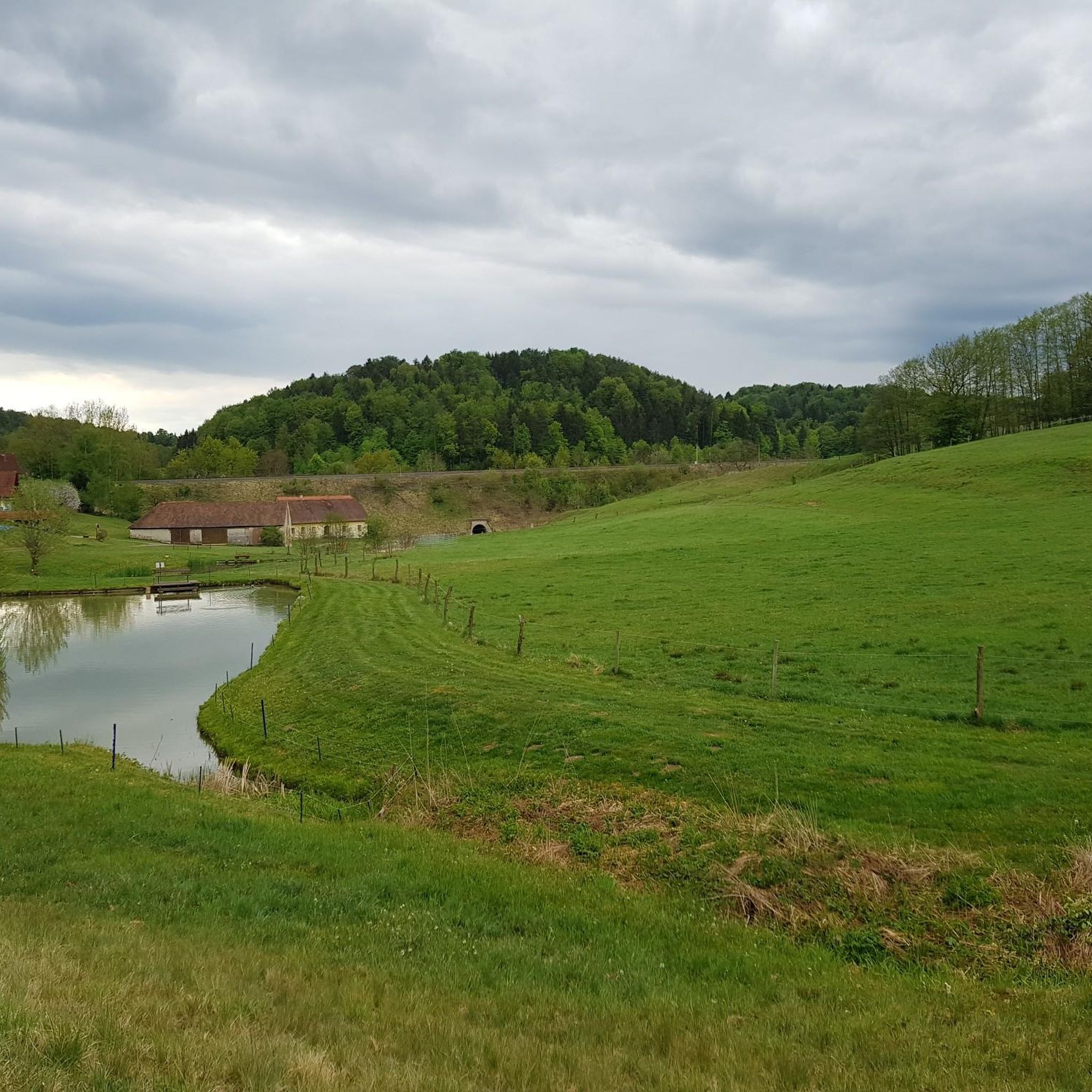
Road Cycling Routes around Laßnitzhöhe

Gravel biking around Laßnitzhöhe
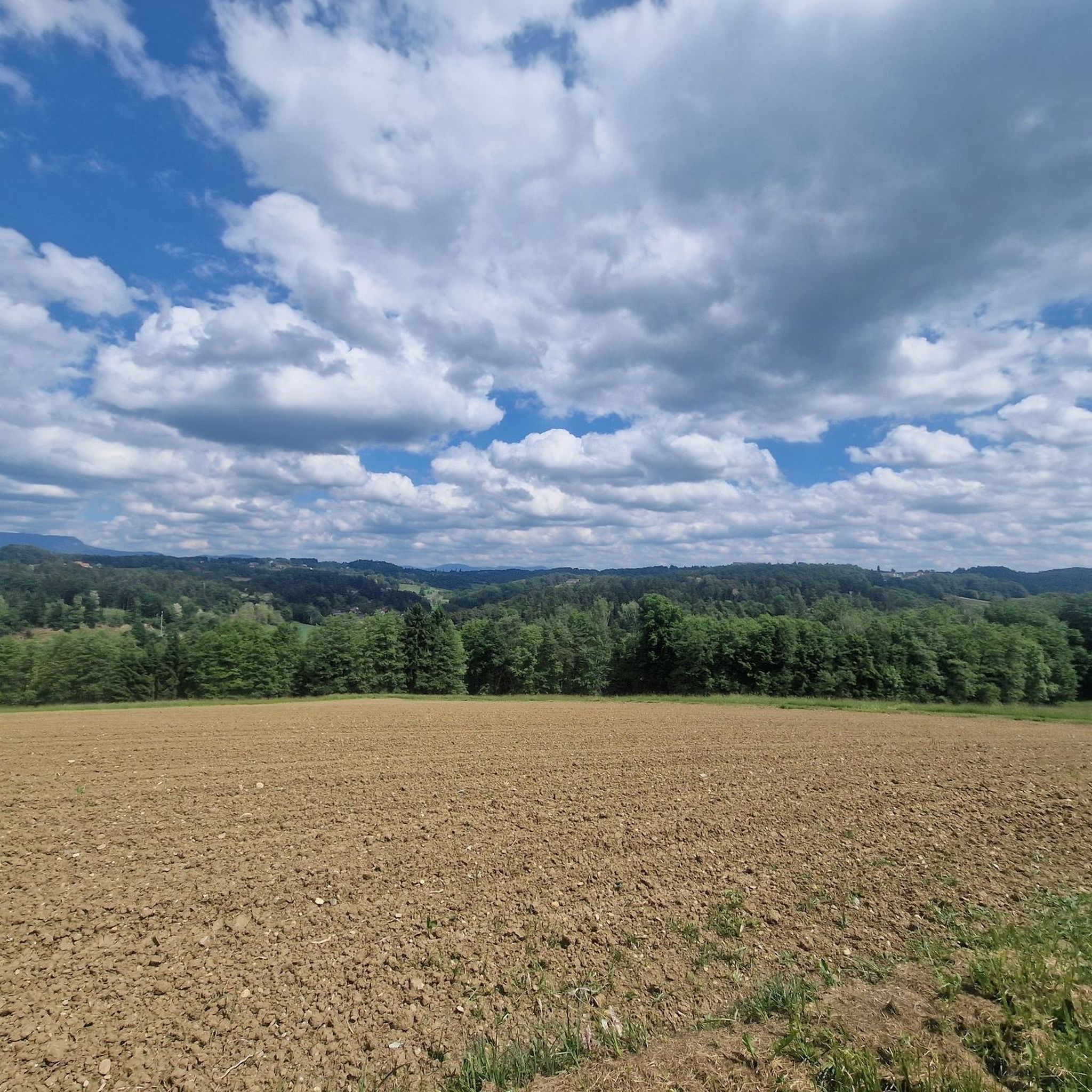
MTB Trails around Laßnitzhöhe
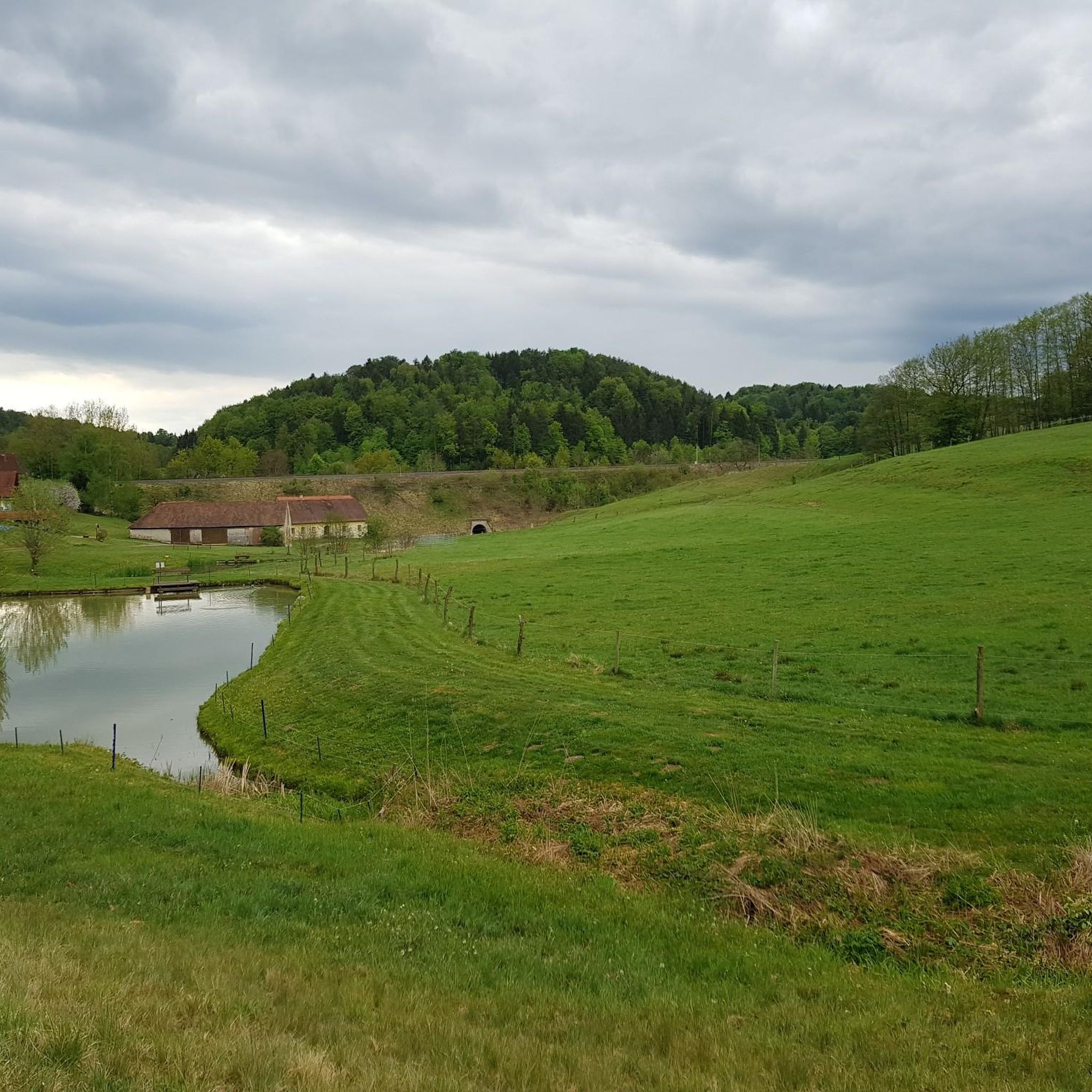
Running Trails around Laßnitzhöhe

Tips from the Community

Also in Graz you can find traces of the astronomer, astrologer, mathematician and theologian Johannes Kepler
0
0


At the top of the mountain you have a great panoramic view of the city, ideally sitting on the wall with a drink. It is also a great place in the evening to enjoy the city lights.
9
0
In summer, it's a sweaty affair to walk up the steps to the clock tower. But with every bend you get a different view of the city. The Kriegssteig is one of the many paths up the mountain that you should definitely walk at least once.
6
0

A huge tree that has already had several years
0
1

In 1930, the Herberstein Garden was made accessible from the “Kriegssteig”, and thus “the Hanging Gardens of Graz” were opened up to the public. The terraced gardens with their Mediterranean plants (such as fig, lemon and ginkgo trees as well as wisteria) are among the most beautiful examples of garden architecture of the interwar period.
0
0
History Let's begin with the history of the Schloßberg. In the 12th century, a castle was built on the Schloßberg, which also gave the city of Graz its name. A derivation of "gradec" – the Slovenian word for small castle. Since the castle was never conquered, it is listed in the Guinness Book of Records as the strongest fortress of all time. Not even Napoleon managed to capture the castle in the 19th century. Only when he blackmailed Graz into destroying Vienna by occupying Vienna in 1809 did the city of Graz surrender. With the exception of the bell tower and the clock tower, which were redeemed by the people of Graz, the castle was largely demolished and blown up, a process known as razing. Thirty years later, Ludwig Freiherr von Weldenman created walking paths and a romantic garden on the Schloßberg. During World War II, a more than 6-kilometer-long tunnel system was built in the Schloßberg, which served as a military headquarters and air-raid shelter for up to 40,000 people. Some of these tunnels are still in use today; they include the Schloßberg lift, the fairytale train, the Schloßberg slide, the "Dom im Berg" event hall, and a connecting path between Schloßbergplatz and Karmeliterplatz. Since 1999, Graz's Schloßberg, along with the historic old town of Graz, has been a UNESCO World Heritage Site.
1
0
Named after Kepler: Kepler took up his first position as mathematician of the "region" of Styria in Graz in 1594. At this time, religious unrest shook the city. The estates and the population adhered to the Lutheran faith, but were faced with the Catholic authorities of the House of Habsburg. In this increasingly poisonous atmosphere, Kepler succeeded in writing his first work, "Mysterium Cosmographicum," which made him known as an astronomer.
1
0
Frequently Asked Questions
What are some of the most popular natural monuments to visit around Laßnitzhöhe?
Visitors frequently enjoy the prominent Schlossberg Graz, which offers expansive views over the city and is home to the iconic clock tower. Another highly regarded spot is Schlossberg Square, located just below the clock tower, providing excellent panoramic vistas. The Hackher Lion Monument is also popular, offering both historical significance and a great view of Graz.
Are there family-friendly natural monuments in the Laßnitzhöhe area?
Yes, several natural monuments are suitable for families. The Schlossberg Graz is family-friendly, with various paths to explore and attractions like the clock tower. The Kepler Lime Tree is another accessible natural monument with historical context that can be interesting for families. Additionally, the region's Arboretum and Spa Park offer tranquil, easy-to-navigate settings perfect for family outings.
Can I bring my dog to the natural monuments around Laßnitzhöhe?
Many natural monuments in the area are dog-friendly. For instance, the Schlossberg Graz welcomes dogs, making it a great option for walks with your canine companion. It's always advisable to keep dogs on a leash and clean up after them to ensure a pleasant experience for all visitors.
What kind of historical natural monuments can I explore?
The region offers several natural monuments with rich historical connections. The Schlossberg Graz itself is a historical site, featuring remnants of its past fortress. The Schlossberg Square and the Hackher Lion Monument commemorate significant historical events and figures. You can also visit the Kepler Lime Tree, planted in memory of the renowned astronomer Johannes Kepler, and the historic Hainbuchenallee (Hornbeam Avenue) on Schlossberg, dating back to the early 19th century.
Are there any unique trees or botanical natural monuments to see?
Yes, the region is home to notable botanical features. The Kepler Lime Tree on the Schlossberg is a historical natural monument. Additionally, the Arboretum in Laßnitzhöhe is a botanical garden showcasing an extensive collection of trees and shrubs, offering a tranquil setting to experience biodiversity.
What are the best viewpoints to experience the scenery around Laßnitzhöhe?
For breathtaking views, the Schlossberg Graz and Schlossberg Square are prime locations, offering panoramic vistas over Graz. The Hackher Lion Monument also provides an excellent vantage point. Beyond these, Laßnitzhöhe itself is known for its panoramic hiking trails, such as the Panorama-Rundweg and the Gipfelsteig to Buchkogel, which offer impressive views of the Graz basin and the surrounding landscape.
Are there hiking opportunities near the natural monuments in Laßnitzhöhe?
Absolutely. Laßnitzhöhe is crisscrossed with well-marked hiking trails. The Panorama-Rundweg offers impressive views, while the Gipfelsteig leads to the summit of Buchkogel for more challenging hikes. For those interested in local culture, the Wine Hiking Trail winds through vineyards. You can find more details on various routes in the Running Trails around Laßnitzhöhe guide.
What other outdoor activities can I do in the Laßnitzhöhe region?
Beyond exploring natural monuments, Laßnitzhöhe offers a range of outdoor activities. You can find numerous routes for mountain biking, road cycling, and running. For specific trails and difficulty levels, check out the MTB Trails around Laßnitzhöhe and Road Cycling Routes around Laßnitzhöhe guides.
What is the best time of year to visit the natural monuments in Laßnitzhöhe?
Laßnitzhöhe, recognized as a climatic health resort, benefits from a mild climate and excellent air quality, making it pleasant to visit year-round. Spring and autumn offer comfortable temperatures for hiking and exploring the outdoor attractions. Summer is ideal for enjoying the lush greenery and longer daylight hours, while winter provides opportunities for tranquil walks, especially in areas like the Spa Park.
Are there any natural monuments that are easy to access or suitable for leisurely strolls?
Yes, the region caters to all activity levels. The Arboretum is easily accessible and perfect for leisurely strolls. The Spa Park, with its panoramic path and herb garden, also offers a gentle and relaxing experience. Many paths on the Schlossberg Graz are also suitable for easy walks, though some ascents can be steeper.
What makes the natural environment of Laßnitzhöhe unique?
Laßnitzhöhe is distinguished by its serene natural environment, characterized by beautiful hilly landscapes and magnificent views stretching to the Graz Basin. Its status as a climatic health resort means it boasts excellent air quality and a mild climate. The region combines unspoiled nature with carefully curated natural spaces like the Arboretum and Spa Park, offering a holistic experience of relaxation and active regeneration.
What do visitors enjoy most about the natural monuments in Laßnitzhöhe?
Visitors particularly appreciate the stunning panoramic views, especially from locations like the Schlossberg Graz and Schlossberg Square. The historical significance of sites like the Hackher Lion Monument also resonates with many. Beyond specific sites, the overall tranquility, fresh air, and diverse hiking opportunities within the beautiful natural setting are highly valued.
Most popular routes around Laßnitzhöhe
Most popular attractions around Laßnitzhöhe

Get inspired with the komoot mobile app


Explore more
Extend your search for the best caves by checking out these guides of the top ones around Laßnitzhöhe:
