Top 20 Natural Monuments in Turkey
Best natural monuments in Turkey showcase a diverse landscape shaped by geological processes and rich history. The country features a variety of natural formations, from volcanic rock structures to travertine terraces and deep canyons. These sites offer opportunities to explore unique ecosystems and geological wonders. Turkey's natural heritage sites are distributed across various regions, providing distinct experiences for visitors.
Best natural monuments in Turkey
- The most popular natural monuments is Chimera (Yanartaş) — Eternal Flames, a natural monument where natural gas vents create perpetual flames. Visitors should wear sturdy shoes for the rocky path, especially if returning in the dark.
- Another must-see spot is Göynük Canyon, a canyon located within the Beydağları Coastal National Park. It features waterfalls and ponds, offering outdoor recreational activities such as hiking and canyoning.
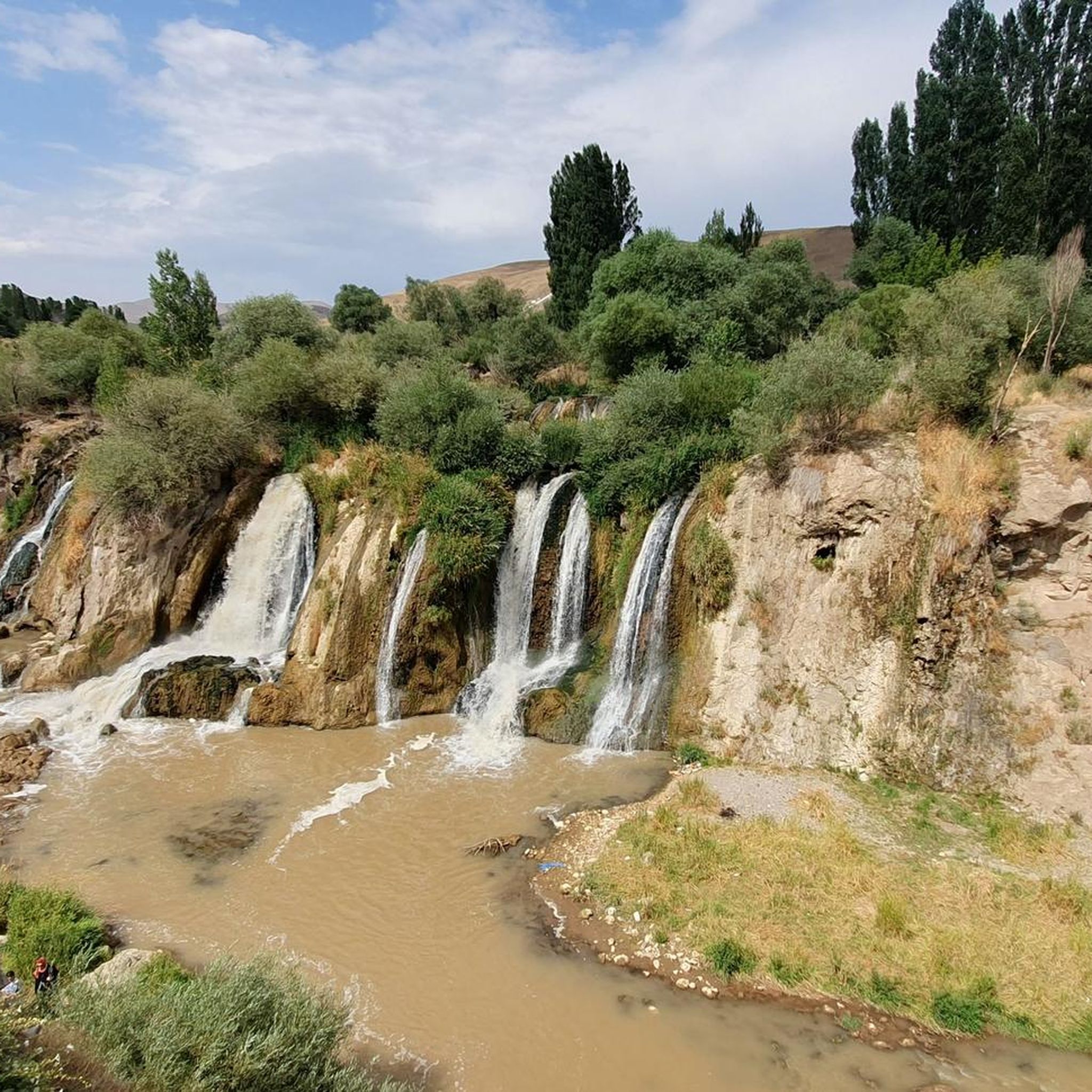
- Visitors also love Manavgat Waterfall, a waterfall known for its wide cascading falls. It is a popular excursion destination, though the water can be cold for bathing.
- Turkey is known for its canyons, waterfalls, and unique geological formations. These include sites like the "fairy chimneys" of Cappadocia and the white terraces of Pamukkale.
- The natural monuments in Turkey are appreciated by the komoot community. With 207 highlights and 210 photos, these locations are well-documented and explored by many.
Last updated: November 7, 2026
Antalya Old Harbor
Highlight • Structure
Translated by Google •
Tip by

Chimera (Yanartaş) — Eternal Flames
Highlight • Natural Monument
Translated by Google •
Tip by

Sign up now to discover places like this
Get recommendations on the best single tracks, peaks, & plenty of other exciting outdoor places.
Göynük Canyon
Highlight (Segment) • Canyon
Goynuk Canyon is one of the most beautiful natural wonders of Kemer. Holidaymakers may see great natural beauties from wonderful waterfalls to pine forests. Hiking and canyoning at the Goynuk Canyon is also one of the best things to do in Kemer.
Tip by

Kayaköy (Levissi) — Abandoned Village Ruins
Highlight • Historical Site
Tip by

Gelidonya (Taşlıkburnu) Lighthouse
Highlight • Monument
Translated by Google •
Tip by

Manavgat Waterfall
Highlight • Waterfall
Translated by Google •
Tip by

Yanartaş (Chimaera)
Highlight • Natural Monument
Translated by Google •
Tip by

Ancient City of Phaselis
Highlight • Historical Site
Translated by Google •
Tip by
Pamukkale Travertine Terraces
Highlight • Natural Monument
Translated by Google •
Tip by

Pamukkale Travertine Terraces
Highlight • Natural Monument
Source: Wikipedia
Translated by Google •
Tip by

Sign up for free to discover even more natural monuments in Turkey.
Already have an account?
Start today with a free account
Your next adventure awaits.
Popular around Turkey

Triathlon 360 – my journey around the world
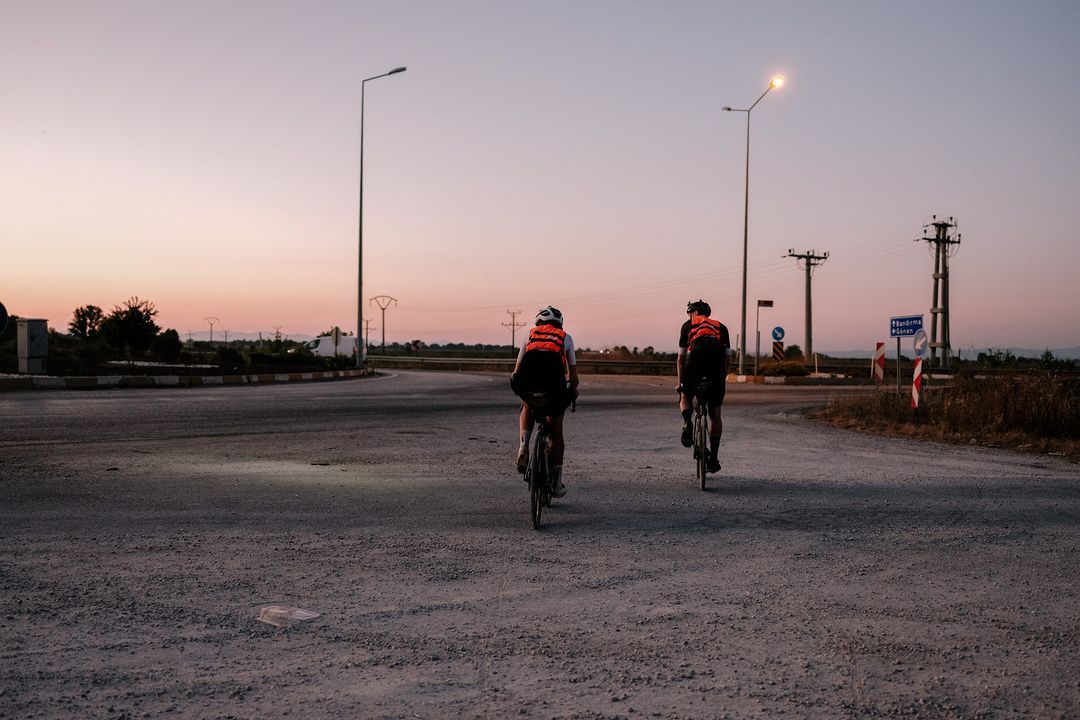
Transcontinental Race No10: crossing Europe from France to Turkey
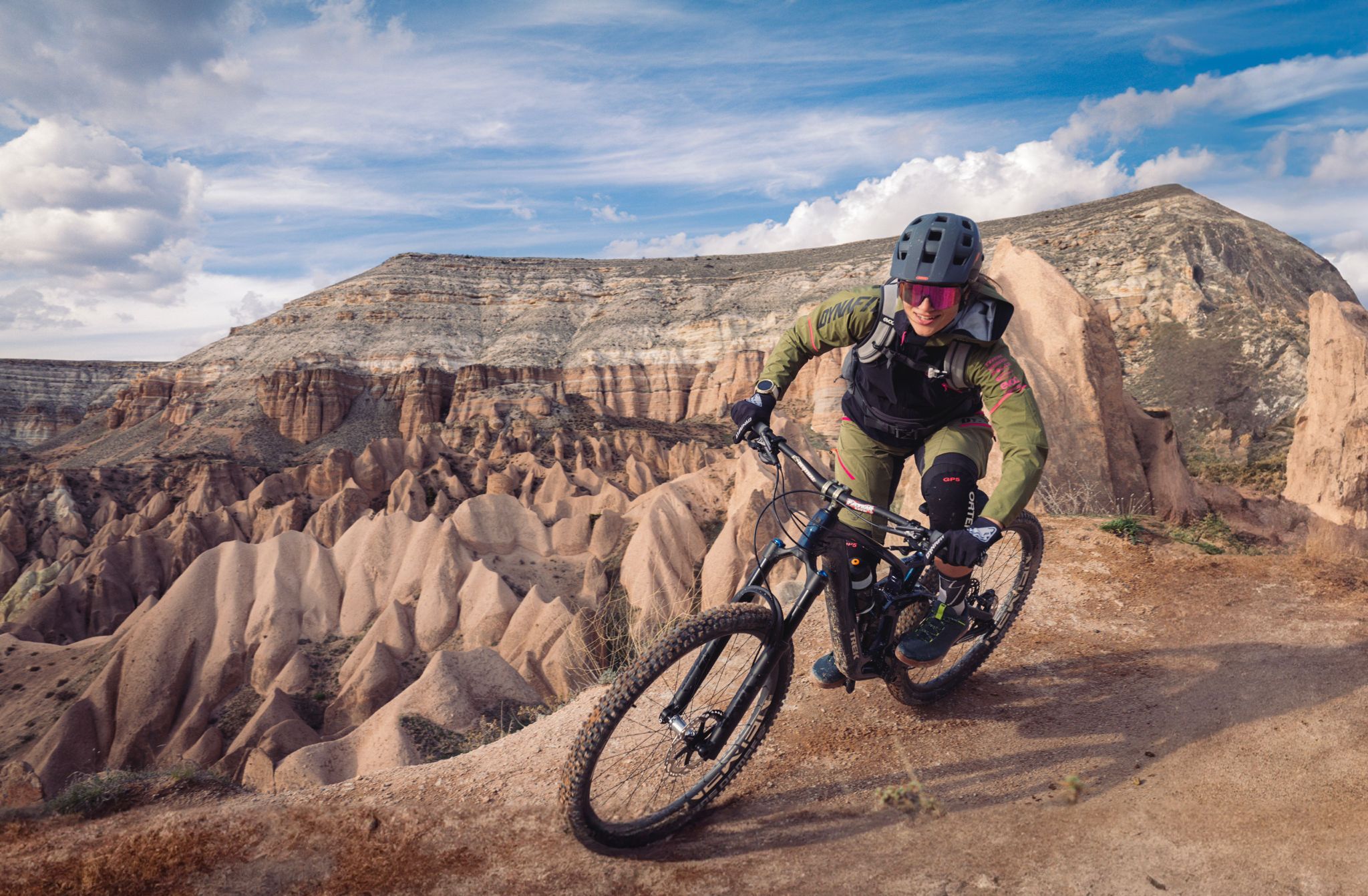
Mountain biking and gravel biking in Cappadocia
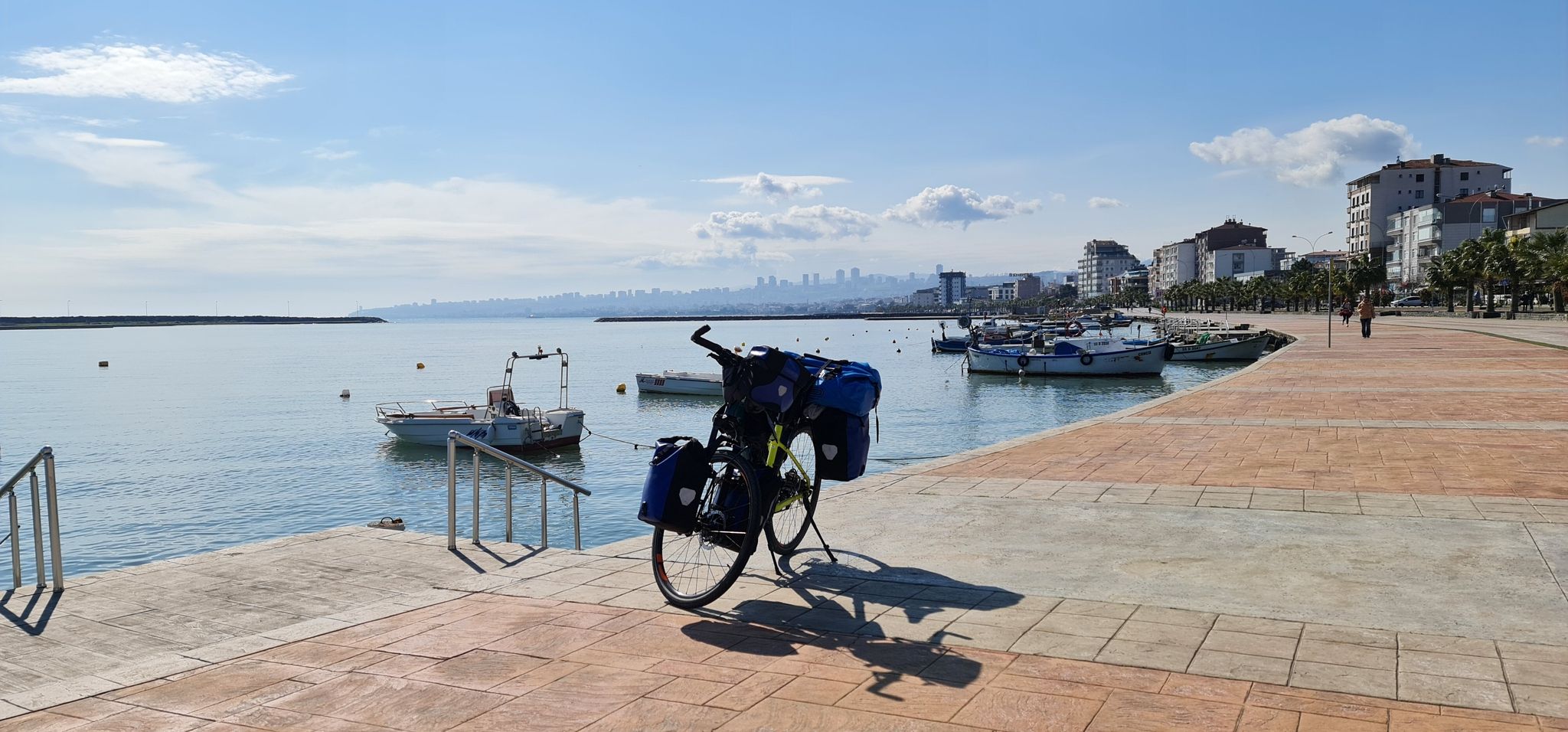
Thrace & Anatolia – long-distance cycling routes in Turkey
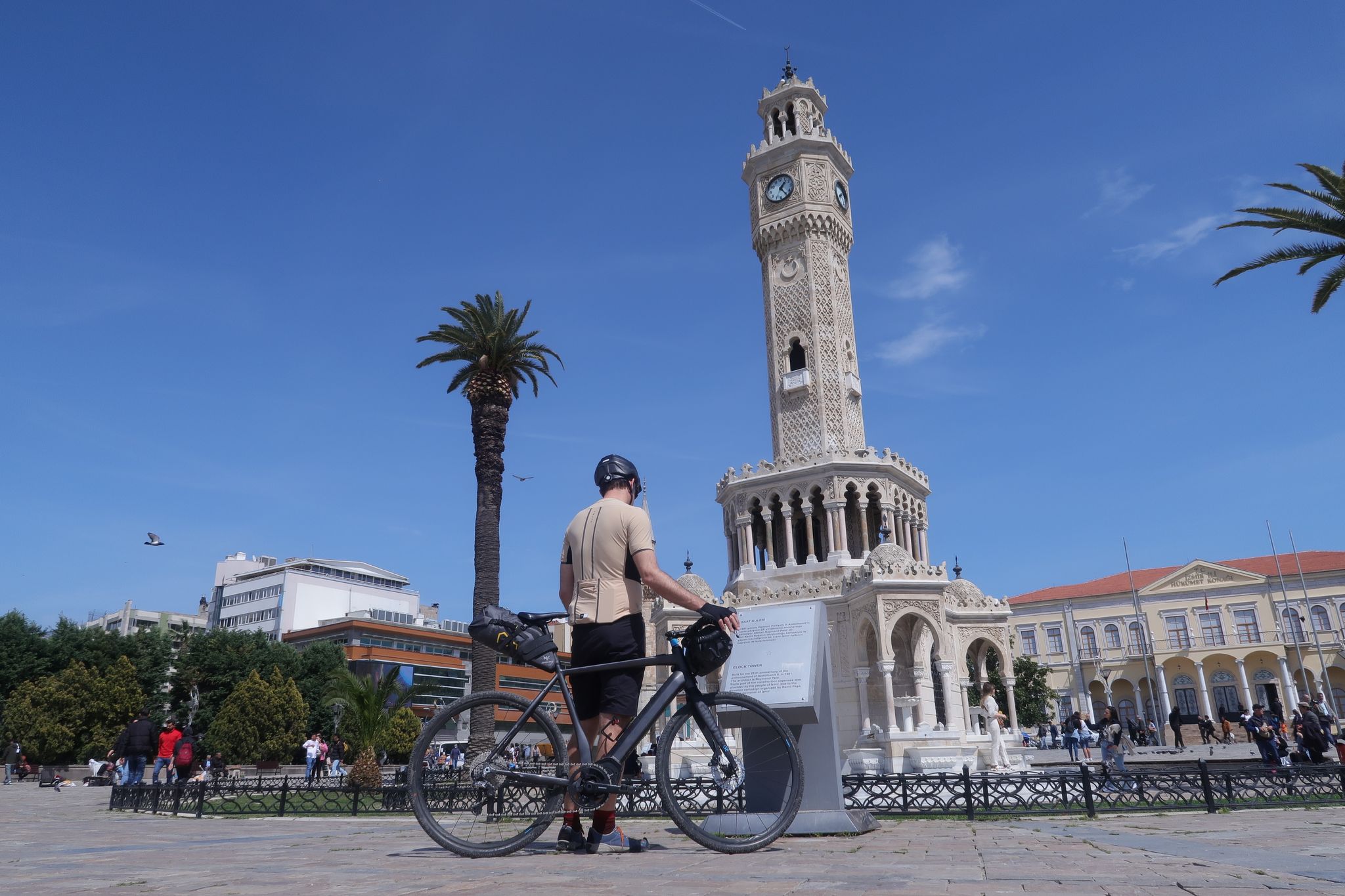
Wild and historic – bikepacking routes in Turkey
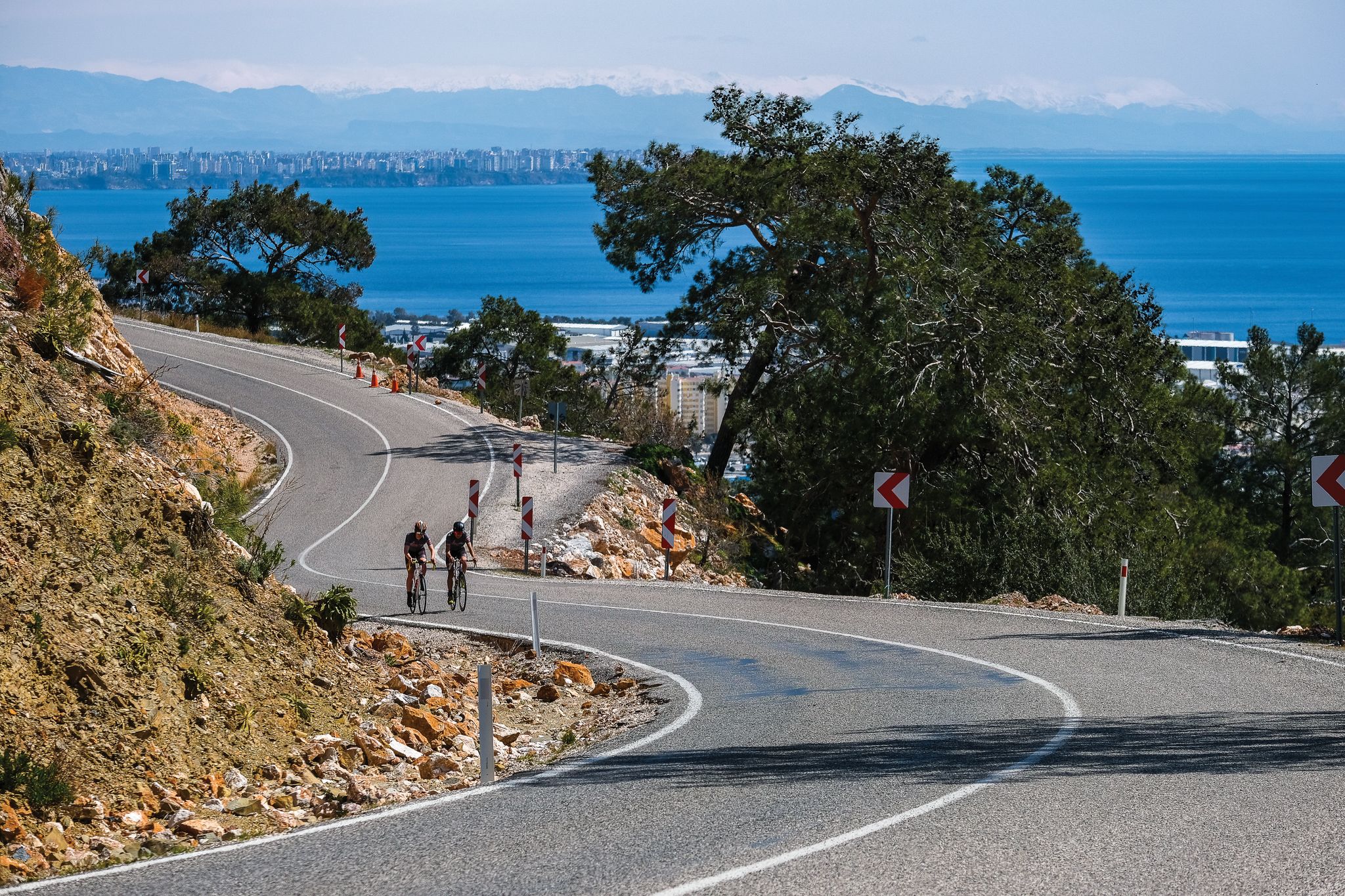
Until your calves burn – epic climbs in Turkey
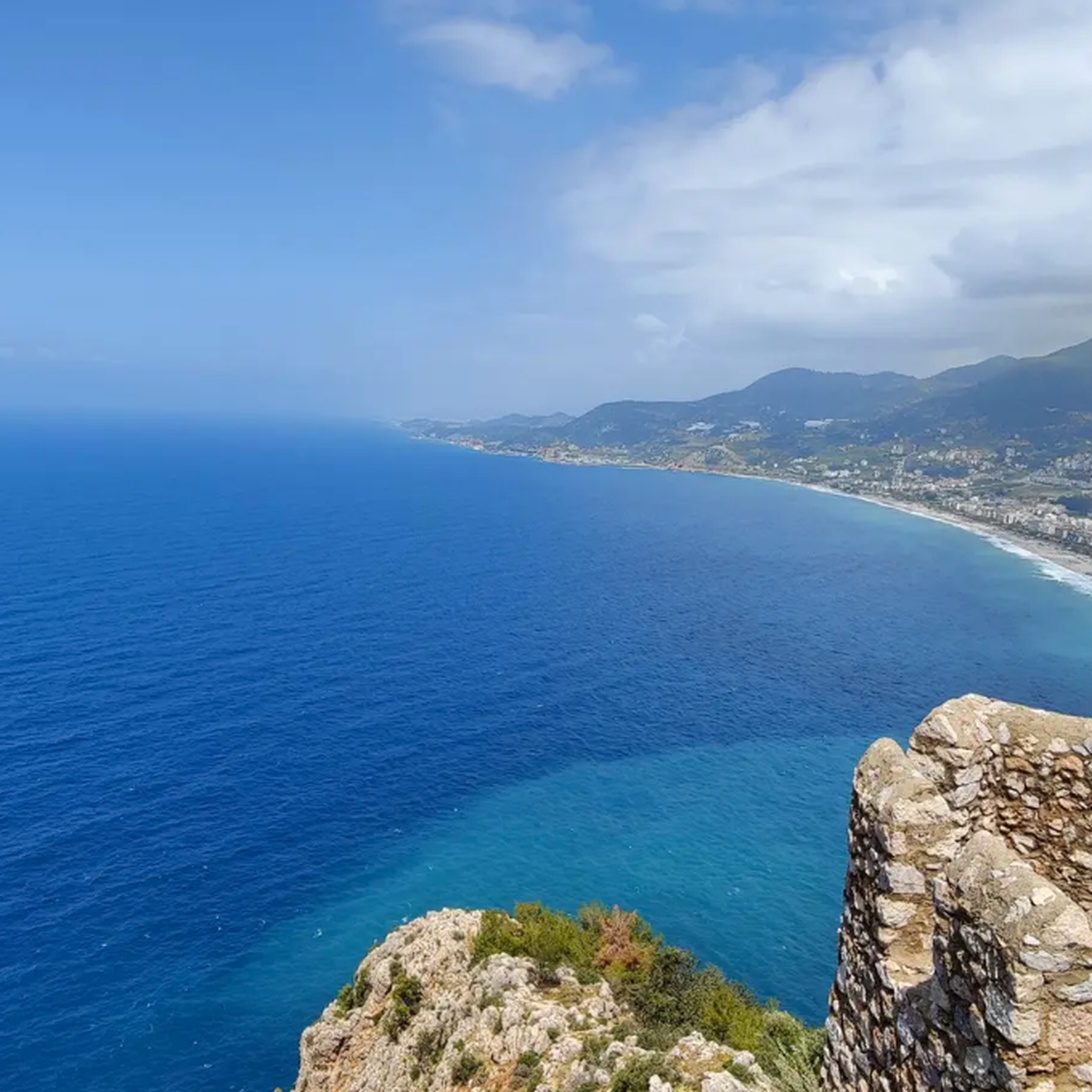
Hiking in Turkey
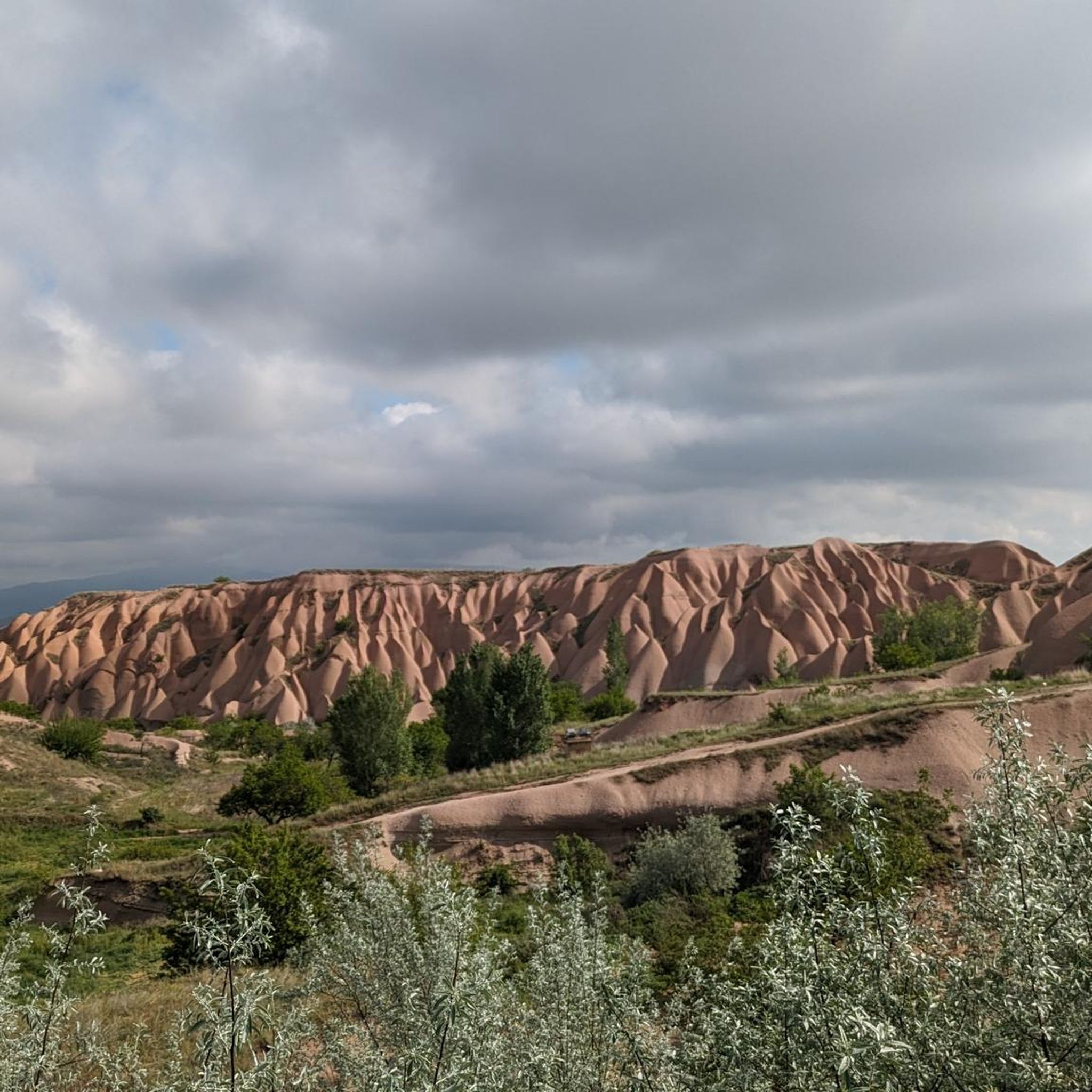
Running Trails in Turkey
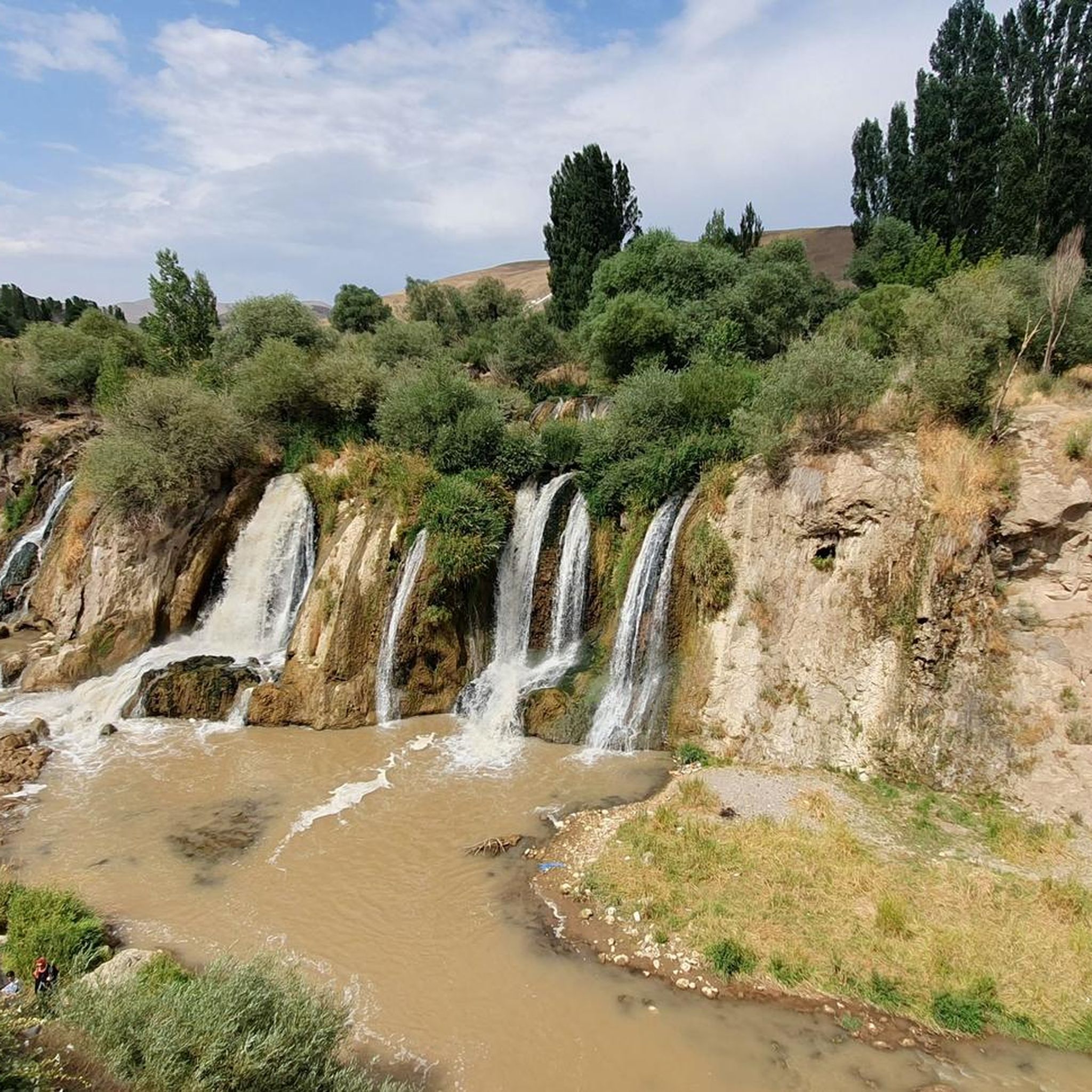
Road Cycling Routes in Turkey
Cycling in Turkey
Other adventures in Turkey


Tips from the Community

Chimaira (Ancient Greek: Χίμαιρα Chímaira (f. sg.), Latinized: Chimaera) or Turkish: Yanartaş ('burning stone') is a site in Lycia, Asia Minor, known since antiquity, where a rare, millennia-old natural phenomenon can still be observed today. Flames erupt from the rocky ground of a mountainside in two separate areas at several points – the 'eternal fires of the fire-breathing Chimaira,' which gave the place its ancient name. There are two fire fields about one kilometer apart, of which usually only the lower one is visited. It can be reached from Çıralı in about 30 minutes uphill. An entrance fee is charged. The path to the upper fire field from Ulupınar is free of charge, but more arduous. https://de.wikipedia.org/wiki/Chimaira_(Lykien)
1
0
Chimaira (Ancient Greek Χίμαιρα Chímaira (f. sg.), Latinized Chimaera) or Turkish Yanartaş ("burning stone") is a place in Lycia, Asia Minor, known since antiquity, where a rare, millennia-old natural phenomenon can still be observed today. Flames erupt from the rocky ground of a mountainside in two separate areas at several points – the "eternal fires of the fire-breathing Chimaira," which gave the place its ancient name. There are two fire fields about a kilometer apart, of which usually only the lower fire field is visited. You can reach it from Çıralı in about 30 minutes uphill. An entrance fee is charged. The path to the upper fire field from Ulupınar is free of charge, but more arduous.
1
0

Simply fascinating
0
0

The ruins are worth seeing.
0
0

There is an entrance fee. The Müze card cannot be used here. The climb is approximately 200 meters high, but you will be rewarded with a view of the flames.
0
0
Just crazy such a big ghost town
1
0

The Old Port in Antalya lies below the walled Old Town (Kaleiçi) in a bay surrounded by cliffs. The history of the Old Port begins around 150 BC, when King Attalus II of Pergamon founded Antalya as a naval base. Around 67 BC, the Romans expanded the port. The famous general Gnaeus Pompeius Magnus hoped to use this base to fight pirates. After a restoration in the 1980s, it now serves as a marina for yachts and a departure point for excursion boats. The port's age is underscored by historic boats and old fishing boats that are permanently moored here. The marina has moorings for numerous vessels. Numerous restaurants and cafés around the port invite you to linger and enjoy views of the ships in the harbor.
4
0

Stunning! If you’re looking to dip in the canyon, I’d advise finding spot along the route to dip and have the tranquility all to yourself, rather than dip in the main pools/areas that everyone uses.
0
0
Frequently Asked Questions
What are some of the most popular natural monuments to visit in Turkey?
Turkey offers a diverse range of natural wonders. Among the most popular are the Chimera (Yanartaş) — Eternal Flames, known for its perpetual natural gas fires. Visitors also highly recommend Göynük Canyon for its stunning gorge and recreational activities, and the beautiful Manavgat Waterfall.
Are there family-friendly natural monuments in Turkey?
Yes, several natural monuments are suitable for families. Göynük Canyon is a great option, offering hiking and canyoning in a scenic setting. The Manavgat Waterfall is also a popular excursion destination for all ages, though the water can be cold for bathing. The Pamukkale Travertine Terraces are another fantastic family-friendly site where you can walk on the white terraces and bathe in thermal pools.
What kind of unique geological formations can I expect to see in Turkey?
Turkey is home to extraordinary geological formations. Cappadocia is famous for its 'fairy chimneys,' unique cone-shaped rock formations. Pamukkale boasts ethereal white travertine terraces formed by mineral-rich hot springs. You can also explore deep canyons like Saklıkent Canyon and Ihlara Valley, carved by rivers, or witness the perpetual flames of Chimera (Yanartaş).
Can I find historical sites alongside natural monuments in Turkey?
Absolutely. Many of Turkey's natural monuments are intertwined with rich history. Pamukkale is located near the ancient city of Hierapolis. Patara Beach is close to the ancient city of Patara. The Ihlara Valley features ancient cave churches, and Cappadocia is known for its ancient cave dwellings and underground cities. You can also visit the Ancient City of Phaselis, which combines historical ruins with beautiful beaches, or the Ancient City of Myra.
What outdoor activities can I do near Turkey's natural monuments?
Many natural monuments offer opportunities for outdoor activities. You can hike through canyons like Göynük Canyon or Saklıkent Canyon, where canyoning and white water rafting are also popular. The Belgrad Forests near Istanbul are excellent for walking or biking. For more specific hiking routes, you can explore guides like Waterfall hikes in Turkey or Easy hikes in Turkey. The Kaçkar Mountains are ideal for climbing and camping.
Are there hiking trails near these natural monuments?
Yes, numerous hiking trails are available. For example, Göynük Canyon is an important part of the long-distance Lycian Way trail. The Ihlara Valley offers winding trails to explore its unique landscape and rock-cut monasteries. You can find various hiking options, including easy and more challenging routes, in guides such as Waterfall hikes in Turkey and Easy hikes in Turkey.
What is the best time of year to visit natural monuments in Turkey?
The best time to visit often depends on the specific monument and your preferred activities. Generally, spring (April-May) and autumn (September-October) offer pleasant weather for exploring most sites, including hiking in canyons or visiting historical areas. For coastal natural wonders like Butterfly Valley, the summer months (June-September) are ideal for seeing butterflies and enjoying the beaches.
Are there any natural monuments that are less known but worth visiting?
While many sites are famous, Turkey has hidden gems. Valla Canyon in the Küre Mountains is one such example, offering breathtaking views and towering walls, often less crowded than other major attractions. The Ayder Plateau in the Rize province is another picturesque spot known for its hot springs and lush forests, popular with locals but less so with international tourists.
What kind of flora and fauna can be observed at Turkey's natural monuments?
Turkey's diverse landscapes support a rich variety of flora and fauna. Butterfly Valley is renowned for its abundant butterfly population, especially between June and September. Patara Beach is a protected area for sea turtles. The Belgrad Forests are home to diverse plant and animal life, while the Kaçkar Mountains National Park boasts rich forests and unique plant species. Valla Canyon is also a habitat for various birds of prey.
What do visitors enjoy most about the natural monuments in Turkey?
Visitors frequently highlight the stunning natural beauty and the sense of adventure. For instance, many enjoy the unique experience of the Chimera (Yanartaş) — Eternal Flames, especially at night. The varied views and opportunities for activities like canyoning at Göynük Canyon are also highly praised. The combination of natural wonders with historical significance, such as at Pamukkale, also leaves a lasting impression.
Are there any natural monuments in Turkey that are accessible in winter?
While some high-altitude areas like the Kaçkar Mountains might be challenging in winter due to snow, many natural monuments remain accessible. Cappadocia's fairy chimneys can be particularly magical under a blanket of snow, and hot air balloon rides often continue. Pamukkale's thermal pools can be enjoyed year-round. Coastal areas and lower-altitude sites generally have milder winters, making them suitable for visits.
What should I pack when visiting natural monuments in Turkey?
Packing essentials depend on the specific site and activities. For places like Chimera (Yanartaş), sturdy shoes and a flashlight are essential, especially if returning in the dark. For canyons and waterfalls, swimwear, water shoes, and quick-drying clothes are advisable. Always bring plenty of water, sun protection (hat, sunscreen), and comfortable walking shoes. If visiting historical sites, respectful attire may be appropriate.
Most popular routes in Turkey
Most popular attractions in Turkey

Get inspired with the komoot mobile app


Didn’t find what you were looking for?
Find even more amazing natural monuments in Turkey by checking out the top Highlights region by region:
Explore more
Extend your search for the best caves by checking out these guides of the top ones in Turkey:
