Top 18 Natural Monuments in Tunisia
Natural monuments in Tunisia encompass a diverse range of landscapes, from vast desert expanses and salt lakes to lush oases and vital wetlands. The country's geography features significant sites like the Sahara Desert, Chott el Jerid, and several national parks, offering varied natural attractions. These locations provide opportunities to observe unique ecosystems and geological formations. Tunisia's natural environment supports a variety of flora and fauna adapted to different climatic conditions.
Best natural monuments in Tunisia
- The most popular natural monuments…
Last updated: May 27, 2026
Tamerza Waterfall
Highlight • Waterfall
Translated by Google •
Tip by

Chebika Oasis Palm Grove
Highlight • Natural
Tip by

Sign up now to discover places like this
Get recommendations on the best single tracks, peaks, & plenty of other exciting outdoor places.
Sign up for free
Cap Afrique
Highlight • Viewpoint
Translated by Google •
Tip by

Chebika Waterfall
Highlight • Waterfall
Tip by
Oasis with Spring-Fed Pool
Highlight • Lake
Translated by Google •
Tip by

Redeyef Pass South
Highlight (Segment) • Mountain Pass
Translated by Google •
Tip by

Ain Haddej Oasis
Highlight • Natural
Translated by Google •
Tip by

Chott el Jerid (salt lake) Tunisia
Highlight • Lake
Translated by Google •
Tip by

Tamerza Canyon
Highlight • Canyon
Translated by Google •
Tip by
The Maison du Sel of Kerkennah
Highlight • Structure
Translated by Google •
Tip by

Sign up for free to discover even more natural monuments in Tunisia.
Sign up for free
Already have an account?
Start today with a free account
Your next adventure awaits.
Login or Signup
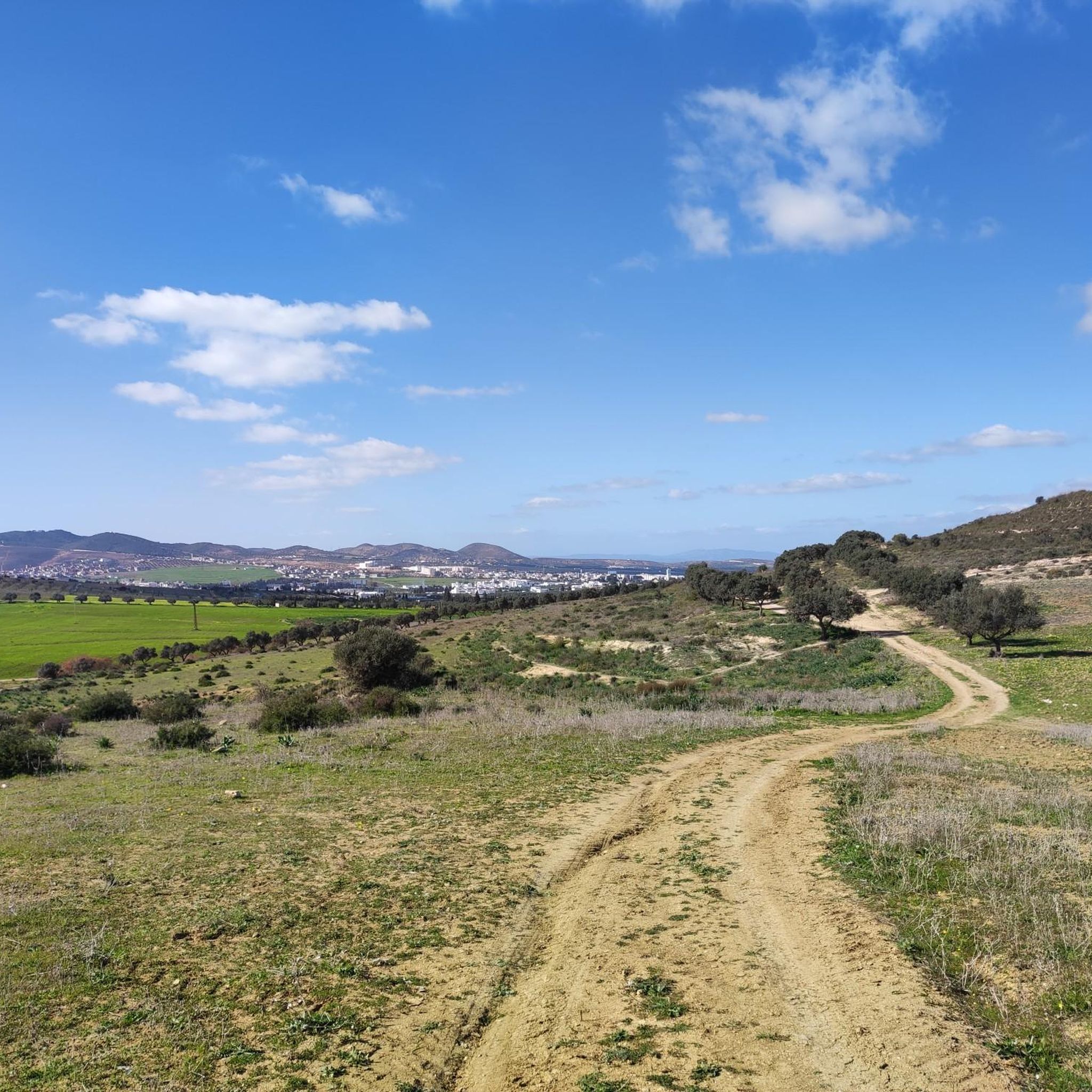
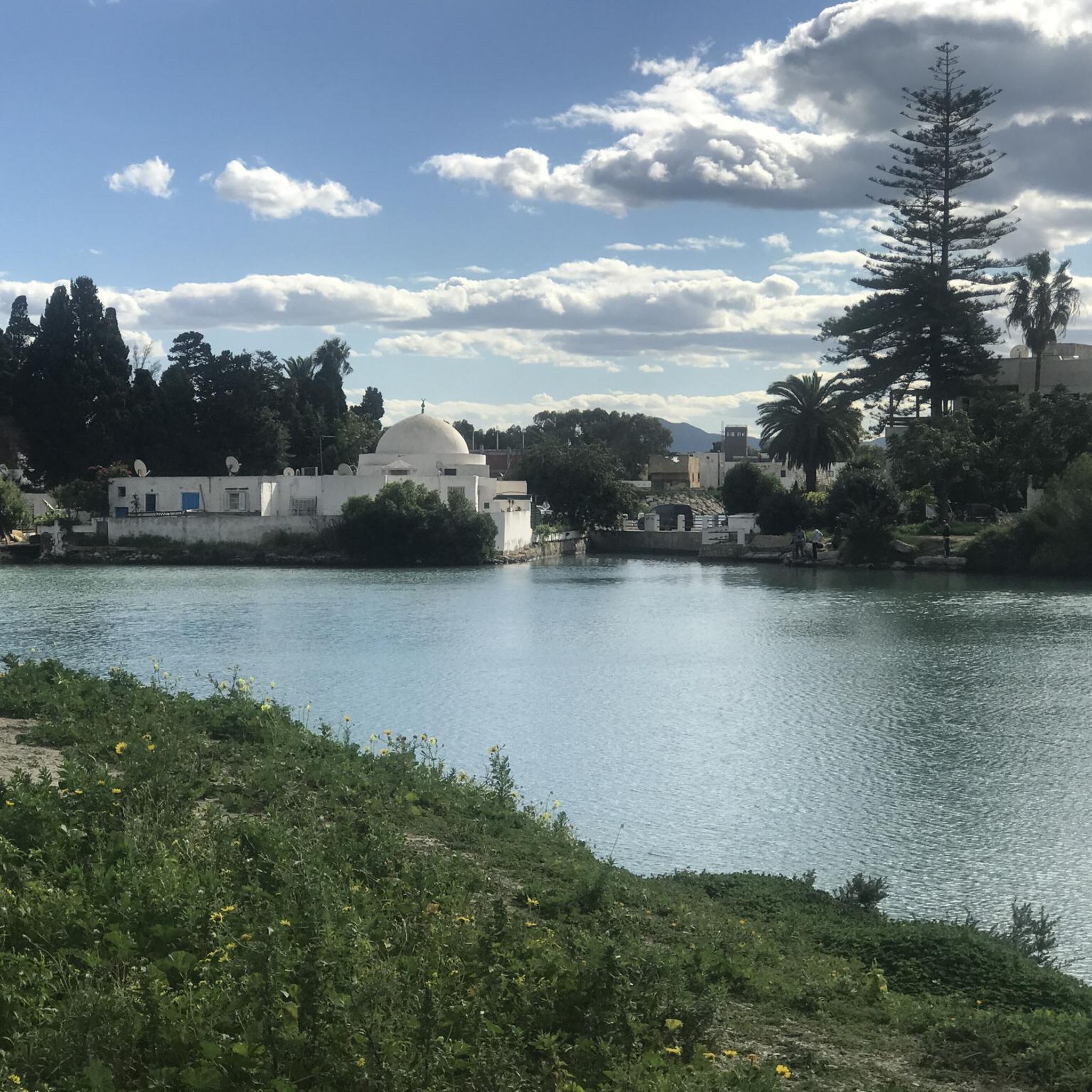
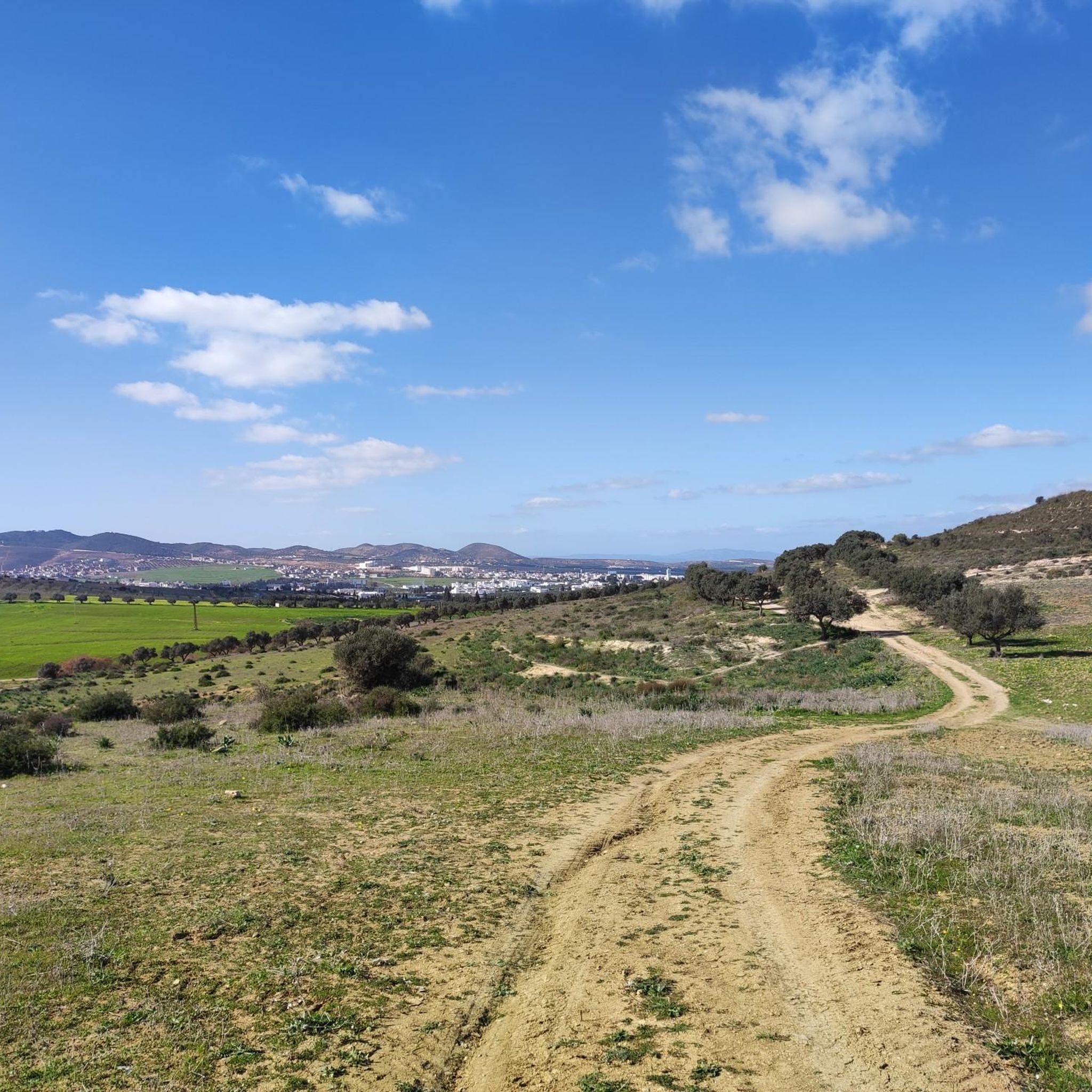
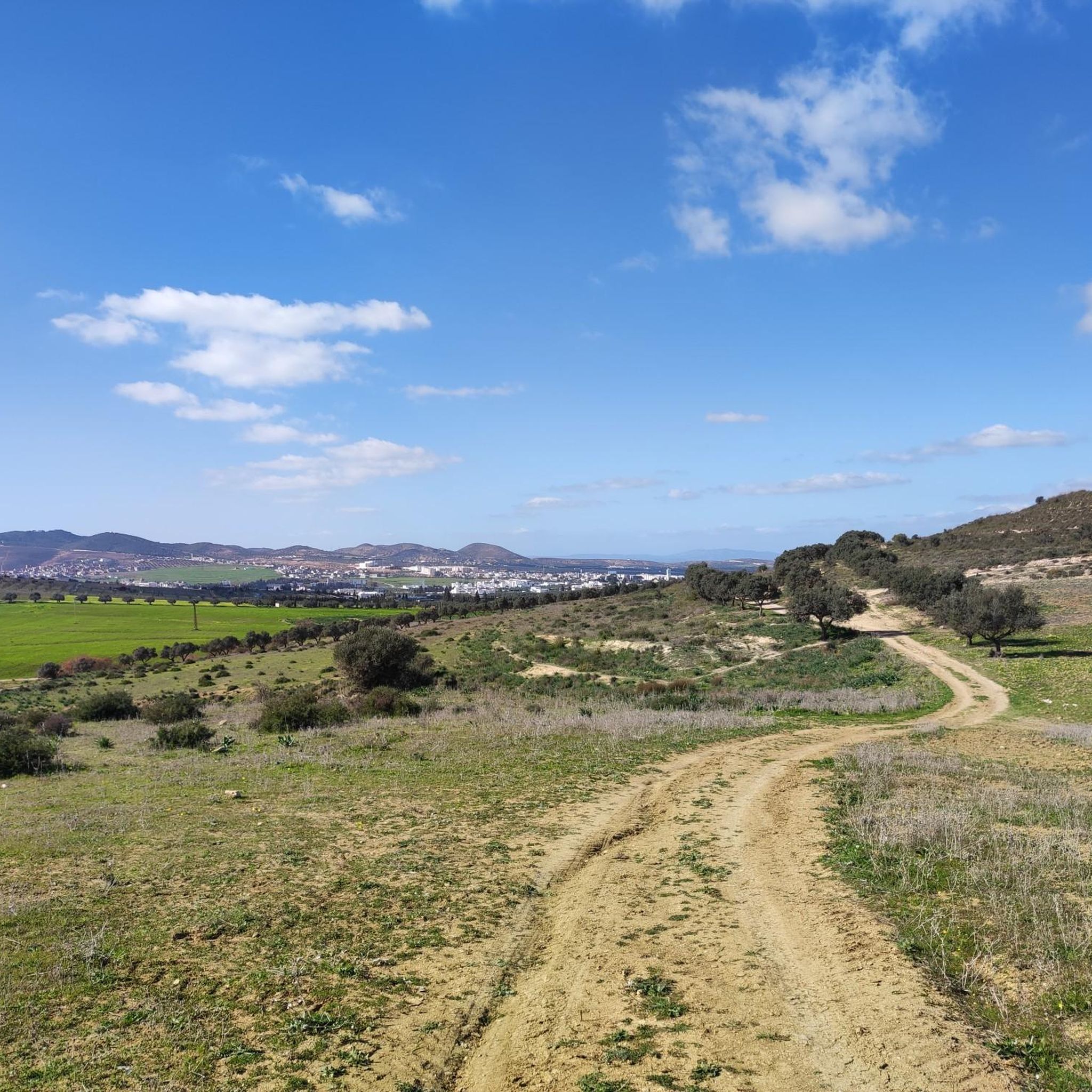
Tips from the Community

The Waterfall and the Spring: The heart of the oasis where water gushes from the rock.
0
0
It is best to walk it early in the morning to enjoy the best light on the golden rocks.
0
0

Oil was once drilled here, and since then, thermal water has been bubbling up from the ground. It's a wonderful experience to bathe in the warm water here on a cold desert night. Unfortunately, it smells strongly of sulfur, and the number of visitors has increased significantly. Anyone seeking peace and solitude in the desert will not find it here.
0
0

Relaxing water good for the skin
0
0

This astonishing site immerses you in the world of traditional salt harvesting on the island of Kerkennah. Located on the edge of the salt marshes, the Maison du Sel offers a magical, almost fairytale-like panorama—it's as if you're at Christmas with this all-white landscape. Visitors can discover a multitude of artisanal salt-based products, explained with passion, and leave with some genuine local treasures. A peaceful stop, immersed in nature, expertise, and living history. If Hedi and his colleague are on site to provide you with explanations, simply call them at 00216 26124008.
0
0

The asphalt is mostly good and not too rough. Traffic is limited. Very good TT track that is a lot of fun.
0
0
An overwhelming mountain pass, not many have made such a huge impression on me. The attraction here lies in the high limestone cliffs that fall over 600m onto a deep desert plain and whose colors come across magnificently. With every meter covered, new, great views emerge. The asphalt is quite new on the upper section (2025) and even smooth (in Tunisia this is otherwise almost only the case on large main roads). Only the lower 2km are not in good condition, but it is quite flat there. The climb is demanding, in less than 6km there is over 600 meters of elevation. I rode downhill here (towards the south) and did a big, fascinating round trip via the west back to Redeyef. The entire tour is set out in sections as a highlight. If you do it the other way around, you only have the steep climb here, otherwise you almost only ride downhill. A little further east is another pass, which for reasons that cannot be researched is also known as the "Rommelpiste" among expedition vehicle and motorcycle travelers. Since the pass was neither built by the German Wehrmacht nor played a significant role for the Afrika Korps, the name is rather inappropriate. The track or pass is unpaved and not really suitable for racing cyclists.
0
0

The palm trees are supplied with water via a small aqueduct.
1
0
Frequently Asked Questions
What are some of the most popular natural monuments in Tunisia?
Among the most appreciated natural monuments in Tunisia are the Chebika Waterfall, known for being a clean and beautiful spot for bathing, and the Tamerza Waterfall, which offers an easy hike through a gorge. Visitors also frequently enjoy the Chebika Oasis Palm Grove, an other_natural area with palm trees irrigated by oasis water.
When is the best time to visit Tunisia's natural monuments?
The best time to visit Tunisia's natural monuments generally depends on the region. For desert areas like the Sahara, cooler months from October to April are ideal. For northern parks like Ichkeul National Park, spring (March to May) and autumn (September to November) offer pleasant weather for bird watching and hiking, avoiding the intense summer heat.
Are there family-friendly natural monuments in Tunisia?
Yes, several natural monuments in Tunisia are suitable for families. Cap Afrique offers great views and is categorized as family-friendly. The Oasis with Spring-Fed Pool is another excellent choice, providing a refreshing spot for swimming and relaxation. Ichkeul National Park also offers boat tours and easy trails suitable for families.
What unique natural phenomena can I experience in Tunisia?
Tunisia offers several unique natural phenomena. The vast Chott el Jerid salt lake presents surreal, shimmering landscapes that appear otherworldly. The Sahara Desert provides an unforgettable experience with its golden dunes, dramatic sunsets, and star-studded nights. Mountain oases like Tamerza and Chebika offer stunning contrasts of lush greenery, waterfalls, and deep gorges against arid surroundings.
What kind of wildlife can I expect to see at Tunisia's natural monuments?
Tunisia's natural monuments are home to diverse wildlife. Ichkeul National Park is a crucial habitat for thousands of migratory birds, including flamingos, storks, and geese, as well as wild boars, jackals, and mongooses. Jebil National Park in the Sahara protects gazelles, fennecs, hares, and various reptiles. Boukornine National Park near Tunis hosts 25 mammal species and numerous birds.
Are there opportunities for swimming or cooling off at these natural sites?
Absolutely! The Chebika Waterfall is noted as a clean and beautiful place where it is possible to have a bath. The Oasis with Spring-Fed Pool also offers a refreshing swim, with visitors noting the water is good for the skin. The Tamerza Waterfall also provides opportunities to cool off.
What outdoor activities can I do near Tunisia's natural monuments?
Beyond exploring the monuments themselves, Tunisia offers various outdoor activities. You can find numerous hiking trails, including moderate routes like the Medina Walls of Sousse loop or the Cap Afrique loop from Mahdia. For cyclists, there are many road cycling routes and general cycling tours, such as the Punic Amphitheater loop or lake loops near El Aouina.
Are there any natural monuments with historical or cultural significance?
Yes, some natural monuments in Tunisia are intertwined with history. Cap Afrique is not only a viewpoint but also a historical site. The Tamerza Oasis features an abandoned old town, adding historical intrigue to its natural beauty. The Maison du Sel of Kerkennah is another site that combines natural elements with historical context.
What kind of terrain should I expect when visiting these sites?
The terrain varies greatly across Tunisia's natural monuments. You'll find vast, flat expanses at the Sahara Desert and Chott el Jerid. Mountain oases like Tamerza and Chebika feature rugged terrain with gorges and waterfalls, often requiring sturdy shoes for exploration. Coastal areas like Cliffs and Sea Cave of Ain Mestir involve challenging climbs and beach access. National parks like Jebel Serj offer diverse landscapes from forests to caves.
What do visitors enjoy most about Tunisia's natural monuments?
Visitors particularly enjoy the diverse and often dramatic scenery. Many appreciate the refreshing escape offered by the oases and waterfalls, with tips mentioning the pleasant atmosphere and opportunities to cool off. The stunning views from places like Cap Afrique, especially at sunset, are also highly praised. The unique experience of the desert and salt lakes also leaves a lasting impression.
Are there any lesser-known natural wonders worth exploring in Tunisia?
Beyond the well-known sites, Tunisia holds several hidden gems. Jebel Serj National Park, with its distinctive saddle-like shape and Tunisia's longest cave system (Ain Dhahab), offers unique topography and diverse plant life. The Redeyef Pass South provides challenging routes and stunning viewpoints for those seeking adventure off the beaten path.
How accessible are Tunisia's natural monuments for visitors?
Accessibility varies significantly. Major sites like parts of the Sahara Desert and Chott el Jerid can often be reached by 4x4 tours. Mountain oases like Chebika and Tamerza typically involve some walking, with sturdy shoes recommended for the terrain. For national parks, access usually involves driving, and public transport options might be limited, making private vehicles or organized tours often the most convenient way to explore.
Most popular attractions in Tunisia

Get inspired with the komoot mobile app


Explore more
Extend your search for the best caves by checking out these guides of the top ones in Tunisia:
