Top 17 Natural Monuments in Iran
Natural monuments in Iran showcase a diverse landscape, from towering peaks to unique geological formations and vast deserts. The country offers a variety of natural attractions for exploration, including many famous natural monuments with hiking routes. These sites provide opportunities to experience Iran's varied geography and natural heritage.
Best natural monuments in Iran
- The most popular natural monuments is Soffeh Peak, a summit that offers a spectacular view of the city. Visitors can hike or take a cable car…
Last updated: May 11, 2026
Eynali Peak and Memorial, Tabriz
Highlight • Summit
Tip by

Soffeh Peak
Highlight • Summit
Translated by Google •
Tip by

Sign up now to discover places like this
Get recommendations on the best single tracks, peaks, & plenty of other exciting outdoor places.
Sign up for free
Sabalan Peak and Crater Lake
Highlight • Summit
We saw bears near our camp on the night before our climb …
Tip by

El-Goli Park Fountain
Highlight • Rest Area
Tip by

Colored Mountains Near Sufian
Highlight • Natural Monument
Translated by Google •
Tip by
Mount Damavand Summit
Highlight • Summit
Translated by Google •
Tip by

Kandovan Cliff Dwellings
Highlight • Structure
Tip by
Hot Spring by the River
Highlight • Natural Monument
Translated by Google •
Tip by

Alam Kuh Summit
Highlight • Summit
Tip by

Asiab Kharabe Waterfall
Highlight • Waterfall
Very steep 4km from the main road to reach it.
There is an entrance ticket but we hadn't changed …
Tip by

Sign up for free to discover even more natural monuments in Iran.
Sign up for free
Already have an account?
Start today with a free account
Your next adventure awaits.
Login or Signup
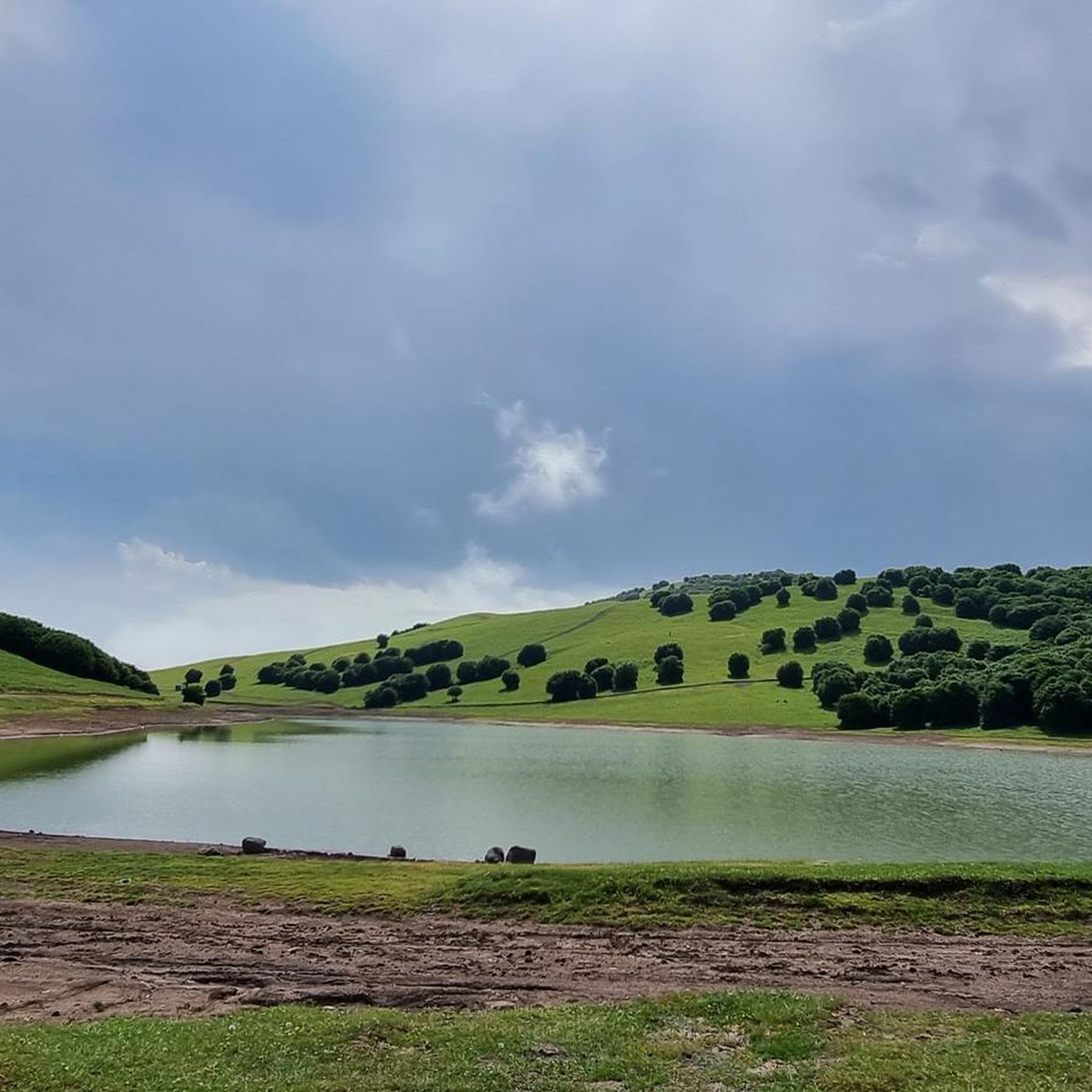
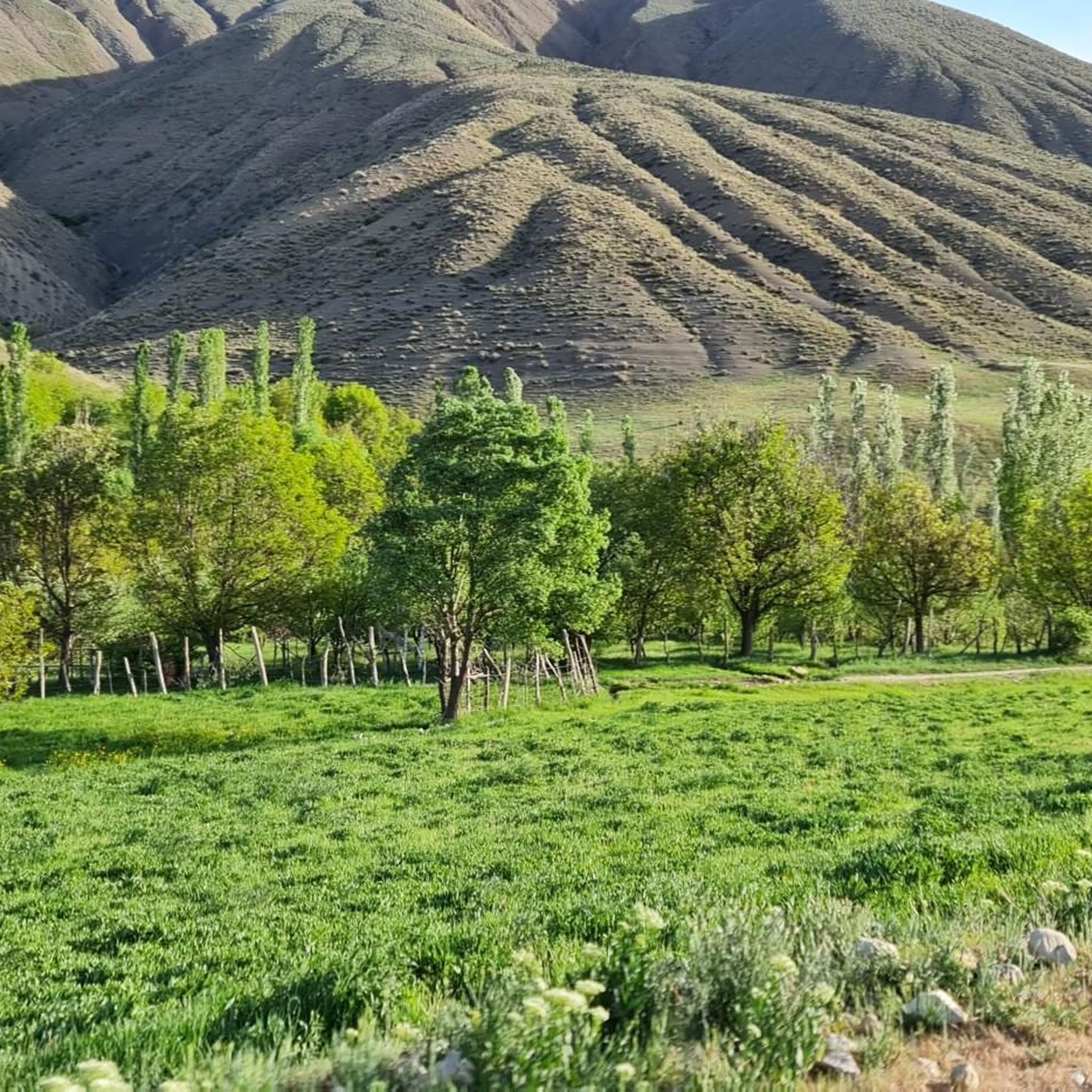
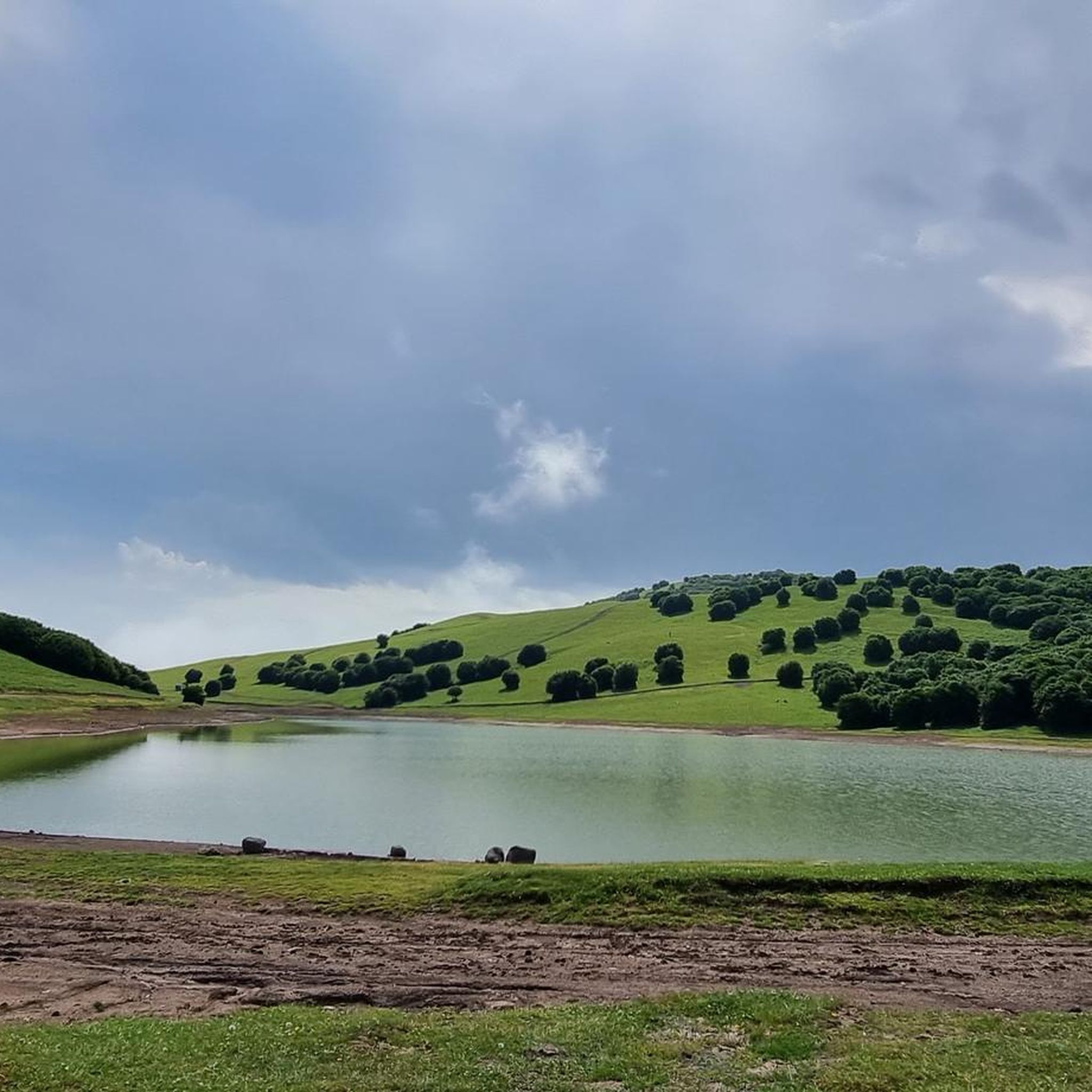

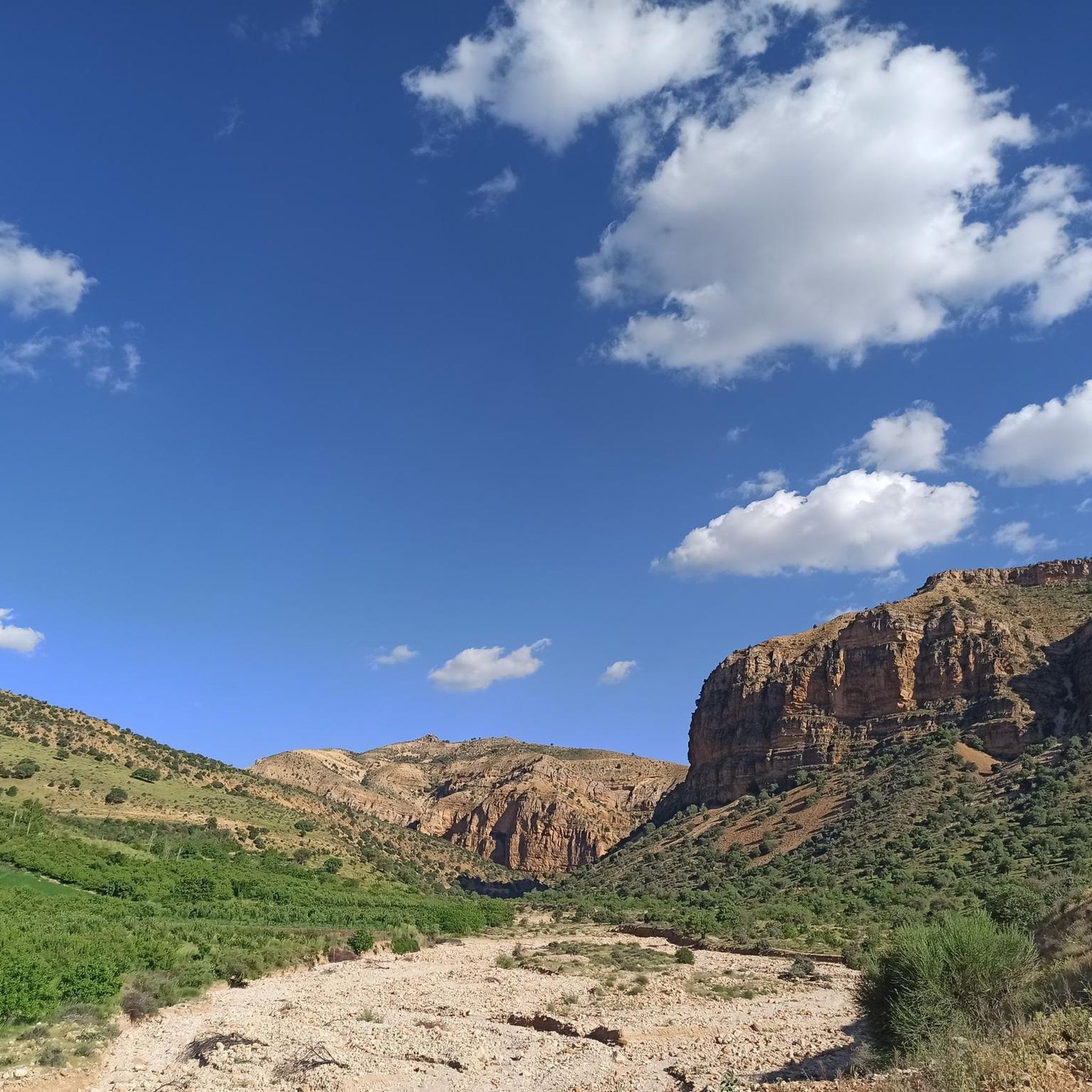


Tips from the Community


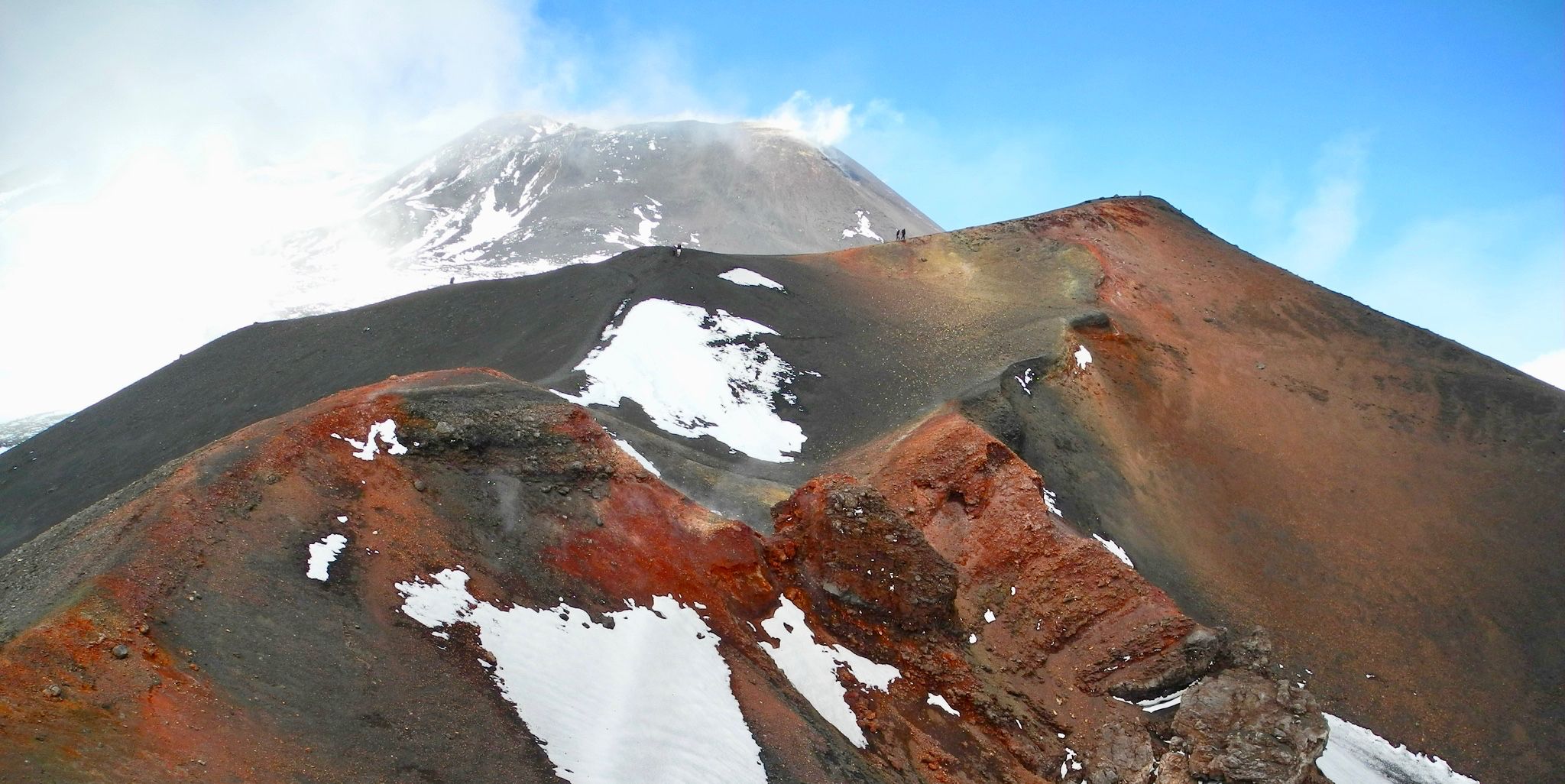
Very beautiful scenery on the way to Sufian. The colors are particularly impressive in the late afternoon sun.
0
0

From the village, where the cars came from another road, to the spa, the route was very strange and difficult, and it caused regret. It was full of thorn bushes, very slippery and muddy, and in terms of schedule, we knew from that moment that we were going to go back to eat at night, and this was more worrying because the way back was different from the way we came, and it was not exactly clear to us, from The side of the path we had come here was full of challenges and dangers during the day, and as a result, it was not possible to return from that path. In the end, we took a very short break to have lunch next to the spa and quickly prepared to return.
0
0


Waterfalls and picnic spot. Many families and groups during the weekend. Very steep 4km from the main road to reach it. There is an entrance ticket but we hadn't changed money yet and they allowed us in. I don't know the price. We asked to camp there and they made us sleep in the praying room. Water and toilets.
0
0

Nice hills, we were there in the morning and couldnt see the colors that well but still cool.
0
0

A spectacular view of the city. The climb is always worth it. You can hike up straight from the start of the park or take the cable car and hike up the last (steepest) stretch. Cable car costs 700,000 rials for locals and 1.5 million rials for foreigners for a round trip.
1
0
At 4850 meters above the sea Alam Kuh is Irans second highest mountain behind Damavan. But there is no question that this is the more stunning climb!
1
0
Frequently Asked Questions
What are some popular natural monuments in Iran for hiking and scenic views?
Iran offers several natural monuments perfect for hiking and enjoying spectacular views. Soffeh Peak provides a magnificent panorama of the city, accessible by hike or cable car. For a more challenging adventure, Sabalan Peak and Crater Lake offers a stunning hike through scenic routes, where visitors have even spotted bears. Another popular spot is Eynali Peak and Memorial, known for its red hills and a popular hiking destination with a lift and a café at the top.
Are there any natural monuments in Iran known for unique geological formations?
Yes, Iran is home to several natural monuments with truly unique geological formations. The Colored Mountains Near Sufian are a prime example, showcasing mountains with different bright colors that are particularly impressive in the late afternoon sun. The Lut Desert (Dasht-e Lut) features massive wind-sculpted ridges called yardangs and towering star-shaped sand dunes. Badab-e Surt Springs are famous for their terraced, multi-colored travertine pools, while Qeshm Island, a UNESCO Global Geopark, boasts the Namakdan Salt Cave, Valley of Stars, and Chahkouh Canyon, all carved by erosion.
What is the highest natural monument in Iran, and what can I expect when visiting?
The highest natural monument in Iran is Mount Damavand Summit, standing at 5,610 meters. It's the tallest volcano in Asia and offers breathtaking landscapes and alpine meadows. Visitors attempting the summit should be prepared for challenging conditions, including cold temperatures and potential sulfur fumes near the top. Proper warm clothing and crampons (especially in May/June) are highly recommended.
Are there any family-friendly natural monuments in Iran?
For families, El-Goli Park Fountain is a great option. While the guide doesn't specify other family-friendly natural monuments, many sites offer accessible areas for enjoyment. For example, the base areas of peaks like Soffeh often have parks and facilities suitable for families, and the unique landscapes of Qeshm Island or Hormuz Island can be fascinating for all ages, though some specific trails might be more challenging.
What kind of unique natural phenomena can be observed in Iran's natural monuments?
Iran's natural monuments offer a range of unique phenomena. The Lut Desert is known as one of the hottest places on Earth, with surface temperatures exceeding 70 degrees Celsius, and offers incredibly clear night skies for stargazing. The Badab-e Surt Springs feature mineral-rich waters that have formed distinctive stair-like, multi-colored pools. The Cloud Forests, such as the Shahroud Cloud Forest, allow visitors to literally walk among the clouds due to unique air pressure differences.
What outdoor activities can I do near natural monuments in Iran?
Many natural monuments in Iran are surrounded by opportunities for outdoor activities. You can find numerous hiking trails, ranging from easy to difficult. For example, there are many easy hikes in Iran, including loops near Iran Mall or Lake of the Martyrs of the Persian Gulf. If you're interested in waterfalls, there are also dedicated waterfall hikes. Additionally, road cycling is popular, with various road cycling routes available, such as loops from Artesh Expressway.
Are there any natural monuments in Iran that are also historical sites?
Yes, some natural monuments in Iran also hold historical significance. The Kandovan Cliff Dwellings are a remarkable example, where ancient human settlements are carved directly into the natural rock formations. While not a natural monument itself, the memorial at Eynali Peak adds a historical layer to the natural landscape.
What is Qeshm Island known for in terms of natural attractions?
Qeshm Island, a UNESCO Global Geopark in the Persian Gulf, is celebrated for its exceptional geological diversity. Key attractions include the Namakdan Salt Cave, one of the world's longest salt caves with fragile salt sculptures, and the unique formations of the Valley of Stars and Chahkouh Canyon. The island also features the Hara Mangrove Forests, a unique ecosystem of saltwater trees supporting diverse marine life, offering opportunities for kayaking.
What is the best time of year to visit Iran's natural monuments?
The best time to visit Iran's natural monuments largely depends on the specific region and type of monument. Generally, spring (April to May) and autumn (September to November) offer pleasant weather for exploring most areas, including deserts and mountains. For high-altitude peaks like Mount Damavand, the climbing season typically runs from July to September. Deserts like the Lut Desert are best visited in cooler months to avoid extreme summer heat.
Are there any natural hot springs associated with Iran's natural monuments?
Yes, natural hot springs are a feature in some of Iran's natural monument regions. Mount Damavand, for instance, is known for its natural hot springs in its vicinity, offering a relaxing experience after trekking. Additionally, the guide mentions a Hot Spring by the River, indicating other thermal water sources can be found.
What makes Hormuz Island a unique natural monument?
Hormuz Island, often referred to as 'Rainbow Island,' is unique due to its incredibly vibrant, colorful soil, displaying hues of red, yellow, and orange. Its Rainbow Valley, striking red beaches, and salt caves create surreal and picturesque geological scenery, making it a paradise for artists and nature lovers seeking extraordinary landscapes.
What kind of wildlife can be encountered near Iran's natural monuments?
The diverse landscapes of Iran's natural monuments support various wildlife. For example, visitors to Sabalan Peak and Crater Lake have reported seeing bears near their camps. The Hara Mangrove Forests on Qeshm Island are a unique ecosystem that supports diverse marine life and various bird species, making them a great spot for wildlife observation.
Most popular attractions in Iran

Get inspired with the komoot mobile app


Explore more
Extend your search for the best caves by checking out these guides of the top ones in Iran:
