Top 18 Natural Monuments around St Wolfgang
Best natural monuments around St Wolfgang are located in Austria's picturesque Salzkammergut region, offering a wealth of natural beauty. Sankt Wolfgang features a diverse landscape with significant natural attractions, including designated natural monuments. These sites provide varied recreational opportunities and scenic vistas. The area offers numerous opportunities to connect with nature.
Best natural monuments around St Wolfgang
- The most popular natural monuments is Müllner Bründl Spring, a natural monument that provides a quiet place for a break and to fill water bottles. According to legend, its water has been considered healing since 1800.
- Another must-see spot is Watershed Inn–Danube at Hauser Höhe, a natural monument and viewpoint. Visitors can enjoy wide views over the hilly landscape to the mountains on clear days.
- Visitors also love Ancient Lime (Linden) Tree of Pemmering, an ancient natural monument. This large-leaved lime tree is approximately 350 years old with a circumference of 6.8 meters.
- Sankt Wolfgang is known for natural springs, ancient trees, and scenic viewpoints. The region offers a variety of natural monuments to see and explore, from historical trees to expansive panoramas.
- The natural monuments around St Wolfgang are appreciated by the komoot community, with 277 upvotes and 185 photos shared across various highlights.
Last updated: July 21, 2026
Müllner Bründl Spring
Highlight • Natural Monument
Translated by Google •
Tip by

Watershed Inn–Danube at Hauser Höhe
Highlight • Natural Monument
Translated by Google •
Tip by

Sign up now to discover places like this
Get recommendations on the best single tracks, peaks, & plenty of other exciting outdoor places.
Sign up for free
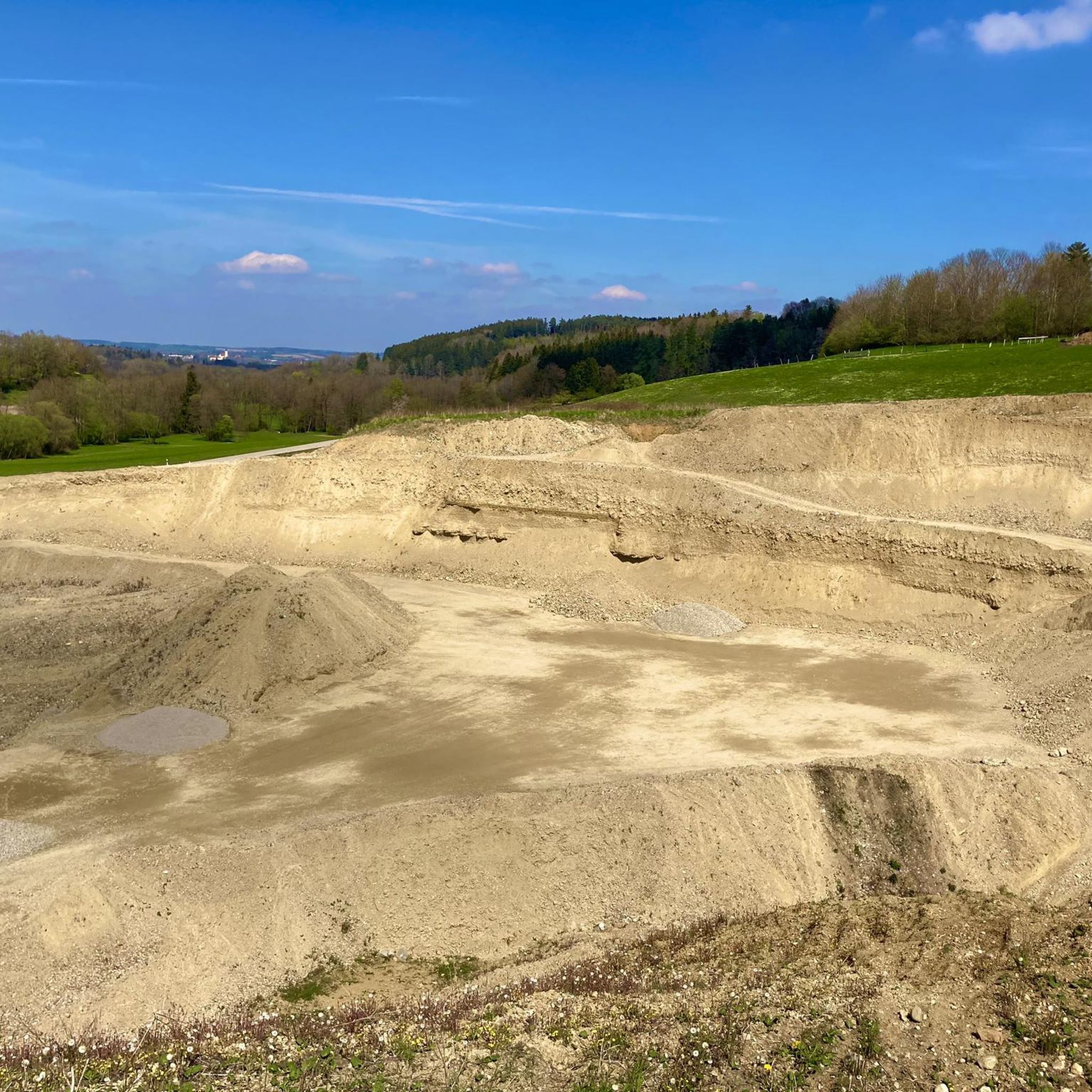
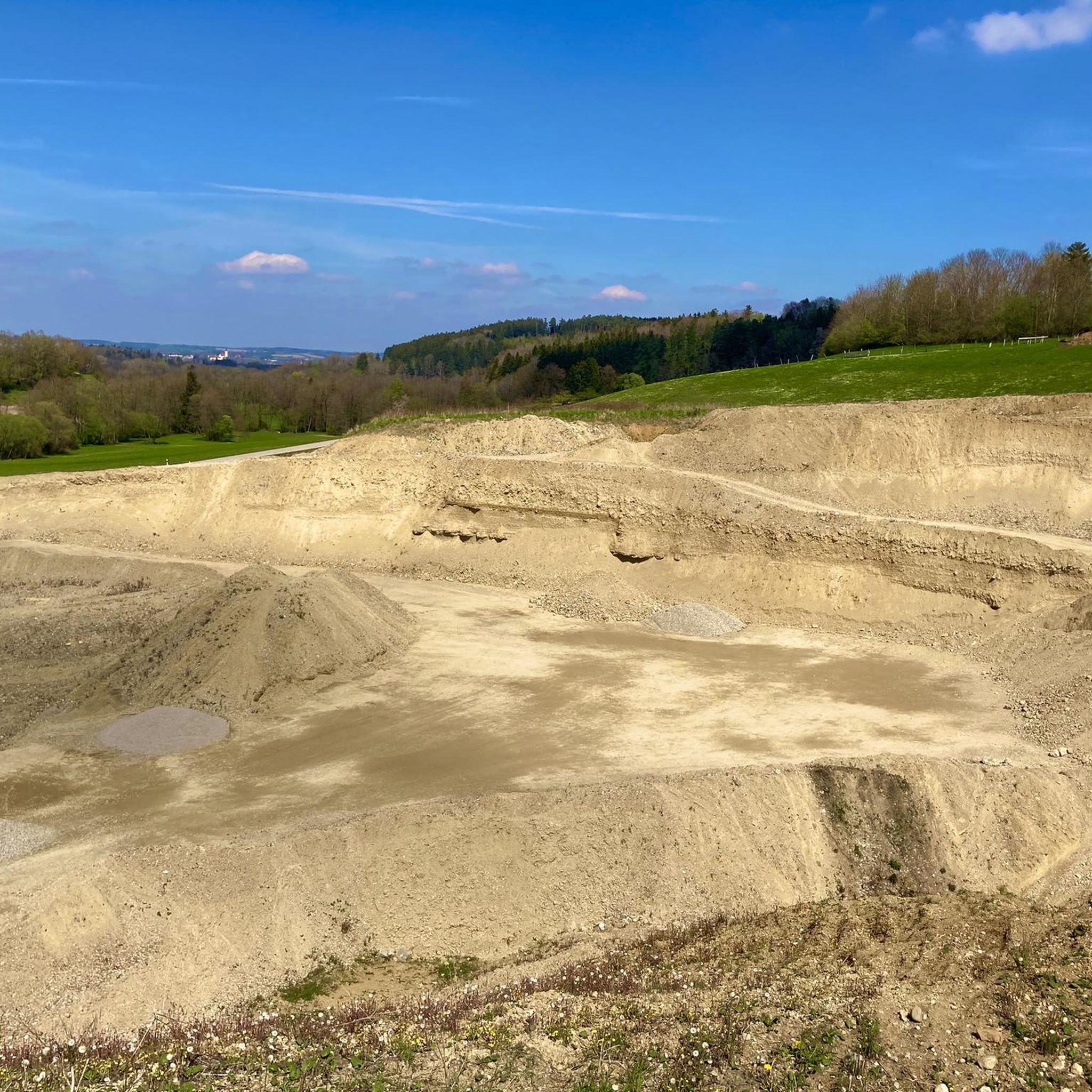
Kettle hole
Highlight • Natural Monument
Blocks of ice that break away from the glacier tongue during melting and remain there are called dead ice.
Dead-ice basins in which a water-retaining layer has developed, or whose steep slopes sometimes extend below the groundwater level, are water-filled, swampy, or boggy. Their funnel shape allowed rain and meltwater to collect. These small bodies of water have experienced varying degrees of siltation and moor development, even within the same basin. The range of vegetation formations is very broad. It ranges from small reed beds to large sedge marshes, small sedge marshes, quaking grasslands, floating leaf and aquatic vegetation, transitional bogs, and even black alder swamps.
Source: toteiskessel.de/uber-toteiskessel/was-ist-ein-toteiskessel
Translated by Google •
Tip by

Ancient Lime (Linden) Tree of Pemmering
Highlight • Natural Monument
Translated by Google •
Tip by

Lourdes Grotto and St. Joseph's Chapel (Isen)
Highlight • Religious Site
Translated by Google •
Tip by

Sign up for free to discover even more natural monuments around St Wolfgang.
Sign up for free
Already have an account?
Start today with a free account
Your next adventure awaits.
Login or Signup
Tips from the Community

A dead-ice basin is a dry, swampy, or water-filled depression formed by the melting of dead ice. Blocks of ice that break away from the glacier tongue during melting and remain there are called dead ice. Dead-ice basins in which a water-retaining layer has developed, or whose steep slopes sometimes extend below the groundwater level, are water-filled, swampy, or boggy. Their funnel shape allowed rain and meltwater to collect. These small bodies of water have experienced varying degrees of siltation and moor development, even within the same basin. The range of vegetation formations is very broad. It ranges from small reed beds to large sedge marshes, small sedge marshes, quaking grasslands, floating leaf and aquatic vegetation, transitional bogs, and even black alder swamps. Source: https://www.toteiskessel.de/uber-toteiskessel/was-ist-ein-toteiskessel/
0
0

From here it's downhill no matter which direction you go.
1
0

From here you have a great view towards the Alps (when the weather is nice ;))
0
0

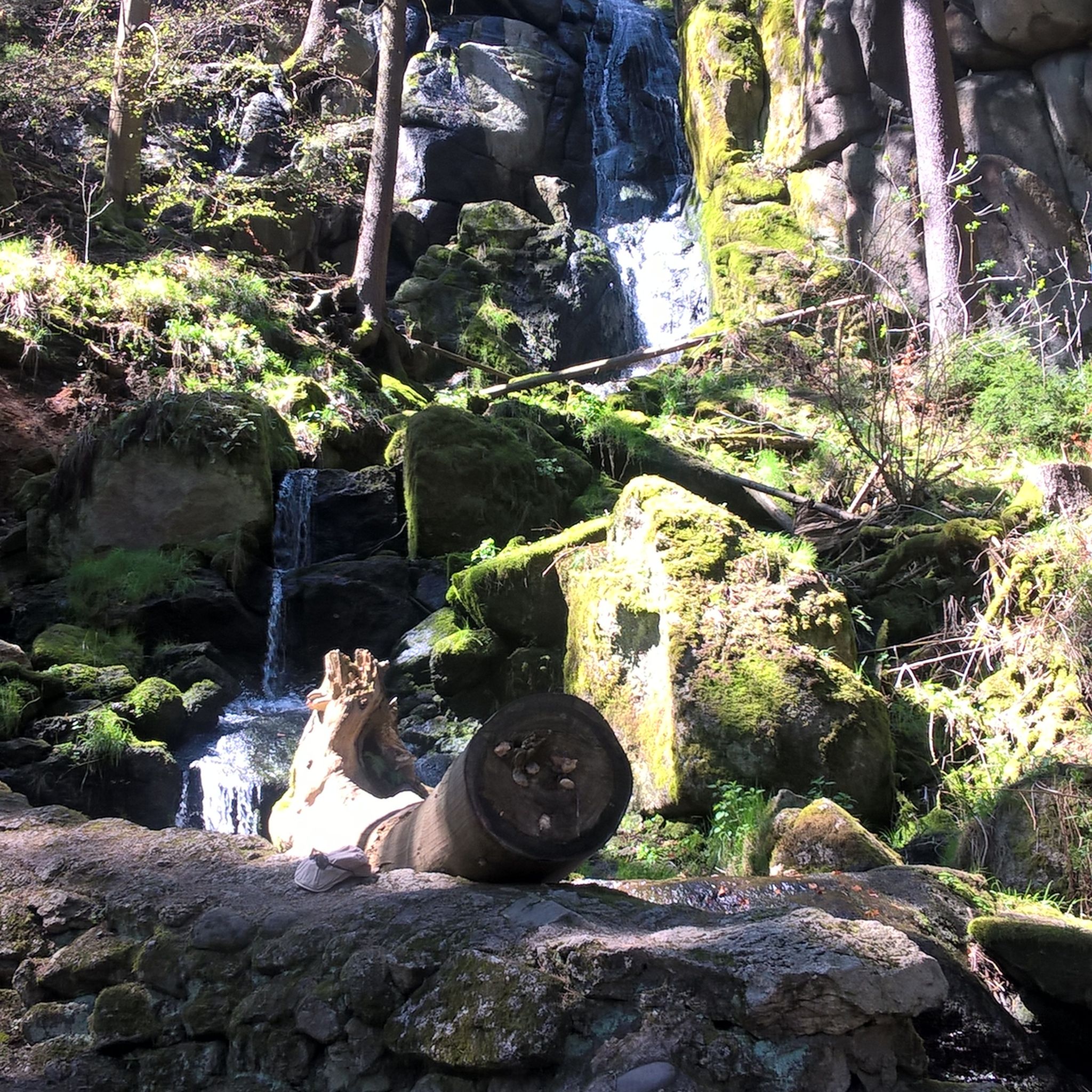
According to legend, after the Battle of Hohenlinden on December 3, 1800, a mounted soldier fled from the victorious French into the forest. On the swampy forest floor, horse and rider threatened to sink, but were miraculously saved. A spring gushed out where the wildly kicking horse hit solid ground. The rider wrote down the story of his rescue and deposited it in a hollow log in the clearing. The water from the spring has been considered healing ever since.
3
0

It's always nice to come here. A quiet peaceful place.
3
0
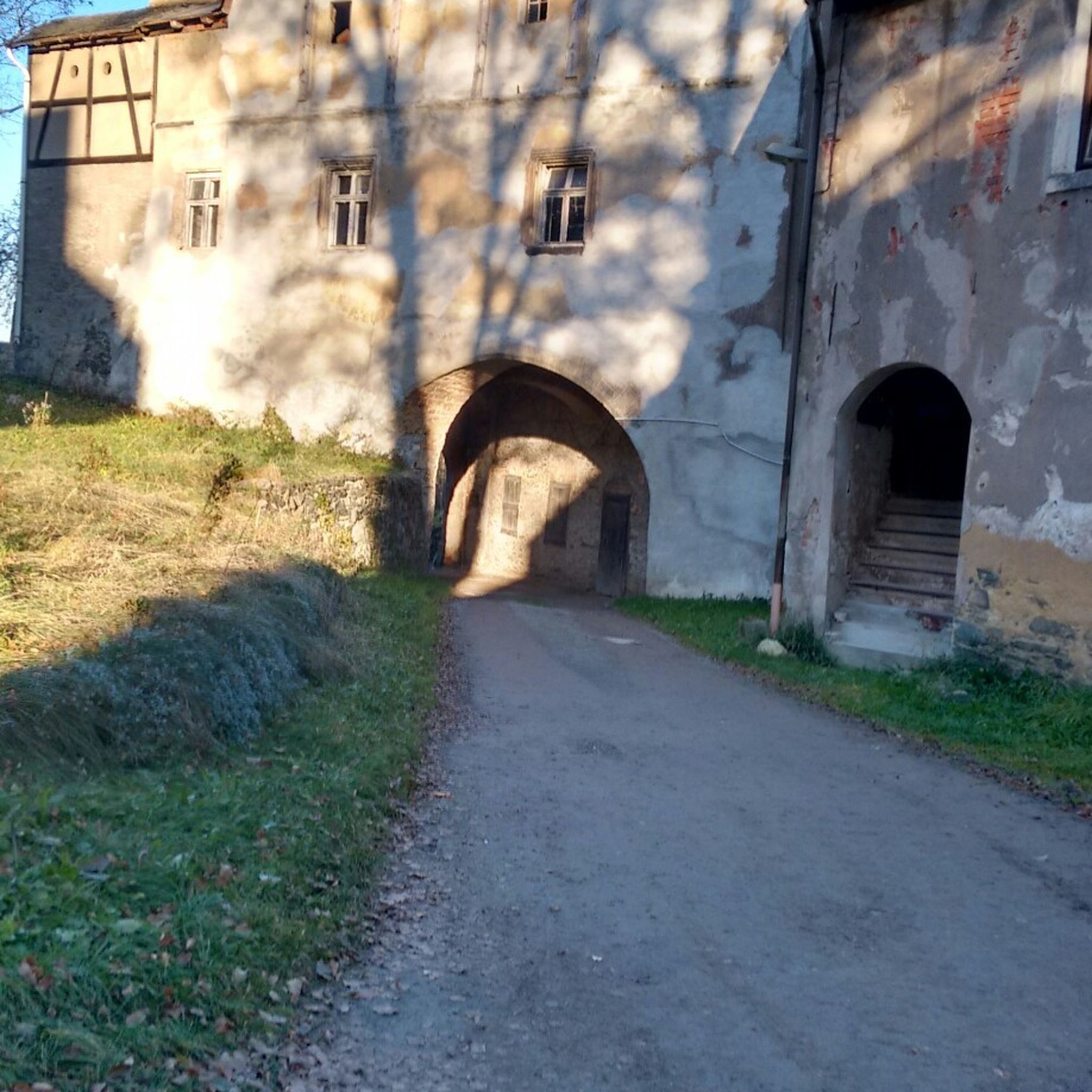
The Joseph chapel a little above the Lourdes grotto is the largest chapel in the parish, built in 1609. In the secularization (1803) it was released for demolition or auctioning. Was bought by Hofwirt Lechner and made available to the parish again.
2
0

A special kind of watershed - the Inn later also flows into the Danube!
1
0
The Lourdes grotto with rock scenery and prayer house was created in 1901 by the sculptor Max Heilmaier (1869-1923). Born in Isen, he helped shape the Munich Angel of Peace. May services, for example, take place at the grotto. Unfortunately the benches were removed.
3
0
Frequently Asked Questions
What are some prominent natural attractions in the Sankt Wolfgang region?
Beyond designated natural monuments, Sankt Wolfgang is home to several significant natural attractions. These include the idyllic Lake Wolfgangsee, offering crystal-clear waters for swimming and water sports, and the majestic Schafberg Mountain, which provides breathtaking panoramic views of the Salzkammergut. The Müllner Bründl Spring is also a notable natural monument, known for its tranquil setting and legendary healing waters.
Are there family-friendly natural monuments to visit in Sankt Wolfgang?
Yes, several natural monuments around Sankt Wolfgang are suitable for families. The Watershed Inn–Danube at Hauser Höhe offers wide views over the landscape, perfect for a family outing. The Ancient Lime (Linden) Tree of Pemmering, a 350-year-old tree, is another fascinating spot for all ages. Additionally, the Granitzenbach features a nature theme trail with adventure stations, making it an engaging experience for children.
What kind of natural features can I expect to see around Sankt Wolfgang?
The Sankt Wolfgang region boasts a diverse range of natural features. You can explore natural springs like the Müllner Bründl Spring, ancient trees such as the Ancient Lime (Linden) Tree of Pemmering, and scenic viewpoints offering expansive panoramas, like the Watershed Inn–Danube at Hauser Höhe. The region also features unique geological formations like the Kettle hole, a depression formed by melting ice.
What are some easy natural monuments or trails for beginners in Sankt Wolfgang?
For an easy and enjoyable experience, consider the Granitzenbach nature theme trail, which is designed for easy hiking and discovery. The Bürglstein Rundwanderweg also offers a pleasant lakeside walk with scenic views of Lake Wolfgangsee, suitable for those seeking a less challenging outdoor activity. The Müllner Bründl Spring provides a quiet, accessible spot for a break.
What outdoor activities can I do near the natural monuments in Sankt Wolfgang?
The area around Sankt Wolfgang offers various outdoor activities. You can enjoy road cycling on routes like the Vilstal Cycle Path, with options such as the Vilstal Cycle Path – Watershed Rest Stop loop. Running enthusiasts can explore trails like the Running loop from Pyramoos. Mountain biking is also popular, with trails such as the Müllner Bründl Wooden Bridge – St. Zeno Forest Chapel loop.
Are there any historical or cultural sites near the natural monuments?
Yes, some natural monuments have historical or cultural significance. The Müllner Bründl Spring is steeped in local legend, with its waters believed to have healing properties since 1800. Additionally, the Lourdes Grotto and St. Joseph's Chapel (Isen), while primarily a religious building, is listed as a natural monument and historical site, featuring a rock scenery created in 1901.
What is the best time to visit the natural monuments around Sankt Wolfgang?
The natural monuments around Sankt Wolfgang are beautiful year-round. However, for the best panoramic views from spots like Schafberg Mountain or the Watershed Inn–Danube at Hauser Höhe, clear days are ideal. Summer offers opportunities for swimming in Lake Wolfgangsee and enjoying the nature theme trail at Granitzenbach. Spring and autumn provide pleasant temperatures for hiking and vibrant scenery.
What do visitors enjoy most about the natural monuments in Sankt Wolfgang?
Visitors particularly appreciate the tranquility and natural beauty. The Müllner Bründl Spring is praised as a quiet, peaceful place for a break. The Ancient Lime (Linden) Tree of Pemmering captivates visitors with its age and the stories it could tell. The wide, scenic views from locations like the Watershed Inn–Danube at Hauser Höhe are also highly valued.
Can I find hiking trails near the natural monuments in Sankt Wolfgang?
Yes, there are numerous hiking opportunities. The Granitzenbach features a dedicated nature theme trail with wooden footbridges and adventure stations. For scenic lakeside walks, the Bürglstein Rundwanderweg offers lovely views of Lake Wolfgangsee. More challenging hikes can be found on Schafberg Mountain, accessible by foot or via the historic SchafbergBahn.
Is there a specific natural monument that is particularly unique or noteworthy?
The Kettle hole is a particularly unique natural monument. It's a depression formed by the melting of dead ice, which can be dry, swampy, or water-filled, supporting a broad range of vegetation from reed beds to black alder swamps. It offers a fascinating glimpse into geological processes and diverse ecosystems.
Are there opportunities for swimming near the natural monuments?
While not directly at a natural monument, the nearby Lake Wolfgangsee is a central natural feature offering excellent opportunities for swimming. Its crystal-clear waters and numerous bathing places along its shores make it a popular spot for a refreshing dip, especially during warmer months.
Most popular routes around St Wolfgang
Most popular attractions around St Wolfgang

Get inspired with the komoot mobile app


Explore more
Extend your search for the best caves by checking out these guides of the top ones around St Wolfgang:
