Top 20 Natural Monuments around Semmering
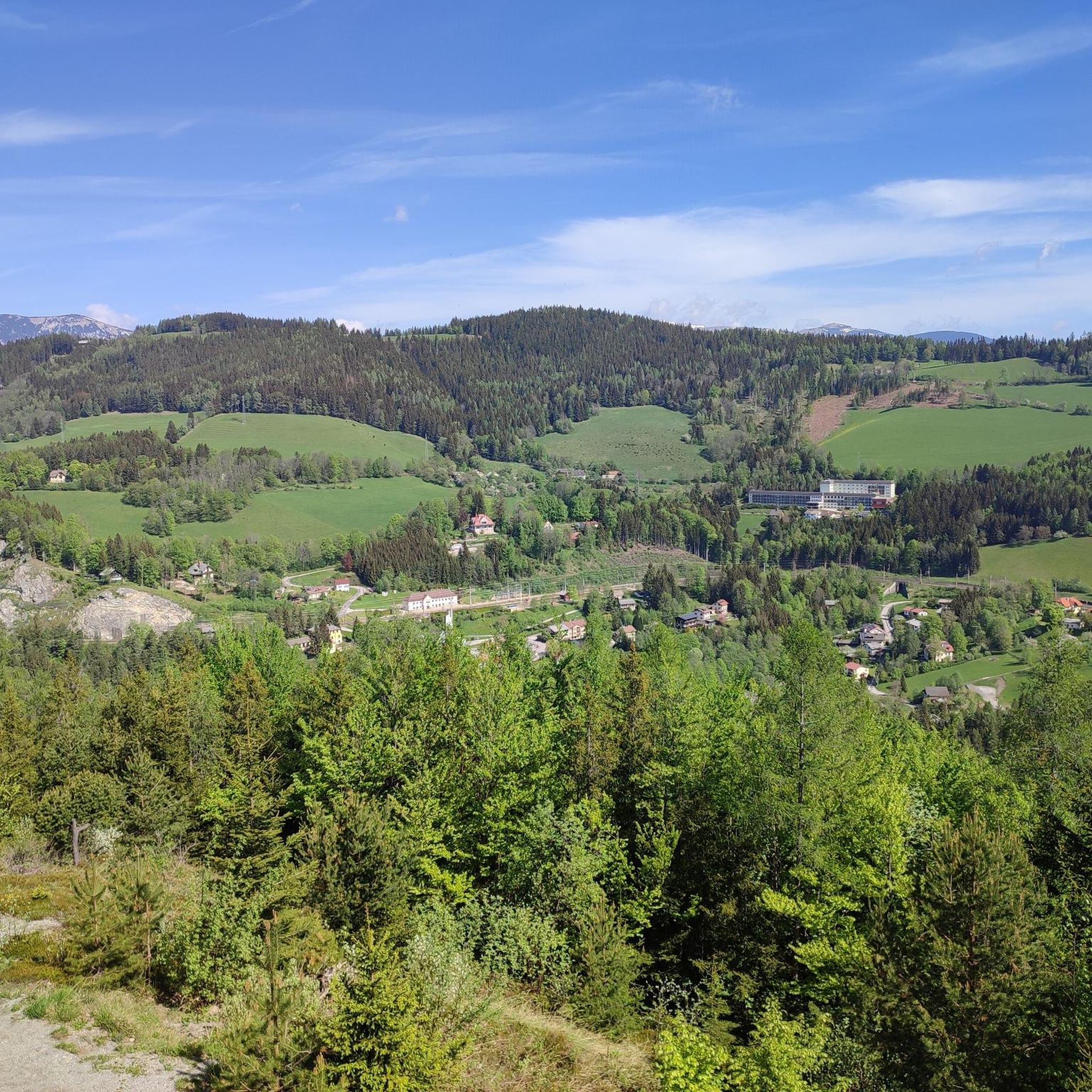
Best natural monuments around Semmering are situated in the Eastern Alps, a region defined by its mountain scenery, lush forests, and rolling hills. This landscape offers a blend of natural beauty and historical charm, with prominent features like the Semmering Pass connecting the Raxalpe and Wechselgebirge. The area provides numerous opportunities for exploring natural features and enjoying panoramic views.
Best natural monuments around Semmering
- The most popular natural monument is Preinerwand Summit Cross, a summit that offers a striking…
Last updated: August 4, 2026
Preinerwand Summit Cross
Highlight • Summit
Translated by Google •
Tip by

Luckerte Wand Rock Formation and Viewpoint
Highlight • Viewpoint
Translated by Google •
Tip by

Sign up now to discover places like this
Get recommendations on the best single tracks, peaks, & plenty of other exciting outdoor places.
Sign up for free
Törlweg Rock Arch
Highlight • Natural Monument
Translated by Google •
Tip by
Stuhleck Summit
Highlight • Summit
Translated by Google •
Tip by

Hay dome
Highlight • Summit
Translated by Google •
Tip by

Sign up for free to discover even more natural monuments around Semmering.
Sign up for free
Already have an account?
Start today with a free account
Your next adventure awaits.
Login or Signup
Popular around Semmering
Viennese Alpenbogen – Lower Austria's most beautiful peaks
Alpannonia – Crossing borders from Austria to Hungary
Bike parks in the Alps
Hiking around Semmering

Mountain Hikes around Semmering
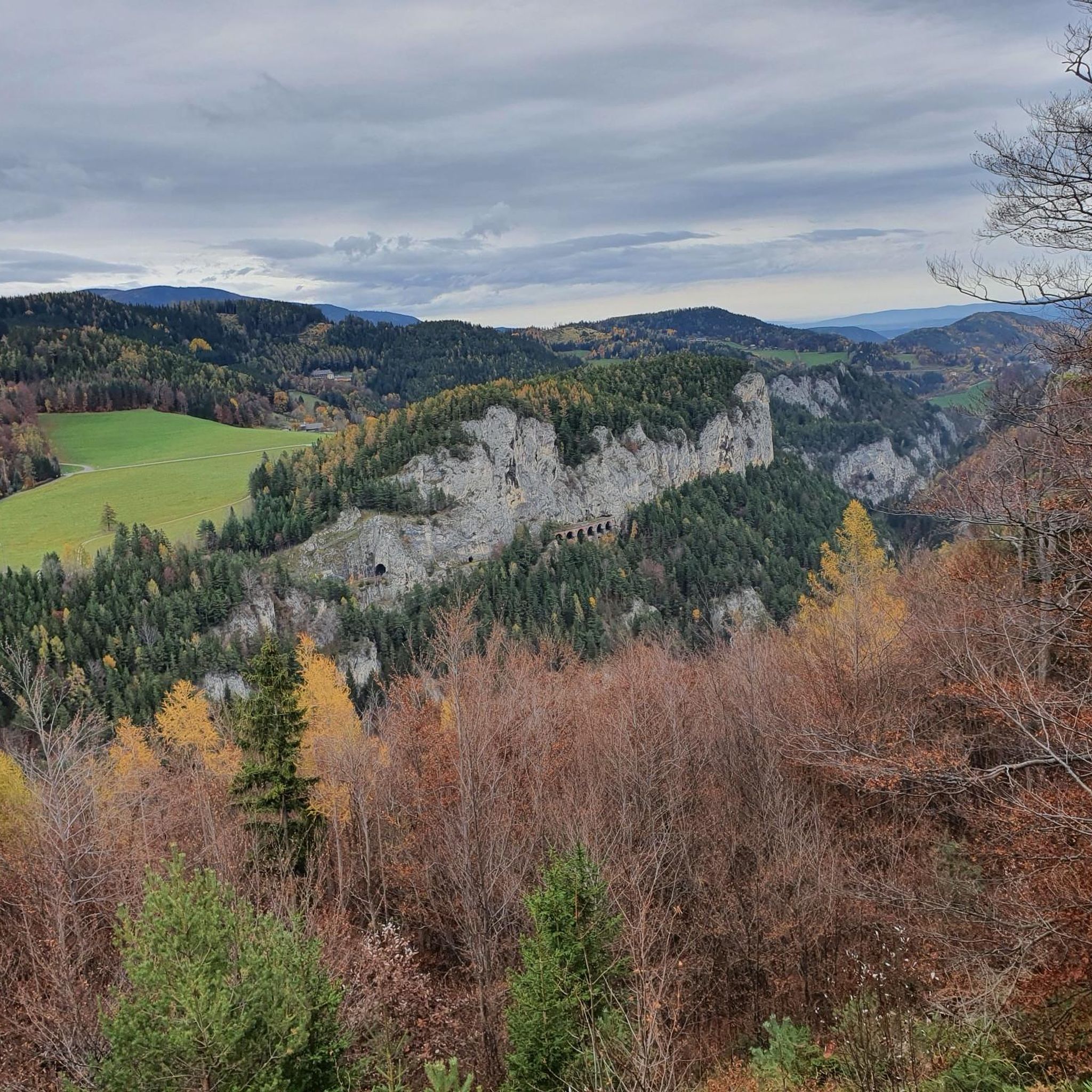
MTB Trails around Semmering
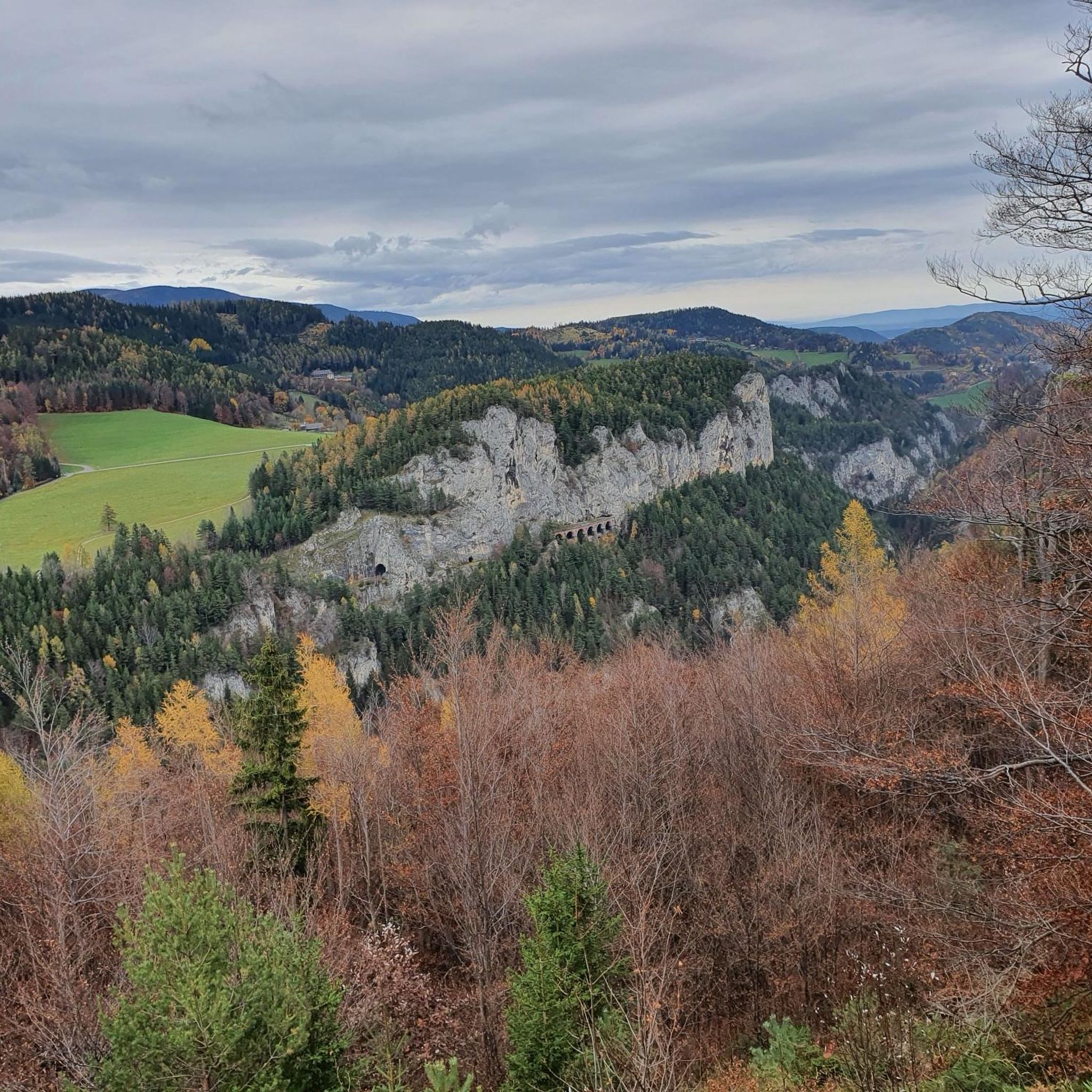
Road Cycling Routes around Semmering
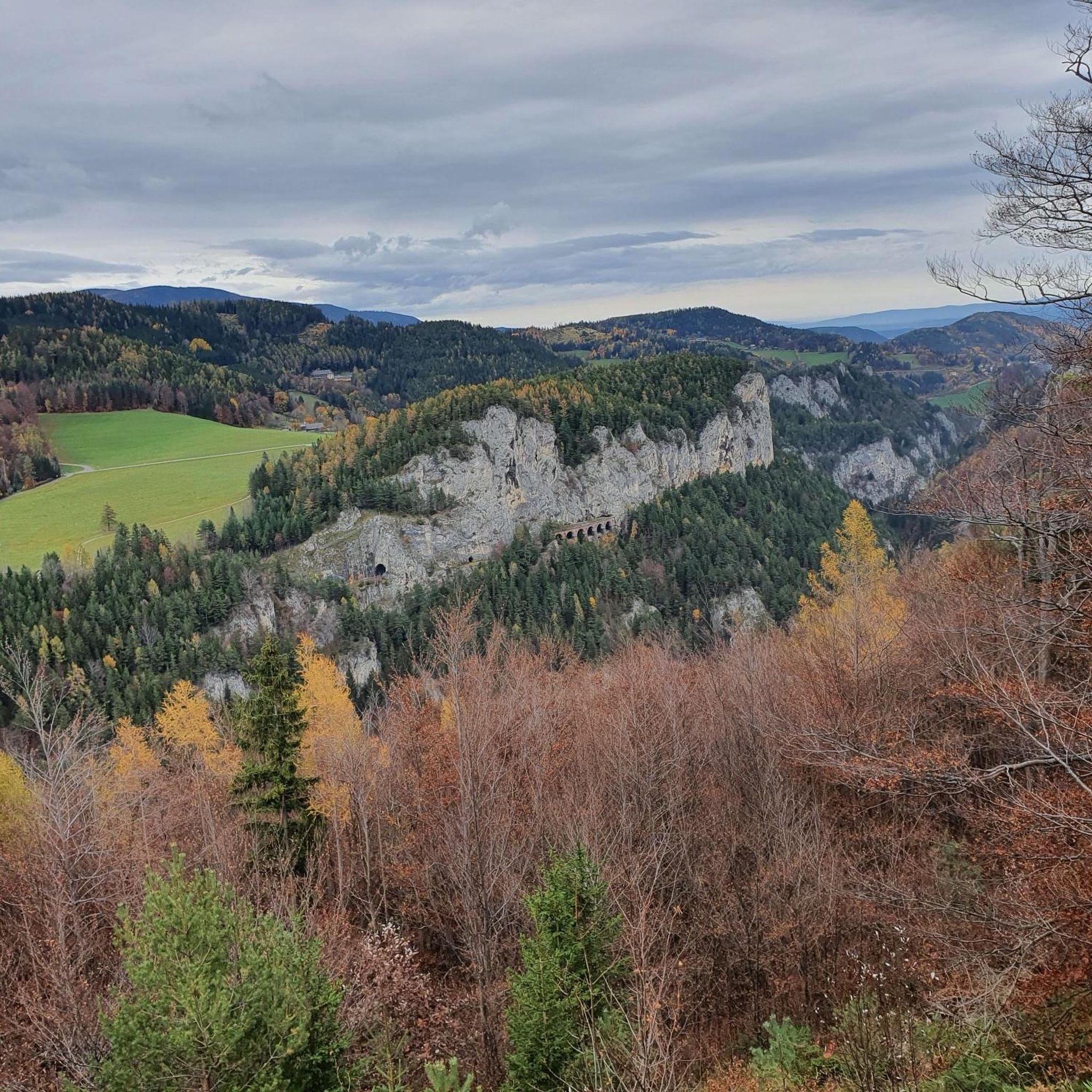
Cycling around Semmering
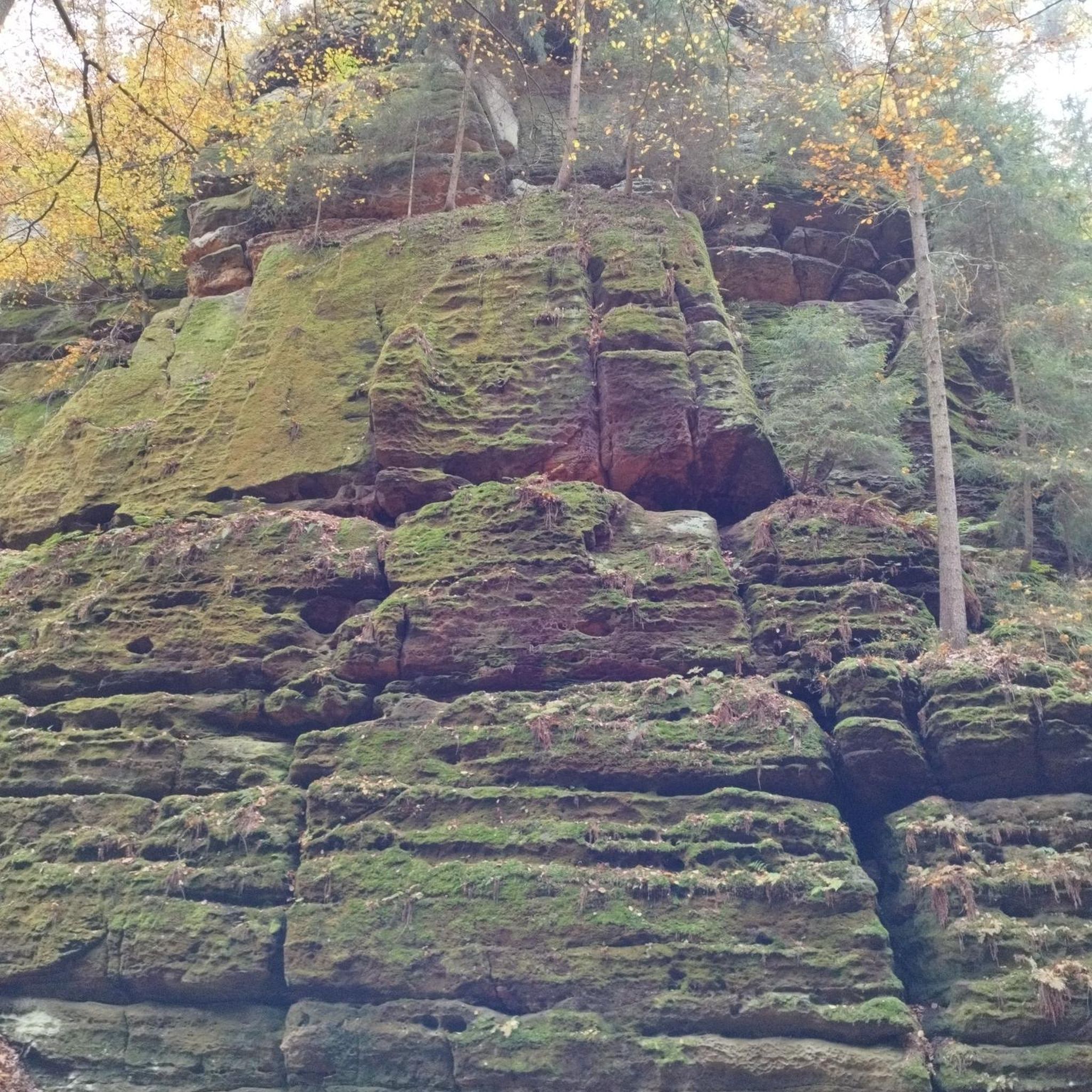
Gravel biking around Semmering
Running Trails around Semmering


Tips from the Community

The Heukuppe, at 2,007 meters, is the highest peak in the Rax and marks the easternmost two-thousand-meter peak in the Alps. From the expansive plateau, an unassuming ascent leads to the highest point, rewarding with an impressive panoramic view over the Vienna Alps and far into the Lower Austrian Prealps. Despite the gentle summit shape, you can feel the alpine vastness and the special location on the edge of the Eastern Alps up here.
5
0

This view simply beautiful I love this summit.
3
0
At the Törlweg gorge, the trail leads impressively up through a narrow rocky gully toward the Rax Plateau. This passage exudes a true alpine flair and makes the ascent varied and exciting. A striking landmark along the trail, it's a memorable stopover.
4
0
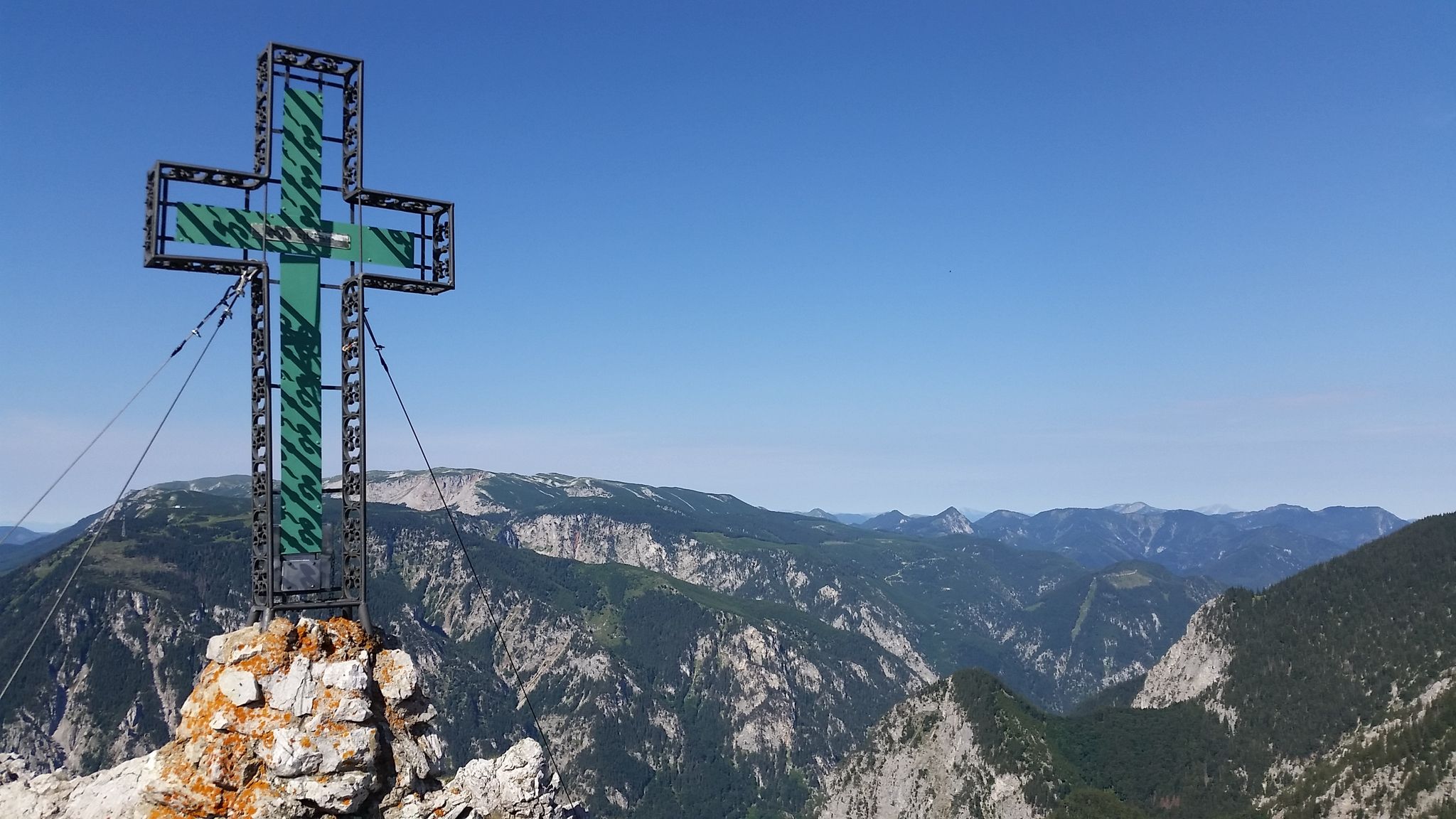
At the Preinerwand Cross (1,783 m), you reach one of the most striking vantage points in the Rax. From here, the view extends far over the Vienna Basin, the surrounding valleys, and, on a clear day, all the way to the peaks of the Alps. An impressive spot that rewards the climb with an unforgettable panorama.
8
0

Beautiful, striking breakthrough. Steep, rocky path.
2
0

Great view, challenging to drive, really fun
4
0
Great view, challenging to drive
4
0
Frequently Asked Questions
What are some of the most popular natural monuments to visit around Semmering?
The Semmering region offers several highly-rated natural monuments. Among the most popular are the Preinerwand Summit Cross, which provides striking views over the Vienna Basin, and the Luckerte Wand Rock Formation and Viewpoint, known for its impressive Schneeberg panorama and a unique hole through the rock. Another favorite is the Törlweg Rock Arch, offering an alpine passage through a narrow rocky gully towards the Rax Plateau.
What kind of natural features can I expect to see in the Semmering region?
The Semmering region, nestled in the Eastern Alps, is characterized by majestic mountains, lush forests, and rolling hills. You'll encounter prominent summits like the Preinerwand Summit Cross and Heukuppe, the highest peak on the Rax. The landscape also features unique geological formations such as the Luckerte Wand Rock Formation and the Törlweg Rock Arch. The entire area is rich in panoramic viewpoints, offering expansive vistas of the surrounding alpine scenery.
Are there good hiking opportunities near Semmering's natural monuments?
Yes, Semmering is an excellent destination for hiking. Many natural monuments are accessible via well-maintained trails. For instance, you can hike to the Preinerwand Summit Cross for rewarding views, or explore the alpine terrain around the Törlweg Rock Arch. The landscape traversed by the Semmering Railway also offers numerous trails with spectacular views of the viaducts and mountainous terrain. For more hiking ideas, you can explore various running trails around Semmering, such as the moderate 'Little 20‑Schilling Viewpoint – 20 Schilling View loop', on the Running Trails around Semmering guide.
What other outdoor activities can I do near the natural monuments in Semmering?
Beyond hiking, Semmering offers a variety of outdoor activities. Hirschenkogel Mountain, accessible via the Zauberberg cable car, is popular for winter sports like skiing and tobogganing, and in summer, it features a bike park and forest ropes course. The region also has extensive routes for gravel biking and mountain biking. You can find challenging routes like the 'Kalte Rinne Viaduct – Speckbacher Hut on Kreuzberg loop' on the MTB Trails around Semmering guide, or explore options on the Gravel biking around Semmering guide.
Is the Semmering Railway considered a natural monument?
While the Semmering Railway is an engineering marvel and a UNESCO World Heritage site, its true natural monument aspect lies in the dramatic alpine landscape it traverses. The railway blends harmoniously with the environment, winding through deep valleys and offering breathtaking views of the surrounding mountain scenery. Hiking along its path, particularly to viewpoints like the '20-Schilling-Blick', allows visitors to appreciate this unique cultural landscape where human innovation highlights natural beauty. More information about its UNESCO status can be found on the UNESCO website.
Are there any family-friendly natural monuments or activities in Semmering?
Yes, Semmering offers options for families. Hirschenkogel Mountain is a great choice, as it's easily accessible by the Zauberberg cable car, and at the summit, the Millennium Tower provides excellent views. In summer, Hirschenkogel also features a bike park and a forest ropes course, which can be enjoyable for families. Gentle walks through the pine forests around the Semmering Pass also provide tranquil experiences suitable for all ages.
What is the best time to visit Semmering's natural monuments?
The best time to visit Semmering's natural monuments largely depends on the activities you plan. Spring and autumn offer pleasant temperatures for hiking and enjoying the scenic views, with vibrant foliage in autumn. Summer is ideal for activities like mountain biking and the ropes course on Hirschenkogel. Winter transforms the region into a snowy landscape, perfect for ski tours, snowshoe hikes, and winter sports, especially on Hirschenkogel and around the Heukuppe.
Can I reach Semmering's natural attractions by public transport?
Yes, Semmering is generally accessible by public transport, particularly via the Semmering Railway itself, which is a UNESCO World Heritage site. The railway connects various points within the region, making it possible to reach trailheads and viewpoints. From the Semmering train station, many natural monuments and hiking routes are within reach, either directly or via local bus connections.
Are there any natural monuments that offer particularly stunning panoramic views?
Absolutely. The Preinerwand Summit Cross (1,783 m) offers extensive views over the Vienna Basin and surrounding valleys. The Luckerte Wand Rock Formation and Viewpoint (1,128 m) provides a great Schneeberg panorama. Additionally, the Stuhleck Summit (1,782 m) is known for its indescribable panorama, and the Heukuppe (2,007 m), the highest peak on the Rax, boasts a stunning panorama, especially at sunrise and sunset.
What is the difficulty level of hiking trails around Semmering's natural monuments?
Hiking trails around Semmering's natural monuments vary in difficulty. Many routes to popular spots like the Preinerwand Summit Cross and Törlweg Rock Arch are considered intermediate to challenging, often involving significant elevation changes and rocky terrain. However, there are also easier paths, particularly around the Semmering Pass, offering more leisurely walks through forests and hills. Always check specific route details before heading out.
Are there any hidden natural gems or less-known spots worth exploring in Semmering?
While the main natural monuments are well-known, the broader Semmering region is full of tranquil spots. Exploring the numerous hiking trails that crisscross through pine forests often leads to secluded viewpoints and peaceful areas away from the main crowds. The charm of the Semmering Railway landscape, with its integration into nature, also offers many less-traveled paths that reveal unique perspectives of the viaducts and the alpine environment.
What should I wear for hiking to natural monuments in Semmering?
Given the varied terrain and weather conditions in the Eastern Alps, it's advisable to wear sturdy hiking boots with good ankle support. Layered clothing is recommended, as temperatures can change quickly, especially at higher altitudes. Include waterproof and windproof outer layers. Don't forget sun protection, a hat, and plenty of water. For winter visits, appropriate cold-weather gear, including insulated clothing and possibly snowshoes or microspikes, is essential.
Most popular routes around Semmering
Most popular attractions around Semmering

Get inspired with the komoot mobile app


Explore more
Extend your search for the best caves by checking out these guides of the top ones around Semmering:
